


Savor the Spice: A Culinary Journey Through Sichuan’s Most Iconic Dishes
1. Mapo Tofu: The Fiery Comfort Food
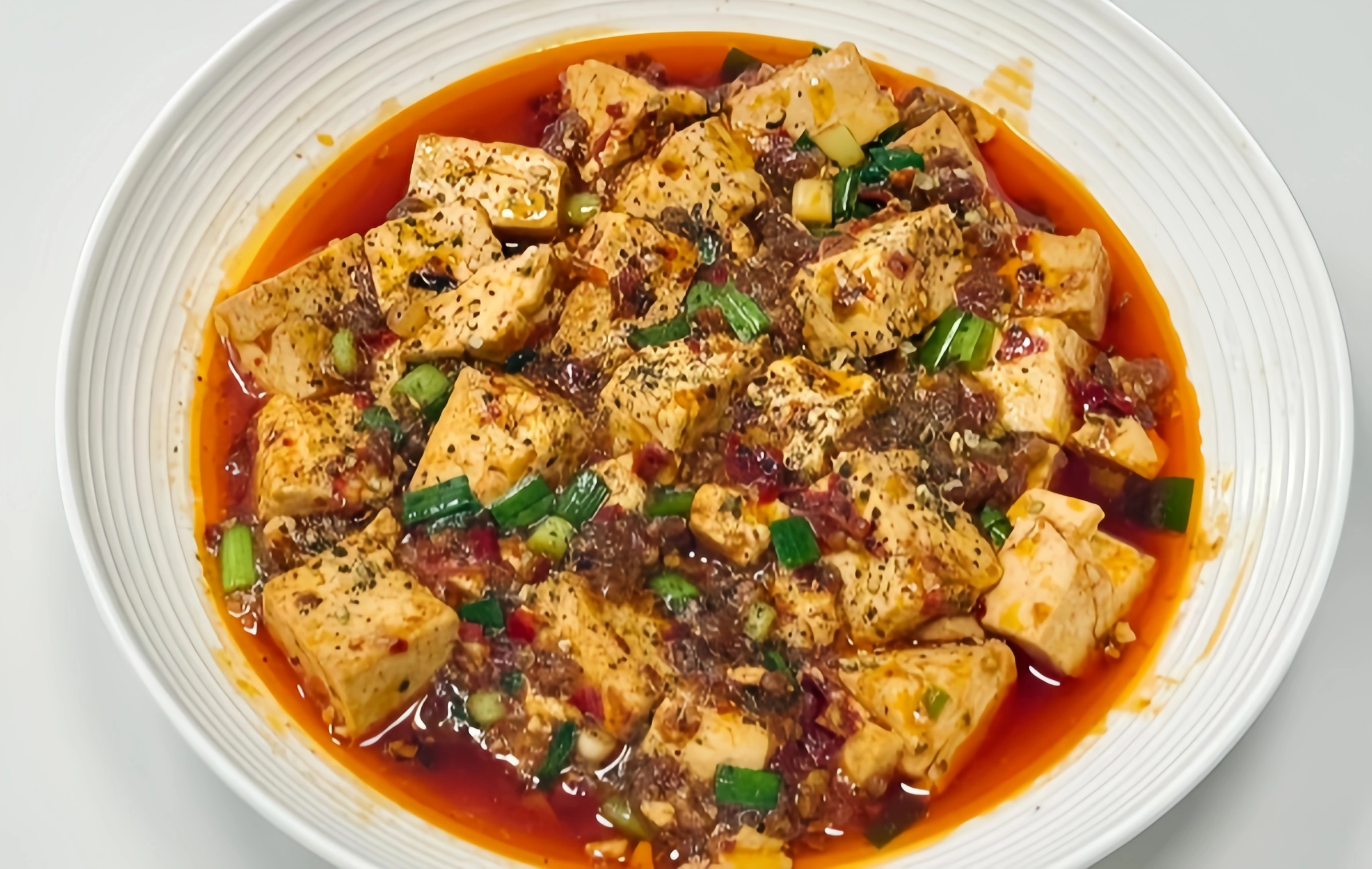
No introduction to Sichuan Cuisine is complete without Mapo Tofu (Má Pó Dòufu), a dish that balances bold flavors and velvety textures. Originating in Chengdu, this stir-fry features soft tofu cubes simmered in a spicy, aromatic sauce made from Sichuan peppercorns, chili oil, fermented black beans, and minced pork (or mushrooms for vegetarians). The magic lies in the málà (numbing-spicy) sensation, created by the peppercorns’ unique tingling effect. Pair it with steamed rice to temper the heat, and you’ve got a soul-warming meal that’s beloved across China—and beyond.
2. Kung Pao Chicken: A Global Icon with a Sichuan Soul
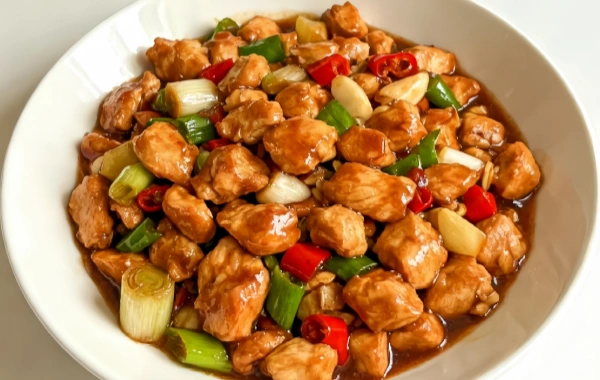
Kung Pao Chicken (Gōng Bǎo Jī Dīng) is Sichuan’s gift to the world, blending tender diced chicken with crunchy peanuts, vegetables, and a sauce that’s equal parts sweet, savory, and spicy. The dish gets its kick from dried red chilies and Sichuan peppercorns, while a touch of vinegar adds brightness. Though popular internationally, the original version in Sichuan leans heavier on the heat and numbing sensation. For a milder take, ask for “less spicy” (“wēi là”), but purists swear by the full-blast experience.
3. Twice-Cooked Pork: Crispy, Savory Perfection
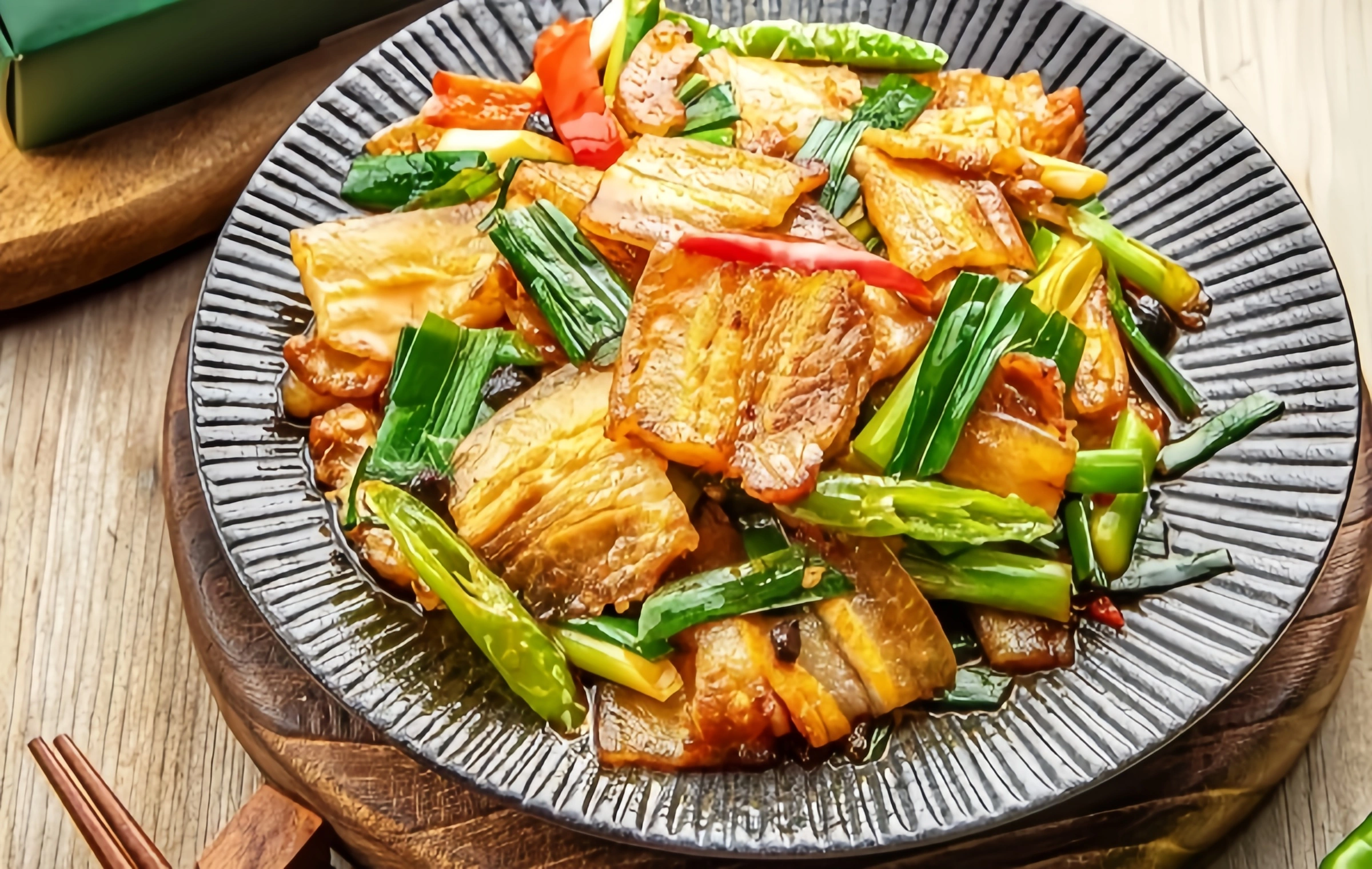
Twice-Cooked Pork (Huí Guō Ròu) earns its name from a two-step cooking process: first boiled, then stir-fried. The result? Tender pork belly slices with crispy edges, tossed with leeks, garlic, and fermented black beans in a smoky, spicy sauce. The dish’s depth comes from doubanjiang (chili bean paste), a Sichuan staple that adds earthy, umami richness. Locals often eat it with mantou (steamed buns) to soak up the flavorful oil.
4. Dan Dan Noodles: A Bowl of Sichuan Soul
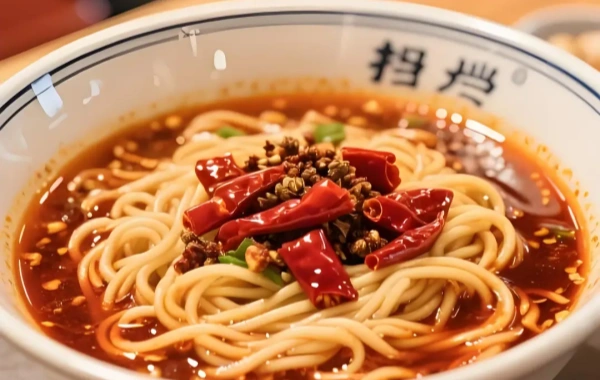
Dan Dan Noodles (Dàn Dàn Miàn) are named after the bamboo poles (dànzi) vendors used to carry their noodles through Chengdu’s streets. Today, this dish is a street-food staple: thin wheat noodles topped with a spicy, savory sauce of minced pork, Sichuan peppercorns, chili oil, and preserved vegetables, all finished with a sprinkle of crushed peanuts. The key is mixing everything thoroughly to coat each strand in the bold, numbing-spicy dressing.
5. Hot Pot: Sichuan’s Social Feast
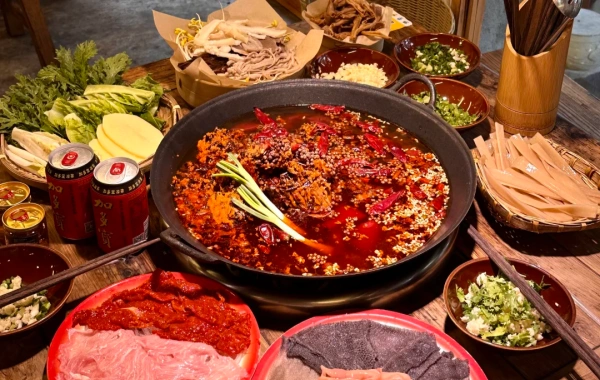
No Sichuan culinary adventure is complete without Hot Pot (Huǒ Guō), a communal dining experience where diners cook raw ingredients (meats, veggies, tofu, and noodles) in a simmering pot of spicy broth (málà base) or a milder, herbal version. The broth’s heat comes from Sichuan peppercorns, dried chilies, and star anise, while dipping sauces (often sesame paste with garlic and vinegar) let guests customize their flavor. It’s messy, interactive, and perfect for cold winter nights—or any occasion that calls for laughter and shared stories.
Why Sichuan Cuisine Captivates the World
Sichuan food isn’t just about heat—it’s a symphony of seven flavors: sour, pungent, hot, sweet, bitter, aromatic, and salty. The region’s humid climate inspired bold spices to balance moisture, while its fertile lands supply fresh ingredients year-round. Whether you’re a spice lover or a curious foodie, Sichuan’s dishes offer a passport to a world where every bite tells a story.




Contact Us
What Our Clients Say?








Ask us before you decide.
Unsure about a route, departure date or room option? Tell us what is holding up your plans. You will get a clear answer from our China-based travel team—no booking required.