
Discover China's Four Seasons: Seasonal Escapes
This page is your seasonal guide to China:
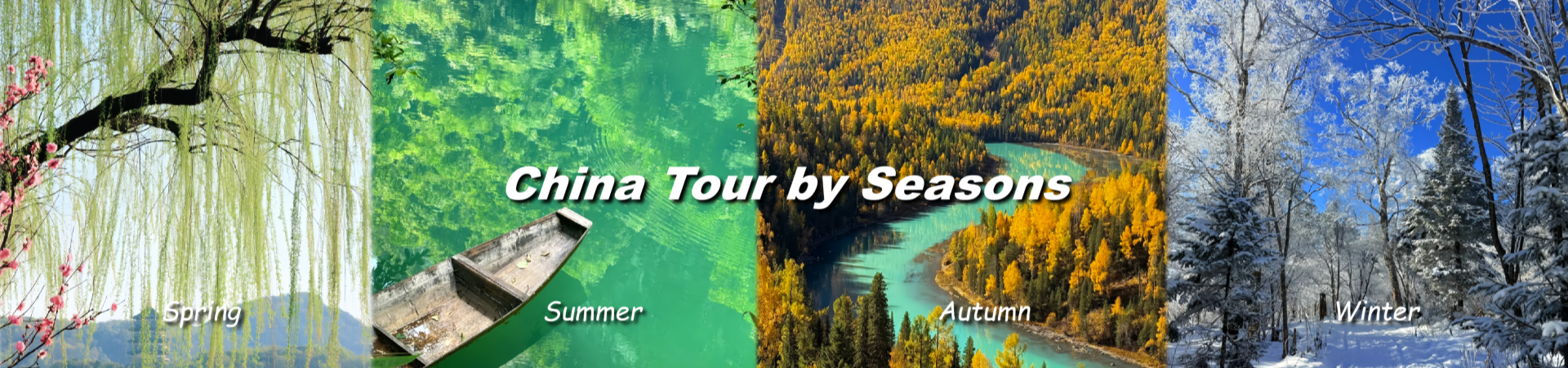
China stretches across nearly 50 degrees of latitude—from tropical Hainan to subarctic Heilongjiang. This vastness means that while one corner of the country freezes under ice and snow, another bursts into bloom. Four seasons don't just change the weather here; they reshape the entire landscape, offering four radically different journeys within a single nation.
where to go in spring when ancient water towns turn pink, where to escape the summer heat in 3,000-meter mountain peaks, where autumn sets entire grasslands on fire with gold, and where winter builds the largest ice city on Earth.One country. Four completely different worlds.
Which season do you like best? [Click To Contact Us]
Recommended Travel Destination for Spring (March-May)
Why Spring: Mild temperatures across most of China. Cherry blossoms, rapeseed fields, peach blossoms in full bloom. The most popular season for first-time visitors.
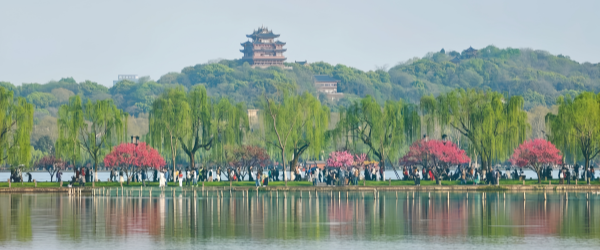
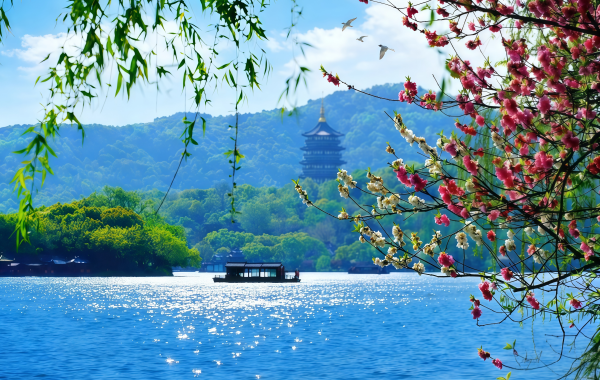
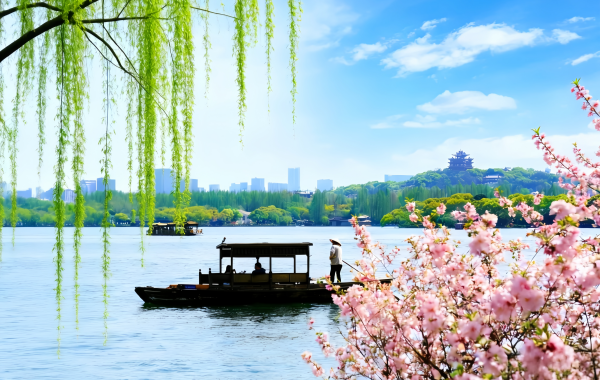
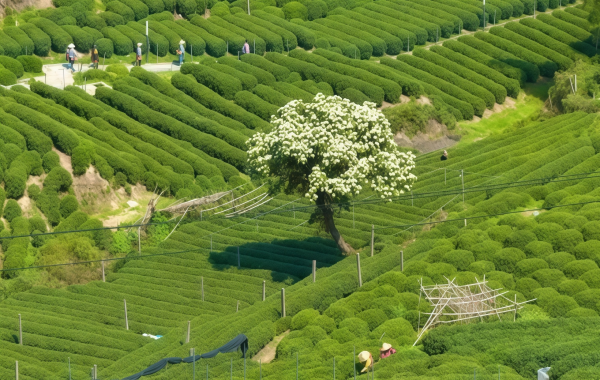
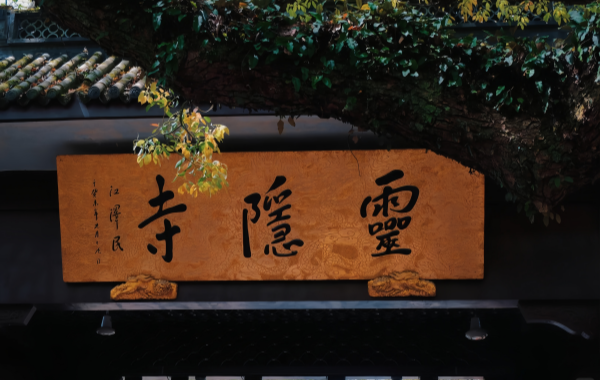
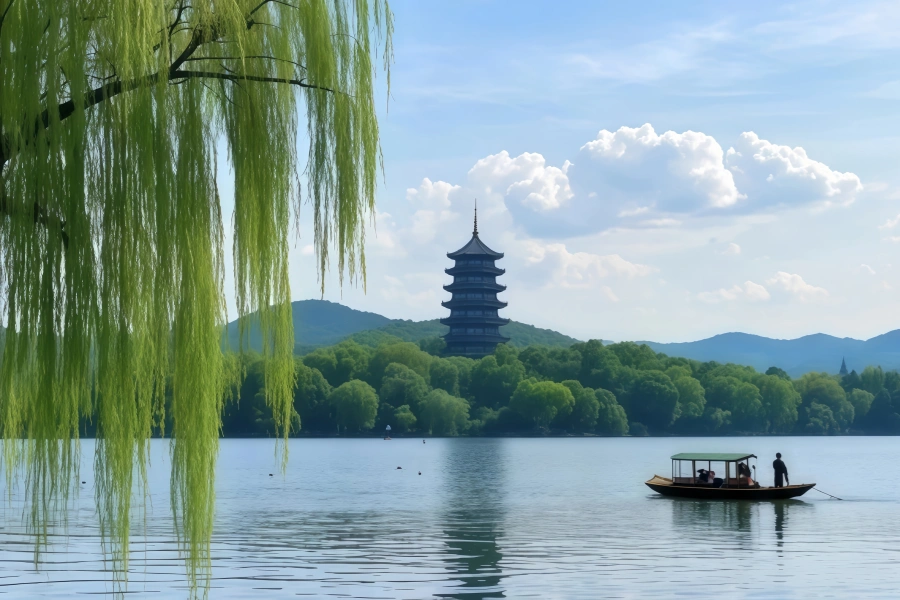
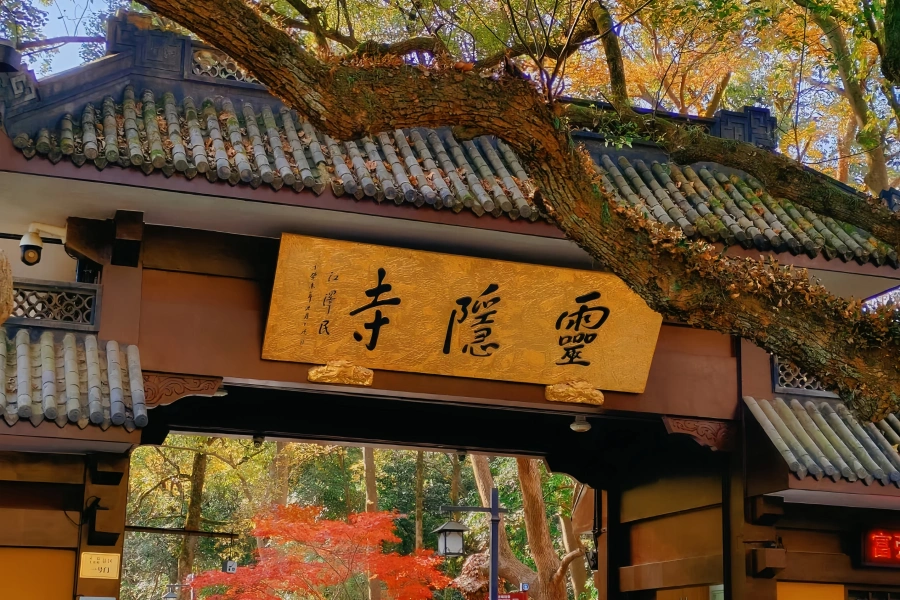
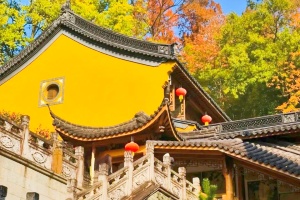
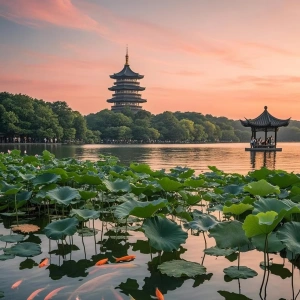
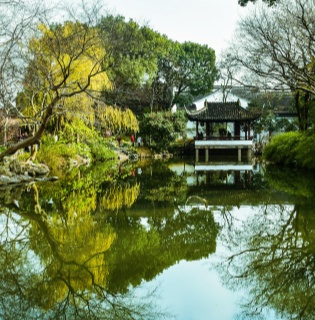
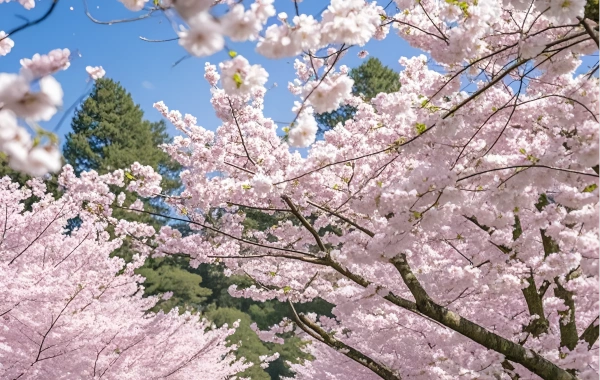
From March to April, cherry and peach trees bloom along Su Causeway at West Lake. The lake is a UNESCO World Heritage Site. Visitors can walk or cycle across the causeway, take a rowboat onto the water, or visit Longjing tea villages west of the lake. In the tea fields, farmers harvest the first spring leaves. You can watch the picking process and drink fresh tea at a local farm. Lingyin Temple, a Buddhist site with ancient stone carvings, is a 15-minute drive from the lake and has forest trails with spring wildflowers.

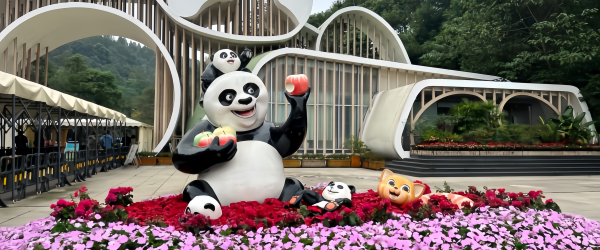
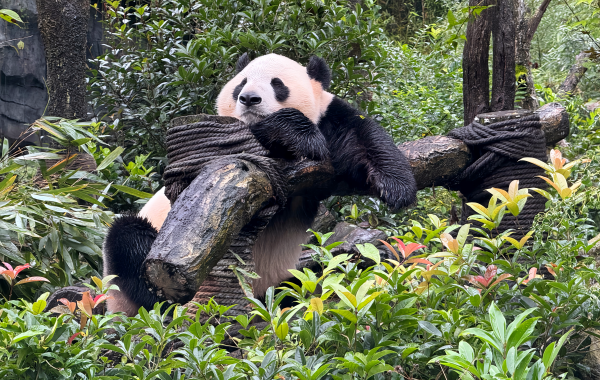
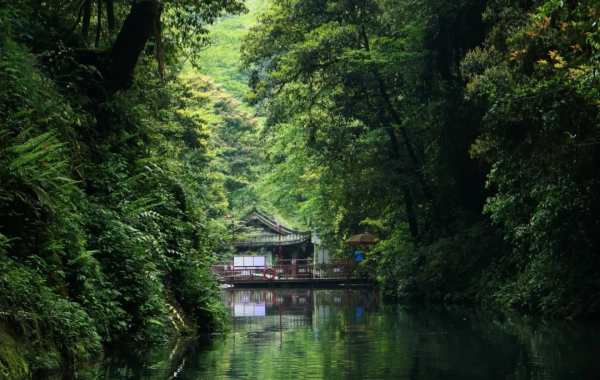
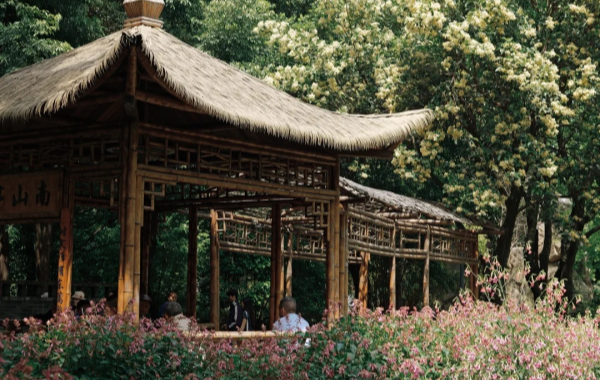
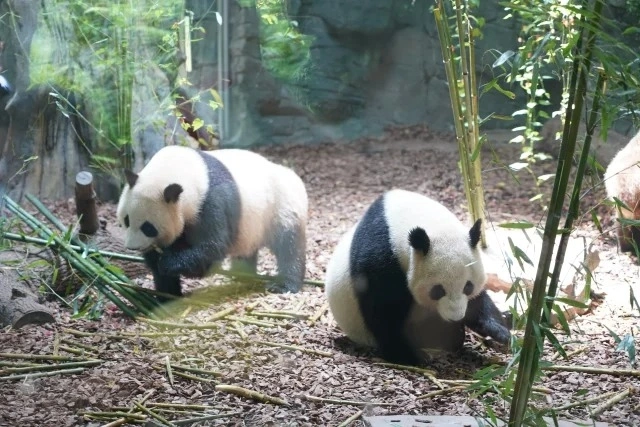
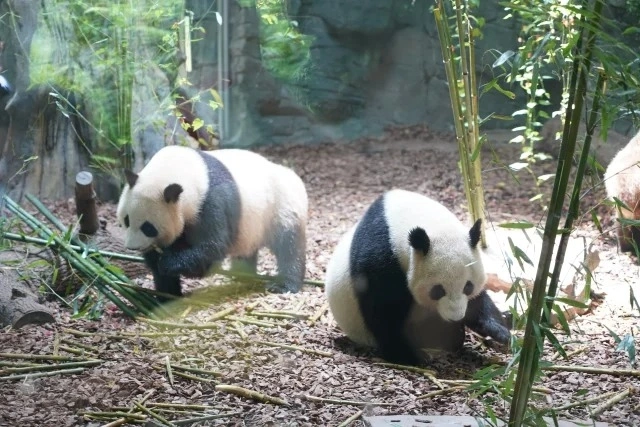
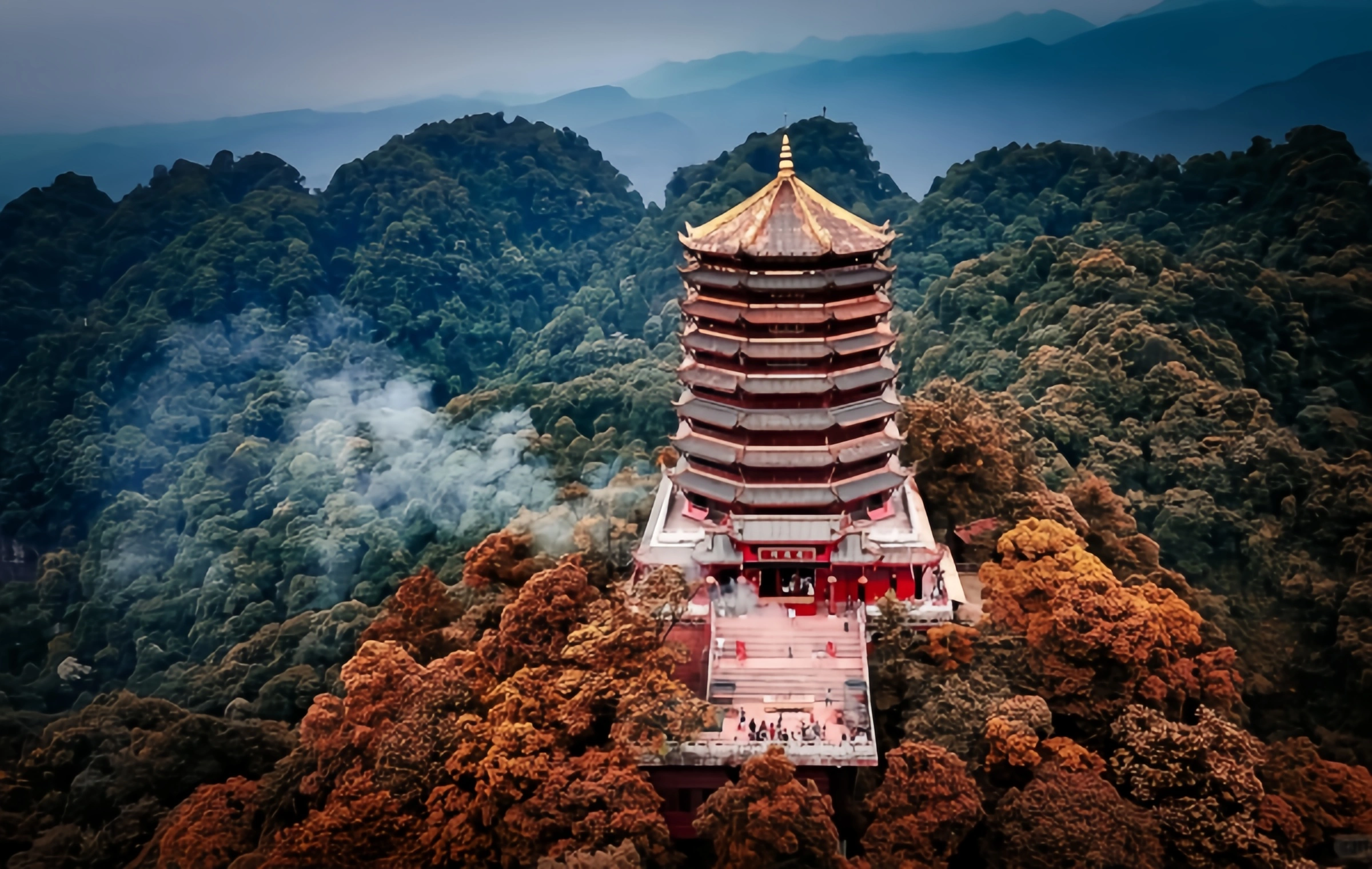
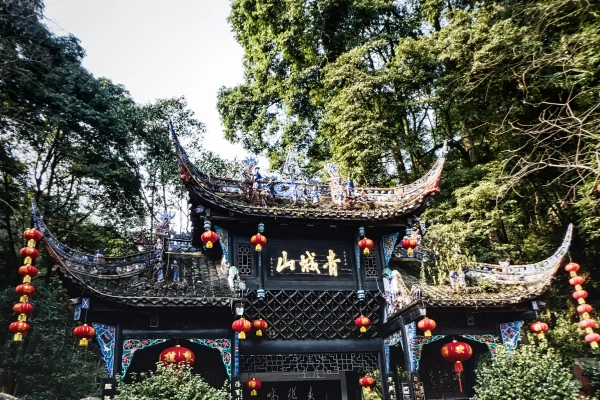
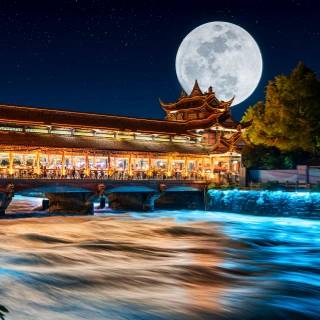
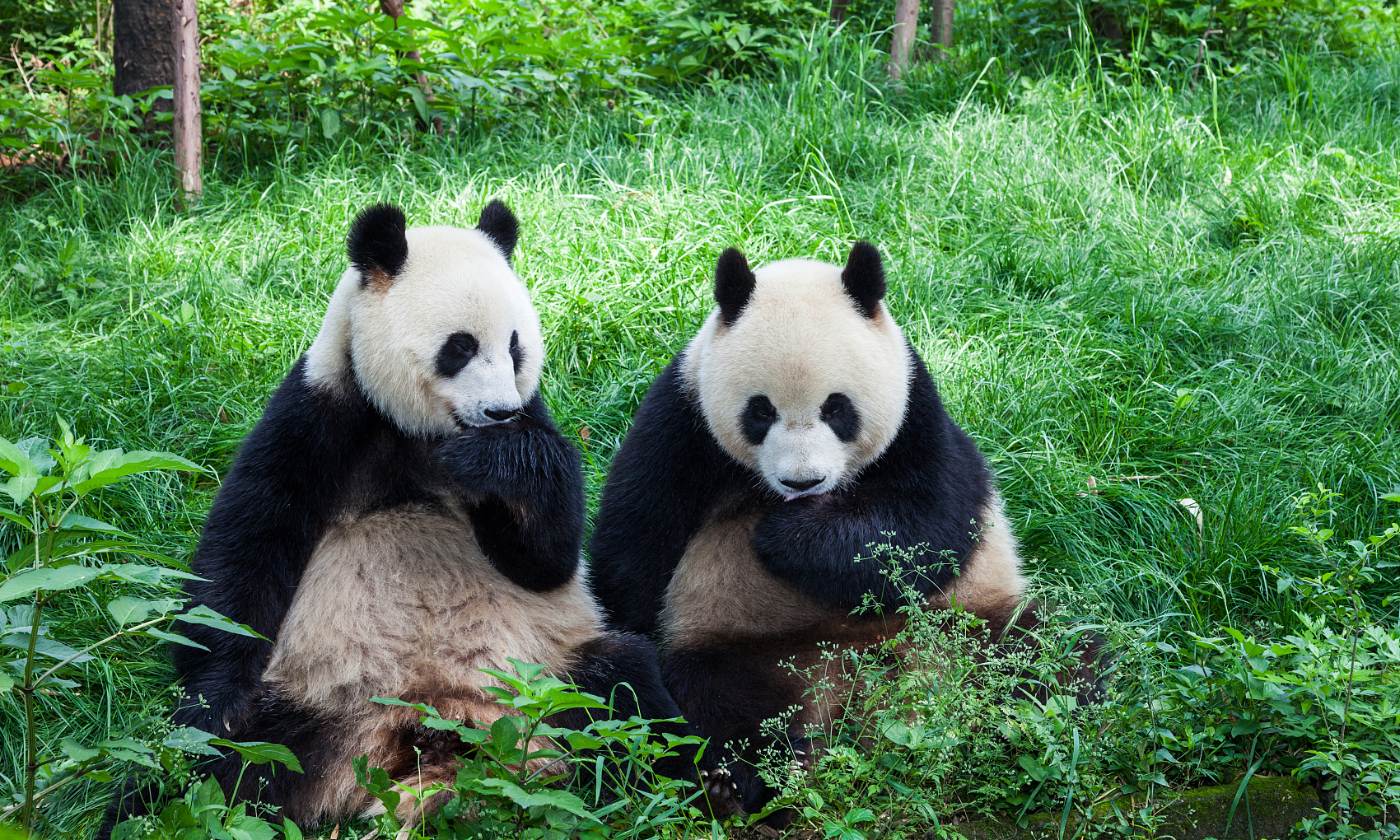
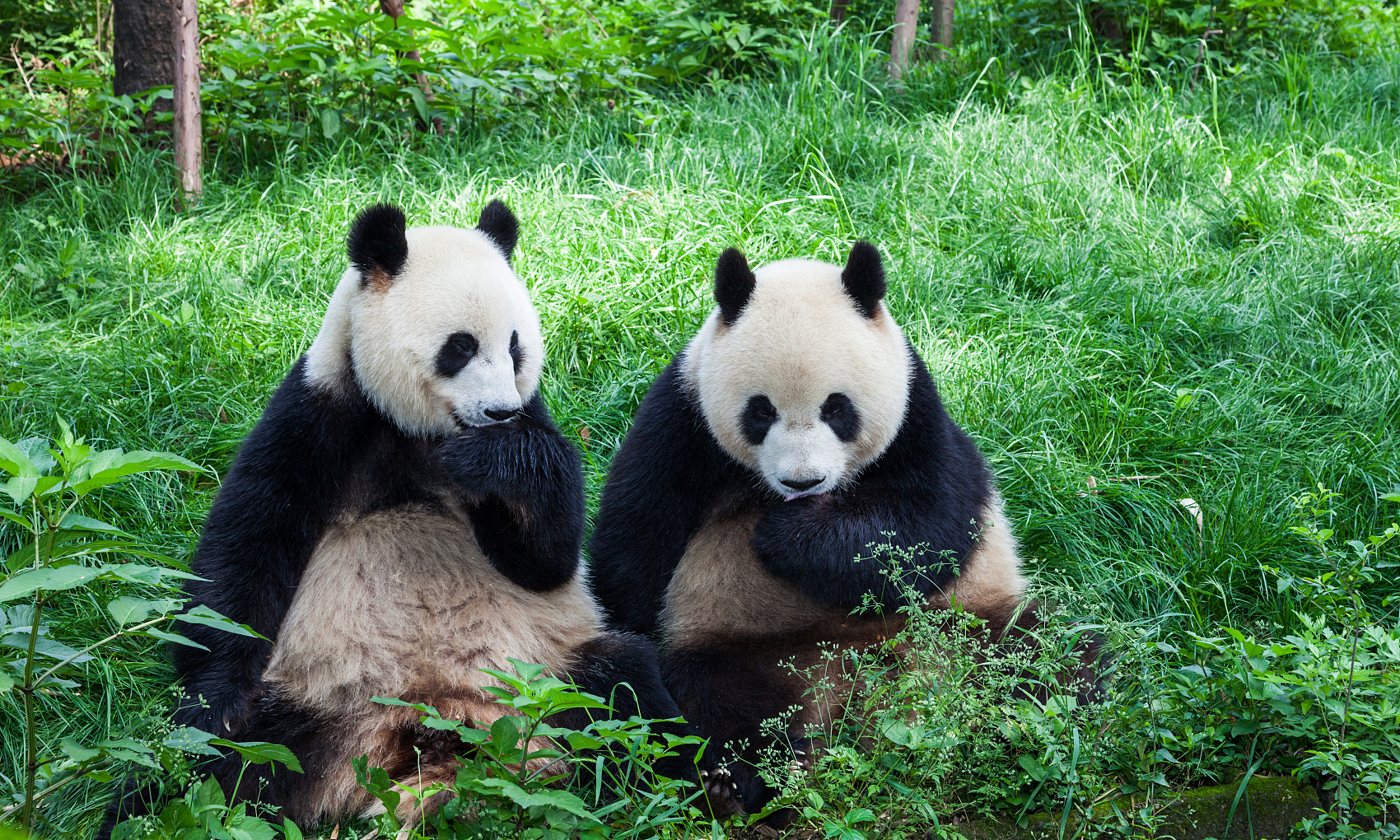
From March to May, temperatures stay between 15°C and 28°C with moderate rainfall. The Chengdu Research Base of Giant Panda Breeding sees more active outdoor panda behavior in spring compared to summer, when heat forces them indoors. Visitors can observe pandas eating bamboo and climbing trees. Qingcheng Mountain, 60 km from the city, offers trails through forested hills and past Taoist temples. The hike takes 3–4 hours round trip. In the city, People's Park has magnolia and crabapple blossoms, and outdoor teahouses serve jasmine tea. Evening river cruises on the Jinjiang River operate from 7:30 PM.
2 Days
Chengdu-Dujiangyan-Mount Qingcheng
from
$540
$511
3 days
Chengdu-Huanglong-Jiuzhaigou
from
$839
$809
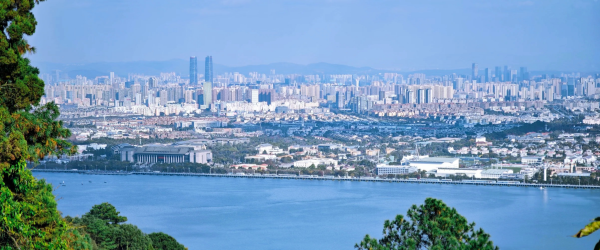
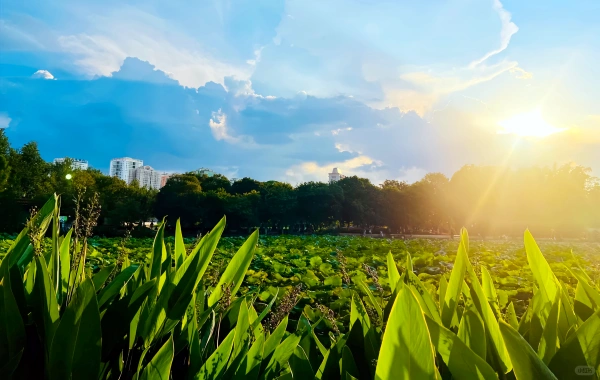
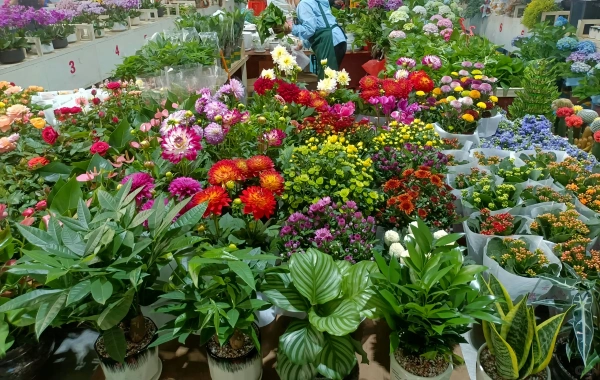
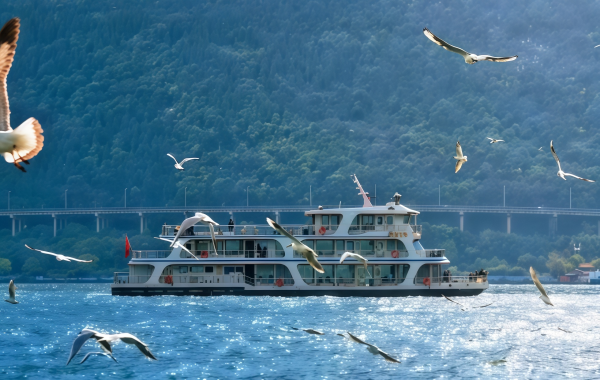
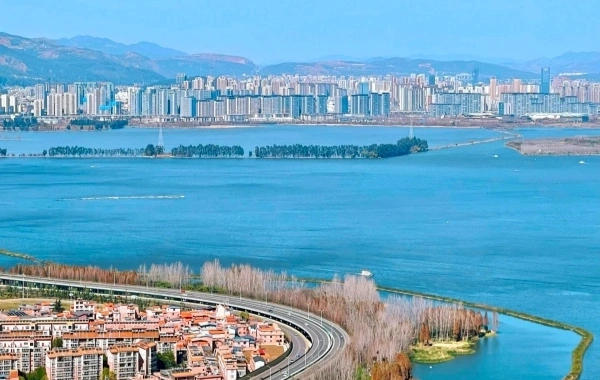
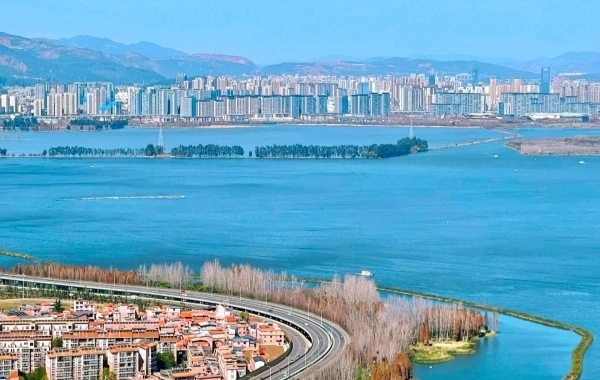
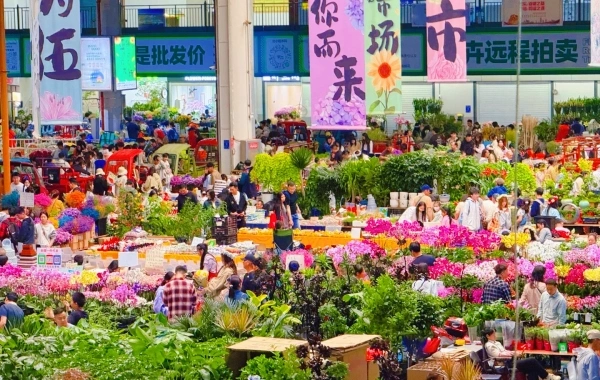
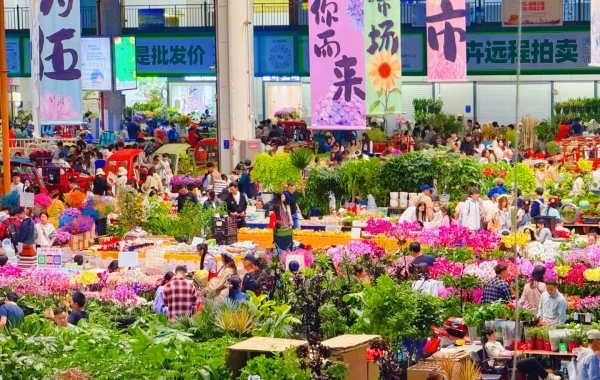
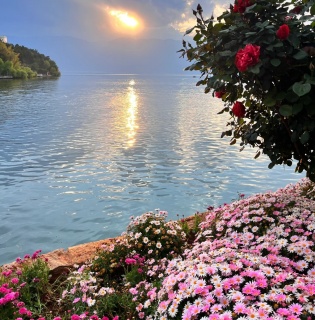
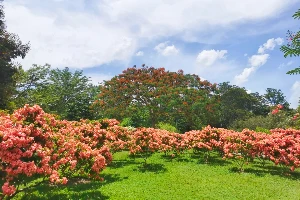
From February to April, Kunming's elevation (1,900 meters) keeps daytime temperatures near 20°C with low humidity. Yuantong Mountain Park contains a cherry blossom zone with trees planted in rows, creating covered walkways. Green Lake Park has seasonal tulip displays in March. The Dou Nan Flower Market operates daily and is the largest fresh-cut flower wholesale market in Asia. Visitors can buy flowers at wholesale prices. The Western Hills, 30 minutes from downtown, offer trails with views of Dianchi Lake and rhododendron blooms in March and April.
7 Days
Kunming - Lijiang - Dali - Chengdu
Recommended Travel Destination for Summer (June-August)
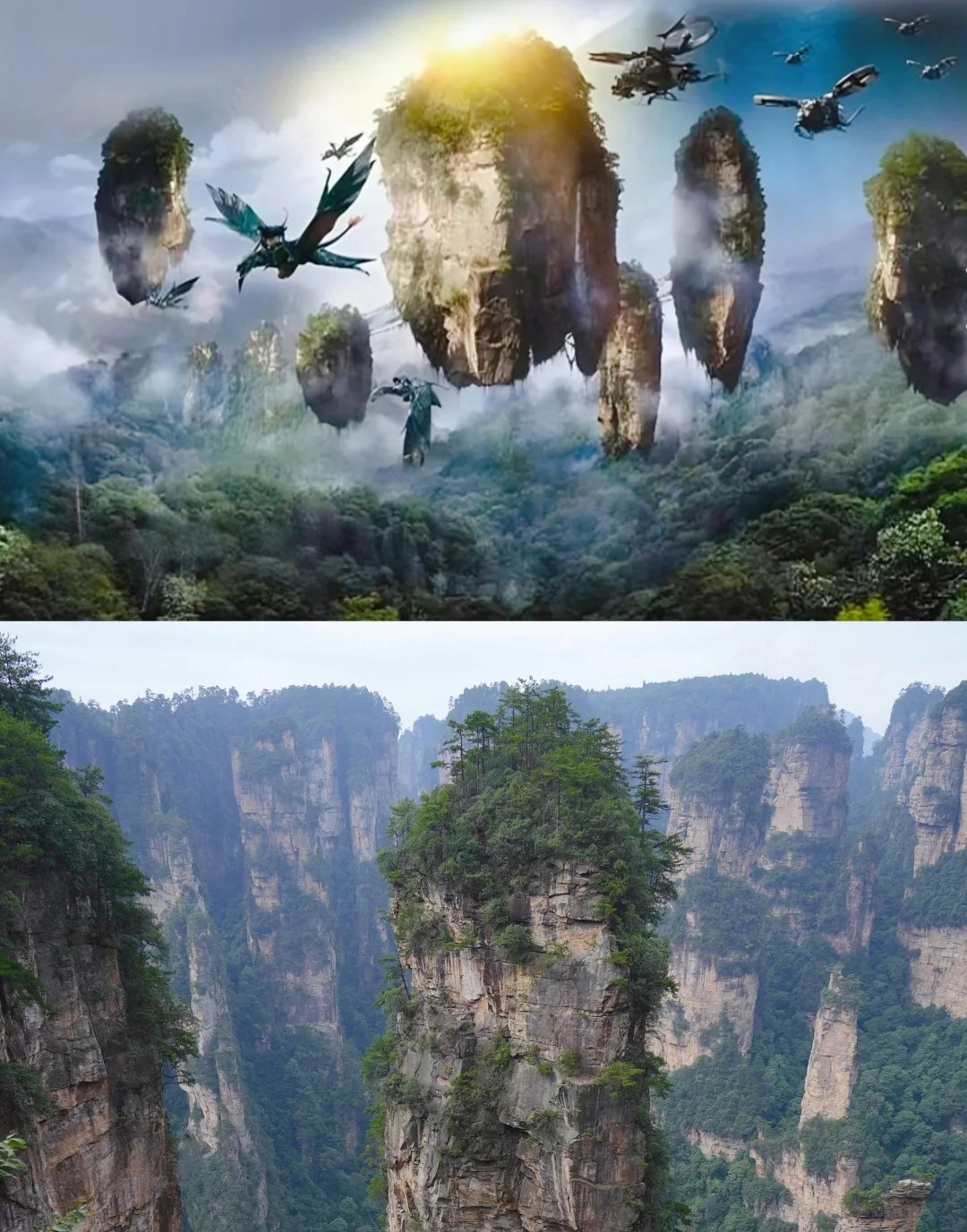
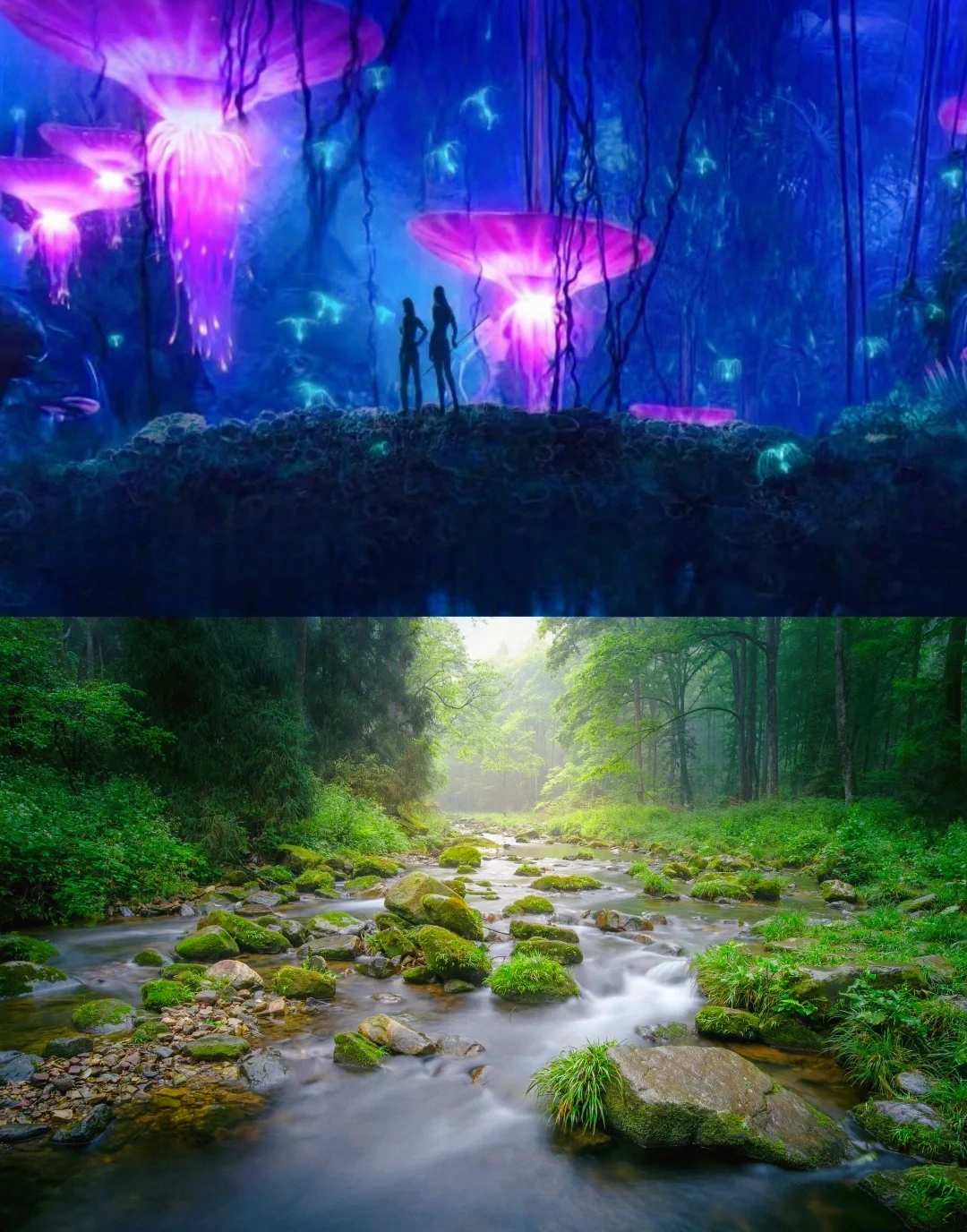
Why Summer: Escape the heat in China’s legendary mountain landscapes and high-altitude lakes. This is when the “Avatar” scenery peaks.
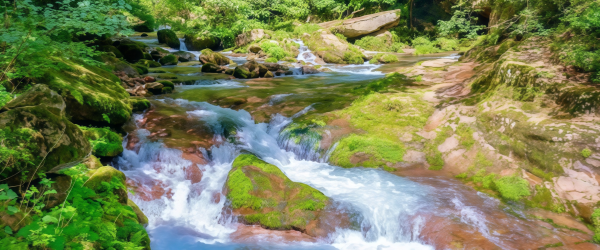
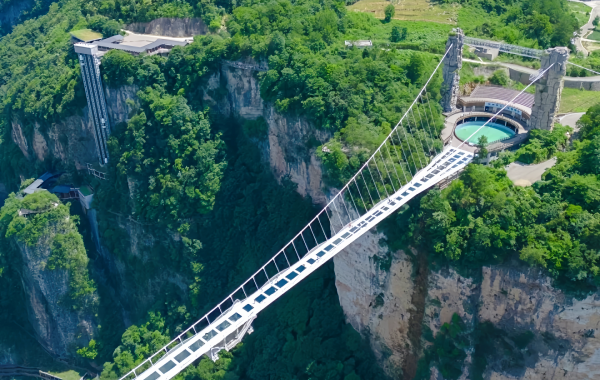
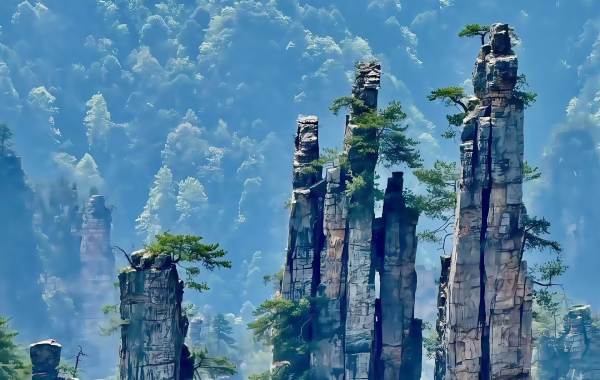
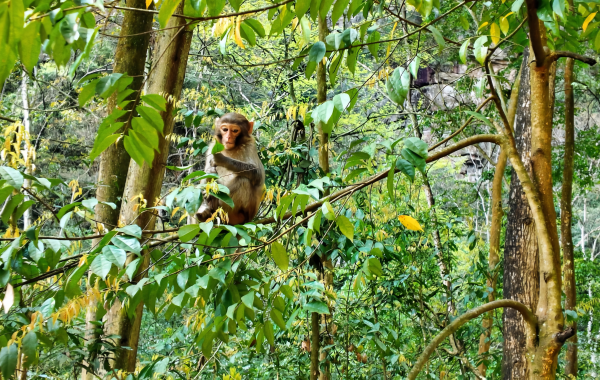
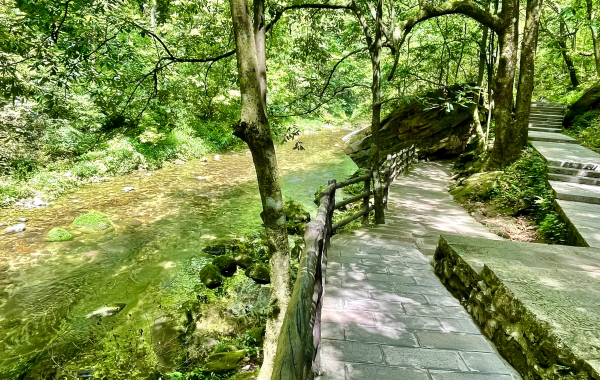
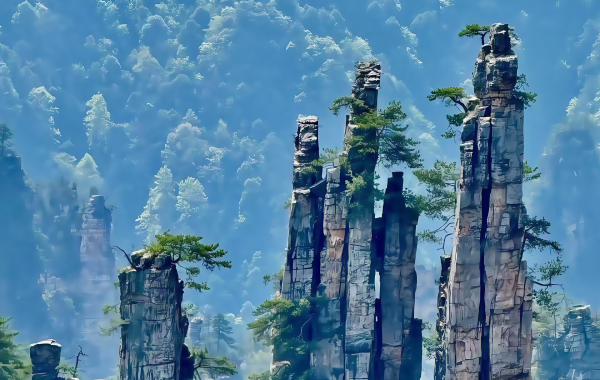
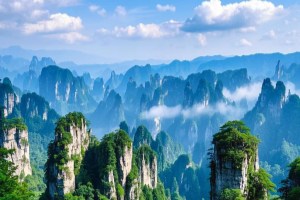
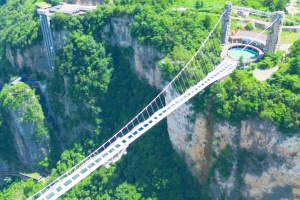
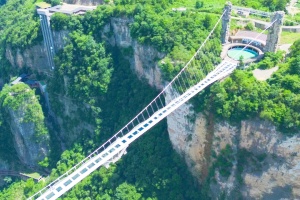
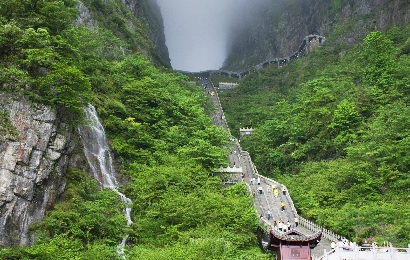
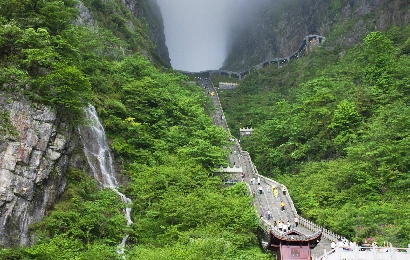
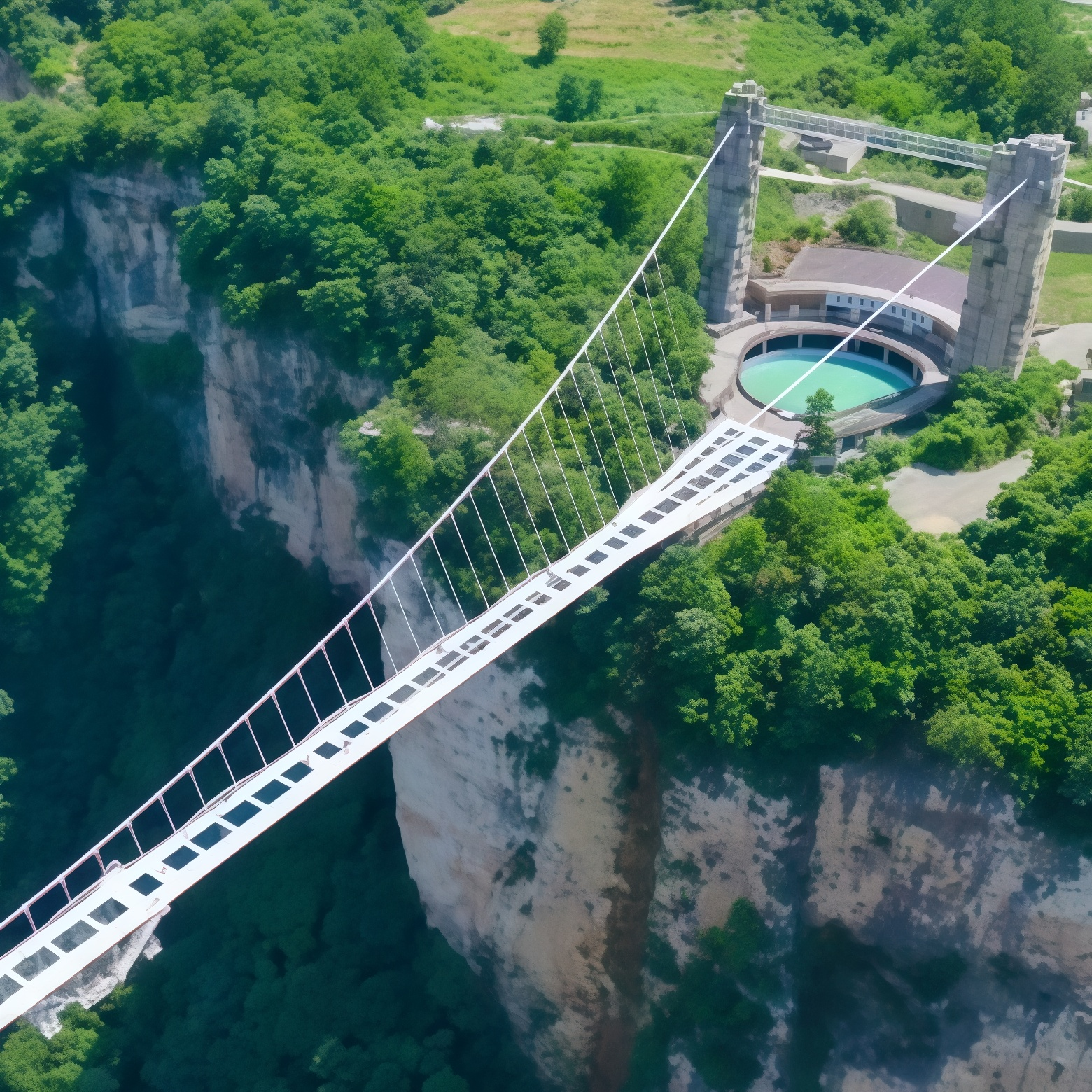
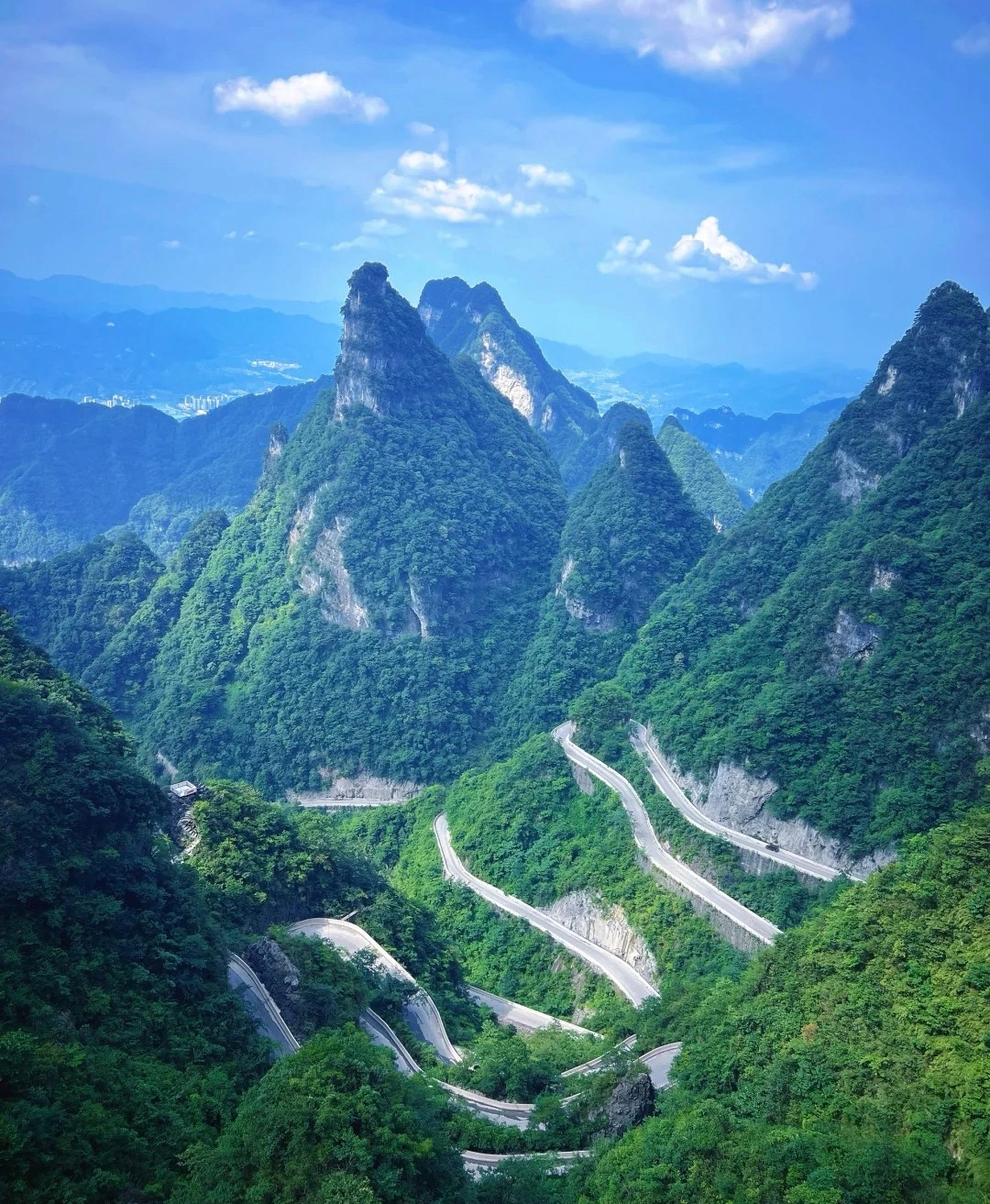
From June to August, Zhangjiajie National Forest Park receives high rainfall, which increases cloud and mist around the quartz-sandstone pillars. These vertical rock formations inspired the floating mountains in the film Avatar. Visitors can walk on the glass walkway at Tianmen Mountain, which extends 60 meters along a cliff edge at 1,430 meters elevation. The Bailong Elevator, built into a cliff face, transports visitors up 326 meters in under two minutes. Summer daytime temperatures average 25°C to 33°C with humidity over 80%. Trails include the Golden Whip Stream, a flat 7.5-kilometer path along a creek, and the Yuanjiajie Scenic Area, where the "Hallelujah Mountain" pillar is located. The park is 40 kilometers from Zhangjiajie Hehua International Airport.
5 days
Zhangjiajie-Xiangxi
from
$990
$870
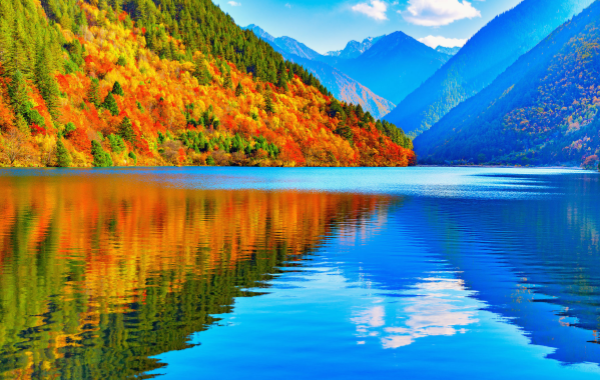
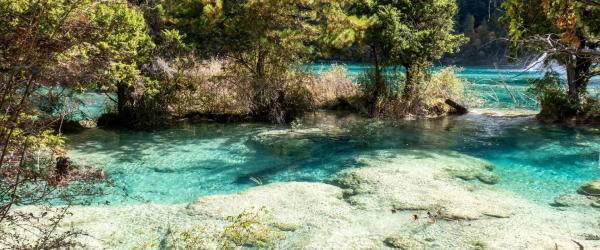
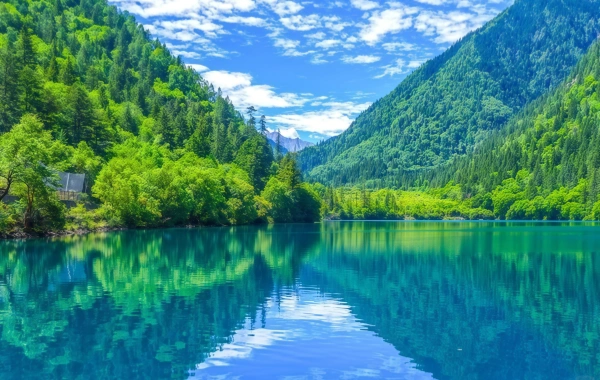
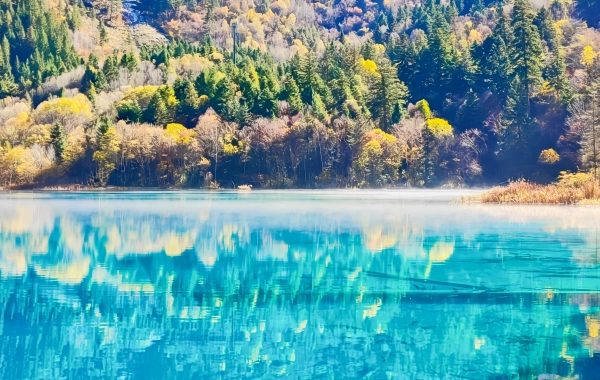
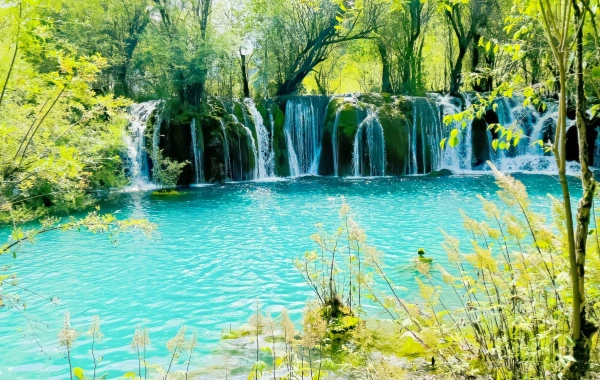
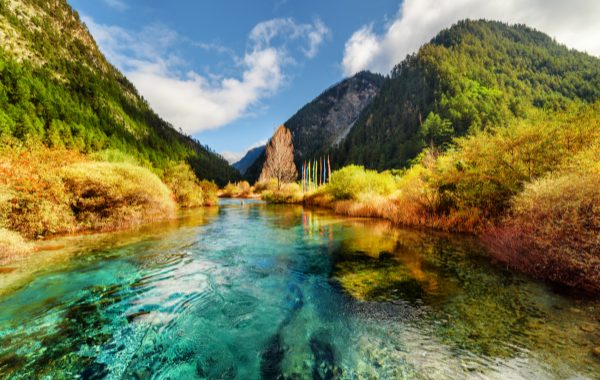
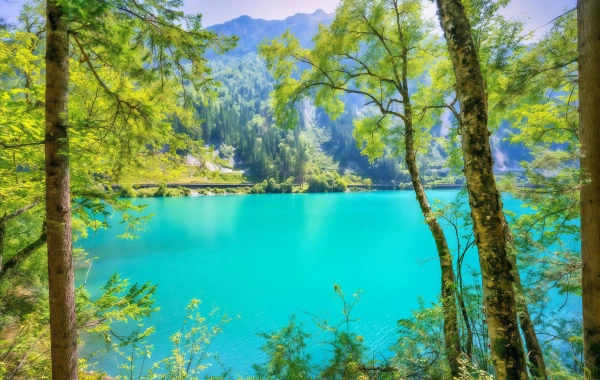
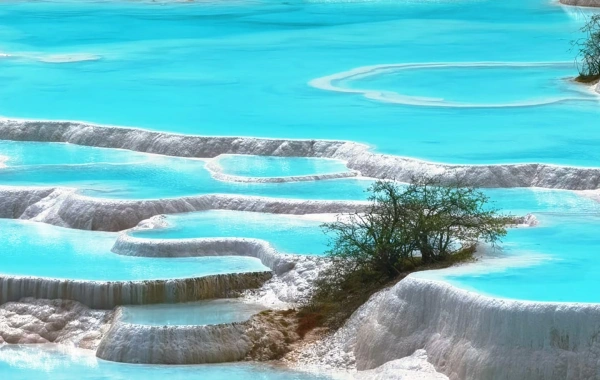
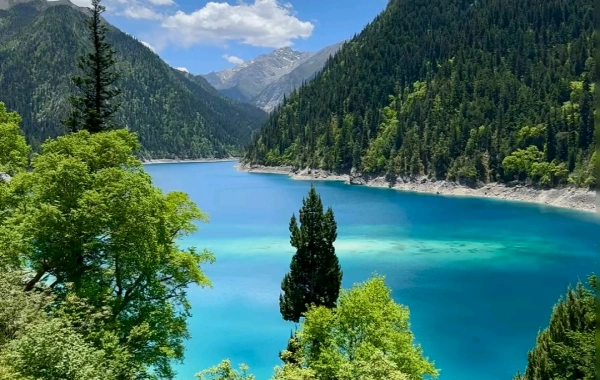
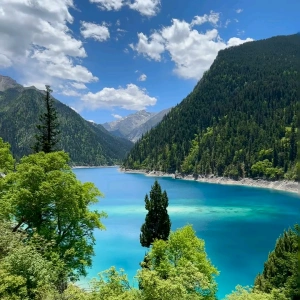
From July to August, Jiuzhaigou Valley receives its highest annual rainfall, which feeds the waterfalls and lakes. The Five Flower Lake displays visible tree trunks on its lakebed due to mineral content and water clarity. Pearl Shoal Waterfall spans 162.5 meters in width and reaches peak water flow during this period. The valley sits at elevations between 2,000 and 3,100 meters. Daytime temperatures range from 19°C to 25°C. Visitors enter through a single gate and ride shuttle buses to stops along the Y-shaped valley. Trails consist of wooden boardwalks that follow the lakes and connect waterfalls. The park limits daily visitors to 41,000; advance online reservation is required. The nearest airport is Jiuzhai Huanglong Airport, 88 kilometers from the park entrance. Reopened in 2021 after earthquake repairs.
3 days
Chengdu-Huanglong-Jiuzhaigou
from
$839
$809
7-Day
Chengdu-Huanglong-Jiuzhaigou Valley-Mount Siguniang
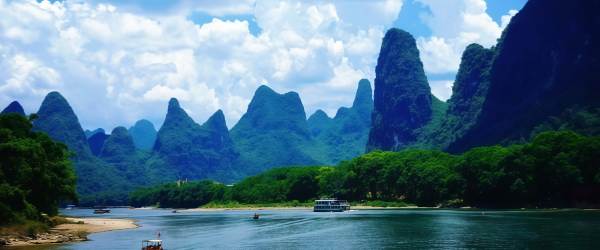
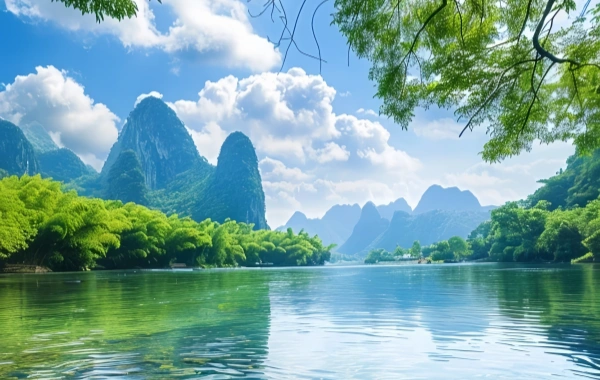
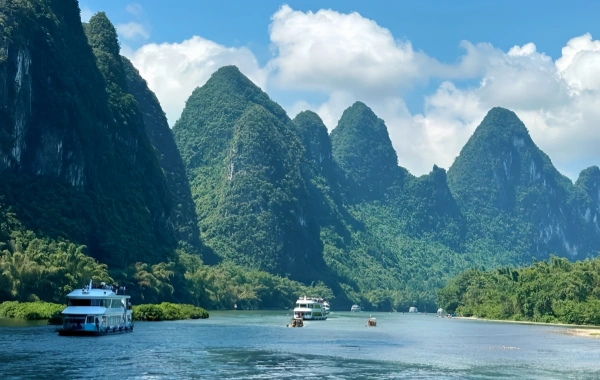
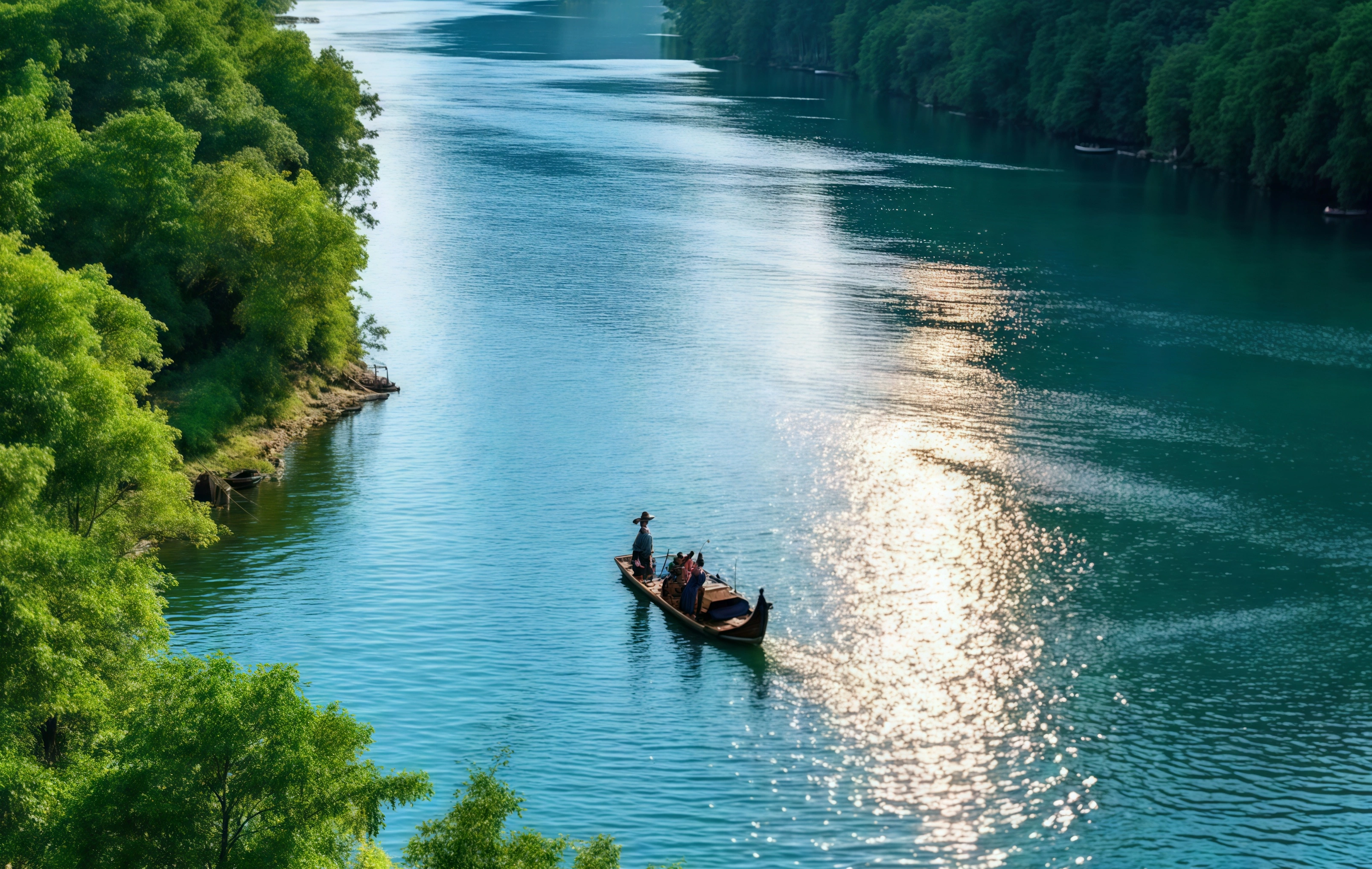
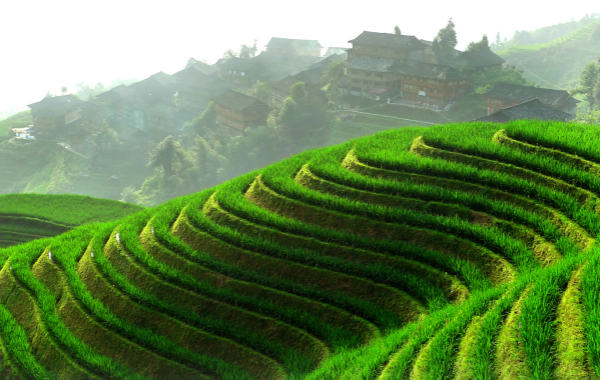
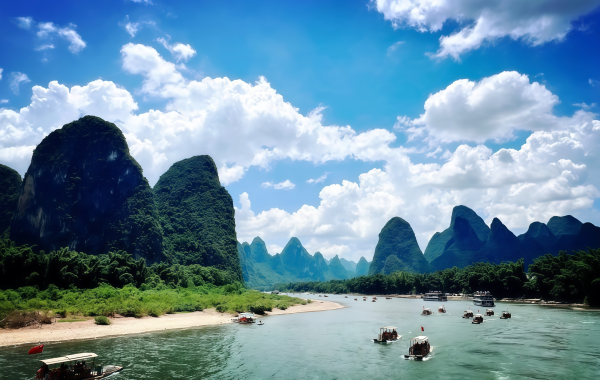
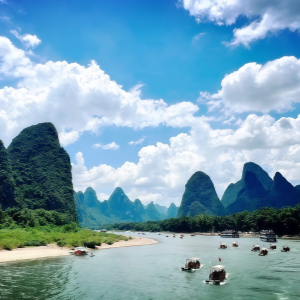
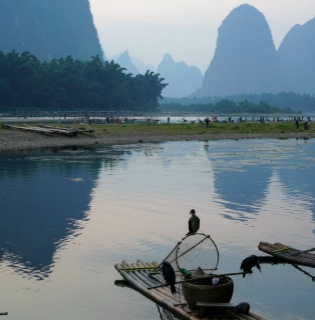
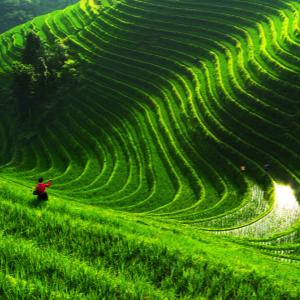
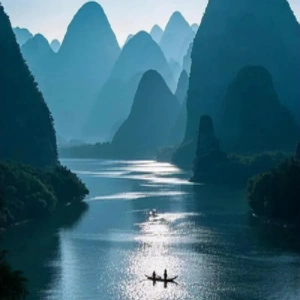
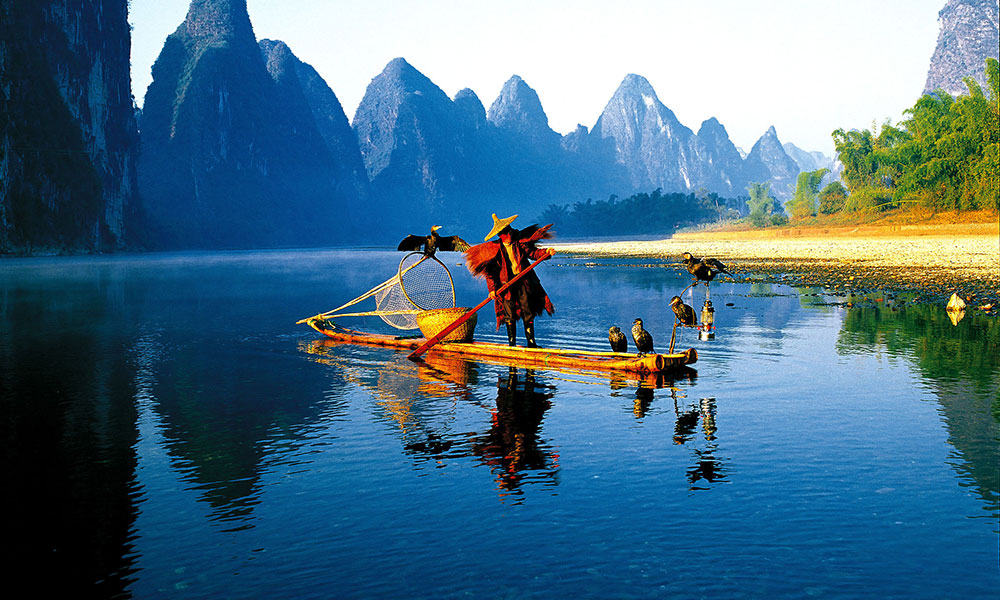
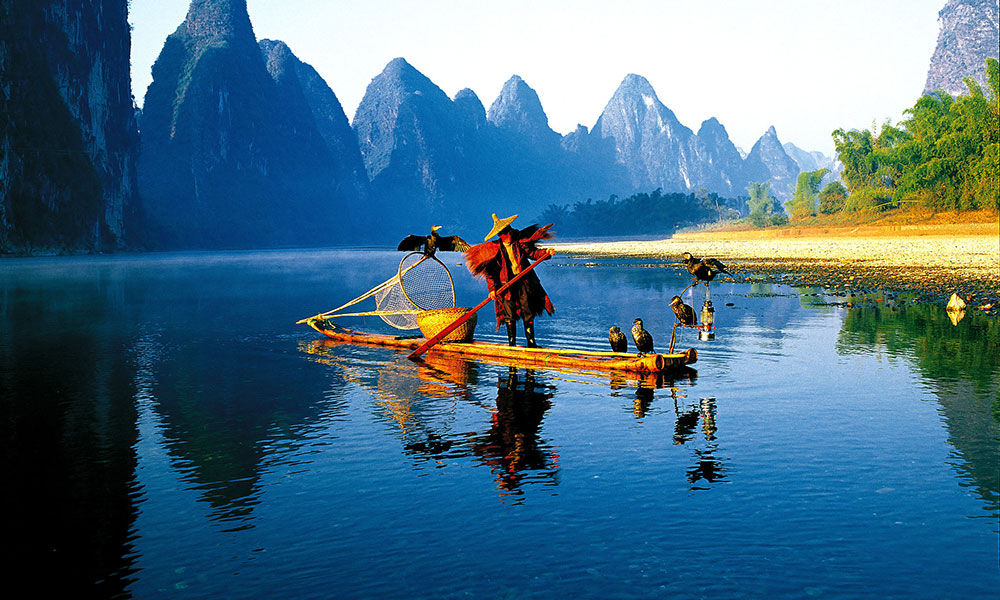
From June to August, the Li River flows at full volume due to summer rain in the watershed. The 83-kilometer river section between Guilin and Yangshuo passes karst limestone peaks. Visitors travel on motorized bamboo rafts that seat four people; trips from Yangdi to Xingping take 60 to 90 minutes. Summer temperatures average 27°C to 33°C with high humidity. The Yulong River near Yangshuo offers non-motorized bamboo rafts for shorter trips. Bicycle rentals in Yangshuo allow rides on paved paths through farm fields with karst peaks as backdrop. The Longji Rice Terraces, two hours from Guilin, are green with growing rice plants from June onward. Guilin Liangjiang International Airport connects to major Chinese cities.
Recommended Travel Destination for Autumn (September-November)
Why Autumn: October is the peak month for inbound tourism. Pleasant weather, golden grasslands, rainbow-colored forests, and fewer crowds after the October holiday.
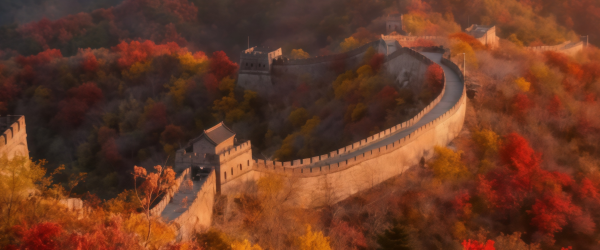
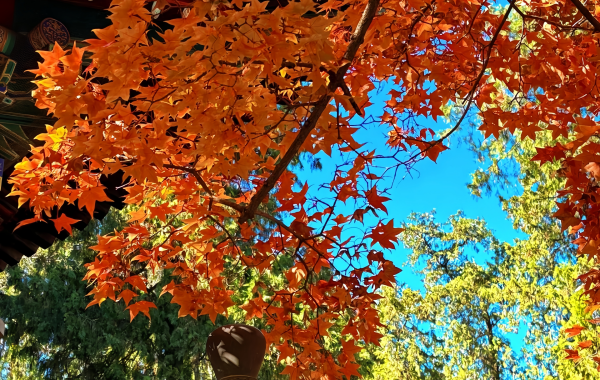
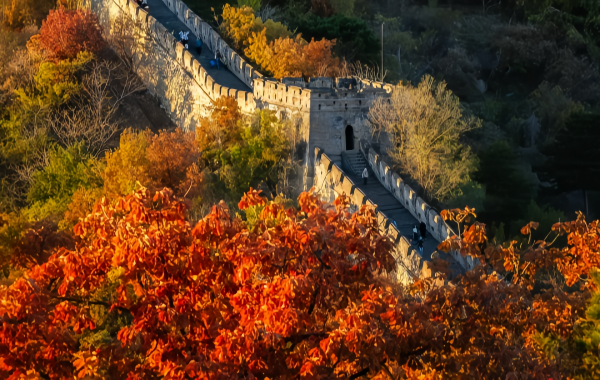
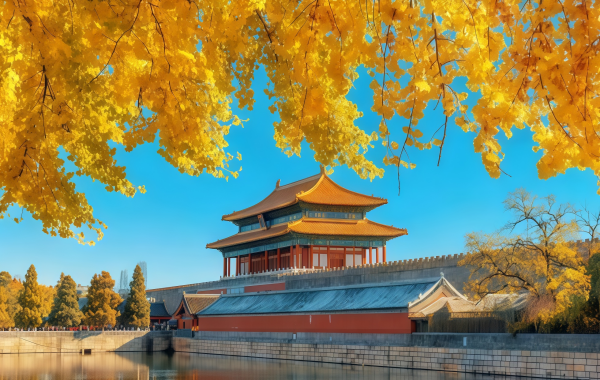
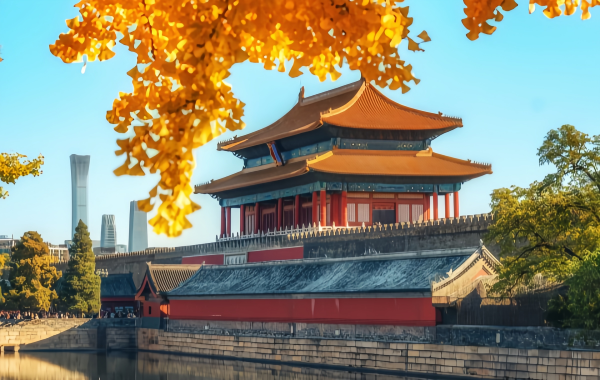
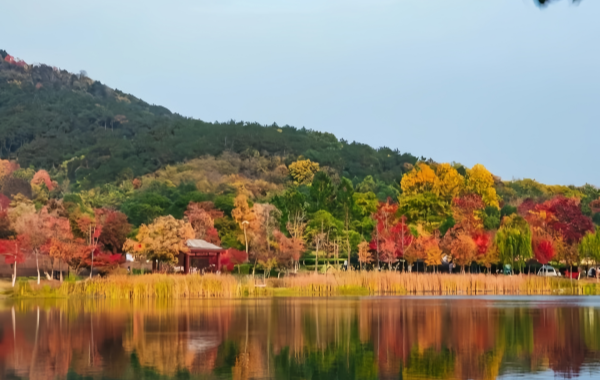
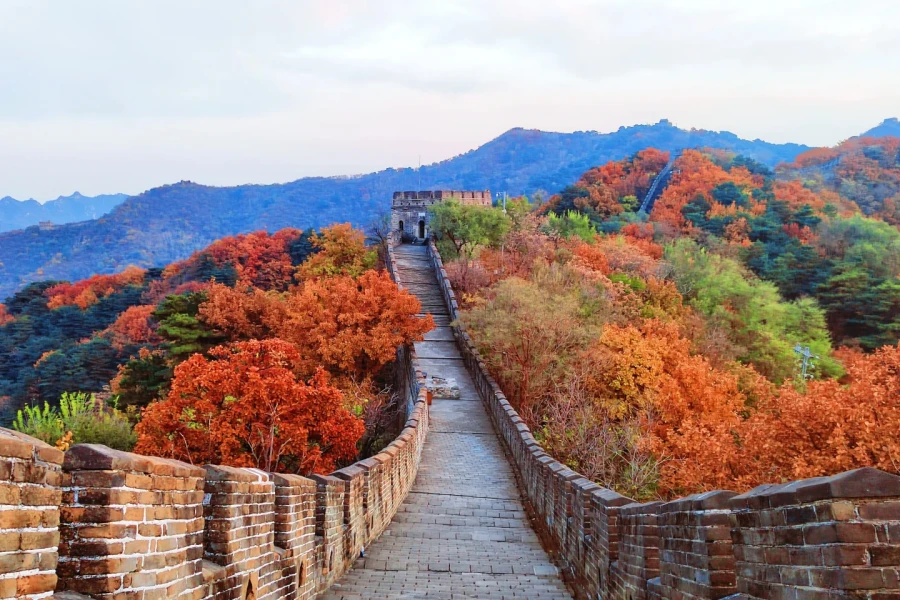
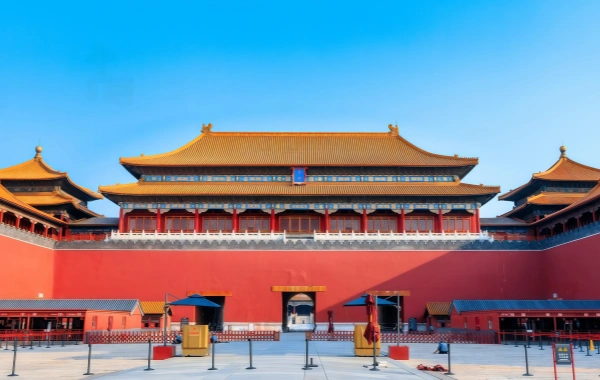
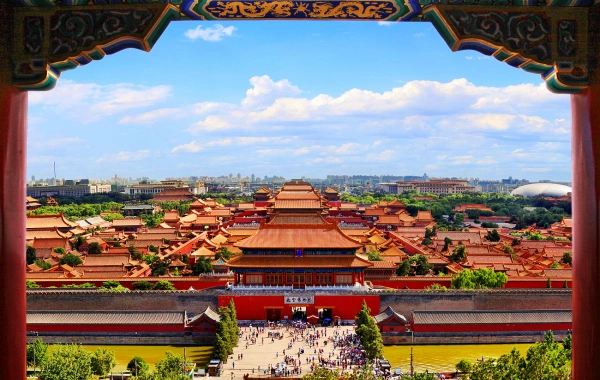
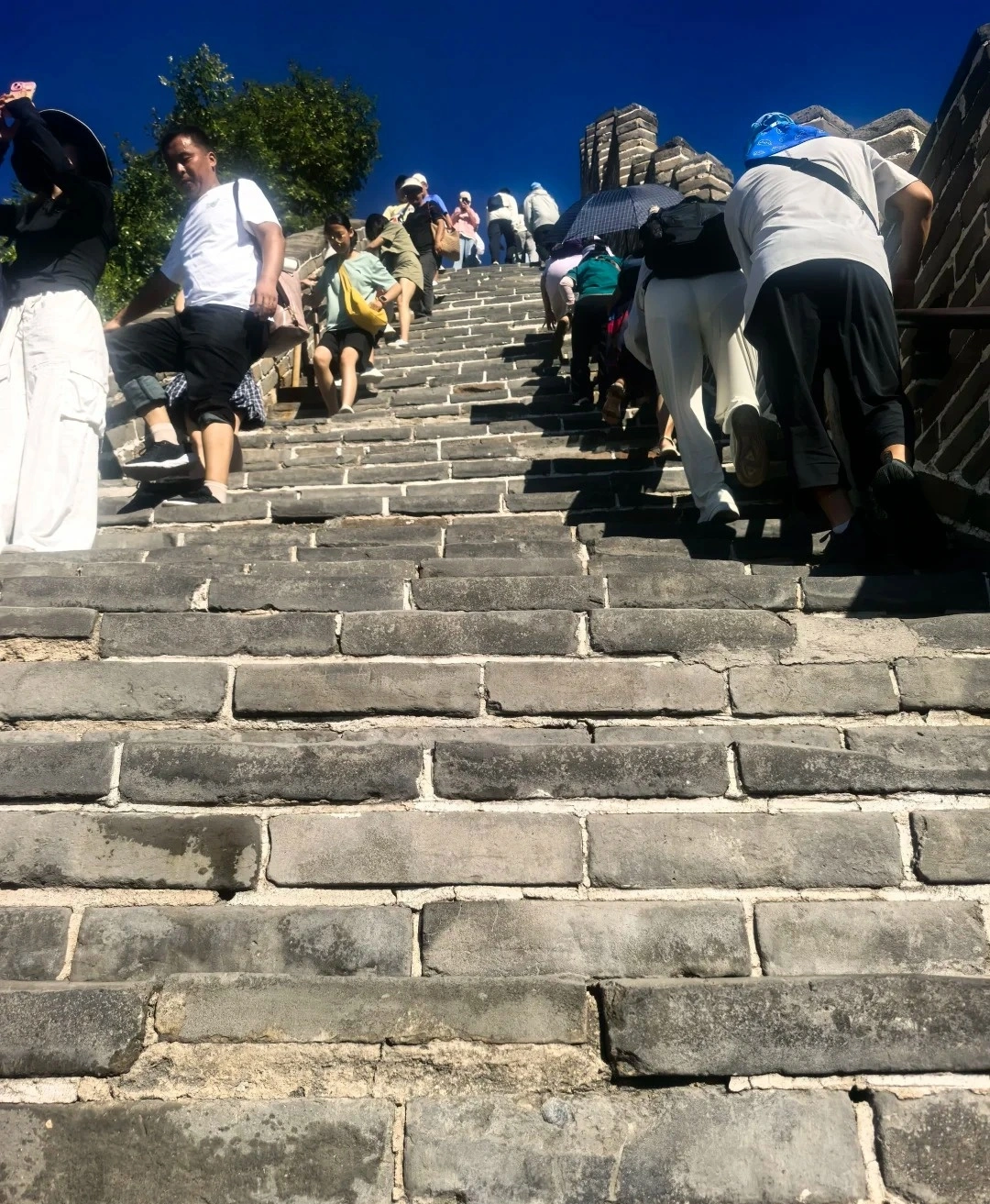
From October to November, deciduous trees in Beijing change color. At Fragrant Hills Park, smoke tree leaves turn red; the park covers 160 hectares and contains trails with varying elevation gain. The Great Wall at Mutianyu section has tree coverage along the ridges that shifts to yellow and orange. Temperatures range from 8°C to 20°C in October, dropping to 0°C to 12°C in November. Rainfall is low. The Forbidden City courtyards feature ginkgo trees with yellow foliage near the northern gate. Visitors can walk the 8-kilometer Mutianyu Wall route or take a cable car to Tower 14. Entry to Fragrant Hills requires advance ticket purchase during peak foliage weeks. Beijing Capital International Airport is 25 kilometers northeast of the city center.

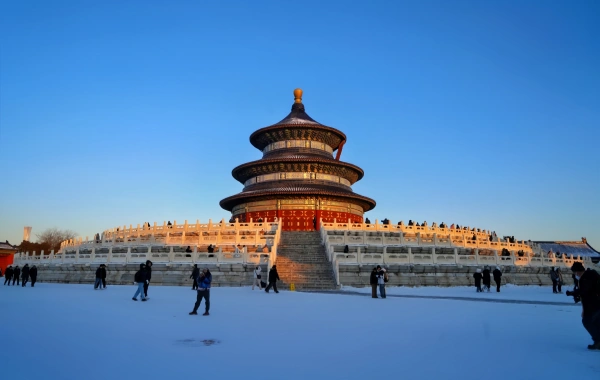
6 Days
Beijing
from
$1000
$955
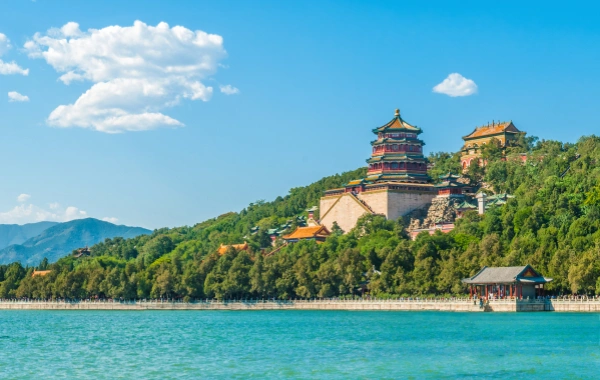
10 Days
Beijing - Shanxi - Xi'an- Chongqing
from
$2499
$2084
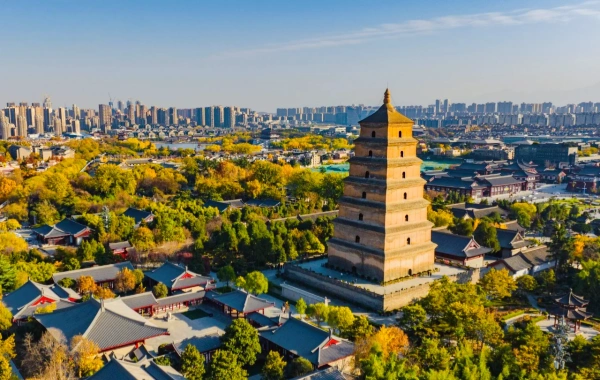
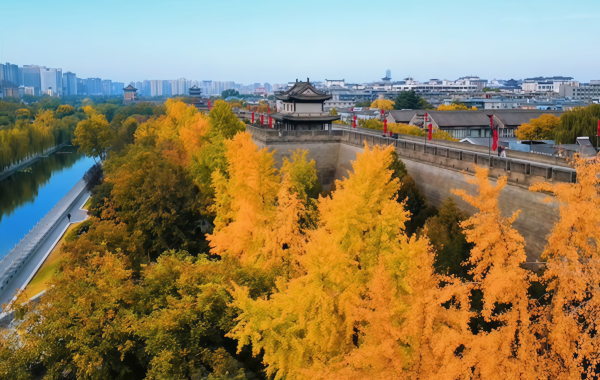
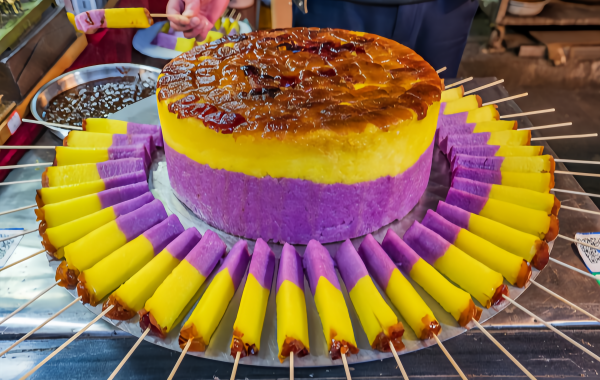
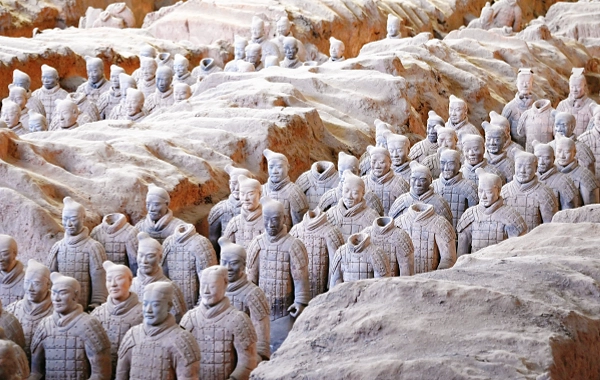
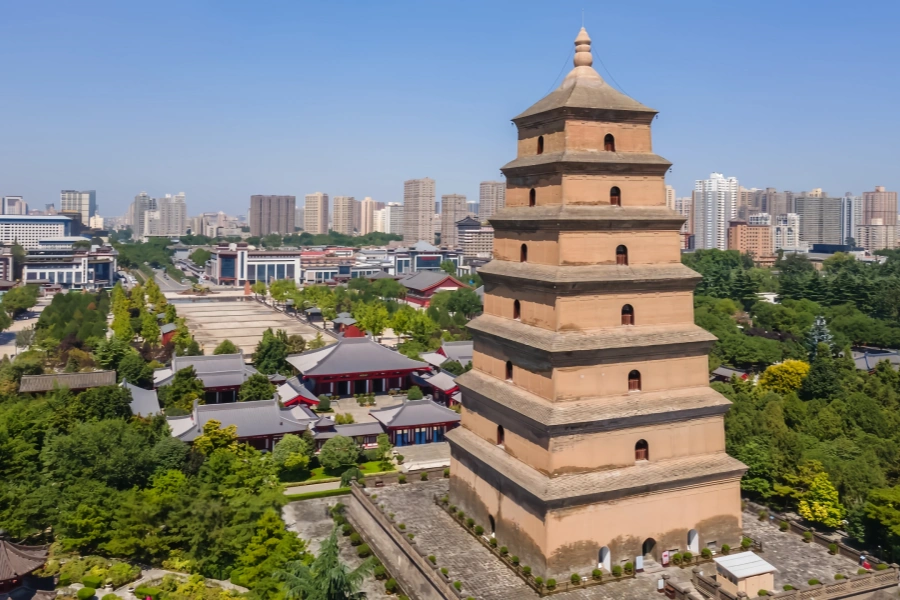
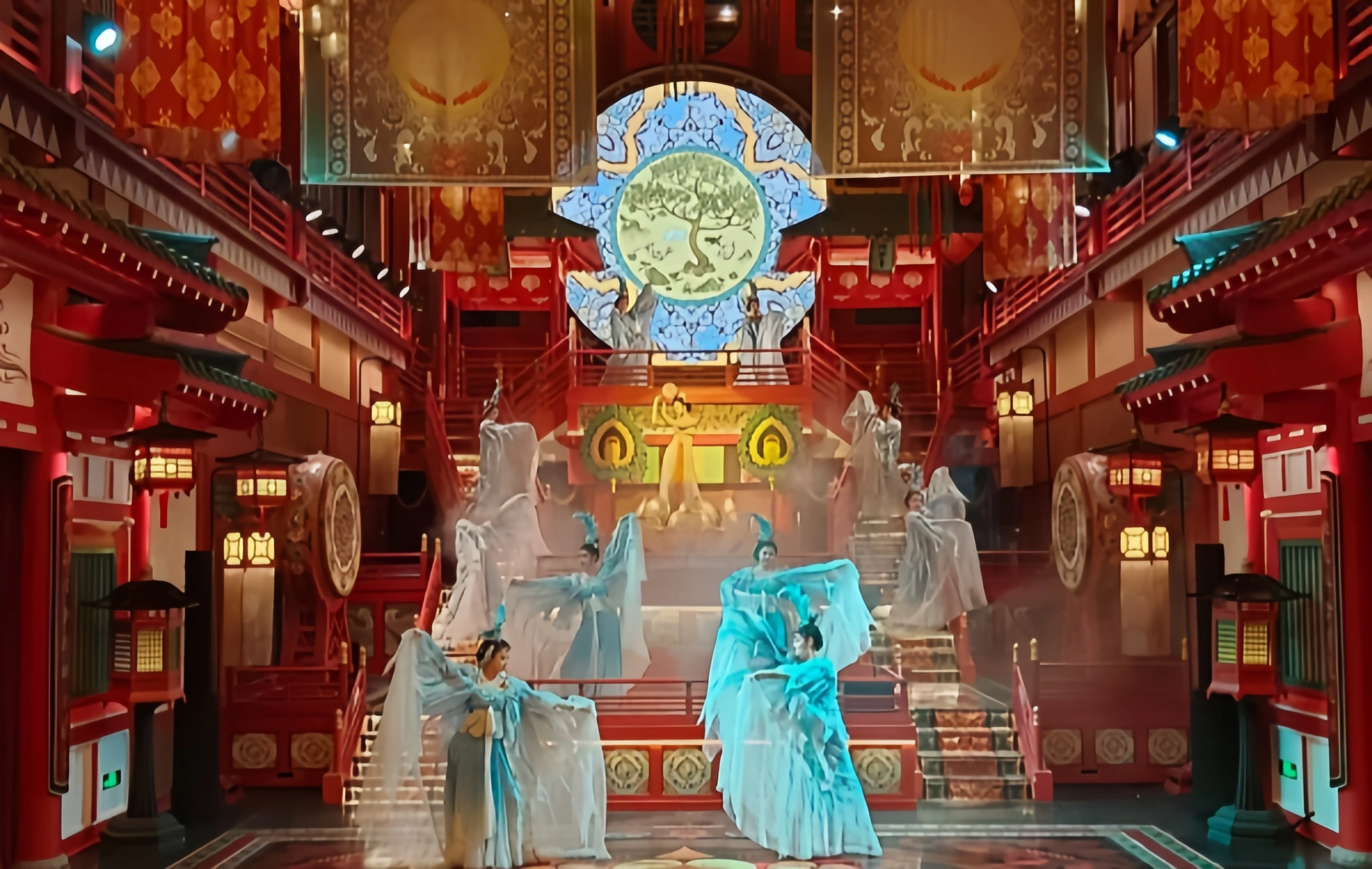
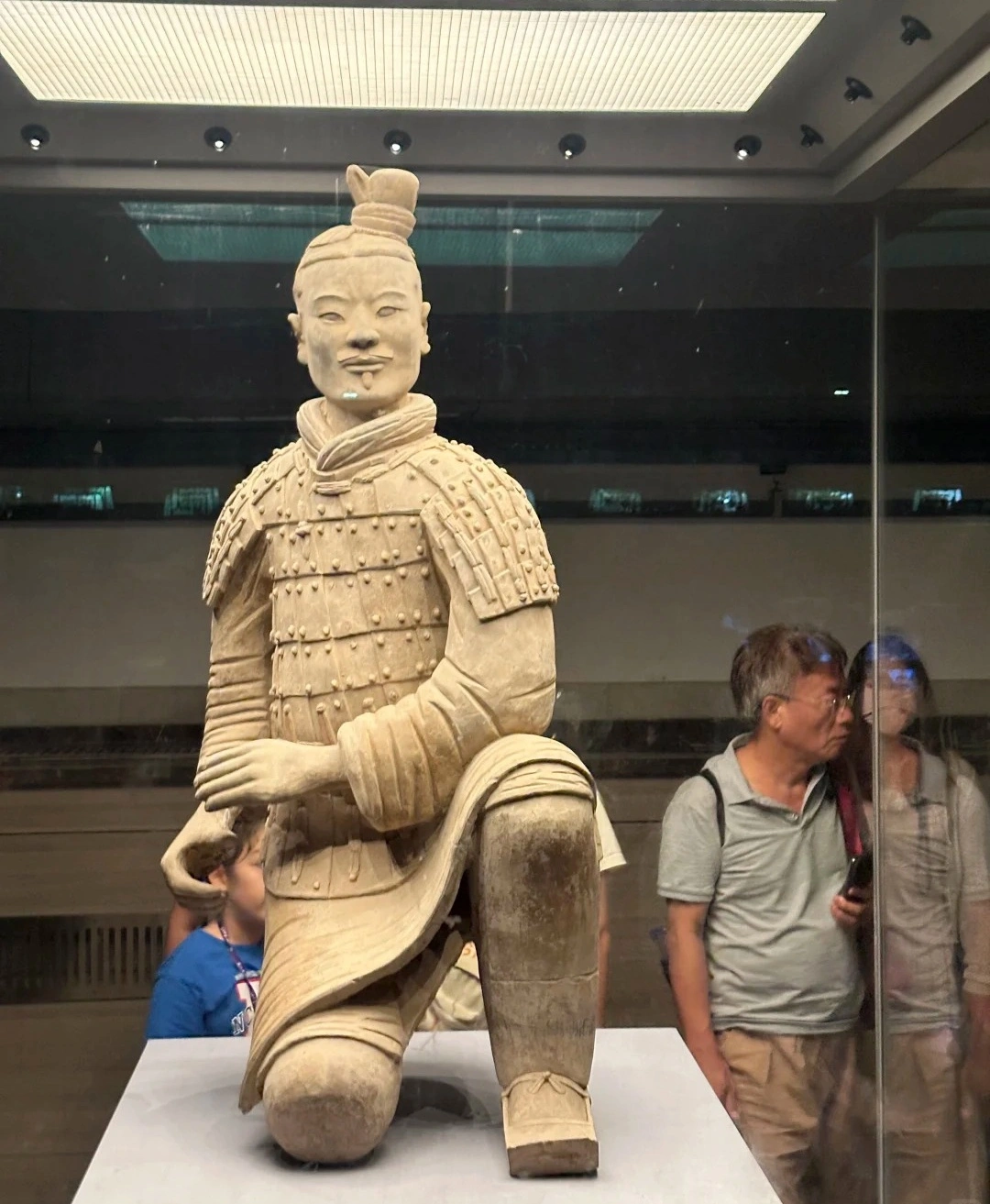
From September to October, Xi'an has average daytime temperatures of 15°C to 25°C with low humidity and clear skies. The Terracotta Army Museum, located 40 kilometers east of the city, contains three excavation pits with over 8,000 life-sized figures. The City Wall, built during the Ming Dynasty, forms a 13.7-kilometer rectangle around the old city center. Visitors can rent bicycles on top of the wall and complete a full circuit in about 90 minutes. The Giant Wild Goose Pagoda, a brick Buddhist structure from the Tang Dynasty, stands in a complex with seasonal ginkgo trees. Muslim Quarter near the Drum Tower operates daily with food vendors selling lamb skewers, flatbread, and persimmon cakes. High-speed trains connect Xi'an North Station to Beijing in 4.5 hours and to Shanghai in 6 hours.
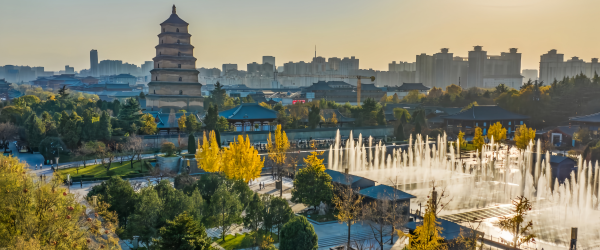


14 days
Beijing-Xi‘an-Chongqing-Zhangjiajie-Shanghai
from
$2800
$2555
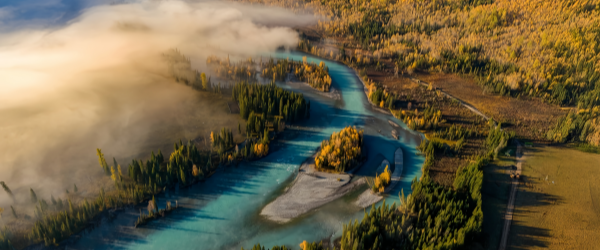
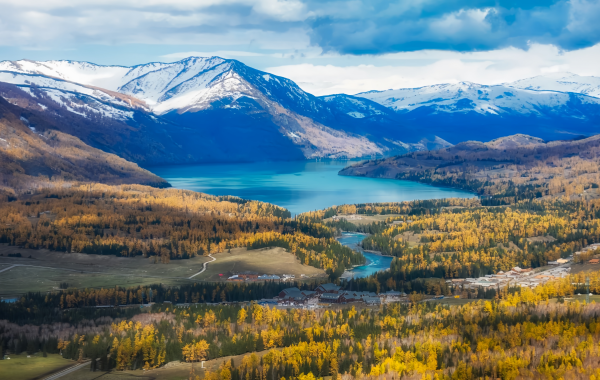
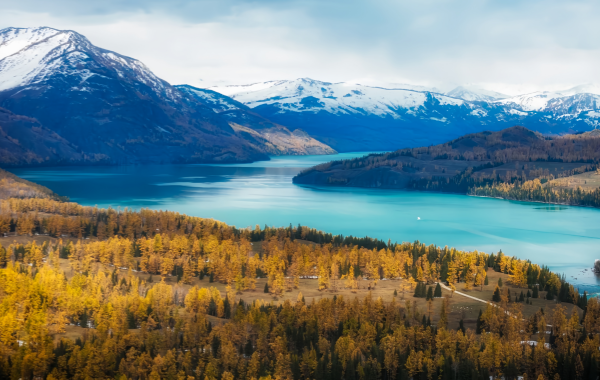
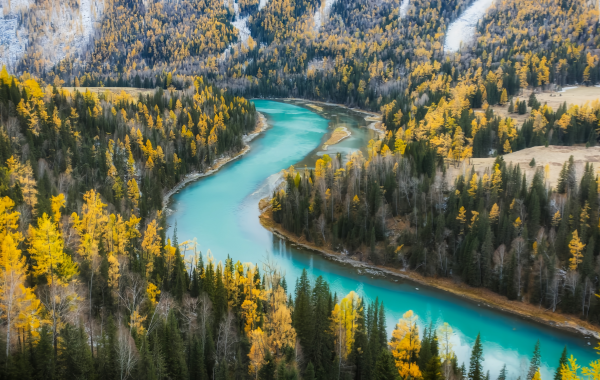
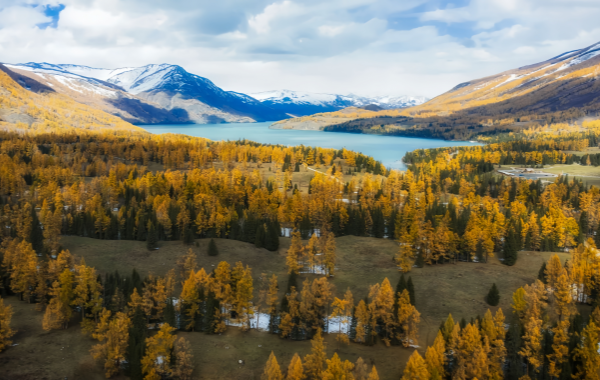
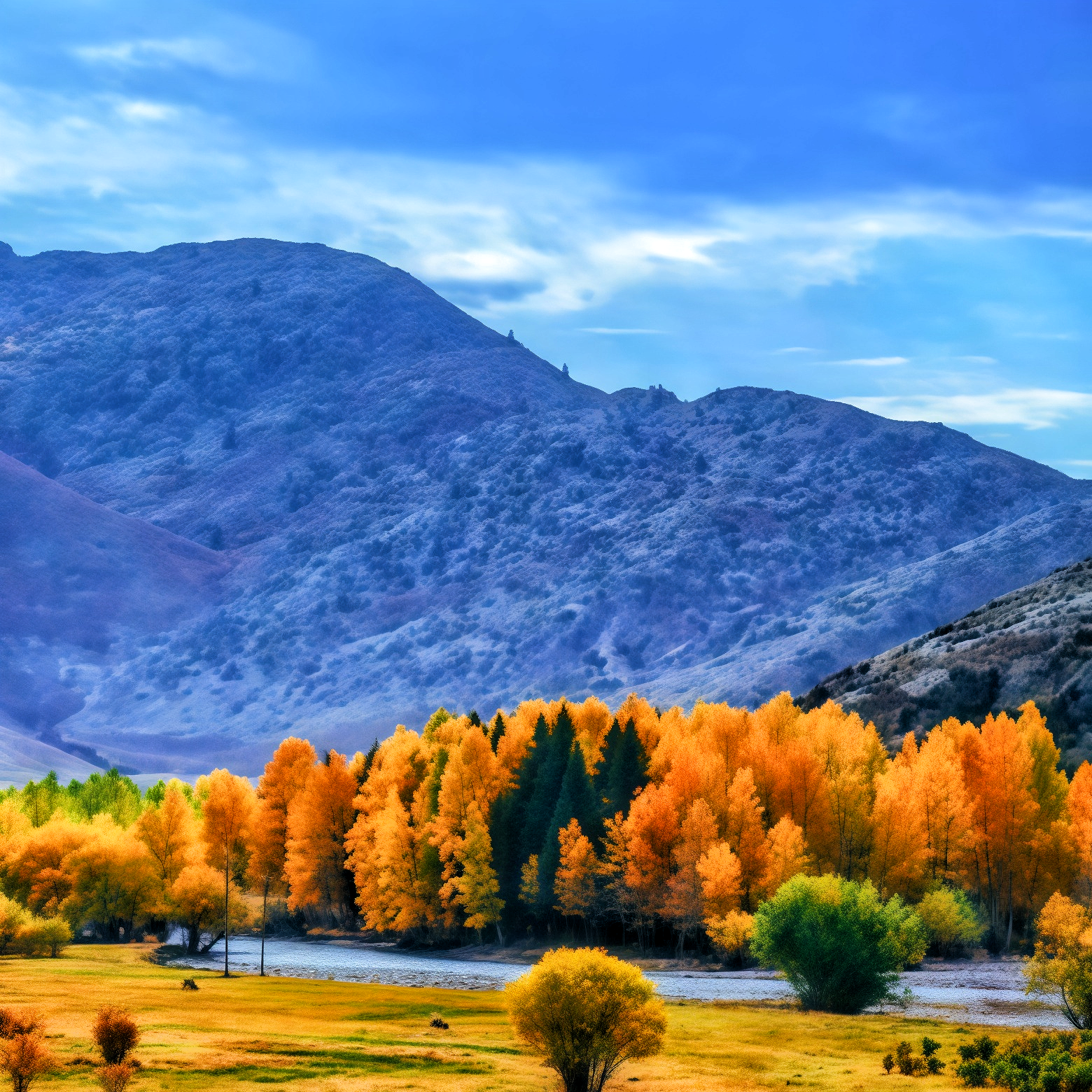
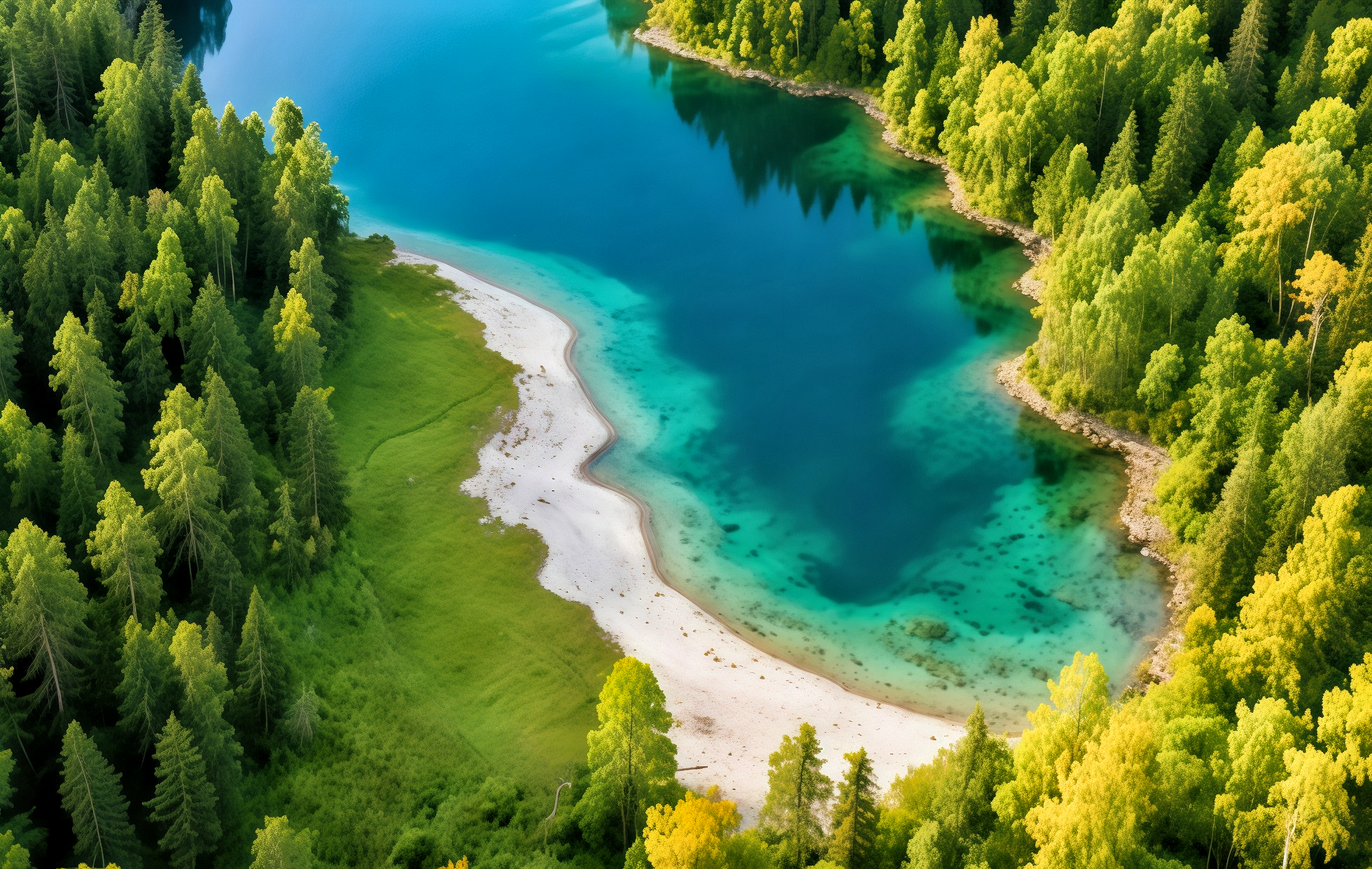
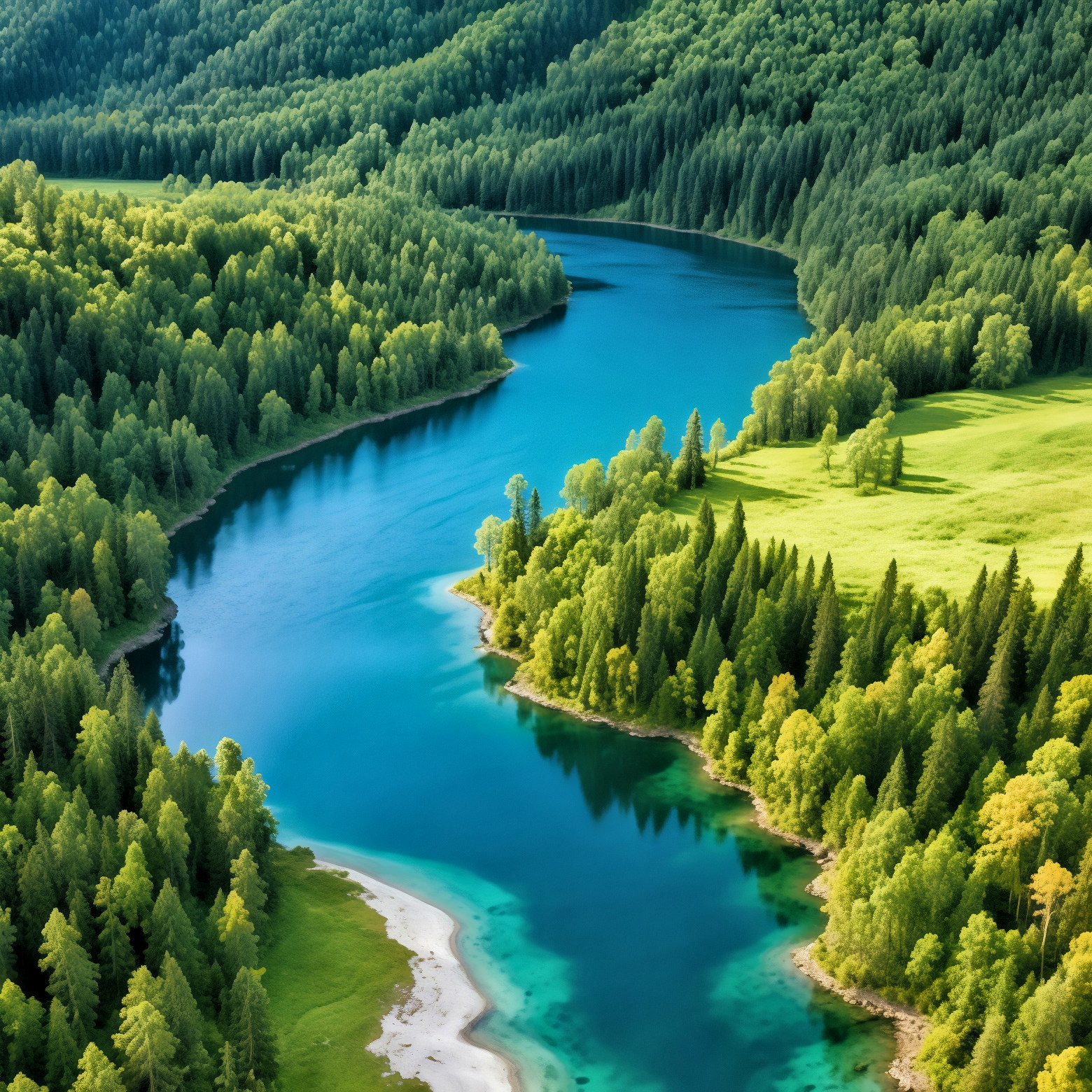
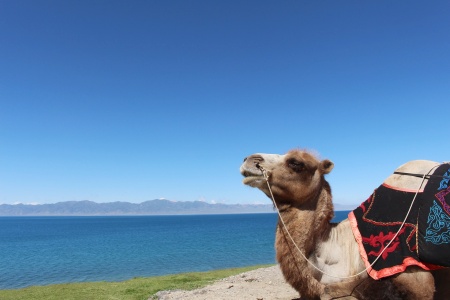
From late September to early October, birch forests around Kanas Lake turn bright yellow. The lake sits at 1,374 meters elevation in the Altai Mountains and covers 45 square kilometers. Water color appears turquoise due to glacial mineral content. The area includes three Tuva villages—Hemu, Baihaba, and Kanas—where residents speak a Turkic language and practice a mix of Buddhism and shamanism. Visitors take shuttle buses from the park entrance to various stops along the lake. The Guanyu Pavilion trail climbs 1,000 steps to a viewing platform overlooking the lake's bend. Temperatures drop below freezing at night by late September. Daytime highs reach 10°C to 18°C. The nearest airport is Kanas Airport, 50 kilometers from the park gate, with seasonal flights from Urumqi. Accommodation inside the park consists of wooden guesthouses.
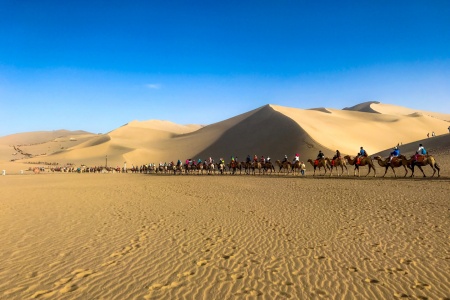
13 Days
Beijing-Xi'an-Dunhuang-Turpan-Urumqi-Kashgar
Recommended Travel Destination for Winter (December-February)
Why Winter: Two completely different experiences—world-class snow and ice in the north, tropical warmth in the south. Your choice.
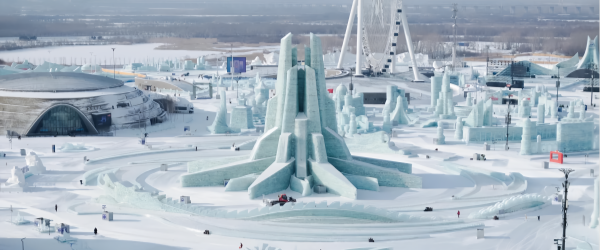
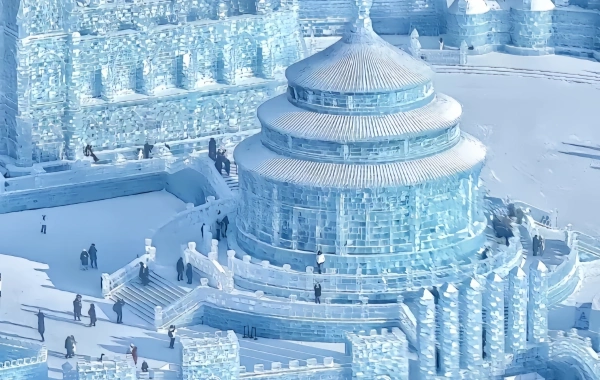
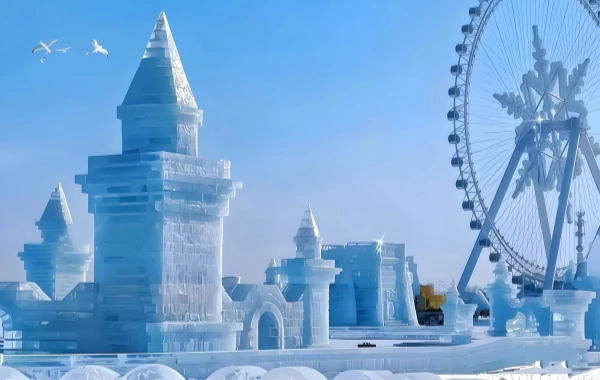
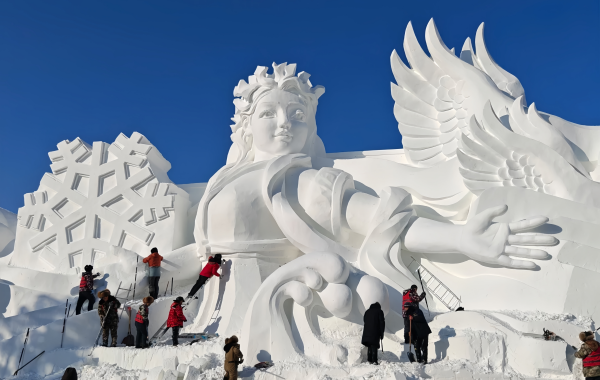
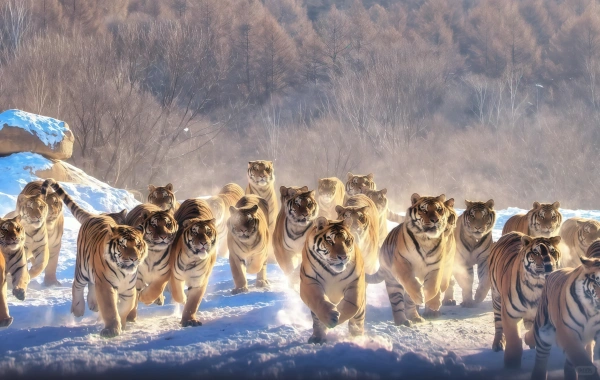
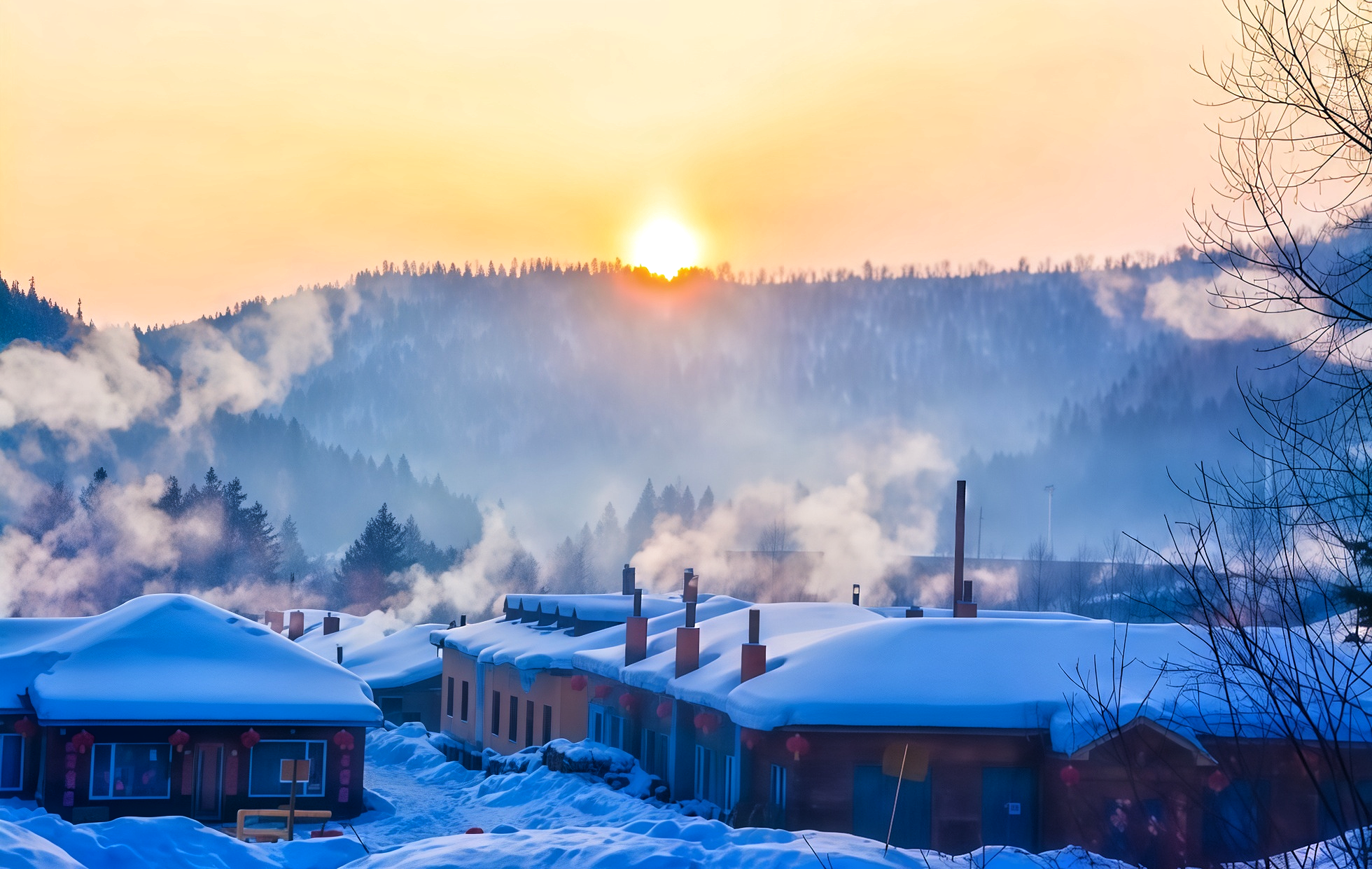
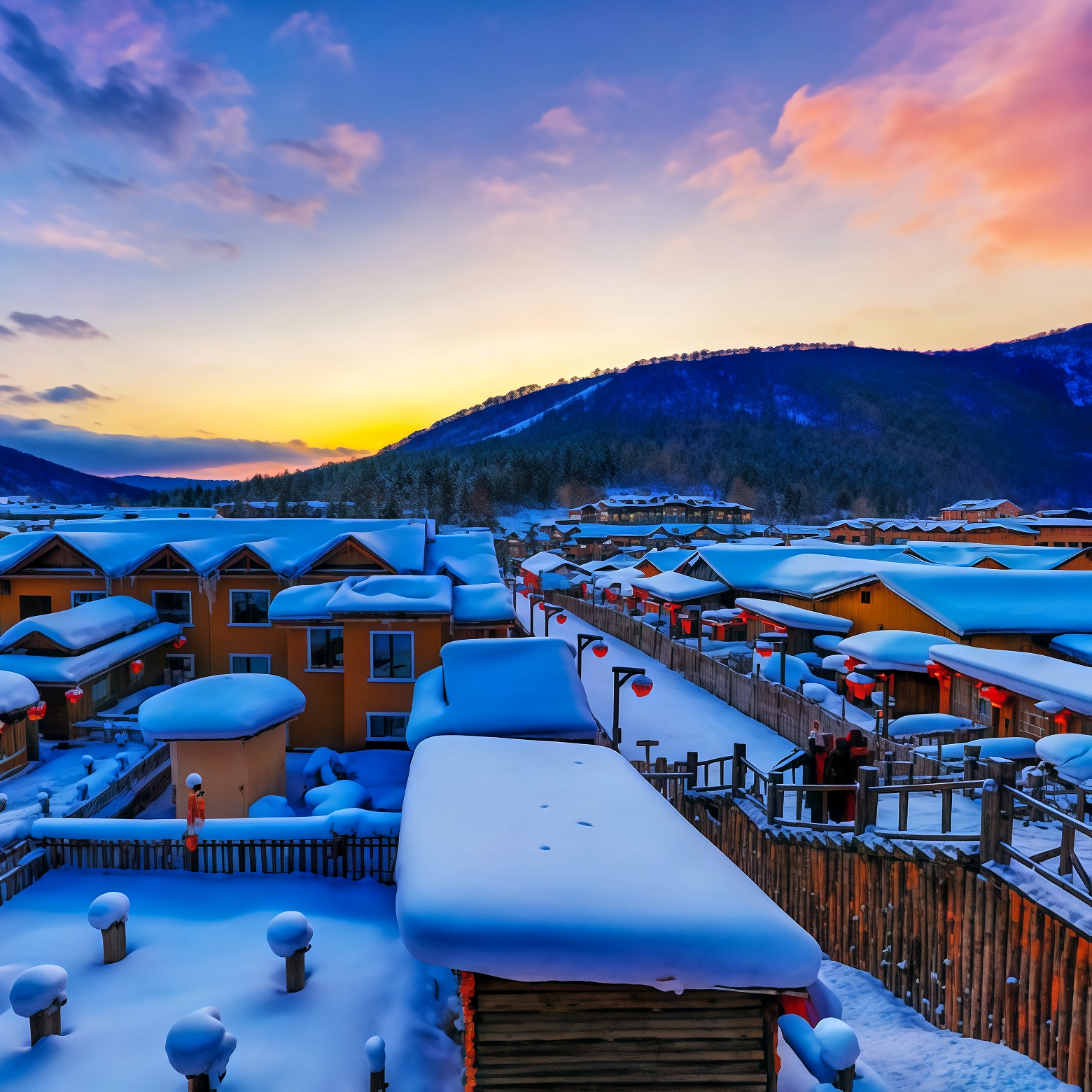
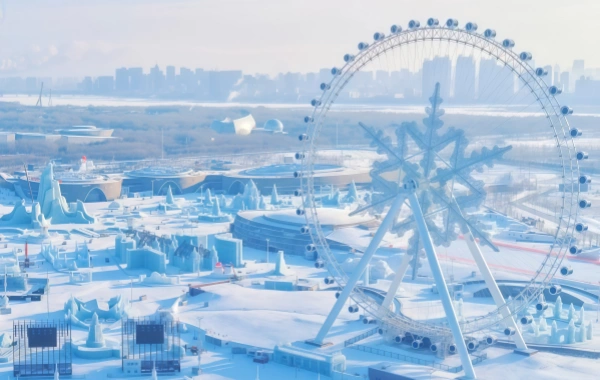
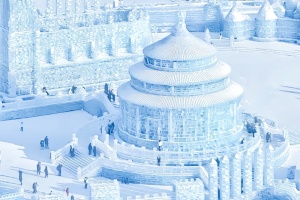
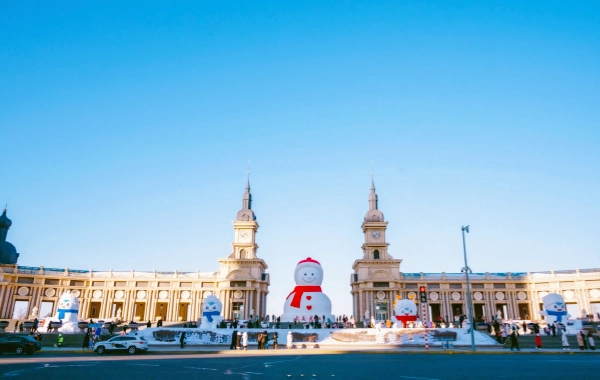
From December to February, Harbin maintains average daytime temperatures of -13°C to -20°C. The Harbin Ice and Snow World opens annually in late December, covering 600,000 square meters with ice blocks harvested from the frozen Songhua River. Ice sculptures reach heights of 40 meters and are illuminated at night. Sun Island Park hosts the Snow Sculpture Art Expo with large-scale snow carvings. The Siberian Tiger Park, 40 kilometers from the city center, houses over 500 tigers visible in outdoor enclosures during winter. China Snow Town, 280 kilometers from Harbin, receives up to two meters of snowfall annually and consists of wooden houses with thick snow layers on roofs. Visitors travel between Harbin and Snow Town by bus or private car; the journey takes five hours. Harbin Taiping International Airport operates direct flights to Seoul, Hong Kong, and cities in Russia's Far East.



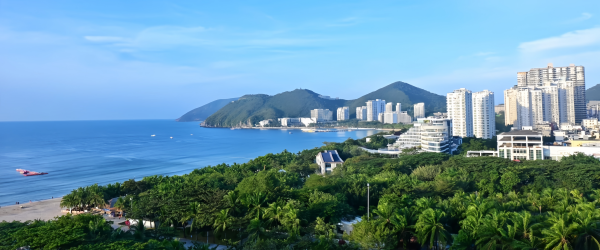
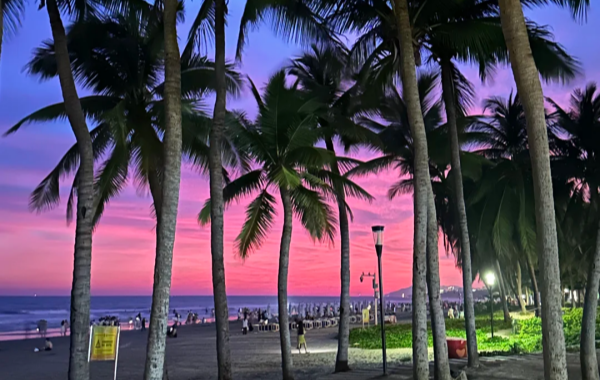
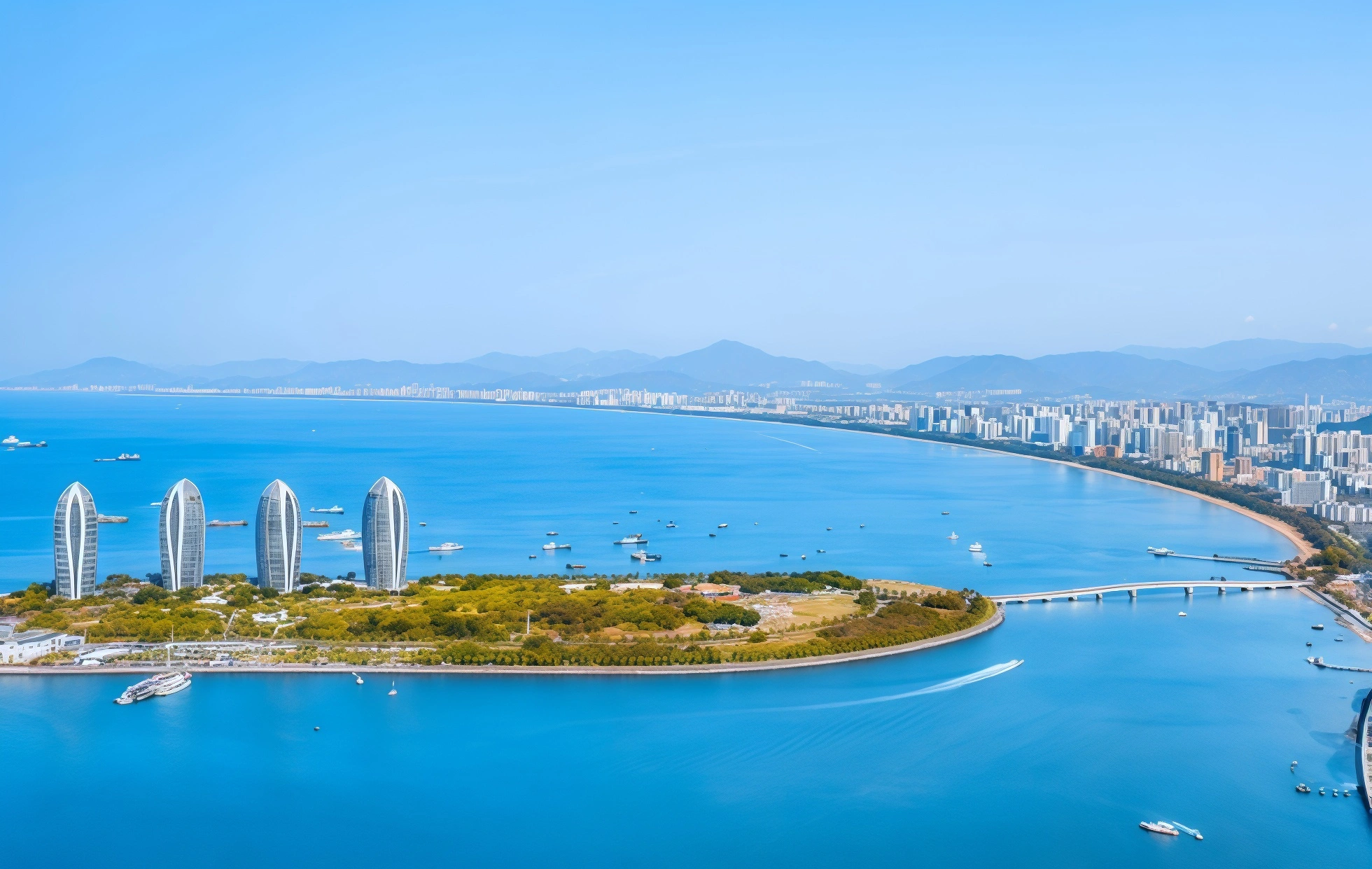
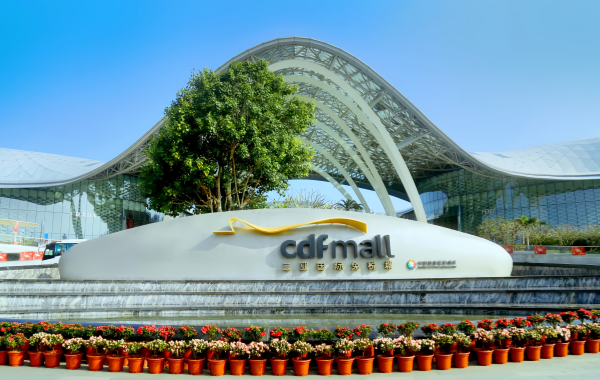
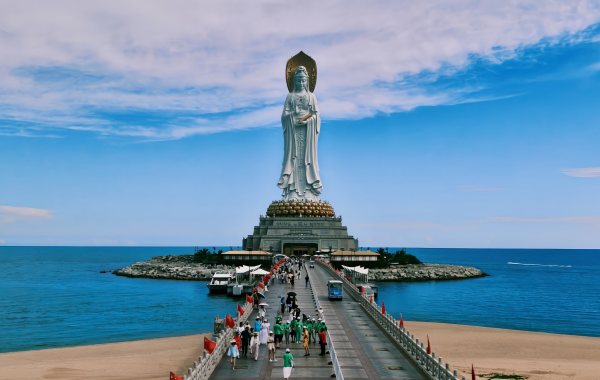
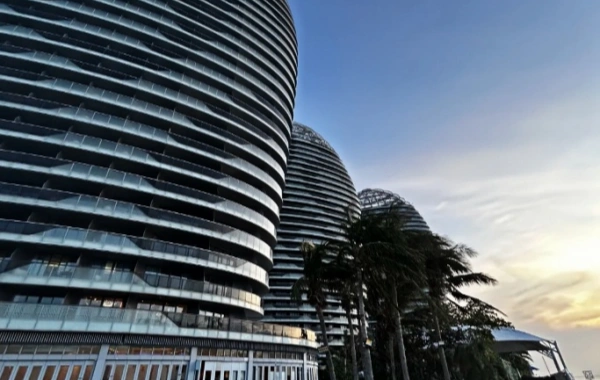
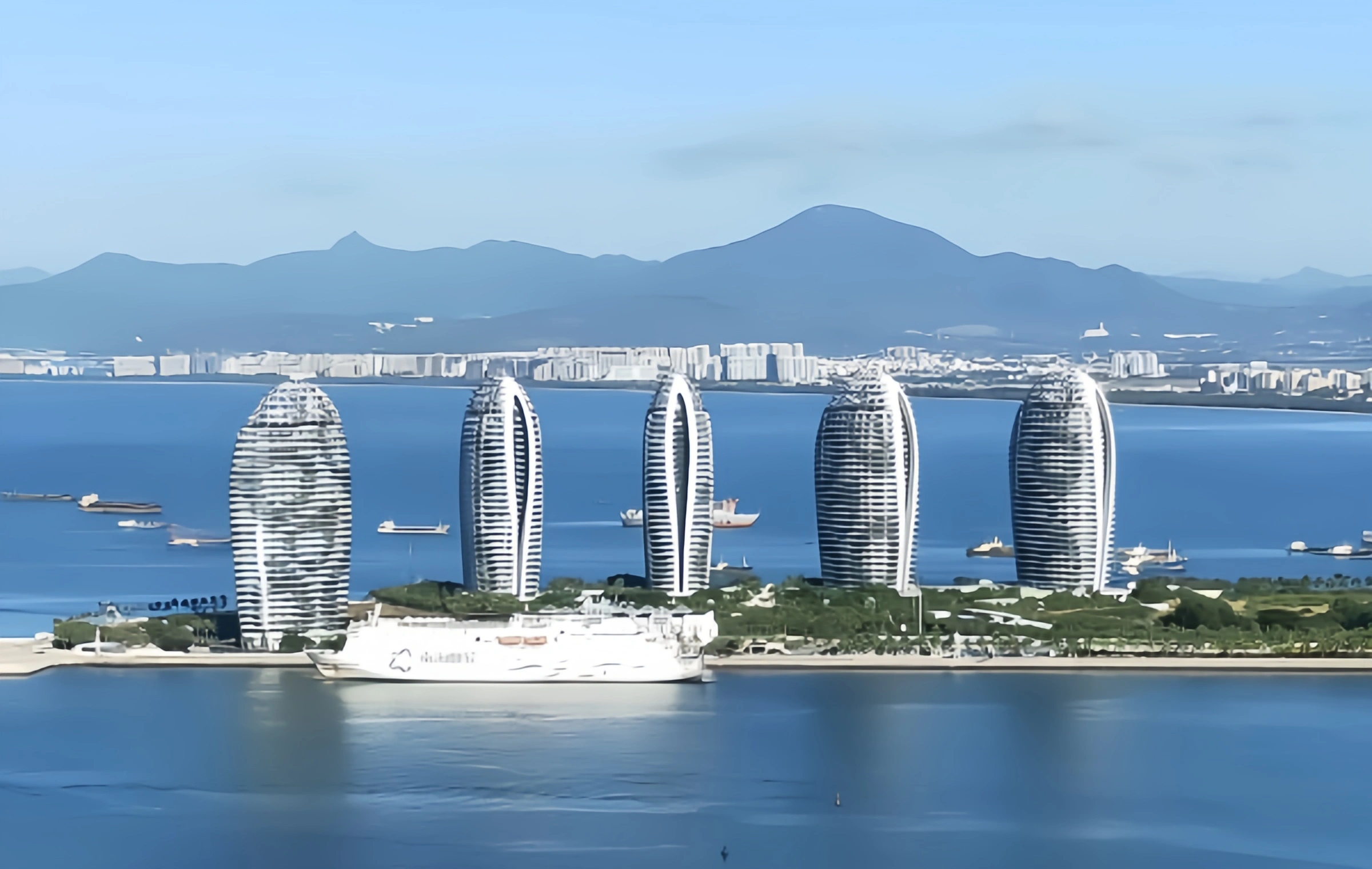
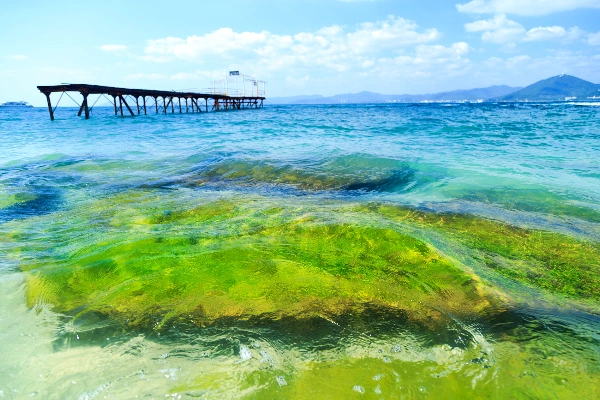
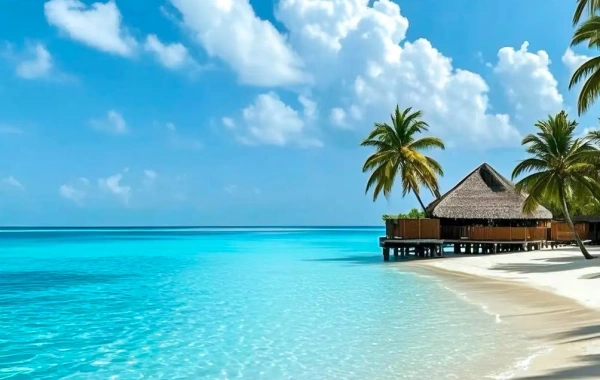
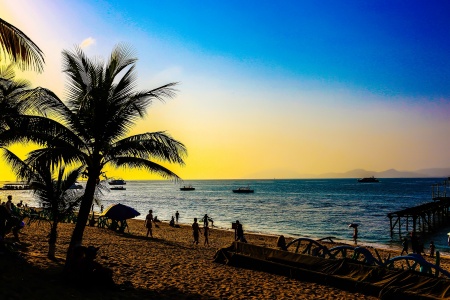
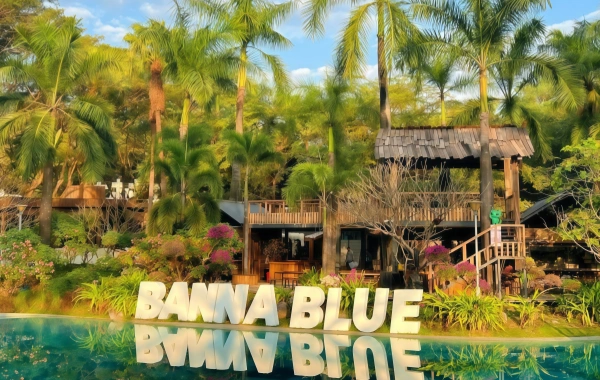
From December to February, Sanya records average daytime temperatures of 22°C to 28°C with sea temperatures at 24°C. The city receives minimal rainfall during these months. Main beach areas include Yalong Bay, Dadonghai, and Sanya Bay, all with public access and rental equipment for swimming and water sports. The Haitang Bay area contains the Sanya International Duty Free Shopping Complex, with tax exemption policies for foreign visitors holding outbound flight tickets. Nanshan Temple features a 108-meter Guanyin statue facing the South China Sea. Wuzhizhou Island, reachable by a 20-minute ferry, offers snorkeling and diving sites with coral reefs. Sanya Phoenix International Airport operates direct international flights to Singapore, Seoul, Almaty, and multiple cities in Russia. Accommodation ranges from beachfront hotels to rental apartments in Sanya Bay.

7 Days
Yunnan-Kunming-Dali-Lijiang-Shangri-La
from
$1750
$1600




What Our Clients Say?
Based on 10,000+ traveler reviews

Daniel Dorothea
Canada
Reviewed on April 29,2025
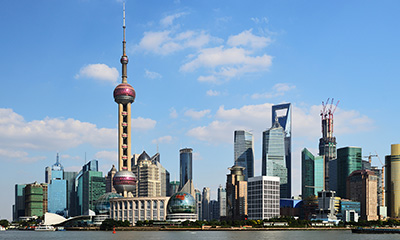
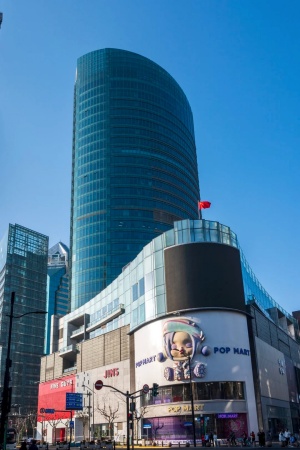
Shopping on Nanjing Road in Shanghai was just amazing! It's truly the "First Commercial Street of China", where tradition and modernity blend perfectly. You can find awesome souvenirs and experience the trendy vibes in cool stores. The neon lights at night are just spectacular, shining bright like Times Square in New York. The food here is incredible too. I had a feast for my taste buds. Shanghai, I'll definitely be back!
Destination(s):
Shanghai
Date of
Experience:
May 08,2024

Elvis Eva
Canada
Reviewed on June 20,2025
As a solo traveler from Canada, I was nervous about navigating China alone—but this 11-day tour was PERFECT! From hiking the Great Wall at sunrise (Day 3) to gasping at the Terracotta Army (Day 5), every day delivered ‘pinch-me’ moments. The real showstopper? Zhangjiajie’s Avatar Mountains (Day 7)! Our guide made the stone pillars come alive with stories.
Massive thanks for handling all logistics—bullet train tickets, entry passes, car! And the 4-star hotels surprised me.
Destination(s):
Beijing Xian Zhangjiajie Shanghai
Date of
Experience:
June 02,2025

Simon
America
Reviewed on May 29,2025
Our 2-day Zhangjiajie tour was beyond spectacular! As someone who’s visited Beijing and Shanghai for work, this trip revealed China’s wild, magical heart. Day 1 in Zhangjiajie National Forest Park felt like stepping onto Pandora—I’m a huge Avatar fan, and Yuanjiajie’s floating peaks left me breathless. The misty pillars and lush valleys like pure movie magic!
Then came Fenghuang Ancient Town, we eat dinner beside the thundering waterfall. It seems Unreal! The night views of stilt houses glowing over the river were straight from a fairy tale.
For fellow Avatar lovers and adventure seekers: Don’t miss this bucket-list experience! 10/10 would return.
A Well-Traveled Film Buff, May 2025
Destination(s):
Zhangjiajie
Date of
Experience:
May 08,2025