
Shanghai Cuisine: A Cosmopolitan Symphony of Yangtze River Freshness, Haipai Elegance, and Global Fusion
Shanghai Cuisine, shaped by the Yangtze River Delta's prosperity and 19th-century international trade, blends Jiangnan flavors with global influences. The city's Bund skyline, Yu Garden bazaars, and colonial architecture reflect its culinary fusion—sweet-savory "hongshao" (red-braised) dishes meet seafood fresh from the East China Sea. Tourists savor hairy crab feasts in autumn and Dim Sum in historic teahouses.
中文名称:沪菜/上海菜
英文名称:Shanghai Cuisine
烹饪技巧:Red-braising, steaming, delicate frying
特点:Sweet-savory, rich sauce, seafood-focused
代表菜品:Shanghai Red-Braised Pork, Hairy Crab, Xiao Long Bao (Soup Dumplings)
Chinese name:
沪菜/上海菜
English name:
Shanghai Cuisine
Techniques:
Red-braising, steaming, delicate frying
Features:
Sweet-savory, rich sauce, seafood-focused
Representative dishes:
Shanghai Red-Braised Pork, Hairy Crab, Xiao Long Bao (Soup Dumplings)
 Historical Background
Shanghai cuisine, shaped by its role as China’s "Paris of the East" and a melting pot of cultures, reflects the fusion of Jiangsu-Zhejiang traditions, Haipai cosmopolitanism, and global influences. Its evolution was marked by:
- Ancient Roots: The Ming Dynasty (1368–1644) saw Shanghai emerge as a rice and cotton hub, with dishes like "braised pork belly" (红烧肉) becoming local staples.
- Cultural Peak: The late 19th-century Opening of Shanghai (1843) introduced Western ingredients (butter, coffee) and cooking techniques, blending with local flavors to create "Haipai Western Cuisine" (海派西餐).
- Modern Globalization: The 20th century popularized Shanghai dishes like "Xiaolongbao" (soup dumplings) globally, while the city’s status as a financial hub fueled culinary innovation.
Regional Variations
Shanghai cuisine is divided into three major sub-styles, each reflecting local geography and cultural exchanges:
- Local Traditional Style (本帮菜 Běnbāng Cài):
- Focus: Freshwater fish and seasonal vegetables. Techniques include "braising with soy sauce" and "steaming with wine."
- Examples: Shanghai-Style Braised Pork (红烧肉), Steamed Crab with Rice Wine.
- Haipai Fusion Style (海派菜 Hǎipài Cài):
- Emphasis: Cross-cultural elegance. Combines Chinese ingredients with Western techniques (e.g., "Russian-style Borscht" adapted with local cabbage).
- Examples: Shanghai-Style Borscht (罗宋汤), Fried Pork Chop with Pepper Salt.
- Modern Innovative Style (新上海菜 Xīn Shànghǎi Cài):
- Characteristics: Light, healthy, and artistic. Uses molecular gastronomy and organic ingredients.
- Examples: Deconstructed Xiaolongbao, Edamame Ice Cream with Osmanthus.
Cultural Significance
Shanghai cuisine embodies the city’s "melting pot" identity:
- Dining Philosophy: “Hǎinàbǎichuān, rónghuì tōngchuān” (海纳百川,融会贯通, “embrace all rivers, synthesize thoroughly”), prioritizing innovation while respecting tradition.
- Haipai Legacy: Dishes like "Braised Pork with Beer" reflect Shanghai’s ability to blend local and foreign elements, symbolizing its role as a cultural bridge.
- Street Food Culture: Night markets and "breakfast streets" (e.g., Wujiang Road) showcase local snacks like "ci fan tuan" (sticky rice rolls) and "you tiao" (deep-fried dough sticks).
Key Characteristics
- Flavor Profile:
- Sweet-savory (浓油赤酱 nóngyóu chìjiàng) from soy sauce, sugar, and wine in braised dishes.
- Fresh-light (清新爽口 qīngxīn shuǎngkǒu) from steamed fish and seasonal greens.
- Umami-rich (鲜醇 xiānchún) from dried seafood and mushroom broths.
- Techniques:
- Braising with soy sauce (红烧 hóngshāo): Slow-cooking meats in soy sauce, sugar, and spices.
- Steaming with wine (酒酿蒸 jiǔniàng zhēng): Infusing dishes with rice wine for fragrance.
- Stuffing (灌汤 guàntāng): Encasing broth in dumplings (e.g., Xiaolongbao).
- Core Ingredients:
- Freshwater fish (hairtail, carp), pork belly, rice wine, soy sauce, crab, and seasonal vegetables.
Signature Dishes
- Shanghai Xiaolongbao (上海小笼包 Shànghǎi Xiǎolóngbāo):
- Pork-filled soup dumplings with a thin, pleated skin, served with ginger-vinegar dip.
- Shanghai-Style Braised Pork (上海红烧肉 Shànghǎi Hóngshāo Ròu):
- Pork belly braised in soy sauce, sugar, and rice wine until tender, glazed with a sticky-sweet sauce.
- Steamed Crab with Rice Wine (清蒸大闸蟹 Qīngzhēng Dàzhàxiè):
- Hairy crabs steamed with ginger and rice wine, served with black vinegar and ginger paste.
- Shanghai-Style Borscht (上海罗宋汤 Shànghǎi Luósòng Tāng):
- A local adaptation of Russian borscht, made with cabbage, potatoes, beef, and tomato paste.
- Fried Pork Chop with Pepper Salt (椒盐排条 Jiāoyán Páitiáo):
- Pork tenderloin marinated in soy sauce, coated in cornstarch, and deep-fried, sprinkled with pepper salt.
Notable Restaurants & Old Brands
- Local Traditional:
- Lao Zheng Xing (老正兴 Lǎo Zhèngxīng): Founded in 1862, renowned for Braised Pork and Steamed Crab.
- Shanghai Old Restaurant (上海老饭店 Shànghǎi Lǎo Fàndiàn): Established in 1875, famous for Xiaolongbao and Braised Eel.
- Haipai Fusion:
- Red House (红房子西菜馆 Hóng Fángzǐ Xīcàiguǎn): A 1935 establishment offering Shanghai-Style Borscht and Fried Pork Chops.
- De Xing Guan (德兴馆 Déxīng Guǎn): Known for "Three Yellow Chicken" (steamed chicken with ginger) since 1883.
- Modern Innovative:
- Ultraviolet by Paul Pairet (紫外线餐厅 Zǐwàixiàn Cāntīng): A Michelin-starred venue using multi-sensory technology to reinterpret Shanghai classics.
Cultural Heritage & Attractions
- UNESCO Intangible Cultural Heritage:
- Shanghai Xiaolongbao Craft: A 140-year-old tradition of hand-pleating dumplings, recognized in 2014 for its cultural significance.
- Culinary Landmarks:
- Yu Garden (豫园 Yùyuán): A Ming Dynasty garden where vendors sell Xiaolongbao and crab-roe soup dumplings.
- The Bund (外滩 Wàitān): A historic waterfront lined with Art Deco buildings that once housed Western-style restaurants.
- Tianzifang (田子坊 Tiánzǐfāng): A creative hub in restored Shikumen (stone-gate) houses, offering Haipai fusion dishes.
Modern Innovations
- Fusion Trends: Xiaolongbao with truffle filling, Borscht-flavored ice cream, and Braised Pork-flavored latte.
- Sustainability: Organic farms in Chongming Island supplying crab and vegetables to eco-conscious restaurants.
- Global Presence: Michelin-starred Shanghai restaurants in New York (Shanghai 21) and Paris (Le Shanghǎi).
Shanghai cuisine is a testament to the city’s dynamic spirit—a culinary tradition that thrives on innovation, embraces global influences, and never forgets its roots in the Yangtze River Delta’s bounty.
Contact Us
What Our Clients Say?
Based on 10,000+ traveler reviews

Daniel Dorothea
Canada
Reviewed on April 29,2025
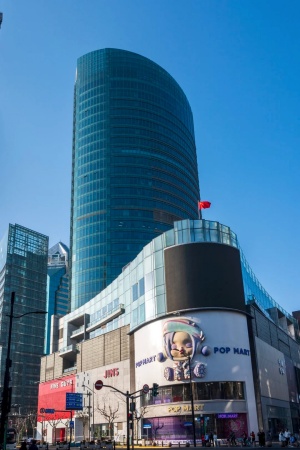
Shopping on Nanjing Road in Shanghai was just amazing! It's truly the "First Commercial Street of China", where tradition and modernity blend perfectly. You can find awesome souvenirs and experience the trendy vibes in cool stores. The neon lights at night are just spectacular, shining bright like Times Square in New York. The food here is incredible too. I had a feast for my taste buds. Shanghai, I'll definitely be back!
Destination(s):
Shanghai
Date of
Experience:
May 08,2024

Elvis Eva
Canada
Reviewed on June 20,2025
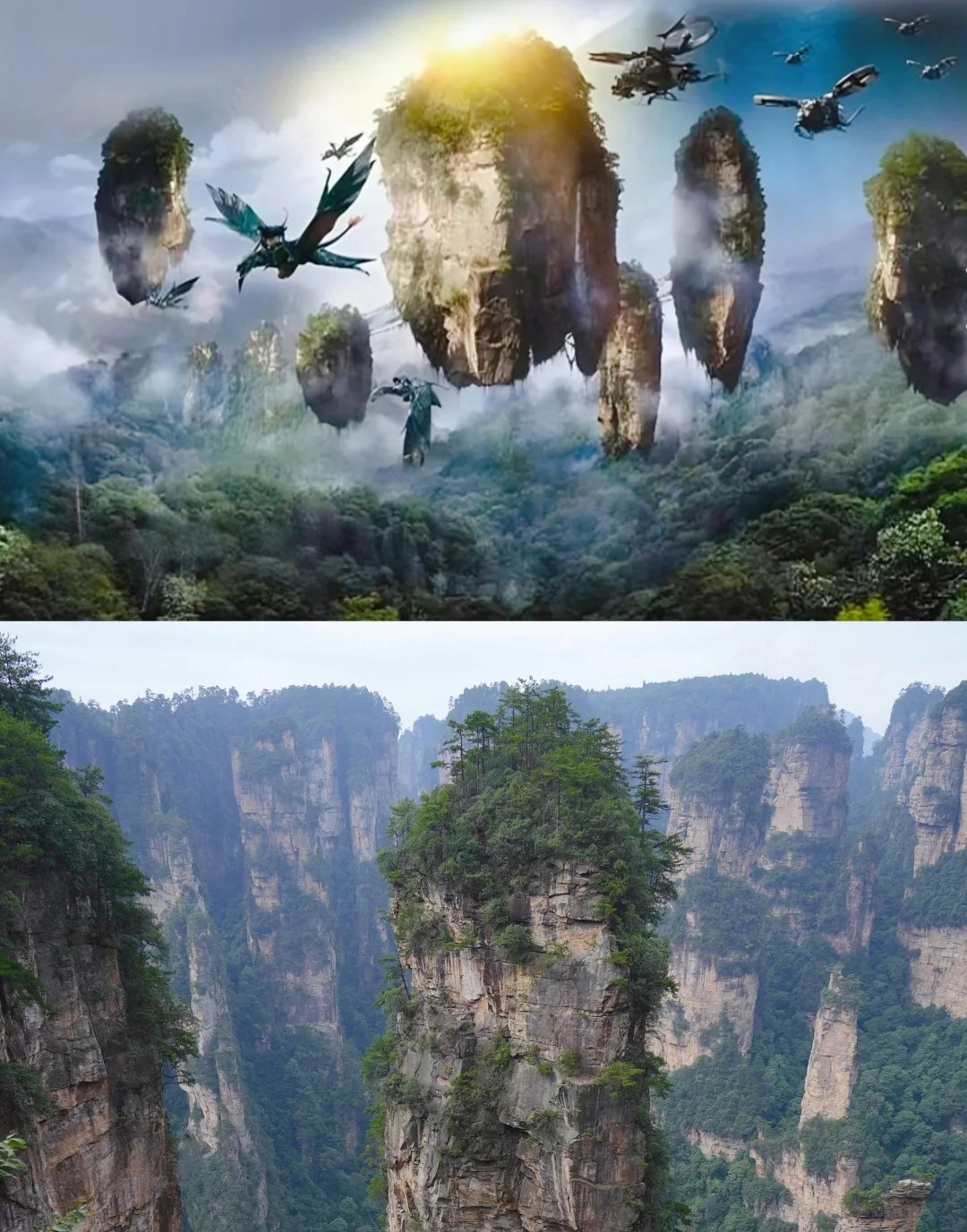
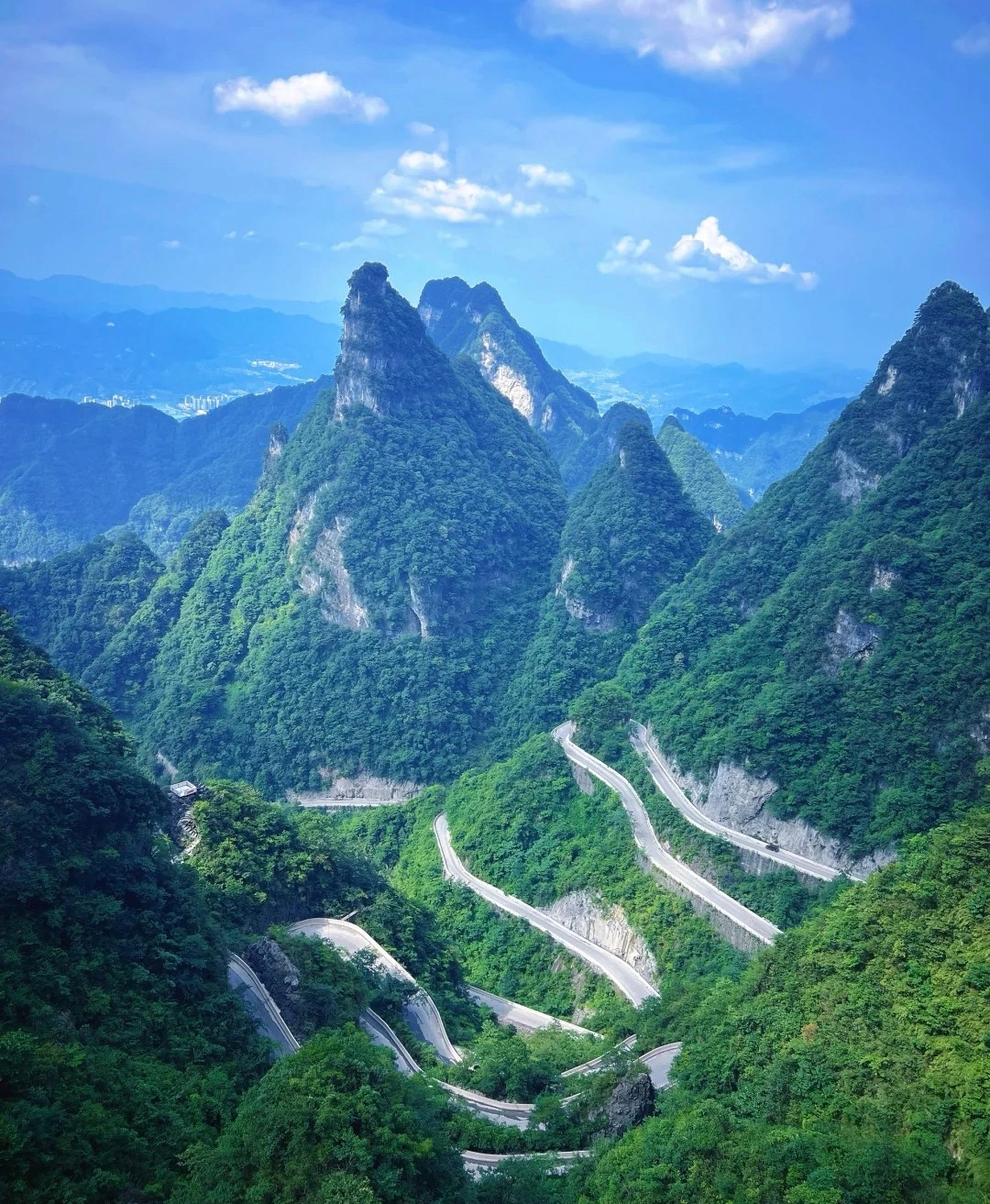
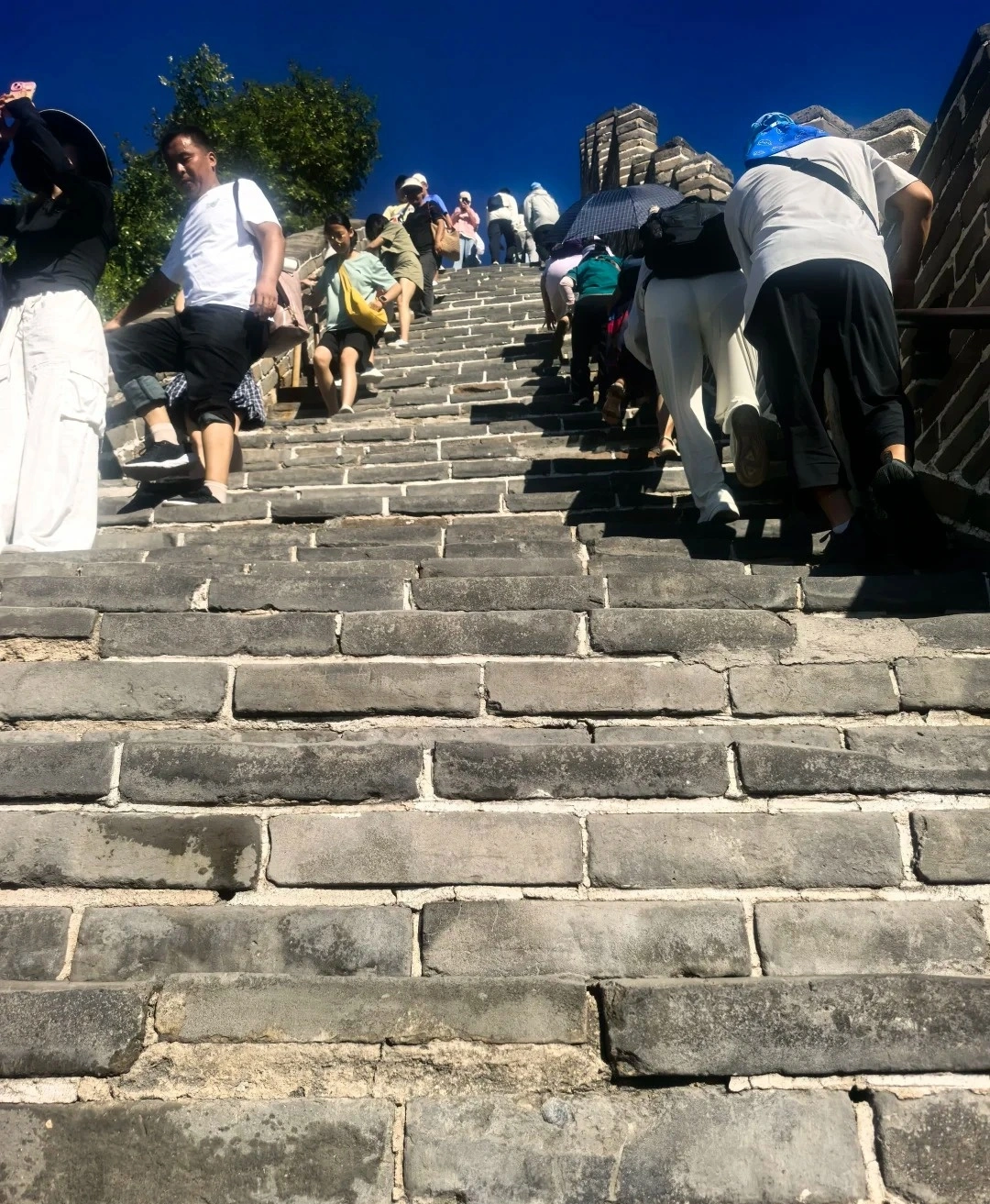
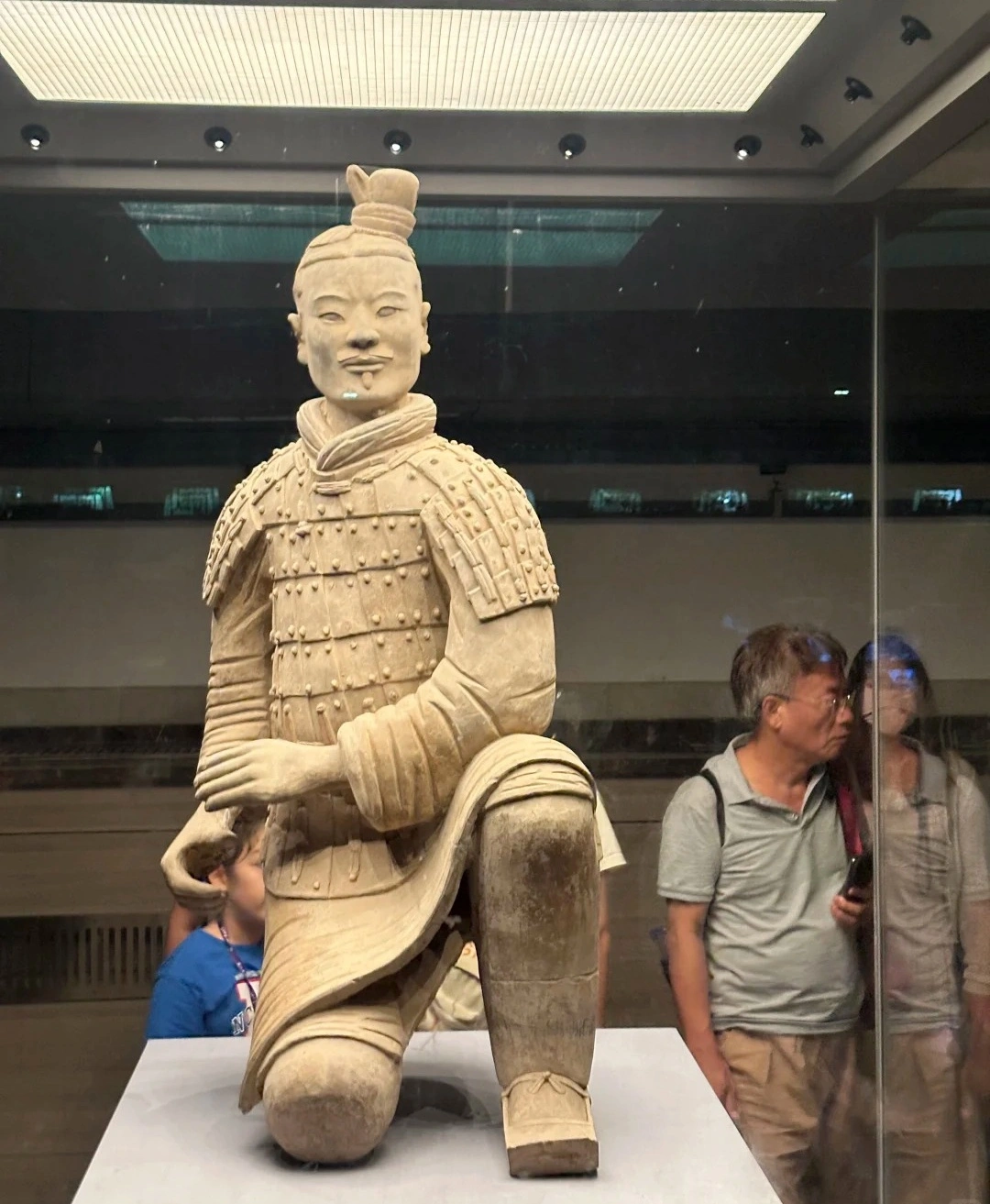
As a solo traveler from Canada, I was nervous about navigating China alone—but this 11-day tour was PERFECT! From hiking the Great Wall at sunrise (Day 3) to gasping at the Terracotta Army (Day 5), every day delivered ‘pinch-me’ moments. The real showstopper? Zhangjiajie’s Avatar Mountains (Day 7)! Our guide made the stone pillars come alive with stories.
Massive thanks for handling all logistics—bullet train tickets, entry passes, car! And the 4-star hotels surprised me.
Destination(s):
Beijing Xian Zhangjiajie Shanghai
Date of
Experience:
June 02,2025

Simon
America
Reviewed on May 29,2025
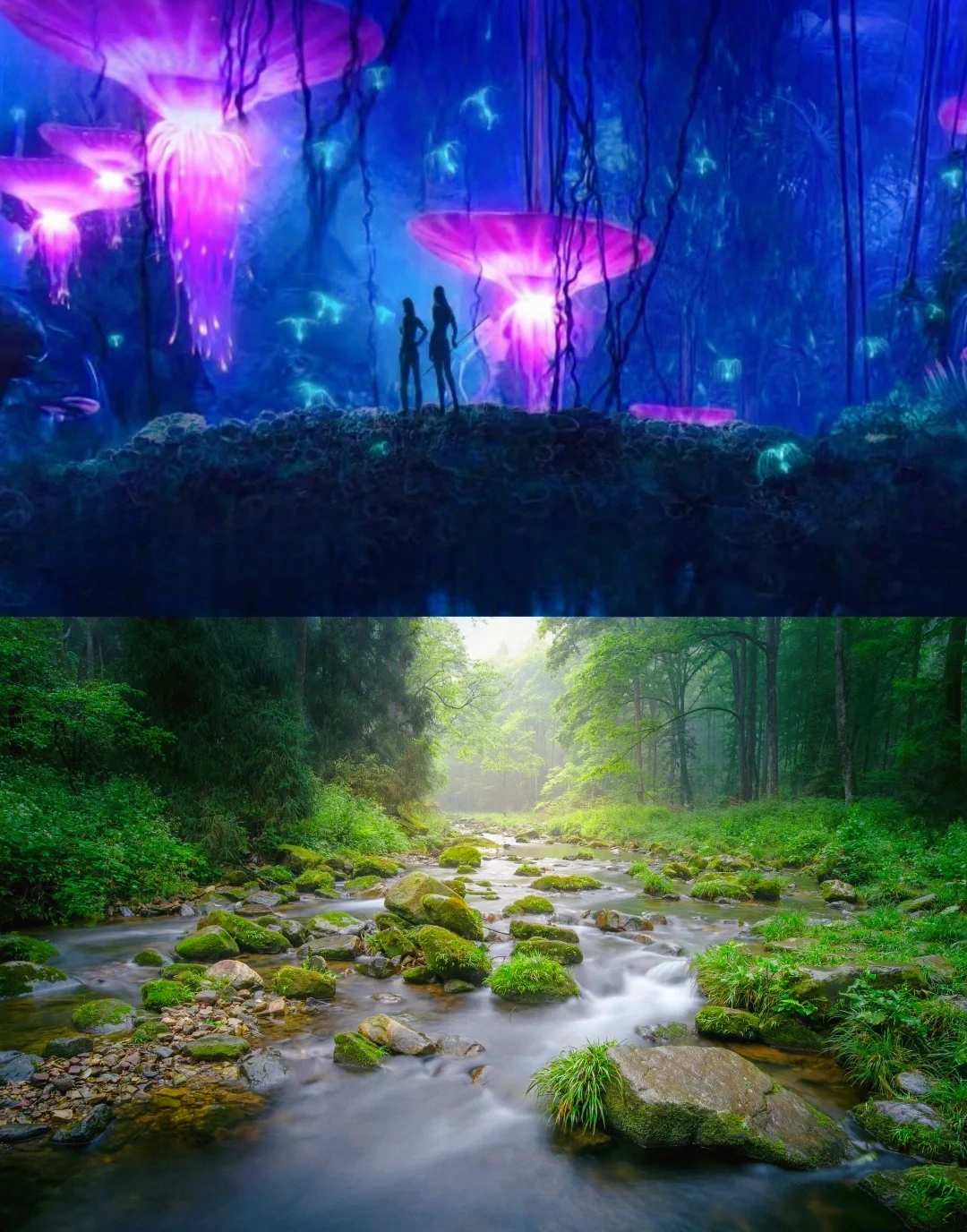
Our 2-day Zhangjiajie tour was beyond spectacular! As someone who’s visited Beijing and Shanghai for work, this trip revealed China’s wild, magical heart. Day 1 in Zhangjiajie National Forest Park felt like stepping onto Pandora—I’m a huge Avatar fan, and Yuanjiajie’s floating peaks left me breathless. The misty pillars and lush valleys like pure movie magic!
Then came Fenghuang Ancient Town, we eat dinner beside the thundering waterfall. It seems Unreal! The night views of stilt houses glowing over the river were straight from a fairy tale.
For fellow Avatar lovers and adventure seekers: Don’t miss this bucket-list experience! 10/10 would return.
A Well-Traveled Film Buff, May 2025
Destination(s):
Zhangjiajie
Date of
Experience:
May 08,2025