

The Nether World
The Origin of Mythology and the Story of Earthly Mansions
The myth of Chinese underworld originated from the concept of "Youdu" in the pre Qin period, and formed a complex system through the fusion of Taoism and Buddhism. The pre Qin Shan Hai Jing recorded the "mountain of Youdu", while the Han Dynasty Huainanzi referred to it as the "bottom of the nine springs". Taoism absorbed the belief of the Later Earth, and Buddhism introduced the concept of reincarnation and judgment, jointly shaping the "nine secluded places in the underworld" structure of the underworld. The underworld is not only the resting place of the deceased, but also the place of moral judgment, reflecting the cosmology of 'good and evil are rewarded'.
Detailed explanation of key roles
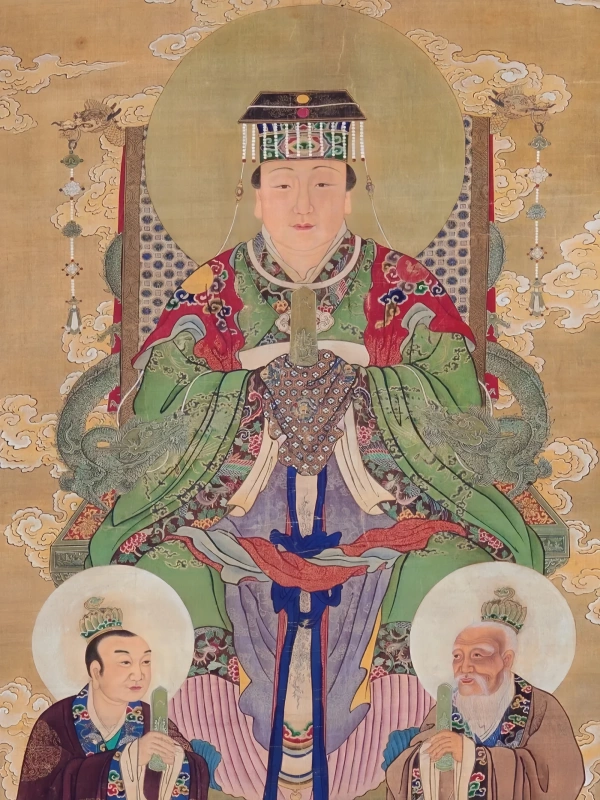
1. Houtu
- Name and Origin: The full name of Hou Tu is "Chengtian imitates Hou Tu Huang Di Zhi". He was originally a social god (the lord of the land) and was revered as the "Mother of the Earth" in the Han Dynasty. Later, he was associated with the underworld and became one of the rulers of the underworld.
- Mythical story: Legend has it that Hou Tu and the Jade Emperor are known as the "Four Kings", who are in charge of yin and yang and nurture all things. In "Fengshen Yanyi", she assisted Jiang Ziya in Fengshen and was in charge of the life and death book of the underworld; According to folklore, she transformed into the "Ksitigarbha Bodhisattva" and possessed the souls of the deceased, or co governed the underworld with the King of Hell.
2. Minghe River
- Symbol and Function: One of the "Three Rivers" in the underworld, the soul of the deceased must pay coins or be bitten by evil spirits to cross the river, symbolizing "karmic retribution". The Buddhist scripture "Ksitigarbha Sutra" refers to it as "Naihe", while Taoism calls it "Wangchuan". There is a "Naihe Bridge" on the riverbank, and Mengpo at the bridgehead cooks soup to forget her past life. Yama, who is in charge of the River Styx, is the god of death and is regarded as the creator or ruler of the Asura tribe.
- Cultural metaphor: The River Styx embodies the cycle of cause and effect, and those who cross the river must face their sins and karma during their lifetime. For example, in "Strange Tales from a Chinese Studio," a corrupt official is dragged into the abyss by the evil spirits of the River Styx, symbolizing that corruption will be punished.
3. Fengdu Dadi
- Identity and responsibilities: In Taoism, he is revered as the "Great Emperor of Beiyin Fengdu", commanding the ten halls of the underworld and the Yan King, and in charge of the "Luofeng Mountain" ghost city (now Fengdu, Chongqing). Its image combines the belief of "Mount Taishan Prefecture Lord" in the pre Qin period and the concept of "the King of Hell" in Buddhism.
- Legend and allusion: It is said that he was enfeoffed by the Jade Emperor and descended to earth every sixty years to inspect the good and evil in the world; The folk "Fengdu Ghost City" scenic area currently has buildings such as "Guimen Pass" and "Tianzi Hall", simulating the scene of underground mansions to warn the world.
4. The Five Ghost Emperors
Eastern, Southern, Western, Northern and Central Ghost Emperors:
- Eastern Ghost Emperor: Cai Yulv and Shenshu, guarding the "Taozhi Mountain" ghost gate, wielding a peach wood sword to drive away evil spirits, derived from the myth of "Dushuo Mountain" in the Classic of Mountains and Seas.
- Southern Ghost Emperor: Du Ziren, guarding the "Luofu Mountain" and in charge of the souls of the deceased in southern Xinjiang, is related to the Taoist belief in "Nanyue Emperor".
- Western Ghost Emperors: Zhao Wenhe and Wang Zhenren, guarding the "Fanzhong Mountain" and responsible for the judgment of lost souls in the Western Regions, integrating the Buddhist concept of "Western Heaven".
- Northern Ghost Emperor: Zhang Heng and Yang Yun, guarding the north gate of "Luofeng Mountain", in charge of the souls of the deceased in the north, corresponding to the "Xuanwu" directional god.
- Central Ghost Emperor: Zhou Qi and Ji Kang, guarding the central gate of "Baodu Mountain", symbolizing the central authority of heaven and earth, its functions integrate life and death book management, good and evil judgment, and regional protection.
Mythical logic: The Four Directions Ghost Emperor symbolizes the "Four Symbols" guarding the four directions, maintaining the order of the underworld space, and ensuring that the souls of the deceased return to their respective positions.
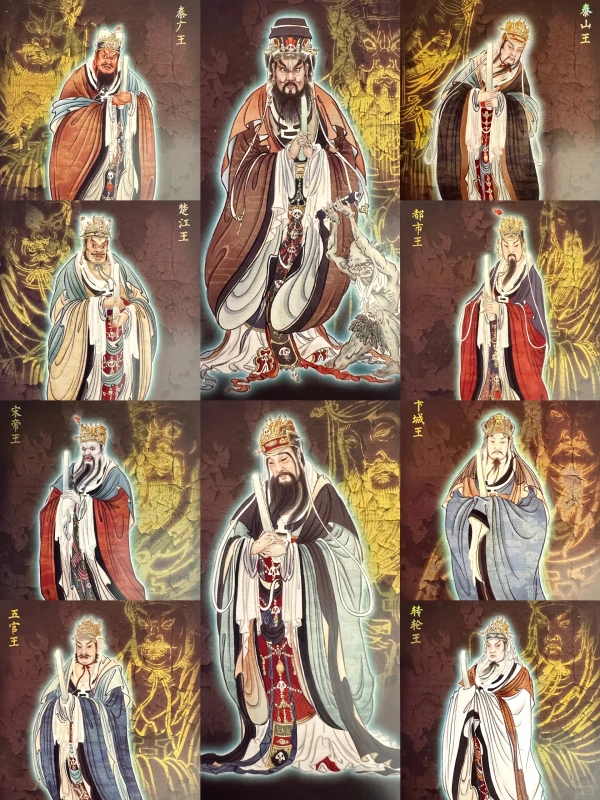
5. The Ten Yama Kings
List and Responsibilities of the Ten Halls of Hell:
- The First Hall - King Qin Guang: Responsible for determining the lifespan of the human world and leading the souls of the deceased into the underworld.
- The Second Hall - King Chu Jiang: in charge of the "Living Hell", punishing the crimes of rape, debauchery, and abduction.
- The Third Hall - King Song Di: Serving as the 'Great Hell of the Black Rope', punishing disobedience and unfilial behavior.
- The Fourth Hall - King Wu Guan: governs the "Great Hell" and judges fraud and abduction.
- The Fifth Hall - King Yan Luo: The most well-known is known for its main role as the "Wangxiangtai", which allows the souls of the deceased to look back at the human world. Later, the Buddha transformed it into the "Yama Emperor".
- The Sixth Hall - King Bian Cheng: He shouted loudly and called for the Great Hell, punishing the rampage in the countryside.
- The Seventh hall - King Tai Shan: in charge of "hot hell", judge tomb robbers and destroy corpses.
- The Eighth Hall - King Du Shi: presides over the "wrath of hell" and punishes the division of flesh and blood.
- The Ninth Hall - King Ping Deng: governs the "Abi Hell" and judges serious crimes such as murder and arson.
- The Tenth Hall - King Lun Zhuan: Responsible for reincarnation, dividing the six realms (heaven, man, Asura, beast, hungry ghost, hell) based on good and evil during one's lifetime.
Read more:Ten Kings of Hell >>
Historical evolution: The Ten Halls of the King of Hell originated from the Tang Dynasty's belief in the "Ten Kings of Hell", and was integrated into the Taoist "Ten Officials of the underworld" system in the Song Dynasty. Each hall of the King of Hell corresponds to a specific punishment, reflecting the judicial logic of "equal punishment for crimes".
6. Black and White Impermanence (Heibai Wuchang)
Name and characteristics: Black impermanence with the name Fan Wujiu, White impermanence with the name Xie Bi'an, collectively known as "Seven and Eight Masters". The black impermanent hat reads' Peace in the world ', while the white impermanent hat reads' Wealth at first sight'. Holding chains and mourning sticks, they are responsible for summoning souls and seeking their lives.
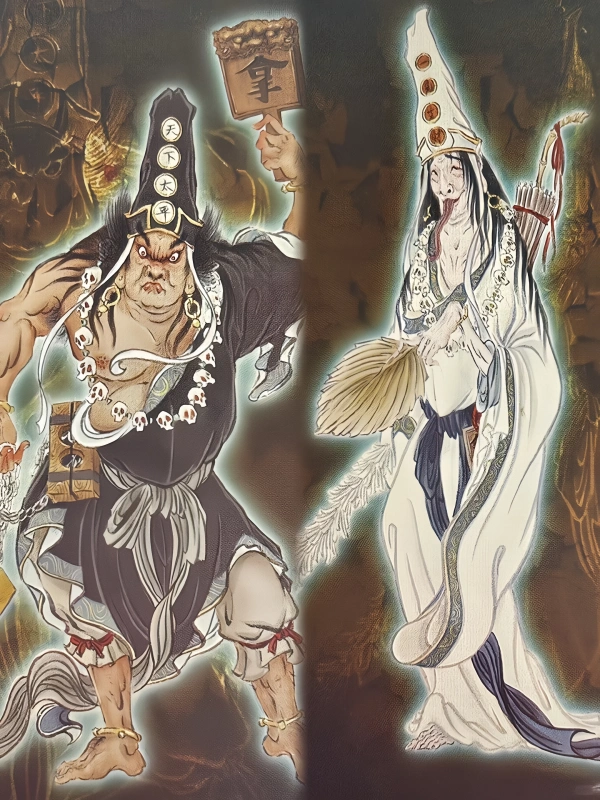
Mythical story: Legend has it that the two were sworn brothers who drowned while rescuing a drowning child. The Jade Emperor bestowed upon them the title of impermanent gods. The folk believe that black impermanence punishes evil, while white impermanence brings good, symbolizing the balance of yin and yang.
7. Niutou and Ma Mian
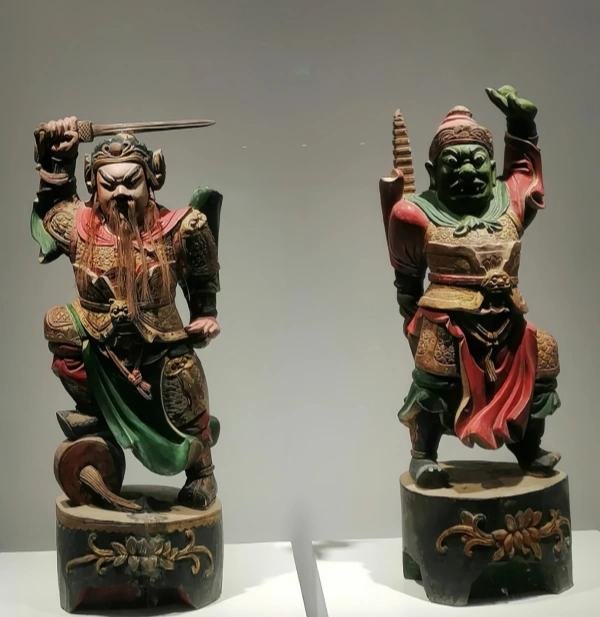
Image and Function: Niu Tou (Abang) holds a steel fork, Ma Mian (Ma Mian Luo Cha) holds a token, and is responsible for escorting the souls of the deceased and maintaining the security of the underworld.
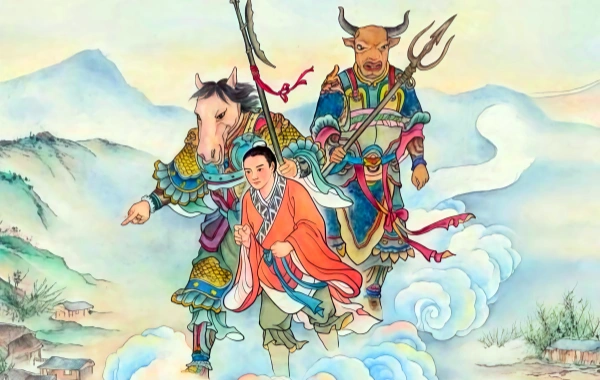
Cultural origins: The cow's head originated from the Buddhist concept of "Ngau Tou Abang", while the horse's face originated from the Indian myth of "Ma Mian Ghost". Both were introduced to China through Buddhism and integrated with local ghost beliefs, becoming representatives of "constables" in the underworld.
8. Zhong Kui
Evolution of Divine Personality: Originally a Jinshi from Zhongnan Mountain in the Tang Dynasty, he was despised by the emperor for his ugly appearance. After committing suicide, he was honored by the Jade Emperor as the "True Demon Expulsion Lord" and specialized in catching and subduing demons. Taoism regards him as the "Yisheng Zhenjun", while Buddhism calls him the "Great Demon Suppressor".
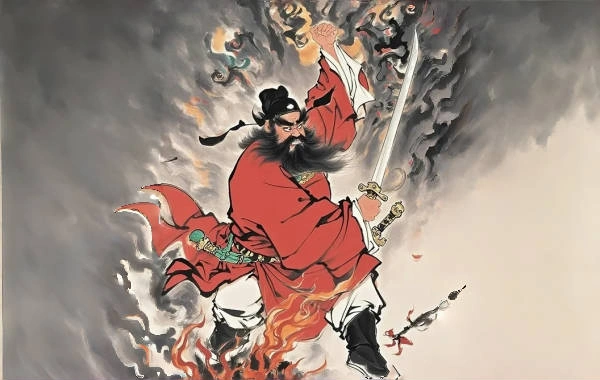
Classic story: In "The Legend of Zhong Kui," he holds the Qingfeng Demon Slayer Sword, wears a black veil hat, and a red robe. He can see through the disguise of ghosts and protect the world from evil spirits. In the folk Loong Boat Festival, there is a picture of Zhong Kui, which means exorcism and blessing.
9. Judge Pan Guan:
The Four Great Judges: Wei Zheng (rewarding the good and bestowing blessings upon those who do good), Zhong Kui (punishing the evil and punishing the crimes of the "Four Nos and Four Nos"), Lu Daodao (investigating and punishing the unjust), Cui Jue (the Yin Law Department, in charge of the book of life and death). Cui Jue privately modified the life and death book of Emperor Taizong of Tang to increase longevity in "Journey to the West", Wei Zheng beheaded the Dragon King of Jinghe River, and Lu Jue changed the heart of Zhu Erdan in "Strange Tales from a Chinese Studio", reflecting the coexistence of "righteousness and human emotions".
Functional extension: Judges assist in the trial of the Ten Halls of Hell, such as Judge Cui in "Journey to the West" assisting Li Shimin in returning to the Yang, reflecting the interweaving of power and responsibility between the "Yin Yang Two Realms".
10. Meng Po
Origin three theories: The officials in the heavenly realm boiled soup in the Forget River because they saw that people were reluctant to let go of their grudges and grievances; After Meng Jiangnu cried on The Great Wall, heaven spared her from reincarnation and ordered her to hold Meng Po Tang; During the Western Han Dynasty, Meng Jiang, an elderly woman, was still a virgin at the age of 81 and was sent to build a memorial tablet to drive away forgetfulness.
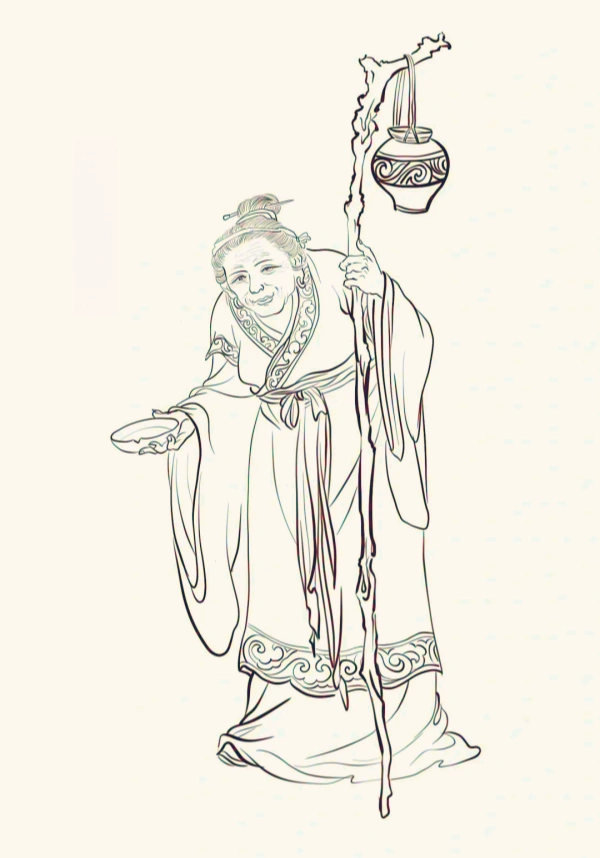
Formula of Mengpo Soup: Eight tears are used to induce (raw tears, old tears, bitter tears, etc.), boiled to make Forget River Water, and the drinker forgets their past love and hate. As recorded in the "Wu Xia Yan Lian", "Mud Hun Soup" makes people "not refreshed for 35 days", symbolizing the philosophical view that "death is like clouds dispersing".
The image of the underworld in literary works
Narrative of the underworld in Journey to the West:
Sun Wukong caused chaos in the underworld: destroying the Monkey's Book of Life and Death, reflecting the spirit of rebellion of "jumping out of the three realms"; The Ten Hall King of Hell is arrogant in front and respectful in back, exposing the corruption of the underworld that bullies the weak, such as kneeling down to the powerful (Li Shimin) and bribing the common people (Kou Shanren) to survive.
Emperor Taizong of Tang visited the underworld: Judge Cui privately changed the book of life and death to increase longevity, reflecting the metaphor of "the infiltration of power from the mortal world into the underworld"; Ksitigarbha Bodhisattva mediated disputes and integrated the conflict between compassion and Dharma in Buddhism and Taoism.
Description of the underworld space: The Forest Palace, the Naihe Bridge, and the eighteen levels of hell (such as the Hanging Muscle Prison and the Oil Pot Prison) form a closed loop of "judgment punishment reincarnation". For example, in the analysis of "Sun Wukong's Diary", the "Three Paths River" is divided into good and evil channels, and the Golden Bridge, Silver Bridge, and Naihe Bridge correspond to different soul destinations.
Other literary extensions: In "Strange Tales from a Chinese Studio," Lu Jue changed his heart, and in "The Legend of Zhong Kui," the exorcist Zhenjun slays ghosts, both deepening the moral meaning of "good and evil will be rewarded" in the underworld.
Difu Scenic Spots:
Chongqing Fengdu Ghost City: Using scenes such as Naihe Bridge, Guimen Pass, and the Eighteen Layers of Hell to recreate the underworld trial system, simulating punishments such as "Oil Pot Prison" and "Knife Mountain Prison" through sound and light technology, becoming a carrier of "life and death education".
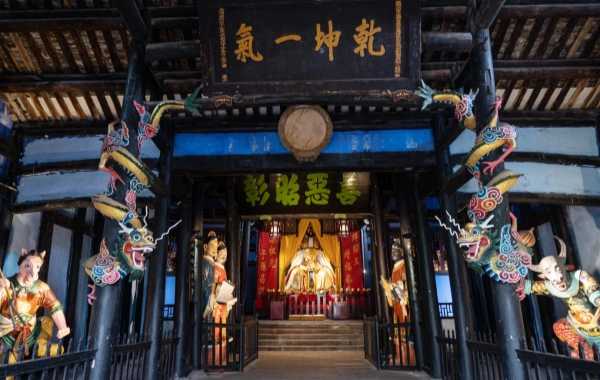
Historical origins: During the Eastern Han Dynasty, Zhang Daoling founded the "Five Dou Mi Dao" and established the "Pingdu Zhi" in Fengdu; The legend of Yin Changsheng and Wang Fangping becoming immortal in the Tang Dynasty was mistakenly passed down as the rule of the "Yin King", combined with the Buddhist concept of "Yama King", forming the "ghost city" culture.
Core attractions:
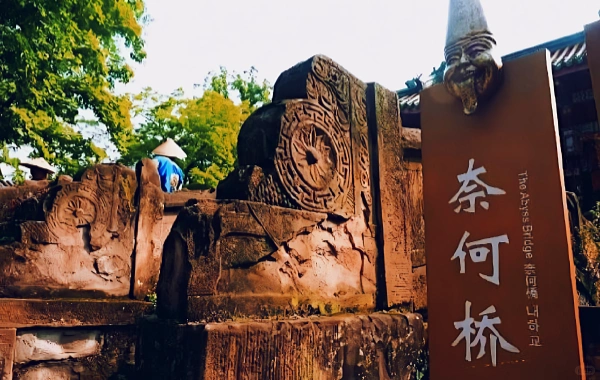
- Naihe Bridge: The three-layer bridge body (red, dark yellow, black) corresponds to the soul level, and the Naihe River hides ghosts and monsters under the bridge to test whether they did good deeds during their lifetime.
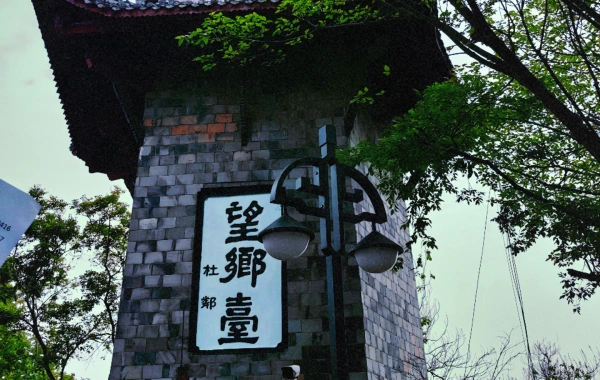
- Wangxiangtai: Legend has it that it was built by Bao Zheng, and ghosts take the stage to gaze at their hometown from afar, like Li Shimin bidding farewell to the mortal world in "Journey to the West".
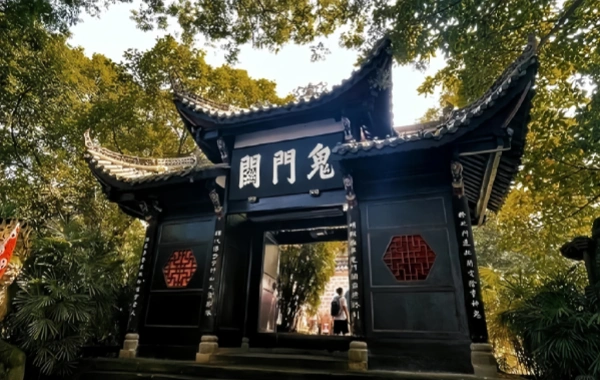
- Guimen Pass: Only with a "road guide" can one pass through, and green lights create a gloomy atmosphere, symbolizing the strict control of the "Yin Yang world".
- Eighteen Layers of Hell: Punishment scenes such as the Hanging Muscle Prison and the Oil Pot Prison are restored through sound, light, and electricity technology. For example, the "Tang King Soul Tour of the Underworld" project has invested 1 billion yuan to create an immersive experience.
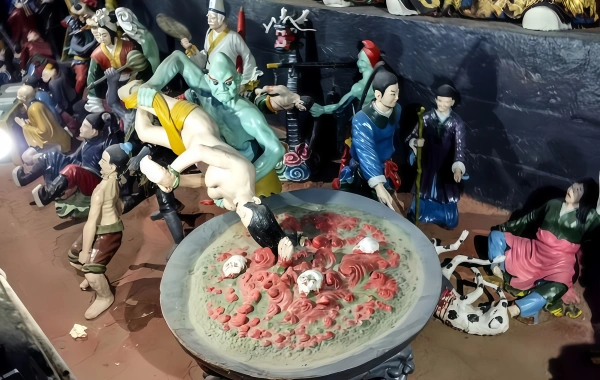
Cultural significance: Integrating Taoism, Buddhism, and Confucianism, it has become a carrier of "life and death education", such as ghost festival worship and Nuo dance to drive away epidemics, reflecting the folk wisdom of "respecting life and death, and being reborn for goodness".
Haoli Mountain in Tai'an, Shandong: Since the Han Dynasty, it has been regarded as the entrance to the underworld, and the remains of the "Naihe Bridge" still exist, which echoes the record of "Soul God Returning to Daishan" in the Book of Later Han.
Mythical system logic
The underworld system integrates the Taoist concept of "natural law", Buddhist concept of "cause and effect reincarnation", and folk belief in "retribution for good and evil", forming a closed loop of "judgment punishment reincarnation". Each character has independent mythological origins and is interconnected within the system, jointly constructing the collective imagination of Chinese people towards death, morality, and cosmic order.




What Our Clients Say?



Ask us before you decide.
Unsure about a route, departure date or room option? Tell us what is holding up your plans. You will get a clear answer from our China-based travel team—no booking required.