
Beijing Cuisine: A Royal Fusion of Imperial Grandeur and Hutong Humility
Beijing Cuisine, shaped by Mongol and Manchu imperial courts, combines northern Chinese robustness with refined presentation. the forbidden city and Great Wall tours often conclude with Peking Duck banquets, reflecting the capital's role as a cultural melting pot.
Chinese name:
京菜
English name:
Beijing Cuisine
Techniques:
Roasting, deep-frying, noodle-pullin
Features:
Rich, savory, imperial grandeur
Representative dishes:
Peking Duck, Instant-Boiled Mutton, Imperial Noodles
 Historical Background
Beijing cuisine, one of China’s “Eight Great Cuisines,” evolved in the heart of the nation’s political and cultural center. Its development was shaped by:
- Imperial Roots: The Yuan Dynasty (1271–1368) introduced Mongolian and Central Asian flavors, while the Ming (1368–1644) and Qing (1644–1912) dynasties refined court dishes, blending Han Chinese and Manchu traditions.
- Cultural Peak: The Qing Dynasty’s “Manhan Quanxi” (满汉全席, “Manchu-Han Full Feast”) showcased 108 dishes, symbolizing unity between ethnic groups.
- Modern Globalization: The 20th century saw Beijing cuisine adapt to international tastes, with Peking Duck becoming a global symbol of Chinese gastronomy.
Regional Variations
Beijing cuisine is divided into three major sub-styles, reflecting its imperial past and multicultural heritage:
- Imperial Court Style (宫廷菜 Gōngtíng Cài):
- Focus: Luxurious ingredients and meticulous presentation. Techniques include “roasting in a closed oven” and “slow-braising with herbs.”
- Examples: Imperial Peking Duck, Bird’s Nest Soup.
- Hutong Street Food (胡同小吃 Hútòng Xiǎochī):
- Emphasis: Affordable, hearty snacks from Beijing’s alleys. Dishes often feature wheat-based doughs and preserved beans.
- Examples: Fried Dough Twists (焦圈 Jiāoquān), Fermented Mung Bean Juice (豆汁 Dòuzhī).
- Hui Muslim Style (清真菜 Qīngzhēn Cài):
- Characteristics: Halal dishes with lamb and spices. Inspired by Beijing’s Hui Muslim community.
- Examples: Lamb Hotpot, Fried Mutton Dumplings.
Cultural Significance
Beijing cuisine embodies the duality of imperial grandeur and everyday resilience:
- Dining Philosophy: “Zūnbì shàng, qīnɡjié xià” (尊卑上,清洁下, “respect hierarchy above, cherish purity below”), balancing courtly formality with street-food simplicity.
- Imperial Legacy: Dishes like “Bird’s Nest Soup” reflect Qing Dynasty extravagance, while “Fried Dough Twists” symbolize working-class ingenuity.
- Symbolism: Peking Duck’s crispy skin represents wealth, while its tender meat signifies harmony.
Key Characteristics
- Flavor Profile:
- Rich-savory (浓香 nóngxiāng) from roasted meats and soy-based sauces.
- Mild-sweet (微甜 wēitián) from sugar-glazed pastries and honeyed glazes.
- Umami-depth (鲜醇 xiānchún) from dried seafood and mushroom broths.
- Techniques:
- Closed-oven roasting (焖炉烤 mènlúkǎo): Peking Duck’s signature method, using fruitwood for smoky aroma.
- Quick-frying with scallion (葱爆 cōngbào): Stir-frying lamb with scallions for fragrance.
- Jelly-making (冻制 dòngzhì): Creating aspics from chicken broth.
- Core Ingredients:
- Duck, lamb, wheat flour, soybeans, dried mushrooms, and bird’s nest.
Signature Dishes
- Imperial Peking Duck (北京烤鸭 Běijīng Kǎoyā):
- Duck roasted in a closed oven, carved tableside, and wrapped in pancakes with scallion and plum sauce.
- Zhajiang Noodles (炸酱面 Zhàjiàng Miàn):
- Wheat noodles topped with fermented soybean paste, diced pork, and julienned vegetables.
- Instant-Boiled Lamb (涮羊肉 Shuàn Yángròu):
- Thinly sliced lamb cooked in a copper hotpot with sesame paste and腐乳 (fermented tofu).
- Fermented Mung Bean Juice (豆汁 Dòuzhī):
- A pungent, sour drink made from fermented mung beans, served with fried dough twists.
- Bird’s Nest Soup (燕窝汤 Yànwō Tāng):
- A luxurious broth of swiftlet nests, rock sugar, and goji berries.
Notable Restaurants & Old Brands
- Imperial Court Legacy:
- Quanjude (全聚德 Quánjùdé): Founded in 1864, renowned for Imperial Peking Duck.
- Bianyifang (便宜坊 Piányí Fāng): Established in 1416, specializes in “hidden-oven” roasted duck.
- Hutong Classics:
- Nanjing Road Fried Dough (南来顺 Nánláishùn): A 1930s shop serving Fried Dough Twists and Fermented Mung Bean Juice.
- Donglaishun (东来顺 Dōngláishùn): Founded in 1903, famous for Instant-Boiled Lamb.
- Hui Muslim:
- Hongbinlou (鸿宾楼 Hóngbīnlóu): Established in 1853, offers Halal dishes like Lamb Hotpot.
Cultural Heritage & Attractions
- UNESCO Intangible Cultural Heritage:
- Peking Duck Roasting: A 1,000-year-old technique using fruitwood ovens, recognized in 2008.
- Culinary Landmarks:
- Forbidden City (故宫 Gùgōng): The imperial kitchen’s legacy influences dishes like Bird’s Nest Soup.
- Hutong Alleys (胡同 Hútòng): Narrow lanes where vendors sell Fried Dough Twists and Fermented Mung Bean Juice.
- Niujie Mosque (牛街 Niújiē): Beijing’s oldest mosque, adjacent to Hui Muslim restaurants serving Lamb Hotpot.
Modern Innovations
- Fusion Trends: Peking Duck tacos, Zhajiang Noodle ramen, and Bird’s Nest Soup cocktails.
- Sustainability: Organic farms near Beijing supplying duck and vegetables to eco-conscious restaurants.
- Global Presence: Michelin-starred Beijing restaurants in Shanghai (Da Dong) and Paris (Le Pékin).
Beijing cuisine is a culinary tapestry woven from imperial opulence and Hutong simplicity—a testament to China’s ability to harmonize tradition with innovation.
Contact Us
What Our Clients Say?
Based on 10,000+ traveler reviews

Daniel Dorothea
Canada
Reviewed on April 29,2025
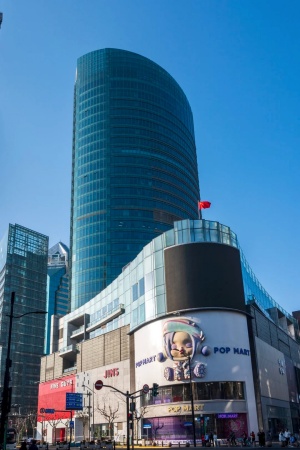
Shopping on Nanjing Road in Shanghai was just amazing! It's truly the "First Commercial Street of China", where tradition and modernity blend perfectly. You can find awesome souvenirs and experience the trendy vibes in cool stores. The neon lights at night are just spectacular, shining bright like Times Square in New York. The food here is incredible too. I had a feast for my taste buds. Shanghai, I'll definitely be back!
Destination(s):
Shanghai
Date of
Experience:
May 08,2024

Elvis Eva
Canada
Reviewed on June 20,2025
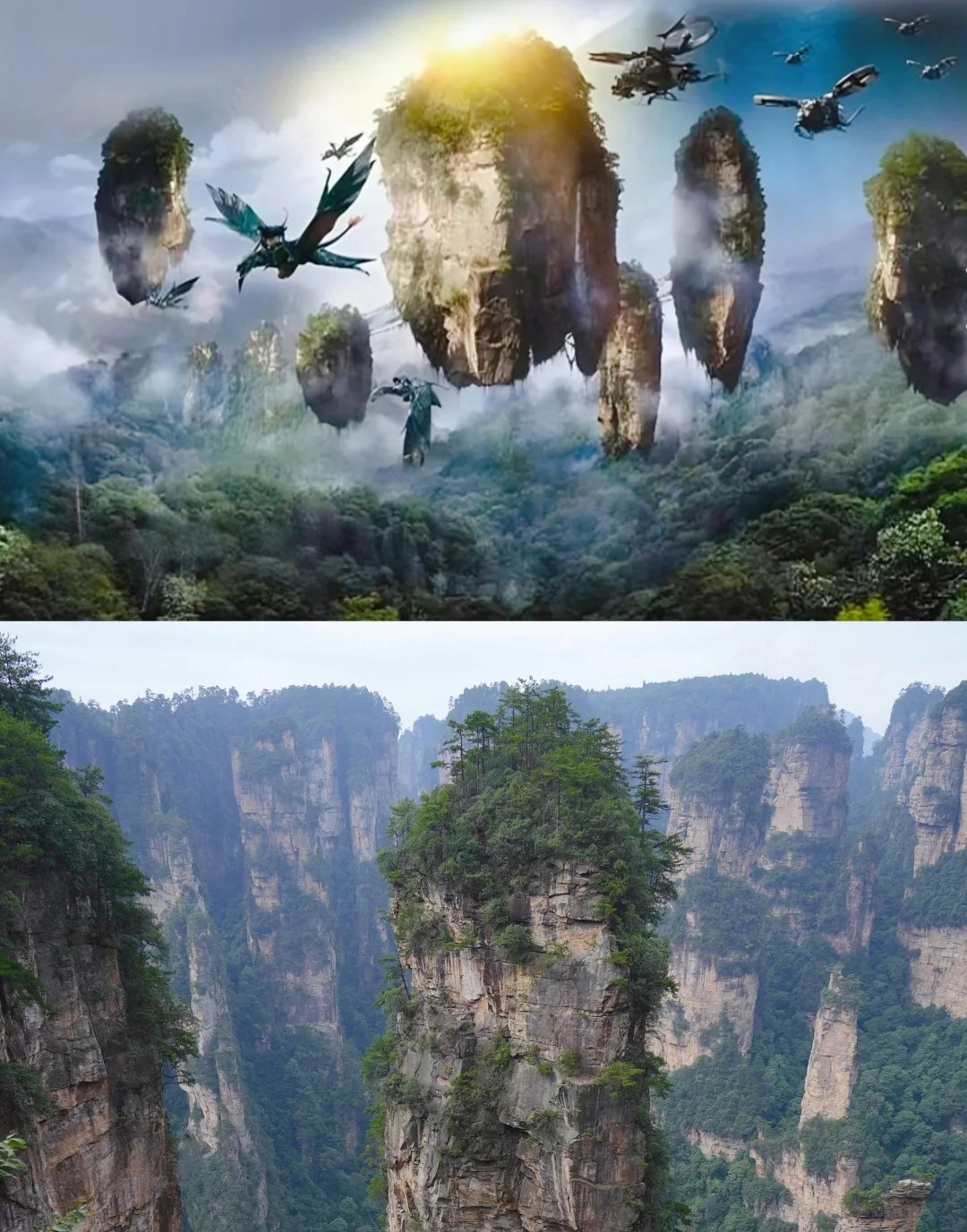
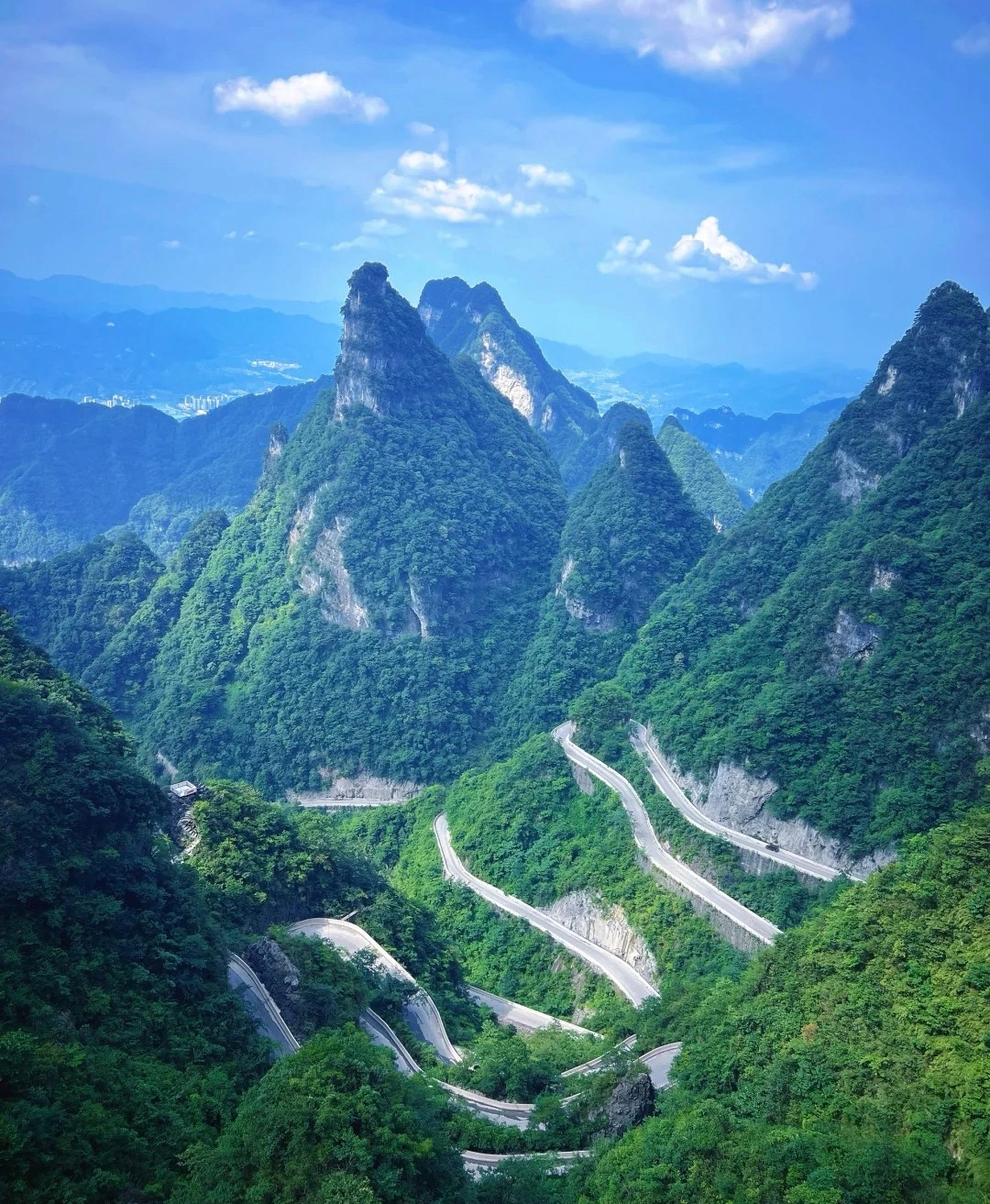
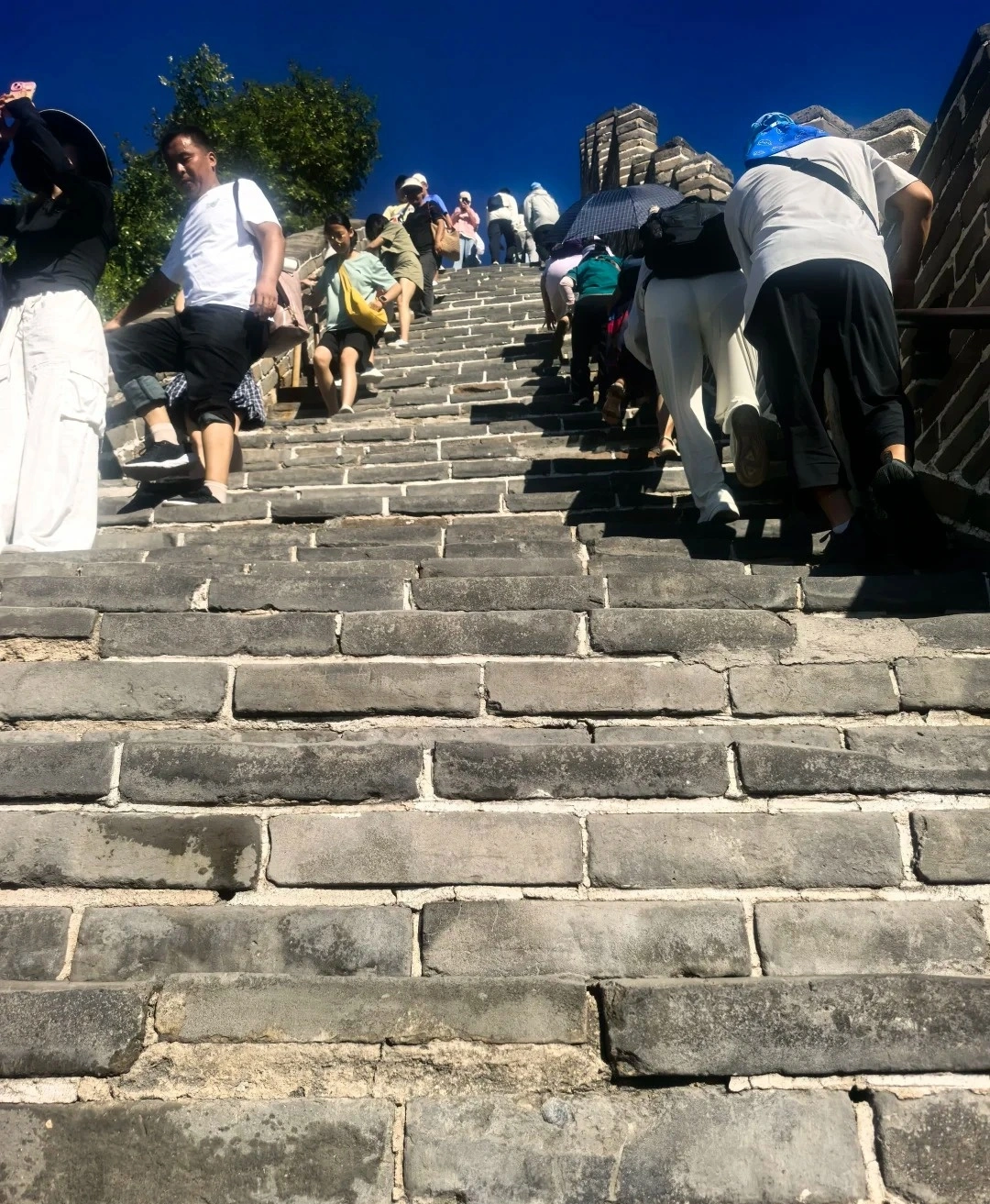
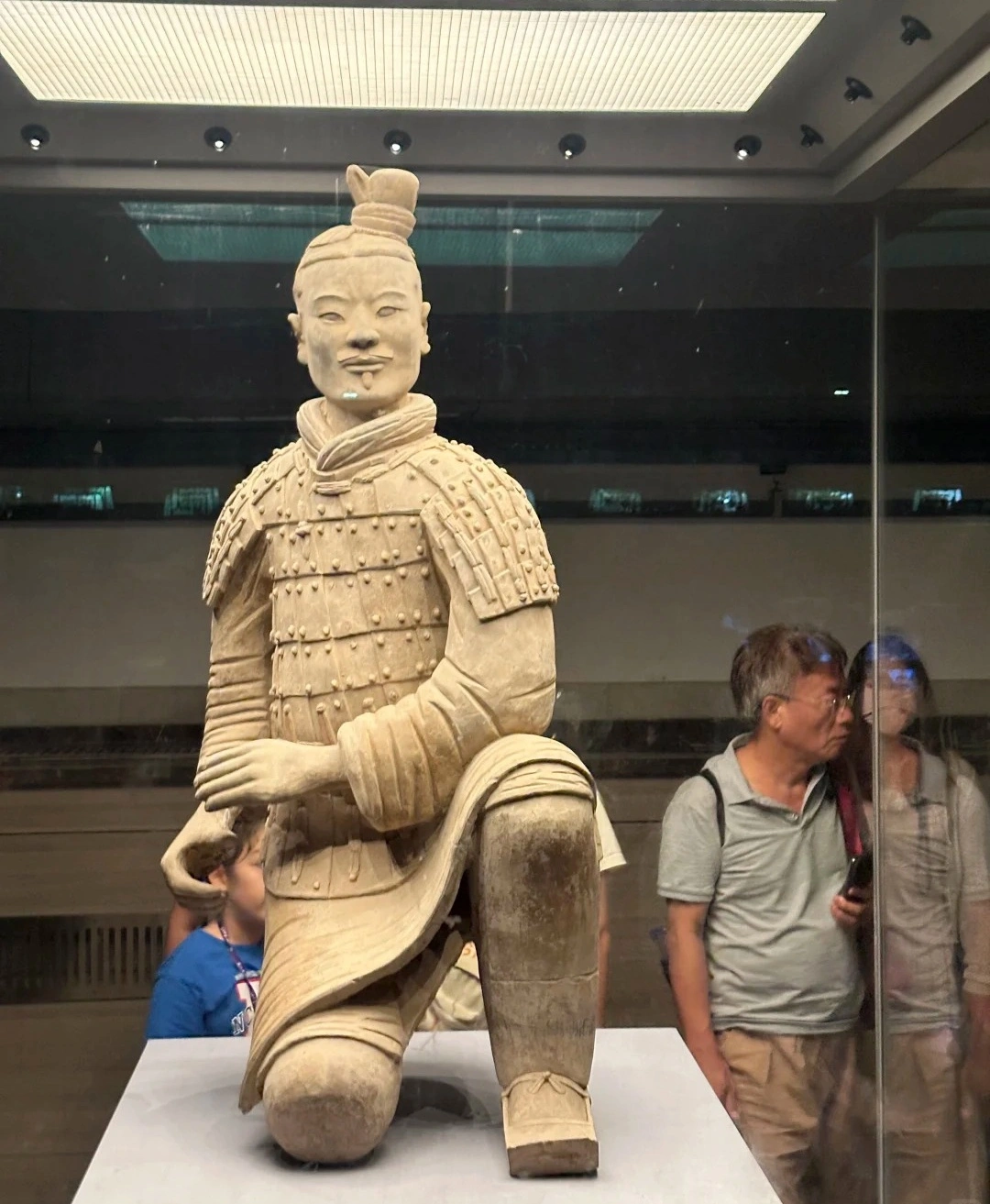
As a solo traveler from Canada, I was nervous about navigating China alone—but this 11-day tour was PERFECT! From hiking the Great Wall at sunrise (Day 3) to gasping at the Terracotta Army (Day 5), every day delivered ‘pinch-me’ moments. The real showstopper? Zhangjiajie’s Avatar Mountains (Day 7)! Our guide made the stone pillars come alive with stories.
Massive thanks for handling all logistics—bullet train tickets, entry passes, car! And the 4-star hotels surprised me.
Destination(s):
Beijing Xian Zhangjiajie Shanghai
Date of
Experience:
June 02,2025

Simon
America
Reviewed on May 29,2025
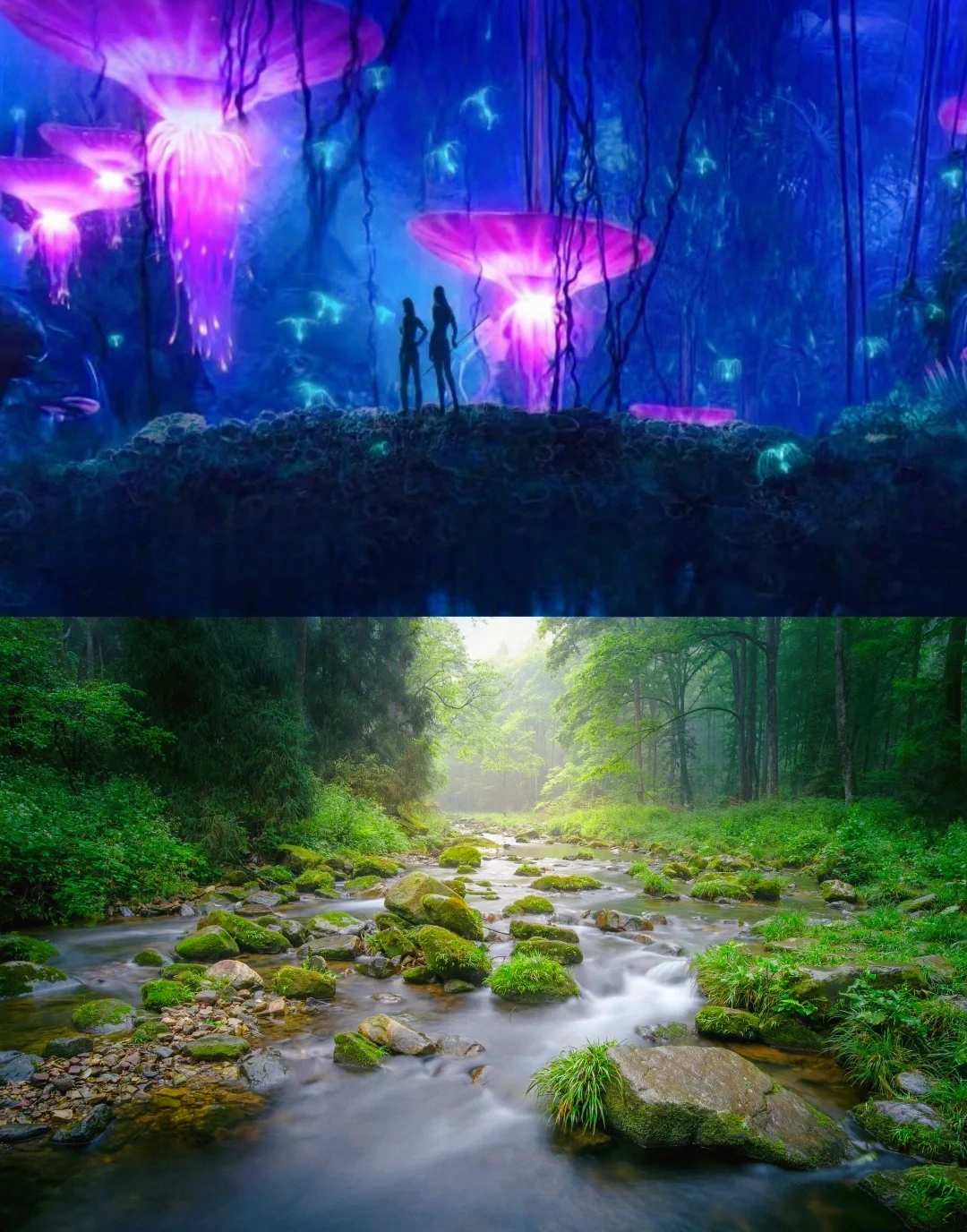
Our 2-day Zhangjiajie tour was beyond spectacular! As someone who’s visited Beijing and Shanghai for work, this trip revealed China’s wild, magical heart. Day 1 in Zhangjiajie National Forest Park felt like stepping onto Pandora—I’m a huge Avatar fan, and Yuanjiajie’s floating peaks left me breathless. The misty pillars and lush valleys like pure movie magic!
Then came Fenghuang Ancient Town, we eat dinner beside the thundering waterfall. It seems Unreal! The night views of stilt houses glowing over the river were straight from a fairy tale.
For fellow Avatar lovers and adventure seekers: Don’t miss this bucket-list experience! 10/10 would return.
A Well-Traveled Film Buff, May 2025
Destination(s):
Zhangjiajie
Date of
Experience:
May 08,2025