

Ascending the Ancient Walls of Pingyao: A Panoramic Odyssey Through Time
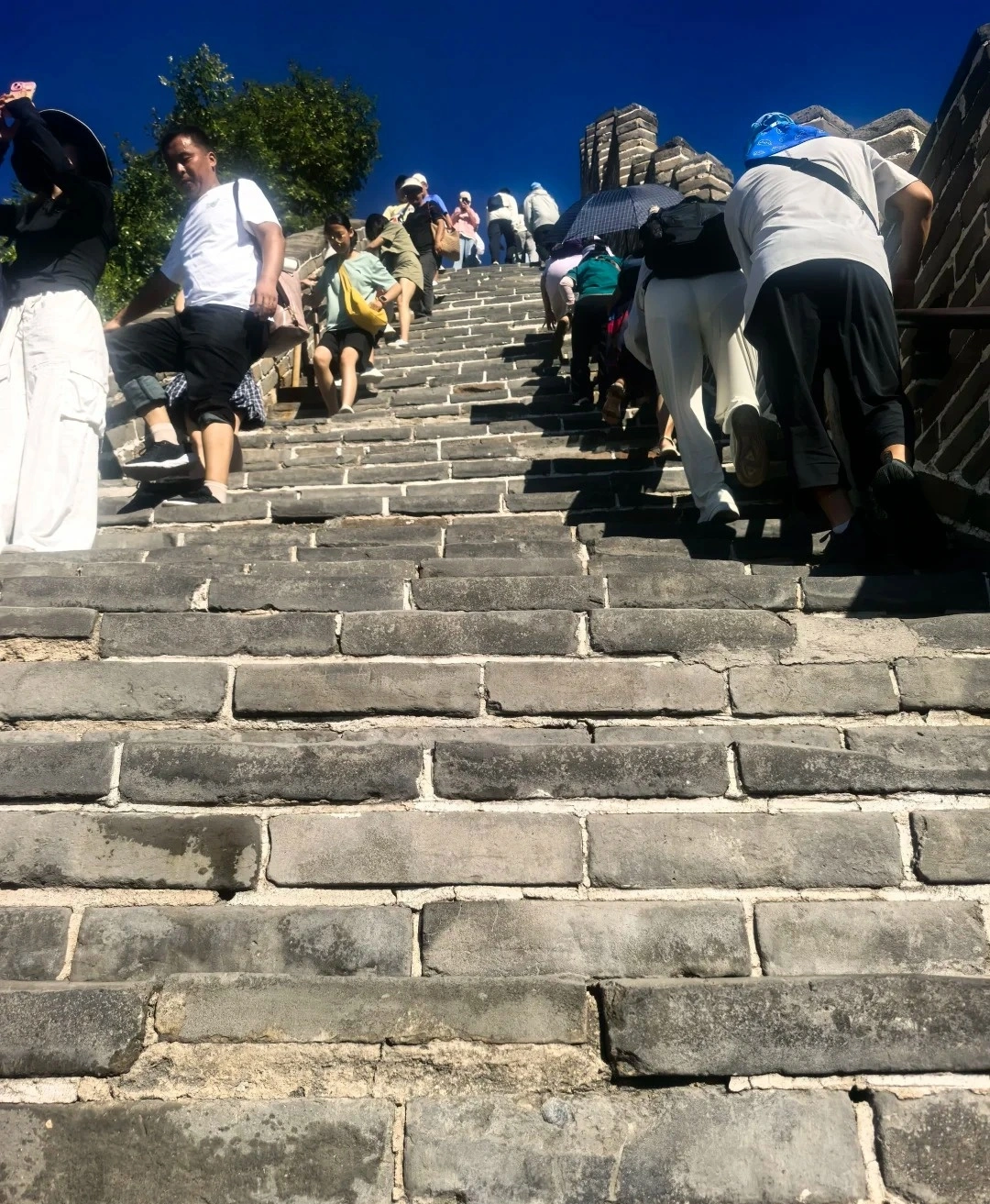
The morning sun casts a golden hue over Pingyao’s weathered gray bricks as I approach the imposing North Gate. This 14th-century fortress, once a bastion of Ming and Qing dynasty prosperity, now invites modern travelers to step beyond its arched portal and into a living museum of Chinese urban history. Climbing the steep, uneven stone steps of the city wall, each footfall echoes with the whispers of merchants, soldiers, and scholars who traversed these ramparts centuries ago.
I. The Ascent: A Journey Through Layers of Time
The ascent begins at a narrow gateway flanked by sentry towers, their tiled roofs curving upward like the wings of mythical creatures. As I climb, the modern world recedes—no motorbikes, no billboards—only the rhythmic creak of ancient beams and the distant call of a pigeon keeper tending his flock. The wall itself is a marvel of engineering: six kilometers long, twelve meters tall, and fortified with 72 watchtowers and three thousand crenellations, each brick laid with precision to repel invaders and withstand earthquakes.
Halfway up, a plaque reveals that this structure was not merely military but symbolic. During the Qing dynasty, Pingyao’s walls demarcated not just a city, but a financial empire. The town once housed 22 money exchange houses, including China’s first bank, Rishengchang, whose vaults safeguarded the wealth of emperors and peasants alike. Now, as I lean against a centuries-old parapet, I imagine the clatter of abaci and the rustle of silver ingots beneath my feet.
II. The Vista: A Tapestry of Red and Gray
Reaching the summit, the view unfolds like a scroll painting. Below lies Pingyao’s UNESCO-listed old city, a perfectly preserved labyrinth of 3,797 courtyard houses arranged in a grid of cobblestone alleys. The rooftops, a sea of gray tiles, are punctuated by the vermilion doors of temples and the ochre facades of merchant mansions. At the heart of it all rises the Market Tower, its four-tiered pagoda a sentinel over daily life.
To the north, the wall stretches toward the horizon, its battlements casting jagged shadows over fields of winter wheat. To the south, the city’s outer moat glints faintly, a reminder of the defensive genius that kept Pingyao intact while neighboring towns crumbled. Yet the most striking detail is the absence of skyscrapers—a deliberate choice to preserve the skyline’s historic silhouette. Here, time moves at the pace of a donkey cart, not a bullet train.
III. The Soul of the City: Whispers of the Past
As I traverse the wall’s eastern section, the wind carries snippets of conversation from below. A vendor haggles over hand-pulled noodles; a group of schoolchildren giggle beneath paper lanterns; an elder practices taichi in a courtyard framed by peony bushes. These sounds, layered with the distant clang of a temple bell, create a symphony of continuity. Pingyao is not a relic frozen in time but a living organism, its pulse beating in the rhythm of daily rituals.
In a quiet corner, I pause at a crumbling watchtower. Through an arrow slit, I glimpse a courtyard where a family gathers around a brazier, steam rising from a pot of Yangrou Paomo (lamb stew). This scene—unchanged for generations—embodies the city’s essence: a place where the past is not memorialized but inhabited.
IV. The Descent: Carrying History Forward
Descending the South Gate at dusk, I pass a stone tablet inscribed with a Qing-era proverb: “A city without walls is like a man without bones.” Pingyao’s walls, however, are more than bones—they are its heartbeat. As I exit the fortress, the modern world rushes back in, but the memory lingers: of standing atop history, of seeing a civilization’s resilience etched in brick and tile.
In an era of rapid change, Pingyao offers a rare gift: the chance to walk where emperors walked, to see through the eyes of ancestors, and to understand that some walls are built not to keep the world out, but to hold a culture’s soul intact.


Contact Us
What Our Clients Say?





Ask us before you decide.
Unsure about a route, departure date or room option? Tell us what is holding up your plans. You will get a clear answer from our China-based travel team—no booking required.