


Hunan Cuisine Delights: A Food Lover’s Guide to the Fieriest & Most Flavorful Dishes in Hunan Province
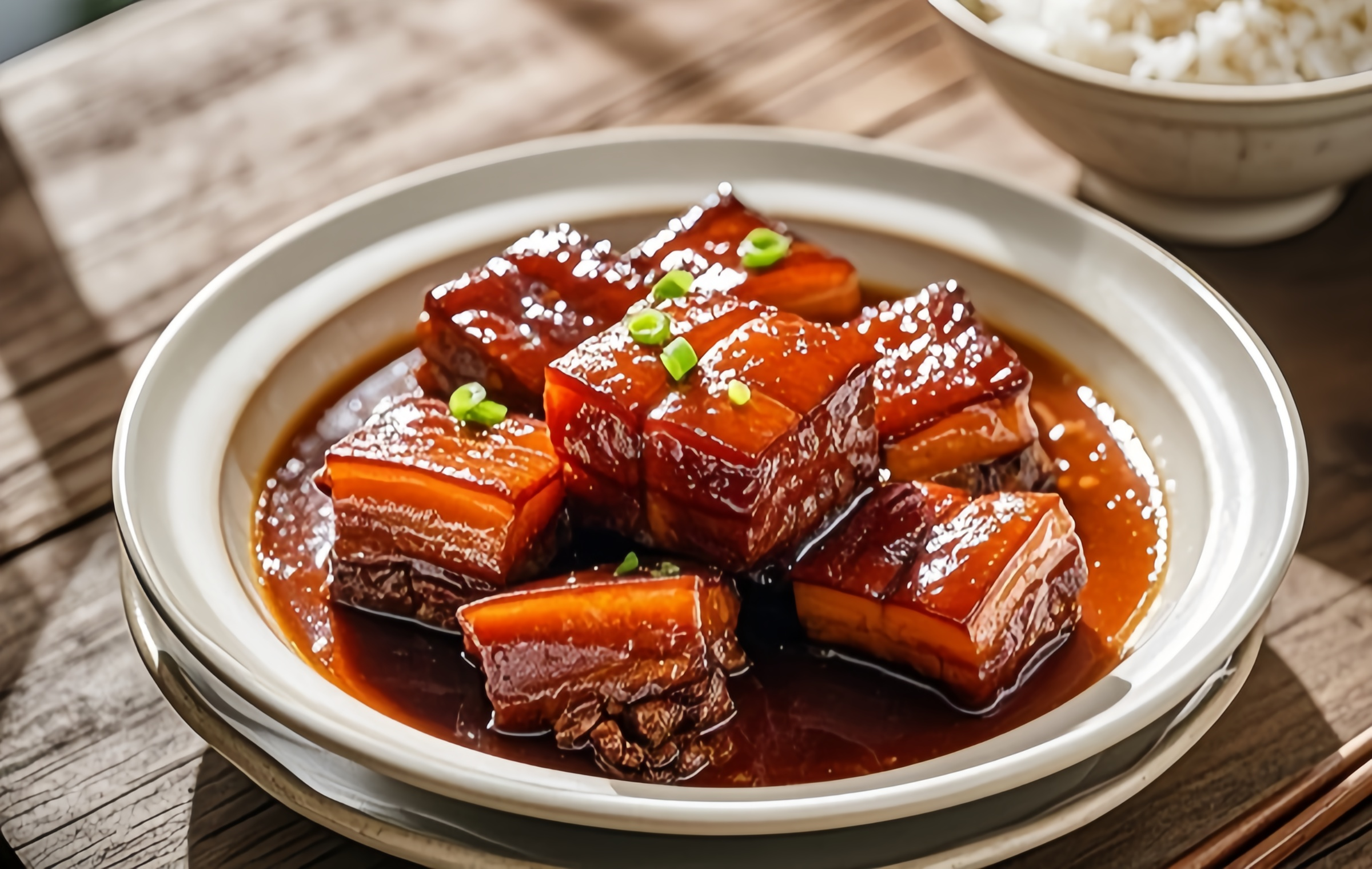
1. Chairman Mao’s Red-Braised Pork: A Savory-Sweet Icon
Chairman Mao’s Red-Braised Pork (Máo Shì Hong Shao Rou) is Hunan’s most famous dish, named after the province’s native son, Mao Zedong. This slow-cooked masterpiece features tender pork belly simmered in a rich, caramelized sauce of soy sauce, sugar, and fermented chili beans (doubanjiang), creating a balance of sweet, salty, and umami flavors. The dish’s deep red hue symbolizes prosperity and joy, making it a staple at Festivals and family gatherings. For an authentic taste, seek out small local restaurants where chefs use traditional clay pots for cooking.
Where to Try: Old Street Kitchen in Changsha’s Huangxing Road for a centuries-old recipe passed down through generations.
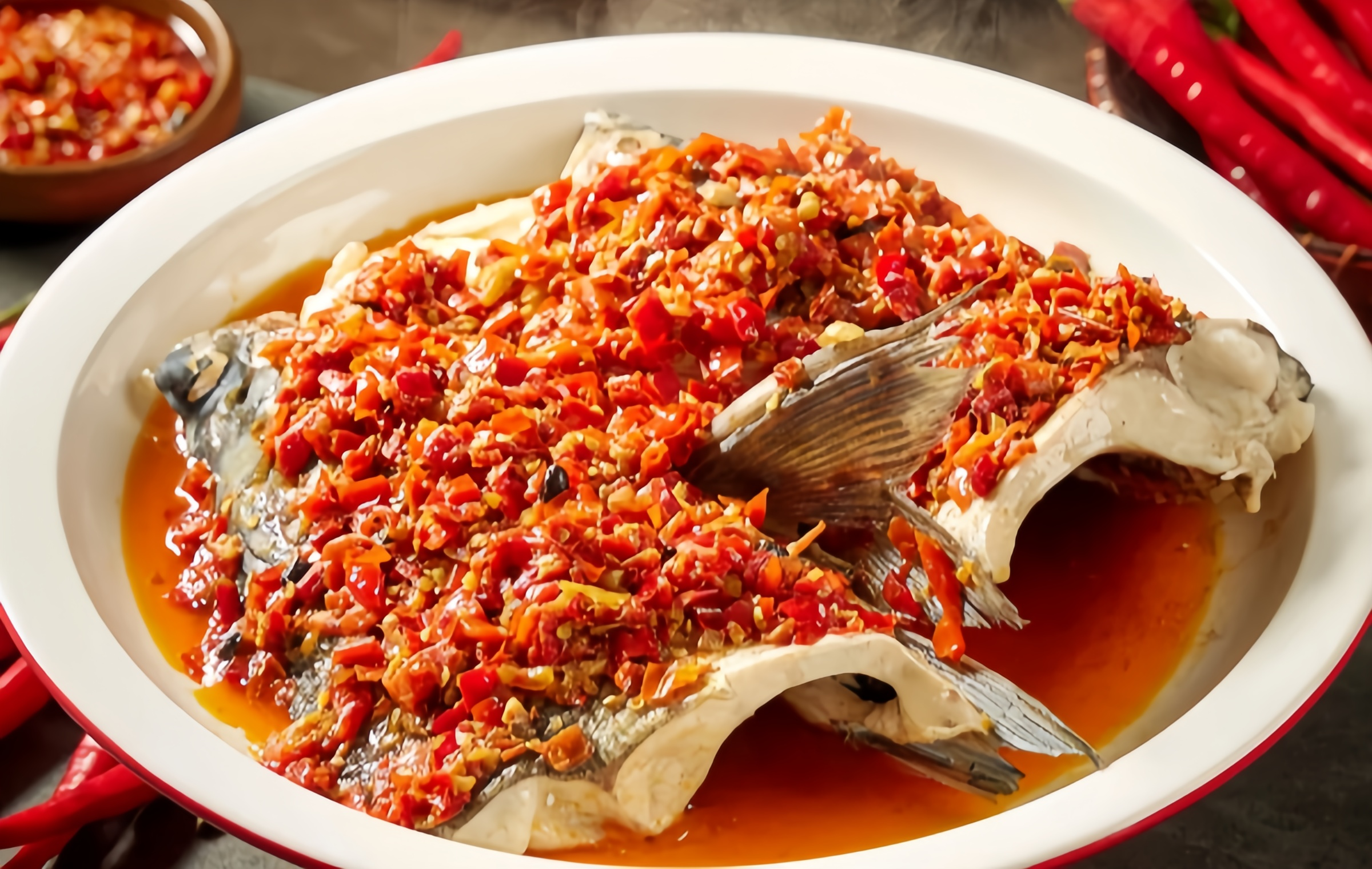
2. Steamed Fish Head with Diced Chilies: A Spicy Sensation
Steamed Fish Head with Diced Chilies is Hunan’s answer to bold, fresh flavors. A whole fish head (often from carp or catfish) is steamed until tender, then smothered in a vibrant sauce of minced fresh red chilies, garlic, ginger, and cilantro. The heat from the chilies cuts through the fish’s richness, while the steaming method preserves its delicate texture. Locals believe the dish boosts brainpower—a playful nod to the fish head’s shape!
Pro Tip: Pair it with a side of stir-fried water spinach (kōng xīn cài) to balance the spice.
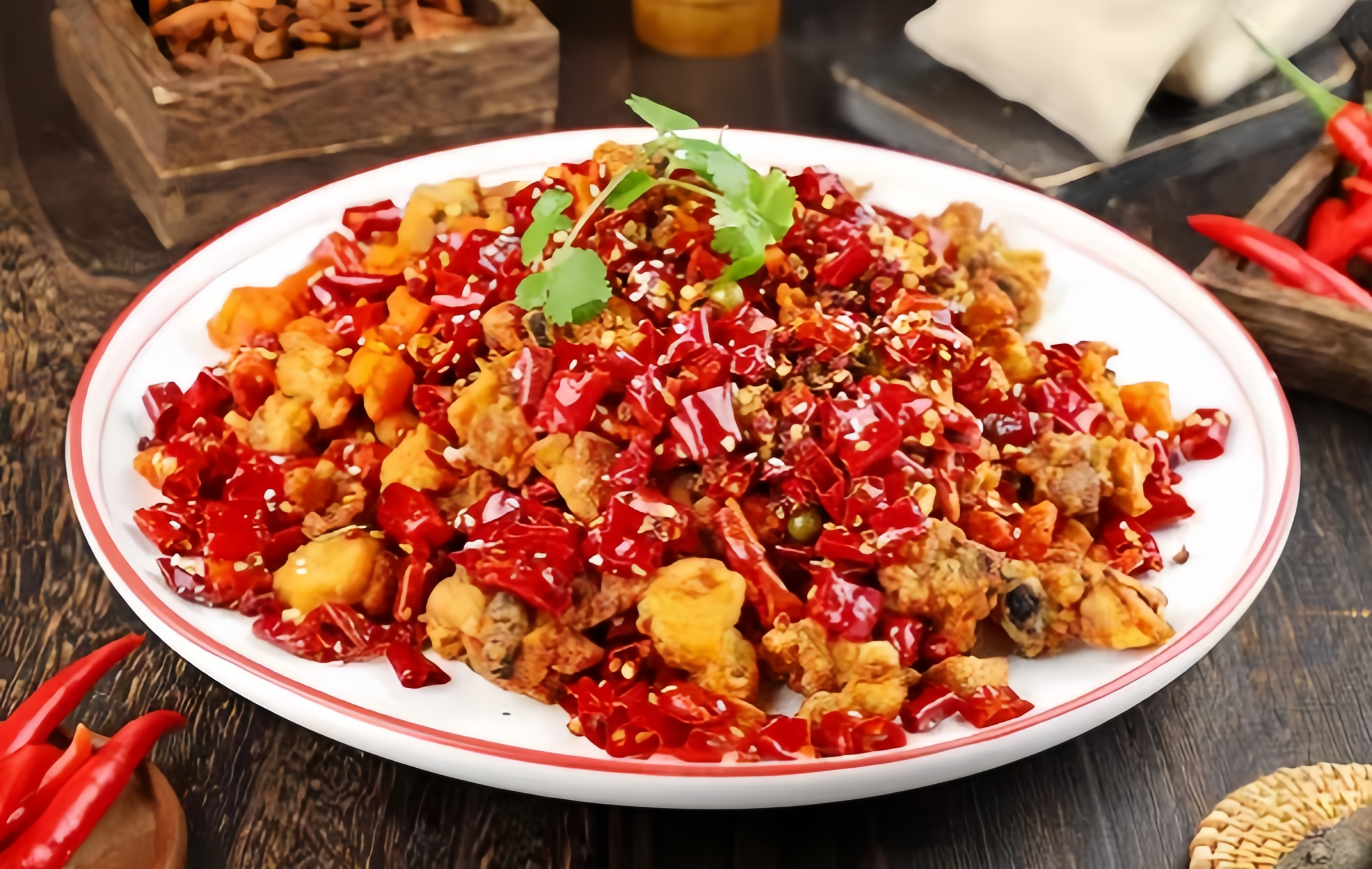
3. Hunan Spicy Chicken: Crispy, Bold, and Addictive
Hunan Spicy Chicken (Xiāng Là Zi Jī) is a stir-fry that lives up to its name. Bite-sized chicken pieces are marinated in rice wine, soy sauce, and cornstarch, then deep-fried until crispy. The magic happens in the wok, where the chicken is tossed with dried red chilies, Sichuan peppercorns (though Hunan’s version leans heavier on fresh chilies), and garlic. The result? A dish that’s crunchy, smoky, and fiercely spicy—perfect for adventurous eaters.
Vegetarian Twist: Try Hunan Spicy Tofu (Xiāng Là Dòufu) for a plant-based alternative that doesn’t skimp on heat.
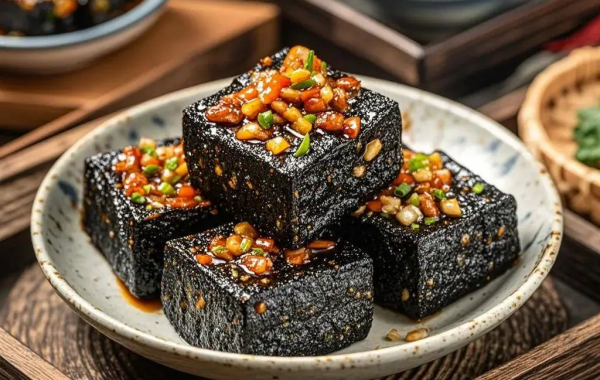
4. Stinky Tofu: Love It or Hate It, But You Won’t Forget It
Stinky Tofu (Chòu Dòufu) is Hunan’s polarizing street-food star. Fermented for days in a brine of milk, meat, and vegetables, the tofu develops a pungent aroma that’s either intriguing or off-putting (hence the name). Deep-fried until crispy, it’s served with a dipping sauce of chili oil, garlic, and vinegar, which cuts through the funk with bright, tangy flavors. Locals swear by its “acquired taste” and health benefits (fermented foods are rich in probiotics).
Where to Find It: Night markets in Zhangjiajie or Changsha, where vendors fry it fresh to order.
5. Dong An Chicken: A Hidden Gem from Rural Hunan
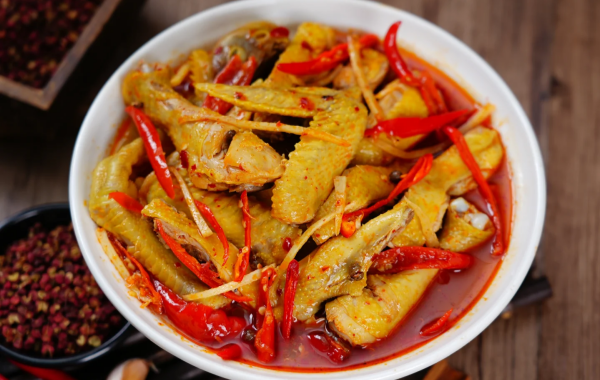
Dong An Chicken (Dōng Ān Jī) hails from Hunan’s Dong’an County and is a testament to simplicity’s power. Free-range chicken is simmered with fresh ginger, scallions, and white pepper, then shredded and mixed with a dressing of chili oil, sesame oil, and vinegar. The dish’s clean, aromatic flavors highlight the chicken’s natural sweetness, while the chili oil adds a gentle kick. It’s often served cold, making it a refreshing counterpoint to Hunan’s spicier dishes.
Fun Fact: Dong An Chicken was once a royal tribute dish, praised for its “elegant simplicity” by emperors.
Why Hunan Cuisine Stands Out
Hunan food is defined by its “dry heat” (gān là)—spiciness that lingers without numbing the tongue (unlike Sichuan’s málà). The province’s humid climate inspired bold flavors to combat moisture, while its fertile lands supply fresh ingredients year-round. From fiery stir-fries to funky fermented delights, Hunan’s cuisine is a celebration of contrasts: sweet and savory, crispy and tender, pungent and fresh.






Contact Us
What Our Clients Say?






Ask us before you decide.
Unsure about a route, departure date or room option? Tell us what is holding up your plans. You will get a clear answer from our China-based travel team—no booking required.