
The Great Chinese Food Fake-Out: Debunking Americanized Myths & Unveiling Authentic ‘Yum Cha’ Philosophy
Bust the secrets about Chinese food in American (goodbye, fortune cookies!) & savor authentic cuisine's 5,000-year philosophy—color, aroma, balance, symbolism, and artistry in every bite.
Let's cut to the chase: If you've ever unwrapped a paper fortune cookie after greedily devouring General Tso's Chicken (that neon-orange, deep-fried glory), here's a cultural wake-up call—neither exists in China. Yep, you read that right. The leftovers of your imaginary Chinese Food pilgrimage are about as authentic as a Kardashian in a kung fu movie. But fear not, intrepid foodie! Today, we're dismantling The Great Wall of Misconceptions and serving you a steaming hot plate of authentic Chinese culinary wisdom. If you have any questions or would like to customize your trip, please contact us!
{tour-id-1811685822053179393,1815265286532063233}
1. Americanized vs. Authentic: The Great Divide
In the U.S., Chinese food has been… let's say, "creatively adapted." You've got crab rangoon (a.k.a. cream cheese-stuffed wontons pretending to be Asian), chop suey (the culinary equivalent of a food fusion fever dream), and that elusive fortune cookie—a post-meal ritual as Chinese as pizza is Italian. Spoiler alert: Fortune cookies were likely invented by a Japanese immigrant in California. Meanwhile, General Tso's Chicken? A mid-20th-century Taiwanese-American invention, named after a Qing Dynasty general who's probably spinning in his grave over the sugar-glazed insult to his legacy.
Now, fast-forward to China, where the food scene is a symphony of history, philosophy, and umami rebellion. Chinese cuisine isn't just about stuffing your face—it's a meditation on balance, symbolism, and qi (life force). Let's break it down, Shifu-style.
2. The Five Elements of Authentic Chinese Gastronomy
Color (色, Sè):
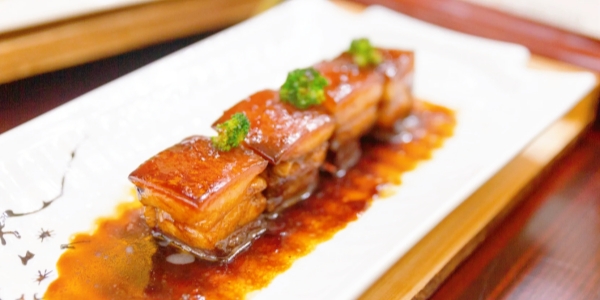
Chinese chefs treat plates like canvases. Think scarlet-red braised pork belly glistening beside emerald-green bok choy, or golden-brown scallion pancakes paired with crimson chili oil. It's food porn before Instagram was even a twinkle in Zuckerberg's eye.
Aroma (香, Xiāng):
The nose knows. From the smoky allure of Peking Duck to the citrusy zing of Sichuan peppercorns, Chinese dishes use spices and cooking techniques (like wok hei, the "breath of the wok") to create olfactory fireworks.
Flavor (味, Wèi):
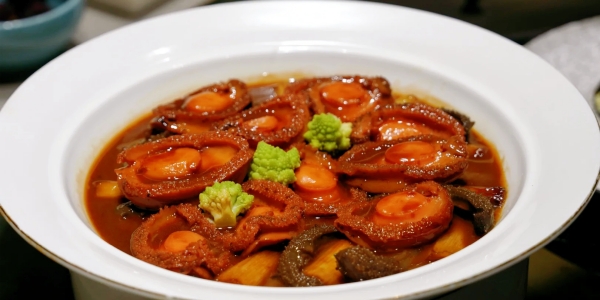
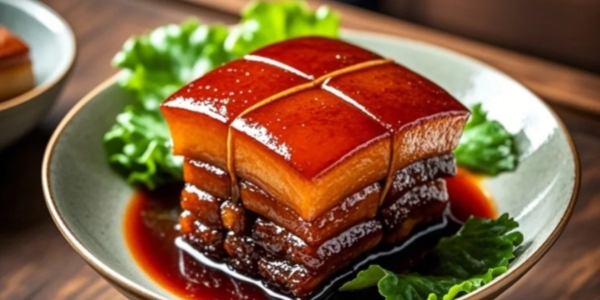
Balance is key. The Five Spices (star anise, cloves, cinnamon, Sichuan peppercorns, fennel seeds) dance with sweet, sour, bitter, salty, and umami notes. Dishes like Dongpo pork (slow-braised pork belly) exemplify this harmony—fatty, tender, and melty, like a hug from your grandma (if your grandma was a Michelin-starred chef).
Meaning (意, Yì):
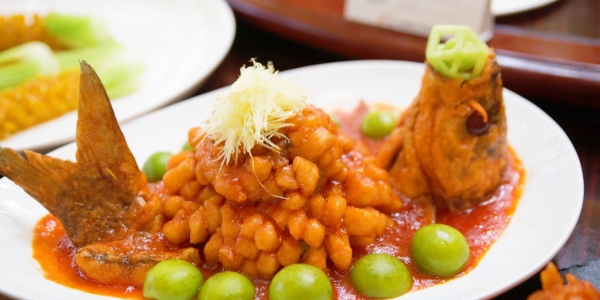
Chinese food is literally loaded with symbolism. Fish (yú) is served whole at Lunar New Year because its name sounds like "surplus" (年年有余, nián nián yǒu yú). Longevity noodles (cháng shòu miàn) are slurped unbroken to symbolize, well, longevity. And dumplings? Shaped like ancient Chinese money, they're eaten during New Year's to literally "stuff your pockets with cash."
Presentation (形, Xíng):
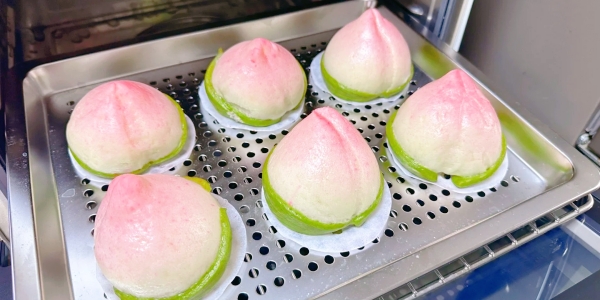
Dishes are sculptures. Steamed buns shaped like peaches (symbolizing immortality), lotus root slices arranged like blossoms, or even a whole Peking duck carved into a swan (because why not?). It's food art that's almost too pretty to eat. Almost.
3. The Mind-Boggling Menu: Over 10,000 Dishes (and Counting)
Here's the kicker: China's culinary repertoire is so vast, it makes the Oxford English Dictionary look like a pamphlet. Estimates peg the number of traditional dishes at over 10,000—and that's before you factor in regional specialties. From Cantonese dim sum to Sichuan's tongue-numbing málà (numbing-spicy) heat, each province is a universe unto itself.
Cantonese:
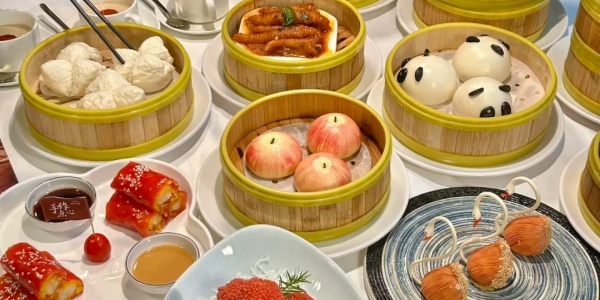
Think dim sum (those adorable bite-sized dumplings), char siu (honey-glazed BBQ pork), and wonton noodle soup (the OG comfort food).
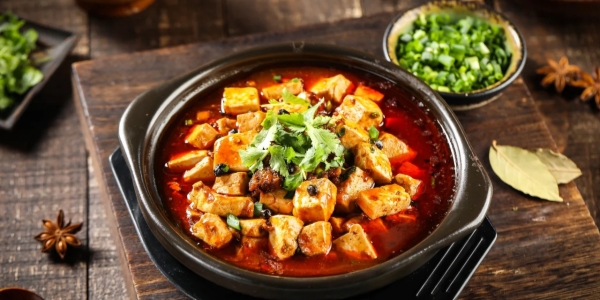
Sichuan:
Brace yourself for má pó dòufu (spicy tofu in chili oil), kung pao chicken (the real version, sans candy coating), and huǒ guō (hot pot parties where you cook your own meat in a bubbling cauldron of spice).
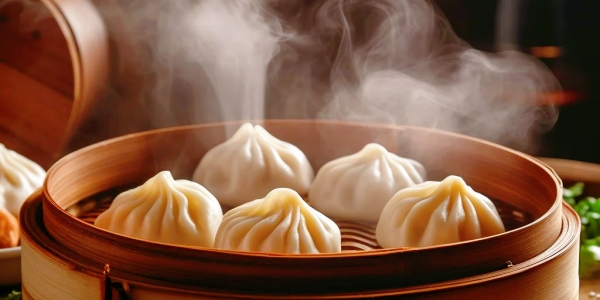
Shanghainese:
Xiaolongbao (Soup Dumplings that explode in your mouth), hóng shāo ròu (red-braised pork belly), and cōng yóu bǐng (scallion pancakes so crispy, they'll make your teeth sing).
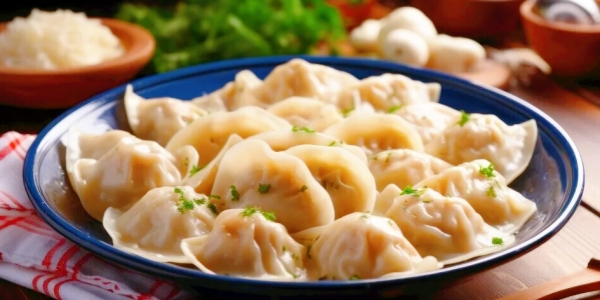
Northern:
Jiāozi (dumplings stuffed with pork and cabbage), bāozi (fluffy steamed buns), and zhā jiàng miàn (noodles drenched in fermented soybean paste—smelly but heavenly).
4. Final Fork Thoughts
So, the next time you're tempted by a "Chinese takeout" menu featuring items like "Chicken Chow Mein" (which, in China, is more of a Hong Kong street food hybrid), remember: Authentic Chinese cuisine is a 5,000-year-old adventure, not a fast-food drive-thru. It's a philosophy where every dish tells a story, every ingredient carries a blessing, and the only fortune cookie you'll find is… well, actually, you won't. But you will discover a world where food isn't just sustenance—it's a love letter to life itself.
Now, go forth and eat like an emperor. Just skip the MSG-laden mystery meat. Your taste buds (and karma) will thank you.
Bon appétit… or as we say in Mandarin, 慢用! (Màn yòng! — "Eat slowly!")
Contact Us
What Our Clients Say?
Based on 10,000+ traveler reviews

Daniel Dorothea
Canada
Reviewed on April 29,2025
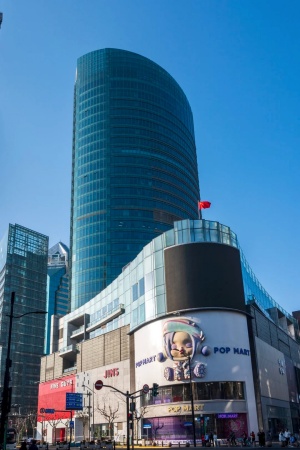
Shopping on Nanjing Road in Shanghai was just amazing! It's truly the "First Commercial Street of China", where tradition and modernity blend perfectly. You can find awesome souvenirs and experience the trendy vibes in cool stores. The neon lights at night are just spectacular, shining bright like Times Square in New York. The food here is incredible too. I had a feast for my taste buds. Shanghai, I'll definitely be back!
Destination(s):
Shanghai
Date of
Experience:
May 08,2024

Elvis Eva
Canada
Reviewed on June 20,2025
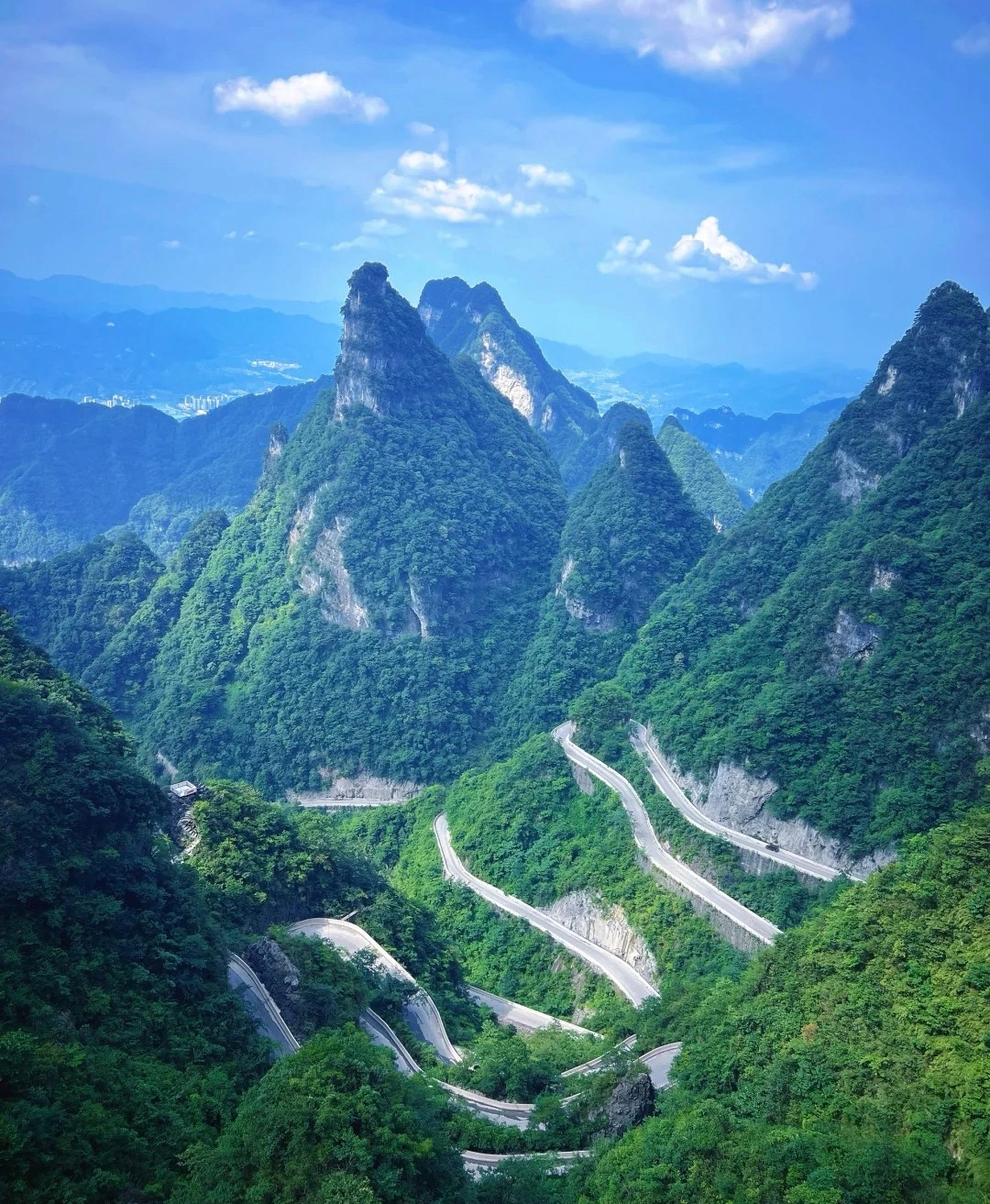
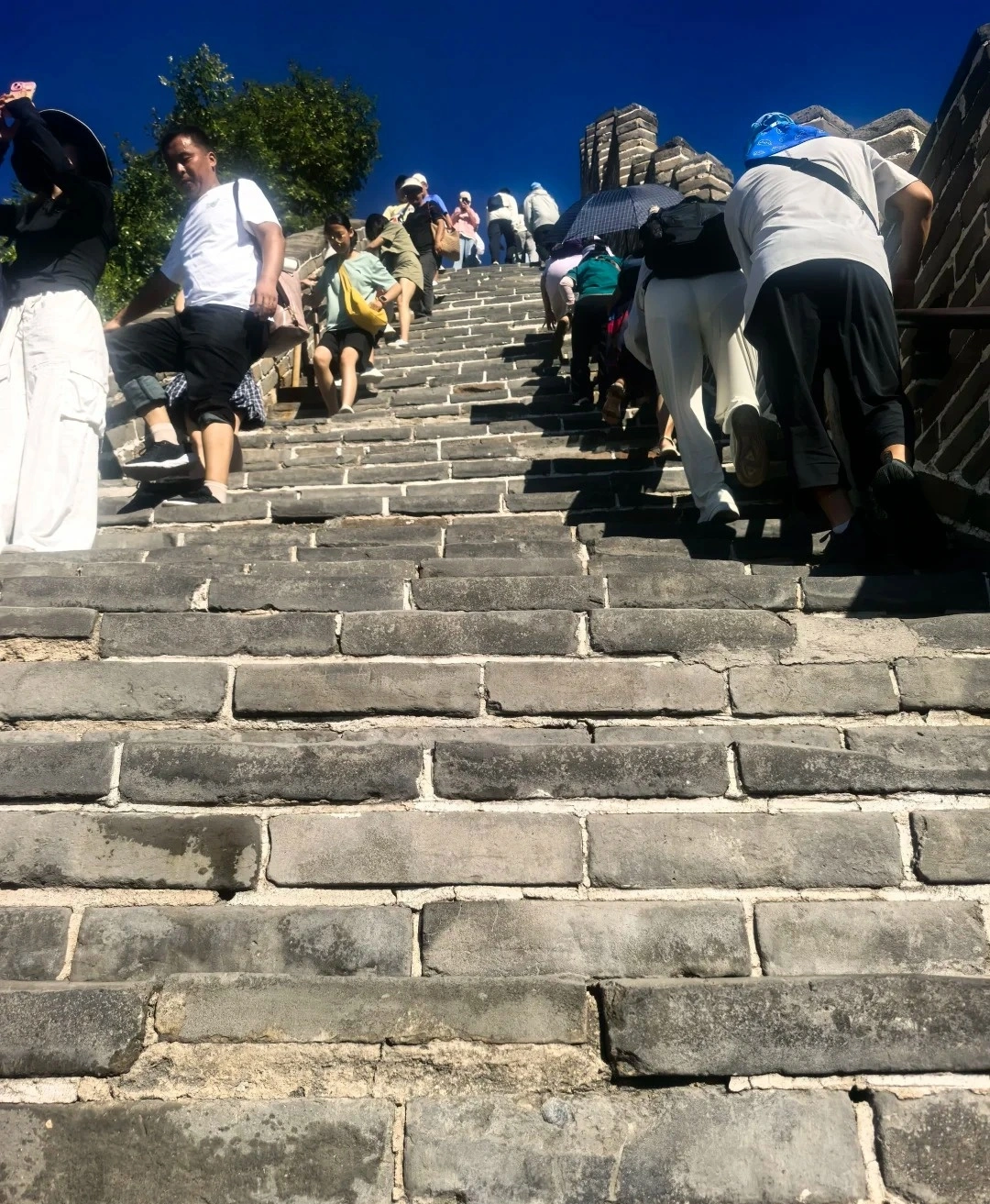
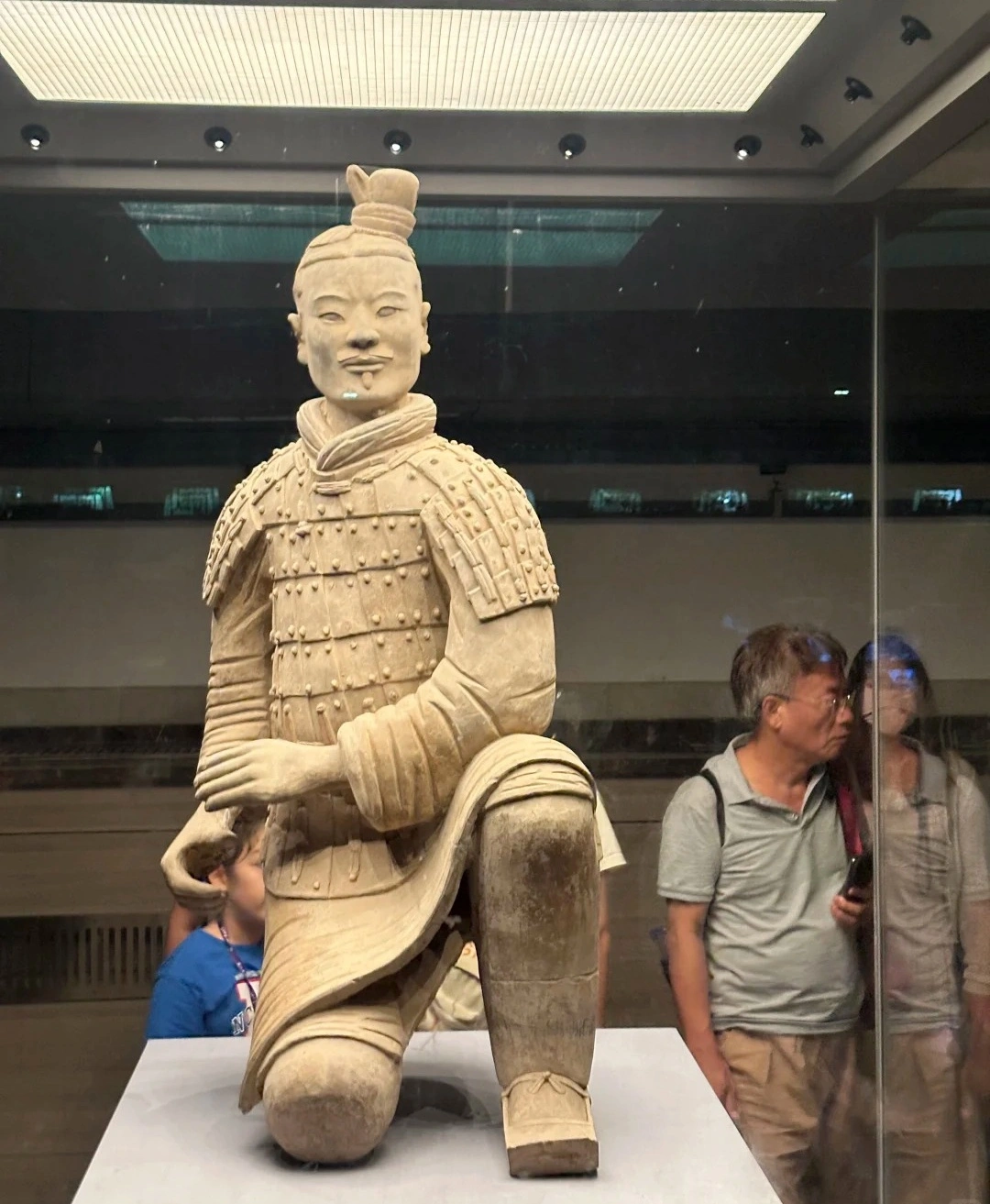
As a solo traveler from Canada, I was nervous about navigating China alone—but this 11-day tour was PERFECT! From hiking the Great Wall at sunrise (Day 3) to gasping at the Terracotta Army (Day 5), every day delivered ‘pinch-me’ moments. The real showstopper? Zhangjiajie’s Avatar Mountains (Day 7)! Our guide made the stone pillars come alive with stories.
Massive thanks for handling all logistics—bullet train tickets, entry passes, car! And the 4-star hotels surprised me.
Destination(s):
Beijing Xian Zhangjiajie Shanghai
Date of
Experience:
June 02,2025

Simon
America
Reviewed on May 29,2025
Our 2-day Zhangjiajie tour was beyond spectacular! As someone who’s visited Beijing and Shanghai for work, this trip revealed China’s wild, magical heart. Day 1 in Zhangjiajie National Forest Park felt like stepping onto Pandora—I’m a huge Avatar fan, and Yuanjiajie’s floating peaks left me breathless. The misty pillars and lush valleys like pure movie magic!
Then came Fenghuang Ancient Town, we eat dinner beside the thundering waterfall. It seems Unreal! The night views of stilt houses glowing over the river were straight from a fairy tale.
For fellow Avatar lovers and adventure seekers: Don’t miss this bucket-list experience! 10/10 would return.
A Well-Traveled Film Buff, May 2025
Destination(s):
Zhangjiajie
Date of
Experience:
May 08,2025