


Exploring Beijing: A Culinary and Cultural Journey Through Iconic Street Snacks
Beijing, the ancient capital with millennia of history, offers travelers not only majestic palaces and winding Hutongs but also a vibrant street food scene that captures the city’s soul. From crispy fried rings to savory stewed liver, here’s a guide to Beijing’s must-try street snacks that blend tradition with modern flair.
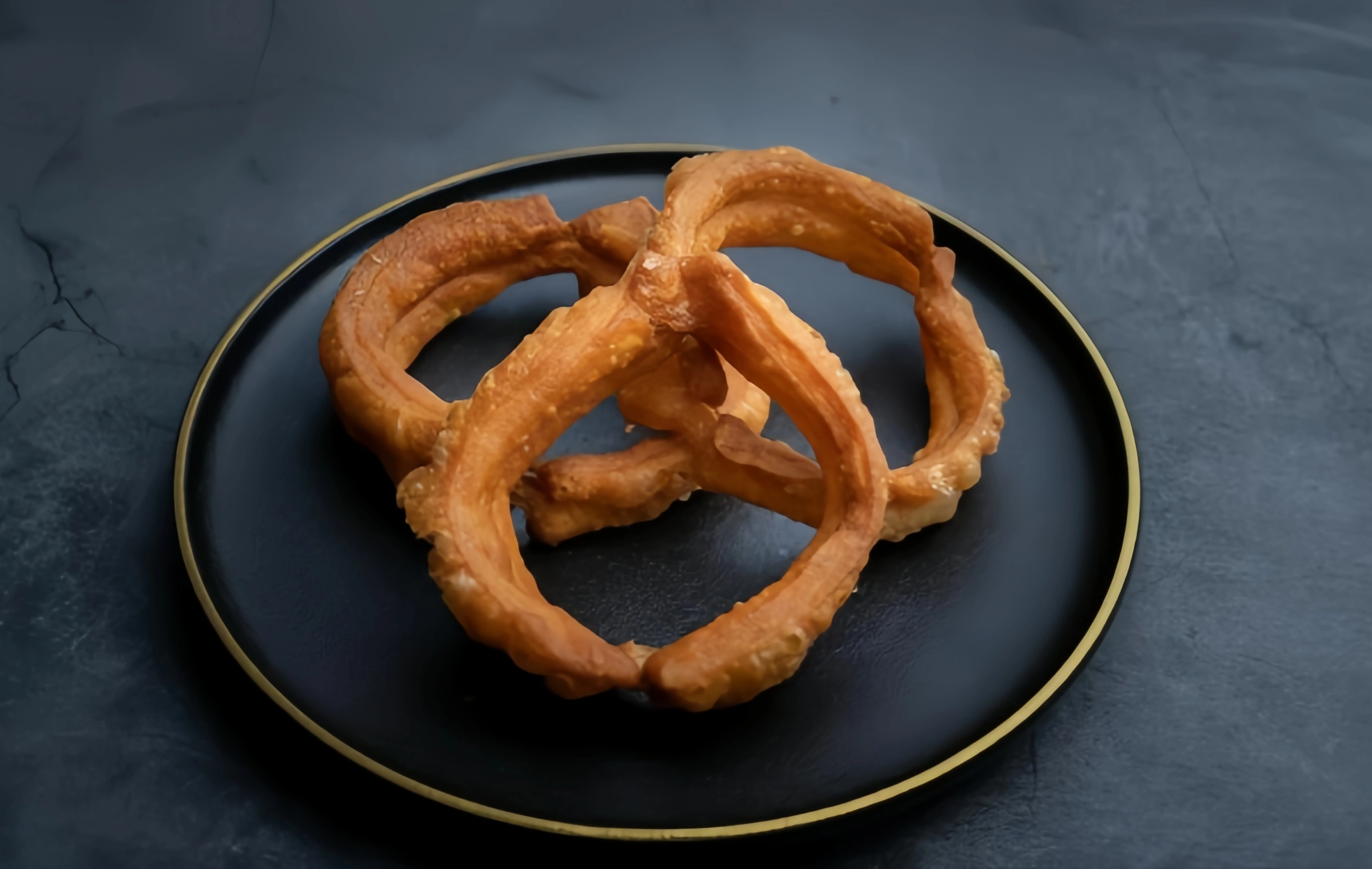
1. Jiaoquan (Fried Dough Rings): Crispy Delights with a Royal Touch
Known as "Jiaoquan" in Chinese, these golden, ring-shaped fried dough snacks are a staple in Beijing’s breakfast culture. Light and airy with a satisfying crunch, they’re often paired with Douzhir (fermented mung bean juice)—a tangy, slightly sour drink that locals swear by. While the combination may challenge first-timers, it’s a beloved ritual for Beijingers. For a modern twist, head to Jinfang Snack Bar in Dongcheng District, where vendors fry batches fresh daily, filling the air with irresistible aromas.
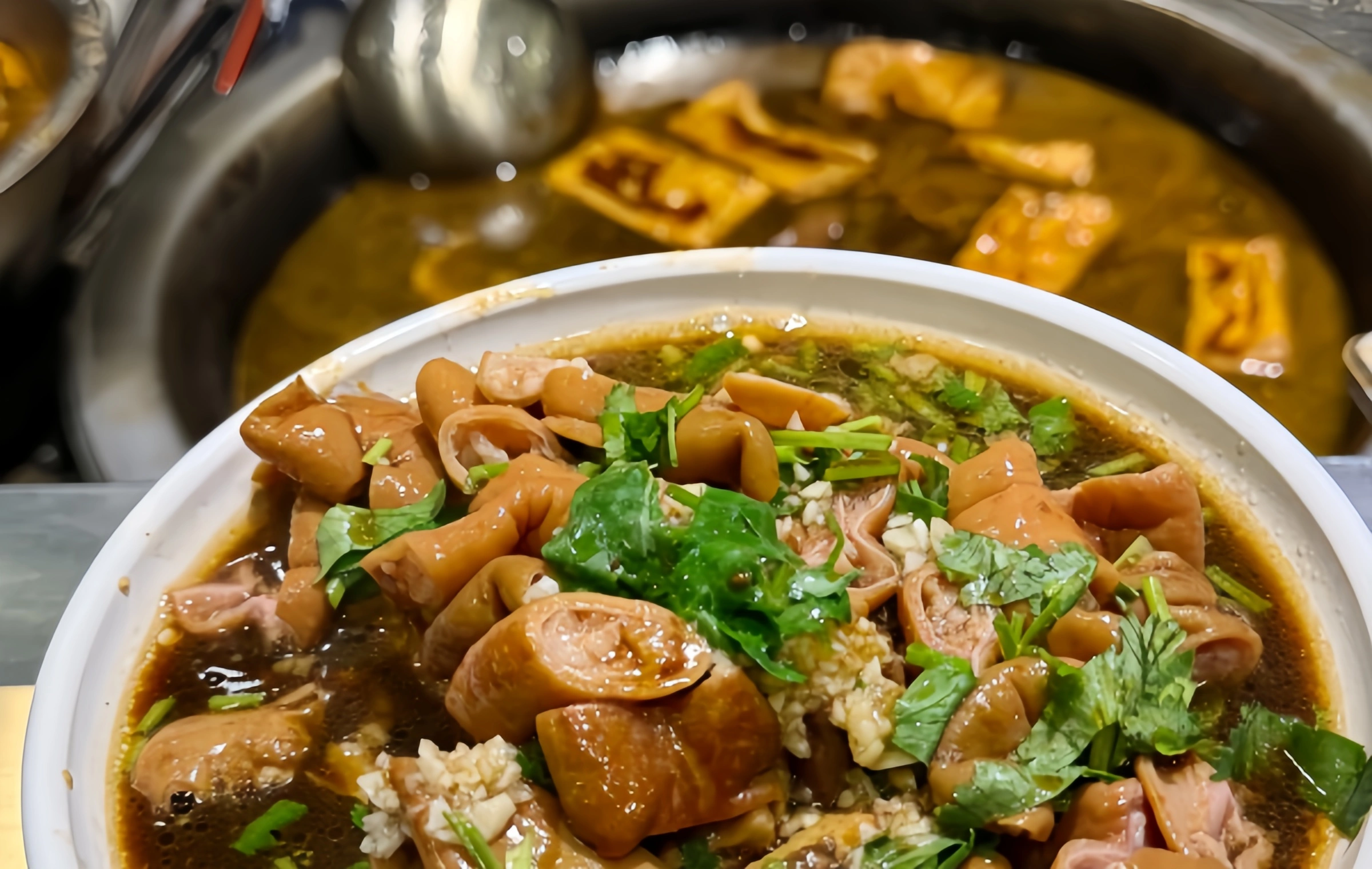
2. Luzhu (Braised Pork Offal): A Hearty Bowl of History
For adventurous eaters, Luzhu is a must. This dish features tender pork intestines, lungs, and tofu simmered in a rich, aromatic broth, served with crusty "shaobing" (sesame flatbread). The star of the show is Beixinqiao Luzhu, a decades-old stall near the Lama Temple, where queues stretch for blocks. The secret? A 12-hour braising process that melds spices like star anise and cinnamon into the meat, creating a depth of flavor that’s both comforting and complex.
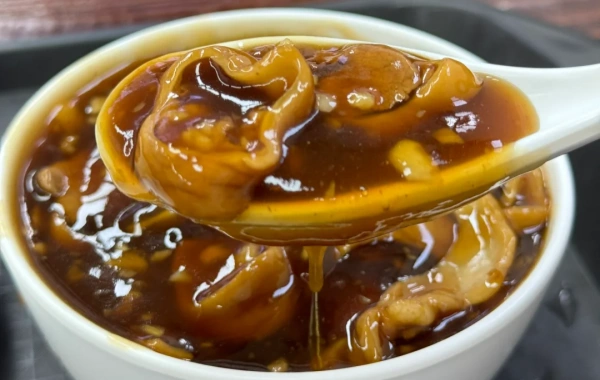
3. Chaogan (Stewed Liver and Intestines): A Savory Breakfast Classic
Often mislabeled as "stewed liver," Chaogan is a thick, garlic-infused porridge of pork liver, intestines, and starch, thickened to a velvety consistency. Served with steamed buns, it’s a breakfast favorite at Tianxingju, a century-old shop near Qianmen Street. The dish’s bold flavors—earthy liver, pungent garlic, and starchy richness—reflect Beijing’s working-class roots, offering a filling start to the day.
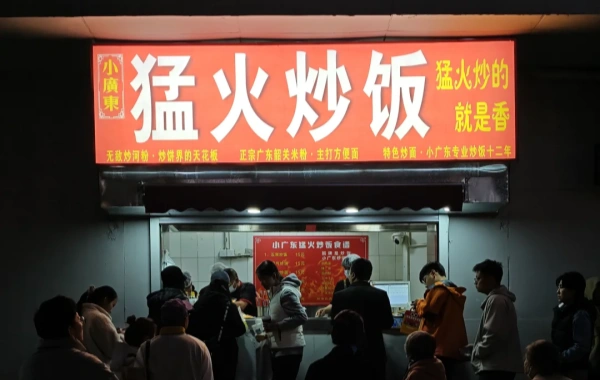
4. Menghuo Chaofan (Flame-Grilled Rice): A Viral Sensation with a Heartwarming Story
In 2025, "Xiao Guangdong Menghuo Chaofan" became a social media sensation, drawing crowds to its late-night stalls in Sanlitun and Chaoyang Park. Originally an unlicensed vendor, the shop now operates legally from a tiny storefront in Tuanjiehu, thanks to city efforts to balance regulation with cultural preservation. The dish—stir-fried rice with eggs, vegetables, and a choice of meats—is cooked over high heat, creating a smoky, charred crust. At just 15 RMB ($2), it’s a budget-friendly taste of Beijing’s dynamic street food evolution.
5. Lvdagun (Rolling Soybean Cake): Sweet, Sticky, and Symbolic
For dessert, seek out Lvdagun, a glutinous rice roll filled with sweet red bean paste and rolled in soybean flour. Its name, meaning "donkey rolling in the mud," humorously describes its dusty appearance. Found in traditional snack shops like Huifang Lou near Wangfujing Street, this treat’s soft texture and mild sweetness make it a hit with kids and adults alike. Pair it with a cup of Miancha (flour tea)—a warm, nutty drink made from roasted flour—for a cozy finish.
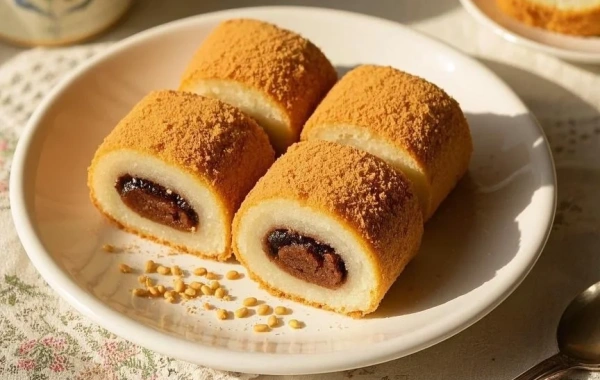
6. Tangguo’er (Sweet Fried Dough Twists): Crunchy Confections with a Twist
Resembling ear-shaped pastries, Tangguo’er are deep-fried dough twists coated in a sugary syrup, creating a crisp exterior with a chewy center. These are often sold alongside Jiangsi Paicha (ginger-flavored fried dough) at temple fairs and night markets. For a gourmet take, visit 798 Art Zone, where vendors experiment with flavors like matcha and sesame, blending tradition with creativity.
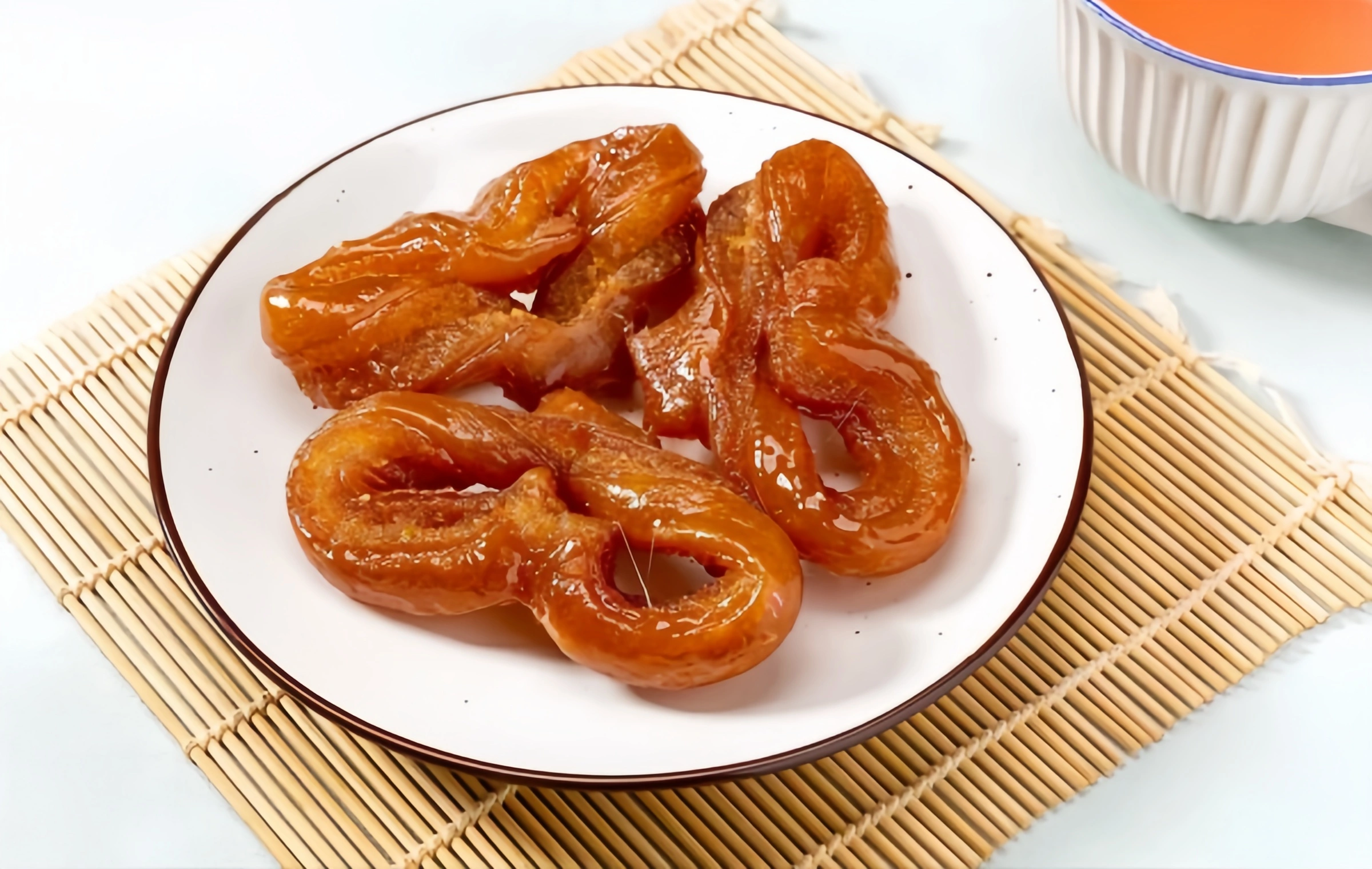
Tips for Street Food Explorers
- Timing is key: Many stalls open early (6–9 AM for breakfast snacks) or late (10 PM–2 AM for night market treats).
- Hygiene matters: Look for vendors with clean uniforms, covered food displays, and high turnover rates.
- Embrace the chaos: Street food is as much about the experience as the taste—join locals in queues, haggle playfully, and soak in the energy.
Beijing’s street snacks are more than just food; they’re a gateway to the city’s history, resilience, and innovation. Whether you’re craving a crispy Jiaoquan or a steaming bowl of Luzhu, each bite tells a story of a capital that honors its past while embracing the future. So grab a napkin, follow your nose, and let Beijing’s streets feed your wanderlust.







Contact Us
What Our Clients Say?








Ask us before you decide.
Unsure about a route, departure date or room option? Tell us what is holding up your plans. You will get a clear answer from our China-based travel team—no booking required.