
Kann ich nur Englisch in China verwenden? The Honest 2026 Antwort
— Ein ehrlicher Reiseführer von IntoTravelChina
Kann ich nur Englisch in China verwenden? Die Antwort ist ja und nein. Ich habe seit 2015 englischsprachige Reisende durch China geführt, und ich weiß genau, wo Englisch arbeitet und wo es nicht tut. In Shanghai und Peking können Sie mit Null Mandarin überraschend gut erreichen. In kleineren Städten und ländlichen Gebieten benötigen Sie Hilfe. Das sage ich meinen Gästen vor jeder Reise.
Wo Englisch Works Gut 2026
Shanghai ist die englisch-freundlichste Stadt im Festland China. Die U-Bahn ist voll zweisprachig, die meisten Restaurants haben englische Menüs oder QR-Codes mit Bildern, und die Service-Branche wird für internationale Besucher verwendet. Ich hatte einen Gast aus Chicago im letzten Frühjahr, der vier Tage in Shanghai verbrachte, ohne eine einzige Übersetzungs-App zu verwenden. Sie überprüfte in ihr Hotel, bestellte Speisen, nahm die U-Bahn zum Bund und kaufte ein Museumsticket – alles auf Englisch.
Peking, Chengdu, Xi'an und Hangzhou sind nebenan. Flughäfen, große Attraktionen und internationale Hotels haben alle englische Signage und Mitarbeiter, die kommunizieren können. Die U-Bahn-Systeme in Peking und Chengdu verkünden Haltestellen auf Englisch. Bei den Terracotta Kriegern in Xi'an ist der Audioguide in mehreren Sprachen verfügbar. Sobald Sie jedoch den wichtigsten touristischen Weg in lokale Nachbarschaften, englisch fällt schnell ab.

Wo Englisch nicht funktioniert
Außerhalb der großen Städte und touristischen Zonen wird Englisch selten gesprochen. An Orten wie Zhangjiajie, Guizhou, Gansu und dem ländlichen Yunnan ist die Suche nach einem englischen Sprecher die Ausnahme, nicht die Regel. Ich kam einmal zu einem Gast, der versuchte, Abendessen in einem kleinen Restaurant in einem Dorf außerhalb von Guilin zu bestellen. Der Besitzer sprach Null Englisch, das Menü hatte keine Bilder, und kein QR-Code war verfügbar. Wir endeten mit meinem Telefon zu übersetzen, auf Zutaten zu zeigen und durch den gesamten Prozess lachen. Das Essen war ausgezeichnet, aber es dauerte zwanzig Minuten, um zwei Schüsseln Nudeln zu bestellen.
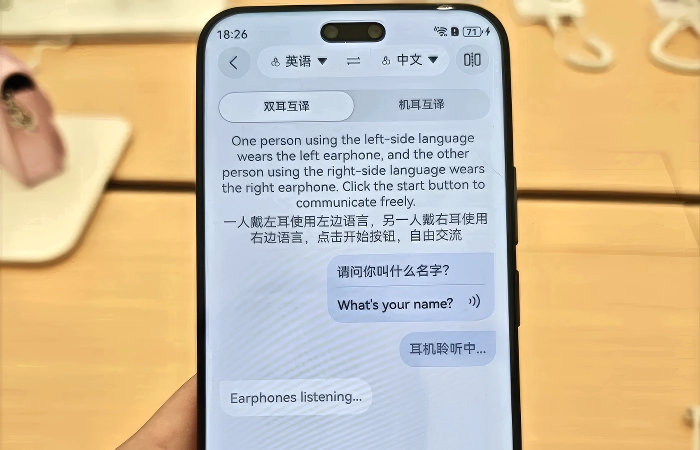
Hier hat sich die 2026 Landschaft umso besser verändert. Im Januar 2026 startete China Daily "China Bound", eine kostenlose englischsprachige intelligente Tourismusplattform auf Alipay und WeChat. Es umfasst AI-powered Echtzeit-Übersetzung, itinerary Planning und Buchungstools. Ich testete es mit einem Gast im letzten Monat in einem Restaurant in Chengdu — die Foto-Übersetzung Funktion behandelt das Menü sofort.
Die Tools, die Sie brauchen, um den Wind zu überbrücken
Wenn Sie selbständig reisen möchten, laden Sie diese herunter, bevor Sie ankommen. Pleco ist das beste Offline-Chinesisch-Englisch Wörterbuch. Baidu Translate funktioniert ohne VPN und liest Menüs durch Ihre Kamera. DiDi, Chinas Ritthailing-App, hat einen vollen englischen Modus, so dass Sie nie einen Fahrer sagen müssen, wo Sie in Chinesisch gehen. WeChat hat Übersetzung für Textnachrichten und Momente aufgebaut.( Hinweis: Google Translate funktioniert nicht in China ohne VPN)
Hier ist mein ehrlicher Rat: zwei Sätze kennen. "Xiè xiè" (Danke) und "duìbuqgebunden" (Sorry) werden Sie mehr guten Willen als jede Übersetzungs-App verdienen. Ich habe beobachtet, wie chinesische Käufer aufleuchten, wenn ein ausländischer Besucher sagt ein einfaches Dankeschön in Mandarin. Sie müssen die Sprache nicht lernen, aber die Mühe, diese beiden Wörter zu sagen, ändert sich, wie Menschen Sie behandeln.
Wenn Sie eine englischsprachige Anleitung verbergen sollten
Wenn Sie nur Shanghai und Peking besuchen, können Sie ohne Führer gehen. Wenn Ihre Reiseroute Xi'an, Guilin, Chengdu oder den Yangtze River umfasst, können Sie mit Übersetzungs-Apps und Vorbereitung verwalten. Aber wenn Sie planen, entfernte Gebiete wie Tibet, Zhangjiajie, die Seidenstraße in Gansu oder ländliche Dörfer in Yunnan und Guizhou zu besuchen, ist ein englischsprachiger Führer kein Luxus – es ist eine Notwendigkeit.
Ich habe gelernt, dass die Gäste versuchen, beide Ansätze über zehn Jahre. Diejenigen, die einen Leitfaden für abgelegene Regionen mieten, sagen immer dasselbe: der Leitfaden übersetzte nicht nur Worte. Sie übersetzten Kontext — erklären, warum ein Tempel östlich gegenübersteht, was die Kalligraphie auf einem Scroll bedeutet, wie man ein lokales Gericht richtig zu essen. Diese kulturelle Schicht ist etwas, das Ihnen keine App geben kann.

Der Unterschied ein Führer macht
Die Bottom Line für 2026 Reisende
Zusammenfassend: Sie können nur Englisch in Chinas großen Städten und touristischen Zentren verwenden. Übersetzungs-Apps, die neue China Bound-Plattform und QR-Code-Menüs machen unabhängige Reisen zugänglicher als je zuvor. Aber je weiter Sie aus dem geschlagenen Weg gehen, desto mehr verlassen Sie sich auf einen Führer, Ihre Apps und eine Menge Geduld und guten Humor.
Die gute Nachricht ist, dass 2026 das einfachste Jahr für englischsprachige Besucher in China ist. Zwischen den neuen digitalen Werkzeugen, der erweiterten englischen Signage und einer Tourismusbranche, die nach der Pandemie stark wieder aufgebaut ist, ist die Sprachbarriere geringer als je zuvor. Eine kleine Vorbereitung geht weit.

Planen Sie Ihre Reise mit Vertrauen
Im IntoTravel China, Ich entwickle seit 2015 private englisch-freundliche Touren. Wir paaren jeden Gast mit einem erfahrenen englischsprachigen Führer, behandeln alle Logistik und bauen Routen, die Ihren Interessen entsprechen – ob Sie Stadtstraßen oder abgelegene Bergdörfer erkunden möchten. Keine Einkaufsstopps, keine Abkürzungen. Nur das echte China, in einer Sprache, die Sie verstehen.
IntoTravelChina — Gegründet 2015. Benutzerdefinierte private Touren über China. Keine Einkaufsstopps. Keine Abkürzungen. Nur authentische Erfahrungen.


Contact Us
Was sagen unsere Kunden?









Ask us before you decide.
Unsure about a route, departure date or room option? Tell us what is holding up your plans. You will get a clear answer from our China-based travel team—no booking required.