


¿Puedo usar sólo inglés en China? Respuesta del Honesto 2026
— Guía de viaje honesta de IntoTravelChina
¿Puedo usar sólo inglés en China? La respuesta es sí y no. He estado liderando viajeros de habla inglesa a través de China desde 2015, y sé exactamente dónde funciona el inglés y dónde no. En Shanghai y Pekín, se puede conseguir sorprendentemente bien con cero mandarín. En ciudades más pequeñas y zonas rurales, necesitará ayuda. Esto es lo que les digo a mis invitados antes de cada viaje.
Donde funciona inglés Bueno en 2026
Shanghai es la ciudad más amigable con inglés en China continental. El metro es totalmente bilingüe, la mayoría de los restaurantes tienen menús ingleses o códigos QR con imágenes, y la industria del servicio se utiliza para los visitantes internacionales. Tuve un invitado de Chicago la primavera pasada que pasó cuatro días en Shanghai sin usar una sola aplicación de traducción. Ingresó en su hotel, ordenó comida, tomó el metro al Bund, y compró un billete de museo, todo en inglés.
Pekín, Chengdu, Xi'an y Hangzhou son los siguientes en línea. Aeropuertos, atracciones principales, y hoteles internacionales todos tienen señalización inglesa y personal que puede comunicarse. Los sistemas de metro en Beijing y Chengdu anuncian paradas en inglés. En los Guerreros de Terracotta en Xi'an, la audioguía está disponible en varios idiomas. Sin embargo, una vez que salgas de la principal ruta turística hacia los barrios locales, el inglés se cae rápidamente.

Donde el inglés no funciona
Fuera de las principales ciudades y zonas turísticas, el inglés rara vez se habla. En lugares como Zhangjiajie, Guizhou, Gansu y Yunnan rural, encontrar un hablante inglés es la excepción, no la regla. Una vez me uní a un invitado que trató de pedir la cena en un pequeño restaurante en un pueblo fuera de Guilin. El propietario hablaba de inglés cero, el menú no tenía imágenes, y no había código QR disponible. Terminamos usando mi teléfono para traducir, señalando ingredientes y riendo a través de todo el proceso. La comida era excelente, pero tardó veinte minutos en ordenar dos tazones de fideos.
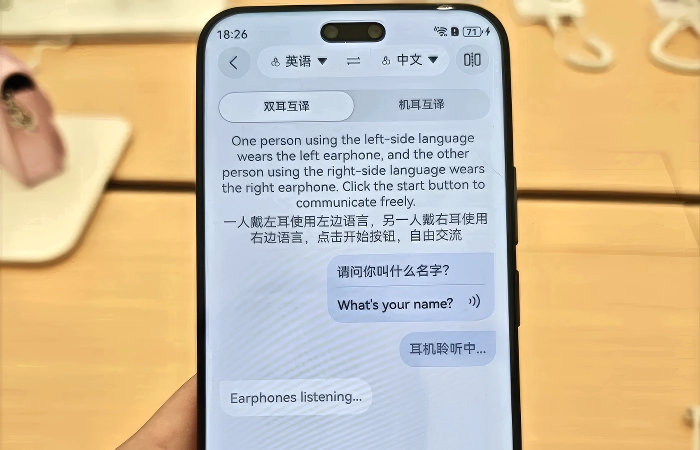
Aquí es donde el paisaje de 2026 ha cambiado para mejor. En enero de 2026, China Daily lanzó "China Bound", una plataforma de turismo inteligente en inglés gratuita disponible en Alipay y WeChat. Incluye traducción en tiempo real impulsada por AI, planificación itineraria y herramientas de reserva. Lo probé con un invitado el mes pasado en un restaurante en Chengdu — la función de traducción de fotos manejaba el menú al instante.
Las herramientas que necesita para puentear la brecha
Si planea viajar independientemente, descargue estos antes de llegar. Pleco es el mejor diccionario sin conexión Chino-Inglés. Baidu Translate funciona sin VPN y lee menús a través de su cámara. DiDi, la aplicación de conducción en China, tiene un modo inglés completo para que nunca necesites decirle a un conductor dónde ir en chino. WeChat ha incorporado la traducción para mensajes de texto y momentos.( Nota: Google Translate no funciona en China sin un VPN)
Aquí está mi consejo honesto: conocer dos frases. "Xiè xiè" (gracias) y "duìbuq ropa" (lo siento) le ganarán más buena voluntad que cualquier aplicación de traducción. He visto a los comerciantes chinos iluminarse cuando un visitante extranjero dice un simple agradecimiento en Mandarin. Usted no necesita aprender el idioma, pero hacer el esfuerzo para decir estas dos palabras cambia cómo la gente te trata.
Cuando usted debe contratar una guía de habla inglesa
Si estás visitando sólo Shanghai y Beijing, puedes ir sin guía. Si su itinerario incluye a Xi'an, Guilin, Chengdu o el río Yangtze, puede gestionar con aplicaciones de traducción y preparación. Pero si usted planea visitar áreas remotas como el Tíbet, Zhangjiajie, la Ruta de la Seda en Gansu, o aldeas rurales en Yunnan y Guizhou, una guía de habla inglesa no es un lujo — es una necesidad.
He aprendido esto de ver a los invitados probar ambos enfoques durante diez años. Los que contratan un guía para regiones remotas siempre dicen lo mismo: el guía no sólo tradujo palabras. Tradujeron contexto — explicando por qué un templo se enfrenta al este, lo que la caligrafía en un pergamino significa, cómo comer un plato local correctamente. Esa capa cultural es algo que ninguna aplicación puede darte.

La diferencia de una guía hace
La línea de base para 2026 viajeros
Para resumir: solo puedes usar inglés en las principales ciudades y centros turísticos de China. Aplicaciones de traducción, la nueva plataforma China Bound y los menús de código QR hacen que los viajes independientes sean más accesibles que nunca. Pero cuanto más sigas desde el camino batido, más confiarás en un guía, tus aplicaciones y mucha paciencia y buen humor.
La buena noticia es que 2026 es el año más fácil para los visitantes de habla inglesa a China. Entre las nuevas herramientas digitales, la señalización inglesa ampliada y una industria turística que se ha reconstruido fuertemente después de la pandemia, la barrera del lenguaje es menor de lo que ha sido. Una pequeña preparación va muy lejos.

Planifique su viaje con confianza
En IntoTravel China, He estado diseñando tours privados en inglés desde 2015. Combinamos a cada huésped con una guía de habla inglesa con experiencia, manejamos toda la logística y construimos itinerarios que coincidan con sus intereses, ya sea que desee explorar calles de la ciudad o aldeas remotas de montaña. Sin paradas de compras, sin atajos. Sólo la verdadera China, en un lenguaje que usted entiende.
IntoTravelChina — Fundada 2015. Visitas privadas personalizadas por toda China. No hay paradas de compras. Sin atajos. Sólo experiencias auténticas.


Contact Us
¿Qué dicen nuestros clientes?









Ask us before you decide.
Unsure about a route, departure date or room option? Tell us what is holding up your plans. You will get a clear answer from our China-based travel team—no booking required.