
Wudang KungFu
Wudang: The Cradle of Internal Martial Arts
 This Chinese proverb highlights Wudang’s role as the birthplace of internal (soft) martial arts, which emphasize fluidity, balance, and energy cultivation over brute force. Unlike Shaolin’s explosive power, Wudang techniques focus on deflection, redirection, and subtlety, making them ideal for self-defense and health preservation. Wudang’s philosophy of "using softness to overcome hardness" (以柔克刚 / Yǐ Róu Kè Gāng) has influenced countless martial artists and spiritual seekers worldwide.
Name:
Wudang Martial Arts (武当功夫 / Wǔdāng Gōngfū)
Origin:
Wudang Mountains, Hubei Province, China (13th–14th century CE)
Founder:
Zhang Sanfeng (张三丰 / Zhāng Sānfēng), a legendary Taoist sage
Style:
Internal (内家 / Nèijiā) – Harmonizing softness with strength
Core Philosophy:
"Tao (道) + Wu (Martial Arts)" – Alignment with nature, balance, and longevity
Famous For:
Tai Chi (太极拳 / Tàijíquán), Ba Gua Zhang (八卦掌 / Bāguà Zhǎng), Xing Yi Quan (形意拳 / Xíngyì Quán), Swordsmanship (武当剑 / Wǔdāng Jiàn)
Global Influence:
Inspired modern wellness practices (e.g., Qi Gong, meditation, holistic health)
 The Origin of Wudang Martial Arts
Wudang Kung Fu is traditionally attributed to Zhang Sanfeng, a Taoist monk who lived during the Song-Yuan Dynasties (1279–1368 CE). Legend says he observed a battle between a crane and a snake, inspiring him to create a martial art that mimicked their graceful, adaptive movements. Over time, Wudang integrated:
· Taoist cosmology (Yin-Yang balance, Five Elements theory)
· Traditional Chinese Medicine (meridian stimulation, Qi flow)
· Meditation & breath control (Dantian cultivation, Neigong)
By the Ming Dynasty (1368–1644 CE), Wudang had become a center for Taoist learning and martial arts, producing masters who refined its techniques into a complete system.
Wudang-Related Mountains, Sites & Architecture
Primary Location: Wudang Mountains (武当山 / Wǔdāng Shān)
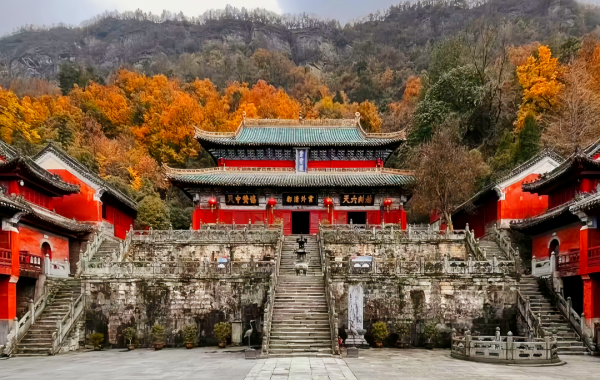
· Wudang Palace (紫霄宫 / Zǐxiāo Gōng) – The main Taoist temple complex, founded in the 13th century.
· Golden Hall (金殿 / Jīndiàn) – A solid-gold-plated pavilion atop Tianzhu Peak, symbolizing immortality.
· Nanyan Temple (南岩宫 / Nányán Gōng) – Famous for the "Dragon Head Stone", a cliff-hanging rock where monks meditated.
· Zhang Sanfeng’s Tomb (张三丰墓 / Zhāng Sānfēng Mù) – A legendary site believed to be his resting place.
Other Sacred Sites
· Five Dragons Peak (五龙峰 / Wǔlóng Fēng) – A training ground for advanced Qi Gong practitioners.
· Xuanwu Rock (玄武岩 / Xuánwǔ Yán) – A natural formation representing the Taoist deity of water and martial arts.
The Legendary Wudang Internal Arts
武当内家绝技 / Wǔdāng Nèijiā Juéjì
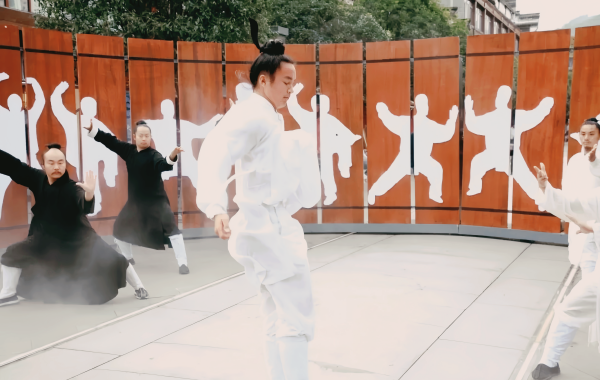
Wudang is renowned for its internal (soft) techniques, which emphasize energy manipulation, balance, and precision. Some of the most famous include:
|
Category |
Skills |
|
Tai Chi Forms |
Yang-style Tai Chi (杨氏太极拳 / Yángshì Tàijíquán), Chen-style Tai Chi (陈氏太极拳 / Chénshì Tàijíquán) |
|
Swordsmanship |
Wudang Sword (武当剑 / Wǔdāng Jiàn), Two-Person Sword (双人剑 / Shuāngrén Jiàn) |
|
Empty-Hand |
Ba Gua Zhang (八卦掌 / Bāguà Zhǎng), Xing Yi Quan (形意拳 / Xíngyì Quán) |
|
Energy Cultivation |
Eight Brocades Qi Gong (八段锦 / Bāduànjǐn), Microcosmic Orbit (小周天 / Xiǎo Zhōutiān) |
|
Acrobatics |
Cloud Walking (云步 / Yúnbù), Feather-Light Step (轻身术 / Qīngshēn Shù) |
Training Methods & Progression Levels
Training Regimen
· Basic Stances (桩功 / Zhuānggōng) – Standing meditation to build strength and rooting.
· Form Practice (套路训练 / Tàolù Xùnliàn) – Slow, deliberate movements (e.g., Tai Chi’s 24-form sequence).
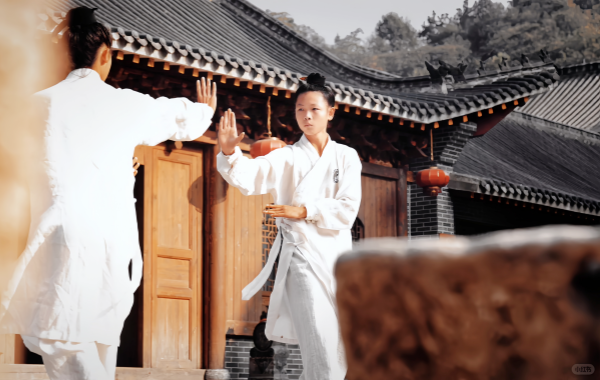
· Push Hands (推手 / Tuīshǒu) – Partner drills to develop sensitivity and redirection skills.
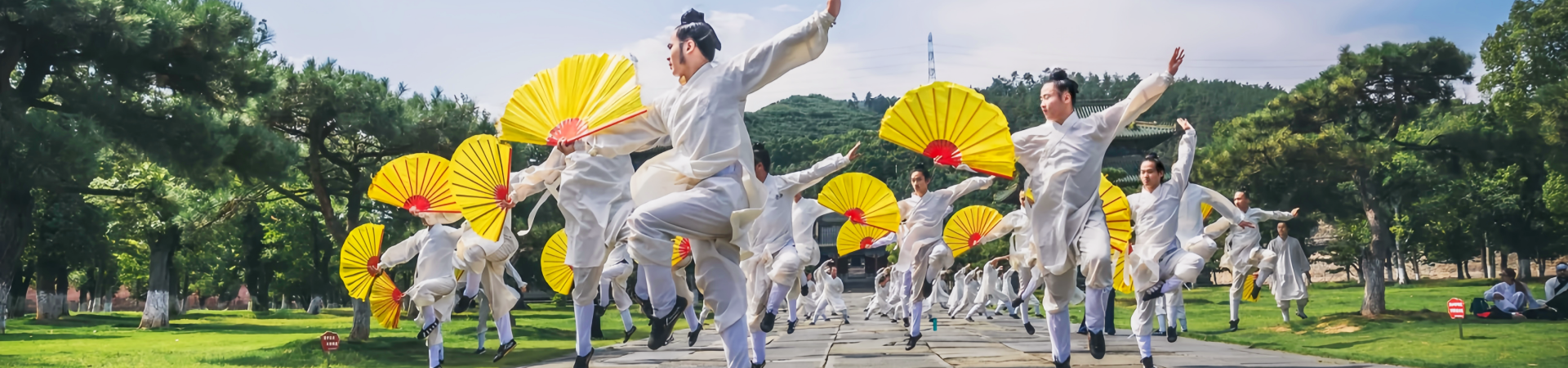
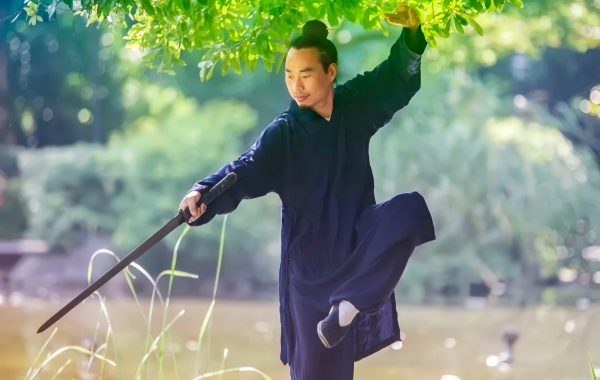
· Weapon Training (兵器训练 / Bīngqì Xùnliàn) – Sword, staff, and fan techniques.
· Neigong & Meditation (内功与冥想 / Nèigōng Yǔ Míngxiǎng) – Cultivating Dantian energy for health and martial power.
Progression Levels
1. Novice (入门 / Rùmén) – Basic stances and Tai Chi forms (1–3 years).
2. Disciple (弟子 / Dìzǐ) – Advanced forms and push hands (3–10 years).
3. Master (大师 / Dàshī) – Mastery of multiple internal arts (10–30 years).
4. Taoist Immortal (真人 / Zhēnrén) – Rare achievement, embodying perfect harmony with the Tao.
Wudang in Martial Arts Fiction & Pop Culture
Wudang has inspired countless Wuxia novels, films, and TV shows, often portrayed as the home of mystical Taoist hermits with supernatural powers. Notable examples include:
· "Crouching Tiger, Hidden Dragon" (2000) – Features Wudang-style swordplay and wire-fu acrobatics.
· "The Taoist Grandmaster" (2013) – A biopic of Zhang Sanfeng, blending history and legend.
· "Mortal Kombat" series – The character Kung Lao wields a Wudang-inspired razor-hat.
· "Avatar: The Last Airbender" – The bending styles draw inspiration from Tai Chi and Ba Gua.
Wudang Diet & Traditional Arts
Dietary Principles
· Taoist Vegetarianism (道家素食 / Dàojiā Sùshí) – Avoiding meat and stimulating foods (e.g., garlic, onions).
· Herbal Tonics (药膳 / Yàoshàn) – Using goji berries, reishi mushrooms, and ginseng for longevity.
· tea Ceremony (茶道 / Chádào) – Drinking aged Pu-erh or Chrysanthemum tea for detoxification.
Traditional Arts
· Wudang Calligraphy (武当书法 / Wǔdāng Shūfǎ) – Brushwork that mirrors the fluidity of Tai Chi.
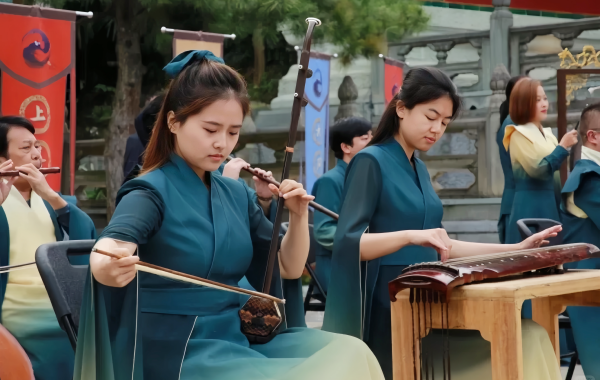
· Taoist Music (道乐 / Dàoyuè) – Ritual flute and drum performances to harmonize mind and spirit.
Legendary Wudang Masters
9. Legendary Wudang Masters
· Zhang Sanfeng (张三丰 / Zhāng Sānfēng) – The mythical founder of Wudang Kung Fu and Tai Chi.
· Li Jinglin (李景林 / Lǐ Jǐnglín) – 20th-century swordmaster who popularized Wudang techniques globally.
· Zhong Yunlong (钟云龙 / Zhōng Yúnlóng) – Modern grandmaster and head of the Wudang Taoist Association.
Conclusion
Wudang Martial Arts represent the harmonious fusion of combat skill, spiritual growth, and natural wisdom. Unlike Shaolin’s explosive power, Wudang emphasizes inner peace, balance, and longevity, making it a timeless practice for both physical health and mental clarity. From its mystical mountains to its global influence, Wudang continues to inspire seekers of strength, wisdom, and immortality.
"Wudang is not just a mountain—it is the path to the Tao."
What Our Clients Say?
Based on 10,000+ traveler reviews

Daniel Dorothea
Canada
Reviewed on April 29,2025
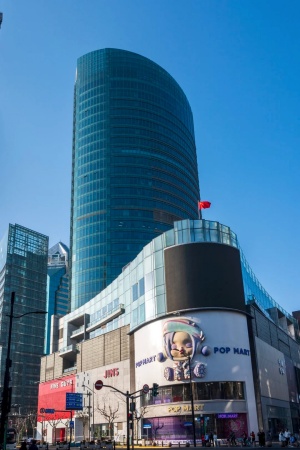
Shopping on Nanjing Road in Shanghai was just amazing! It's truly the "First Commercial Street of China", where tradition and modernity blend perfectly. You can find awesome souvenirs and experience the trendy vibes in cool stores. The neon lights at night are just spectacular, shining bright like Times Square in New York. The food here is incredible too. I had a feast for my taste buds. Shanghai, I'll definitely be back!
Destination(s):
Shanghai
Date of
Experience:
May 08,2024

Elvis Eva
Canada
Reviewed on June 20,2025
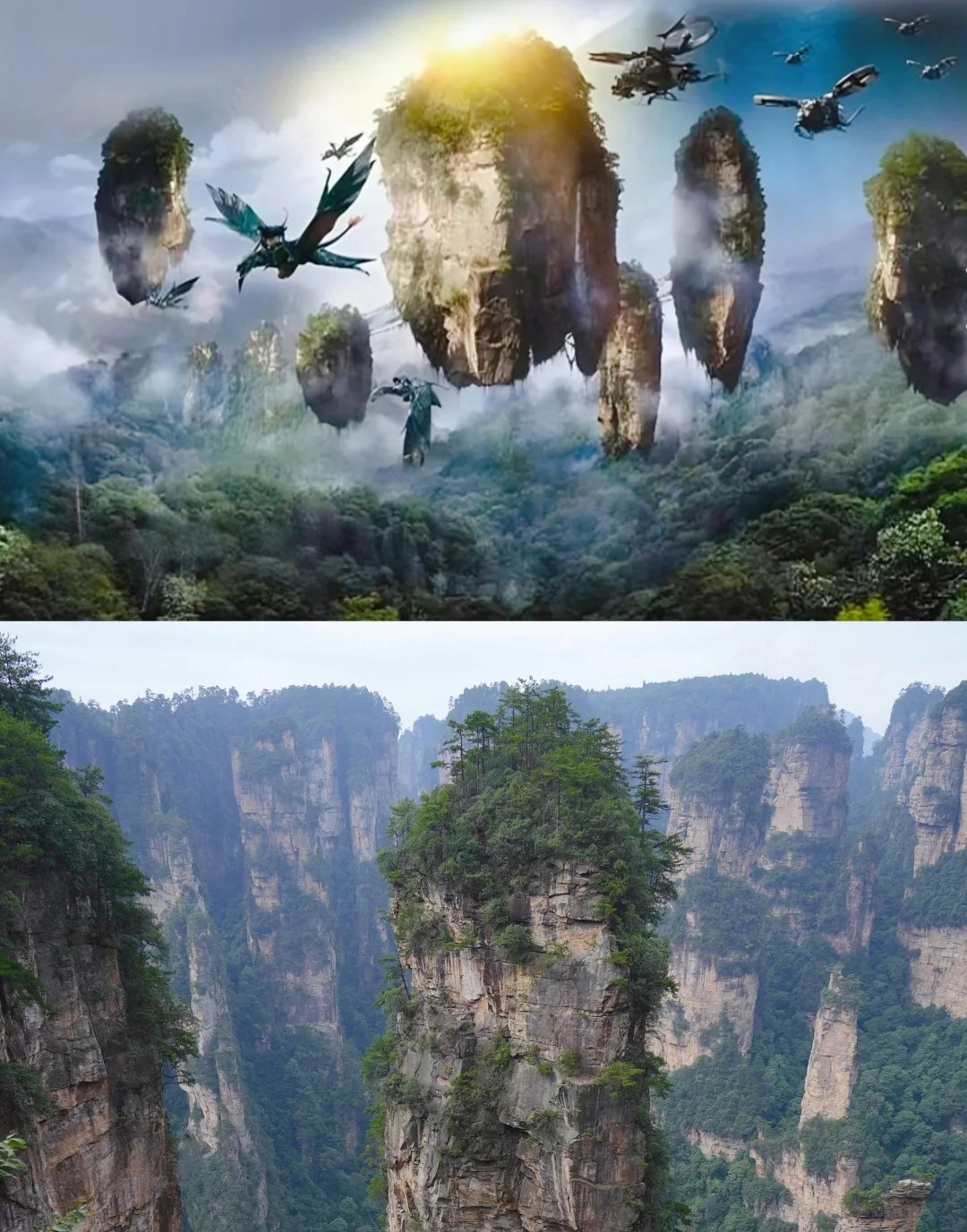
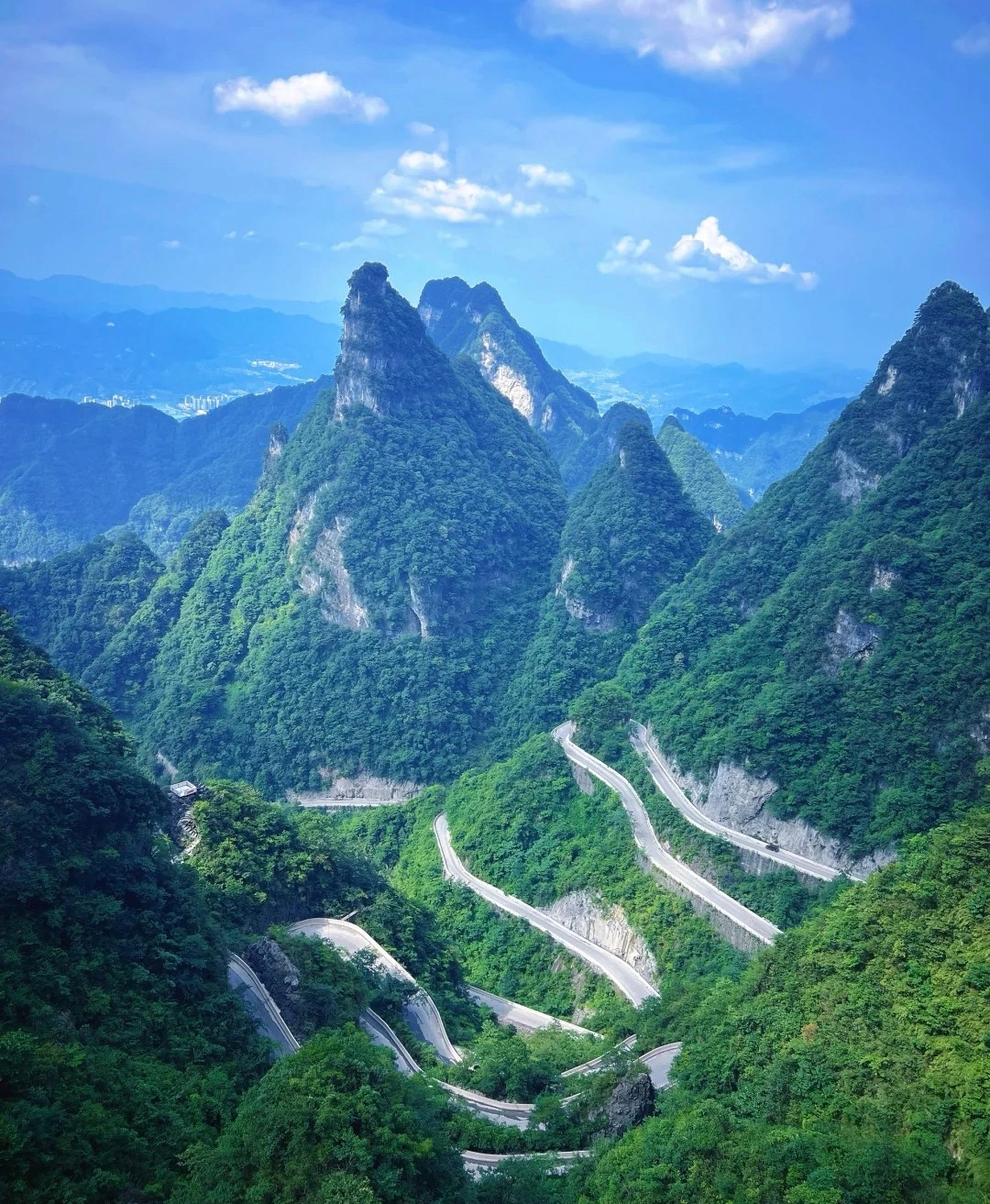
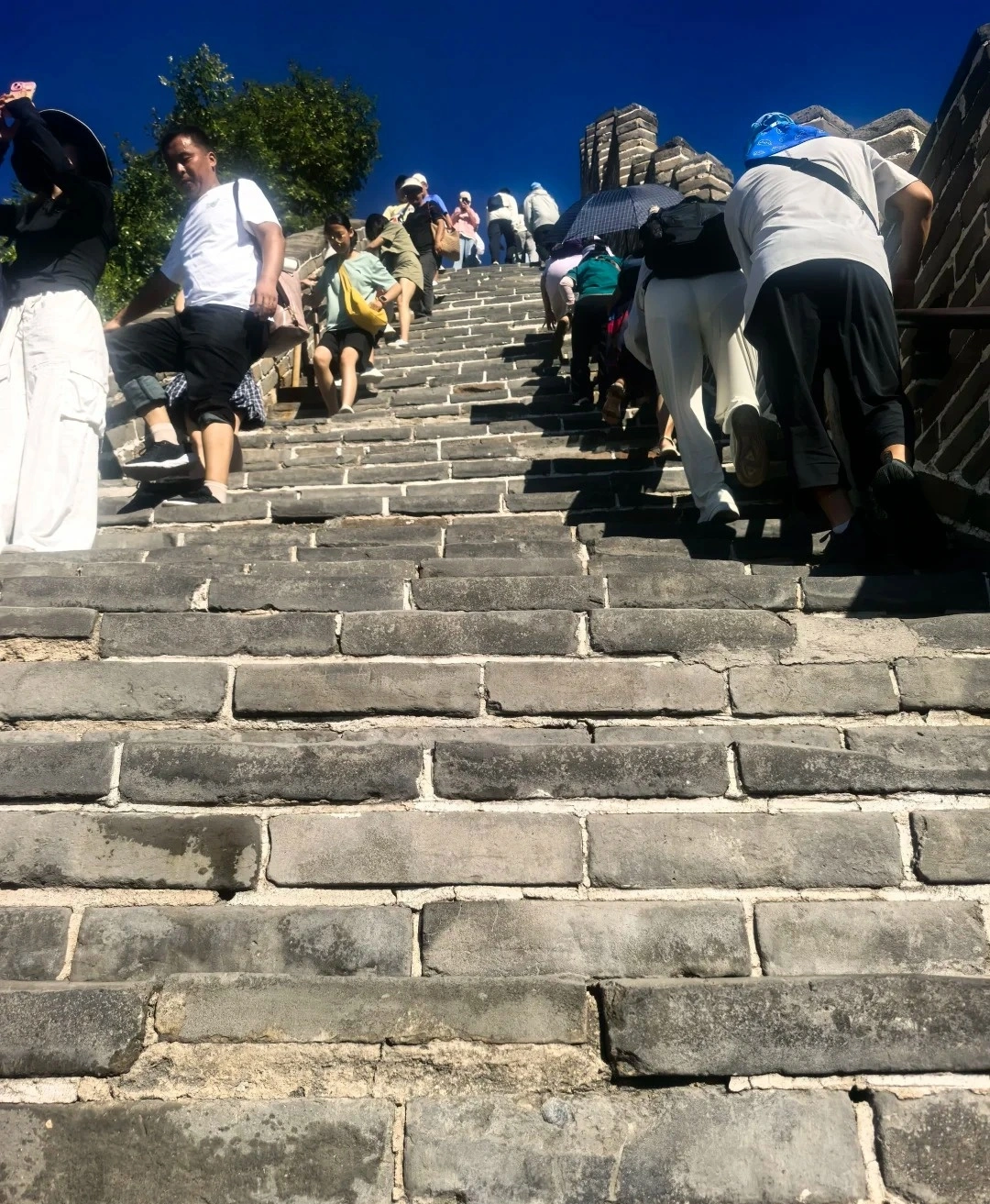
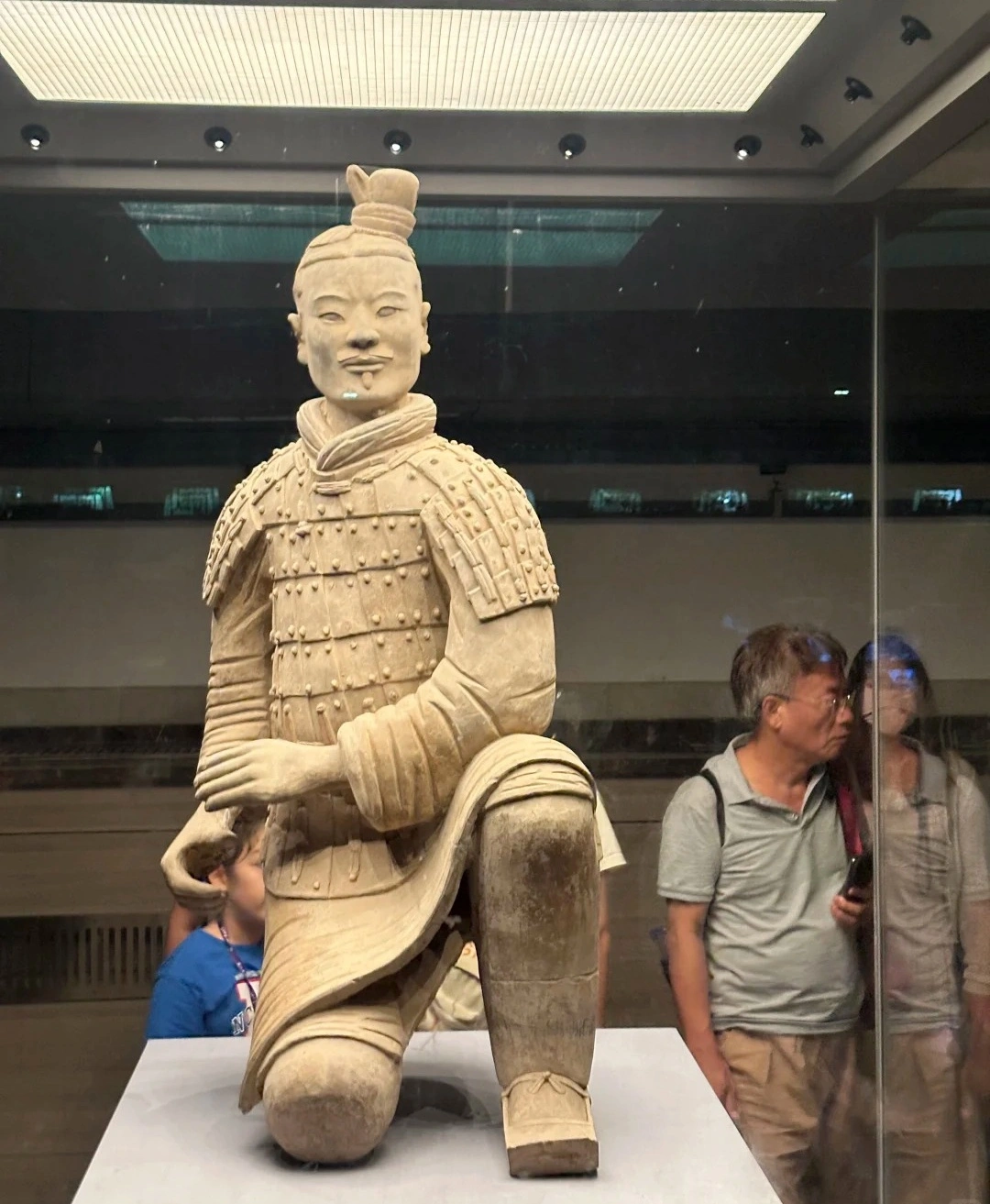
As a solo traveler from Canada, I was nervous about navigating China alone—but this 11-day tour was PERFECT! From hiking the Great Wall at sunrise (Day 3) to gasping at the Terracotta Army (Day 5), every day delivered ‘pinch-me’ moments. The real showstopper? Zhangjiajie’s Avatar Mountains (Day 7)! Our guide made the stone pillars come alive with stories.
Massive thanks for handling all logistics—bullet train tickets, entry passes, car! And the 4-star hotels surprised me.
Destination(s):
Beijing Xian Zhangjiajie Shanghai
Date of
Experience:
June 02,2025

Simon
America
Reviewed on May 29,2025
Our 2-day Zhangjiajie tour was beyond spectacular! As someone who’s visited Beijing and Shanghai for work, this trip revealed China’s wild, magical heart. Day 1 in Zhangjiajie National Forest Park felt like stepping onto Pandora—I’m a huge Avatar fan, and Yuanjiajie’s floating peaks left me breathless. The misty pillars and lush valleys like pure movie magic!
Then came Fenghuang Ancient Town, we eat dinner beside the thundering waterfall. It seems Unreal! The night views of stilt houses glowing over the river were straight from a fairy tale.
For fellow Avatar lovers and adventure seekers: Don’t miss this bucket-list experience! 10/10 would return.
A Well-Traveled Film Buff, May 2025
Destination(s):
Zhangjiajie
Date of
Experience:
May 08,2025