Urban Fabric—The Wisdom of a “Maze” Without Blueprints
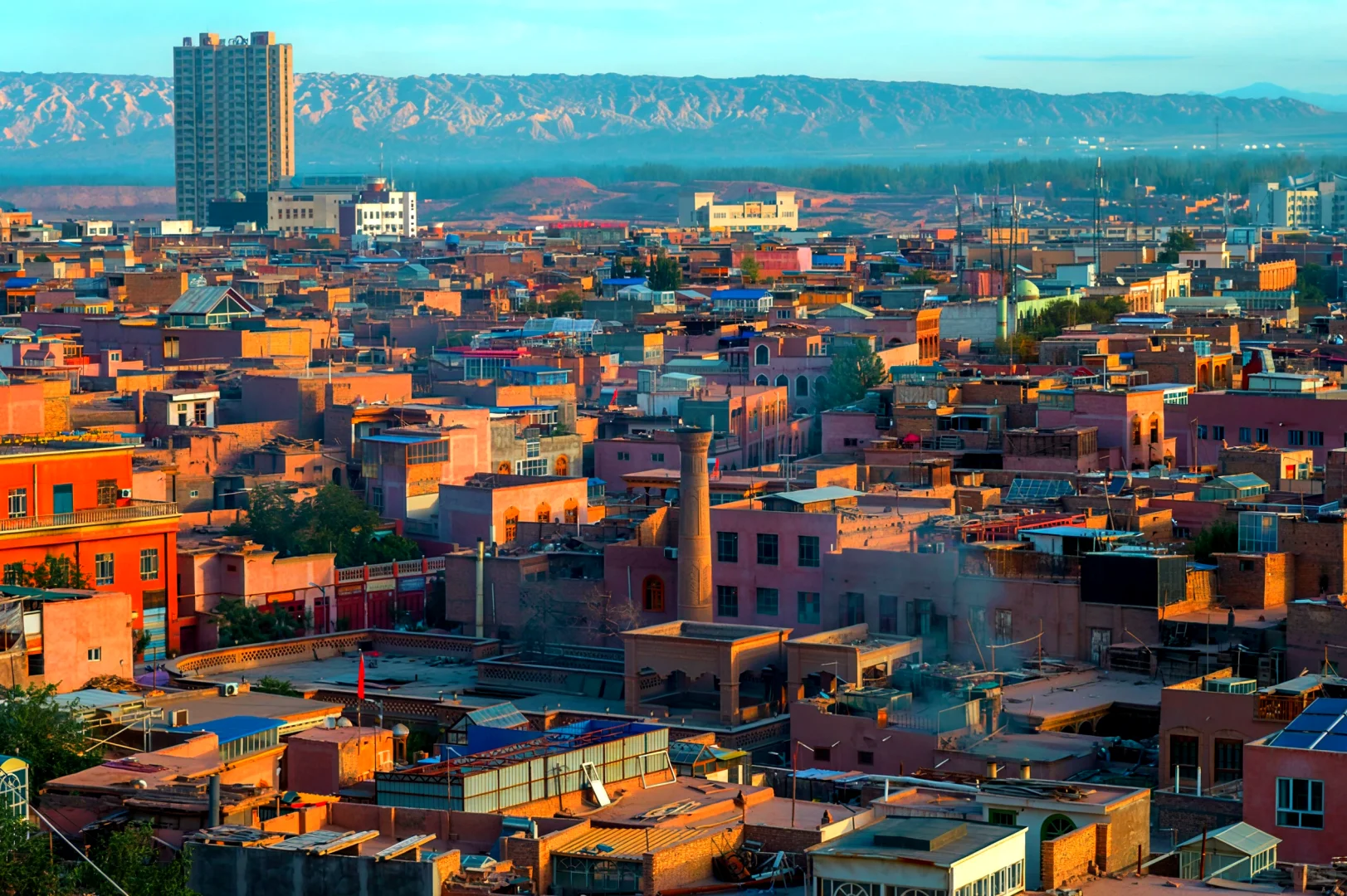
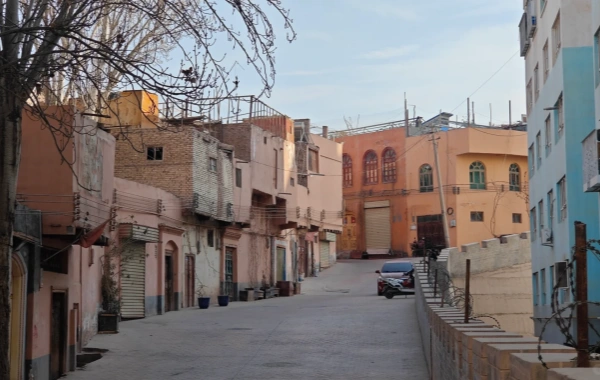
The greatness of Kashgar's Old City lies in its organic growth and evolution, its street layout resembling a vast, unplanned work of art.
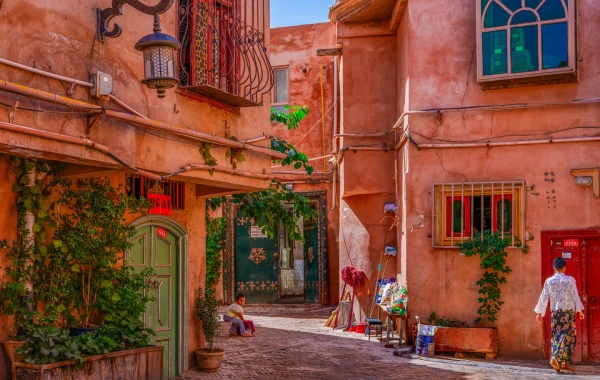
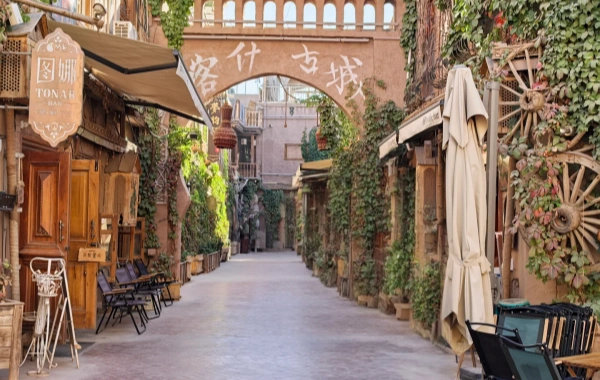
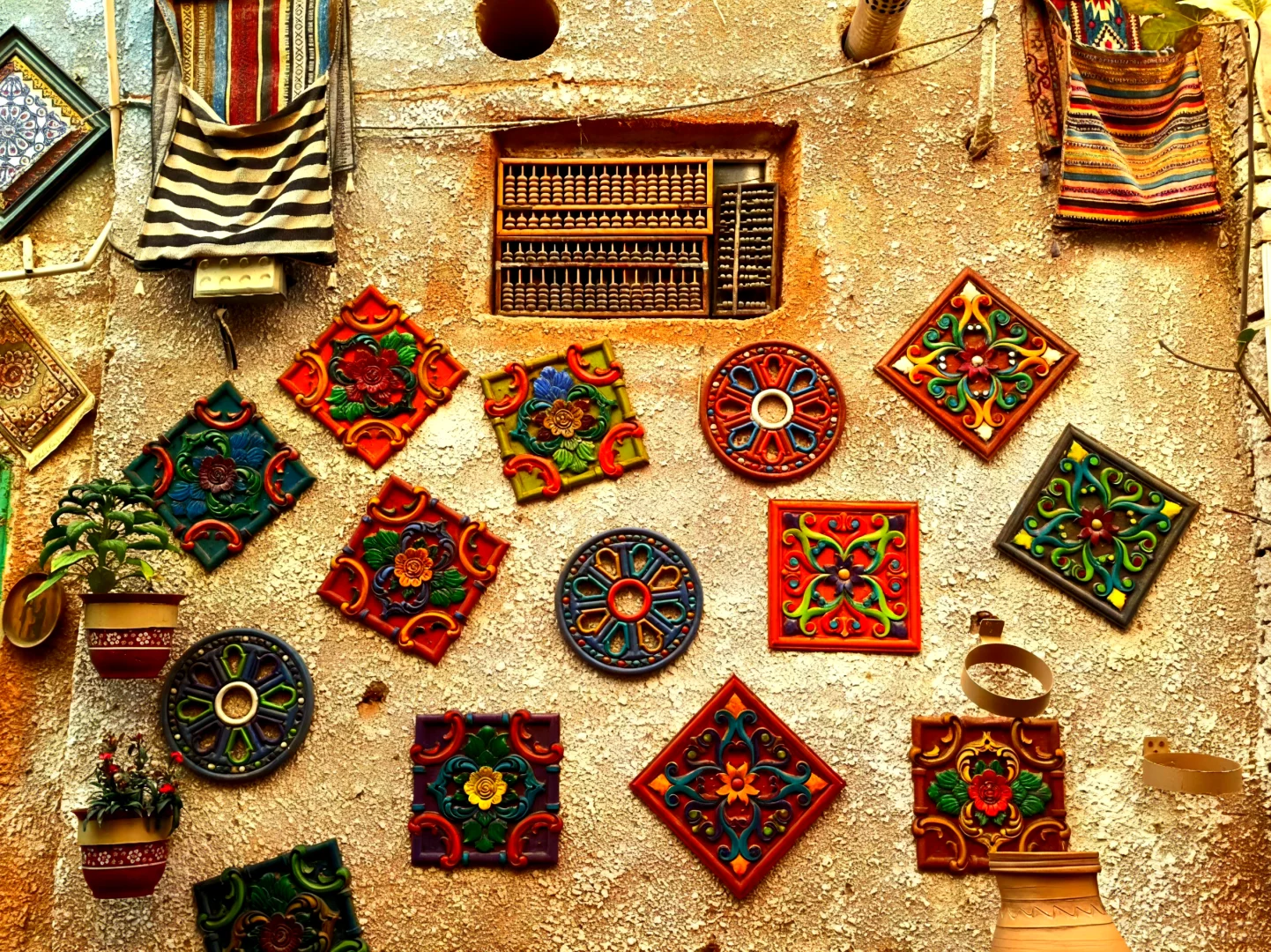
- Maze-like Alleys: Centering around the Id Kah Mosque, hundreds of alleys wind in every direction, varying in width and seemingly without pattern. First-time visitors easily lose their way, yet this very quality is the Old City's charm. Along the alleys stand multi-story adobe or timber-brick dwellings, their uniform earthen-hued facades adorned with intricate wood carvings on doorways and window frames. Sunlight filters through trellises, casting dappled shadows. Children chase each other through the lanes, women labor and chat before their doors—every corner a vivid tableau of daily life.
- Overpasses and Sky Pavilions: To conserve land, many streets feature overpasses connecting buildings above, creating a unique spatial experience. Some residences even extend into the air above the alleys, forming distinctive “sky pavilions.”
- Underground Water System: The ancient city boasts a centuries-old, efficient karez-style underground water supply system, safeguarding the lifeline of this oasis city and showcasing the survival wisdom of its ancestors.
Architectural Code—The Fusion of Islamic Aesthetics and Earthen Architecture
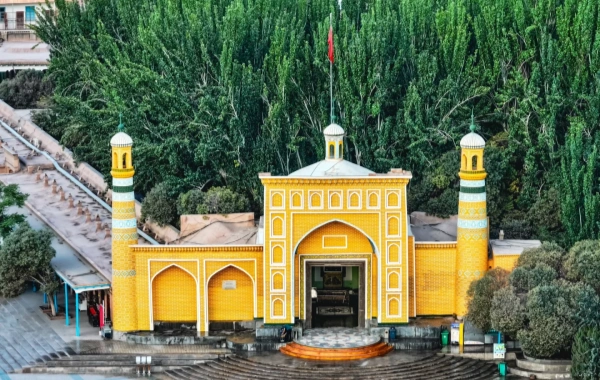
- Id Kah Mosque: One of China's largest and most significant Islamic mosques. It serves not only as a religious center but also as the soul of the ancient city. Its beige gatehouse, towering arches, green domes, and two soaring minarets form Kashgar's most iconic skyline. On Fridays, thousands of Muslims gather here for prayers, creating a solemn and reverent atmosphere.
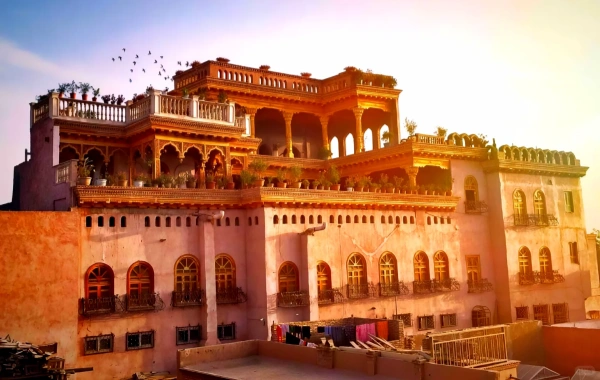
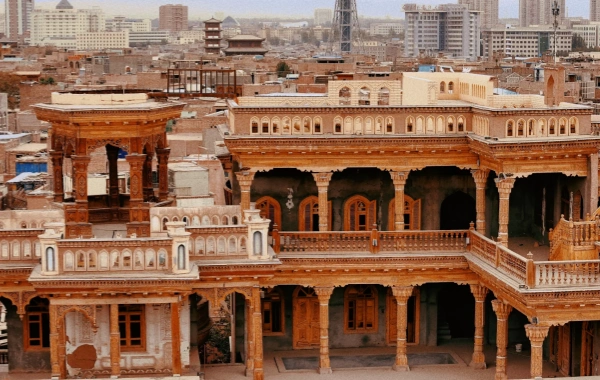
- High-Platform Dwellings (currently closed for preservation, exterior viewing only): Perched atop a 40-meter-high, 800-meter-long loess cliff at the northeast edge of the old city. Hundreds of households are stacked layer upon layer along the cliff face. As families grew with each generation, they added another story, creating a marvel of interconnected houses and adjoining buildings. It is hailed as a “Uyghur Folk Customs Museum.”
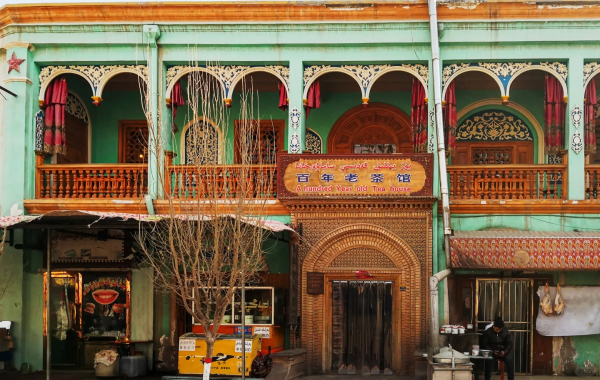
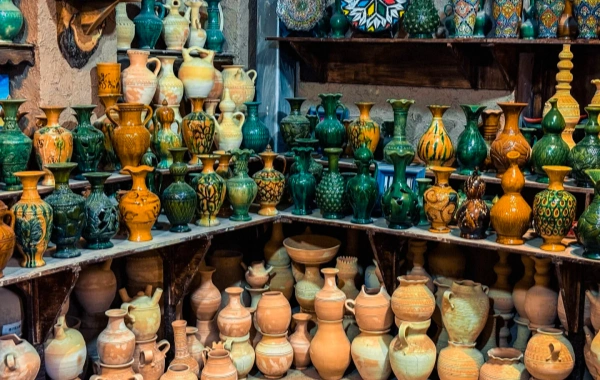
- Centuries-Old Tea Houses and Handicraft Workshops: The ancient city is dotted with centuries-old tea houses like the “Folk Musician Gudi Tea House,” where elders gather to sip tea, chat, and play music, as if time has stood still. Deep within the alleys, workshops for blacksmithing, earthenware, woodwork, copperware, and musical instruments hum with the constant clanging and grinding sounds—living intangible cultural heritage.
The Soul of Culture—The Vibrant Energy Flowing Through the Bazaar
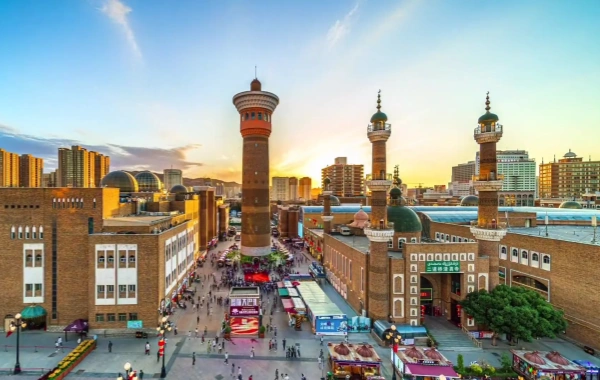
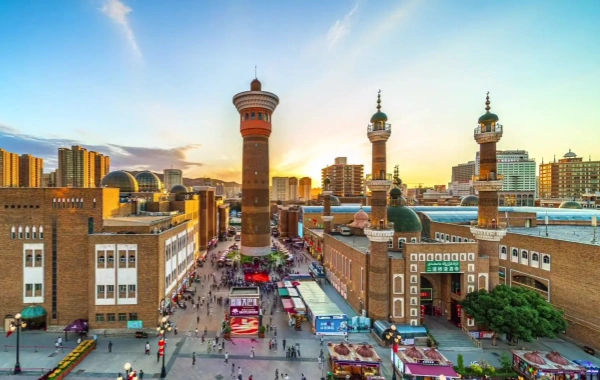
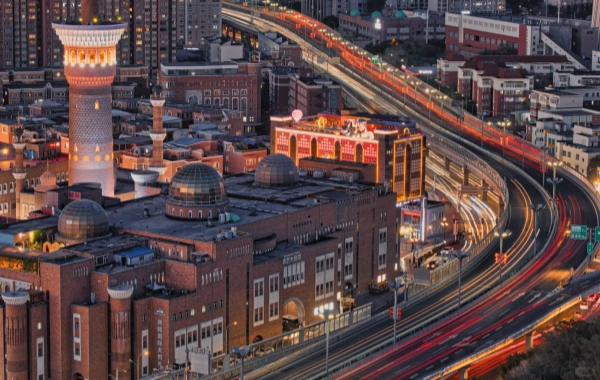
- Grand Bazaar (Kashgar Central Asia International Trade Market): Located northeast of the Old City, this is the largest market in Xinjiang and Central Asia. Thousands of stalls offer everything from dried fruits and spices to silk carpets, copperware, knives, and traditional clothing. Vibrant colors and bustling crowds make it the best place to experience the enduring spirit of Silk Road commerce.
- Artisan Bazaar: Within the old city, specialized markets have spontaneously formed in certain alleys—such as the Flowerpot Bazaar, Hat Bazaar, and Blacksmith Bazaar—where craftsmen of the same trade gather. These spaces function both as markets and open-air craft galleries.
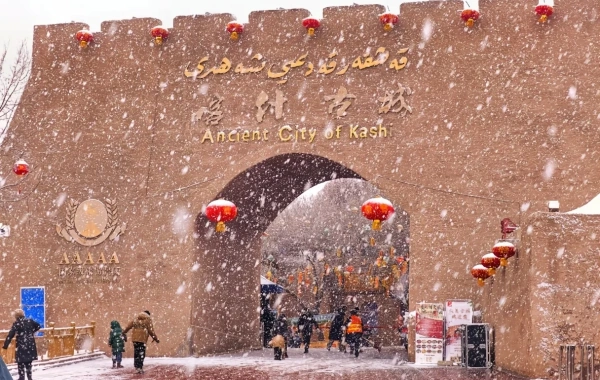
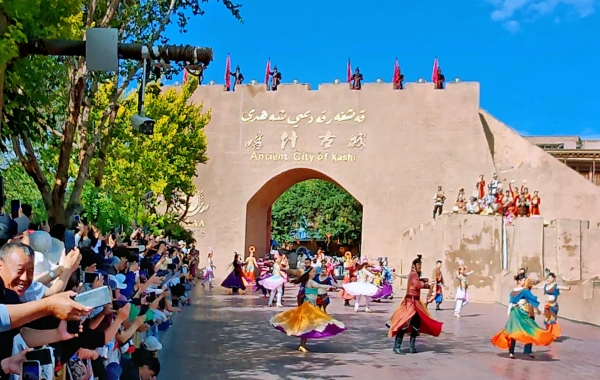
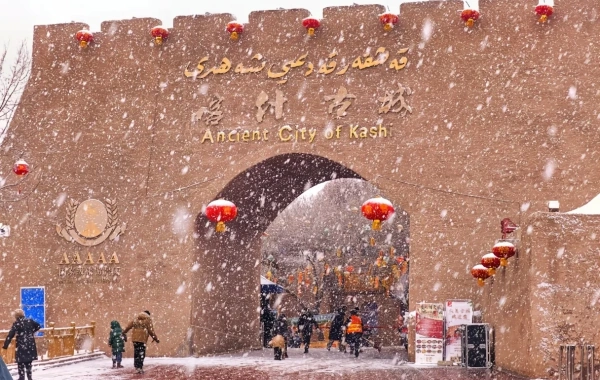
- Uyghur Folk Culture: Residents are warm and hospitable, skilled in song and dance. Walking the streets, one often encounters children's innocent smiles and hears the melodic sounds of the dutar drifting from courtyards. The ceremonial opening and closing of the city gates (held daily at the East Gate in the morning) welcome distant visitors with song and dance, creating a profound sense of ritual.
> Photography Tips:
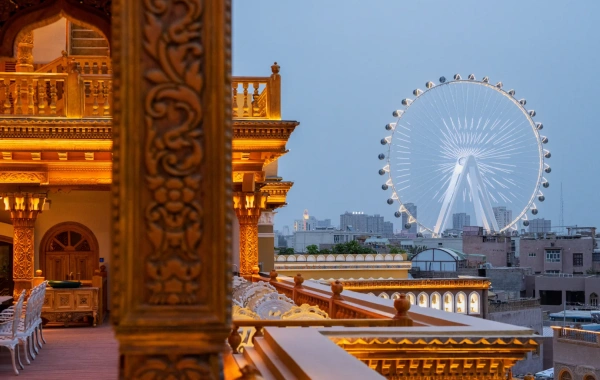
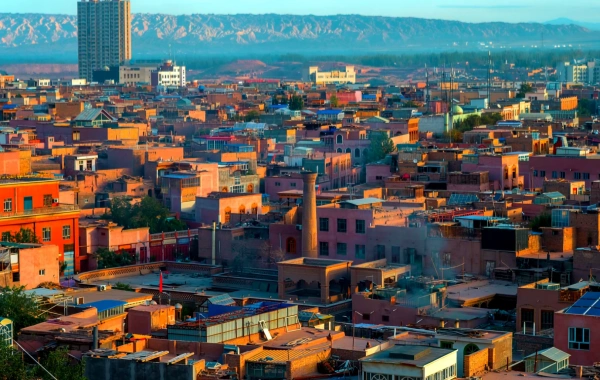
The best panoramic vantage points are the Sky Garden in the northeast corner of the old city or certain guesthouse rooftops. These locations capture sweeping views of the city's terra-cotta roofs, intricate alleyways, and the modern cityscape in the distance.
Dawn and dusk are prime times for capturing the ancient city, as soft light lends earthen structures a warm texture while rising smoke from kitchens adds rich, lived-in atmosphere.
The depth of alleyways creates excellent compositions. Use archways and colonnades as foreground elements to guide the eye into the labyrinthine lanes.
When capturing candid human moments, respect local residents—especially women and elders—by smiling or seeking permission before photographing.