Five Must-Do Activities for a Complete Zhijin Cave Journey
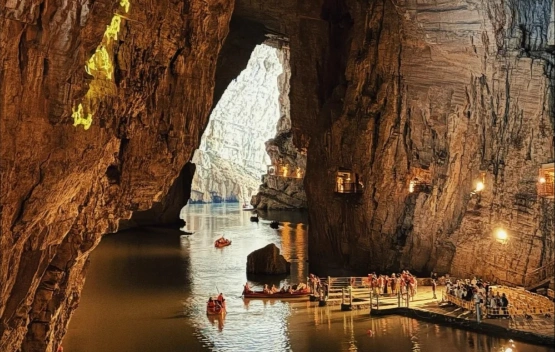
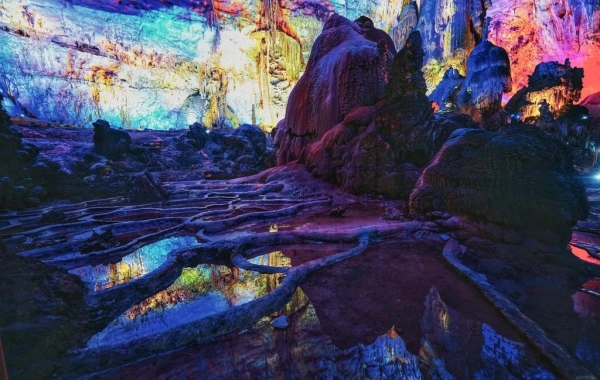
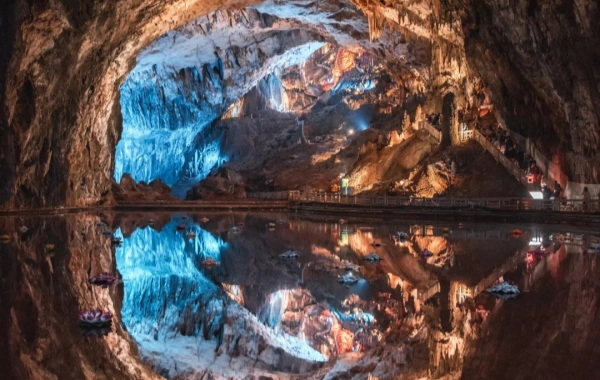
1. Trek the Underground Palace, Discover the Treasured Formations
Time: Any time of day; morning entry offers optimal lighting.
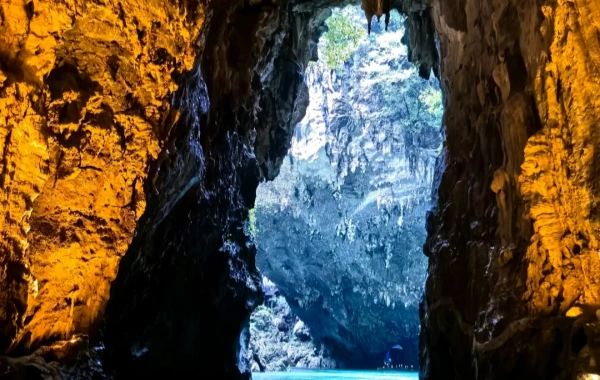
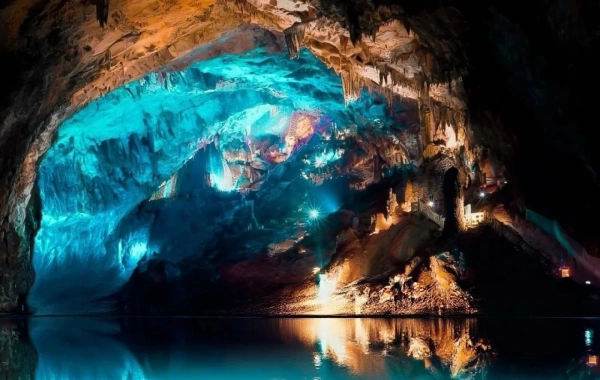
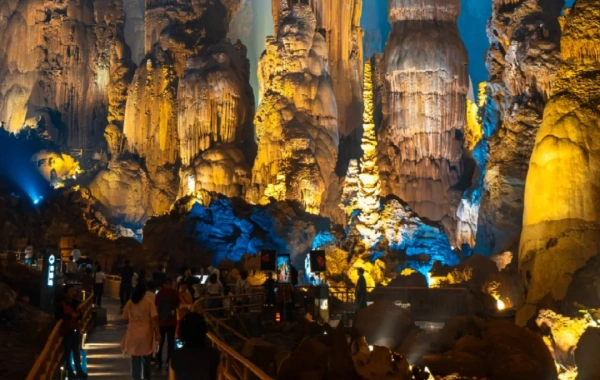
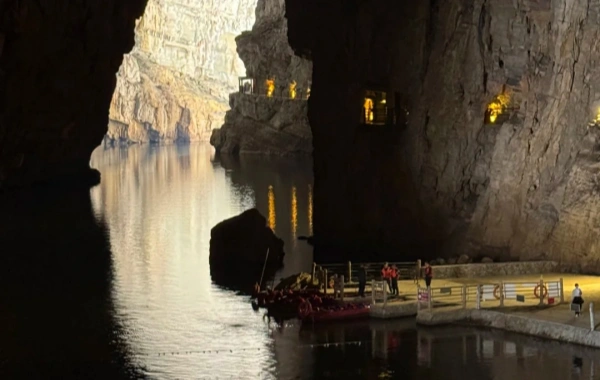
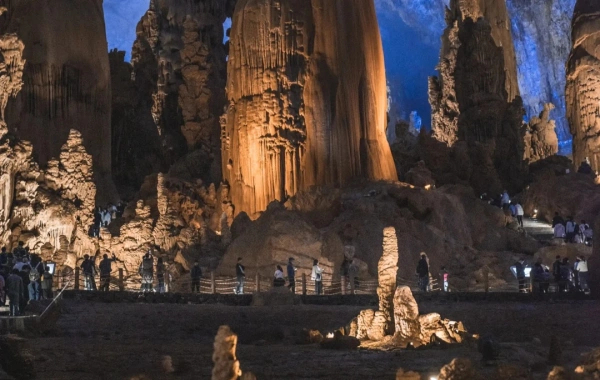
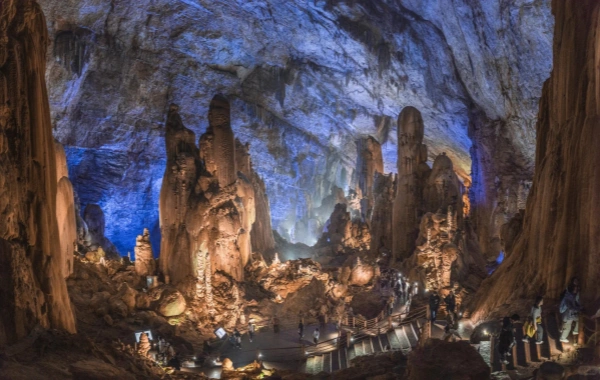
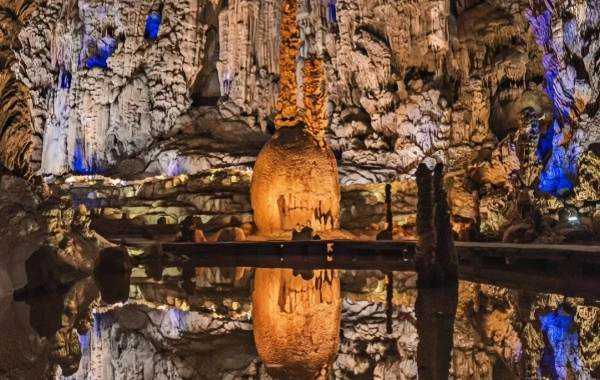
Route: Visitor Service Center → Yayuan Walkway → Stone Inscription Corridor → Cave Entrance → Double Lions Welcoming Hall → Mushroom Cloud Hall → Pipa Palace → Pagoda Forest Hall → Longevity Star Hall → Southern Heavenly Gate → Lingxiao Hall → Guanghan Palace → One Hundred Thousand Mountains → Leizi Cave Hall → Cave Exit.
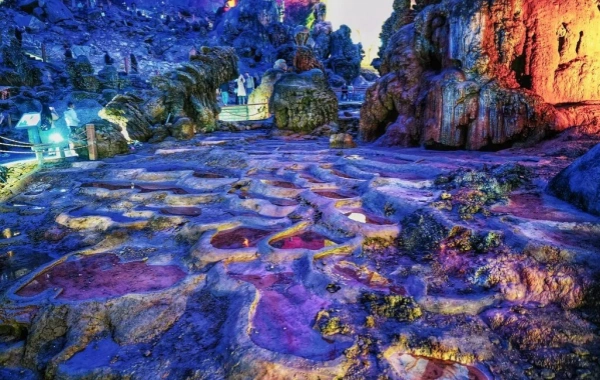
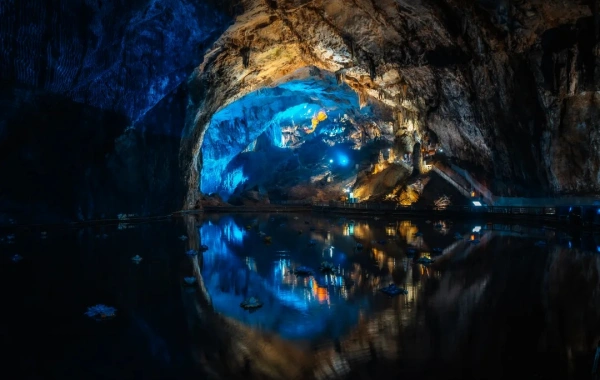
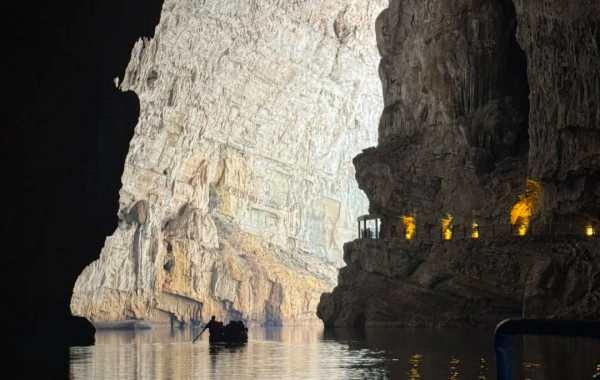
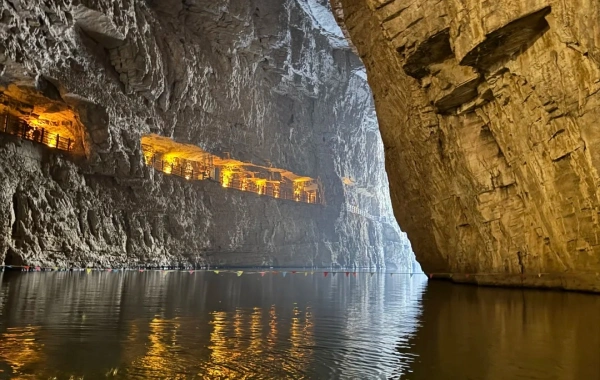
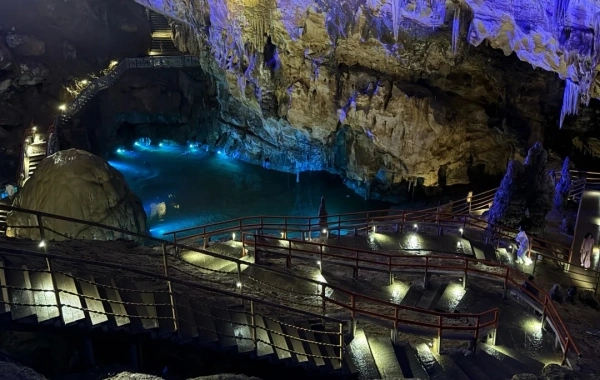
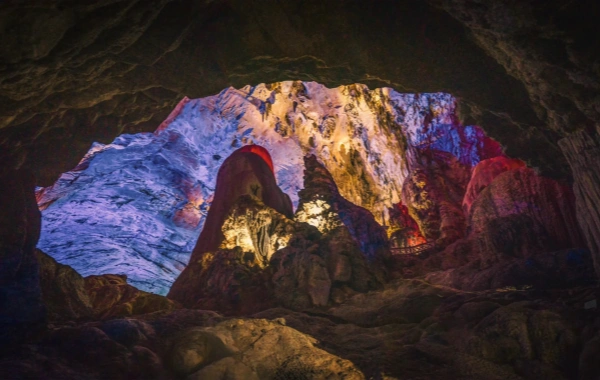
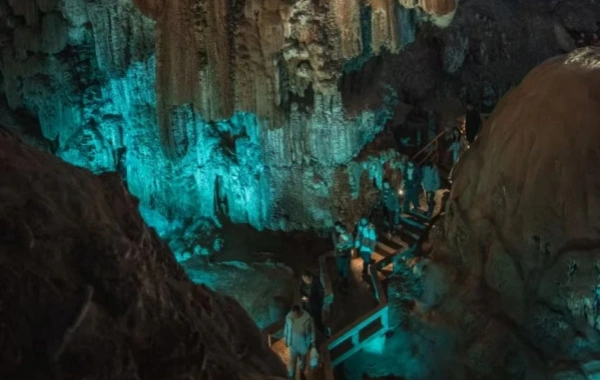
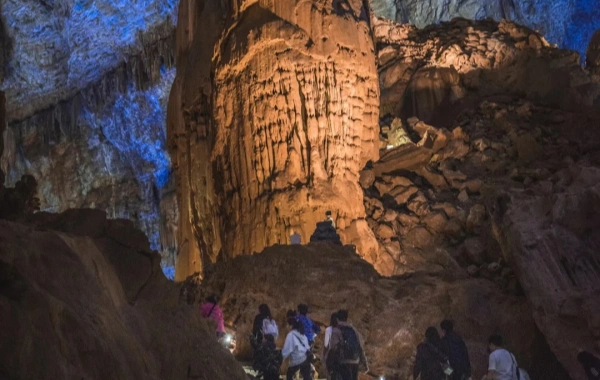
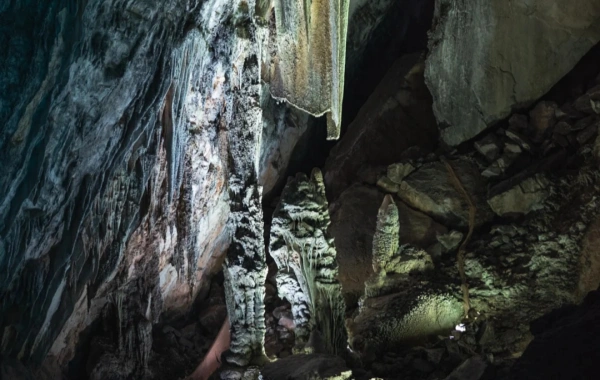
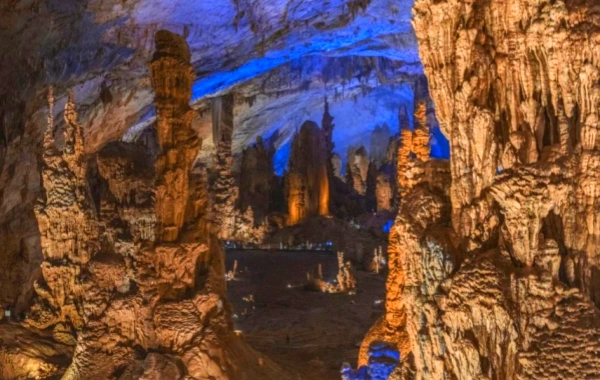
Experience: A 3.4-kilometer journey taking approximately 2 hours. Along the way, admire treasured formations including the King's Helmet, Silver Rain Tree, and Lingzhi Mountain, experiencing the grandeur of this underground palace.
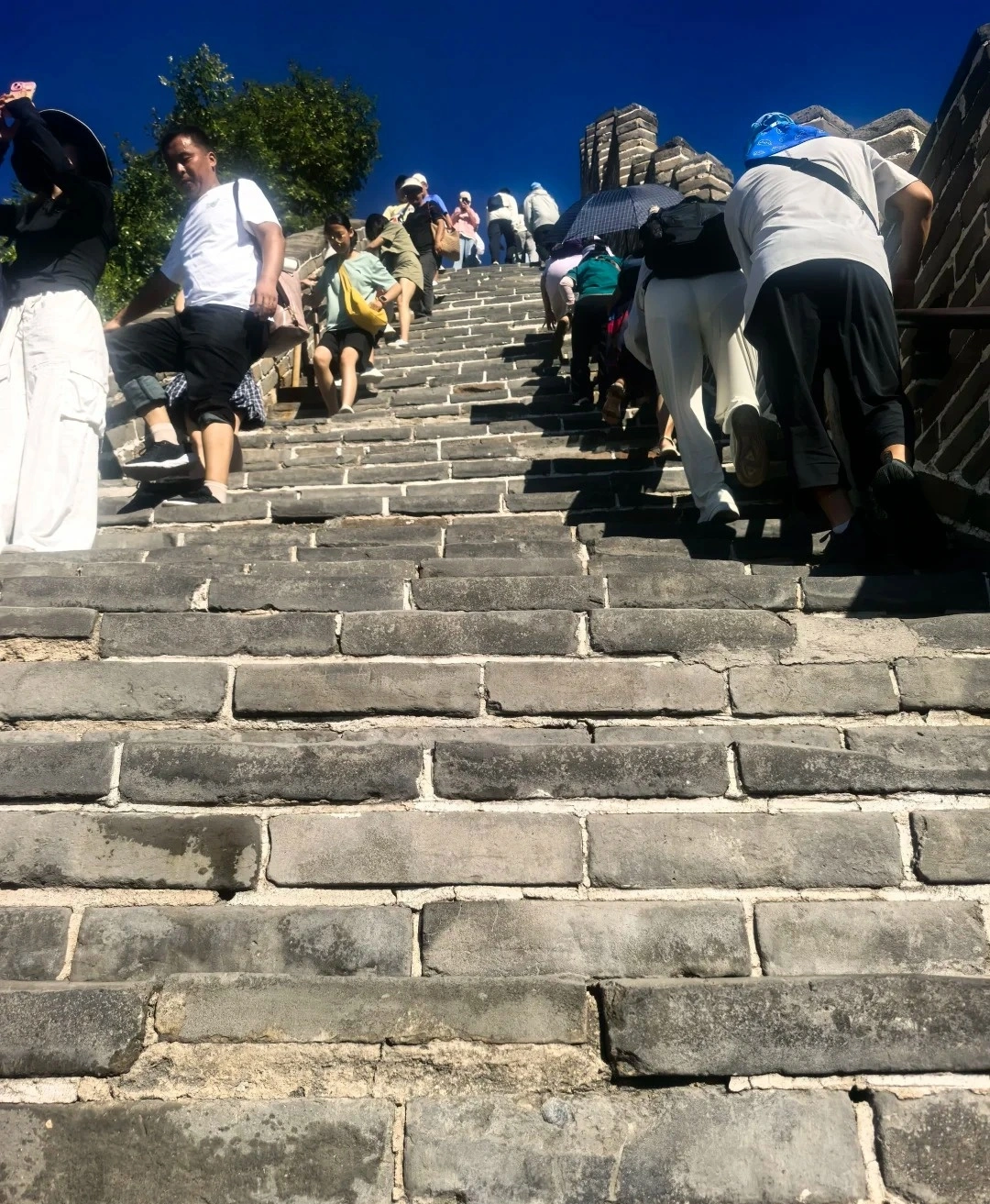
Tip: The cave has many steps and some steep sections; comfortable walking shoes are essential.
2. Experience the Grandeur and Wonder of the "King of Caves"
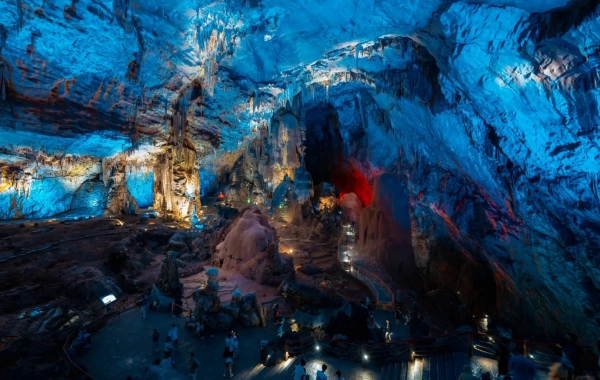
Experience: Pause in massive halls like Guanghan Palace and Lingxiao Hall, each exceeding 10,000 square meters. Gaze up at ceilings towering dozens of meters high, feeling the awe-inspiring power of nature.
Educational Insight: Digital displays throughout the cave provide real-time information on temperature, humidity, and carbon dioxide levels—learn about the science of geological conservation.
3. Combine with Zhijin Grand Canyon, Experience "Water Above Water, Cave Above Cave"
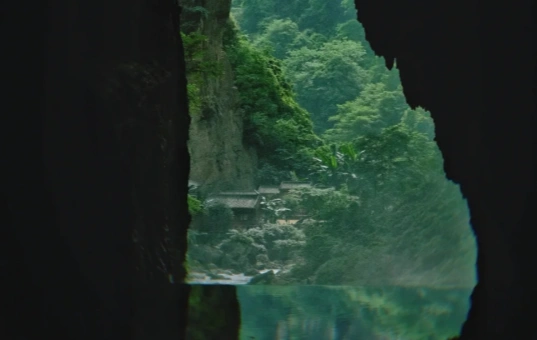
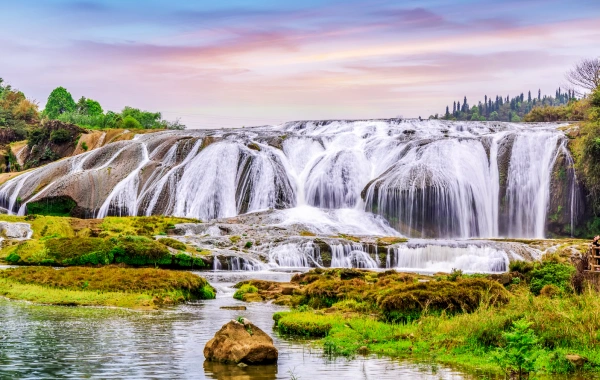
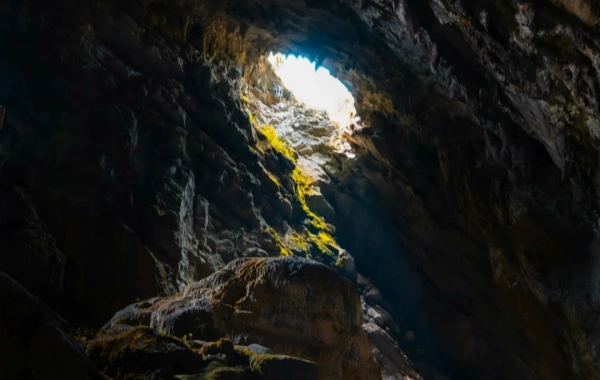
Experience: Travel from Zhijin Cave to Zhijin Grand Canyon (approx. 2 km) to explore geological relics including canyons, skylights, sinkholes, natural bridges, underground rivers, and sheer cliffs.
Bird Watching: Wait at dusk for the spectacular "ten thousand swallows returning to their nests" phenomenon.
Elevator: Ride the 104-meter-high sightseeing elevator for panoramic canyon views.
4. Savor Zhijin's Local Cuisine
Must-Order Dishes: Kung Pao Chicken (Zhijin is one of its birthplaces), Zhijin "Eight Bowls" Water Banquet (traditional feast dishes), Zhijin Guoguo (local griddle-cooked specialty).
Snacks to Try: Zhijin fermented rice cake, buckwheat jelly, rolling rice balls.
5. Experience Miao Ethnic Culture
Location: Guanzhai Miao Township and surrounding villages.
Experience: Visit Miao batik and embroidery workshops, taste Miao specialties like sour fish soup.
Respectful Reminder: Please respect local customs when entering villages and ask permission before taking photographs.
Suggested Itineraries
Important Note: Zhijin Cave Scenic Area strictly implements an "advance reservation, timed entry" system. Visitors must reserve tickets at least one day in advance through the official website, WeChat public account, or authorized partner platforms. Visitors without reservations will not be admitted.
One-Day "Underground Palace + Above-Ground Canyon" Highlights Tour:
Arrive at Zhijin Cave Visitor Service Center before 9:00 AM → Enter at your reserved time slot for the underground palace tour (approx. 2 hours) → Lunch within the scenic area → Afternoon transfer to Zhijin Grand Canyon (2 km) to explore the canyon, skylights, and natural bridges, ride the sightseeing elevator (approx. 2 hours) → Evening at the canyon to witness the "ten thousand swallows returning" spectacle → Depart after 6:30 PM.
IntoTravelChina Tip: Advance ticket reservation is required. Arrive early to avoid peak crowds. The cave is cool; bring a jacket.
Two-Day "Geological Wonders + Ethnic Culture" In-Depth Tour:
Day 1: Zhijin Cave Underground Palace Deep Exploration
Morning arrival, check into a homestay near Guanzhai Miao Township
Lunch: Savor local specialties like Zhijin Guoguo
Afternoon: Enter the cave at your reserved time slot, tour Zhijin Cave, focus on photographing iconic formations like the King's Helmet and Silver Rain Tree
Dinner: Enjoy Kung Pao Chicken and Zhijin "Eight Bowls" Water Banquet
Overnight in Guanzhai Township, experience Miao culture
Day 2: Zhijin Grand Canyon + Cultural Experience
Early morning: Head to Zhijin Grand Canyon for a walking tour
Ride the sightseeing elevator for panoramic canyon views
Lunch: Taste Miao sour fish soup in Guanzhai Township
Afternoon: Visit Miao villages, experience Traditional Crafts like batik and embroidery
Evening: Depart or continue to Pingyuan Ancient Town
*For a three-day trip, add Day 3: Morning visit to Pingyuan Ancient Town, afternoon explore historic sites in Zhijin County including the Wealth God Temple and Wenchang Pavilion.*
IntoTravelChina Advantage: We can reserve the most suitable accommodations for you, arrange ticket reservations, transportation connections, and cultural experiences, and provide detailed route maps and time management recommendations.
Expert Guidance: IntoTravelChina offers private customized itineraries with dedicated guides, transportation, and activity coordination for a deep, worry-free experience. >> [Consult for Customization Now]