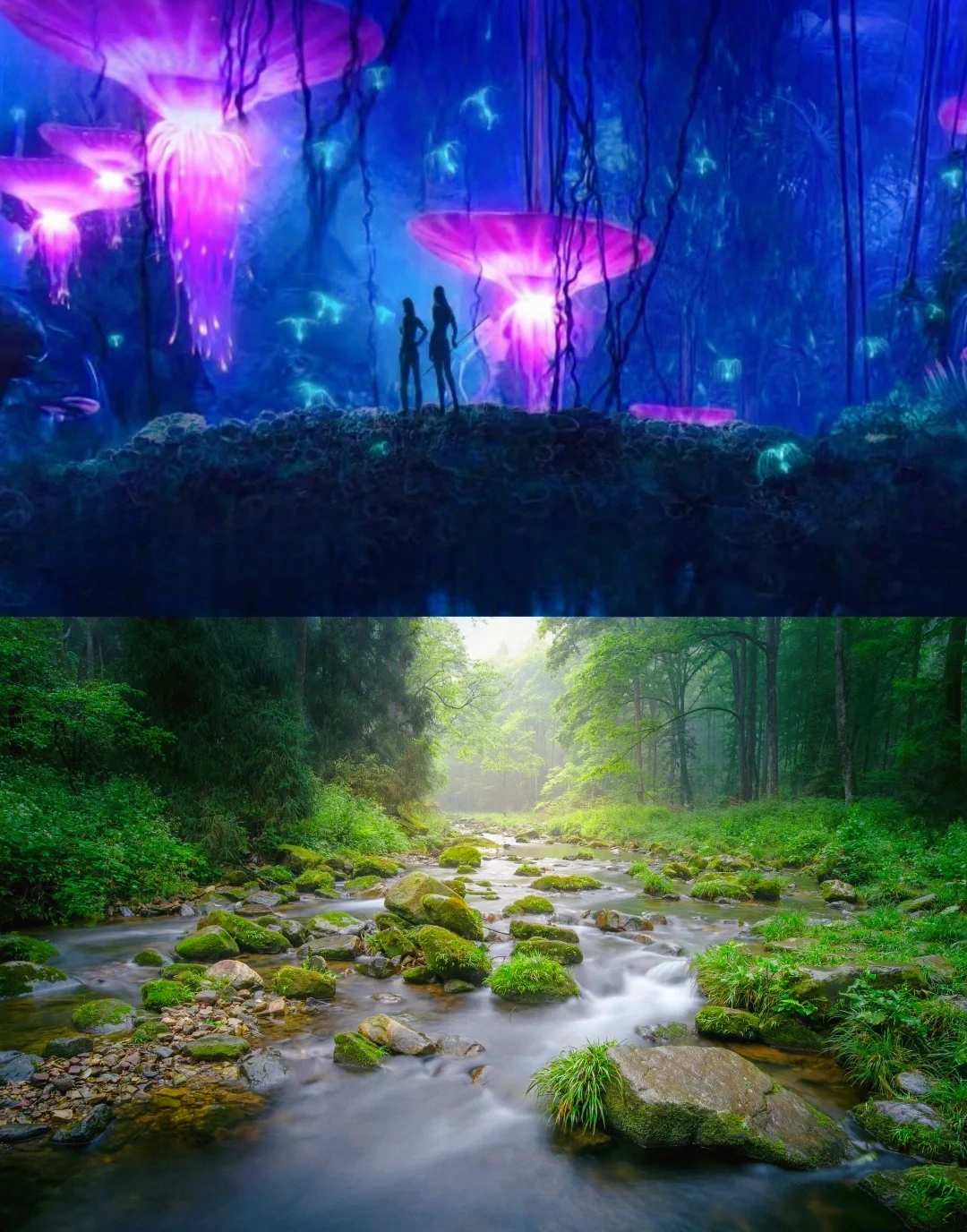
Natural Masterpiece – The Dialogue Between Water and Stone, Carved Over Millennia
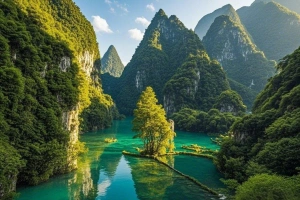
The core aesthetic code of Zhangjiang Scenic Area lies in the power of water—a seemingly gentle force that has left its most poetic traces upon hard limestone.
Xiaoqikong Scenic Area – The Quintessence of Karst Landscape Aesthetics
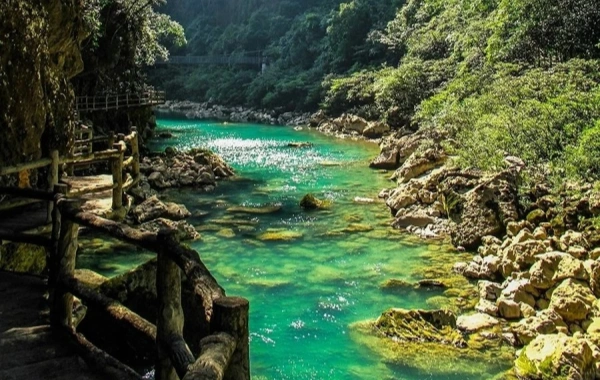
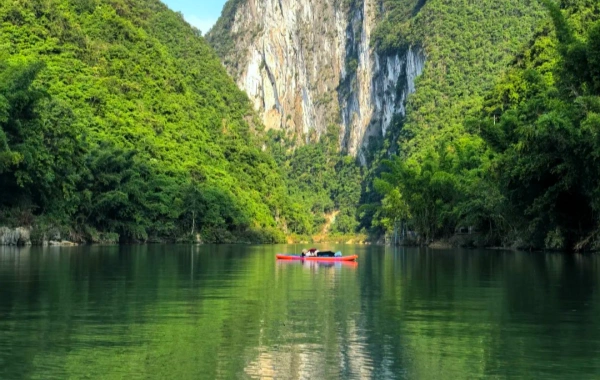
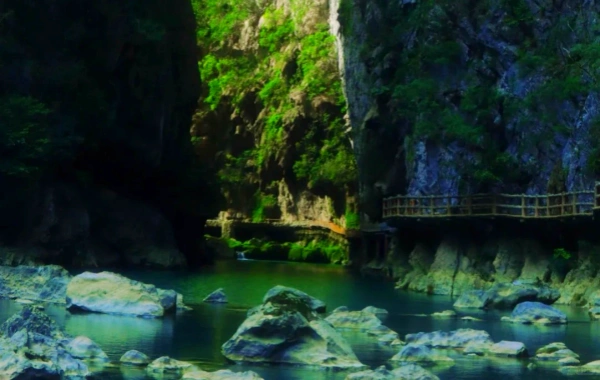
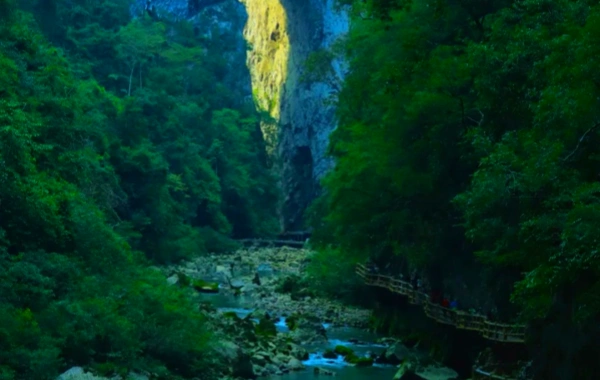
This is the soul of Zhangjiang Scenic Area, a roughly 7-kilometer gorge corridor that concentrates the full essence of Guizhou's karst landscapes .
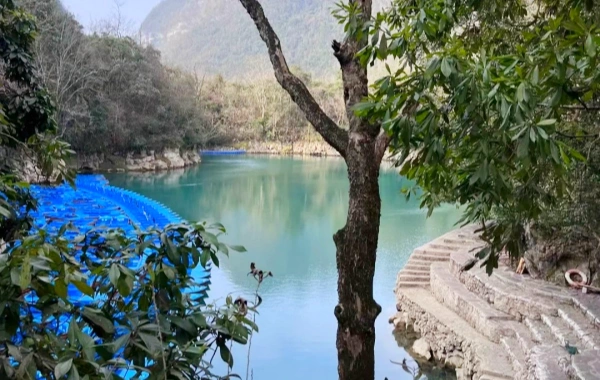
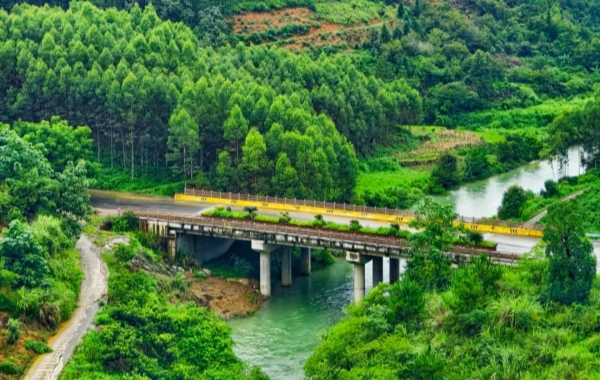
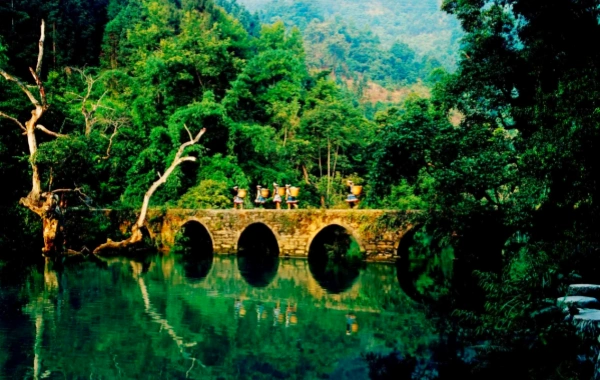
Xiaoqikong Ancient Bridge: The spiritual landmark of the scenic area. This blue-stone seven-arch bridge, built in the 15th year of the Daoguang Reign of the Qing Dynasty (1835), spans the Xiangshui River. Ivy drapes from its body, and emerald-jade waters flow beneath. The best viewing time is before 7:00 a.m., when morning mist still lingers over the river, the ancient bridge and distant mountains are perfectly mirrored in the water, and occasionally a Buyi villager crosses with shoulder poles—a living tableau of the classical poetic imagery "reeds are green, white dew turns to frost." This is a pilgrimage site for every photographer and the iconic cover image of Guizhou in Lonely Planet.
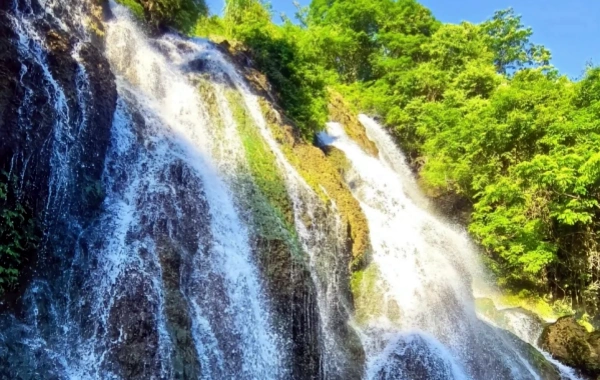
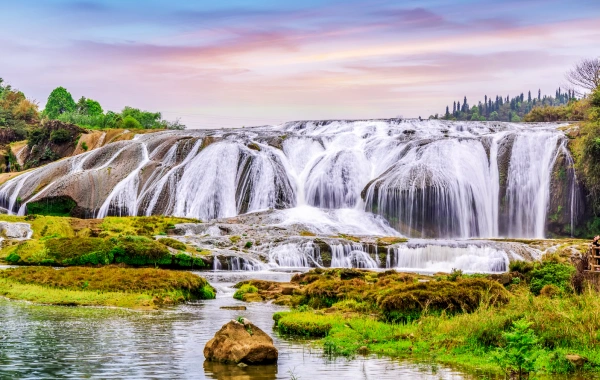
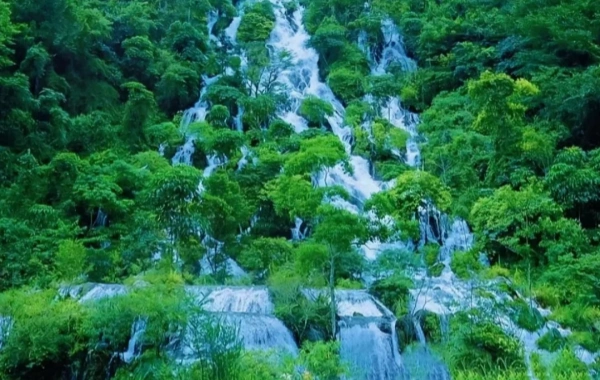
68-level Waterfall: A quatrain composed by flowing water. Along a 1.6-kilometer river valley, the turbulent Xiangshui River cascades down the natural joints of carbonate rock, creating 68 waterfall tiers of varying widths and drops. Its unique charm lies in the auditory landscape: the upper tiers tinkle like pearls falling on a jade plate, the middle tiers thunder like ten thousand galloping horses, and the lower tiers resonate deep and full like bells and drums. Ascending the trail step by step, the sound of water changes tone with every footstep .
Laya Waterfall: At the end of the 68-level waterfall trail, a 10-meter-wide, 30-meter-high waterfall abruptly plunges from verdant mountain slopes, like a bolt of white silk suspended in midair, its mist enveloping visitors. Standing before it, the concentration of negative oxygen ions reaches 60,000 per cubic centimeter—a complete purification for heart and lungs.
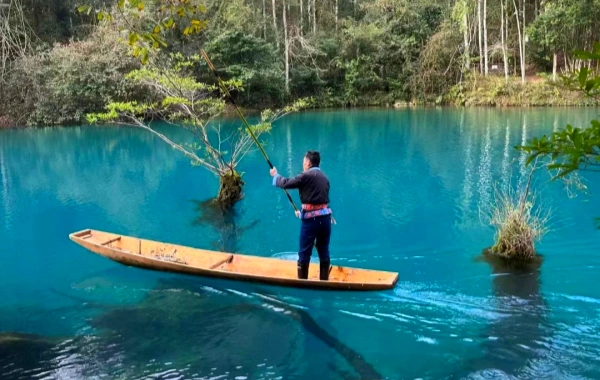
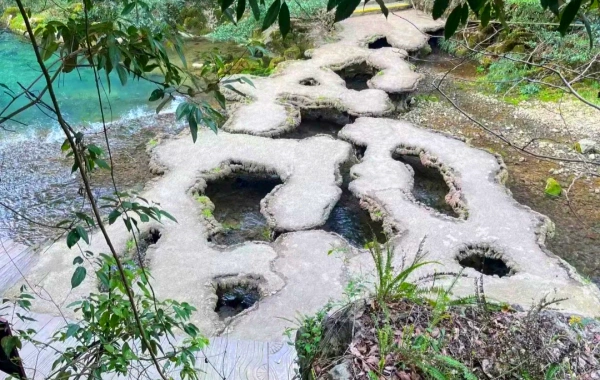
Water Forest: The most miraculous phenomenon of life on karst terrain. Along several hundred meters of river valley, the current rushes swift and clear. Tens of thousands of rare trees root directly into the carbonate rock riverbed, their root systems clutching the stone like dragon claws, standing firm against the relentless erosion of day and night. Experience: In summer, visitors can roll up their trousers, step barefoot into the cool river, and trace the current upstream through dappled light and shadow, immersing themselves in the fantasy realm of "forests growing in water, water flowing over stone."
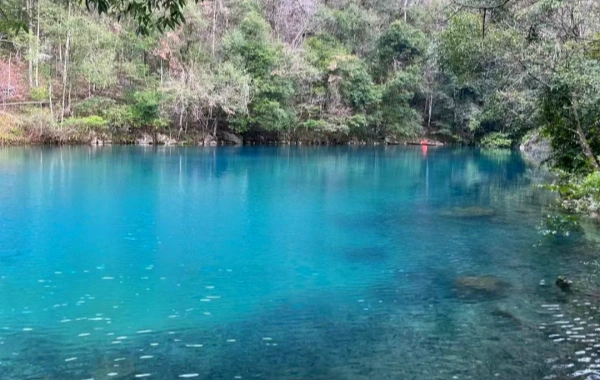
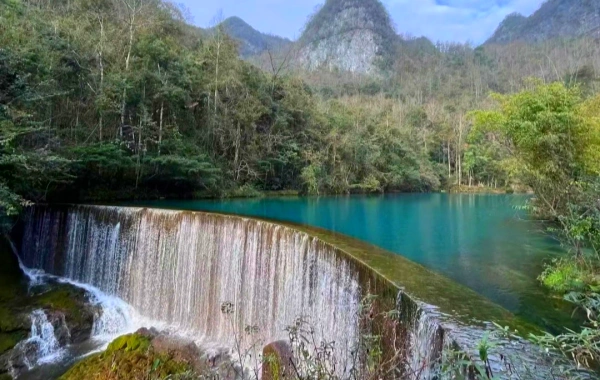
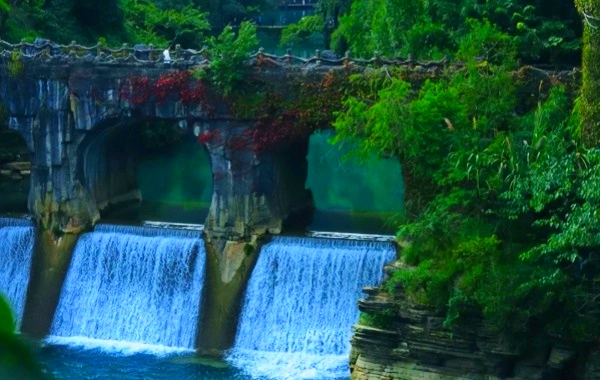
Wolong Pool: An arc-shaped waterfall formed by a man-made dam, its waters appear an intensely saturated azure blue due to exceptional clarity. The surface lies mirror-like, reflecting the pristine forest along its banks, the waterfall curtain hanging like strings of pearls. Photography Tip: Use long exposure to render the waterfall curtain as silken threads, creating a dynamic contrast with the jade-still pool.
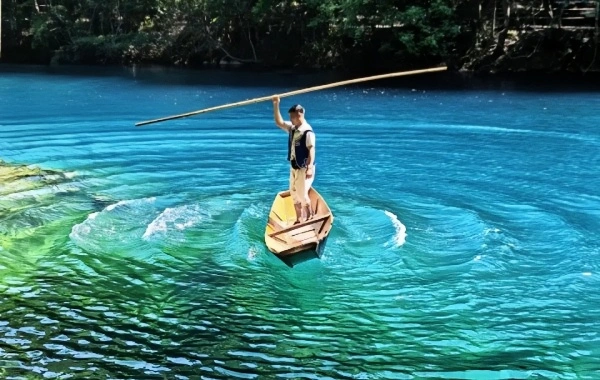
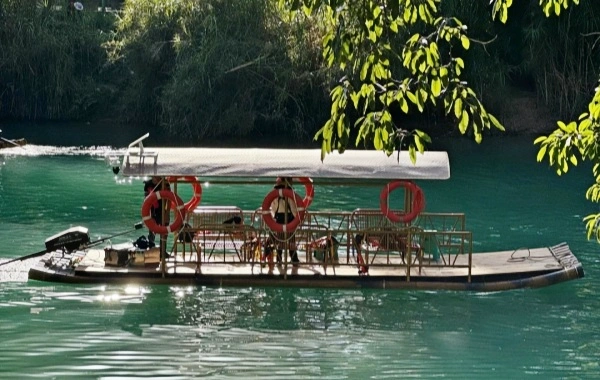
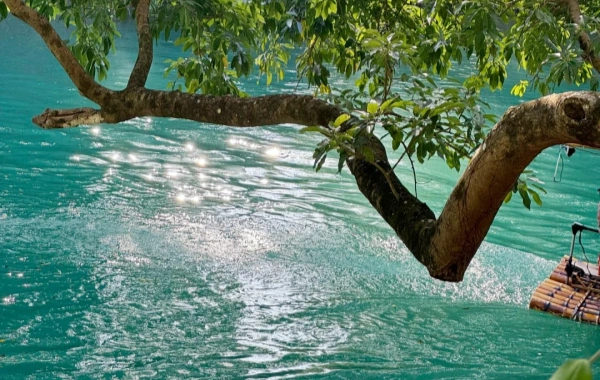
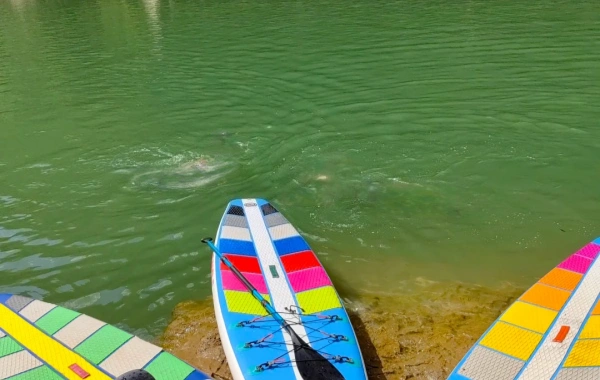
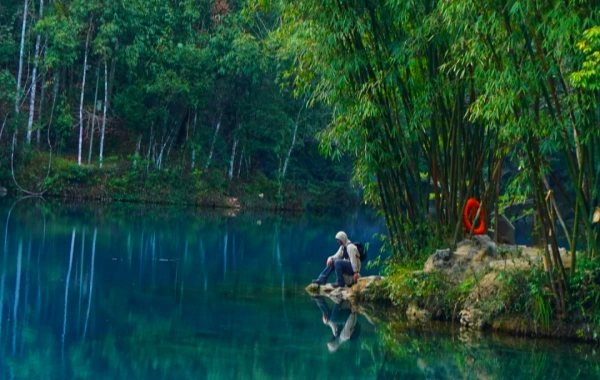
Yuanyang (Mandarin Duck) Lake: Two lakes separated by a natural rock island yet connected by underground rivers, inseparable like a pair of mandarin ducks. The lake reaches depths of 30 meters with visibility exceeding 10 meters, and dense karst water forests grow within. Core Experience: Paddle a transparent-bottom boat through the submerged stone pillars and ancient trees; light filters through the canopy in dappled patterns. This is the most tranquil and photogenic segment of the entire tour route.>>Xiaoqikong Bridge
Daqikong Scenic Area – A Symphony of Grandeur and Mystery
In contrast to Xiaoqikong's delicate beauty, Daqikong reveals the more majestic and mysterious aspect of karst landforms.
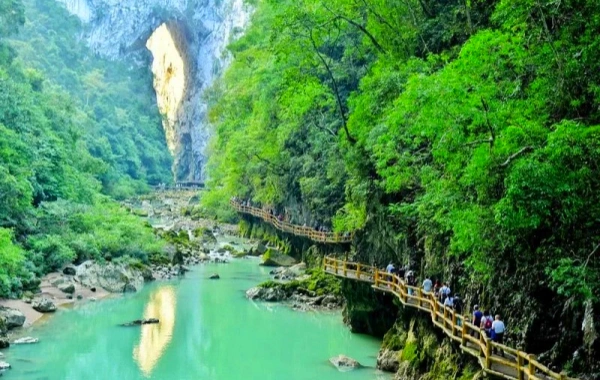
Natural Bridge: The visual climax of the entire scenic area. A 73-meter-high, 22-meter-wide natural karst arch spans the Fangcun River, its form as majestic as a giant gate, with deep emerald waters flowing beneath. Geologically termed a "soluti-onal natural bridge," it is the remnant arch structure after the collapse of an underground river's ceiling.
Viewing Perspective: Approach by boat tracing the river upstream; the natural bridge slowly emerges from the end of the gorge, its scale breathtaking. Disembark for a close view, looking up at the arch like a celestial gate opening in the sky, humanity rendered diminutive at its base.
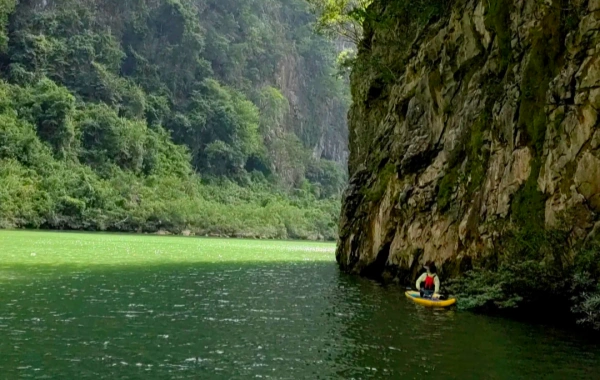
Horror Gorge and Demon Wind Cave: The hidden realm deep within Daqikong. The gorge narrows abruptly, cliffs on both sides sheared as if by axe blades, the river surface dark and deep. Legend holds that due to its unique topography, eerie wind sounds occur when barometric pressure changes, giving it the name "Demon Wind Cave." This is the most adventure-laden segment of the scenic area, ideal for travelers fascinated by geological wonders and mysterious atmospheres.
Shuichun River – A Wild Poetic Chapter of Drifting
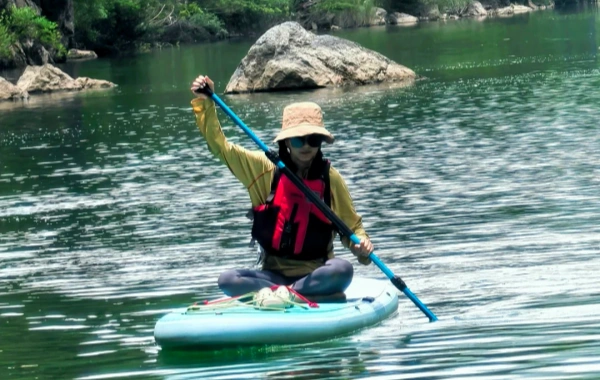
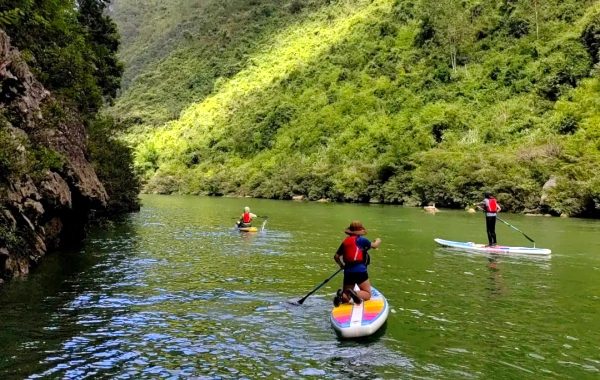
If Xiaoqikong represents the "stillness" of Zhangjiang, Shuichun River embodies its "movement." Along this 13-kilometer gorge, pristine forests line both banks, the river sometimes placid as a mirror, sometimes surging and roaring. From May to October annually, it ranks among Guizhou's most popular natural rafting destinations. The 13-kilometer course features over a dozen rapids and shallows; the full journey takes approximately three hours, offering the most exhilarating way to intimately experience the Zhangjiang River in summer .
Human Craftsmanship – Millennia of Livelihood and Artistry Between Mountains and Water
Amidst Zhangjiang's emerald waters and verdant mountains, humanity has left its imprint in the humblest and wisest ways.
Ancient Bridges – A Transportation History Etched in Stone
Xiaoqikong Ancient Bridge is Zhangjiang's most celebrated cultural landmark, but it is not alone. Dozens of Ming and Qing Dynasty stone arch bridges are scattered along the Zhangjiang River basin. They were once vital components of the Guizhou-Guangxi ancient post road, the thoroughfare for salt merchants, caravan horse teams, and villagers heading to markets. These bridges do not impress through grandeur but through their "humble integration into the landscape"—their stone slabs polished smooth by countless footsteps, their bodies draped in freely growing ivy and ferns, perfectly fused with nature.
Yaoshan Ancient Village – A Living Museum of White-trouser Yao Culture
Yaoshan Ancient Village, on the edge of Zhangjiang Scenic Area, is the primary settlement of the White-trouser Yao people, so named because the men traditionally wear white knee-length horse-riding trousers year-round. UNESCO has recognized them as one of the ethnic groups with the most completely preserved traditional culture, hailed as "living fossils of human civilization." The village preserves intact rammed earth walls, granary clusters, and bronze drum grounds.
Core Experience: Watch White-trouser Yao women dyeing and weaving traditional garments at their looms, and men striking bronze drums passed down through generations. Experience the livelihoods and beliefs that this "Oriental Indian" tribe has sustained among the karst mountains for millennia .
The Farming and Scholarly Traditions of Buyi and Shui Peoples
Dozens of Buyi and Shui villages dot the banks of the Zhangjiang River. The Buyi people's stilted wooden houses nestle against mountains beside waters; the Shui people preserve the ancient "Shui Script." The sixth day of the sixth lunar month is the Buyi people's traditional song festival, when villagers of all ages, dressed in their finest, gather by the Zhangjiang River for antiphonal singing. Their voices interweave with the thunder of waterfalls—a perfect opportunity to experience the ethnic minority cultures of southern Guizhou.
Photography & Experience Tips:
The optimal shooting time for Xiaoqikong Ancient Bridge is 07:00-08:30 a.m., when morning mist lingers and crowds have not yet arrived, ensuring the most complete reflections.
Wolong Pool is ideal for the classic composition of "azure water + curved waterfall curtain." A 16-35mm wide-angle lens at a low angle is recommended.
In summer, barefoot stream tracing is possible in the Water Forest. Quick-dry clothing and a waterproof phone pouch are advised.
Transparent boats at Yuanyang Lake operate on a first-come basis; morning visits are recommended to avoid group tour crowds.
The optimal viewing perspective for Daqikong Natural Bridge is from the boat. Boat service operates until 17:00; please note the last departure time.