Liurong Temple: A Journey to Discover the Ancient Zen Forest and the Spectacular Flower Pagoda

Liurong Temple: A Journey to Discover the Ancient Zen Forest and the Spectacular Flower Pagoda

Overview: A Wisdom Jungle Witnessing the History of Guangzhou
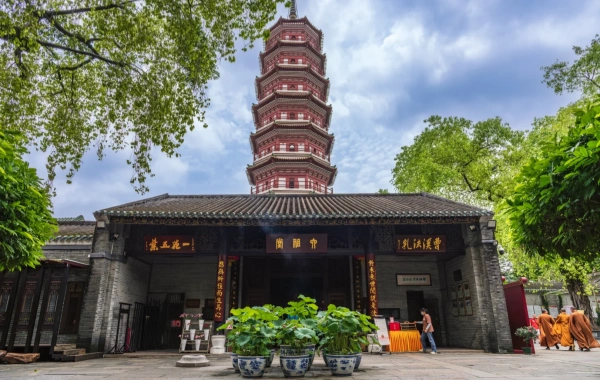
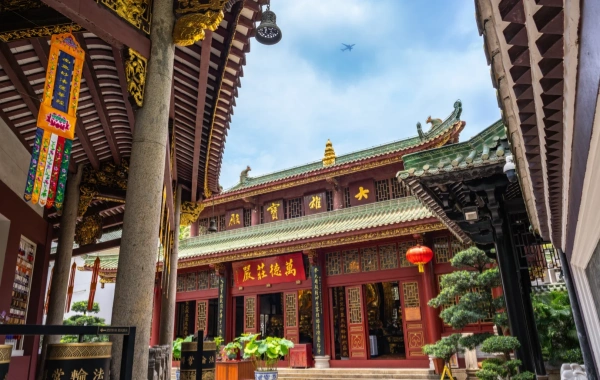
Liurong Temple is a thousand-year-old Buddhist temple complex covering an area of ​​approximately 7,000 square meters. It is one of the four major Buddhist temples in Guangzhou and is famous for its plaque inscribed by Su Dongpo and its spectacular "flower pagoda".

Key Highlights at a Glance
Identity Tags: One of the Four Major Buddhist Temples in Guangzhou / Place where Su Dongpo left his calligraphy / A gem of Lingnan wooden architecture
Core experiences: Admire the exquisite flower pagoda, explore the ancient banyan trees, appreciate Su Dongpo's calligraphy, and feel the Zen spirit of a thousand years.
Recommended visit time: 1-2 hours; suitable as part of a cultural stroll through Guangzhou's old town.
Address: No. 87, Liurong Road, Yuexiu District, Guangzhou City, Guangdong Province

  • Liurong Temple: A Journey to Discover the Ancient Zen Forest and the Spectacular Flower Pagoda-1
  • Liurong Temple: A Journey to Discover the Ancient Zen Forest and the Spectacular Flower Pagoda-2
  • Liurong Temple: A Journey to Discover the Ancient Zen Forest and the Spectacular Flower Pagoda-3
  • Liurong Temple: A Journey to Discover the Ancient Zen Forest and the Spectacular Flower Pagoda-4

Origin: The Connection Between Distinguished Scholars and a Thousand-Year-Old Lineage

Furong Ancient Town

The Names of Temples and Pagodas—Su Shi's Masterful Writing and the Legend of the Rlics
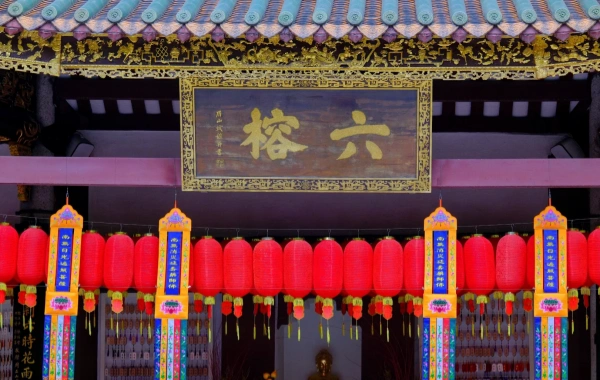
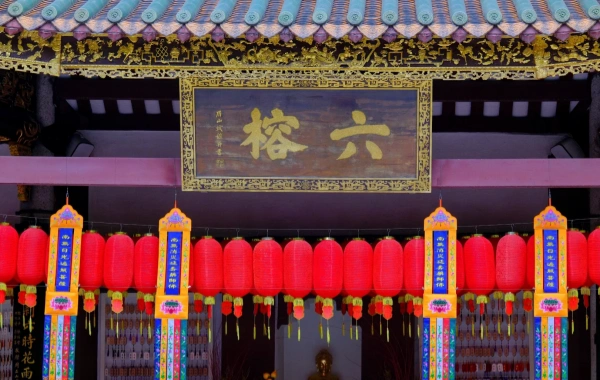
The name "Liu Rong" (Six Banyan Trees) originates from a well-known anecdote from the literary world of the Northern Song Dynasty. In 1100 AD, the great writer Su Dongpo, returning north from his exile in Hainan, passed through Guangzhou and visited this temple, which was then called "Jinghui Temple." Seeing the six ancient banyan trees within the temple grounds, their lush greenery providing ample shade, their intertwined roots teeming with life, Su Dongpo gladly accepted the abbot's request and inscribed the characters "Liu Rong" (Six Banyan Trees). His calligraphy was vigorous and lively. Thereafter, the temple's name gradually evolved into the more elegant and intimate "Liu Rong Temple," a name that has remained to this day.
The temple's iconic Flower Pagoda carries even more ancient Buddhist origins. Buried beneath the pagoda are Buddhist relics. Originally built during the reign of Emperor Wu of Liang in the Northern and Southern Dynasties, it was constructed to enshrine Buddhist relics brought from overseas, laying the foundation for the profound Buddhist culture of this area.

A Road of Change: From Stupa to Famous Temples in Lingnan
The history of Liurong Temple is an epic that breathes the same air as the city of Guangzhou, rising and falling with it:
- Founding of the Liang Dynasty (537 AD): Emperor Wu of Liang, Xiao Yan's maternal uncle obtained Buddhist relics from Cambodia. In order to welcome the relics, the governor of Guangzhou built Baozhuangyan Temple and the stupa for the relics. This marked the beginning of the temple and stupa.
- During the Tang Dynasty, the temple was renamed "Changshou Temple" and became an important Buddhist center in Lingnan. Wang Bo once visited the temple and wrote the famous "Stele of the Relic Pagoda of Baozhuangyan Temple in Guangzhou".
- During the Northern Song Dynasty's golden age: After the temple pagoda was destroyed by fire, it was rebuilt in 1097 into the Thousand Buddha Flower Pagoda we see today. Su Dongpo inscribed a plaque, which made the temple famous far and wide.
- From modern times to the present: Despite experiencing war and turmoil, it has been repeatedly destroyed and rebuilt. After being fully restored in the 1980s, it was designated as a key cultural relic under the protection of Guangdong Province. Its incense offerings have been increasing, and it continues to play a role in inheriting culture and purifying people's hearts.

In-depth understanding: Explore more famous historical temples in China >> [Shaolin Temple] | [Hanshan Temple]

Must-see wonders: architectural gems and cultural treasures

Furong Ancient Town Furong Ancient Town Furong Ancient Town Furong Ancient Town

Nature's Creation—The Everlasting Life Within the Zen Temple
Despite being located in a bustling city, Liurong Temple has become a tranquil ecological world of its own, where ancient trees and living creatures together interpret the meaning of Zen.

The ancient shade of the Six Banyan Trees: A thousand-year-old greenery as described by Su Dongpo
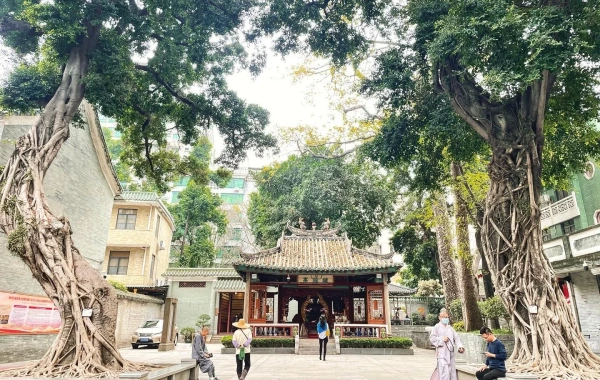
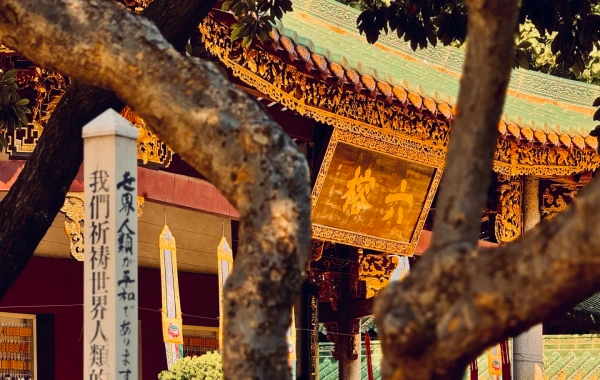
The six ancient banyan trees that inspired Su Dongpo to write calligraphy have weathered the storms of time, but their life continues in the temple in a new form. Today, the banyan trees replanted by later generations still flourish, especially the ancient banyan in front of the Mahavira Hall, its canopy like clouds and its roots like dragons, creating a green canopy for the temple. Strolling under the trees, a gentle breeze blows, as if one can have a dialogue across time with the literary giant of a thousand years ago. The "green" here is not just a color, but a direct manifestation of the continuity of historical life and the "vibrant" state of Zen Buddhism.

Bonsai Gardens: A Zen Universe Within a Small Space
The temple houses an exquisite bonsai garden, a showcase of Lingnan bonsai art. Each bonsai, each a masterpiece, has been meticulously cultivated and pruned by monks and artisans over decades. Within a small pot, the vigor of pines and cypresses, the aloofness of plum blossoms, and the tranquility of bamboo groves are condensed. This is not merely horticulture, but also a form of spiritual practice—finding the grand in the microcosm, comprehending the principles of nature through form, embodying the Buddhist philosophy of "a flower is a world, a leaf is a Bodhi tree."

Humanistic craftsmanship: Frozen epics and temples of art
The architecture and cultural relics of Liurong Temple are living fossils of the religious, architectural and art history of the Lingnan region.

Thousand Buddha Flower Pagoda: A Magnificent Movement of Soaring Dougong (bracket sets)
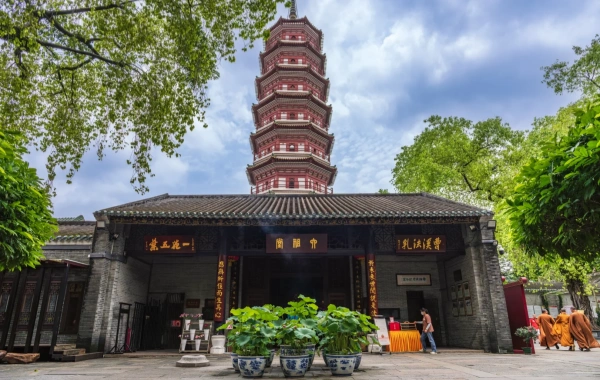
The Flower Pagoda is the soul of Liurong Temple and an outstanding representative of Chinese pavilion-style brick pagodas.
- Magnificent Appearance: The tower stands 57.6 meters tall, with nine visible levels and seventeen hidden levels inside. Its red and white exterior resembles a soaring flower pillar, hence the name "Flower Tower." Each level is covered with glazed tiles, and the eight corners are slightly upturned, like blooming petals, shimmering brilliantly in the sunlight.
- Exquisite Structure: The tower features a spiral staircase leading to the top. From the top, one can vaguely discern the atmosphere of "Flower Tower in the Sunny Mist," one of the Eight Scenic Spots of Guangzhou in ancient times, and enjoy a panoramic view of the old city of Guangzhou. The thousand-Buddha bronze pillar at the top of the tower, along with the Buddha statues, the Nine Heavens Plate, and the precious pearl, weighs over 5,000 kilograms in total. The casting craftsmanship is superb, and it has stood firm through wind and rain.

The Mahavira Hall and Guanyin Hall: An Artistic Space of Solemn Buddhist Images
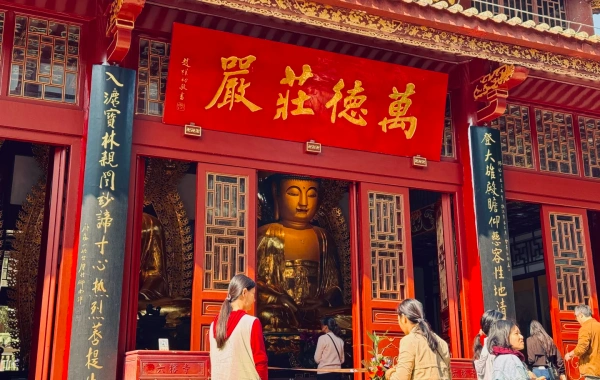
- The Great Buddha Hall: The hall houses three colossal bronze Buddha statues, cast during the reign of Emperor Kangxi of the Qing Dynasty. Each statue weighs 10 tons and possesses a solemn appearance, making them rare examples of giant bronze Buddhist statues in South China. The hall is majestic, supported by dougong brackets, and retains the style of Ming and Qing dynasty palaces in Lingnan.
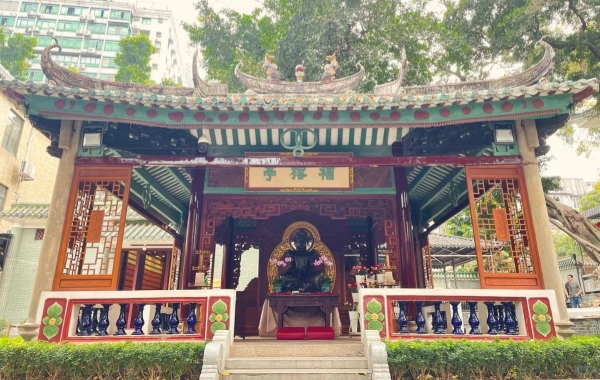
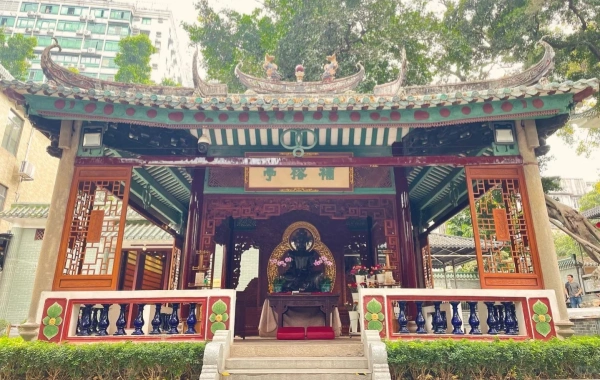
- Guanyin Hall: Home to a beautiful bronze statue of Guanyin, with a compassionate and serene expression and exquisite craftsmanship. This place is particularly popular with worshippers, serving as a tranquil spot for making wishes and praying for blessings.

Stele Gallery and Plaques: A Dialogue Between Documents Across Time
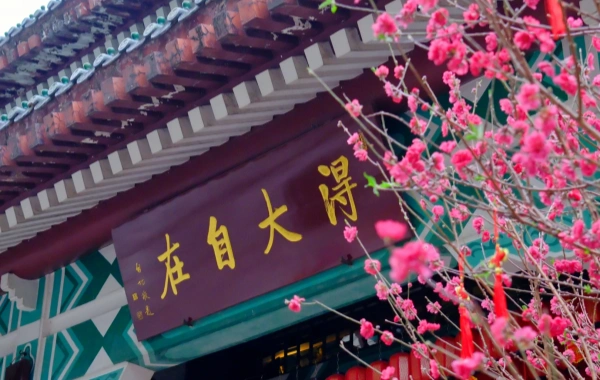
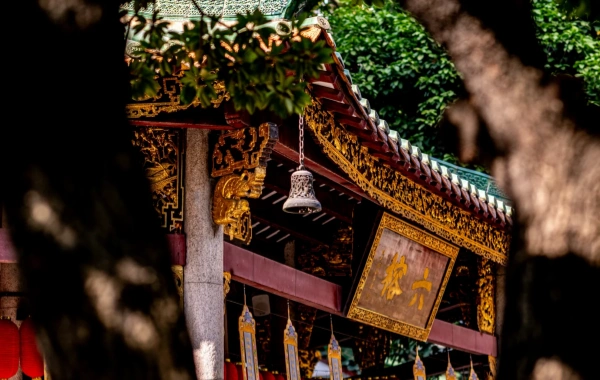
The temple's stele gallery houses numerous precious stone inscriptions dating back to the Song Dynasty, including a replica of the full text of Wang Bo's "Stele of the Relic Pagoda of Baozhuangyan Temple in Guangzhou," a valuable resource for studying Guangzhou's history and the spread of Buddhism. The "Six Banyan Trees" plaque hanging above the mountain gate, though not an original work by Su Shi (Dongpo), faithfully captures the spirit of his calligraphy and serves as a cultural symbol of the temple.

Photography Tips:
The best vantage point for a panoramic view of the Flower Pagoda is in front of the release pond at the temple entrance, where you can capture both the pagoda's reflection and its image.
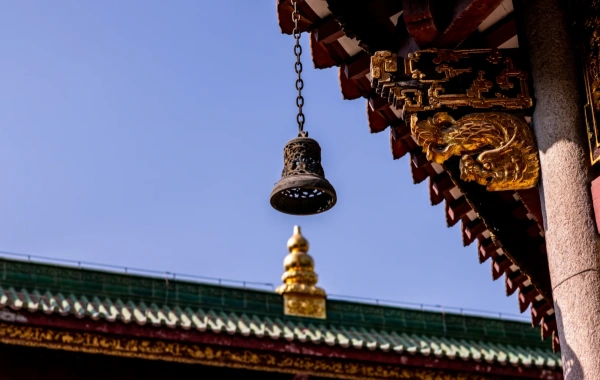
Use a telephoto lens to capture the exquisite details of the glazed tile eaves of the tower;
In the early morning or after rain when there are fewer people, you can capture images of ancient trees and palaces shrouded in a tranquil atmosphere;
The Buddha statues inside the hall are solemn; please maintain respect when taking photos and refrain from using flash.

Core Experience: A Guide to Immersive Zen Living

Furong Ancient Town Furong Ancient Town Furong Ancient Town

Four Must-Do Things to Unlock the Complete Liurong Trip
1. Climb the Flower Tower and embrace the ancient charm of Guangzhou.
Experience: Ascend the tower's wooden staircase, feeling the breath of the ancient architecture with every step. Reach the top floor, gaze north at Yuexiu Mountain, and south at the Pearl River, searching for preserved historical traces amidst the modern city skyline.
Tip: The stairs inside the tower are quite steep, so please walk slowly and carefully when going up and down.
2. Seeking out the Six Banyan Trees, immersing oneself in a thousand years of literary tradition.
Experience: Stand under the ancient banyan tree, touch the mottled trunk, and feel the endless power of nature. Reflect on Su Dongpo's state of mind under this tree, and perhaps you will gain a new understanding of "Home is where the heart is."
Interactive activity: Carefully observe the couplets and stone carvings throughout the temple, and appreciate the Buddhist principles and poetic sentiments they contain.
3. Contemplate the Buddha statue and appreciate its beauty.
Experience: Quietly gaze up at the three Buddha statues in the main hall, observe the smooth lines of their robes and their serene and peaceful faces, and appreciate the pinnacle of Qing Dynasty bronze casting craftsmanship and the aesthetic pursuit of "solemnity and compassion" in Buddhist art.
4. Calm your mind and enjoy a moment of peace.
Experience: Light an incense stick at the temple's distribution center and offer it with sincere reverence before the incense burner; or sit on a stone bench under a banyan tree, listening to the gentle sounds of wind chimes and chanting, allowing the hustle and bustle of the city to temporarily subside. Occasionally, there are Dharma assemblies held within the temple grounds; if you happen to be there, you can observe quietly from outside the hall and experience the rich religious atmosphere.

Suggested tour routes
A quintessential "Tranquil Exploration of Antiquity" tour (approximately 1.5 hours, recommended route):
Mountain Gate (admire the "Six Banyan Trees" plaque) → Hall of Heavenly Kings → Flower Pagoda (climb the pagoda for a view) → Grand Hall of the Great Buddha (pay homage to the bronze Buddha) → Guanyin Hall → Stele Corridor (read about history) → Six Banyan Trees Ancient Tree Area (rest and contemplate) → Legal Affairs Circulation Center (optional).
IntoTravelChina Tip: This itinerary is relaxed and highlights key points. Comfortable shoes are recommended for climbing the tower and walking.

Half-day "in-depth cultural" tour (approximately 3-4 hours, combined with surrounding area):
Arrive at Liurong Temple at 9:00 AM and explore the temple according to the above-mentioned essential route, focusing on studying the stele gallery and sitting quietly under the ancient trees. → Enjoy authentic Guangzhou cuisine (such as wonton noodles and claypot rice) near Liurong Road at noon. → In the afternoon, walk to the Sun Yat-sen Memorial Hall (about a 10-minute walk) to visit this magnificent modern building and learn about the life and deeds of Dr. Sun Yat-sen. → End of tour.
IntoTravelChina's advantages: We can book the most suitable accommodations for you, arrange all the connections between activities, and provide detailed hiking route maps and safety guidelines.
Professional Guide: IntoTravelChina offers personalized itineraries, including a dedicated guide, transportation, and activity arrangements, ensuring a worry-free and in-depth travel experience. >> [Inquire Now for a Customized Itinerary]

Complete travel guide: transportation, seasons and surrounding areas

Furong Ancient Town Furong Ancient Town

How to get there: A convenient guide to the city center
Liurong Temple is located in the core area of ​​Guangzhou's old city, with extremely convenient transportation.
- Subway (highly recommended): Take Guangzhou Metro Line 1 or Line 2 to "Gongyuanqian Station", exit from Exit I2, and walk approximately 600 meters. Alternatively, take Metro Line 1 to "Ximenkou Station" and walk approximately 500 meters.
- By bus: Several bus lines can reach "Liurong Road Station" or "Zhongshan Sixth Road Station", and it is a short walk from the station.
- By car: The temple is located in the old city, and parking is extremely limited. We strongly advise against driving there. You can park your car at the nearby People's Park or Sun Yat-sen Memorial Hall parking lot and then walk over.

Best time to visit
Liurong Temple is suitable for all seasons, but the experience is different at different times.
- Spring and autumn are the best times to visit (March-May, October-November): the climate is mild and pleasant, the temple grounds are lush with trees, the view from the tower is clear, and the experience is most comfortable.
- Summer mornings (June-September): Guangzhou summers are hot, so it's recommended to arrive before 9 am when the temperature is relatively cool and there are fewer tourists, allowing you to enjoy the tranquility of the temple. Please take precautions against heatstroke and sunburn.
- Sunny days in winter (December-February): Guangzhou's winters are warm, and the colors of the Flower Pagoda are particularly vibrant under the sunlight. Around the Spring Festival, there are many prayer activities in the temple, creating a unique atmosphere where the festive spirit and the scent of incense coexist.

Accommodation options (for reference during extended trips)
Liurong Temple itself does not require accommodation, but it can be a good stop on your Guangzhou trip. There are plenty of accommodation options nearby:
- Historical and cultural area (preferred):
Hotels near Beijing Road/Zhongshan Road: Located on Guangzhou's traditional central axis, within walking distance of Liurong Temple, Beijing Road Pedestrian Street, City God Temple, etc., with a wide variety of delicious food and a lively nightlife, allowing you to immerse yourself in the local Guangzhou atmosphere.
- Modern convenience zone:
Hotels near Yuexiu Park/Xiaobei: The environment is relatively quiet, close to Yuexiu Park and the Museum of the Western Han Dynasty Mausoleum of the Nanyue King, and conveniently located by subway, making them suitable for tourists who prefer a quiet environment but also need convenient transportation.
- Pearl River Scenic Area:
Riverside Road/Haizhu Square Hotel: Offers stunning views of the Pearl River at night. Located approximately 2-3 kilometers from Liurong Temple, it is easily accessible by taxi or subway, making it suitable for tourists who appreciate river views.

IntoTravelChina Travel Advice:
Liurong Temple is the perfect starting point for an in-depth cultural tour of Guangzhou. Booking through us allows you to seamlessly connect Liurong Temple with other attractions such as Guangxiao Temple, Chen Clan Academy, and Shamian Island into a one- or two-day "Guangdong Culture Tour," including transportation and guided tours, allowing you to deeply understand the essence of Lingnan culture. >> [Click to contact an IntoTravelChina travel consultant]

Join hands with IntoTravelChina to embark on your exclusive cultural exploration journey

Furong Ancient Town

The story of Liurong Temple is about cultural inheritance, spiritual refuge, and the warmth of history. IntoTravelChina focuses on creating in-depth, personalized, and worry-free travel experiences in China. Our travel experts can help you:
- Tailor-made itinerary: Design the perfect route that includes Liurong Temple and surrounding attractions in Guangzhou and Lingnan, based on your interests and time.
- One-stop service: handle tickets, unique accommodations, transportation, professional cultural guides, and activity reservations.
- Exclusive experiences: arrangements for temple morning prayers (if available), intangible cultural heritage handicraft experiences, and exploration of time-honored restaurants, etc.

Make your trip to Liurong Temple more than just sightseeing; make it a profound dialogue with history, culture, and your inner self.
Start planning your trip now!
Welcome to contact our professional travel consultants. We will provide you with a customized itinerary and quote within 24 hours. >> [Click to contact an IntoTravelChina travel consultant]

Recommended Tours

Top 3 tours chosen by most customers to explore in the best way. Check the detailed itinerary, or tailor your own trip now with us.

Zhangjiajie Tour
Shenzhen Shantou 3-Day Tour

3 Days  |  Shenzhen-Shantou

Zhangjiajie Tour
Shenzhen Guangzhou Zhangjiajie 7-Day Tour

7 Days  |  shenzhen-guangzhou-zhangjiajie

What Our Clients Say?

Based on 10,000+ traveler reviews

...
Daniel Dorothea
Canada
Reviewed on April 29,2025
Shopping on Nanjing Road in Shanghai was just amazing! It's truly the "First Commercial Street of China", where tradition and modernity blend perfectly. You can find awesome souvenirs and experience the trendy vibes in cool stores. The neon lights at night are just spectacular, shining bright like Times Square in New York. The food here is incredible too. I had a feast for my taste buds. Shanghai, I'll definitely be back!
Destination(s): Shanghai
Date of Experience: May 08,2024
...
...
Elvis Eva
Canada
Reviewed on June 20,2025
As a solo traveler from Canada, I was nervous about navigating China alone—but this 11-day tour was PERFECT! From hiking the Great Wall at sunrise (Day 3) to gasping at the Terracotta Army (Day 5), every day delivered ‘pinch-me’ moments. The real showstopper? Zhangjiajie’s Avatar Mountains (Day 7)! Our guide made the stone pillars come alive with stories. Massive thanks for handling all logistics—bullet train tickets, entry passes, car! And the 4-star hotels surprised me.
Destination(s): Beijing Xian Zhangjiajie Shanghai
Date of Experience: June 02,2025
... ... ...
...
Simon
America
Reviewed on May 29,2025
Our 2-day Zhangjiajie tour was beyond spectacular! As someone who’s visited Beijing and Shanghai for work, this trip revealed China’s wild, magical heart. Day 1 in Zhangjiajie National Forest Park felt like stepping onto Pandora—I’m a huge Avatar fan, and Yuanjiajie’s floating peaks left me breathless. The misty pillars and lush valleys like pure movie magic! Then came Fenghuang Ancient Town, we eat dinner beside the thundering waterfall. It seems Unreal! The night views of stilt houses glowing over the river were straight from a fairy tale. For fellow Avatar lovers and adventure seekers: Don’t miss this bucket-list experience! 10/10 would return. A Well-Traveled Film Buff, May 2025
Destination(s): Zhangjiajie
Date of Experience: May 08,2025
... ...

Ask a Question

Question Summary (100 characters)
Details (optional) (2,000 characters)
Name
Country
Email