Yumenguan Pass: A Journey Through Two Thousand Years of Frontier Poetry and Vigilance

Yumenguan Pass: A Journey Through Two Thousand Years of Frontier Poetry and Vigilance

Overview: A Mighty Silk Road Fortress Bearing the Memories of Civilization

Yumenguan Pass—an ancient gateway originally established during the reign of Emperor Wu of the Western Han Dynasty—derives its name from the exquisite jade of the Western Regions (specifically Khotan) that passed through it on its way eastward. It once served as the Han Dynasty's westernmost military bulwark and a vital choke point for Silk Road traffic.

Key Highlights at a Glance

Identity Tags: World Cultural Heritage Site / Gateway to the Han Dynasty Silk Road

Core Experiences: Ascending the ruins of the Little Square City; hiking along the Han Great Wall

Recommended Visit Duration: 1.5–3 hours; best combined with the Yardang National Geopark (Devil City) and Yangguan Pass to form a "Dunhuang West Route" day tour

Scenic Area Address: 90 km northwest of Dunhuang City, Gansu Province

  • Yumenguan Pass: A Journey Through Two Thousand Years of Frontier Poetry and Vigilance-1
  • Yumenguan Pass: A Journey Through Two Thousand Years of Frontier Poetry and Vigilance-2
  • Yumenguan Pass: A Journey Through Two Thousand Years of Frontier Poetry and Vigilance-3
  • Yumenguan Pass: A Journey Through Two Thousand Years of Frontier Poetry and Vigilance-4

Origins: A Thousand-Year-Old Fortress and Silk Road Memories

Furong Ancient Town Furong Ancient Town

The Name of the Fortress—The Legend Behind "Yumen"

The name "Yumenguan" (Jade Gate Pass) stems from an ancient legend involving jade and the Silk Road. According to lore, during the Western Han Dynasty, exquisite jade from Khotan in the Western Regions (present-day Hotan) was transported through this pass into the Central Plains. To ensure the safe and smooth passage of this precious cargo, a luminous, dark-green jade stone was embedded atop the gate tower. As night fell, this stone would emit a dazzling glow, guiding passing caravans through the darkness—hence the name "Yumenguan" (Jade Gate Pass). A touching folktale known as "The Lost Horses" also circulates among the locals: a caravan transporting jade became lost in the nearby marshes but was saved by the guidance of wild geese. After vowing to adorn the gate tower with jade in gratitude, they finally found their way to safety; from that day forward, the fortress was endowed with a radiant light that illuminated the path ahead. 

The Key to the Silk Road—From Military Fortress to Civilizational Hub

The establishment of Yumen Pass marks a magnificent chapter in Emperor Wu of Han’s strategic administration of the Western Regions:

Strategic Foundation (121–107 BC): After General Huo Qubing decisively defeated the Xiongnu in two campaigns in the Hexi Corridor, the Han Dynasty established the Four Commanderies of Hexi and erected a network of watchtowers and fortifications extending all the way to Yumen. Yumen Pass, standing alongside Yang Pass, became known as the "Two Passes"—the primary western gateway of the Han Empire.

Silk Road Prosperity (During the Han Dynasties): As the starting point of the Northern Route of the Western Regions, this site resonated with the gentle chiming of camel bells and bustled with an endless stream of caravans. Silk, jade, spices, and fine horses converged here, marking the very spot where Eastern and Western civilizations met and exchanged.

A Timeless Sentinel (Spanning a Millennium): During the Sui and Tang dynasties, the pass’s location was relocated eastward to Guazhou, and the original Han-era Yumen Pass gradually fell into disuse. Yet, the poetic line "The spring breeze blows not past Yumen Pass" ensures its eternal presence within our cultural memory.

World Heritage (2014): As a designated site within the "Silk Roads: Chang'an-Tianshan Corridor" network, Yumen Pass was inscribed on the UNESCO World Heritage List, becoming a shared civilizational memory for all of humanity.

> Dive Deeper: Explore More Silk Road World Heritage Sites >>West Lake in Hangzhou[Lugu Lake]

Must-See Wonders: A Stark and Epic Saga of Nature and Humanity

Furong Ancient Town Furong Ancient Town Furong Ancient Town Furong Ancient Town

Nature’s Handiwork—A Majestic Panorama of Desert and Gobi

The natural landscape surrounding Yumen Pass is an eternal dialogue between vastness, wind-swept sands, and shifting light.

The Soul of the Gobi: The Vastness and Solitude of the Boundless Desert

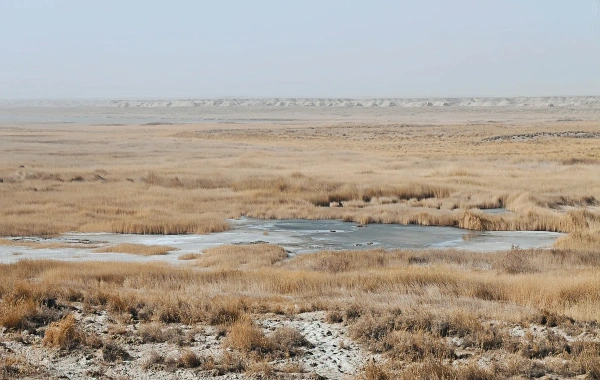
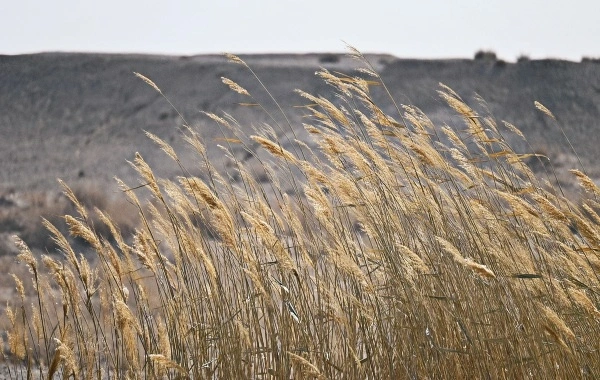
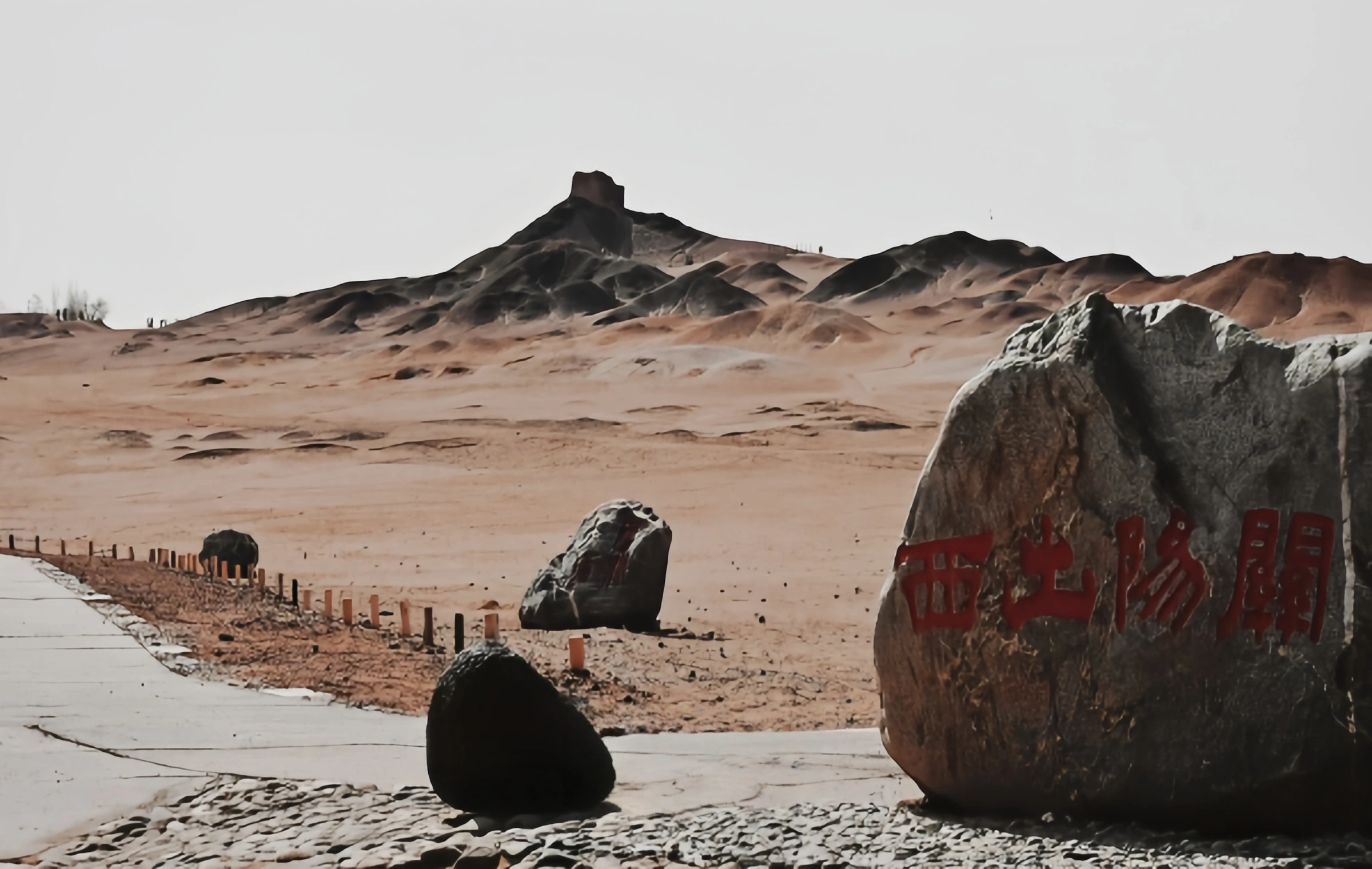
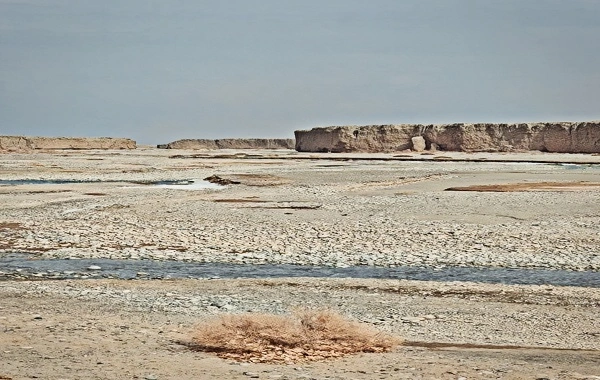
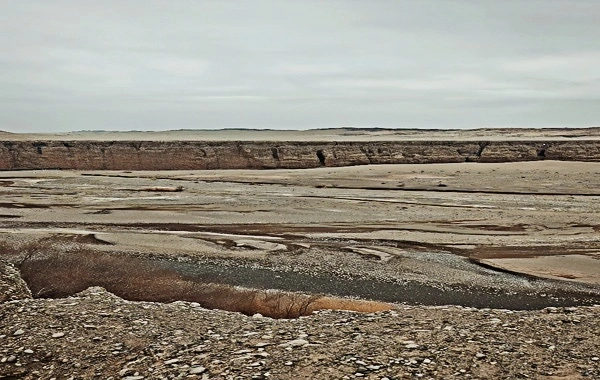
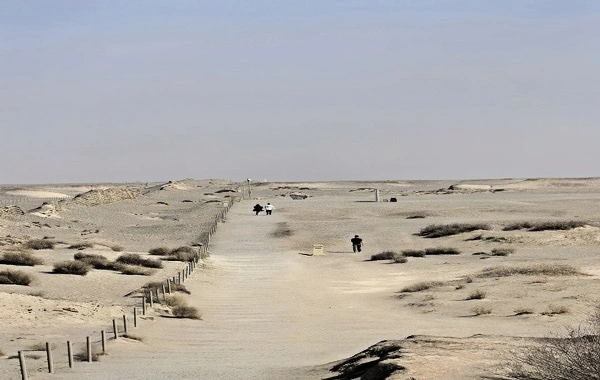
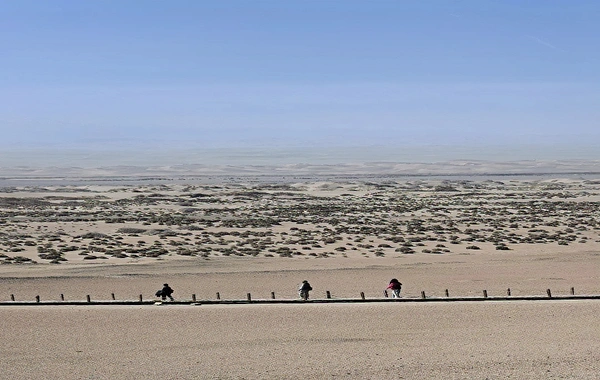
Standing before the ruins of Yumen Pass and gazing out in every direction, one sees over a hundred thousand square kilometers of Gobi desert stretching toward the horizon—a world where earth and sky merge into a single, stark hue of ochre and yellow. Here, there are no lush trees or blooming flowers; only wind-sculpted rocks and sand, and the resilient, tenacious camel thorn. At dawn, as the sun rises, sunlight gilds the edges of the earth; at high noon, heatwaves shimmer above the horizon, conjuring illusory mirages; in the evening, as the sun sinks in the west, its lingering glow dyes the Gobi a blood-red hue, leaving—it seems—only this solitary, majestic pass standing between heaven and earth. Photography Tip: The hour following sunrise and the hour preceding sunset are the optimal times for photographing the Gobi; the angle of the light during these periods best highlights the textures and contours of the landscape.

Whispers of the Wind: Time’s Sculpture on Wind-Eroded Terrain

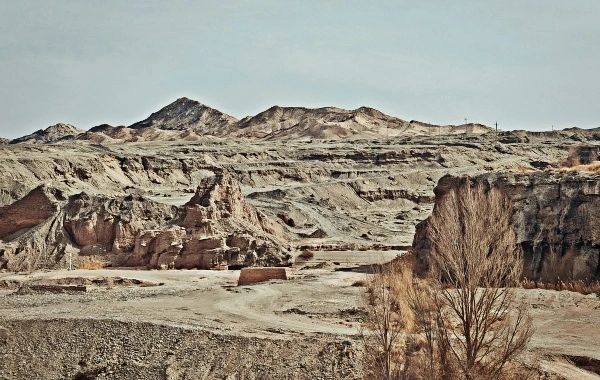
Two thousand years of wind and sand have sculpted the rocks surrounding Yumenguan (Jade Gate Pass) into a myriad of forms. Along the scenic route, one can observe nascent Yardang landforms—such as wind-eroded "mushrooms" and pillars—where every ravine serves as a brushstroke of the wind, and every fissure marks a notch on the scale of time. Han Dynasty beacon towers stand unyielding amidst the wind and sand; within their rammed-earth walls, faint traces of the original tamarisk layers remain visible—a testament to the ancient garrison soldiers' ingenuity in fortification: "using tamarisk as bone, and earth as flesh."

The Skyline: A Distant Gaze—Qilian Snow Peaks and the Desert Wilderness

On clear days, a gaze toward the southeast reveals a magnificent contrast between the snow-capped peaks of the Qilian Mountains and the desolate expanse of the Gobi Desert. The meltwater from these snow mountains once nourished the Dunhuang Oasis, just as it sustained this thousand-year-old Silk Road. The best vantage point for this spectacle is atop the ruins of Xiaofangpancheng (the "Small Square City"); it is recommended to bring a telephoto lens to capture a framed shot featuring both the snow peaks and the ancient pass.

Human Ingenuity: A Frontier Monument Forged in Rammed Earth

Every inch of these ruins stands as a testament to the military wisdom and frontier spirit of the Han Dynasty.

Xiaofangpancheng (The Yumenguan Ruins): The Thousand-Year Vigil of the Silk Road's Gateway

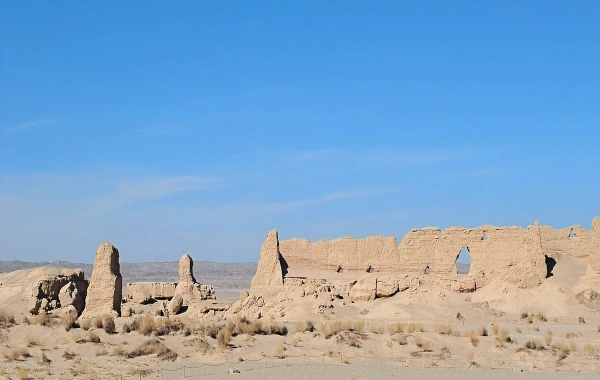
As the core structure of Yumenguan, Xiaofangpancheng is a square fortress constructed entirely of rammed earth. It measures 24 meters from east to west and 26.4 meters from north to south, covering a total area of ​​just 633 square meters. The city walls rise to a height of approximately 10 meters, tapering from a base width of 5 meters to a top width of 3 meters. Gates are situated on the northwest and southwest sides; the parapets that once crowned the walls have vanished, but the internal rampways—designed to allow both soldiers and horses direct access to the top of the walls—remain intact. Ascending the fortress walls, you stand upon the very steps once trodden by Han Dynasty garrison soldiers, gazing out at the same stretch of Gobi desert they surveyed two millennia ago. Standing here, you come to grasp the source of that desolate grandeur—"a solitary fortress amidst ten thousand towering peaks"—and to understand the complex emotions of those frontier defenders, captured in the poignant query: "Why must the Qiang flute lament the willow trees?"

The Ruins of the Han Great Wall: A Defense Line Forged from Loess and Tamarisk

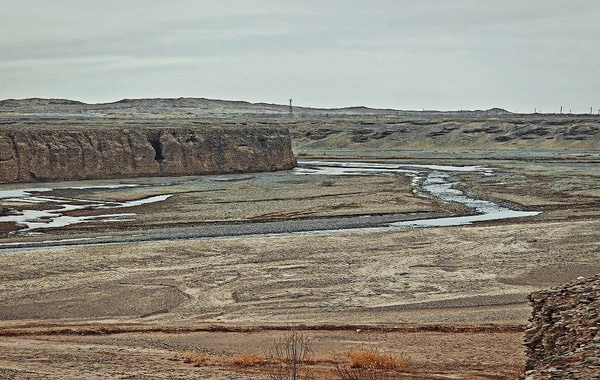
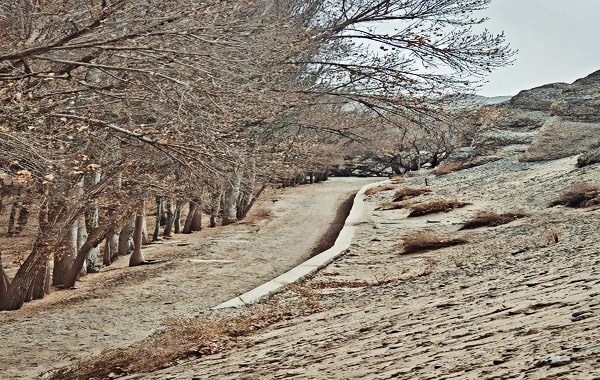
Not far from Yumen Pass, the ruins of the Han Great Wall snake across the Gobi like a colossal dragon. This section of the Great Wall was constructed by tamping down layers of loess soil alternating with tamarisk branches; its defensive network—structured with "a beacon tower every five *li* and a watchtower every ten *li*"—remains clearly discernible to this day. A close examination of the wall's cross-section reveals the distinct alternation between layers of tamarisk and rammed earth—the tamarisk serving as the skeleton, the loess as the flesh—a testament to the ingenuity of ancient fortification engineering that inspires profound admiration. As you stroll through this landscape, you can almost hear the echoes of the signal horns that once sounded from the beacon towers, relaying vital military intelligence across the land.

Hecang Fortress (Dafangpan Fortress): A Military Granary Deep within the Gobi

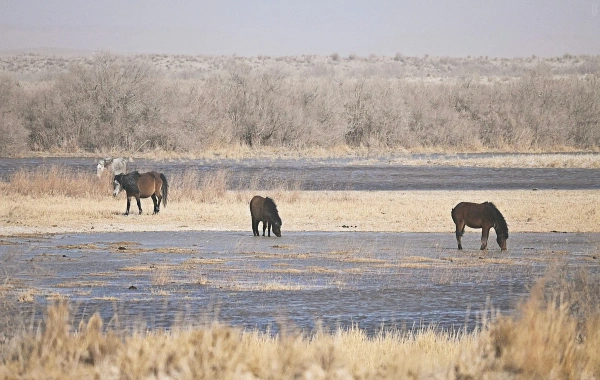
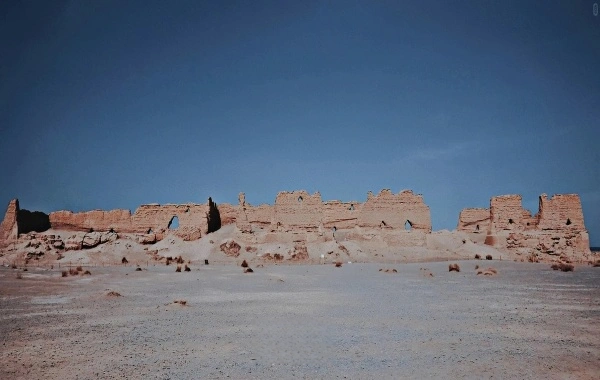
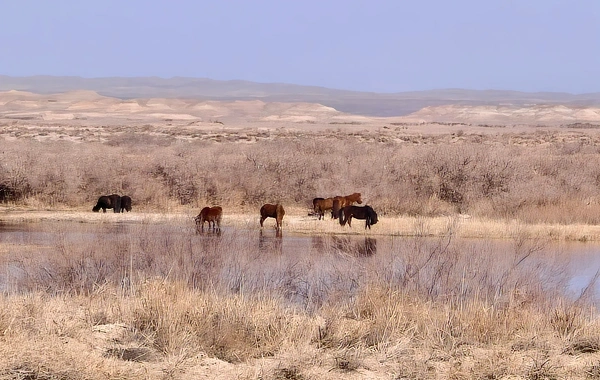
Situated approximately 15 kilometers from Yumen Pass, the ruins of Hecang Fortress lie quietly beside the ancient course of the Shule River. This Han Dynasty granary complex consists of three warehouses standing side-by-side, strategically sited amidst surrounding wetlands—a location chosen with remarkable foresight. The surviving remnants of the walls rise several meters high, with visible sockets and niches where structural beams and pillars once rested. Standing before these ruins, one can conjure images of a bygone era when this site served as a vital storehouse for the grain and fodder that sustained the frontier garrisons—the very provisions that underpinned the Han Empire's administration and expansion into the Western Regions. > Photography Tips:

Xiaofangpancheng (Small Square City): The best vantage point for panoramic shots is on the high ground southeast of the fortress; this spot allows for classic compositions featuring the fortress set against the Gobi Desert. In the late afternoon, try shooting against the light (backlighting) to capture the city walls as dramatic silhouettes.

Han Dynasty Great Wall: It is recommended to select sections of the wall where layers of red willow branches are visible to take close-up shots, highlighting the intricate details and beauty of the rammed-earth construction technique.

Hecangcheng (Granary City): The ruins are at their most atmospheric and desolate at dusk; utilize the low-angle lighting to capture the three-dimensional depth and texture of the crumbling walls.

Astrophotography: On clear nights, Yumen Pass—being far removed from light pollution—serves as an exceptional location for photographing the Milky Way and star trails.

Core Experiences: An In-Depth Guide to Frontier Life

Furong Ancient Town Furong Ancient Town Furong Ancient Town

Five Must-Do Activities to Unlock the Secrets of This Historic Pass

1. Ascend Xiaofangpancheng (Small Square City)

Timing: Early morning or late afternoon—when the lighting is optimal and you can avoid the scorching midday sun.

Experience: Stand atop the 2,000-year-old rammed-earth city walls, gaze out across the boundless Gobi Desert, and recite the famous verse: "Why must the Qiang flute lament the willow trees? For the spring breeze never reaches Yumen Pass." Immerse yourself in the desolate yet evocative atmosphere of frontier poetry.

Note: As a Major Historical and Cultural Site Protected at the National Level, climbing on the walls or touching any traces of murals is strictly prohibited.

2. Attend the "Duyu" (Garrison Commander) Welcome Ceremony

Experience: Be greeted by a "Han Dynasty Garrison Commander" clad in full ceremonial regalia. Witness ancient rituals, listen to traditional welcoming addresses, and receive your own exclusive "Frontier Clearance Permit" (Tongguan Wendie)—an immersive journey into the border-crossing culture of the Han Dynasty.

Location: The Visitor Center Plaza (Please check the park's daily announcements for specific performance schedules).

3. Walk a Section of the Han Dynasty Great Wall

Experience: Hike along the ruins of the Han Great Wall, observe the distinct layers of red willow branches embedded within the rammed earth, and listen as guides explain the ancient defensive system of "one beacon tower every five *li*, and one watchtower every ten *li*."

Timing: We recommend allocating 30–40 minutes for this activity; please wear comfortable walking shoes.

4. Recite a Frontier Poem

Experience: Participate in the park's "Frontier Poetry Challenge." You have a time limit of five minutes to recite as many verses as you can; based on the number of poems successfully recited, you may earn the prestigious titles of *Zhuangyuan* (Top Scholar), *Bangyan* (Second Place), or *Tanhua* (Third Place), and win a unique commemorative badge. Location: Poetry Corridor (North Gate of the Visitor Center)

5. Shoot a Cinematic Desert Photo Series

Attire Suggestions: We recommend wearing long robes or Hanfu in earthy tones—such as ochre, russet, or deep red—to perfectly complement the desolate and rugged backdrop of the ruins.

Recommended Photo Spots: Southeast side of Xiaofangpan City (featuring the fortress walls against the Gobi landscape); the Han Great Wall Viewing Platform (capturing the winding contours of the wall); and the Ruins of Hecang City (highlighting the texture and atmosphere of the ancient ruins).

One-Day "Dunhuang Western Route" Highlights Tour (Recommended)

Yumen Pass is typically combined with Yang Pass and the Yardang National Geological Park (Devil's City) to form a one-day tour of Dunhuang's "Western Route":

8:00 AM: Depart from Dunhuang city center (via private charter or organized tour group).

9:30 AM – 11:30 AM: Arrive at the Yumen Pass Scenic Area; visit Xiaofangpan City, the Han Great Wall, and Hecang City (the full sightseeing shuttle tour takes approximately 2 hours).

12:00 PM – 1:00 PM: Quick lunch en route (we recommend bringing your own snacks and water).

1:30 PM – 3:00 PM: Visit the Yang Pass Scenic Area.

4:00 PM – 7:00 PM: Arrive at the Yardang National Geological Park (Devil's City); take the park shuttle bus to witness the spectacular sunset.

8:30 PM: Return to Dunhuang city center and head to the Shazhou Night Market to sample local delicacies.

> IntoTravelChina Tip: This itinerary is quite fast-paced; we recommend hiring a private car or booking a one-day tour through a reputable travel agency (transportation costs range from approximately 35 to 68 RMB per person, excluding entrance tickets). Mobile signal coverage within the scenic areas is generally weak; be sure to remember your sightseeing shuttle bus number to avoid getting lost or missing your ride. Deep-Dive Immersion Tour (Yumen Pass + Surrounding Historical Sites)

If you have ample time, we recommend arranging a two-day itinerary for an in-depth exploration:

Day 1: Depart from Dunhuang City Center → Yumen Pass Ruins (2-hour in-depth tour, including guided commentary) → Hike along the Han Dynasty Great Wall (40 minutes) → Explore Hecang City (30 minutes) → Return to Dunhuang City Center for check-in; in the evening, attend a performance of *See Dunhuang Again* or *Rhythmic Dunhuang*.

Day 2: Depart from Dunhuang City Center → Yangguan Pass Ruins (including museum visit) → Western Thousand Buddha Caves (an excellent alternative to the Mogao Caves—fewer crowds, superior experience) → Return to the city center; in the late afternoon, head to Mingsha Mountain & Crescent Spring to watch the sunset.

> IntoTravelChina Advantage: We can arrange professional private charter services for you (including a driver who also serves as your guide), coordinate all attraction tickets and scheduling logistics, and provide detailed historical commentary and photography guidance—ensuring a truly immersive and worry-free travel experience. >>The Three Gorges of the Yangtze River

Comprehensive Travel Guide: Transport, Tickets, and Seasons

Furong Ancient Town

How to Get There: Precise Navigation Across the Gobi

There is no direct public transportation to Yumen Pass; Dunhuang City serves as the sole transit hub. For travelers arriving from across the country, we recommend taking a flight or high-speed train to Dunhuang City (travel time varies depending on your departure point). Taxis are readily available at both Dunhuang Airport and the train station to take you to the city center.

From Dunhuang City, we highly recommend chartering a private vehicle (our top recommendation). The travel time is approximately 1.5 hours, and the cost ranges from 300 to 400 RMB per day; this option also allows you to visit the Yardang National Geological Park and Yangguan Pass along the way.

Alternatively, driving yourself from Dunhuang City is a good option. The journey takes about 1.5 hours; head west along National Highway G215. Note that GPS signals may be intermittent in this area, so we recommend bringing a paper map as a backup.

Another option from Dunhuang City is to take a direct shuttle bus to the scenic area or join a one-day tour group. The travel time is approximately 1.5 hours. You can book these services through platforms such as Ctrip or Taobao; the cost is around 35–68 RMB per person (transportation only).

Important Tips:

Mobile phone reception is weak in the vicinity of Yumenguan Pass; please download offline maps in advance.

There are no gas stations within the scenic area; please ensure your fuel tank is full before departing from Dunhuang City.

Speed ​​limits on the Gobi Desert highways are strictly enforced; please drive safely.

Best Time to Visit

The best seasons for a visit are spring and autumn (April–June and September–October), when the weather is pleasant and the scenery is at its most spectacular. Spring (April–June): Optimal. Temperatures range from 15°C to 25°C; the Gobi landscape occasionally shows touches of greenery. While dust storms may occur sporadically, conditions are generally pleasant. This is a top-choice period; mid-April offers the best value for money.

Autumn (September–October): Optimal. The weather is cool, with clear skies and crisp air—perfect for photography. This is a highly recommended period; however, visitor numbers peak during the National Day Golden Week, so traveling during off-peak times is advised.

Summer (July–August): Travel with Caution. Daytime temperatures frequently exceed 35°C, and the intense sun exposure can be unbearable. If you do visit, comprehensive sun protection is essential; it is recommended to schedule your sightseeing for the early morning or late evening.

Winter (November–March): Travel with Caution. Biting winds prevail, and the temperature fluctuation between day and night is extreme; some attractions or activities may be closed. Although visitor numbers are low and the snowy scenery is unique, you must come prepared with ample warm clothing.

Best Daily Sightseeing Times: Early morning (1–2 hours after sunrise) or late evening (2 hours before sunset). The lighting is soft during these times, allowing you to avoid the harsh glare and intense heat of the midday sun. 4.3 Tickets and Opening Hours

Scenic Area Admission: Full Price: ¥40; Half Price: ¥20. This is a combined ticket valid for Yumen Pass, the Han Great Wall, and Hecang City.

Sightseeing Shuttle Ticket: ¥50 per person. Round-trip route: Visitor Center → Han Great Wall → Hecang City. Total distance: approx. 34 km. Departures are scheduled on the hour and half-hour.

Opening Hours: 8:00 AM – 7:00 PM. Ticket sales: 8:00 AM – 7:00 PM. Last sightseeing shuttle departure: 7:00 PM.

Ticket Purchase Methods:

Online: Real-name reservation via platforms such as the "Dunhuang Yumen Pass Ruins Scenic Area" WeChat Official Account, Ctrip, or You Dunhuang.

Offline: Purchase directly at the scenic area's ticket windows; entry requires scanning a valid ID card.

Pre-Trip Packing Checklist

Essential Items:

Sun Protection Trio: SPF 50+ sunscreen (reapply every 2 hours), wide-brimmed sun hat, sunglasses.

Clothing: Quick-drying long-sleeve top + detachable fleece-lined jacket (to accommodate temperature fluctuations of 15°C or more); solid-colored cotton or linen robe (highly recommended for photography).

Footwear: Comfortable, non-slip athletic shoes (the Gobi terrain is rocky; sandals are not recommended).

Water: At least 2 liters per person (there are no shops within the scenic area).

Snacks: High-energy foods such as chocolate and nuts.

Other: Portable power bank, wet wipes, basic first-aid kit.

Extended Journeys: A Classic Loop Connecting the Highlights of the Silk Road

Yumen Pass is by no means the end of your journey, but rather the perfect starting point for exploring Dunhuang and the Hexi Corridor.

Classic 3-Day In-Depth Dunhuang Tour: Dunhuang City Center (Mogao Caves, Mingsha Mountain) → Dunhuang West Route (Yumen Pass, Yang Pass, Yardang National Geological Park/Devil City) → Dunhuang East Route (Yulin Caves, Suoyang City). This itinerary encompasses World Cultural Heritage sites, natural wonders, and the history of the Silk Road—making it the quintessential choice for experiencing the full charm of Dunhuang. Classic 7-Day Hexi Corridor Panorama: Lanzhou (Gansu Provincial Museum) → Wuwei (Leitai Han Tomb) → Zhangye (Colorful Danxia) → Jiayuguan (The Fortress) → Dunhuang (Mogao Caves, Yumenguan Pass, Yardang). This is a "Golden Route" of the Silk Road that traverses the entire province of Gansu, taking you from the Loess Plateau to the vast Gobi Desert, allowing you to experience the grandeur and profound historical depth of the Hexi Corridor.

The Great Northwest Loop (9–12 Days): Xining → Qinghai Lake → Chaka Salt Lake → Dachaidan → Dunhuang (Yumenguan Pass, Mogao Caves) → Jiayuguan → Zhangye → Qilian → Menyuan → Xining. This route seamlessly connects the provinces of Qinghai and Gansu, encompassing a comprehensive array of landscapes—lakes, salt flats, the Gobi Desert, Danxia landforms, and snow-capped mountains—all in one unforgettable journey.

Partner with IntoTravelChina to Embark on Your Exclusive Frontier Journey

The story of Yumenguan Pass is one of imperial ambition, the bustling prosperity of the Silk Road, and the poignant solitude of life guarding the frontier. IntoTravelChina specializes in crafting immersive, personalized, and hassle-free travel experiences across China.

Our travel experts are here to provide you with:

Tailor-Made Itineraries: We design the perfect route based on your specific interests and schedule, incorporating Yumenguan Pass alongside other key attractions in Dunhuang and the Hexi Corridor.

One-Stop Service: We handle all the logistics—securing tickets, arranging private transport, booking accommodations, hiring guides, and scheduling activities—so you don't have to.

Exclusive Experiences: We arrange in-depth guided tours, provide guidance on the best times for photography, and offer unique cultural experiences related to frontier poetry and history.

Let your visit to Yumenguan Pass be more than just sightseeing; let it be a dialogue with a civilization spanning two millennia.

> Start Planning Your Journey Now

> We invite you to contact our professional travel consultants; we will respond within 24 hours. >>Consult now for customization

What Our Clients Say?

Based on 10,000+ traveler reviews

...
Daniel Dorothea
Canada
Reviewed on April 29,2025
Shopping on Nanjing Road in Shanghai was just amazing! It's truly the "First Commercial Street of China", where tradition and modernity blend perfectly. You can find awesome souvenirs and experience the trendy vibes in cool stores. The neon lights at night are just spectacular, shining bright like Times Square in New York. The food here is incredible too. I had a feast for my taste buds. Shanghai, I'll definitely be back!
Destination(s): Shanghai
Date of Experience: May 08,2024
...
...
Elvis Eva
Canada
Reviewed on June 20,2025
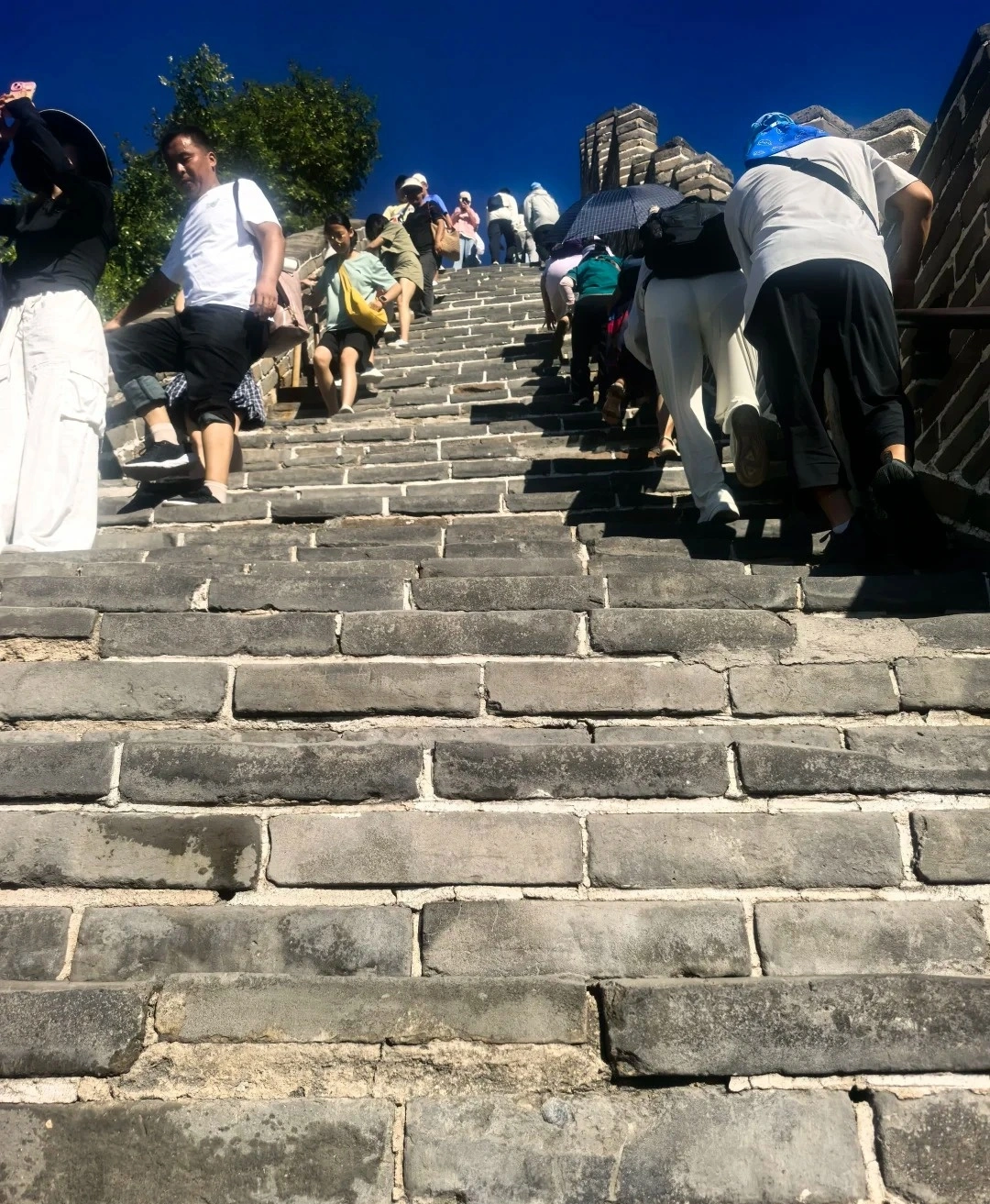
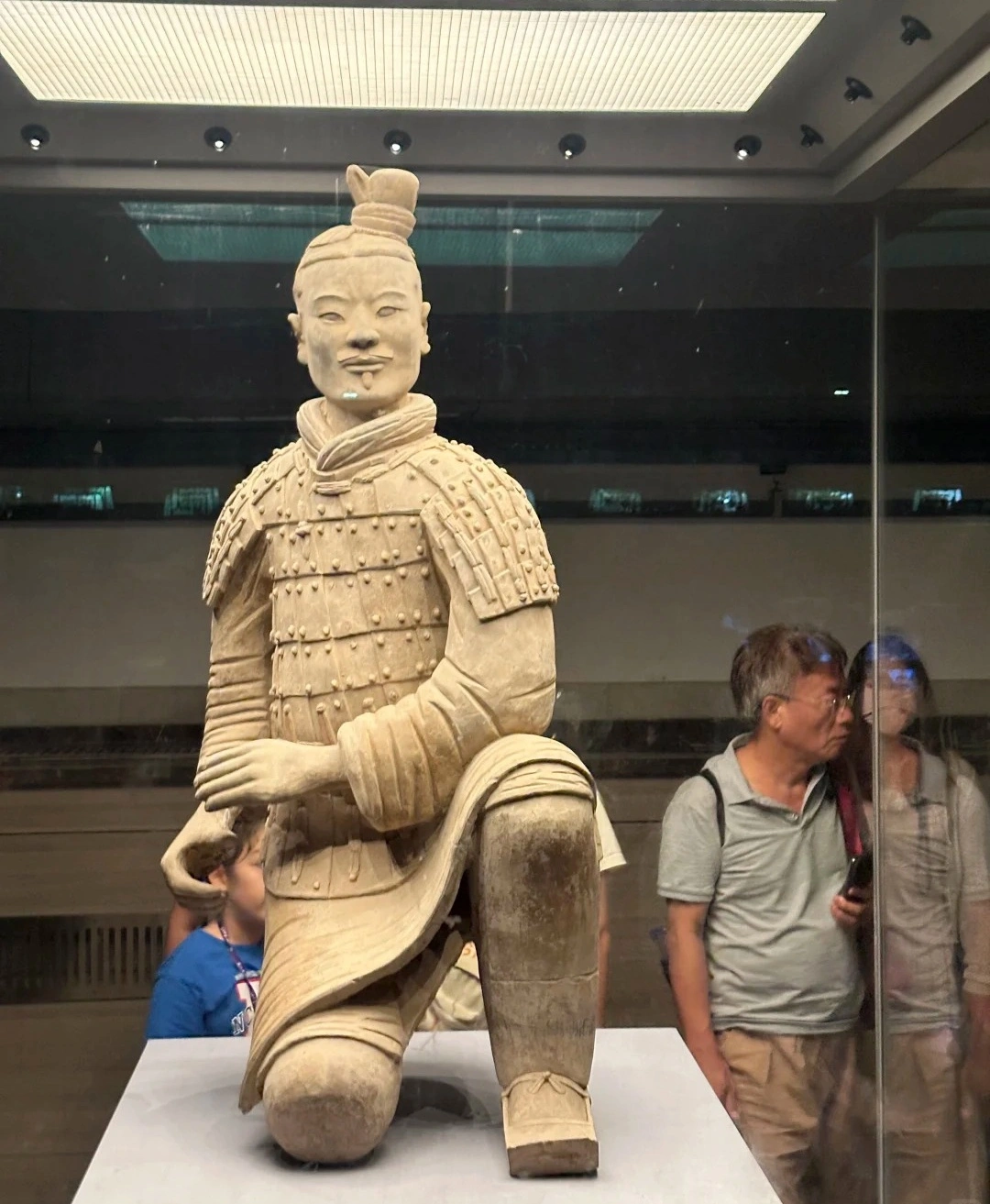
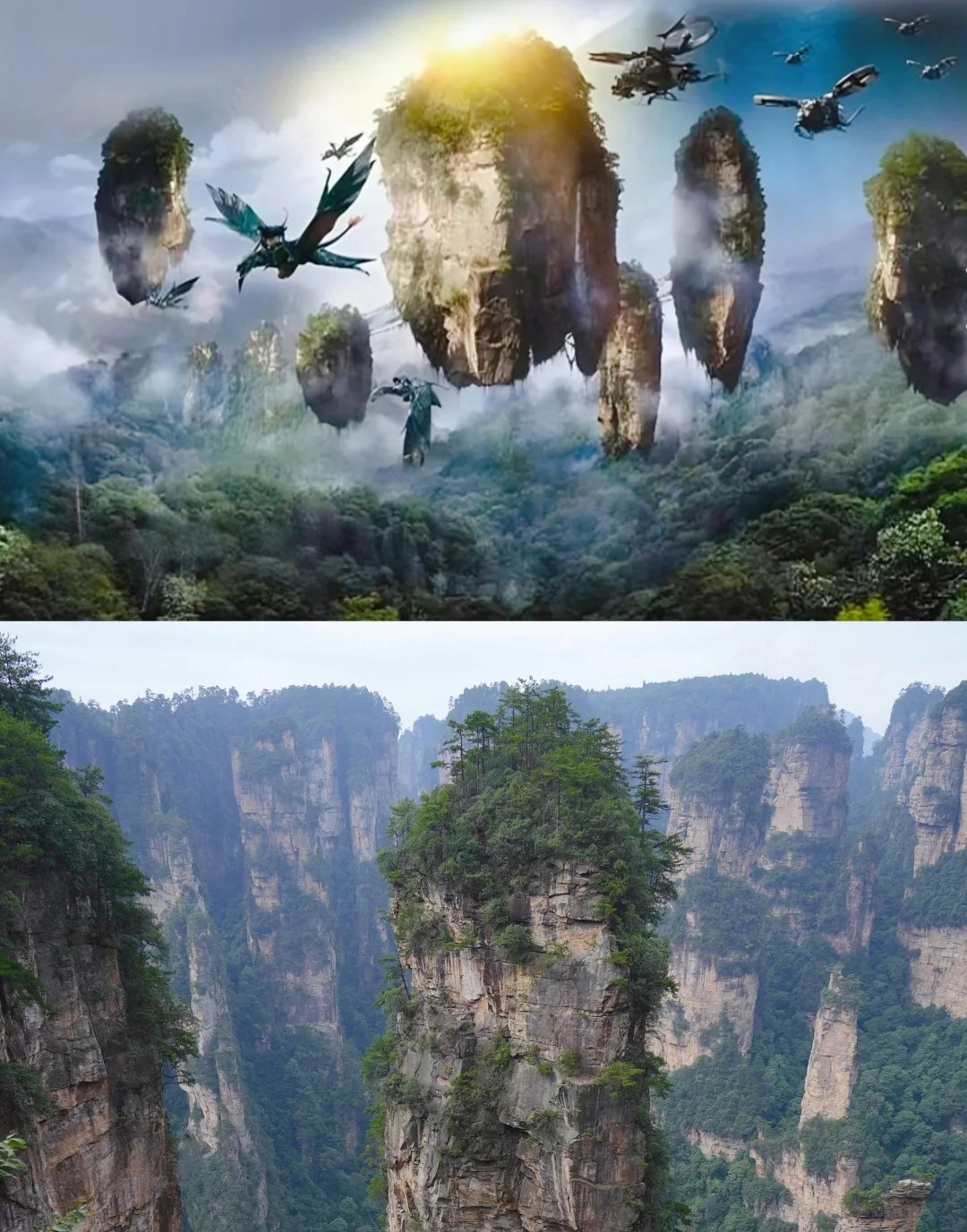
As a solo traveler from Canada, I was nervous about navigating China alone—but this 11-day tour was PERFECT! From hiking the Great Wall at sunrise (Day 3) to gasping at the Terracotta Army (Day 5), every day delivered ‘pinch-me’ moments. The real showstopper? Zhangjiajie’s Avatar Mountains (Day 7)! Our guide made the stone pillars come alive with stories. Massive thanks for handling all logistics—bullet train tickets, entry passes, car! And the 4-star hotels surprised me.
Destination(s): Beijing Xian Zhangjiajie Shanghai
Date of Experience: June 02,2025
... ... ...
...
Simon
America
Reviewed on May 29,2025
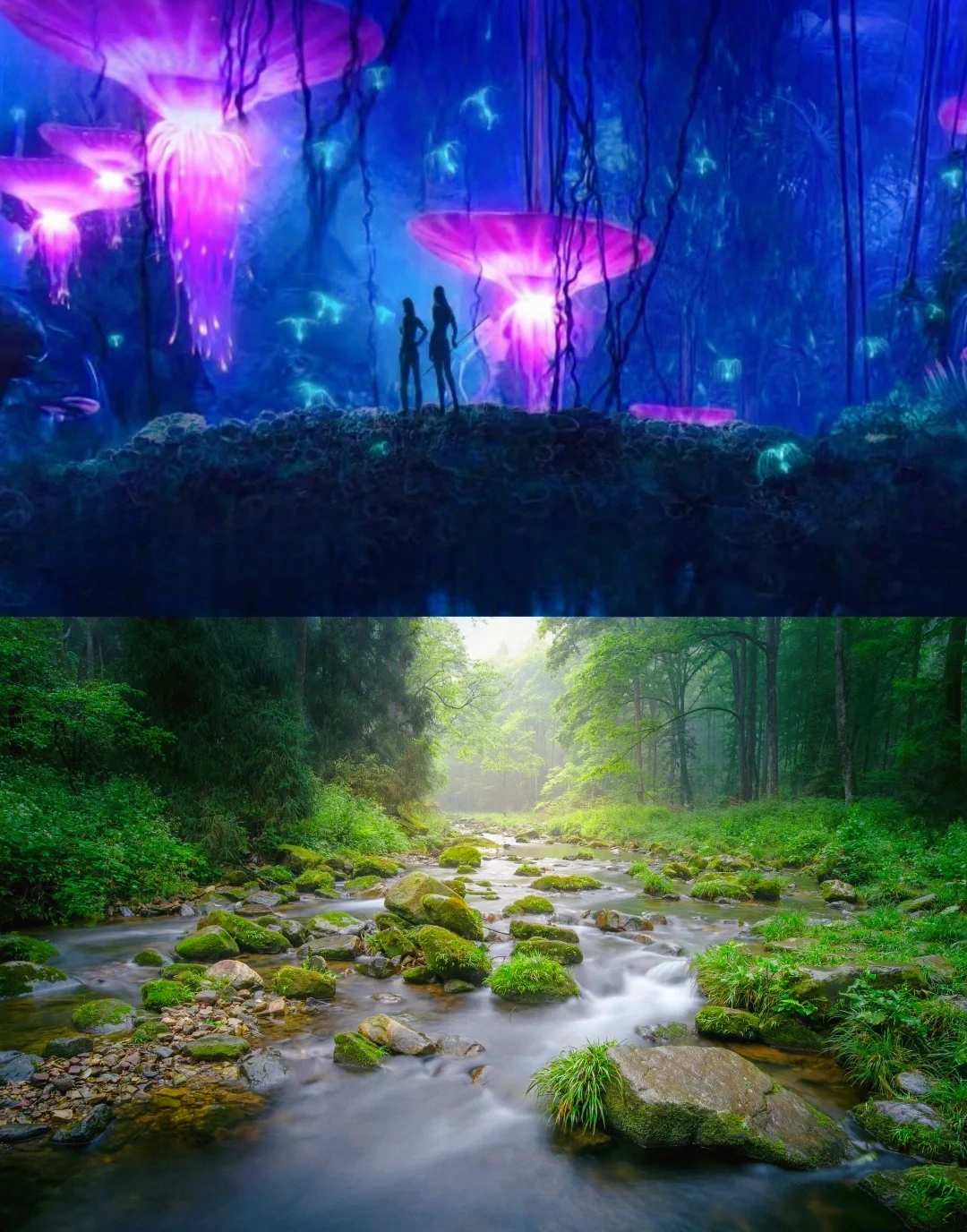
Our 2-day Zhangjiajie tour was beyond spectacular! As someone who’s visited Beijing and Shanghai for work, this trip revealed China’s wild, magical heart. Day 1 in Zhangjiajie National Forest Park felt like stepping onto Pandora—I’m a huge Avatar fan, and Yuanjiajie’s floating peaks left me breathless. The misty pillars and lush valleys like pure movie magic! Then came Fenghuang Ancient Town, we eat dinner beside the thundering waterfall. It seems Unreal! The night views of stilt houses glowing over the river were straight from a fairy tale. For fellow Avatar lovers and adventure seekers: Don’t miss this bucket-list experience! 10/10 would return. A Well-Traveled Film Buff, May 2025
Destination(s): Zhangjiajie
Date of Experience: May 08,2025
... ...

FAQ

What are the main relics to see at Yumen Pass?

The Han-era rammed-earth beacon tower ("Xiafangpan Tower") and ancient wall foundations, showcasing original military architecture.

When is the best time to visit Yumen Pass?

April–October for clear weather; avoid winter cold. Sunset views over the desert ruins are iconic.

What was the historical role of Yumen Pass?

A customs and military checkpoint for taxing goods, inspecting envoys, and defending against nomadic tribes during the Han-Tang dynasties.

Is there public transport from Dunhuang to Yumen Pass?

No direct buses. Rent a car, take a taxi (~200 RMB round trip), or join a group tour (includes Yadan Geopark).

What does the Yumen Pass ticket include?

Access to Yumen Pass, Han Great Wall ruins, and Hecang Granary relics (combined ticket 40 RMB).

Ask a Question

Question Summary (100 characters)
Details (optional) (2,000 characters)
Name
Country
Email