
Living Legends of Millennium Yao Village: A Local’s Heartfelt Journey Through Time
Introduction: Where Time Stands Still and Stories Come Alive
Nestled in the misty mountains of Guangdong, Millennium Yao Village isn’t just a destination—it’s a living museum of history, culture, and resilience. For 78-year-old Apa Yao (a term of respect for elder Yao men), this ancient settlement is more than his home; it’s the keeper of his ancestors’ memories and the future of his people. “I’ve walked these stone paths since I was a boy,” he says, his eyes twinkling as he gestures to the moss-covered steps winding up the hillside. “But now, I want the world to walk them too.”
Join Apa Yao on a journey through the heart of this UNESCO-listed village, where every cobblestone, dance, and dish tells a story waiting to be discovered.
1. Stone Pathways & Whispering Walls: The Soul of an Ancient Village
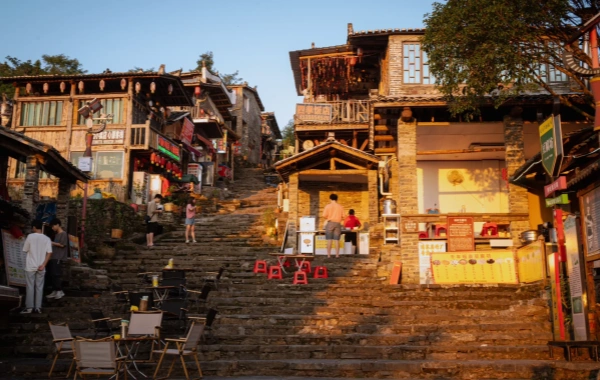
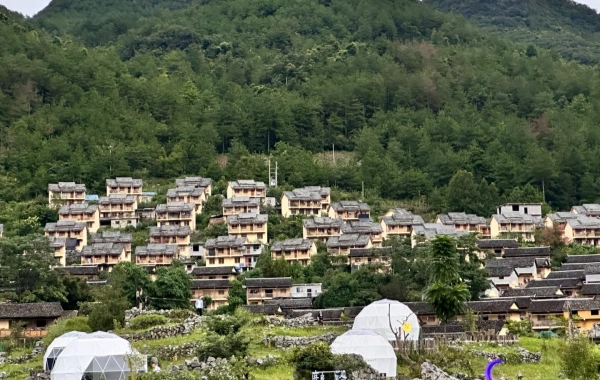
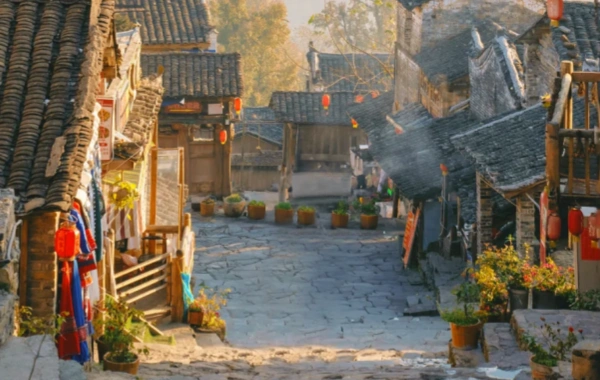
Apa Yao leads us past weathered wooden houses with curved roofs, their walls etched with symbols of the Yao people’s spiritual beliefs. “These stones,” he pats a centuries-old wall, “were carried here by our ancestors on their shoulders. Each one holds a prayer.” He points to a faint carving of a phoenix near the doorway: “This marks a house of healers. Even today, villagers leave offerings here for good health.”
The village’s layout, he explains, follows the principles of Feng Shui, with homes arranged to harness the mountain’s energy. “Look at how the sunlight hits the central courtyard at dawn,” he says. “That’s when we gather to sing hymns to our gods.” As we wander, he stops to greet neighbors tending vegetable gardens or weaving indigo-dyed fabrics—a tradition passed down through generations. “Here,” he smiles, “life moves slower, but the connections run deeper.”
2. Firelit Nights & Rhythmic Hearts: The Dance of the Yao People
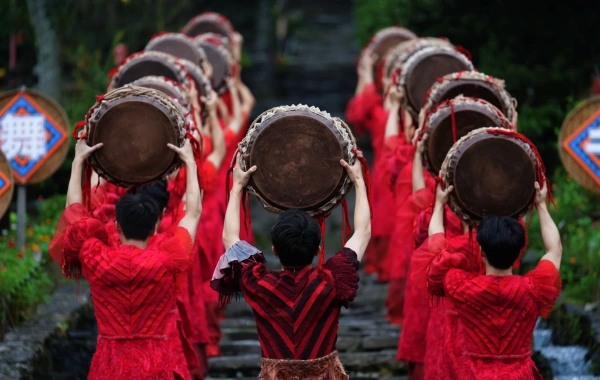
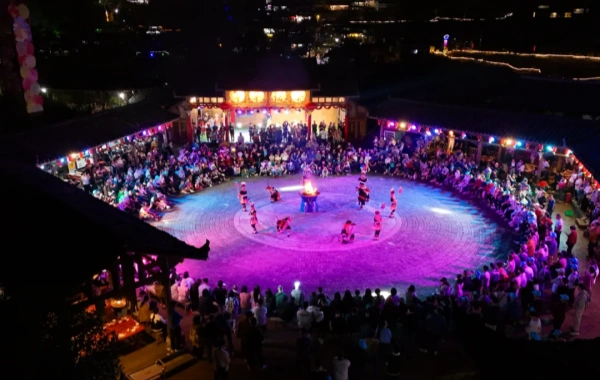
When the sun dips behind the peaks, the village comes alive with the beat of long drum dances. Apa Yao dons a silver-adorned vest and joins a circle of dancers, their feet stamping in unison. “This dance,” he shouts over the music, “tells our creation story! Each step is a chapter.” He grabs our hands, pulling us into the rhythm. “Don’t be shy—the ancestors are dancing with us!”
Later, seated around a crackling fire, Apa Yao shares tales of Pan Wang, the Yao’s revered deity. “Every November, we celebrate the Pan Wang Festival with three days of feasting, music, and rituals,” he says. “Last year, a filmmaker from Beijing came to document it. Now, people worldwide know our songs!” He laughs, tossing a handful of roasted chestnuts into the flames. “Culture isn’t meant to be locked away—it’s meant to be shared.”
3. Tastes of Tradition: From Fire Pits to Feasts
“Come, taste the mountains!” Apa Yao beckons us into his kitchen, where a clay pot simmers over an open flame. He lifts the lid, releasing a cloud of aromatic steam. “This is smoked pork belly with sticky rice—a recipe my grandmother taught me.” He serves the dish on banana leaves, urging us to scoop it up with our hands. “The smoke from our hearths gives it a flavor you can’t find anywhere else.”
No meal is complete without Yao-style rice wine, he insists, pouring the golden liquid into bamboo cups. “We drink this to honor our guests,” he toasts, “but also to remember the hardships our people overcame.” As we sip, he lists other must-tries: bamboo-steamed river fish, sour and spicy pickled vegetables, and sweet osmanthus cakes. “Food is our love language,” he winks. “Eat heartily—the ancestors are watching!”
4. Guardians of the Past, Architects of the Future
Apa Yao’s granddaughter, Ling, is part of a new generation bridging tradition and modernity. She runs a Yao embroidery workshop in the village, selling handmade scarves and tapestries online. “I want young people to stay,” she says, threading a needle with vibrant red yarn. “But to do that, we need to make a living here.” Her efforts are paying off: tourists now flock to learn stitching techniques, and her designs have been featured in fashion magazines.
Yet, Apa Yao worries about balance. “We can’t lose what makes us unique,” he murmurs, watching children chase each other through the alleys. “But change isn’t the enemy—indifference is.” He points to a newly restored watchtower, funded by tourism revenue. “That tower stood silent for decades. Now, it rings with laughter again.”
Epilogue: Your Invitation to the Millennium Yao Village
As we prepare to leave, Apa Yao presses a small indigo-dyed pouch into our hands. “Inside is tea grown on our mountains,” he says. “Brew it with spring water, and you’ll taste our home.” He pauses, then adds softly: “Come back during the Lantern Festival in spring. The whole village lights up like stars fallen to earth.”




What Our Clients Say?
Based on 10,000+ traveler reviews

Daniel Dorothea
Canada
Reviewed on April 29,2025
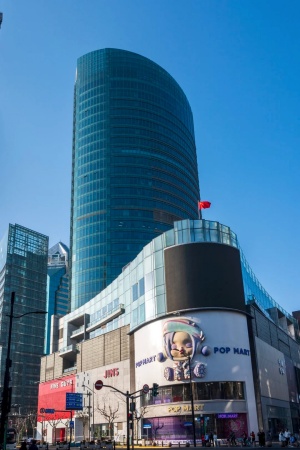
Shopping on Nanjing Road in Shanghai was just amazing! It's truly the "First Commercial Street of China", where tradition and modernity blend perfectly. You can find awesome souvenirs and experience the trendy vibes in cool stores. The neon lights at night are just spectacular, shining bright like Times Square in New York. The food here is incredible too. I had a feast for my taste buds. Shanghai, I'll definitely be back!
Destination(s):
Shanghai
Date of
Experience:
May 08,2024

Elvis Eva
Canada
Reviewed on June 20,2025
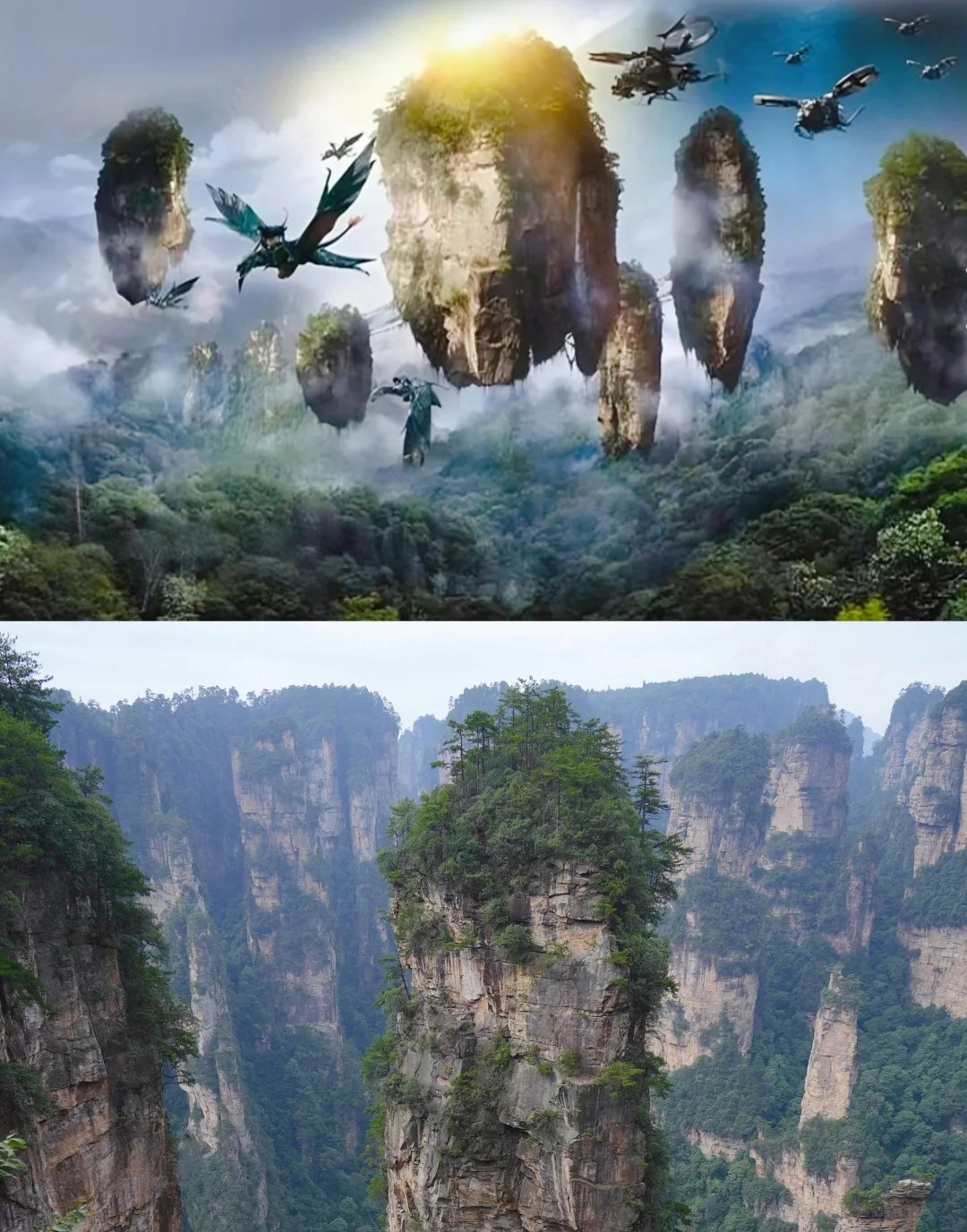
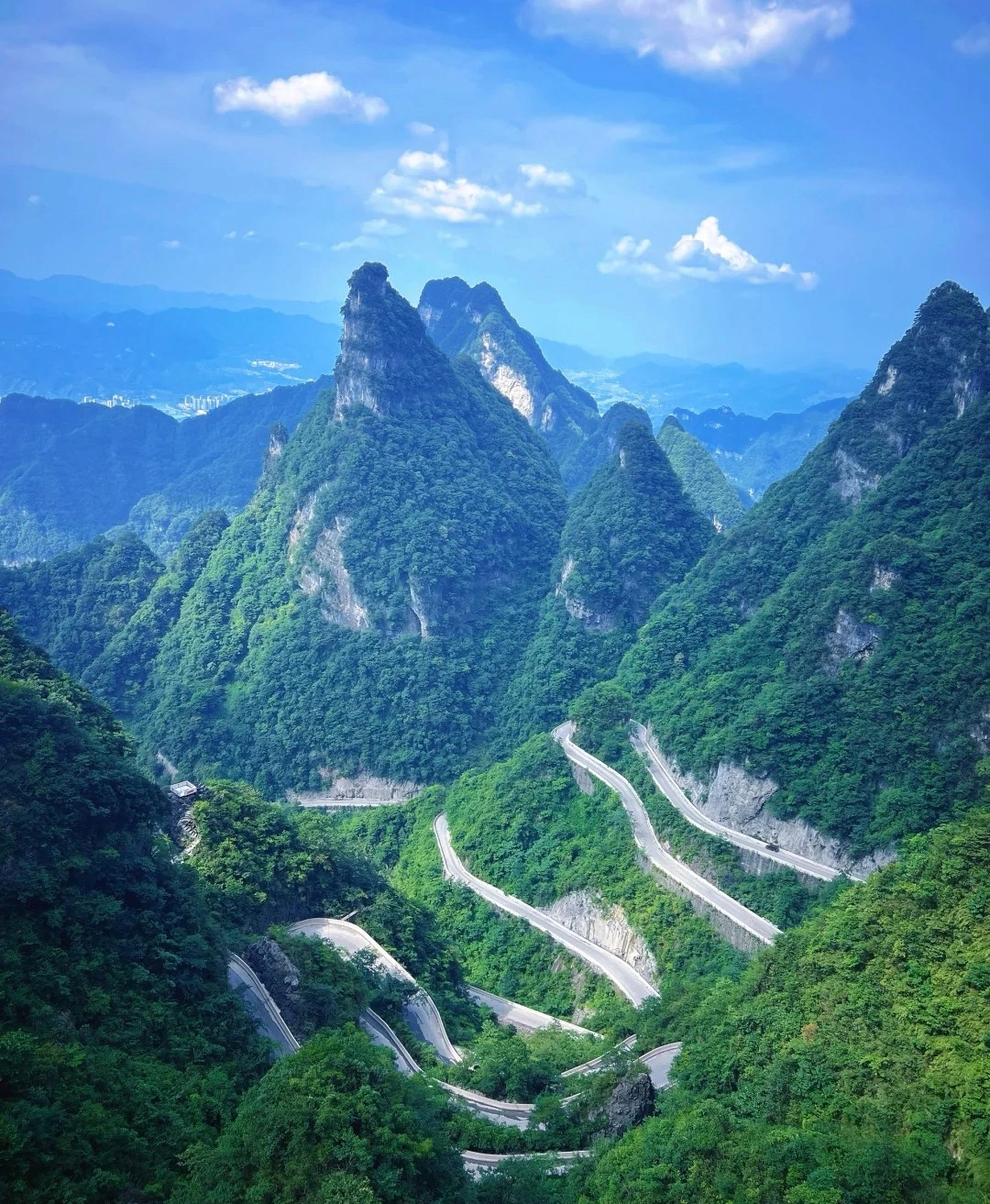
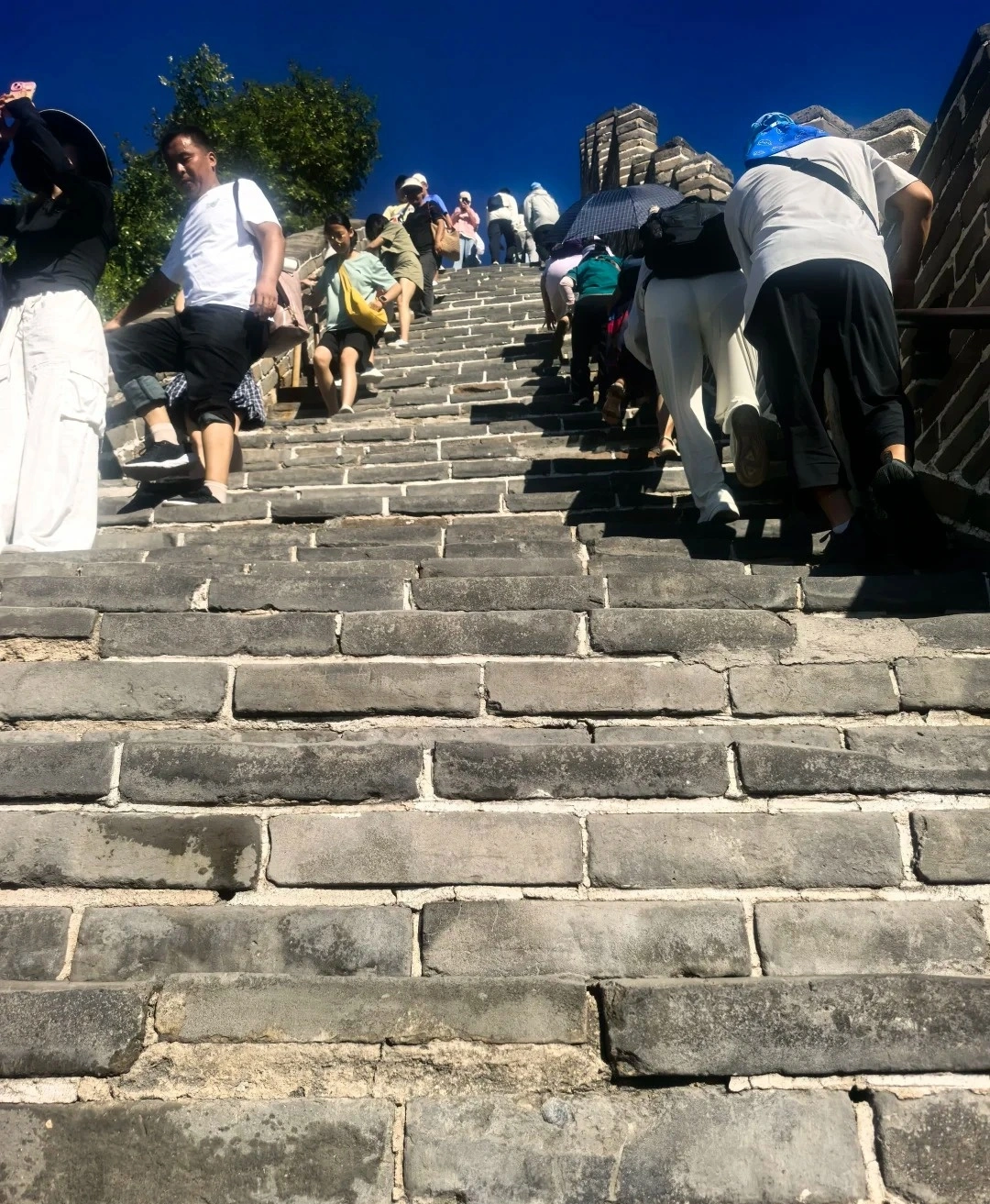
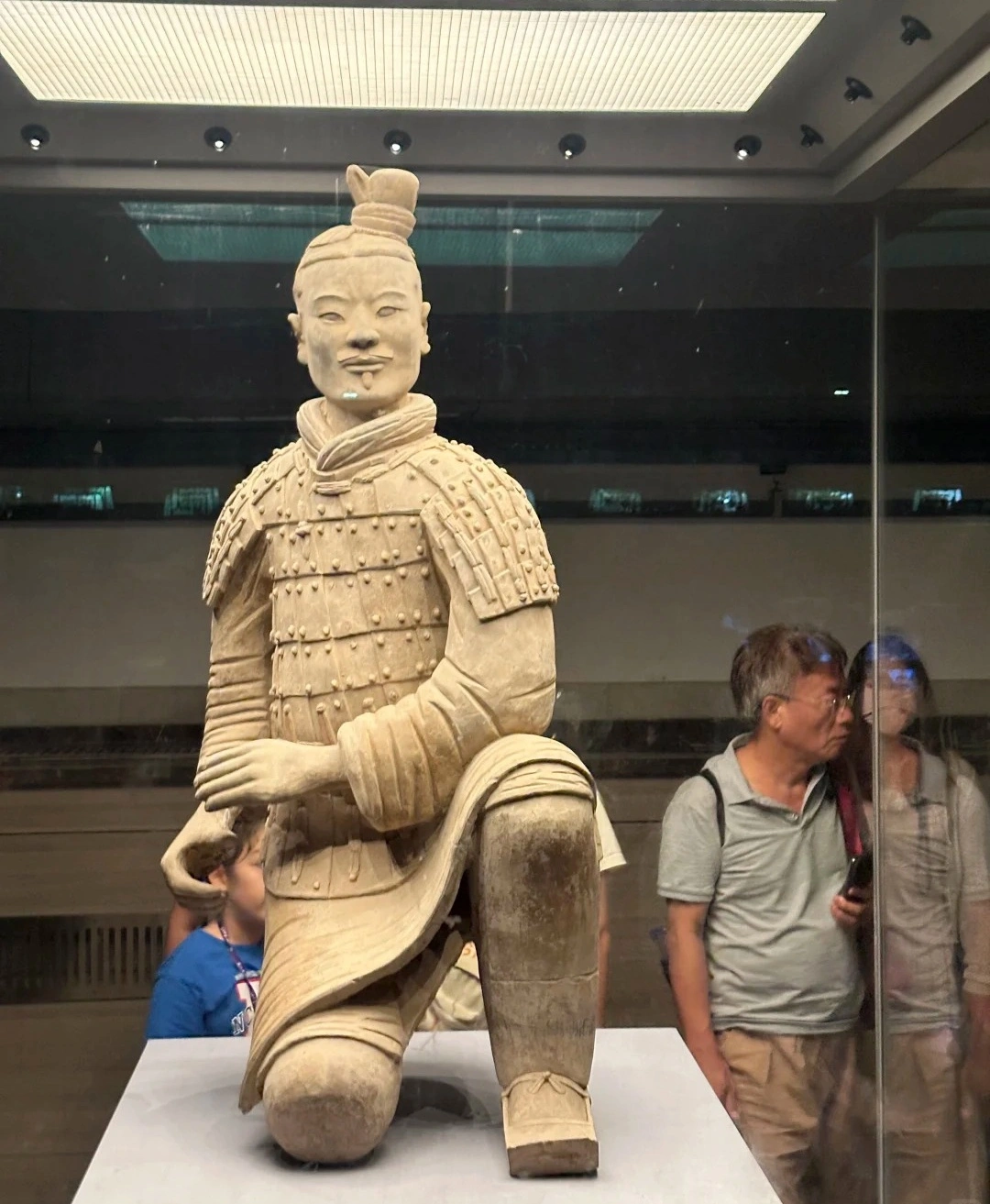
As a solo traveler from Canada, I was nervous about navigating China alone—but this 11-day tour was PERFECT! From hiking the Great Wall at sunrise (Day 3) to gasping at the Terracotta Army (Day 5), every day delivered ‘pinch-me’ moments. The real showstopper? Zhangjiajie’s Avatar Mountains (Day 7)! Our guide made the stone pillars come alive with stories.
Massive thanks for handling all logistics—bullet train tickets, entry passes, car! And the 4-star hotels surprised me.
Destination(s):
Beijing Xian Zhangjiajie Shanghai
Date of
Experience:
June 02,2025

Simon
America
Reviewed on May 29,2025
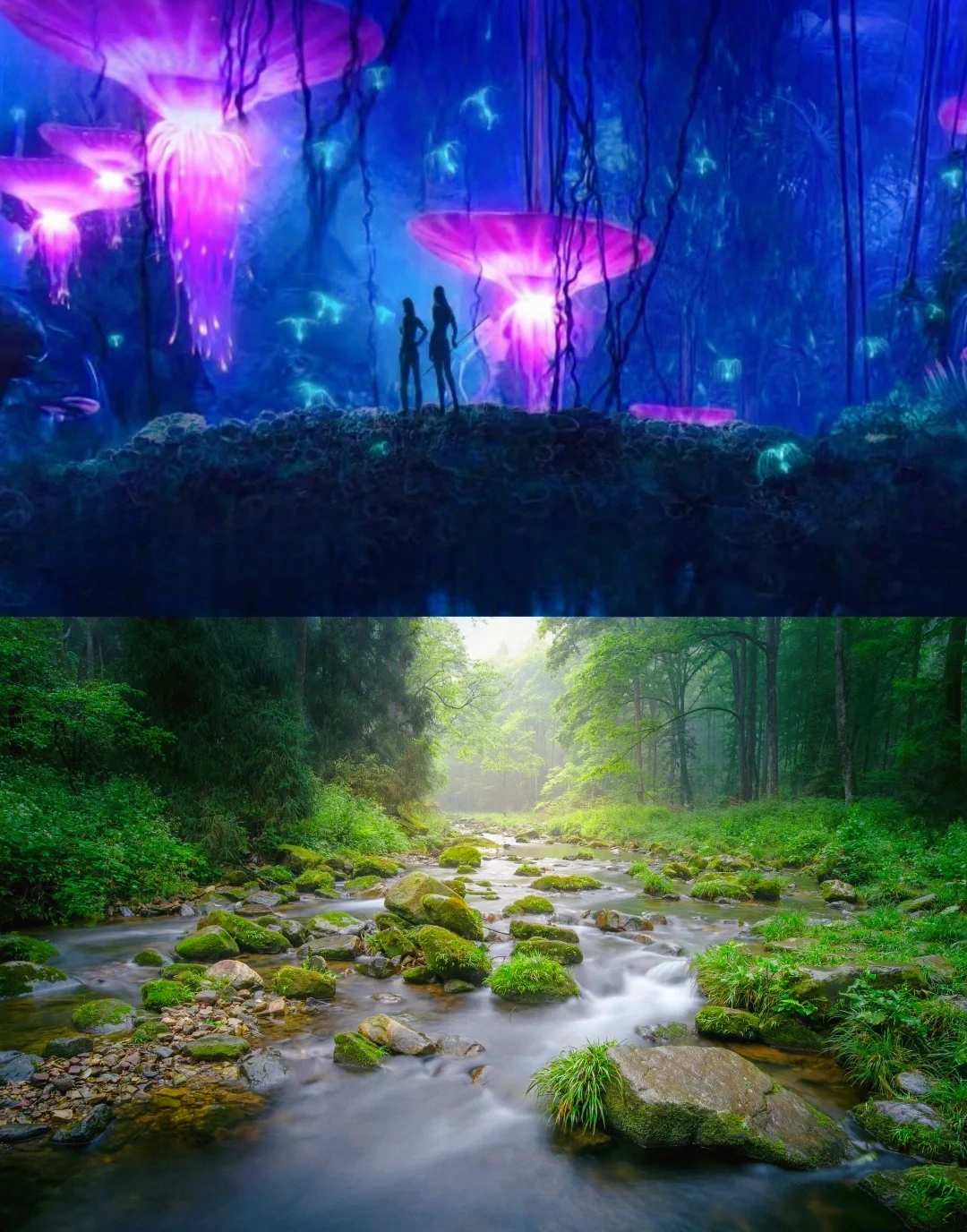
Our 2-day Zhangjiajie tour was beyond spectacular! As someone who’s visited Beijing and Shanghai for work, this trip revealed China’s wild, magical heart. Day 1 in Zhangjiajie National Forest Park felt like stepping onto Pandora—I’m a huge Avatar fan, and Yuanjiajie’s floating peaks left me breathless. The misty pillars and lush valleys like pure movie magic!
Then came Fenghuang Ancient Town, we eat dinner beside the thundering waterfall. It seems Unreal! The night views of stilt houses glowing over the river were straight from a fairy tale.
For fellow Avatar lovers and adventure seekers: Don’t miss this bucket-list experience! 10/10 would return.
A Well-Traveled Film Buff, May 2025
Destination(s):
Zhangjiajie
Date of
Experience:
May 08,2025