

Cuisine
The eight major culinary traditions of China include Shandong (Lu Cuisine), Sichuan (Chuan Cuisine), Cantonese (Yue Cuisine), Jiangsu (Su Cuisine), Zhejiang (Zhe Cuisine), Fujian (Min Cuisine), Hunan, and Anhui cuisines. Each tradition showcases the unique flavors and cooking techniques of different regions in China.
The Splendor of China's Eight Culinary Traditions
China, a land renowned for its vast geography, rich history, and diverse cultures, boasts an equally vast and vibrant culinary scene. The country's culinary artistry is encapsulated in its eight major culinary traditions, each with its unique flavors, cooking techniques, and historical roots. These eight culinary kingdoms, often referred to as the "Eight Great Traditions" or "Bada Caixi," are not only a testament to China's culinary prowess but also a reflection of its cultural diversity. Let's embark on a culinary journey to explore the depths of these esteemed culinary traditions.
If you want to know more about Chinese food and itineraries, please contact us. Popular Tour Packages:
1. Shandong Cuisine (Lu Cuisine)
Hailing from the eastern coast of China, Shandong cuisine is known for its freshness, simplicity, and emphasis on seafood. Techniques such as braising, steaming, and stir-frying are prevalent, highlighting the natural flavors of ingredients. Signature dishes include braised shark's fin, steamed dumplings, and stir-fried scallops with vegetables. Shandong cuisine also prides itself on its meticulous culinary techniques and the use of traditional condiments like soy sauce and vinegar.
2. Sichuan Cuisine (Chuan Cuisine)
Renowned for its bold flavors and the use of spicy peppers and numbing Sichuan peppercorns, Sichuan cuisine is a culinary adventure for the senses. Techniques like stir-frying, braising, and deep-frying are employed to create dishes with a distinctive spicy-hot, numbing, and sour flavor profile. Famous dishes include Mapo Tofu, Kung Pao Chicken, and Spicy Boiled Fish. Sichuan cuisine also boasts a wide array of delicate dim sums and noodle dishes.
3. Cantonese Cuisine (Yue Cuisine)
Originating from the southern province of Guangdong, Cantonese cuisine emphasizes freshness, subtlety, and balance of flavors. Techniques like steaming, stir-frying, and roasting are used to preserve the natural flavors and textures of ingredients. Seafood, poultry, and vegetables are prominently featured, with dishes like Steamed Fish with Ginger and Scallions, Roast Suckling Pig, and Dim Sums being beloved classics. Cantonese cuisine also has a rich tradition of desserts, including egg tarts and lotus seed paste mooncakes.
4. Jiangsu Cuisine (Su Cuisine)
Hailing from the eastern region of China, Jiangsu cuisine is known for its delicate flavors, intricate cooking techniques, and emphasis on presentation. The use of freshwater fish, shrimp, and vegetables is prevalent, with dishes often cooked in broth or lightly seasoned. Signature dishes include Crystal Shrimp Balls, Braised Lion's Head Meatballs, and Songhua Fish. Jiangsu cuisine also places great importance on the selection of ingredients and the harmony of flavors.
5. Zhejiang Cuisine (Zhe Cuisine)
Closely related to Jiangsu cuisine, Zhejiang cuisine showcases the freshness and variety of seafood from the East China Sea. Cooking techniques emphasize preserving the natural flavors of ingredients, with stir-frying, steaming, and braising being common. Famous dishes include West Lake Fish in Vinegar Gravy, Beggar's Chicken, and Crab Meat and Pork Dumplings. Zhejiang cuisine also boasts a rich tradition of vegetarian dishes, showcasing the region's culinary ingenuity.
6. Fujian Cuisine (Min Cuisine)
Originating from the southeastern coast of China, Fujian cuisine is characterized by its seafood delicacies, intricate cooking methods, and use of unique ingredients like fermented black beans and rice wine. Techniques like braising, stir-frying, and deep-frying are employed to create dishes with rich, complex flavors. Signature dishes include Buddha Jumps Over the Wall, Fujian-Style Fried Oysters, and Steamed Fish with Soy Sauce. Fujian cuisine also has a rich tradition of noodle dishes and snacks.
Hunan cuisine, hailing from central China, is renowned for its spicy and pungent flavors, often achieved through the use of chili peppers and garlic. Techniques like stir-frying, braising, and smoking are prevalent, creating dishes with a robust and bold flavor profile. Famous dishes include Spicy Chicken with Chili Peppers, Steamed Fish Head with Chili Sauce, and Dong'anzi Pork. Hunan cuisine also has a unique tradition of preserved and fermented foods, adding depth to its culinary offerings.
Rounding off the Eight Great Traditions, Anhui cuisine showcases the culinary ingenuity of the eastern Chinese province. Known for its hearty and flavorful dishes, Anhui cuisine combines fresh ingredients with traditional cooking techniques like braising, stewing, and deep-frying. Signature dishes include Mao's Red-Braised Pork, Stewed Turtle in Soup, and Fried rice noodles with Shrimp. Anhui cuisine also has a rich tradition of soup-based dishes, highlighting the region's culinary artistry.
Conclusion
China's Eight Great Culinary Traditions are a testament to the country's rich culinary heritage and cultural diversity. Each tradition offers a unique culinary experience, blending fresh ingredients, intricate cooking techniques, and distinct flavor profiles. Whether you're indulging in the bold flavors of Sichuan, the delicate delicacies of Jiangsu, or the hearty dishes of Anhui, a meal from one of these culinary traditions is a journey through the vibrant tapestry of Chinese cuisine.


Contact Us
What Our Clients Say?
Based on 10,000+ traveler reviews

Daniel Dorothea
Canada
Reviewed on April 29,2025
Shopping on Nanjing Road in Shanghai was just amazing! It's truly the "First Commercial Street of China", where tradition and modernity blend perfectly. You can find awesome souvenirs and experience the trendy vibes in cool stores. The neon lights at night are just spectacular, shining bright like Times Square in New York. The food here is incredible too. I had a feast for my taste buds. Shanghai, I'll definitely be back!
Destination(s):
Shanghai
Date of
Experience:
May 08,2024


Elvis Eva
Canada
Reviewed on June 20,2025
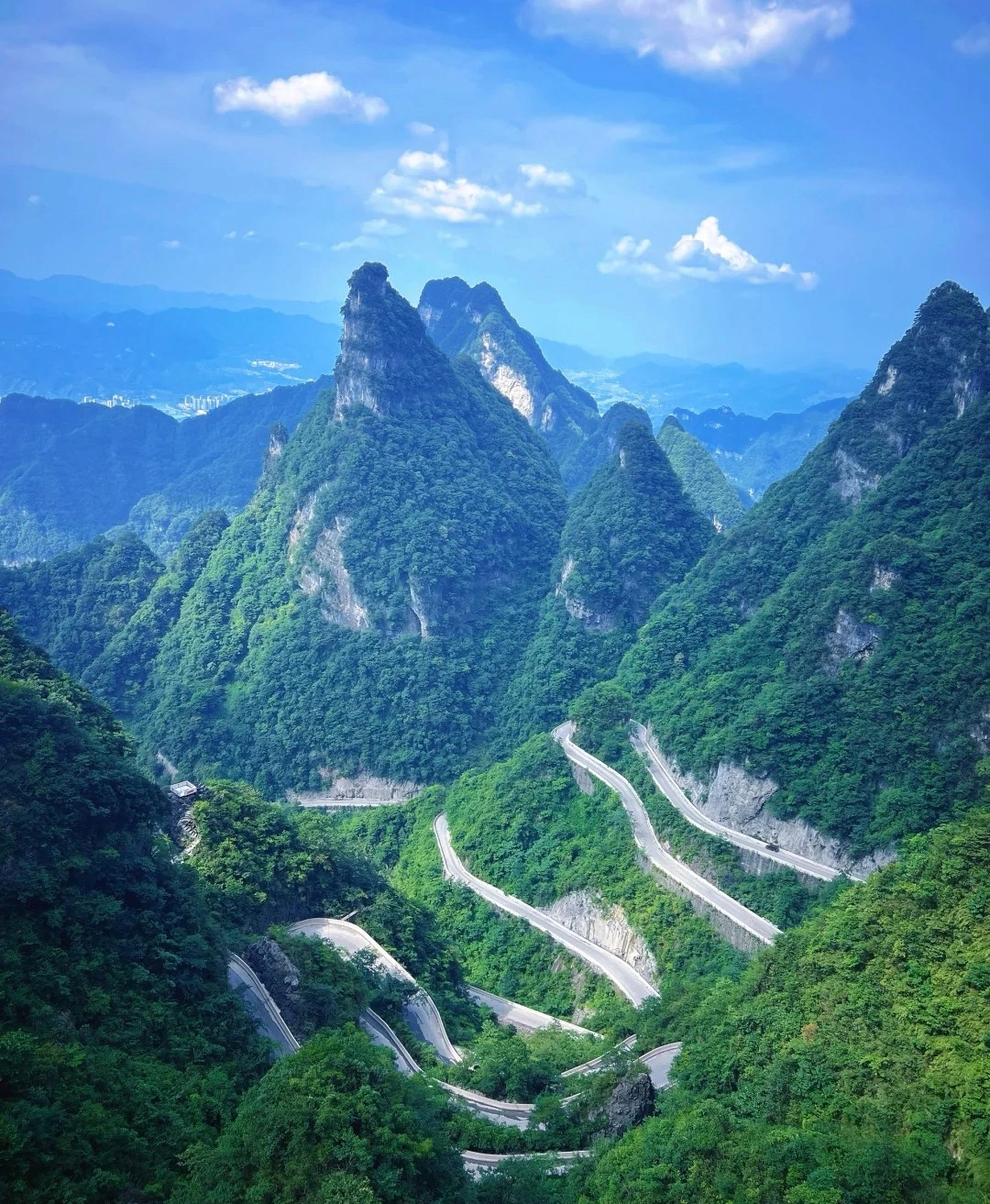
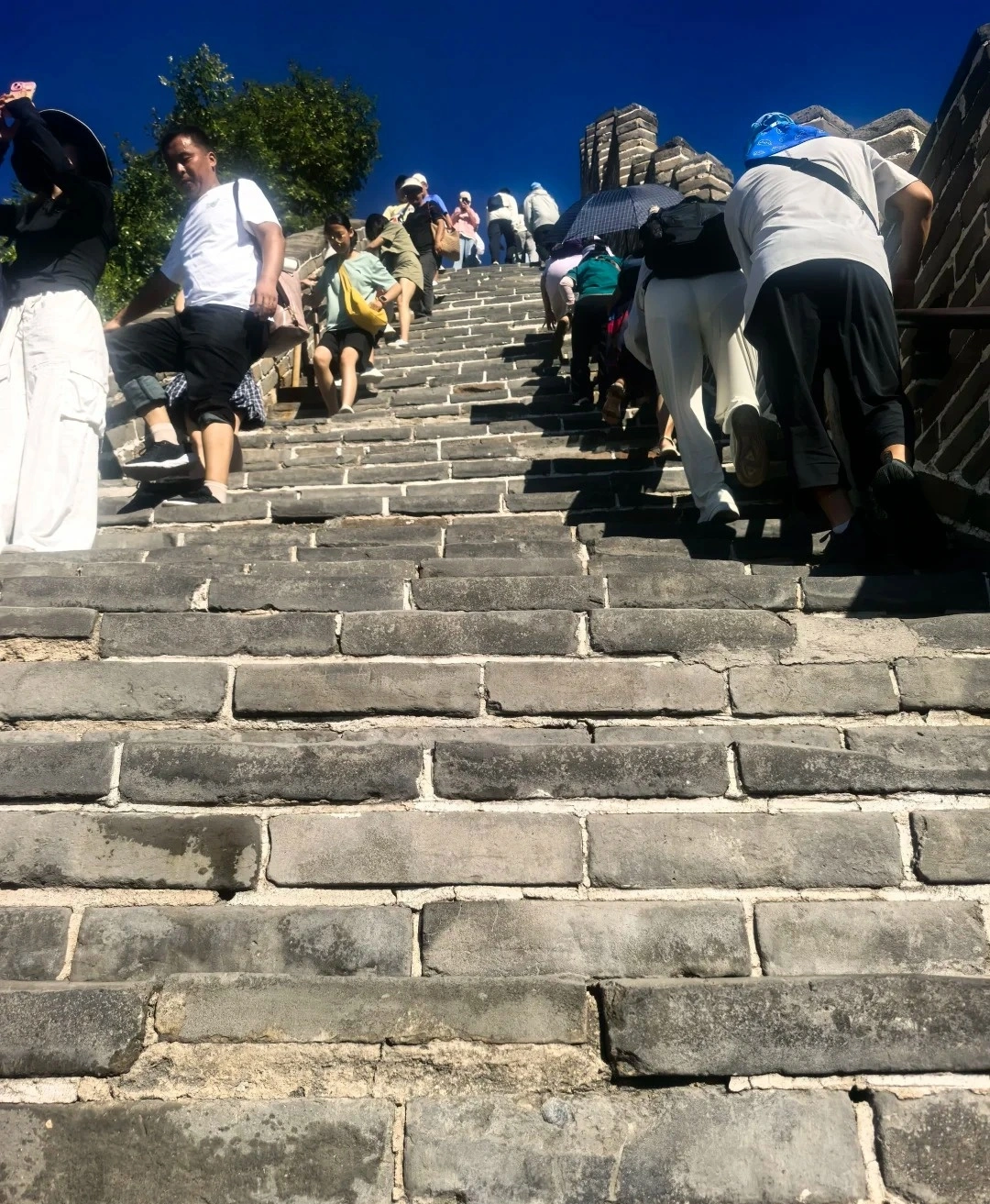
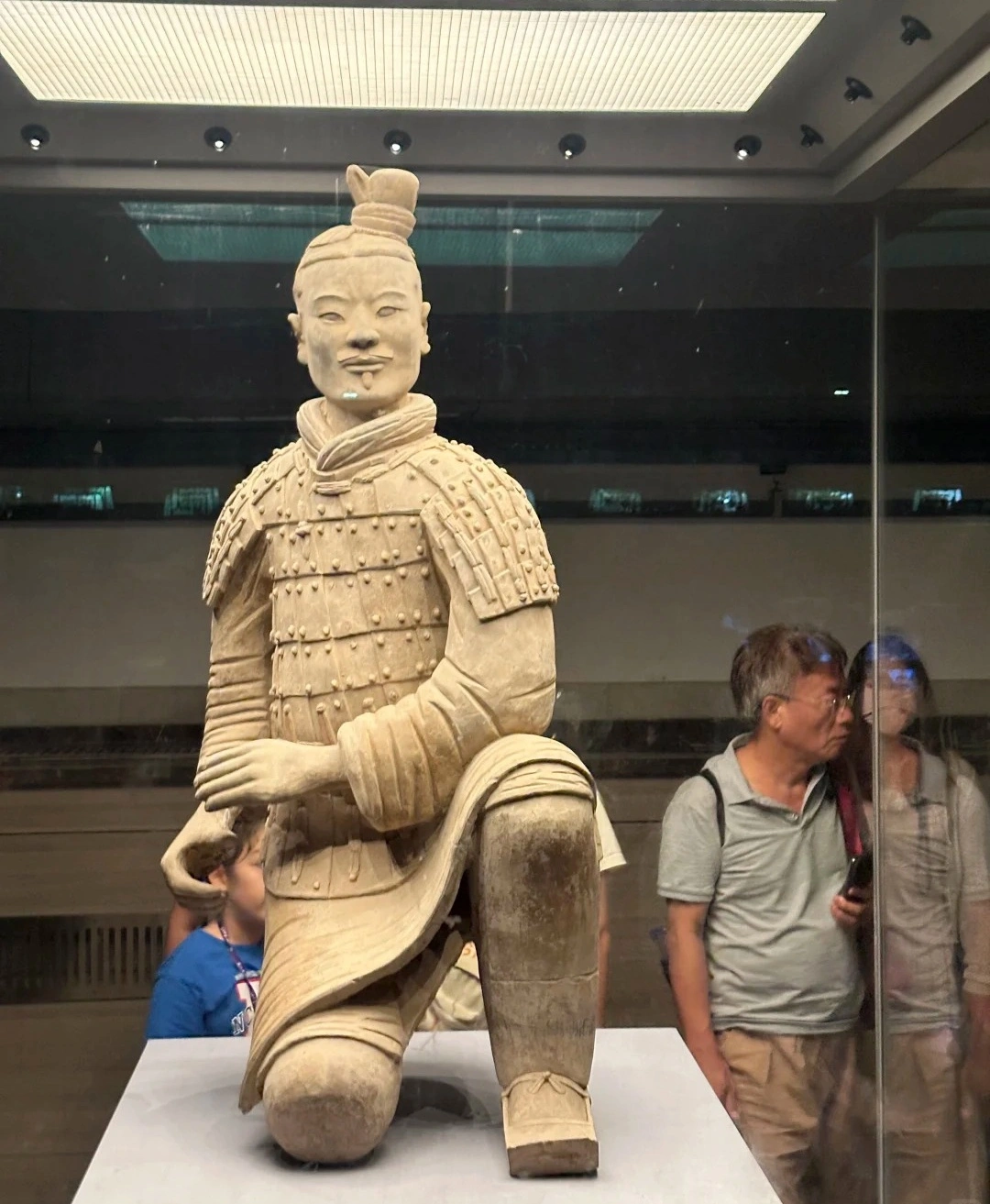
As a solo traveler from Canada, I was nervous about navigating China alone—but this 11-day tour was PERFECT! From hiking the Great Wall at sunrise (Day 3) to gasping at the Terracotta Army (Day 5), every day delivered ‘pinch-me’ moments. The real showstopper? Zhangjiajie’s Avatar Mountains (Day 7)! Our guide made the stone pillars come alive with stories.
Massive thanks for handling all logistics—bullet train tickets, entry passes, car! And the 4-star hotels surprised me.
Destination(s):
Beijing Xian Zhangjiajie Shanghai
Date of
Experience:
June 02,2025

Simon
America
Reviewed on May 29,2025
Our 2-day Zhangjiajie tour was beyond spectacular! As someone who’s visited Beijing and Shanghai for work, this trip revealed China’s wild, magical heart. Day 1 in Zhangjiajie National Forest Park felt like stepping onto Pandora—I’m a huge Avatar fan, and Yuanjiajie’s floating peaks left me breathless. The misty pillars and lush valleys like pure movie magic!
Then came Fenghuang Ancient Town, we eat dinner beside the thundering waterfall. It seems Unreal! The night views of stilt houses glowing over the river were straight from a fairy tale.
For fellow Avatar lovers and adventure seekers: Don’t miss this bucket-list experience! 10/10 would return.
A Well-Traveled Film Buff, May 2025
Destination(s):
Zhangjiajie
Date of
Experience:
May 08,2025