
Niu Tou
Ox-Head (Niu Tou): The Guardian of the Underworld in Chinese Mythology
Origins & Mythological Background
Ox-Head, known as Niu Tou in Chinese, is a legendary demon of the underworld in Chinese mythology, often paired with Horse-Face (Ma Mian) as the "Ox-Head Horse-Face" duo. Rooted in Buddhist lore, Ox-Head originates from the Tielu Nili Jing (Iron-Cast Mudra Sutra), which describes him as A Pang, a man cursed to become a bull-headed, human-bodied spirit due to filial impiety in life. Upon entering China, the concept evolved to include Horse-Face as his counterpart, reflecting the Chinese cultural preference for symmetry and duality. Together, they serve as Yin Si, or "ghostly enforcers," tasked with capturing wayward spirits and escorting souls to the afterlife under the command of Yama (the King of Hell).
Legends & Symbolic Role
- Duties in the Underworld: Ox-Head wields a steel fork and embodies ferocity, tasked with subduing malevolent spirits and enforcing karmic justice. Unlike the compassionate White and Black Impermanence, Ox-Head and Horse-Face focus on punishment—dragging sinners to hellish realms described in texts like the Lengyan Jing. Folk tales often depict them as stern but occasionally whimsical figures, sometimes bribing or tricking mortals to test their virtue.
- Cultural Symbolism: Ox-Head symbolizes primal strength and cosmic order. His bull-headed form ties to ancient agrarian worship of oxen as sacred beasts of labor and fertility, blending Buddhist karma with Daoist cosmology. In Confucian ethics, he embodies the consequence of moral failure, while his duality with Horse-Face reflects the balance of yin and yang.
Mythical Stories & Daily Influence
- Famous Tales: In Journey to the West, Ox-Head appears as a gatekeeper of the underworld, challenging Sun Wukong. Local legends describe him as a guardian of villages, with shrines built to appease him during harvest Festivals. A popular story tells of a farmer saved by Ox-Head after sacrificing his prized ox to save drought-stricken crops, symbolizing selflessness rewarded.
- Festivals & Rituals: During the Zhongyuan Festival (Ghost Month), families burn paper effigies of Ox-Head to honor ancestors and ward off evil spirits. Temple murals and shadow puppet plays frequently depict his exploits, emphasizing themes of justice and redemption.
Cultural Legacy & Landmarks
- Iconic Sites: Nanjing’s Niu-Tou Shan (Ox-Head Mountain) features ancient temples like Pujue Temple, where stone carvings of Ox-Head guard the gates. Hangzhou’s Lingyin Temple includes statues of the duo, believed to protect devotees from misfortune. The pagoda at Niu-Tou Shan, built during the Tang Dynasty, remains a pilgrimage site.
- Modern Relevance: In contemporary culture, Ox-Head appears in films, video games, and festivals, embodying both fear and reverence. His image adorns amulets for protection, while his tales inspire discussions on morality and karma in schools and community events.
Why Ox-Head Endures
Ox-Head transcends mere myth; he embodies the Chinese ethos of balance between punishment and compassion. His bull-headed form—a fusion of Buddhist eschatology and agrarian symbolism—resonates universally. From ancient temples to modern media, Ox-Head remains a timeless icon, reminding humanity that virtue lies in moral integrity, even beyond death. Through his tales, we glimpse not just a spectral enforcer but a symbol of cosmic justice—a guardian who bridges the mortal and divine with unwavering resolve.
Whether in the shadowy halls of the underworld or the sunlit fields of harvest, Ox-Head continues to captivate, offering a window into China’s spiritual and philosophical soul. His legacy thrives, a testament to the enduring power of myth to shape culture and conscience.




What Our Clients Say?
Based on 10,000+ traveler reviews

Daniel Dorothea
Canada
Reviewed on April 29,2025
Shopping on Nanjing Road in Shanghai was just amazing! It's truly the "First Commercial Street of China", where tradition and modernity blend perfectly. You can find awesome souvenirs and experience the trendy vibes in cool stores. The neon lights at night are just spectacular, shining bright like Times Square in New York. The food here is incredible too. I had a feast for my taste buds. Shanghai, I'll definitely be back!
Destination(s):
Shanghai
Date of
Experience:
May 08,2024


Elvis Eva
Canada
Reviewed on June 20,2025
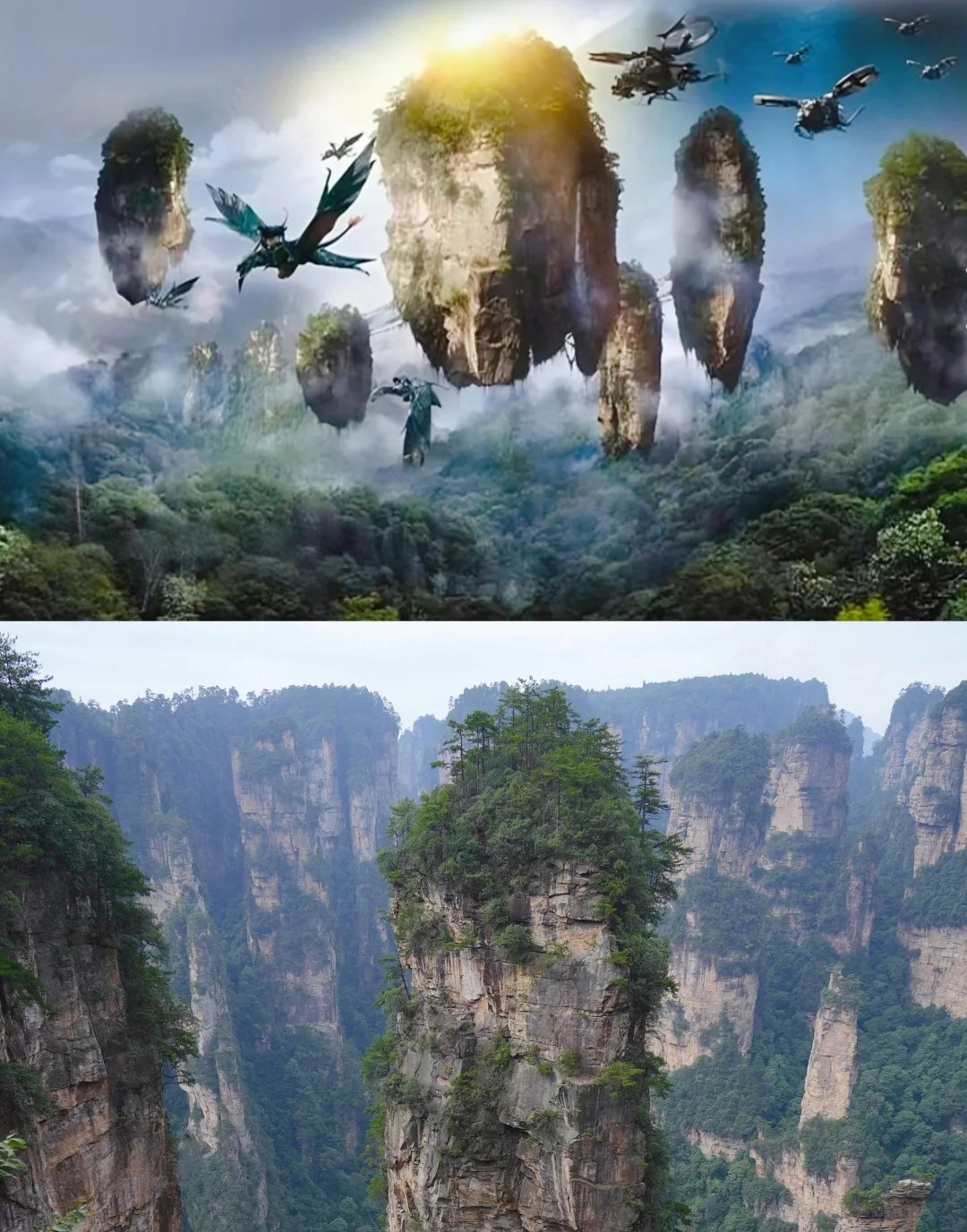
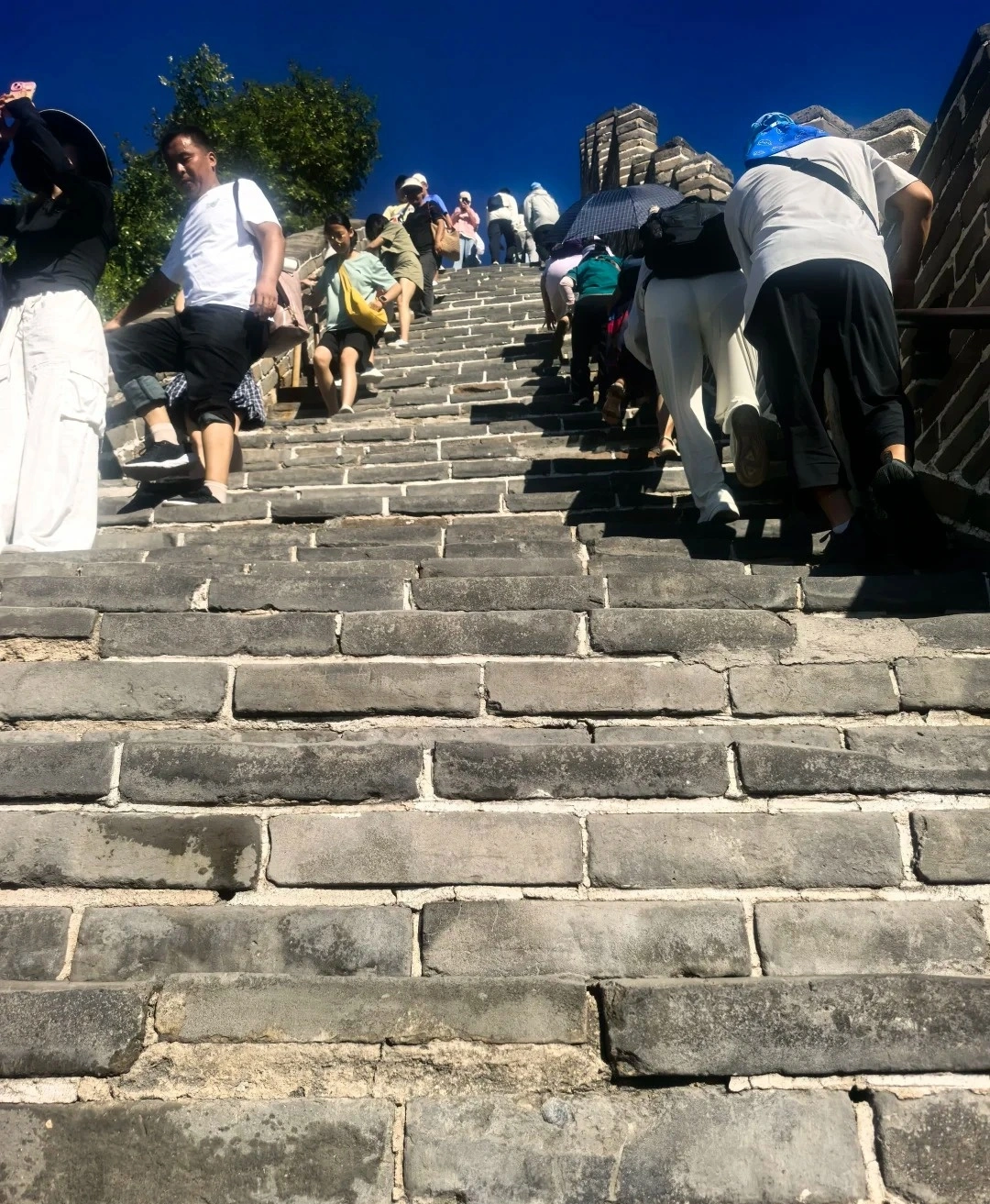
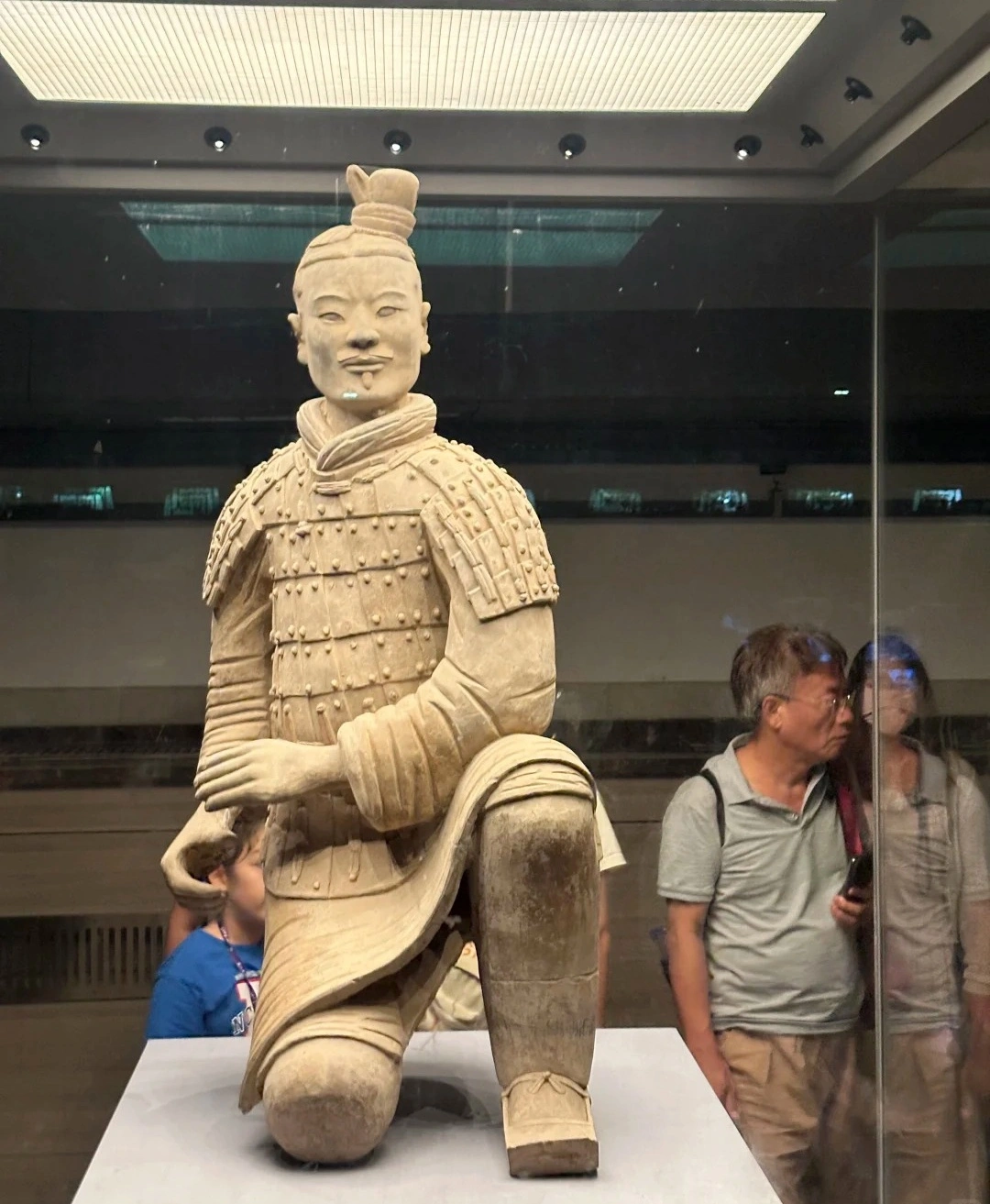
As a solo traveler from Canada, I was nervous about navigating China alone—but this 11-day tour was PERFECT! From hiking the Great Wall at sunrise (Day 3) to gasping at the Terracotta Army (Day 5), every day delivered ‘pinch-me’ moments. The real showstopper? Zhangjiajie’s Avatar Mountains (Day 7)! Our guide made the stone pillars come alive with stories.
Massive thanks for handling all logistics—bullet train tickets, entry passes, car! And the 4-star hotels surprised me.
Destination(s):
Beijing Xian Zhangjiajie Shanghai
Date of
Experience:
June 02,2025


Simon
America
Reviewed on May 29,2025
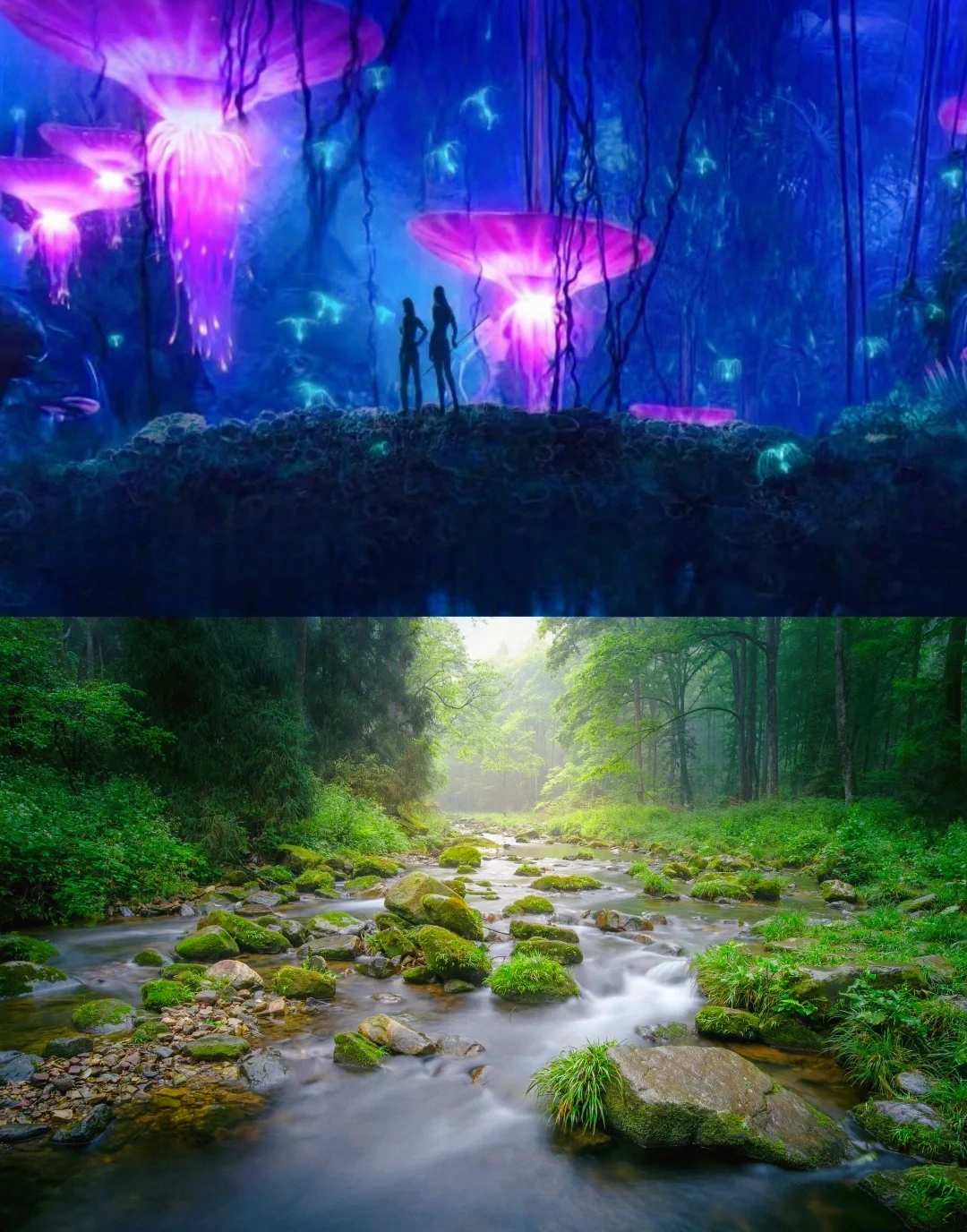
Our 2-day Zhangjiajie tour was beyond spectacular! As someone who’s visited Beijing and Shanghai for work, this trip revealed China’s wild, magical heart. Day 1 in Zhangjiajie National Forest Park felt like stepping onto Pandora—I’m a huge Avatar fan, and Yuanjiajie’s floating peaks left me breathless. The misty pillars and lush valleys like pure movie magic!
Then came Fenghuang Ancient Town, we eat dinner beside the thundering waterfall. It seems Unreal! The night views of stilt houses glowing over the river were straight from a fairy tale.
For fellow Avatar lovers and adventure seekers: Don’t miss this bucket-list experience! 10/10 would return.
A Well-Traveled Film Buff, May 2025
Destination(s):
Zhangjiajie
Date of
Experience:
May 08,2025