
Chinese Mythology: The Eight Saints
China's "Eight Sages" Reimagined: Mythical Origins & Timeless Wisdom
1. Wen Saint: Confucius
- Mythical Roots: Born under a Qilin—a celestial beast heralding wisdom—Confucius was said to be "pre-ordained by heaven." Legends claim he could converse with spirits and interpret cosmic signs, with the Book of Rites describing his birth as "a union of earth and sky."
- Divine Mission: His teachings were viewed as the "Way of Heaven" incarate. Folklore depicts him as a bridge between mortals and deities, using rituals to harmonize human ethics with cosmic order.
- Sacred Legacy: Temples dedicated to him worldwide symbolize the fusion of philosophy and spirituality, where visitors seek not just wisdom but divine guidance.
2. Wu Saint: Guan Yu
- Mythical Transformation: From mortal general to celestial deity, Guan Yu’s posthumous journey is legendary. Taoist texts describe him as "God of War" who slays demons with his Green Dragon Crescent Blade, while Buddhist sutras honor him as a protector of dharma.
- Miraculous Feats: Stories tell of his spirit aiding armies in battles, his statue weeping blood during national crises, and his sword glowing to ward off evil. In Hong Kong, his image is believed to attract wealth and repel misfortune.
- Cosmic Role: As one of the Three Realm Guardians, he oversees martial virtue, blending loyalty with supernatural power to inspire both soldiers and merchants.
3. Ya Saint: Mencius
- Heavenly Inspiration: Born under auspicious signs, Mencius was said to possess a "heart that mirrors heaven." His mother’s legendary "three moves" to ensure his education were later interpreted as divine intervention guiding moral cultivation.
- Philosophical Alchemy: His concept of "innate goodness" was framed as a cosmic truth, with later scholars claiming his words could calm storms and purify souls. Temple murals often depict him debating gods on ethics.
- Eternal Influence: His ideas became the backbone of Neo-Confucianism, with philosophers like Zhu Xi crediting him as a "mouthpiece of heaven" whose teachings transcend time.
4. Poetry Saint: Du Fu
- Poetic Immortality: Legend claims Du Fu’s verses were etched into star charts by the Jade Emperor. His poem "Autumn Meditations" is said to move clouds and stop rain, while "The Ballad of the Army Carts" resonates with the cries of war ghosts.
- Divine Inspiration: Folktales tell of him receiving verses from a mythical bird, the "Qingniao," messenger of the heavenly queen. His pen was believed to channel both earthly suffering and celestial beauty.
- Sacred Artistry: His poetry is recited in rituals to honor ancestors and invoke blessings, with calligraphers treating his characters as talismans against misfortune.
5. Painting Saint: Wu Daozi
- Brushstroke Magic: Wu Daozi’s paintings were rumored to spring to life. His mural at the Tang Dynasty’s capital was said to attract phoenixes, while his "Eighty-Seven Immortals" scroll could summon winds with a wave.
- Daoist Mastery: Taoist lore claims he learned his "floating white" technique from the Immortal Iron-Cap, enabling him to paint ghosts invisible to mortals but visible to spirits.
- Artistic Alchemy: His "lantern-shadow" method inspired theater and puppetry, while his legacy became a metaphor for art’s power to transcend reality and touch the divine.
6. Medical saint: Zhang Zhongjing
- Heavenly Pharmacy: Legends say Zhang Zhongjing ascended to heaven to gather herbs from the Jade Emperor’s garden. His Treatise on Cold Damage was believed to be co-written with the Queen Mother of the West.
- Miraculous Cures: Stories tell of him reviving the dead with a single needle, curing plagues by brewing potions from moonlight, and predicting epidemics through star readings.
- Sacred Science: Temples to him double as clinics, where practitioners invoke his spirit for healing. His pulse-diagnosis techniques are said to reveal not just illness but karma.
7. tea Saint: Lu Yu
- Tea Immortal: Folktales depict Lu Yu as a "Tea Immortal" who discovered tea leaves during a dream-journey to the Celestial Tea Grove. The Tea Classic is said to be dictated by the Tea Spirit herself.
- Mystical Rituals: His tea ceremonies were believed to purify the soul and summon ancestral spirits. The "whisking" motion in tea preparation symbolizes banishing demons.
- Cultural Alchemy: Tea houses became sacred spaces where scholars debated philosophy and poets found inspiration. The "teapot omens" tradition claims tea leaves reveal future fortunes.
8. Wine Saint: Du Kang
- Divine Distiller: Du Kang is said to have discovered fermentation after storing rice in a sandalwood tree, which transformed into ambrosia under moonlight. The "Jade Liquid" he brewed was believed to grant immortality.
- Alcohol Alchemy: His brewing techniques were guarded by the "Nine Immortal Brewers," and drinking his wine was said to reveal hidden truths and unite lovers in the afterlife.
- Sacred Social Lubricant: Wine became a tool for sealing pacts with gods and ancestors. The "toast to heaven" ritual remains central to weddings and Festivals, symbolizing unity between mortals and deities.
Cultural Cosmology
The "Eight Sages" embody the Chinese belief that genius is divine and wisdom is cosmic. Each figure bridges mortal and celestial realms, their stories blending history, myth, and metaphysics. They represent not just human achievement but the harmony between heaven, earth, and humanity—a triad that defines Chinese spirituality.
This mythical layer transforms the "Eight Sages" from historical figures into timeless symbols of cultural DNA, where every brushstroke, verse, or medical formula carries the weight of eternity. For modern readers, they offer not just knowledge but a map to navigate life’s mysteries through the lens of sacred tradition.


What Our Clients Say?
Based on 10,000+ traveler reviews

Daniel Dorothea
Canada
Reviewed on April 29,2025
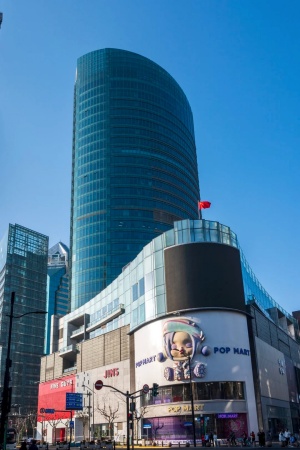
Shopping on Nanjing Road in Shanghai was just amazing! It's truly the "First Commercial Street of China", where tradition and modernity blend perfectly. You can find awesome souvenirs and experience the trendy vibes in cool stores. The neon lights at night are just spectacular, shining bright like Times Square in New York. The food here is incredible too. I had a feast for my taste buds. Shanghai, I'll definitely be back!
Destination(s):
Shanghai
Date of
Experience:
May 08,2024

Elvis Eva
Canada
Reviewed on June 20,2025
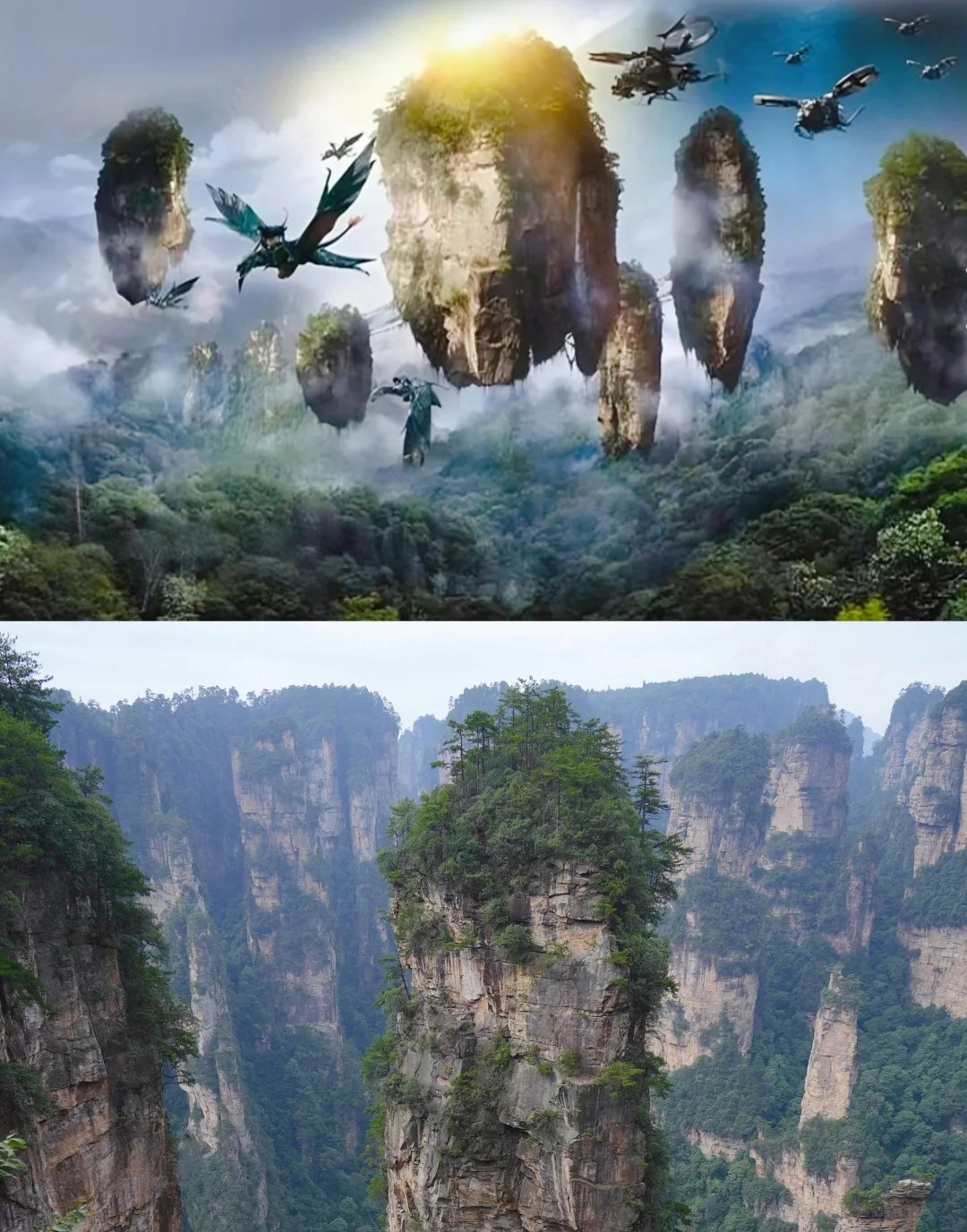
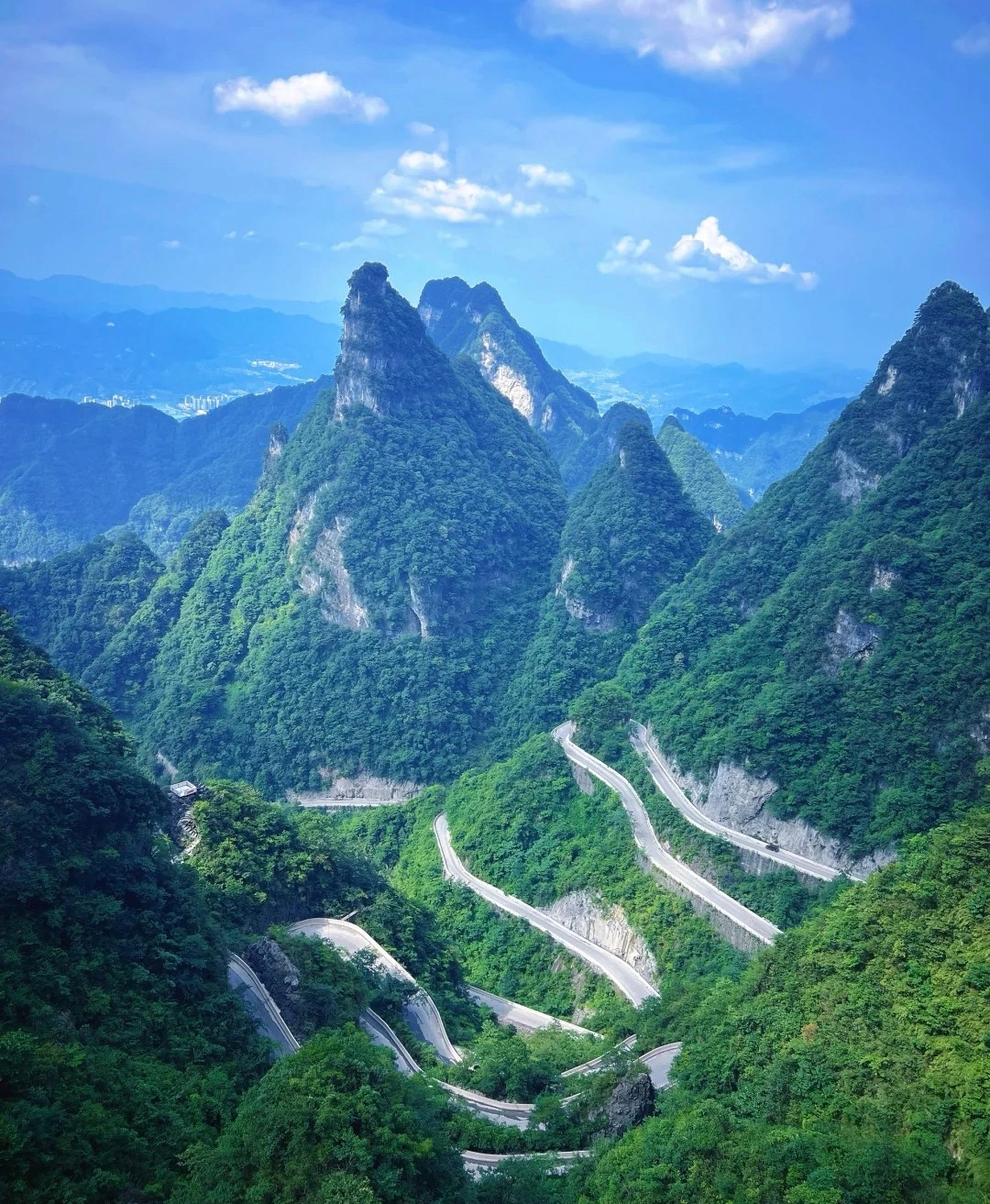
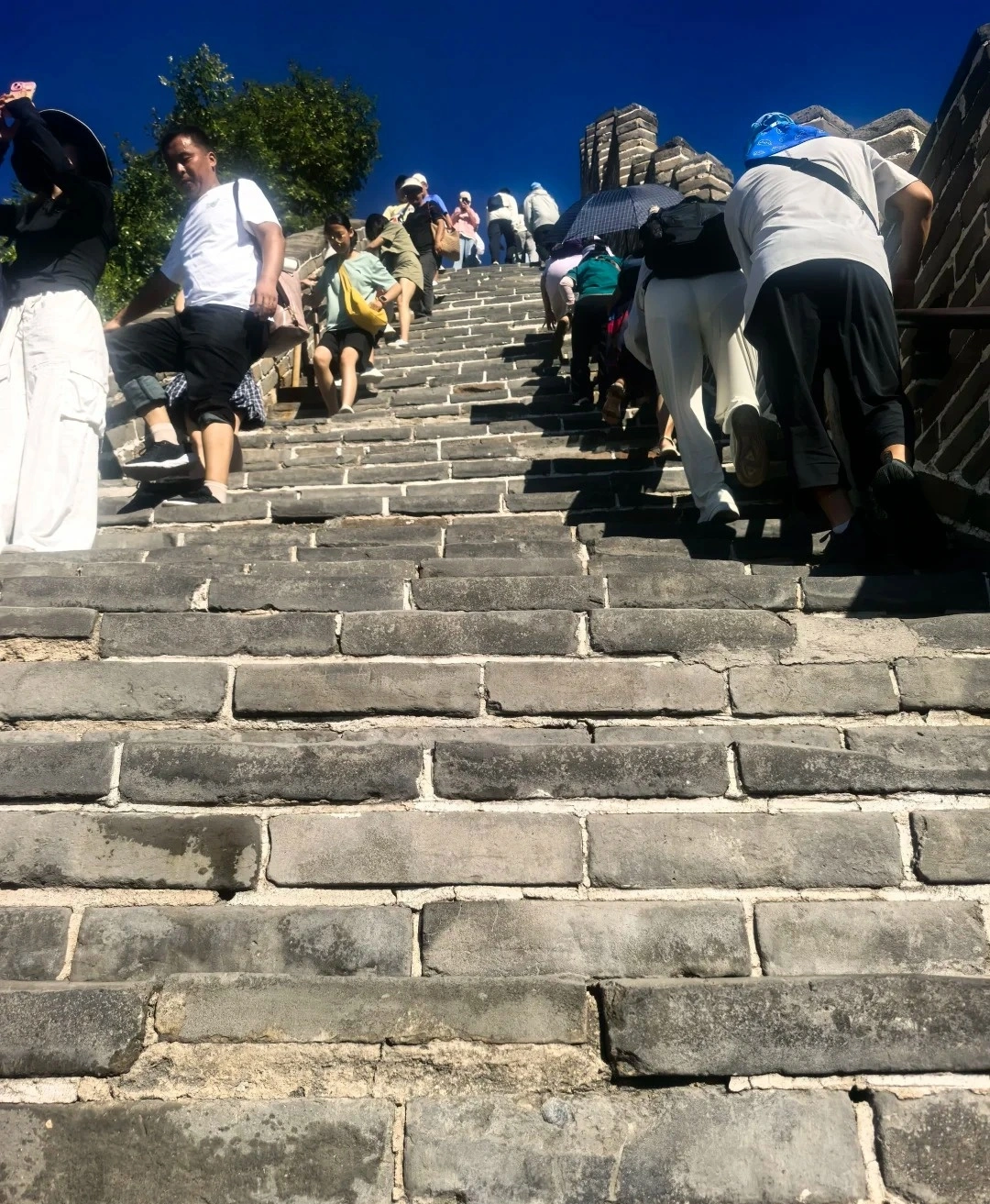
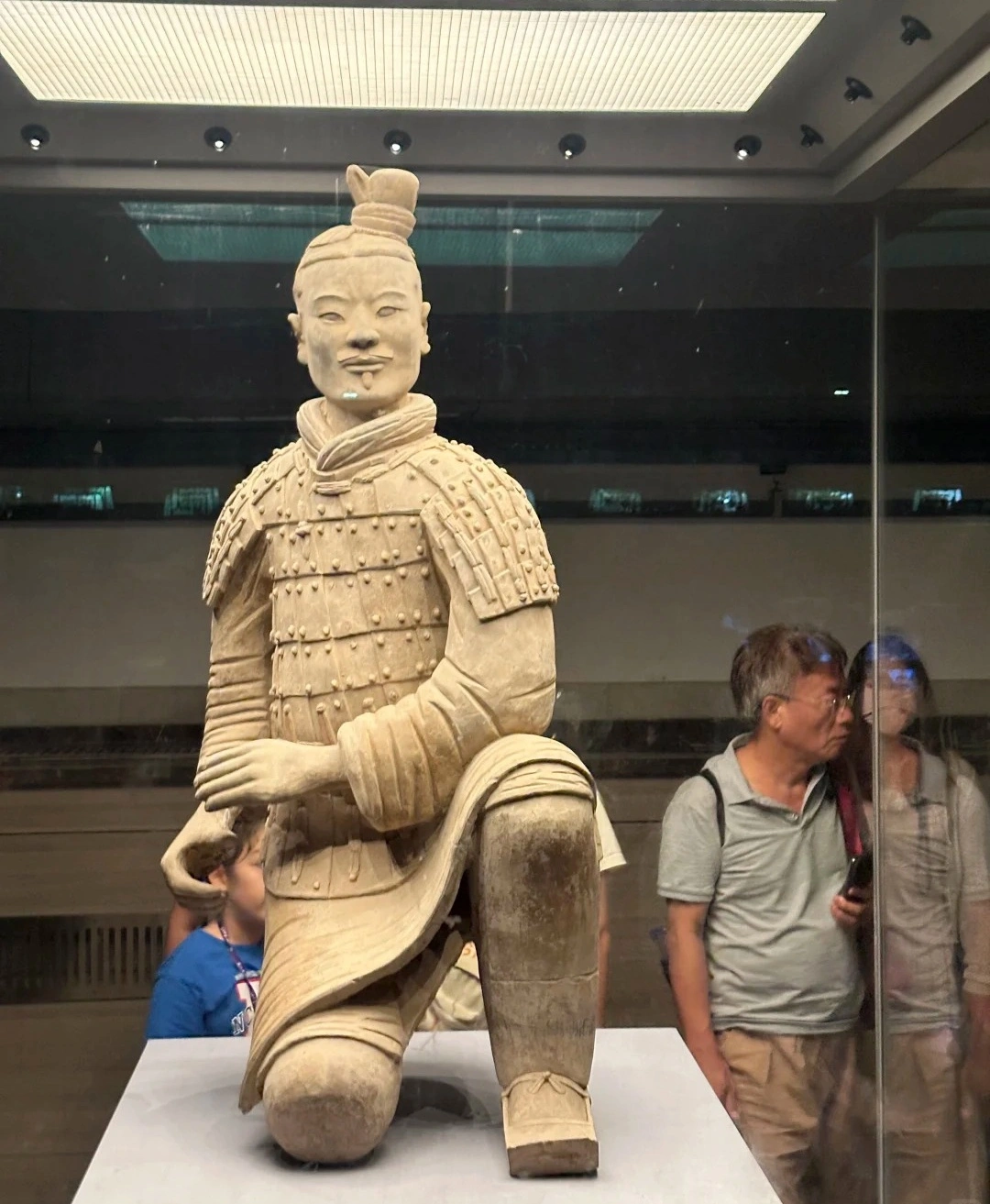
As a solo traveler from Canada, I was nervous about navigating China alone—but this 11-day tour was PERFECT! From hiking the Great Wall at sunrise (Day 3) to gasping at the Terracotta Army (Day 5), every day delivered ‘pinch-me’ moments. The real showstopper? Zhangjiajie’s Avatar Mountains (Day 7)! Our guide made the stone pillars come alive with stories.
Massive thanks for handling all logistics—bullet train tickets, entry passes, car! And the 4-star hotels surprised me.
Destination(s):
Beijing Xian Zhangjiajie Shanghai
Date of
Experience:
June 02,2025

Simon
America
Reviewed on May 29,2025
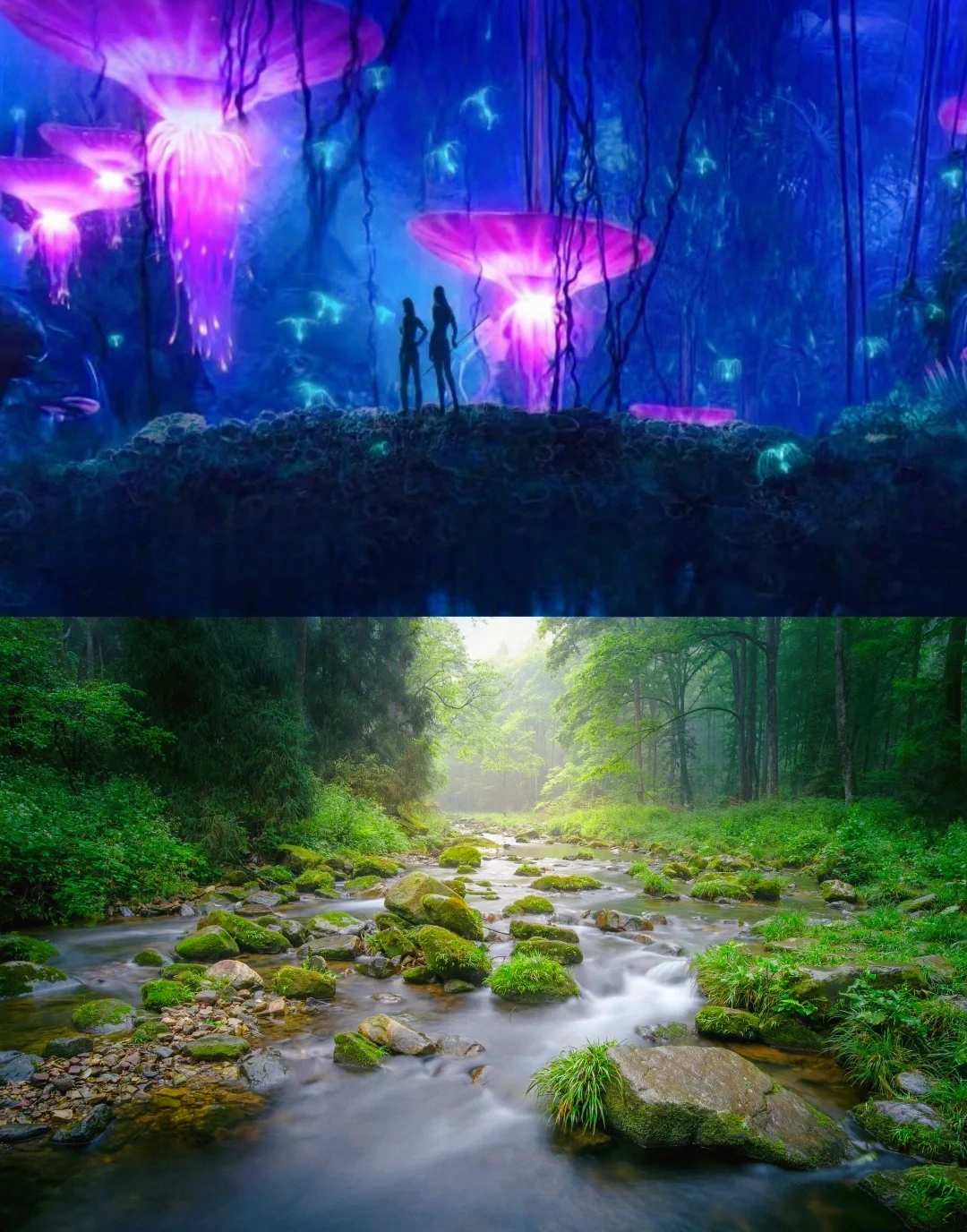
Our 2-day Zhangjiajie tour was beyond spectacular! As someone who’s visited Beijing and Shanghai for work, this trip revealed China’s wild, magical heart. Day 1 in Zhangjiajie National Forest Park felt like stepping onto Pandora—I’m a huge Avatar fan, and Yuanjiajie’s floating peaks left me breathless. The misty pillars and lush valleys like pure movie magic!
Then came Fenghuang Ancient Town, we eat dinner beside the thundering waterfall. It seems Unreal! The night views of stilt houses glowing over the river were straight from a fairy tale.
For fellow Avatar lovers and adventure seekers: Don’t miss this bucket-list experience! 10/10 would return.
A Well-Traveled Film Buff, May 2025
Destination(s):
Zhangjiajie
Date of
Experience:
May 08,2025