How to Get There: A Seamless Connection Guide
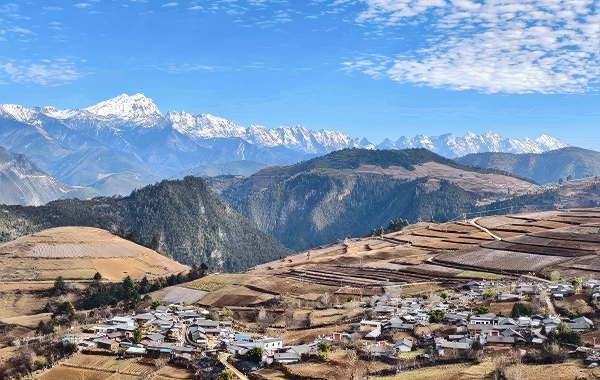
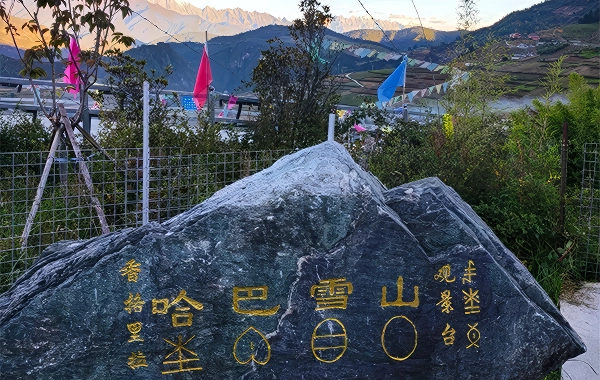
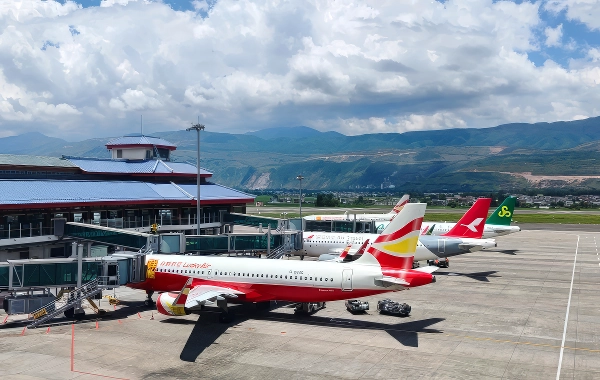
Haba Snow Mountain is located in Shangri-La City, about 120 km from Lijiang and 80 km from Diqing (Shangri-La) Airport.
From Lijiang (self-drive): Take the G214/G353 highways north toward Shangri-La. Turn off at Haba Village, following tourist signs. The journey takes approximately 2 hours. Parking is available at Haba Village and base camp (¥10/day).
From Shangri-La (public transit): Buses depart regularly from Shangri-La Bus Station to Haba Village (¥60, approximately 2.5 hours). Shuttle services also connect from Tiger Leaping Gorge (¥30, 40 minutes).
From Lijiang Airport / Diqing Airport: Direct shuttle buses run from Lijiang Airport (¥100, 3 hours) and Diqing Airport (¥120, 2 hours) to Haba Village. Taxis and ride-hailing services are available for ¥200–300 from either airport.
Local Access: Hiking is the primary mode of transport once on the mountain. Wooden boardwalks connect key viewpoints. Horses and mules can be hired for carrying equipment to base camp (¥200–400/day).
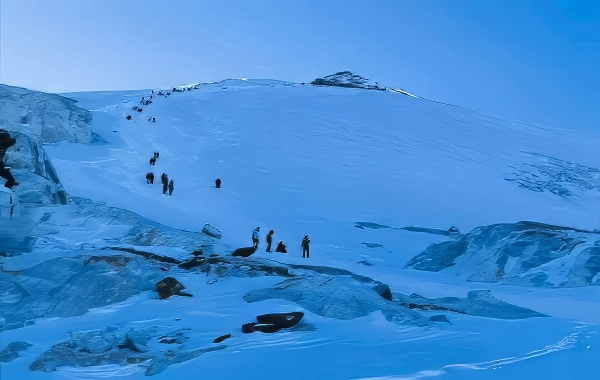
Important Return Travel Reminder: Guided tours operate 07:00–17:00 daily. Summit treks require pre-dawn starts (typically 3:00 AM). If descending late, ensure you have pre-arranged transportation back to your accommodation — buses from Haba Village to Shangri-La depart until 17:00; after that, private vehicle rental is the only option.
Ticket Information
General Admission: Access to most areas of the mountain is free. Specialized tours, including glacier hikes and summit expeditions, require certified guides (¥200–500/day depending on group size and route).
Permits: Climbing permits for high-altitude treks are ¥300–600 per person. Park entry fees (¥50–100) apply for designated scenic zones. Basic day hikes in the lower valleys do not require permits.
Guided Tours: Available for ¥300–500 per group (Chinese and limited English). A knowledgeable local Tibetan guide will unlock hidden stories of glacial formations, wildlife habitats, and sacred sites. Travel Tip: Request a guide through Haba Village's community tourism office for the most authentic experience.
Free Access: The mountain's lower valleys, Haba Village, and exterior temple grounds are open without tickets. Only high-altitude zones and specialized activities require permits.
Best Time to Visit
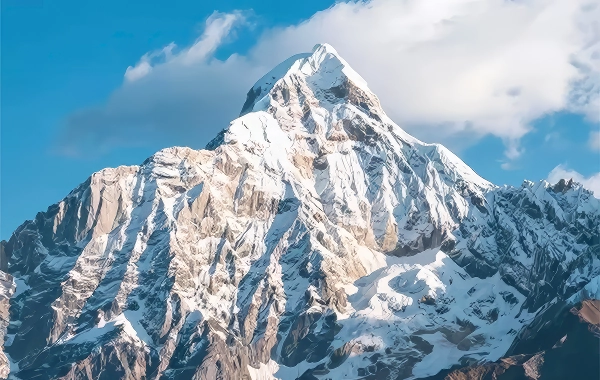
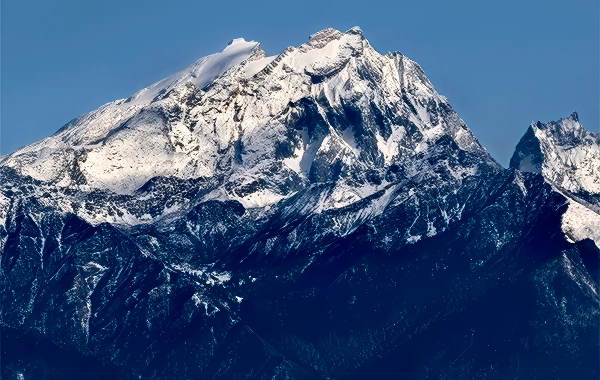
Haba Snow Mountain offers a different beauty each season, though the optimal windows are spring (April–June) and autumn (September–November).
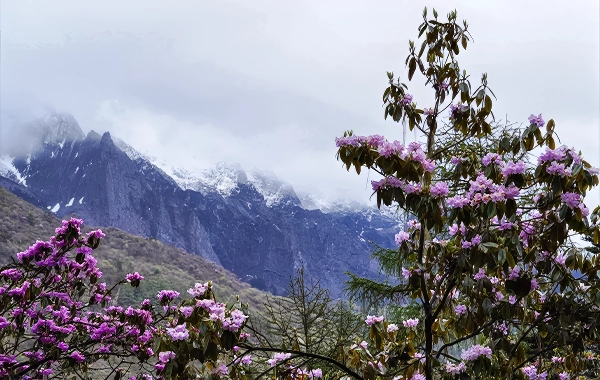
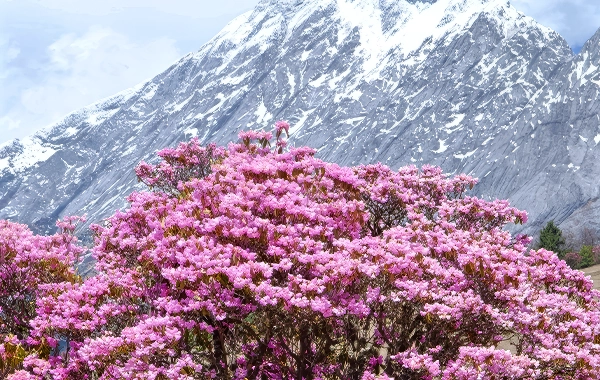
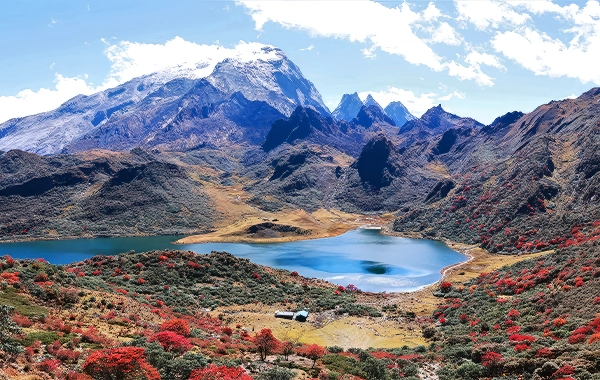
Spring (April–June): Mild weather (5–15°C at base), blooming rhododendrons transforming valleys into pink-and-white carpets, and stable trekking conditions. The soft spring light enhances photographs of wildflowers against snow peaks. Ideal for photography.
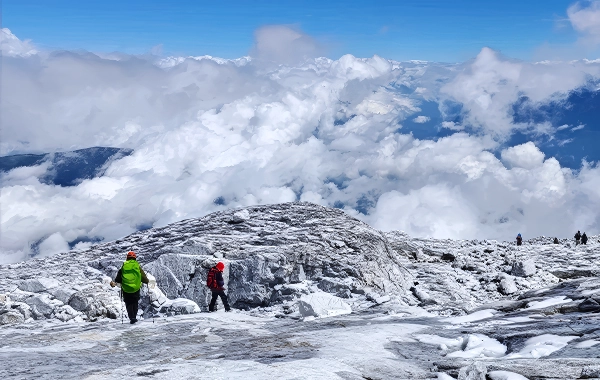
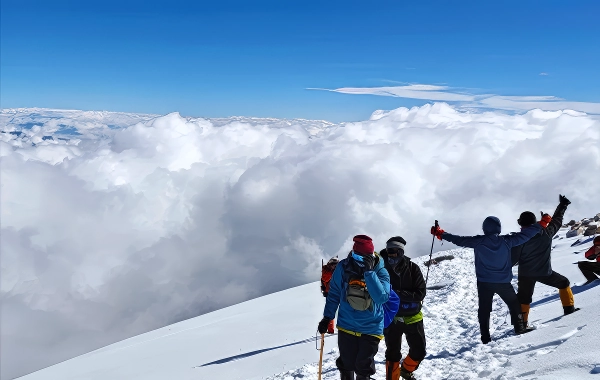
Autumn (September–November): Clear skies, crisp air, and golden foliage painting slopes. The best season for summit climbs, with stable weather windows and excellent visibility of Jade Dragon Snow Mountain and Tiger Leaping Gorge.
Summer (July–August): Warmer (10–20°C) but monsoon rains create muddy trails and limited visibility. Landslides occasionally affect access roads. Not recommended for summit attempts.
Winter (December–March): Cold (as low as -20°C at altitude) with heavy snowfall. Glacier access is restricted, and most summit expeditions pause. However, the lower valleys offer serene, crowd-free winter landscapes for hardy travelers.
What to Pack & Cultural Etiquette
Clothing: Wear layered, moisture-wicking clothing; temperatures range from -20°C (summit) to 20°C (base). Sturdy hiking boots are essential. Sunscreen and UV-protective sunglasses are mandatory at altitude. Bring thermal layers, a hat, and insulated gloves.
Altitude Preparation: Acclimatize in Lijiang (2,400m) or Shangri-La (3,200m) for 1–2 days before ascending. Carry anti-altitude sickness medication (e.g., acetazolamide). Oxygen canisters are available for purchase at base camp (¥50–100). Stay hydrated and ascend gradually.
Cultural Etiquette: Remove shoes before entering Haba Temple. Respect quiet zones during prayer rituals. Always ask permission before photographing Tibetan villagers or Naxi Dongba priests. Do not step over prayer flags or stone cairns — walk around them clockwise.
Local Customs: During Tibetan festivals (particularly Losar, the Tibetan New Year), locals conduct pilgrimage circuits around the mountain. Visitors are welcome to observe respectfully; participate only if explicitly invited.
Accommodation Options
Within Haba Village (Recommended):
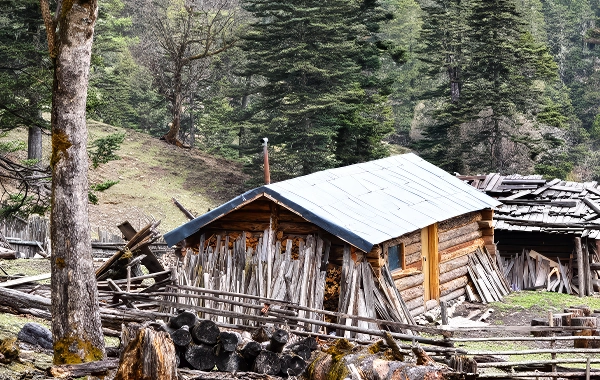
1. Haba Village Homestays (Authentic Experience): Traditional Tibetan homes offering warm hospitality and home-cooked meals. Rooms are simple but comfortable (¥100–200/night including meals). Best for cultural immersion.
2. Haba Base Camp Lodge (3,200m): Basic dormitory-style accommodation used by summit climbers. Geothermal heating and solar power minimize environmental impact. Rates: ¥80–150/night. Advance booking essential during peak seasons.
In Shangri-La City (More Choices):
1. International Hotels (e.g., Songtsam Retreat, Shangri-La Resort): Starting from ¥800/night. Ideal for travelers preferring luxury amenities and traditional Tibetan architecture.
2. Boutique Inns in Shangri-La Old Town: Prices range from ¥300–600/night. Many offer rooftop views and Tibetan-style courtyards.
IntoTravelChina Accommodation Booking Tip: We recommend booking at least three weeks in advance for spring and autumn peak seasons. Through us, you can bundle your climbing permit, guided expedition, and accommodation for a package discount. Let us know your budget — we'll find your perfect mountain sanctuary. >> [Consult for Customization Now]