The Charm of Nature – The Tranquil Vitality of Temple Gardens
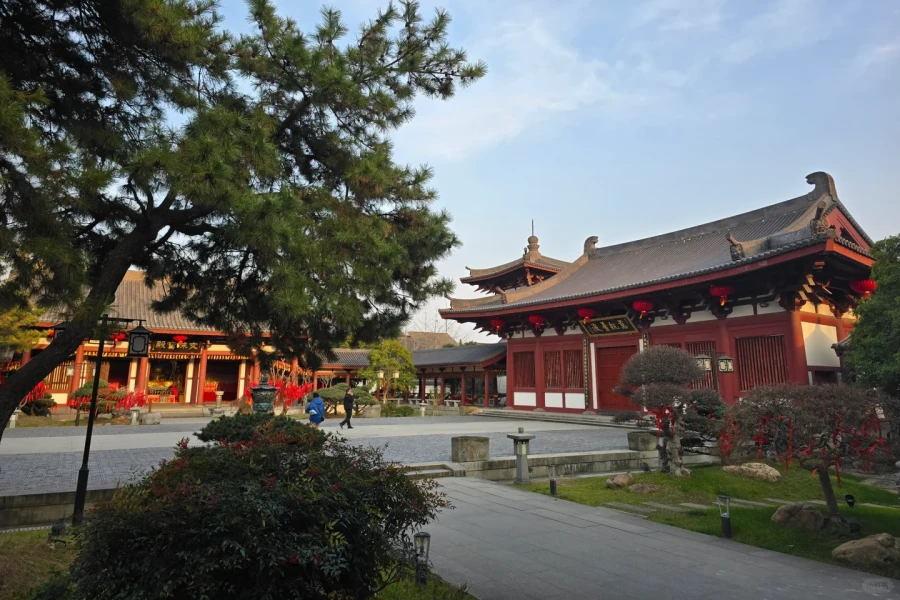
The rebuilt Yunxiang Temple, while adhering to the rigorous layout of the Tang Dynasty, cleverly incorporates the dynamism of Jiangnan gardens.
Release pond and green courtyard
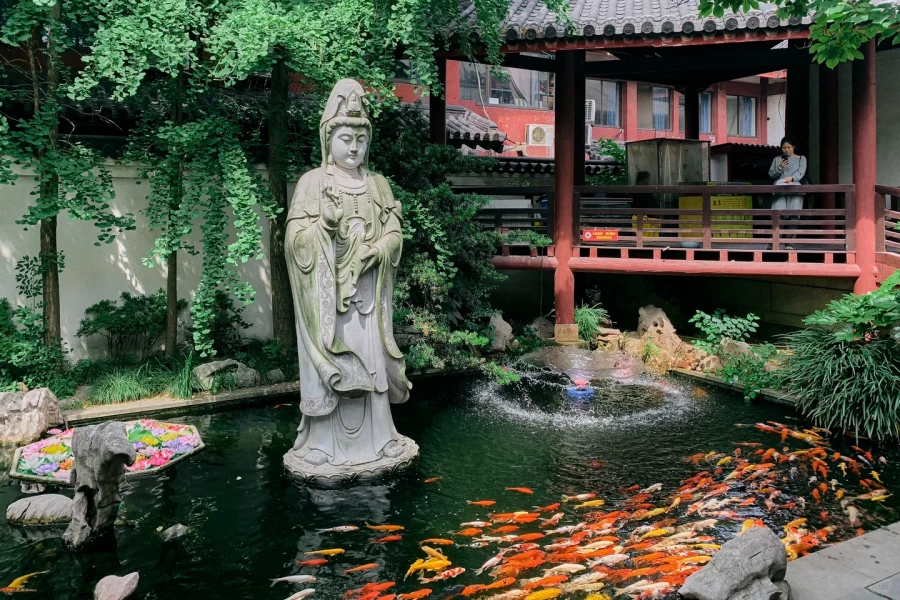
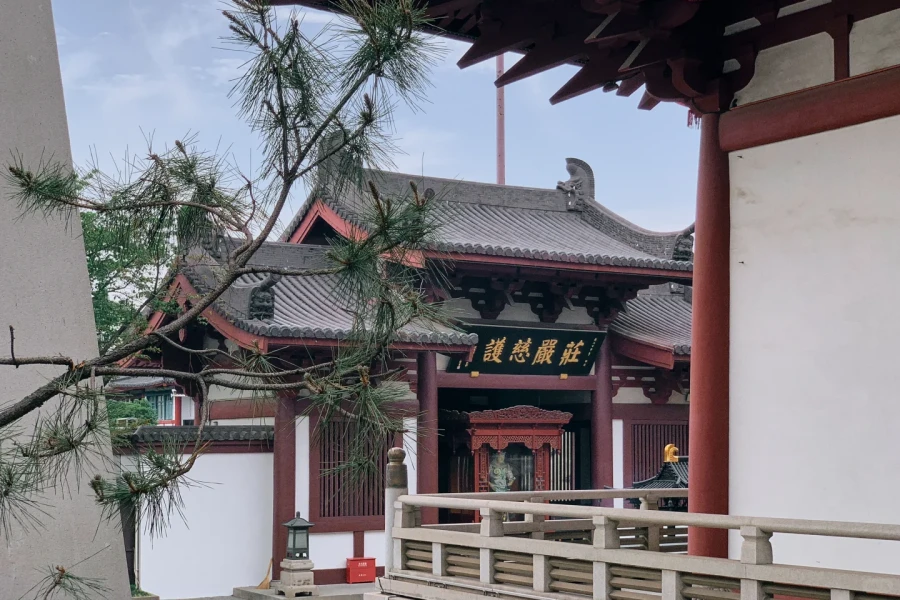
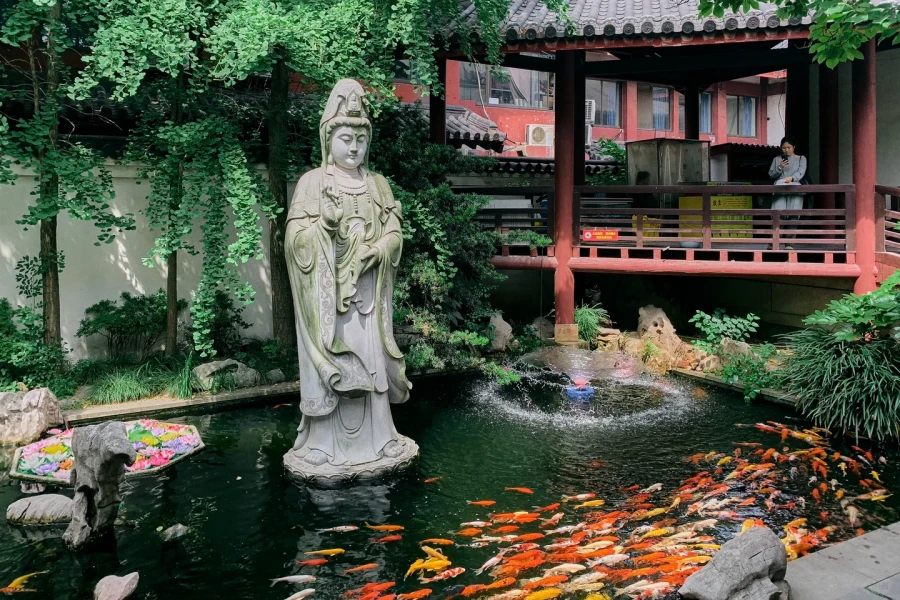
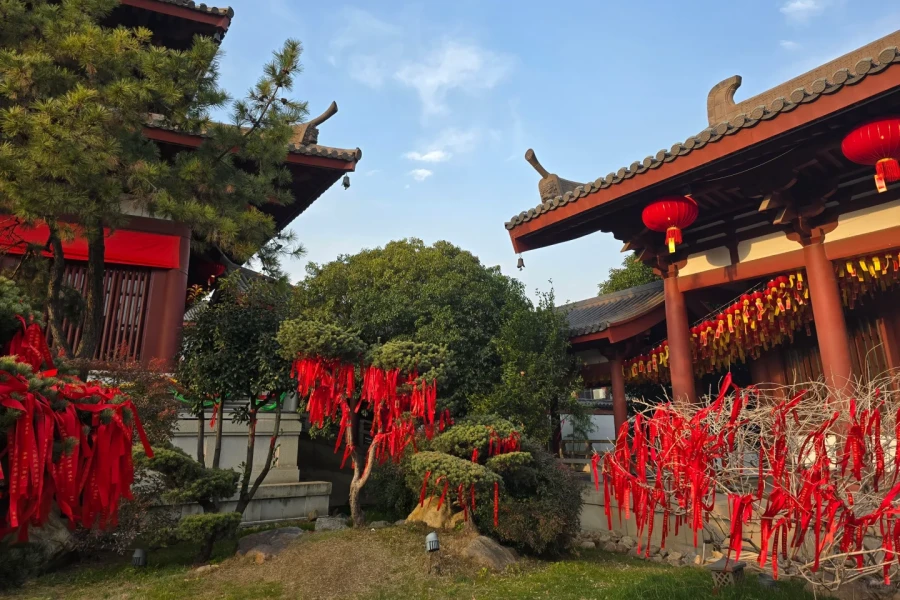
Upon entering the mountain gate, a spacious release pond comes into view. The clear water teems with koi carp, creating a tranquil scene with the reflections of the surrounding green trees and temple buildings. An arched bridge spans the pond, offering a pleasant spot for sightseeing and relaxation. The temple courtyards and corridors are adorned with pine, bamboo, and banana trees, their colors changing with the seasons, adding vibrant life to the solemn architectural complex.
A Symbiotic Picture of Ancient Towns and Water Villages
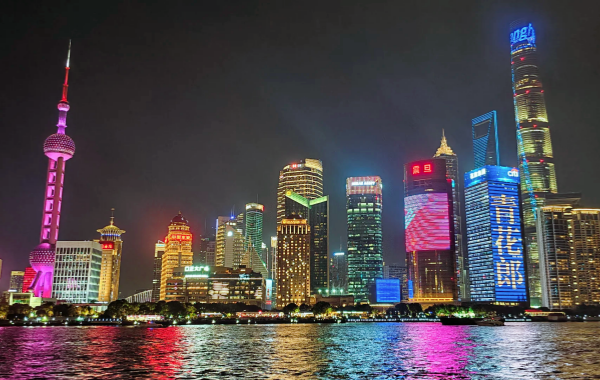
Yunxiang Temple itself is not a large garden, but the old streets and waterways of Nanxiang Ancient Town, which are adjacent to it, can be regarded as its extended "natural" background. Standing on the high point inside the temple, you can see the Jiangnan scenery of white walls and black tiles, small bridges and flowing water in the ancient town, where the tranquility of the Zen temple and the lively atmosphere of the city coexist harmoniously.
Humanistic Ingenuity: A Poetic Journey Through Wooden Structures in the Grandeur of the Tang Dynasty
Every hall and every component here strictly follows the architectural style of the Tang Dynasty, boasting a magnificent scale and exquisite details.
Tang Dynasty-style architectural complex: a reproduction of the grandeur of a prosperous era
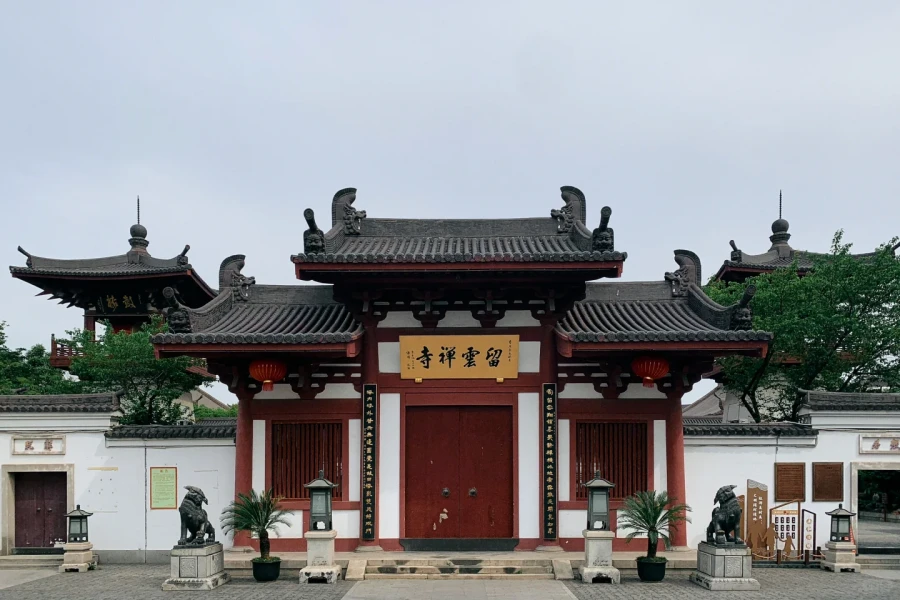
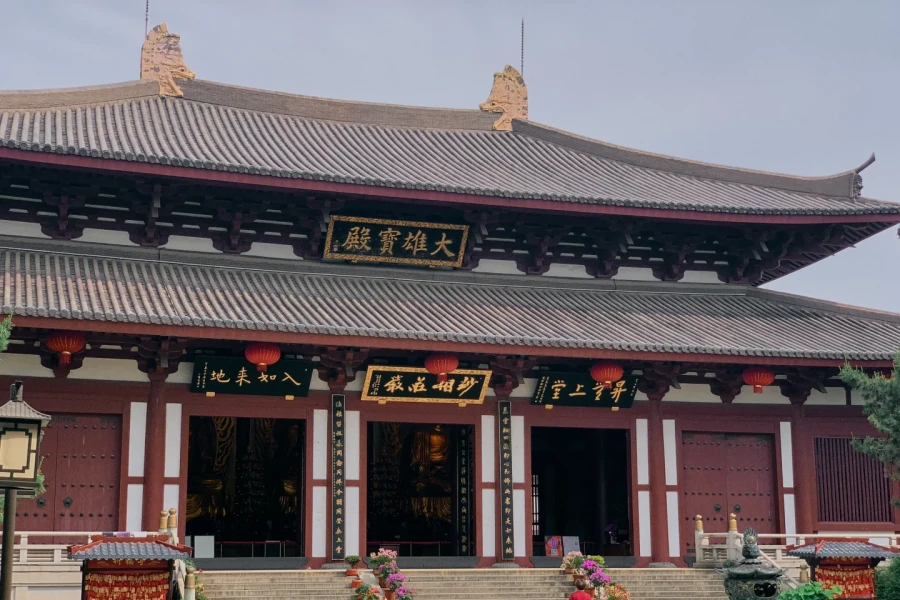
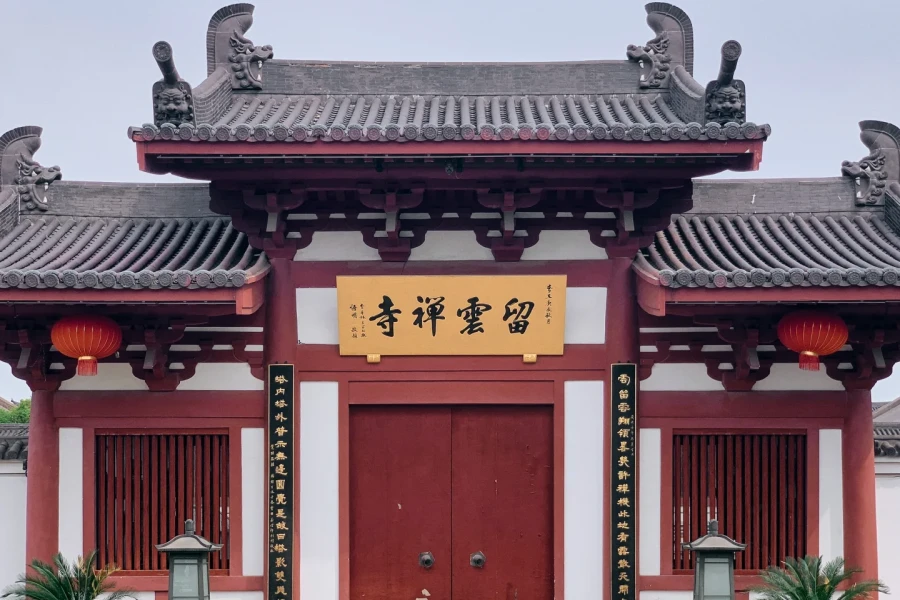
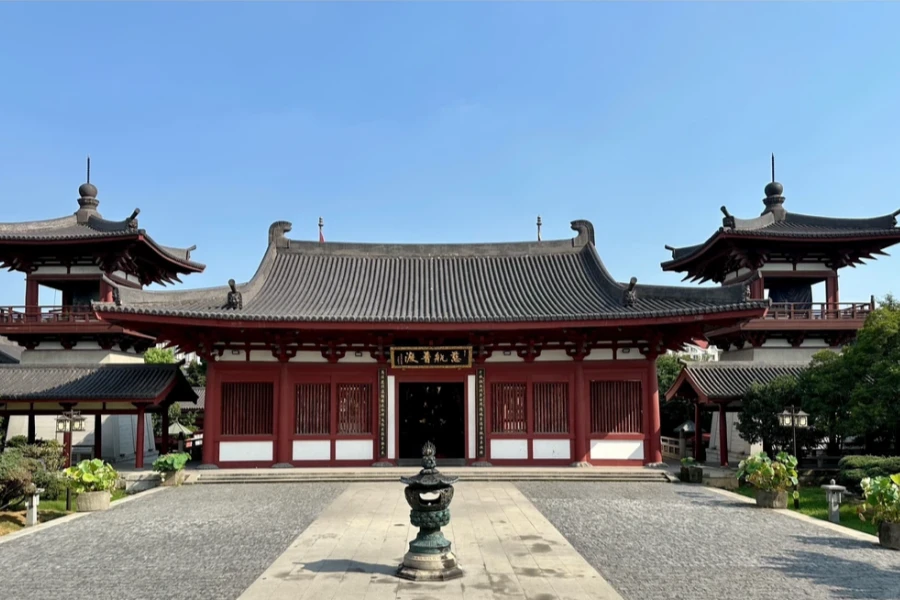
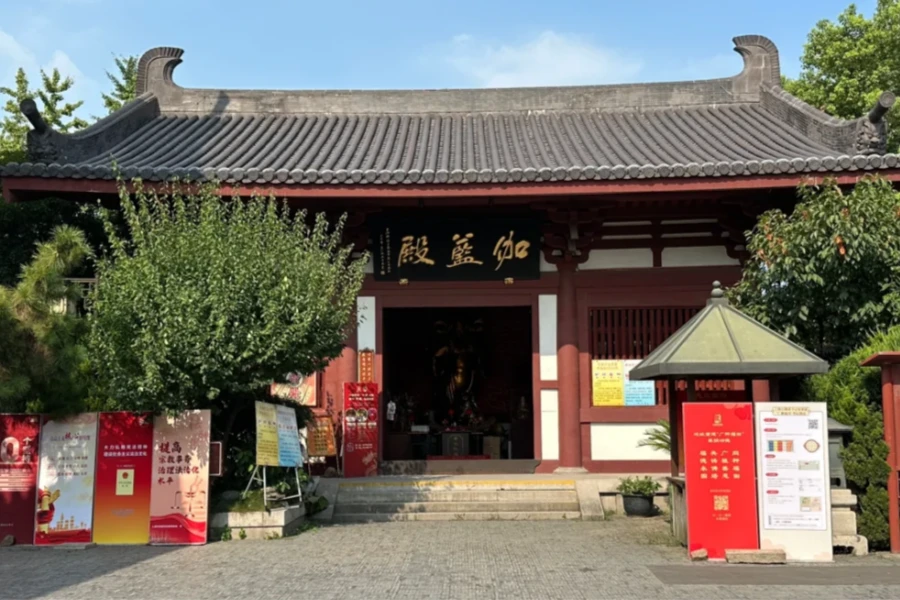
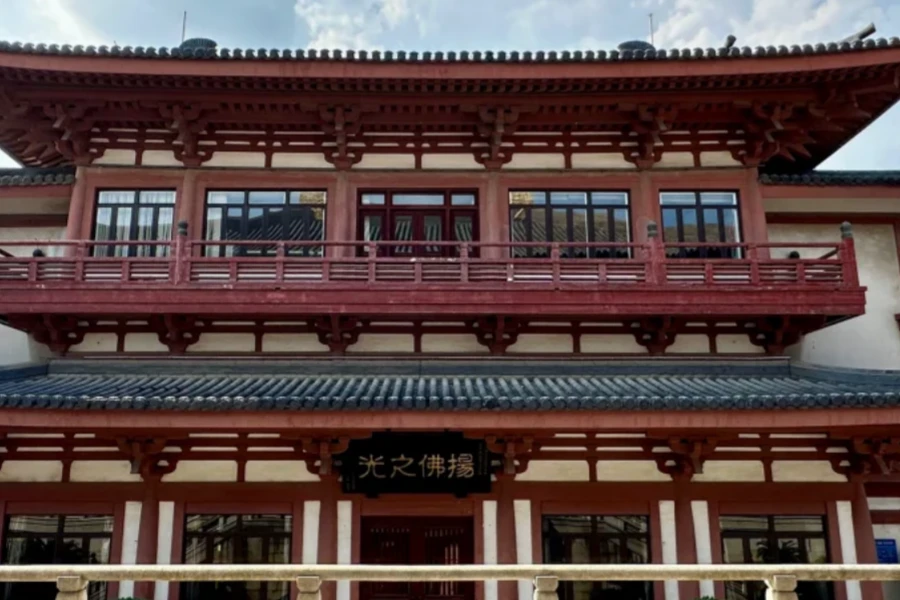
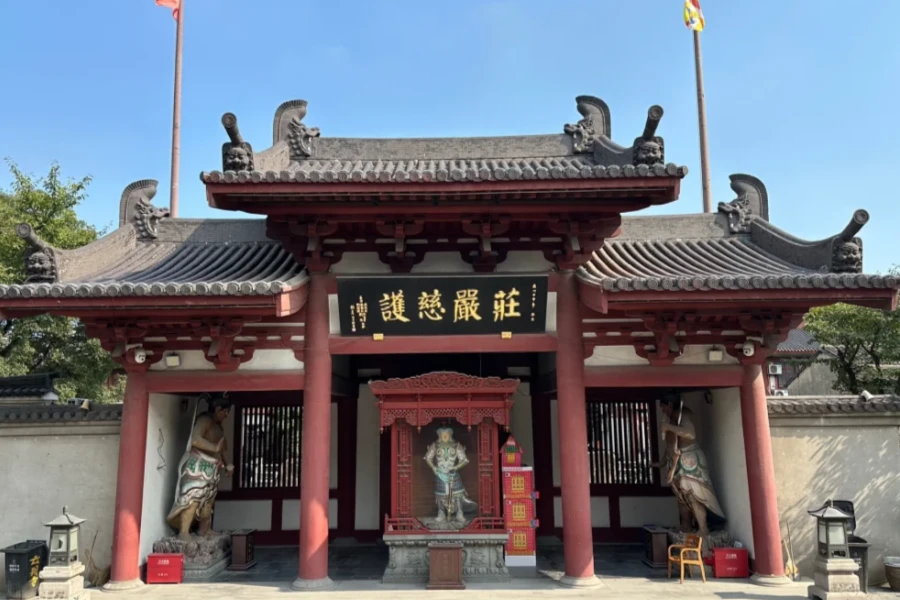
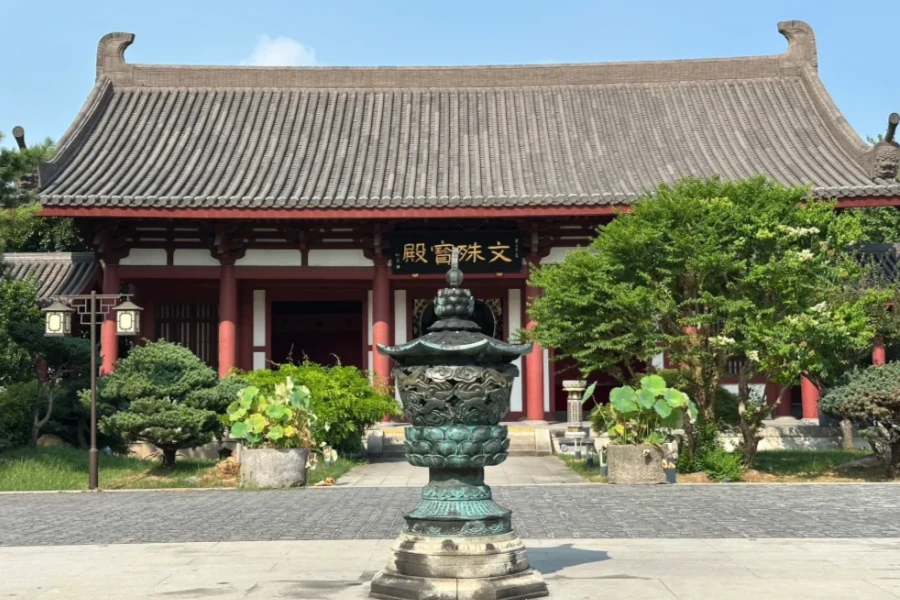
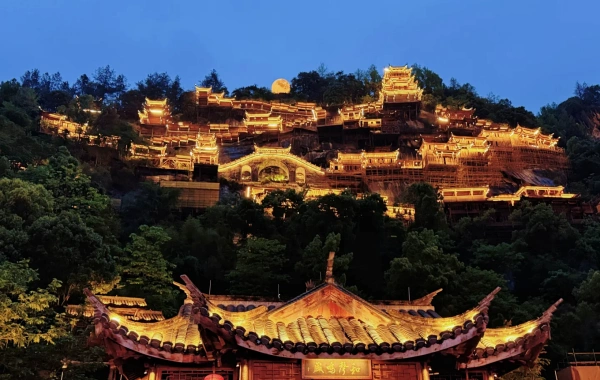
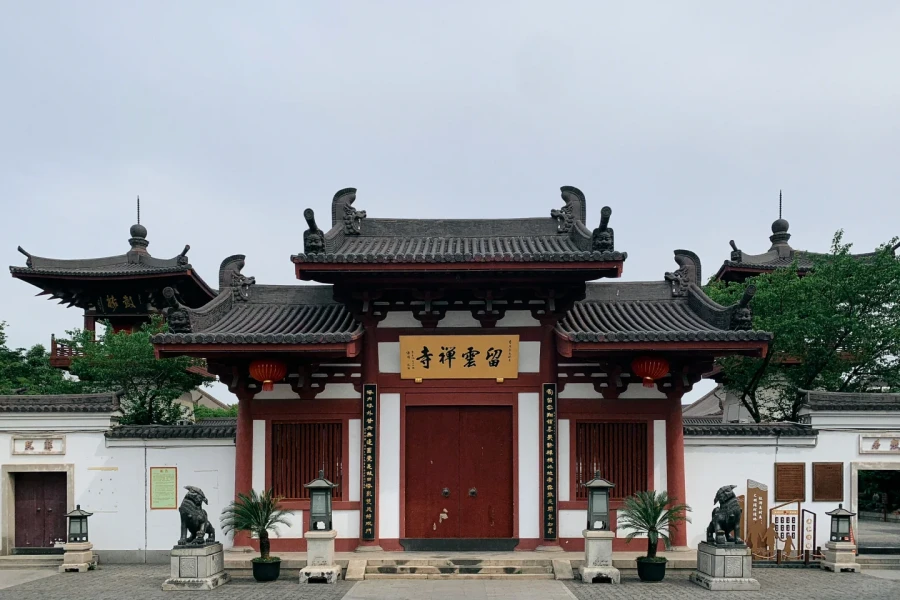
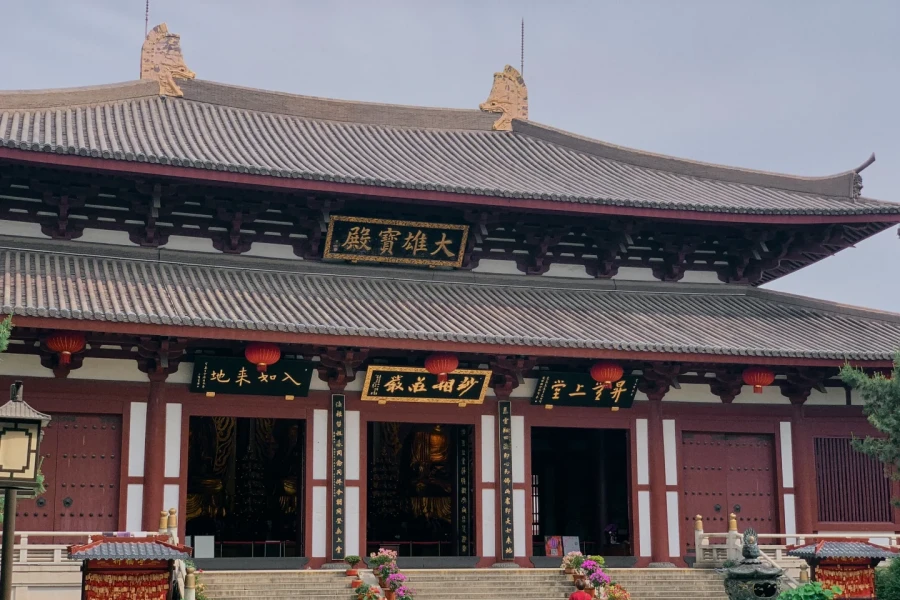
The reconstruction of Yunxiang Temple is an outstanding example of contemporary Chinese Tang Dynasty-style architecture. Its main halls—the Mountain Gate, Guanyin Hall, Mahavira Hall, and Sutra Repository—are arranged along a central axis. The architecture incorporates typical Tang Dynasty elements such as hip roofs, roof ornaments, bracket sets, and lotus-shaped column bases. The bracket sets are grand and robust, the eaves are deep and flowing, and the overall color scheme is predominantly red and white, simple and elegant, reproducing the grandeur and magnificence of Tang Dynasty architecture, quite different from the common styles of Ming and Qing Dynasty temples.
Nanxiang Temple Brick Pagodas (Twin Pagodas): Twin Historical Records Traversing the Southern Song Dynasty
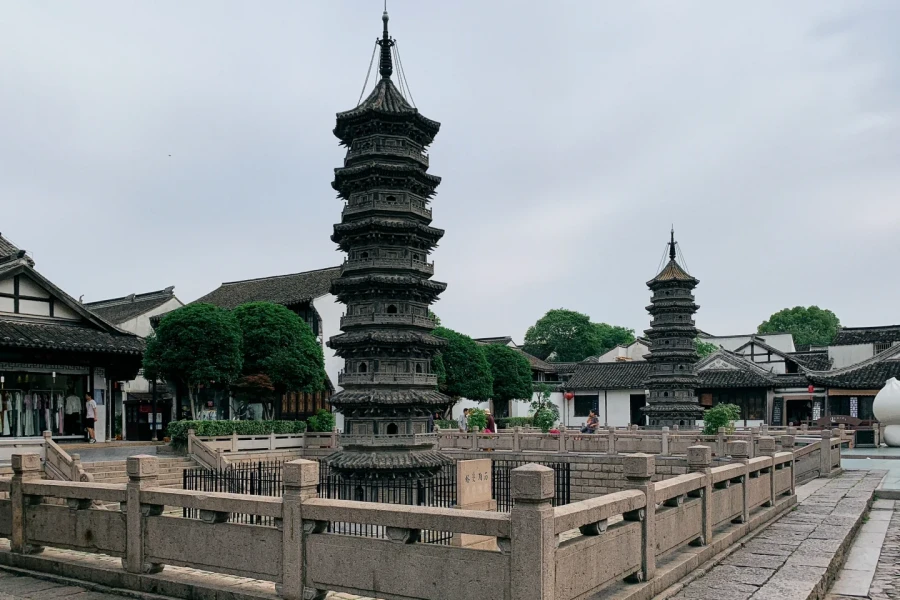
The twin pagodas located in the square in front of the temple are genuine millennium-old relics, built during the Southern Song Dynasty. They are seven-story, octagonal brick pagodas, approximately 11 meters high. Facing each other east and west, despite weathering the elements, the exquisite brick carvings imitating wooden structures (such as arched doorways, straight-lattice windows, and bracket sets) are still clearly discernible. They are the oldest of Shanghai's ancient pagodas and the oldest physical evidence of Yunxiang Temple's thousand-year history, possessing immense cultural value.
The magnificent Mahavira Hall and solemn Buddha statues
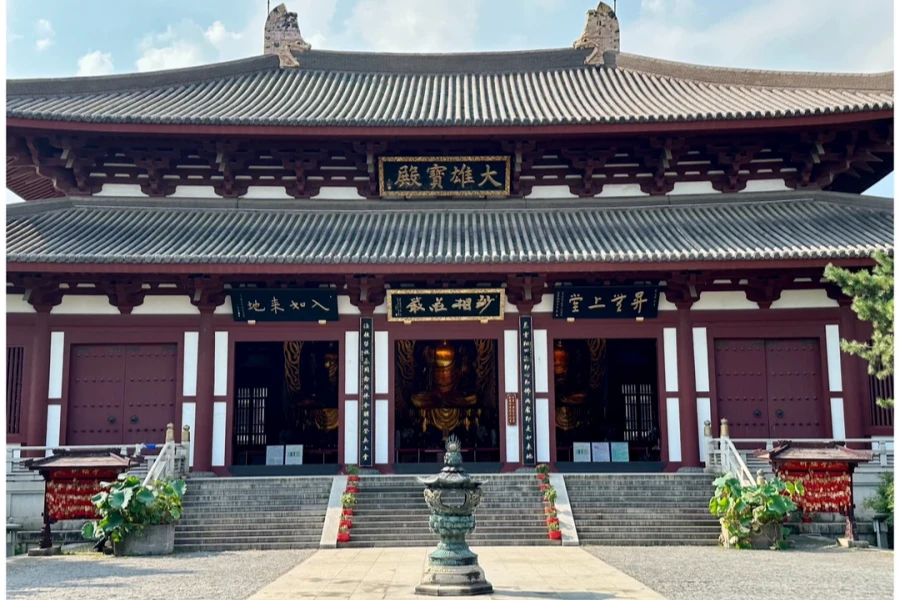
The Mahavira Hall is the heart of the temple, housing the towering statues of the Three Buddhas (Shakyamuni Buddha, Bhaisajyaguru Buddha, and Amitabha Buddha), each several meters tall and exuding solemnity. The eighteen Arhat statues on either side are lifelike and expressive. The spacious hall creates a powerful sense of religious solemnity and artistic appeal.
Photography Tips:
Classic vantage point for photographing the Twin Pagodas: From the square in front of the temple, with the Tang Dynasty mountain gate as a backdrop, you can capture a dialogue between ancient and modern architecture. The best time to photograph them is in the soft light of early morning or late afternoon.
Architectural panorama: From the opposite bank of the release pond or at the far end of the central axis of the temple, capture the sense of depth of the buildings and the magnificent roof curves.
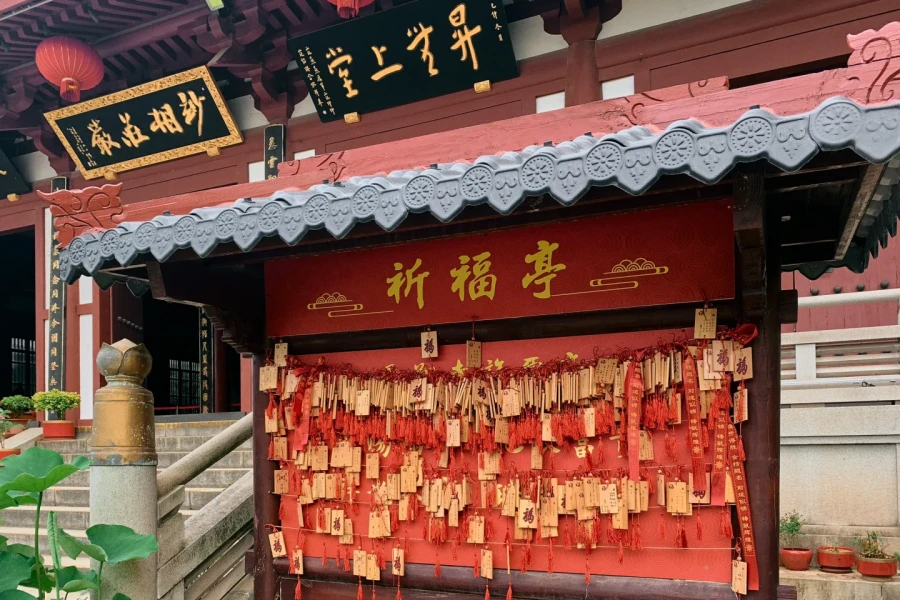
Details of Tang Dynasty style: Close-up shots of the massive bracket sets, vividly shaped roof ornaments, exquisite lotus-shaped column bases, and door and window decorations.
Humanistic atmosphere: Capture moments of monks walking in prayer, believers worshipping Buddha, and incense burning, or photograph the combination of temple eaves and the skyline of the ancient town.