
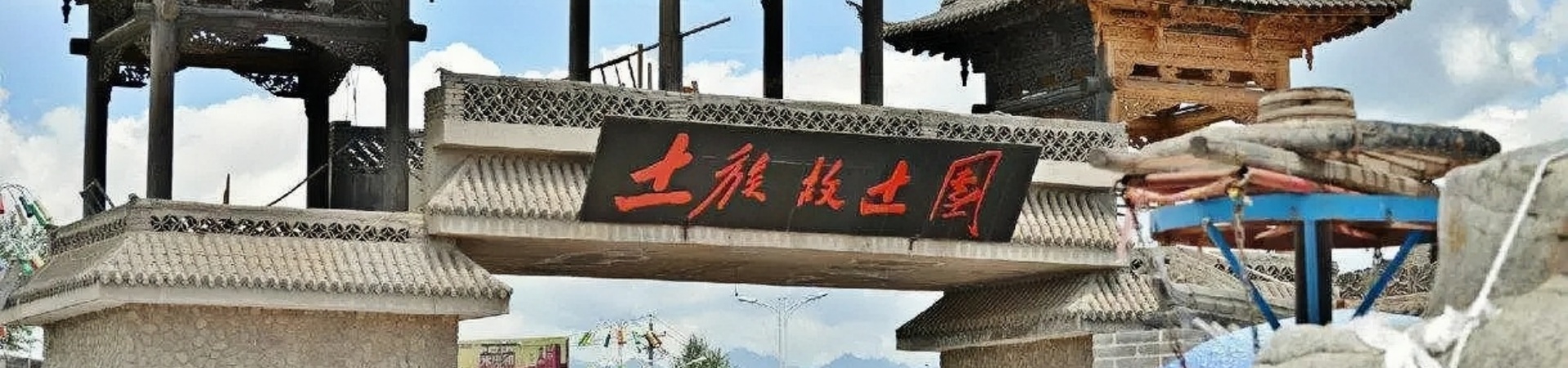
Huzhu Tu Homeland Park
The Huzhu Tu Ethnic Township Park, located in Huzhu Tu Autonomous County, Qinghai Province, is China’s premier cultural theme park dedicated to preserving and showcasing the heritage of the Tu ethnic minority. Established as a national AAAAA-level tourist attraction, it serves as a living museum of Tu traditions, architecture, and arts. The park spans 370 square kilometers and integrates natural landscapes with cultural exhibits, offering visitors an immersive experience of the Tu people’s history, which dates back to the Yuan Dynasty when Mongolian soldiers intermarried with local communities. Designated a national cultural heritage site, it now attracts over 1 million annual visitors, providing a window into the unique customs of one of China’s 55 officially recognized ethnic minorities.
Historical Overview
The Tu people, with a population of 241,198, primarily inhabit Qinghai and Gansu provinces. Their origins trace to the 13th century when Mongolian troops under Genghis Khan’s general Gerilite settled in the region, blending with indigenous Houer communities. The Huzhu Tu Autonomous County was formally established in 1954, marking a new era of cultural preservation. Key historical milestones include the 1949 liberation, which abolished feudal Lamaist privileges, and the 1980s religious reforms that revitalized secular traditions. In 2017, the park was upgraded to a national AAAAA-level景区, solidifying its status as a cultural landmark. Notable events include the annual Nadun Festival, a harvest celebration dating to the Ming Dynasty, and the 2025 inauguration of a digital archive preserving Tu oral histories.
Structural Layout
The park follows a north-south axis with two main zones:
- Cultural Core Zone:
- Rainbow Tribal Tu Garden: Central complex featuring traditional earth-wood houses, dance performance stages, and the “Wheel Autumn” (a rotating folk sport).
- Nadun Manor: Replicates a 19th-century Tu aristocratic estate, hosting sacrificial rituals and the Nadun Festival (July-August).
- Xiaozhuang Folk Village: Authentic residential cluster showcasing embroidered clothing, distilled barley wine, and sun-dried brick kilns.
- Ecological Integration Zone:
- Tianyoude Qingke Wine Source: Interactive exhibit on Tu brewing techniques, including a 300-year-old fermentation pit.
- Western Tu Folk Culture Village: Open-air theater for epic ballads like The Song of King Gesar.
- Panxiu Garden: Workshop for Tu needlework, a UNESCO-recognized intangible heritage.
Major Attractions
- Nadun Grand Theater: Stage for the Ancient Dance of the Tu featuring 100 performers in embroidered robes and felt hats.
- Seven-Color Sleeve Pavilion: Gallery displaying women’s ceremonial jackets with sleeves made of five silk fabrics.
- Gerilite Monument: Bronze statue commemorating the Mongolian general credited with founding the Tu lineage.
- Tu Architecture Museum: 3D models of “three-in-one” courtyards combining living quarters, granaries, and ancestral halls.
- Qinghai Lake Overlook: Scenic viewpoint linking the park to China’s largest inland lake.
Suggested Itineraries
-
Half-Day Cultural Tour:
Entrance → Rainbow Tribal Tu Garden (watch Wheel Autumn demonstration) → Nadun Manor (participate in harvest ritual) → Xiaozhuang Folk Village (taste minglou wine) → Exit.
Highlights: Folk performances, wine tasting, and traditional costume photo sessions. -
Full-Day Heritage Exploration:
Entrance → Tu Architecture Museum → Gerilite Monument → Nadun Grand Theater (evening show) → Panxiu Garden (embroidery workshop) → Tianyoude Qingke Wine Source → Exit.
Highlights: Architectural history, hands-on crafts, and brewing demonstrations. -
Two-Day Eco-Cultural Immersion:
Day 1: Cultural Core Zone as above.
Day 2: Hiking in Qilian Mountains → Qinghai Lake Overlook → Evening bonfire with Tu folk songs.
Highlights: Nature trails, lakeside photography, and cultural exchanges.
Ticket Purchase
- Online: Book via the official website (http://www.tzgty.com/) or platforms like Ctrip, up to 7 days in advance.
- On-Site: Tickets available at the south gate (Wumen) and north gate (Shenwumen).
- Prices:
Peak Season (May–October): ¥90 (adults), ¥45 (students/seniors).
Off-Season (November–April): ¥60 (adults), ¥30 (students/seniors).
Free: Children under 1.2m, disabled visitors, and military personnel.
- By Subway: Not applicable; nearest metro is Xining’s Line 1 (50km away).
- By Bus:
- Xining Xining Road Bus Station → Huzhu County: 1.5-hour ride (¥25).
- Shuttle buses from Xining Caojiabao Airport (¥50, 1-hour).
- By Taxi: Direct ride from Xining downtown (¥150, 1-hour).
- Departure: Exit via north gate for Jingshan Park or Beihai Park connections.
Best Time & Tips
- Peak Hours: Avoid 10 AM–2 PM; arrive early (8:30 AM opening).
- Crowds: Weekends and holidays are busiest; weekdays offer quieter visits.
- Weather: Summer (June–August) is ideal for Festivals; autumn (September–October) for mountain hiking.
- Essentials:
- Wear sturdy shoes (20,000+ steps daily).
- Bring sunscreen and a reusable water bottle (vendors available).
- Photography allowed except in ritual areas.
- Prohibited: Drones, large bags, and outside food.


Contact Us
What Our Clients Say?
Based on 10,000+ traveler reviews

Daniel Dorothea
Canada
Reviewed on April 29,2025
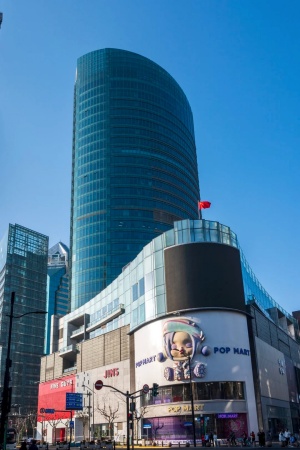
Shopping on Nanjing Road in Shanghai was just amazing! It's truly the "First Commercial Street of China", where tradition and modernity blend perfectly. You can find awesome souvenirs and experience the trendy vibes in cool stores. The neon lights at night are just spectacular, shining bright like Times Square in New York. The food here is incredible too. I had a feast for my taste buds. Shanghai, I'll definitely be back!
Destination(s):
Shanghai
Date of
Experience:
May 08,2024

Elvis Eva
Canada
Reviewed on June 20,2025
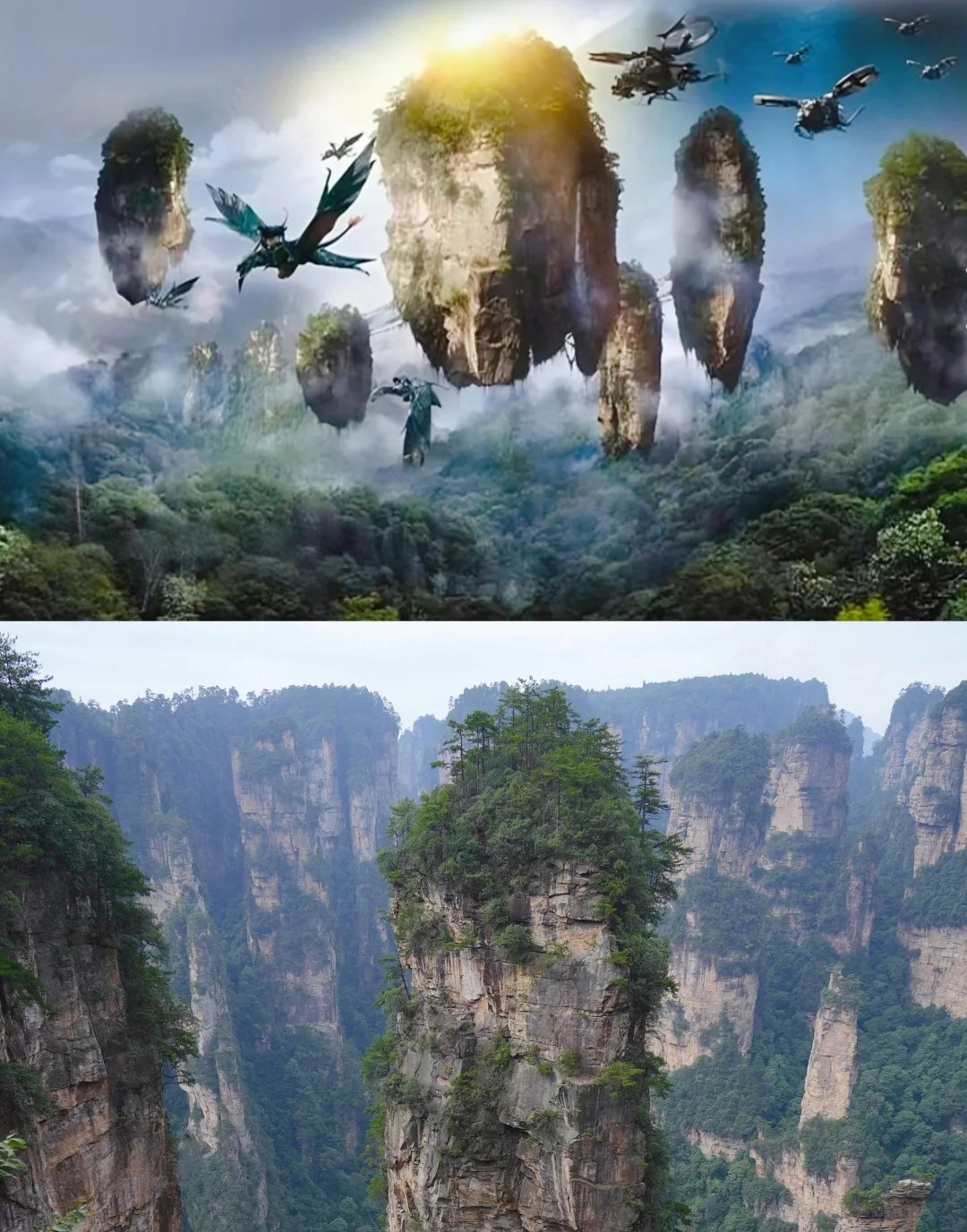
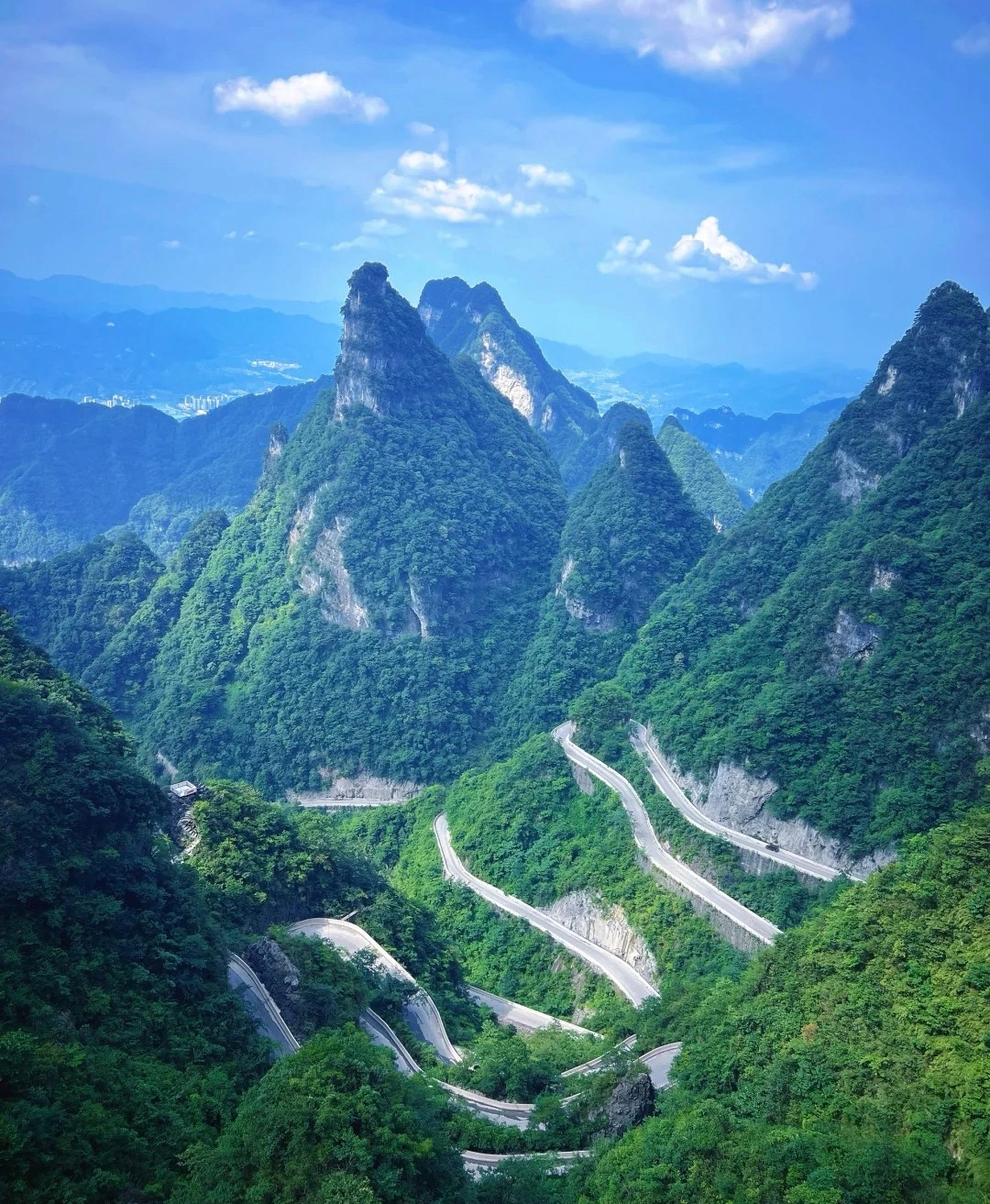
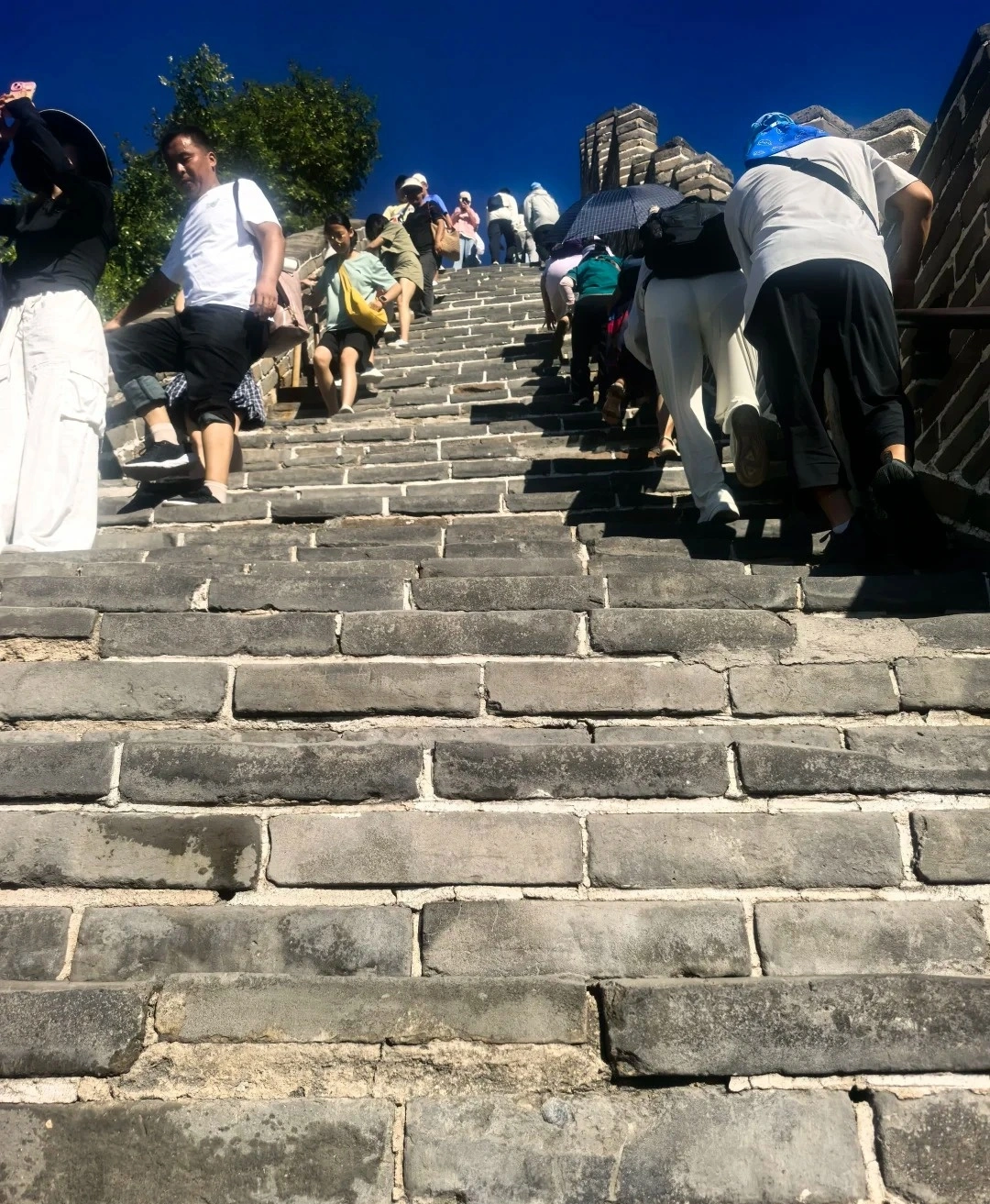
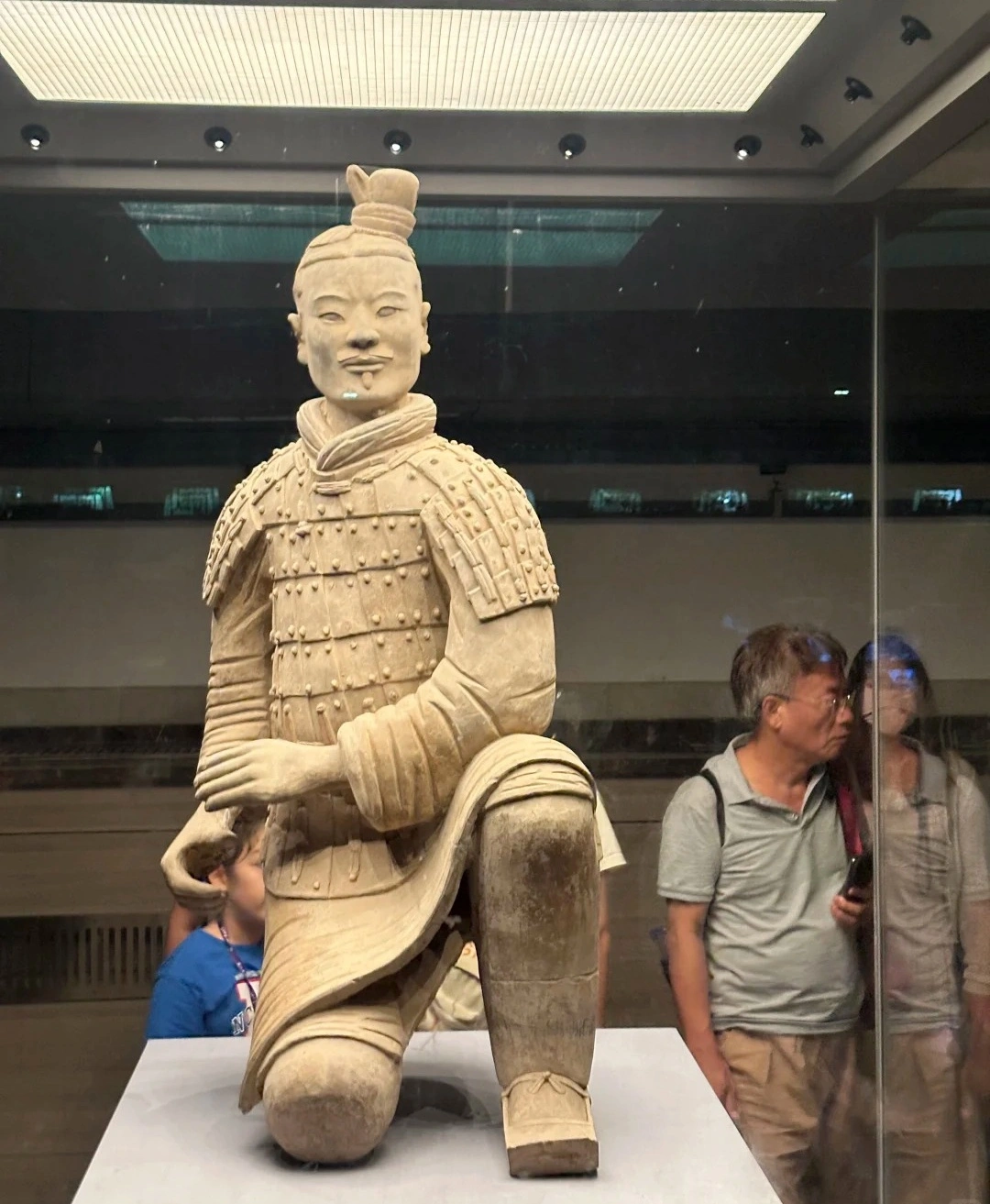
As a solo traveler from Canada, I was nervous about navigating China alone—but this 11-day tour was PERFECT! From hiking the Great Wall at sunrise (Day 3) to gasping at the Terracotta Army (Day 5), every day delivered ‘pinch-me’ moments. The real showstopper? Zhangjiajie’s Avatar Mountains (Day 7)! Our guide made the stone pillars come alive with stories.
Massive thanks for handling all logistics—bullet train tickets, entry passes, car! And the 4-star hotels surprised me.
Destination(s):
Beijing Xian Zhangjiajie Shanghai
Date of
Experience:
June 02,2025

Simon
America
Reviewed on May 29,2025
Our 2-day Zhangjiajie tour was beyond spectacular! As someone who’s visited Beijing and Shanghai for work, this trip revealed China’s wild, magical heart. Day 1 in Zhangjiajie National Forest Park felt like stepping onto Pandora—I’m a huge Avatar fan, and Yuanjiajie’s floating peaks left me breathless. The misty pillars and lush valleys like pure movie magic!
Then came Fenghuang Ancient Town, we eat dinner beside the thundering waterfall. It seems Unreal! The night views of stilt houses glowing over the river were straight from a fairy tale.
For fellow Avatar lovers and adventure seekers: Don’t miss this bucket-list experience! 10/10 would return.
A Well-Traveled Film Buff, May 2025
Destination(s):
Zhangjiajie
Date of
Experience:
May 08,2025