
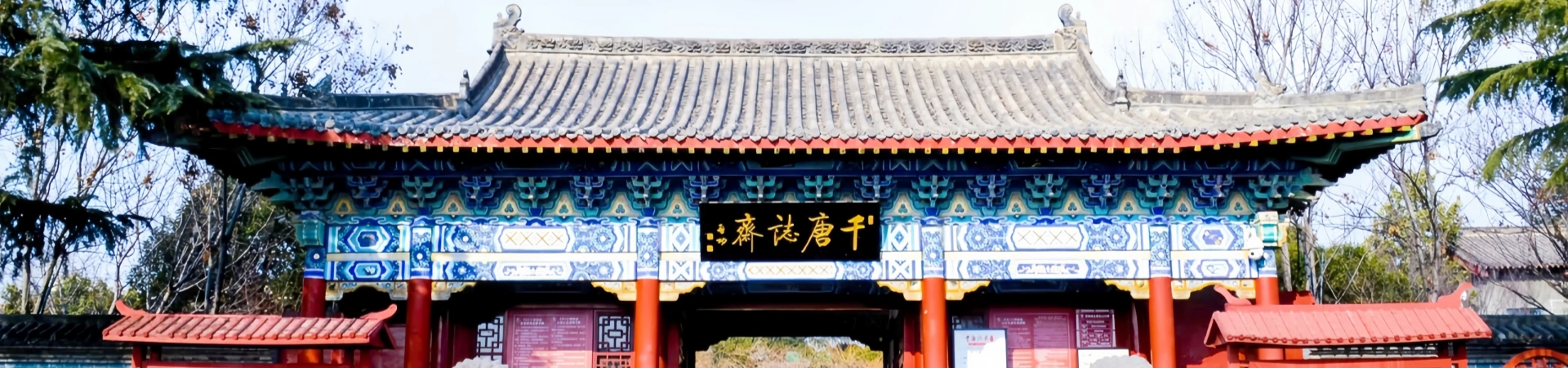
Qiantangzhizhai Museum
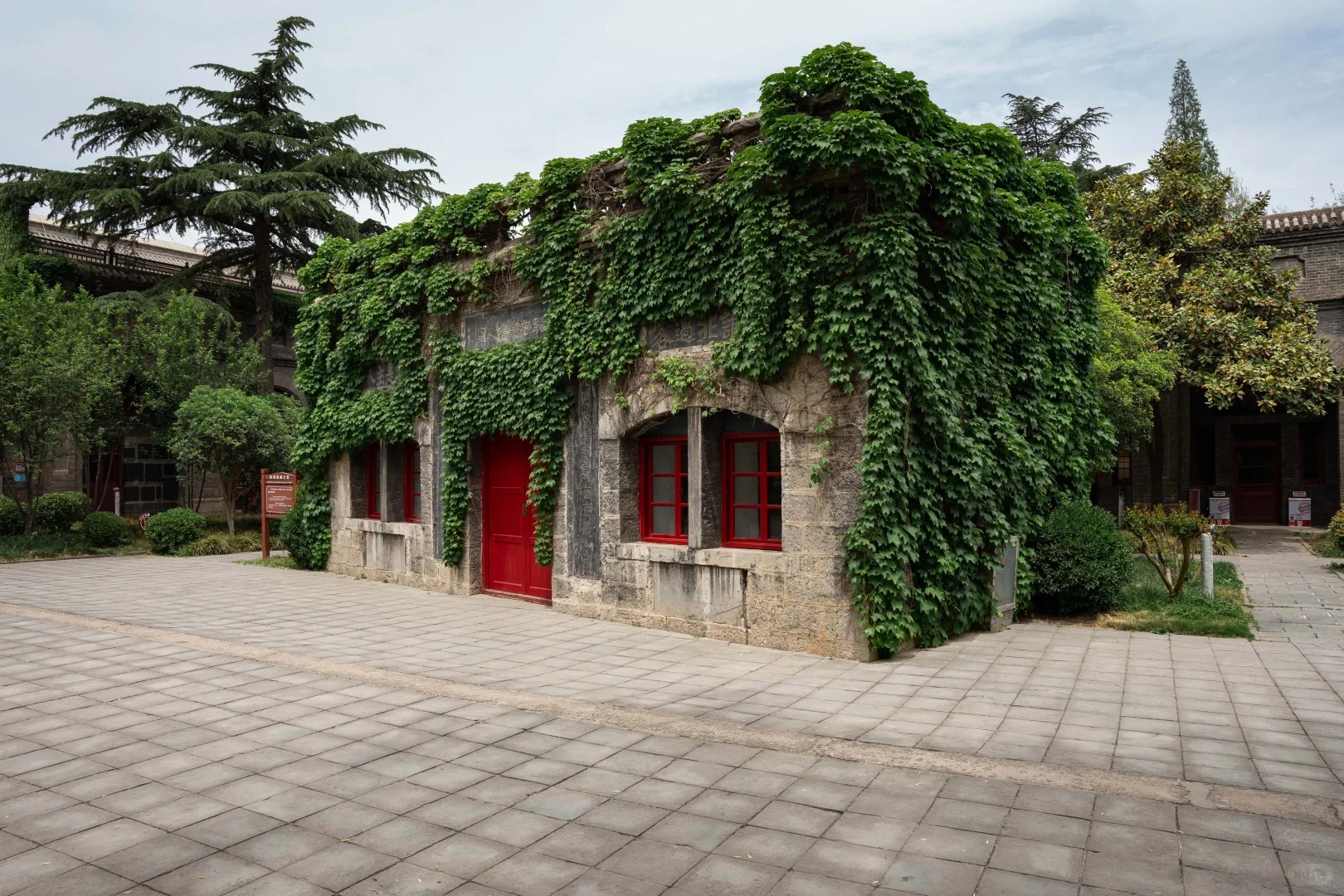
The Qiantang Zhi Zhai Museum, China’s sole epigraphy museum dedicated to Tang Dynasty (618–907) tomb inscriptions, houses over 5,000 stone steles and epitaphs. Founded in 1935 by military leader Zhang Zoulin’s son, Zhang Boju, in Xin’an County (modern Xinyi, Luoyang), the museum preserves invaluable historical records of Tang-era politics, society, and culture. Its collection spans 300 years, featuring epitaphs of emperors, officials, monks, and commoners, alongside calligraphy by masters like Yan Zhenqing and Liu Gongquan. Designated a national key cultural relic site, it offers a unique lens into China’s golden age of poetry, art, and cosmopolitanism.
Historical Overview
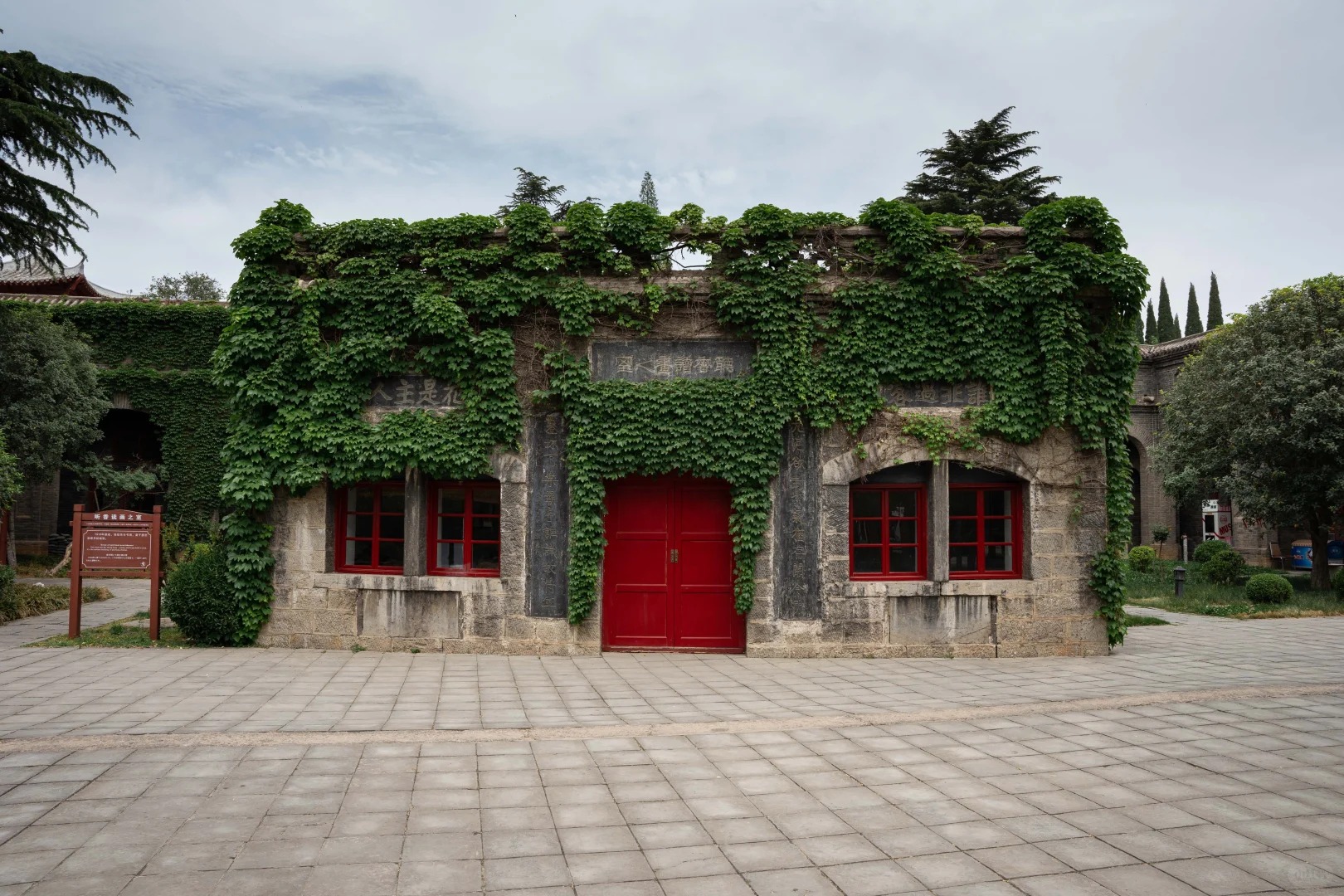
Construction began in 1923 when Zhang Boju acquired the former mansion of Tang Dynasty statesman Pei Du (765–839) in Xin’an. Over a decade, he expanded the site to include 16 courtyards, 36 chambers, and 3,000+ epitaphs unearthed across Henan, Shaanxi, and Shanxi. The museum’s name, Qiantang (Thousand Tang Tombs), reflects its mission to document Tang history through inscriptions. Notable milestones include the 1935 official opening, the 1963 state-level cultural relic designation, and a 2013 renovation adding modern exhibition halls. In 2020, it merged with the nearby Iron Gate Tomb Museum to form a comprehensive Tang culture complex.
Structural Layout
The museum combines historical architecture with modern exhibition spaces:
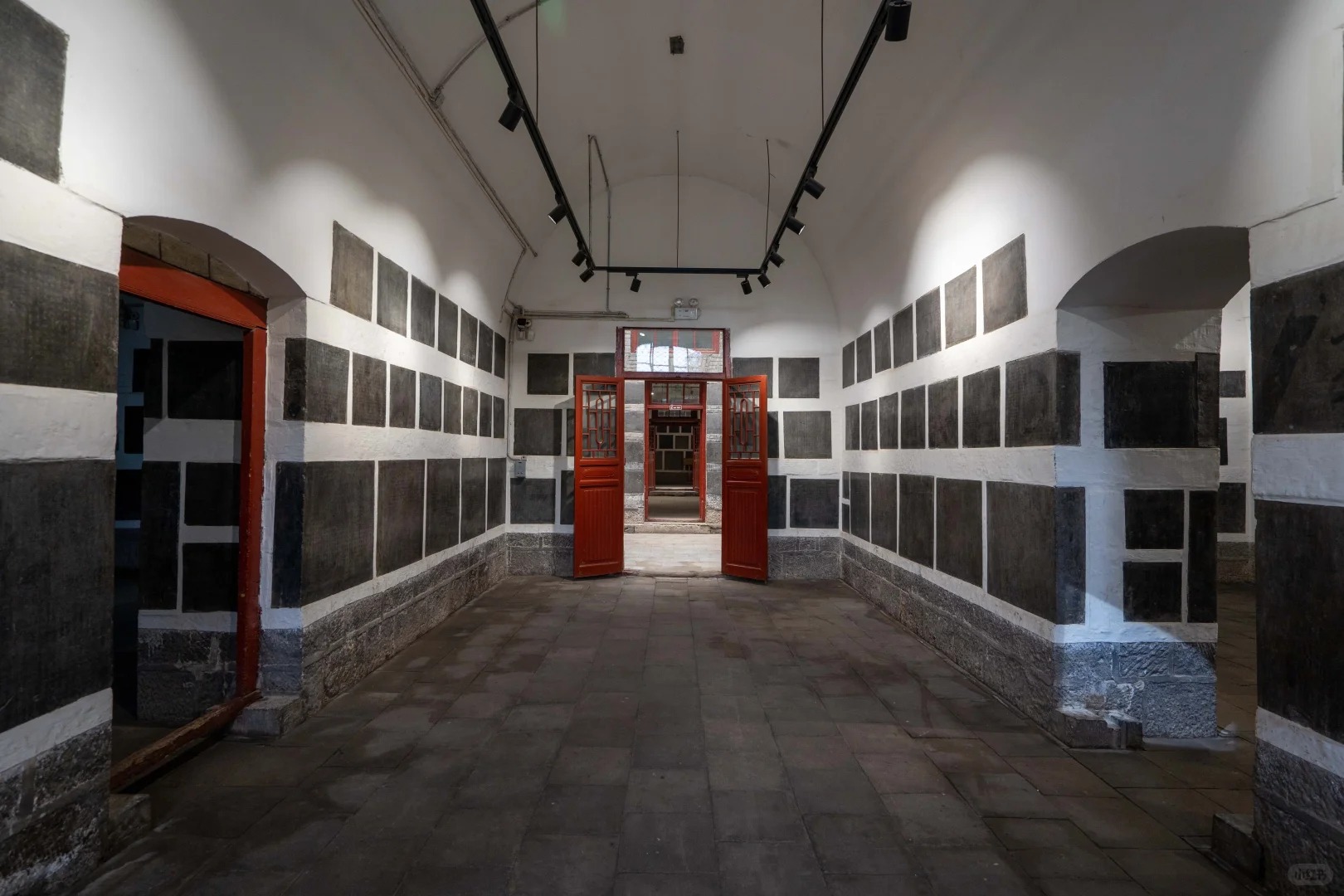
- Historic Zone: The original Pei Du Mansion features traditional courtyards with stone carvings, pavilions, and a lotus pond. Key structures include the Xuan Mi Pavilion (calligraphy study) and the Tang Stele Corridor, displaying 1,200 epitaphs.
- Modern Exhibition Halls: Built in 2013, these glass-and-steel pavilions house rotated exhibitions and interactive displays. The Tang Dynasty Life Gallery uses 3D reconstructions to depict aristocratic homes, markets, and Buddhist temples.
- Iron Gate Tomb Annex: Located 2 km away, this site preserves the tomb of An Lushan’s general, Li Yuanxu, with frescoes and 300+ epitaphs.
Major Attractions
- Yan Zhenqing’s Epitaph for Guo Jiagai: A masterpiece of Tang calligraphy, praised for its bold strokes and emotional depth.
- Wu Zetian’s Royal Epitaphs: Rare inscriptions linked to China’s only female emperor, including fragments from her tomb in Qianling.
- Tang Monks’ Epitaph Gallery: Over 200 steles recording the lives of Buddhist clergy, reflecting the era’s religious diversity.
- Foreign Merchants’ Tombs: Epitaphs of Sogdian, Persian, and Korean traders, highlighting Tang China’s global connections.
- Interactive Digital Wall: A 20-meter touchscreen displaying translated epitaphs and historical contexts.
- Pei Du Mansion’s Stone Carvings: Reliefs depicting Tang-era music, dance, and sports, carved by artisans from Xi’an.
Suggested Itineraries
-
Classic Route (1.5–2 hours):
Historic Zone Entrance → Tang Stele Corridor → Xuan Mi Pavilion → Yan Zhenqing Calligraphy Hall → Iron Gate Tomb Annex (shuttle bus) → Foreign Merchants’ Tombs → Exit.
Highlights: Master calligraphy, Tang aristocracy, and Silk Road history. -
Deep Dive (3–4 hours):
Historic Zone → Modern Exhibition Halls (Tang Life Gallery) → Digital Wall → Pei Du Mansion Carvings → Lunch at Museum Café → Iron Gate Tomb Annex → Wu Zetian Epitaph Study → Exit.
Highlights: Interactive learning, rare royal inscriptions, and lunch with a view of the lotus pond. -
Family-Friendly (2 hours):
Tang Stele Corridor (scavenger hunt for animal carvings) → Digital Wall (game mode) → Modern Exhibition Halls (3D temple model) → Pei Du Mansion Pond (feeding koi) → Exit.
Highlights: Hands-on activities and serene gardens for children.
Ticket Purchase
- Online: Book via the official WeChat mini-program (Qiantang Zhi Zhai Museum) or Ctrip up to 7 days in advance.
- On-Site: Tickets available at the Historic Zone entrance (limited daily quota).
- Prices:
- Peak Season (April–October): ¥50 (adults), ¥25 (students/seniors).
- Off-Season (November–March): ¥30 (adults), ¥15 (students/seniors).
- Free: Children under 1.2m, museum members, and journalists.
Transportation
- By Subway:
Line 1 to Yangshuo Station (Exit A), then take bus Xinyi 101 to Qiantang Zhi Zhai Stop (20 minutes). - By Bus:
Routes 502, 503, or 505 to Xinyi Bus Station, transfer to taxi (10 minutes). - By Taxi: Direct to Historic Zone Entrance (¥40 from Luoyang Longmen Station).
- Parking: Free lot at Historic Zone entrance (50 spaces).
Best Time & Tips
- Peak Hours: Avoid 11 AM–2 PM; visit early (9 AM opening) or after 3 PM.
- Crowds: Weekends busiest; weekdays ideal for quiet exploration.
- Weather: spring (April–May) and autumn (September–October) offer mild temperatures for courtyard strolls.
- Essentials:
- Wear comfortable shoes (uneven stone paths in Historic Zone).
- Bring a hat and sunscreen (minimal shade in outdoor areas).
- Photography allowed (no flash in exhibition halls).
- Prohibited items: Large bags, selfie sticks, and food (except sealed water bottles).


Contact Us
What Our Clients Say?
Based on 10,000+ traveler reviews

Daniel Dorothea
Canada
Reviewed on April 29,2025
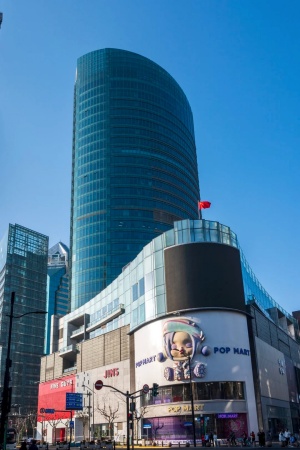
Shopping on Nanjing Road in Shanghai was just amazing! It's truly the "First Commercial Street of China", where tradition and modernity blend perfectly. You can find awesome souvenirs and experience the trendy vibes in cool stores. The neon lights at night are just spectacular, shining bright like Times Square in New York. The food here is incredible too. I had a feast for my taste buds. Shanghai, I'll definitely be back!
Destination(s):
Shanghai
Date of
Experience:
May 08,2024

Elvis Eva
Canada
Reviewed on June 20,2025
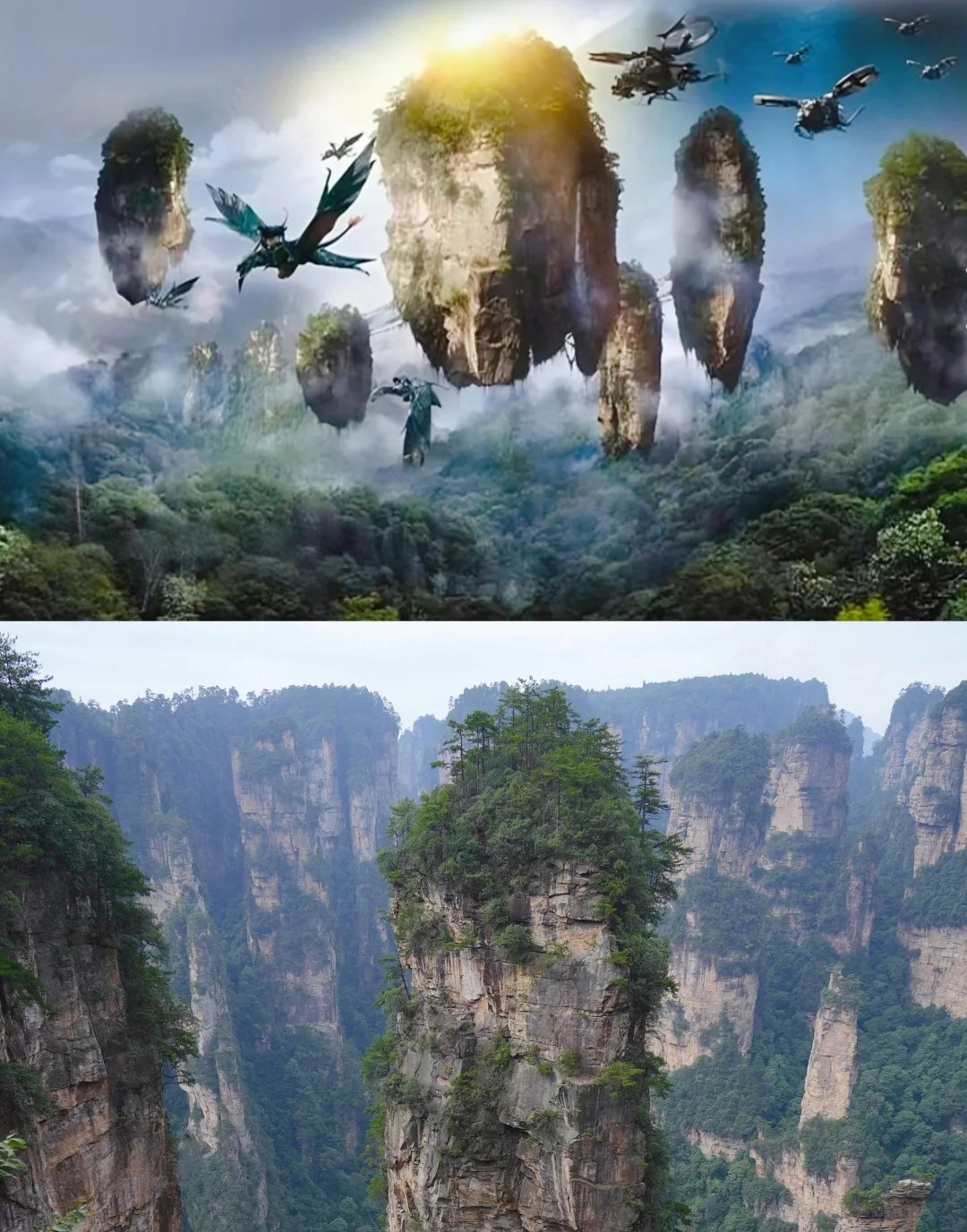
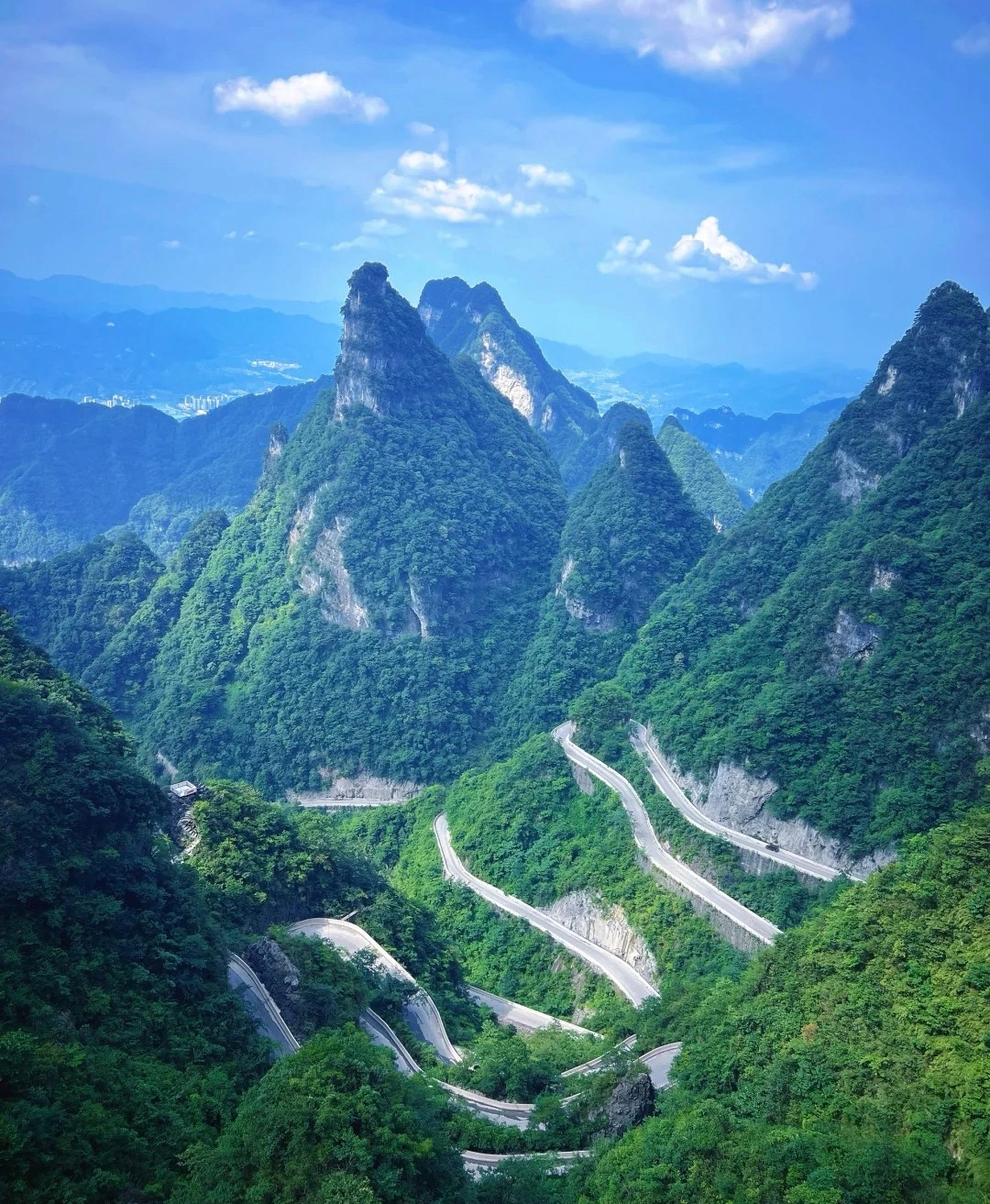
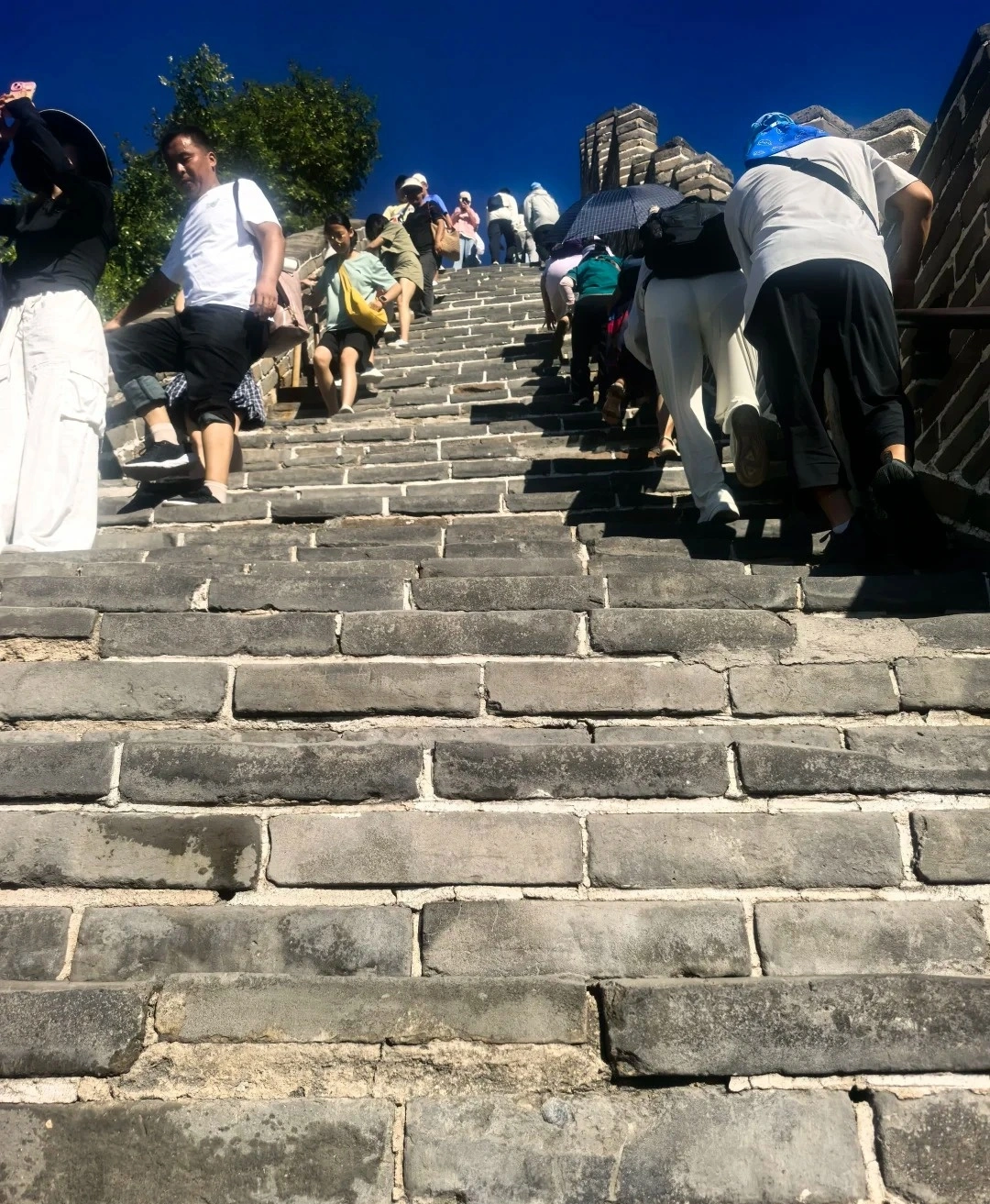
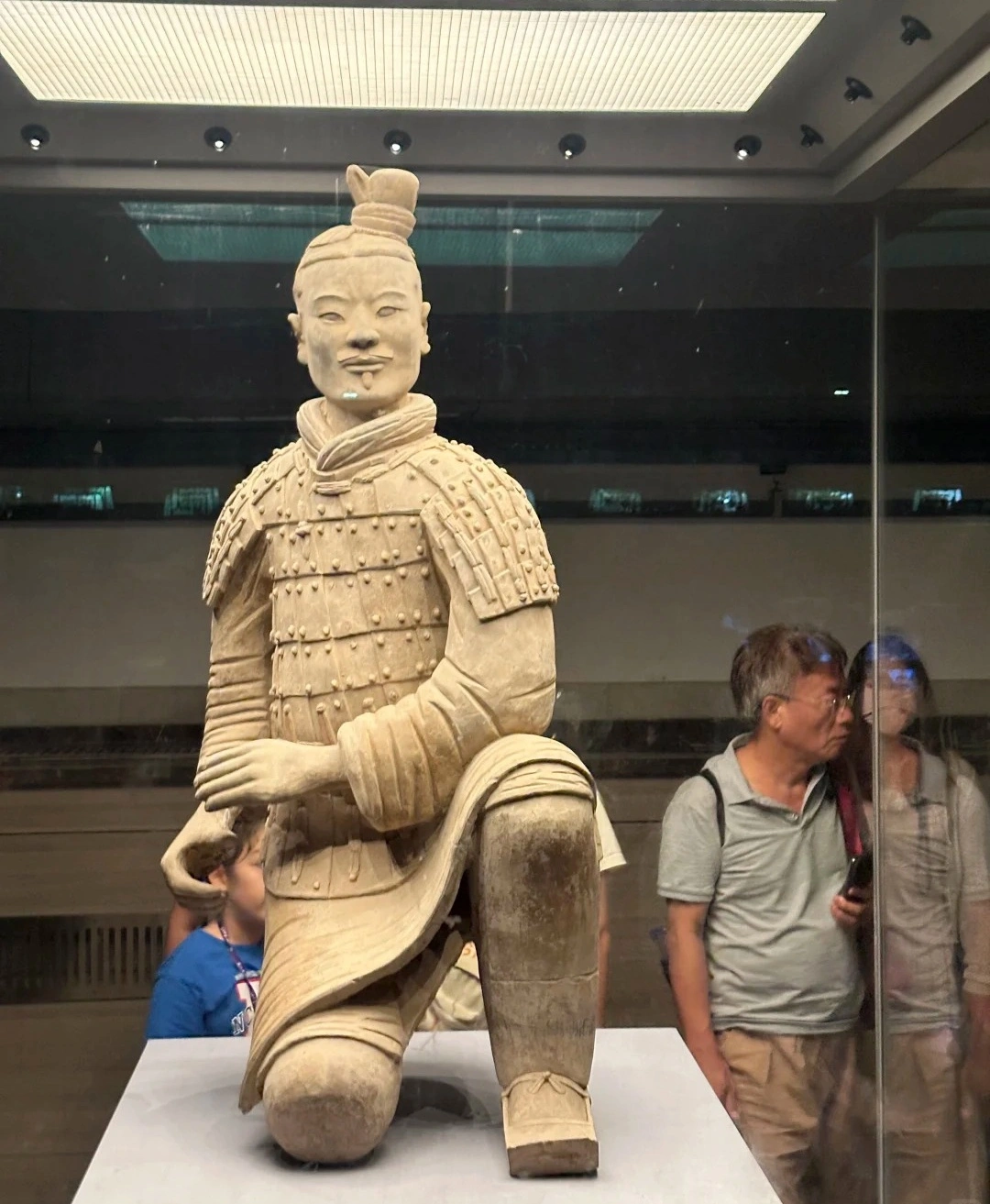
As a solo traveler from Canada, I was nervous about navigating China alone—but this 11-day tour was PERFECT! From hiking the Great Wall at sunrise (Day 3) to gasping at the Terracotta Army (Day 5), every day delivered ‘pinch-me’ moments. The real showstopper? Zhangjiajie’s Avatar Mountains (Day 7)! Our guide made the stone pillars come alive with stories.
Massive thanks for handling all logistics—bullet train tickets, entry passes, car! And the 4-star hotels surprised me.
Destination(s):
Beijing Xian Zhangjiajie Shanghai
Date of
Experience:
June 02,2025

Simon
America
Reviewed on May 29,2025
Our 2-day Zhangjiajie tour was beyond spectacular! As someone who’s visited Beijing and Shanghai for work, this trip revealed China’s wild, magical heart. Day 1 in Zhangjiajie National Forest Park felt like stepping onto Pandora—I’m a huge Avatar fan, and Yuanjiajie’s floating peaks left me breathless. The misty pillars and lush valleys like pure movie magic!
Then came Fenghuang Ancient Town, we eat dinner beside the thundering waterfall. It seems Unreal! The night views of stilt houses glowing over the river were straight from a fairy tale.
For fellow Avatar lovers and adventure seekers: Don’t miss this bucket-list experience! 10/10 would return.
A Well-Traveled Film Buff, May 2025
Destination(s):
Zhangjiajie
Date of
Experience:
May 08,2025