The City's Skeleton—The Majestic Presence of Ming Dynasty Walls
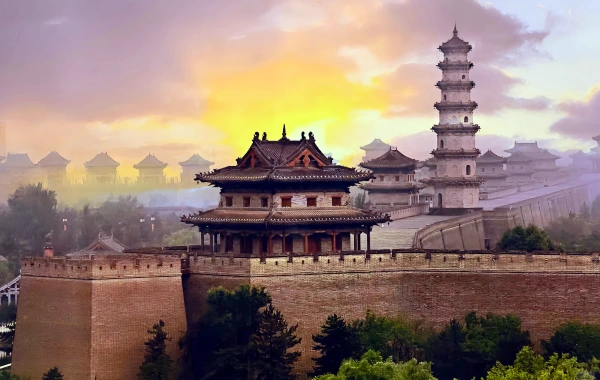
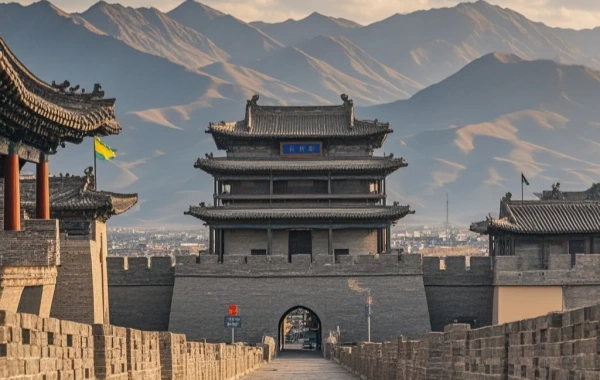
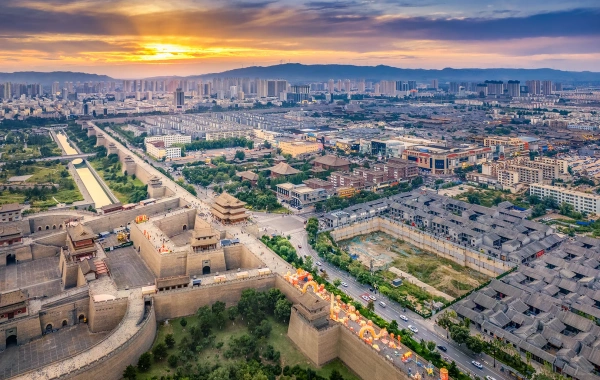
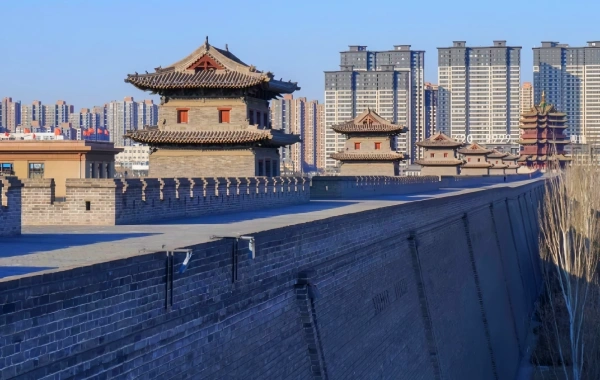
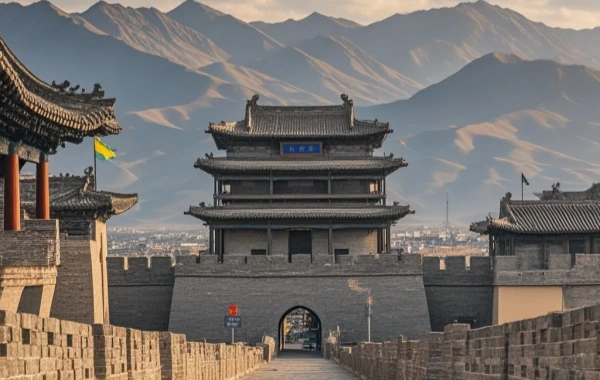
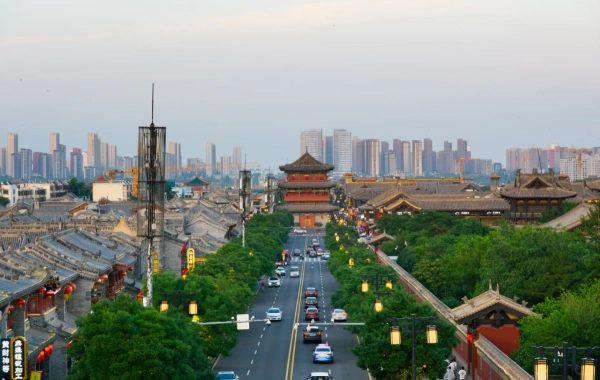
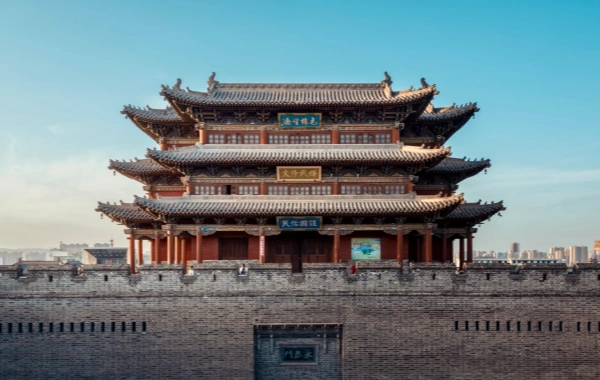
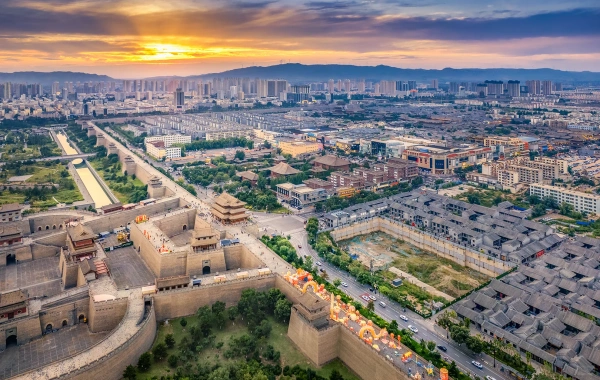
The grandeur of Datong Ancient City is first revealed in its fully restored Ming Dynasty city walls.
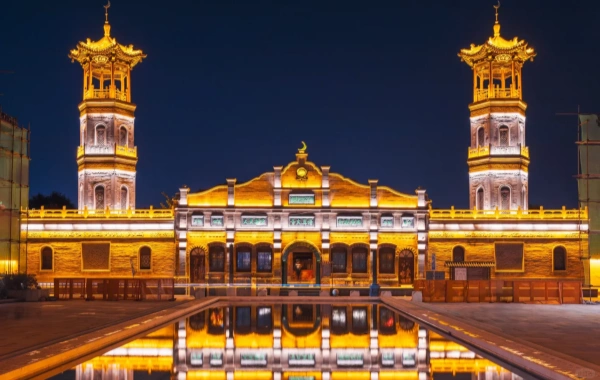
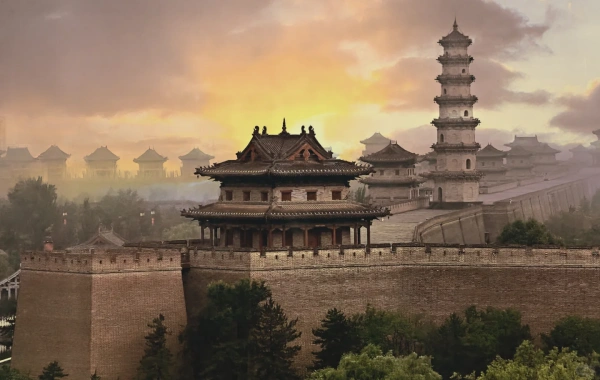
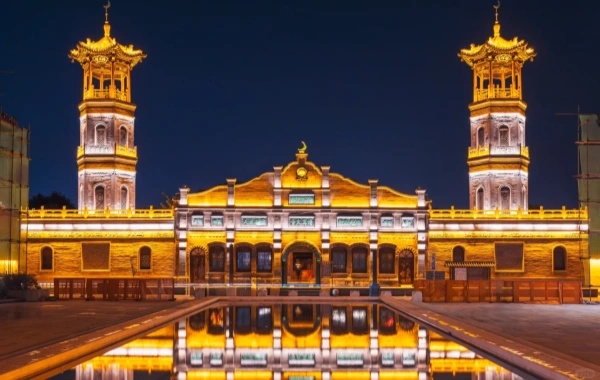
- Ancient Walls and Moat: The walls stretch 7.24 kilometers in circumference, rise 14 meters high, and maintain a square outline. The walls are constructed with rammed earth core and brick facing, making them exceptionally sturdy. Walking, cycling, or taking an electric cart around the entire perimeter offers the best way to appreciate the scale and layout of the ancient city. The moat shimmers with rippling water, complementing the walls beautifully. At dusk, the illuminated walls create a particularly spectacular sight.
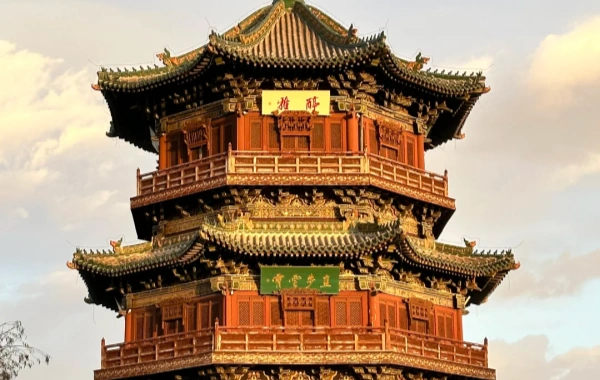
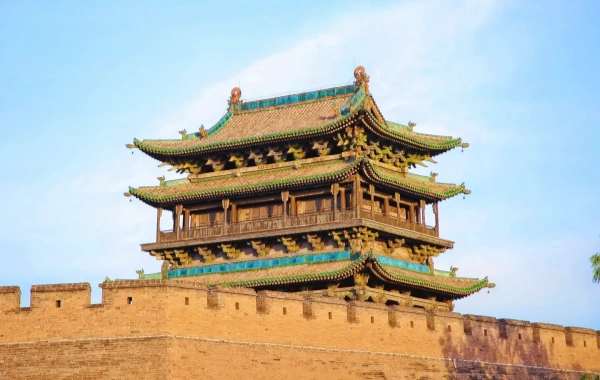
- City Gates and Watchtowers: Each of the four walls features a gate topped with a gate tower, with corner towers at each intersection. Yongtai Gate (South Gate) stands as the most majestic, complete with a barbican, moon gate, and arrow tower—a concentrated display of ancient defensive architecture. Ascending the gate tower at Heyang Gate (East Gate) offers expansive views, including the distant Wenfeng Pagoda.
Ancient Architectural Code—Treasures of the “Liao-Jin Art Museum”
The early era, high status, and dense concentration of ancient structures within the old city are rare nationwide.
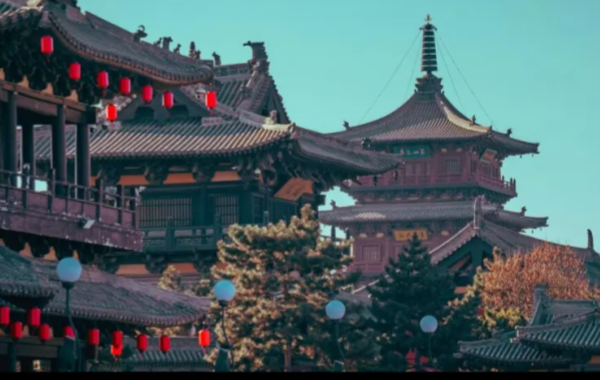
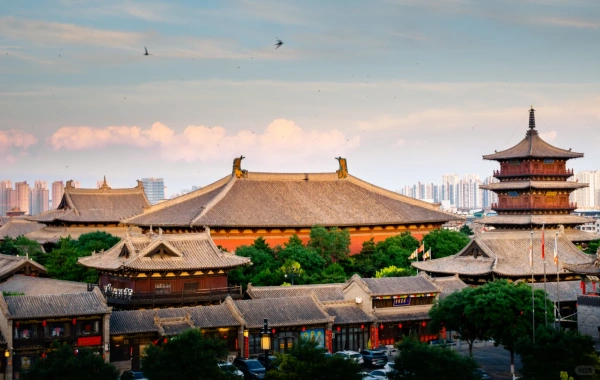
- Huayan Temple: One of China's earliest and best-preserved Liao-Jin dynasty temple complexes, hailed as the “Liao-Jin Art Museum.” Its Great Buddha Hall (Jin dynasty) stands as the largest surviving Buddhist hall from the Liao-Jin era, renowned for its immense scale and grandeur. The interior features exquisite murals and colored sculptures. The Bodhisattva statues with palms pressed together and teeth slightly exposed in the Bhagavati Sutra Hall (Liao Dynasty) are hailed as the “Eastern Venus.” Their enchanting expressions and flowing robes represent the pinnacle of Liao Dynasty colored sculpture art.
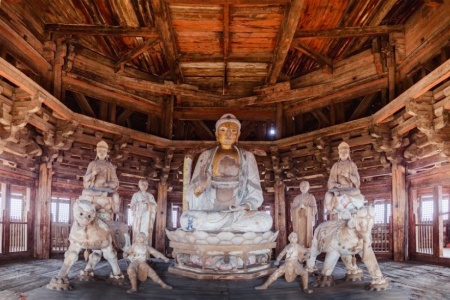
- Shanhua Temple: China's largest and most complete surviving Liao-Jin dynasty Buddhist temple complex. Its mountain gate, Three Saints Hall, and Great Buddha Hall are arranged along a central axis in a strictly symmetrical layout. The colored sculptures of the Five Directional Buddhas and Twenty-Four Heavenly Kings within the Great Buddha Hall are authentic Jin dynasty works. Characterized by vivid individuality and dynamic vitality, they represent invaluable treasures for studying Jin dynasty Buddhist art.
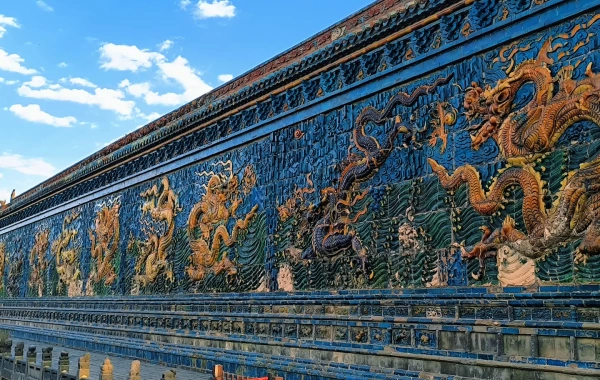
- Nine-Dragon Wall (in front of the Prince Dai Mansion): China's oldest and largest surviving glazed dragon wall, originally serving as a screen wall for the Prince Dai Mansion (the residence of Zhu Gui, the thirteenth son of Zhu Yuanzhang) during the Ming Dynasty. Nine colossal dragons surge through waves and clouds, rendered in vivid colors and lifelike detail, embodying imperial majesty.
Urban Texture: Dialogue Between Old and New in Ancient Lanes
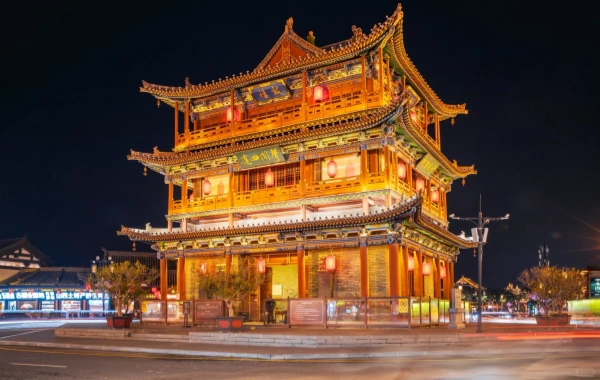
- East and West Drum Tower Streets: The crossroads at the heart of the ancient city, divided by the Drum Tower. Restored with blue-gray bricks and tiles, these streets preserve the Ming and Qing dynasty merchant architecture. They now host time-honored shops, snack stalls, and cultural-creative spaces, blending timeless charm with vibrant energy.
- Chunyang Palace and Confucian Temple: Scattered throughout the ancient city, these Taoist temples and Confucian academies reflect the coexistence of diverse cultures throughout history.
- Datong Ancient City Wall Ruins Exhibition Hall: Through excavated cross-sections of the actual city walls, it vividly displays the layered construction from the Northern Wei Dynasty to the Ming and Qing dynasties, like a visible geological history book.
> Photography Tips:
The best panoramic vantage point is at the southwest corner tower of the city wall, allowing you to capture the rooftops of Huayan Temple and Shanhua Temple alongside the modern city skyline.
Inside Huayan Temple's Bhagavati Sutra Hall, dim lighting prohibits flash photography. Use high ISO settings to capture the intricate details of the colored sculptures (permission required).
The Nine-Dragon Wall is best photographed on clear mornings when front lighting enhances the glazed tiles' lustrous sheen and vibrant hues.
After nightfall, the illuminated Drum Tower harmonizes with lanterns along the ancient street, creating an ideal setting for capturing nostalgic night portraits.