
Shangsi Festival: From Ancient Splendor to Modern Fading
1. Origins: A Tapestry of Ancient Rituals and Beliefs
The Shangsi Festival, also known as "Double Third Festival" or "March 3rd Festival," traces its roots to the Zhou Dynasty (1046–256 BCE), when people gathered by riversides on the first "si" day of the third lunar month for "fuxi"—a purification ritual to wash away misfortune and pray for health. The festival’s name, "Shangsi," derives from this practice, with "shang" meaning "upper" and "si" referring to the day in the Chinese sexagenary cycle.
By the Han Dynasty (206 BCE–220 CE), Shangsi evolved into a national celebration. The Book of Rites recorded that officials and commoners alike would "cleanse themselves in eastern rivers" to remove "last year’s grime and diseases." This period also saw the introduction of orchid-infused baths, believed to ward off evil spirits with the fragrant herbs.
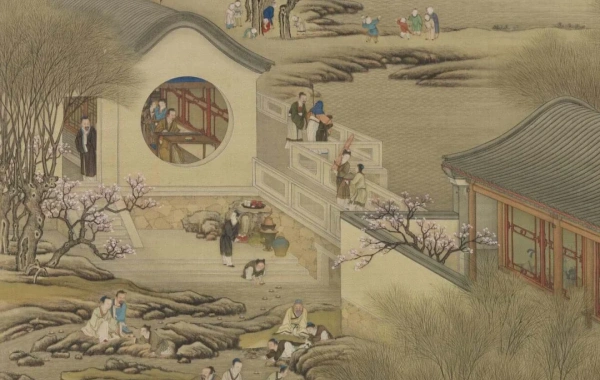
A pivotal shift occurred during the Wei and Jin dynasties (220–420 CE), when the festival’s date was fixed to the third day of the third lunar month. This era, marked by a love for nature and elegance, transformed Shangsi into a cultural extravaganza. Emperors hosted grand feasts by water, while literati adopted "qu shui liu shang" (floating wine cups along curved streams)—a poetic game where participants composed verses as cups stopped before them. The most famous instance was Wang Xizhi’s Lanting Xu (Orchid Pavilion Preface), a masterpiece of Chinese calligraphy written during a 353 CE Shangsi gathering.
2. Cultural Peak: Poetry, Love, and Royal Splendor
The Tang Dynasty (618–907 CE) elevated Shangsi to its zenith. The festival became a national holiday, with emperors leading grand processions to royal gardens for feasts, music, and games. Du Fu’s poem "On the Third Day of the Third Month" captured the scene: "The weather is fresh on the third day of March; by Chang’an’s waters, many beauties gather."
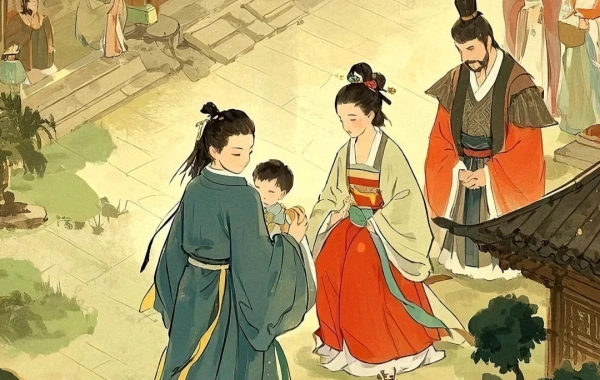
For commoners, Shangsi was a day of spring outings and romance. Young men and women wore bright clothes to picnic under peach blossoms, exchanging shaoyao (peonies) as tokens of love. This earned Shangsi the title of "China’s earliest Valentine’s Day," immortalized in the Book of Songs: "Men and women hold orchid branches by the rivers; they jest and gift peonies."
The festival also incorporated ancestor worship and fertility rites. People visited temples to honor Gaomei (the god of marriage and childbirth), while women prayed for healthy pregnancies by the water—a tradition linked to ancient beliefs in water’s life-giving power.
3. Decline: Merging with Qingming and Fading Traditions
The Song Dynasty (960–1279 CE) marked the beginning of Shangsi’s decline. The rise of Neo-Confucianism enforced stricter social norms, discouraging the festival’s playful, romantic aspects. Meanwhile, Shangsi’s proximity to Qingming Festival (Tomb-Sweeping Day) led to gradual merging. By the Ming and Qing dynasties (1368–1912 CE), activities like floating wine cups and peony gifts faded, replaced by Qingming’s grave-cleaning and ancestor worship.
In modern times, Shangsi has nearly vanished from most of China. Urbanization and Western holidays overshadowed traditional Festivals, while younger generations lost touch with rituals like orchid baths and stream-side poetry. Today, only a few regions, such as Guangxi’s Zhuang ethnic group, retain vibrant celebrations. Their "Sanyuesan Festival" features folk songs, dances, and colorful rice—a UNESCO-recognized Intangible Cultural Heritage.
4. Revival Efforts: Bridging Past and Present
Despite its decline, Shangsi’s legacy endures. In 2006, China listed the Lizu (Li ethnic group) Sanyuesan in Hainan as a national-level cultural heritage. Similarly, Guangxi declared the Zhuang Sanyuesan a legal holiday in 2014, boosting tourism and cultural pride.
Cultural institutions are also reviving traditions. Museums host reenactments of qu shui liu shang, while schools teach children about Shangsi’s history through poetry and crafts. Social media campaigns use hashtags like #ShangsiFestival to share stories of elderly artisans preserving orchid-bath rituals or ethnic costumes worn during spring outings.
Conclusion: A Festival of Resilience and Renewal
The Shangsi Festival, once a cornerstone of Chinese spirituality and romance, now stands at a crossroads. While its mainstream influence has waned, its essence lives on in ethnic traditions, literary masterpieces, and quiet efforts to reconnect with nature. As China embraces its cultural heritage, Shangsi offers a timeless reminder: to honor the past is to nourish the future.


Contact Us
What Our Clients Say?
Based on 10,000+ traveler reviews

Daniel Dorothea
Canada
Reviewed on April 29,2025
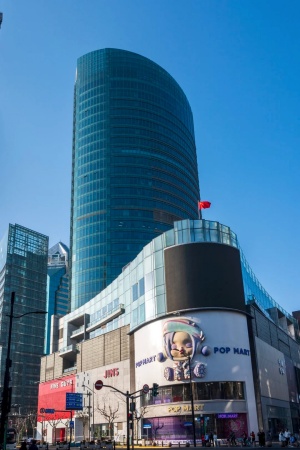
Shopping on Nanjing Road in Shanghai was just amazing! It's truly the "First Commercial Street of China", where tradition and modernity blend perfectly. You can find awesome souvenirs and experience the trendy vibes in cool stores. The neon lights at night are just spectacular, shining bright like Times Square in New York. The food here is incredible too. I had a feast for my taste buds. Shanghai, I'll definitely be back!
Destination(s):
Shanghai
Date of
Experience:
May 08,2024

Elvis Eva
Canada
Reviewed on June 20,2025
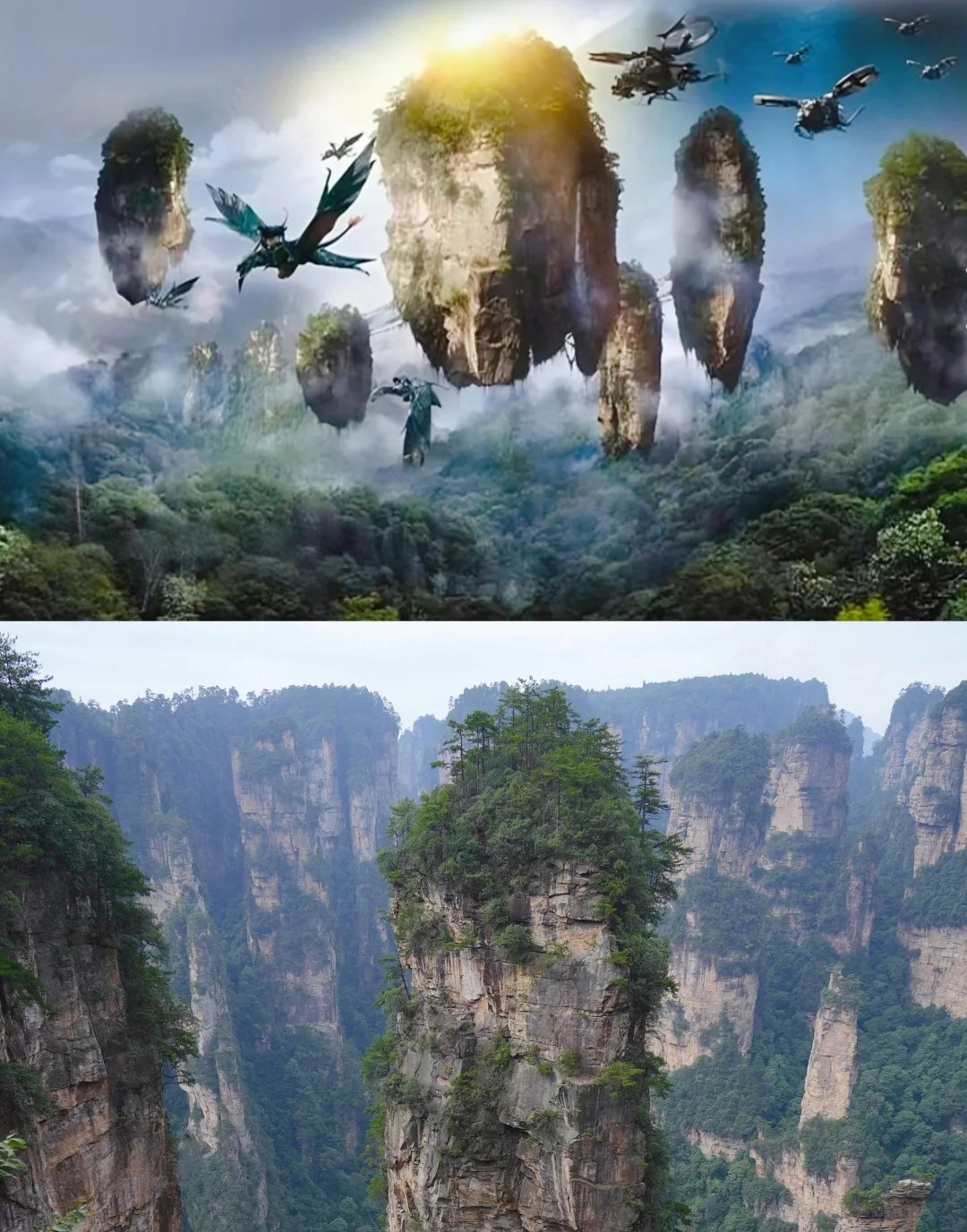
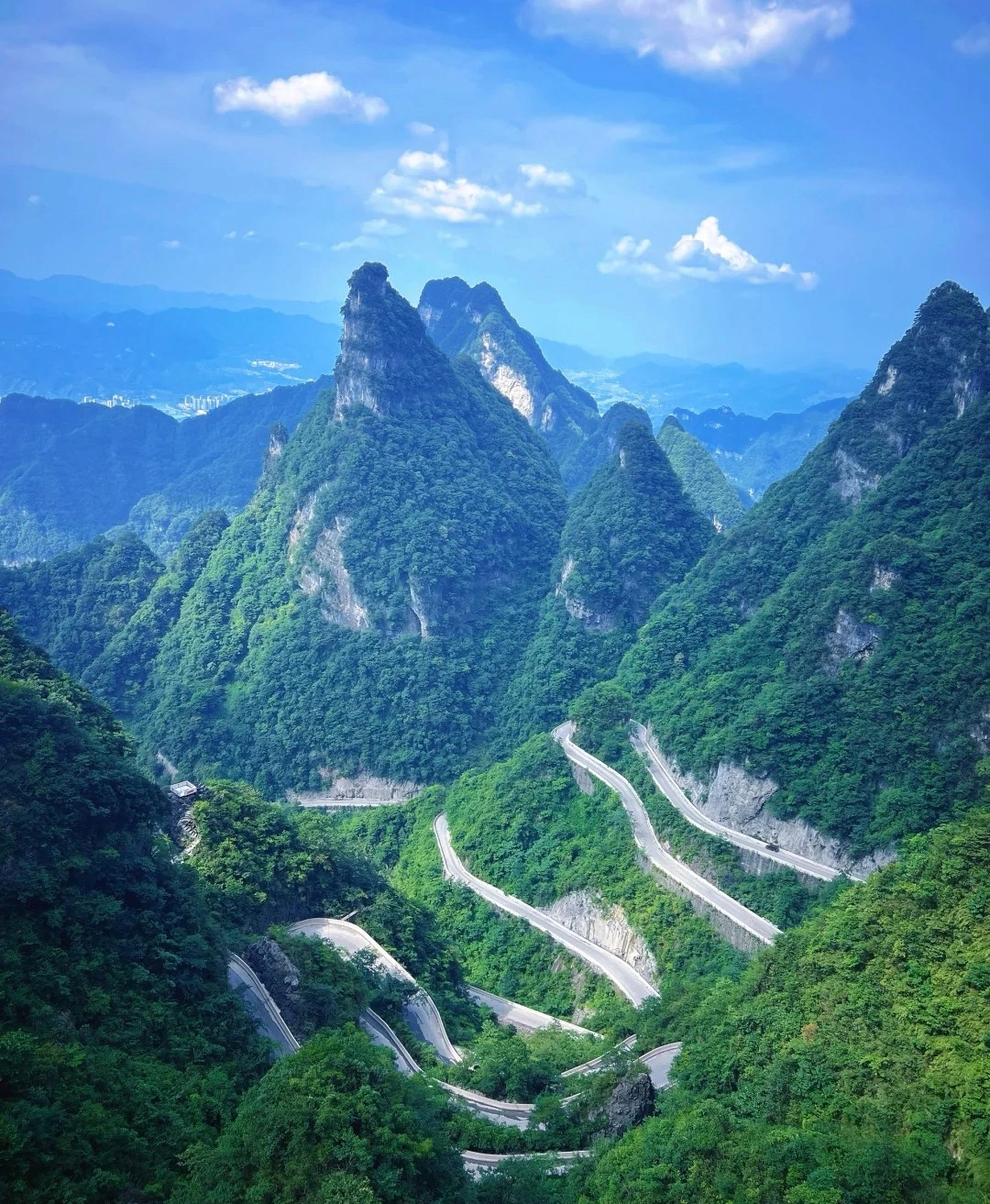
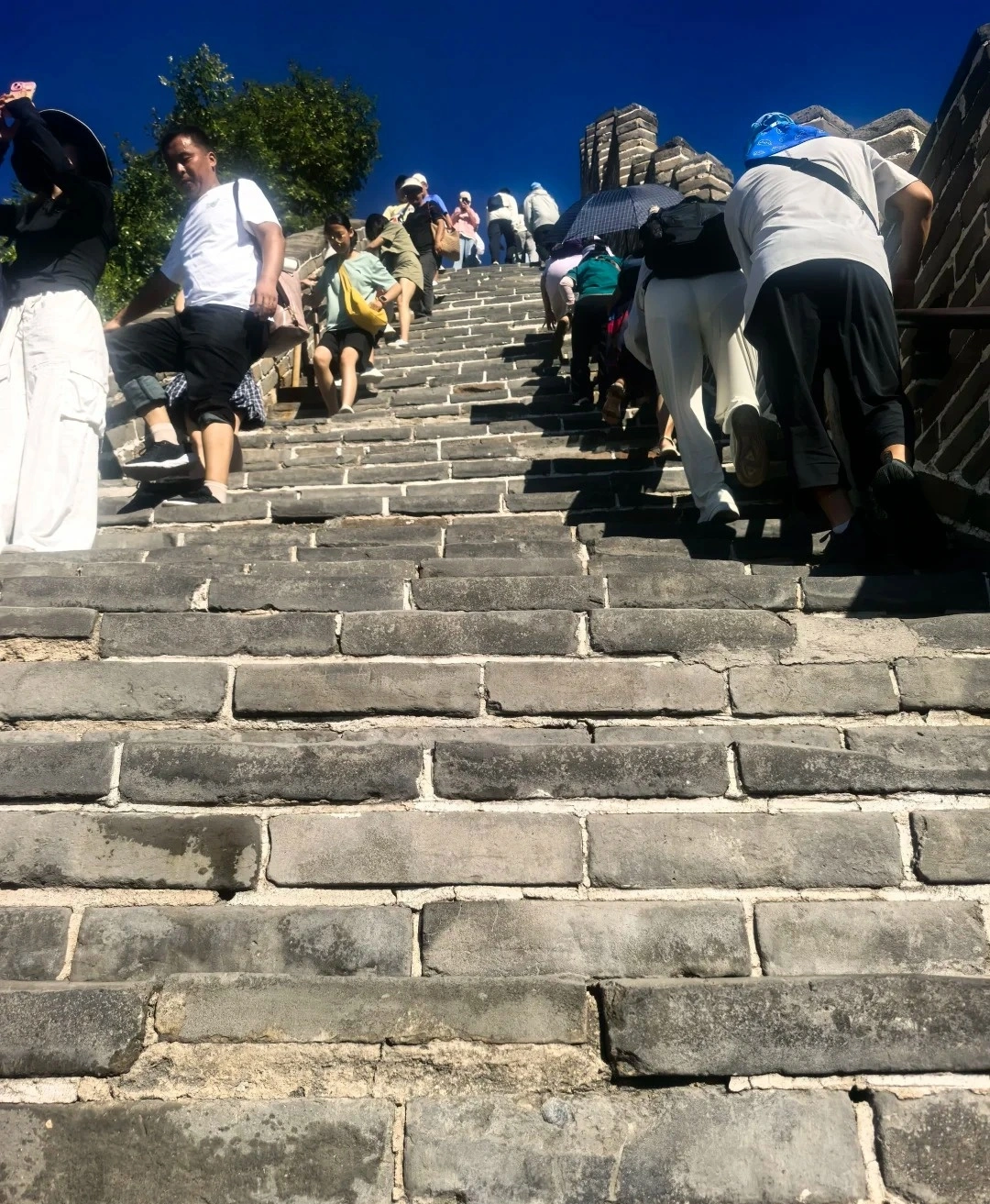
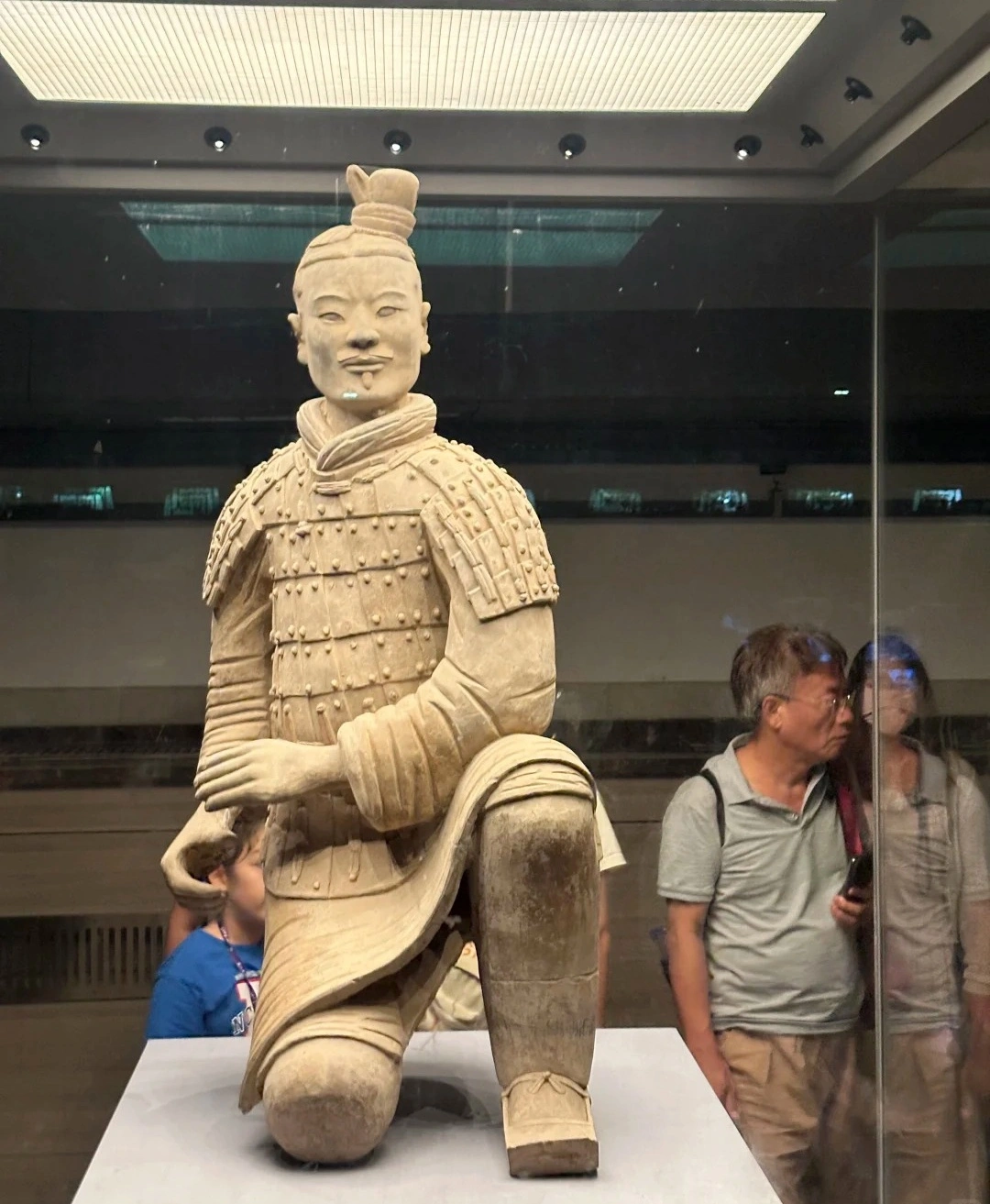
As a solo traveler from Canada, I was nervous about navigating China alone—but this 11-day tour was PERFECT! From hiking the Great Wall at sunrise (Day 3) to gasping at the Terracotta Army (Day 5), every day delivered ‘pinch-me’ moments. The real showstopper? Zhangjiajie’s Avatar Mountains (Day 7)! Our guide made the stone pillars come alive with stories.
Massive thanks for handling all logistics—bullet train tickets, entry passes, car! And the 4-star hotels surprised me.
Destination(s):
Beijing Xian Zhangjiajie Shanghai
Date of
Experience:
June 02,2025

Simon
America
Reviewed on May 29,2025
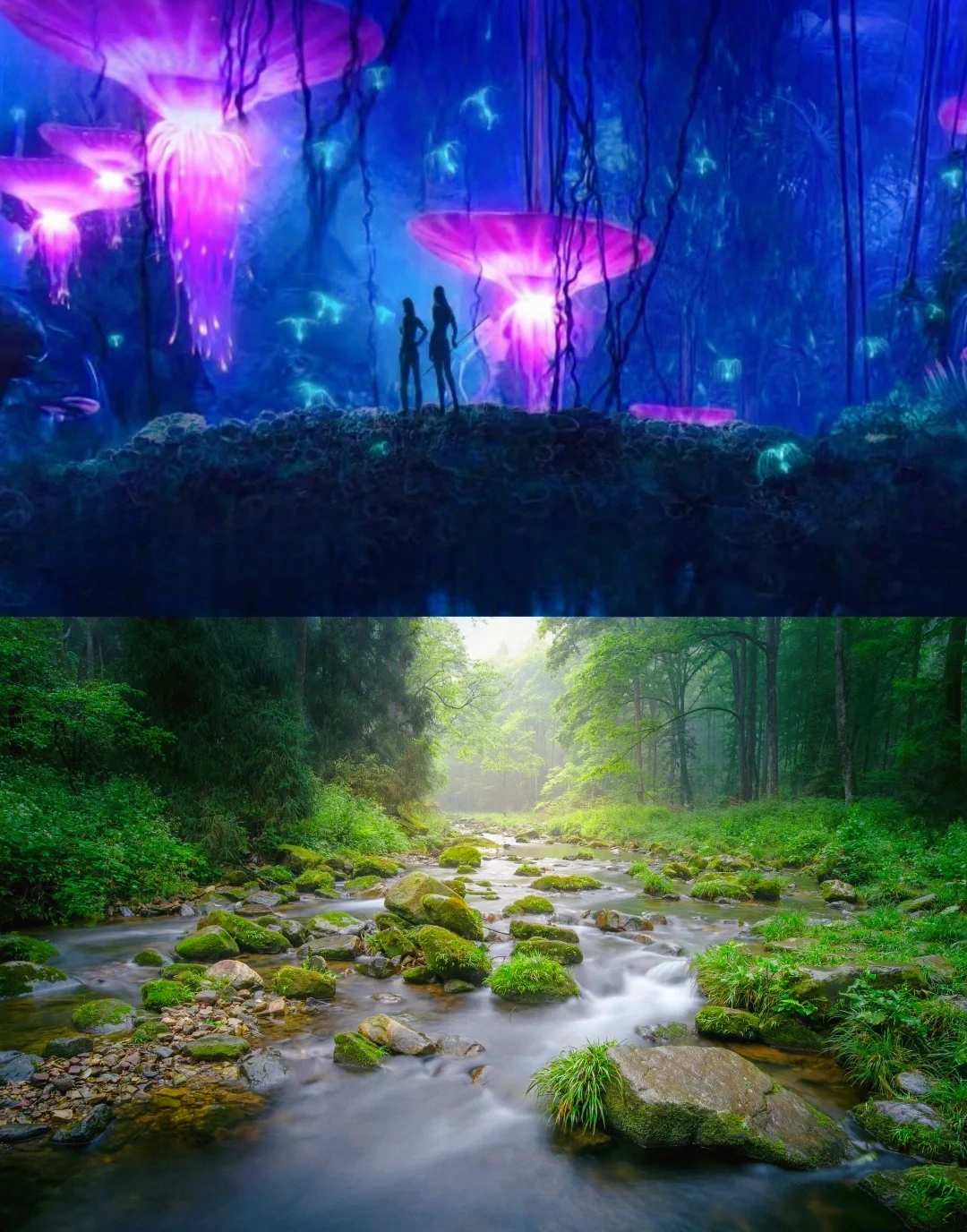
Our 2-day Zhangjiajie tour was beyond spectacular! As someone who’s visited Beijing and Shanghai for work, this trip revealed China’s wild, magical heart. Day 1 in Zhangjiajie National Forest Park felt like stepping onto Pandora—I’m a huge Avatar fan, and Yuanjiajie’s floating peaks left me breathless. The misty pillars and lush valleys like pure movie magic!
Then came Fenghuang Ancient Town, we eat dinner beside the thundering waterfall. It seems Unreal! The night views of stilt houses glowing over the river were straight from a fairy tale.
For fellow Avatar lovers and adventure seekers: Don’t miss this bucket-list experience! 10/10 would return.
A Well-Traveled Film Buff, May 2025
Destination(s):
Zhangjiajie
Date of
Experience:
May 08,2025