


Navigating China as a Foreign Traveler: Essential Apps, Language Tips, and Communication Hacks
1. Introduction: Traveling in China Made Easier
China’s rich history, vibrant culture, and modern cities attract millions of foreign visitors annually. However, language barriers and unfamiliar technology can pose challenges. This guide equips travelers with practical tools—from translation apps to local payment systems—and simple phrases to navigate China confidently.
2. Must-Have Apps for Foreign Travelers in China
a. Translation Apps
- Google Translate: While some features are restricted in China, the offline mode and camera translation for signs/menus remain useful.
- Pleco: A powerful Chinese-English dictionary with handwriting and voice input. Upgrade for OCR (text scanning) to read menus instantly.
- Microsoft Translator: Supports group conversations with real-time translation, ideal for dining or shopping with locals.
b. Navigation & Maps
- Baidu Maps: The most accurate for local directions, public transit routes, and nearby attractions. Download offline maps before arrival.
- Gaode Maps (Amap): Another reliable alternative with English-language options for major cities.
c. Payment & Services
- WeChat Pay: Link a foreign credit card to scan QR codes at stores, restaurants, and taxis. Also use for booking trains/flights via the app.
- Alipay: Similar to WeChat Pay; some vendors prefer one over the other. Set up in advance via the “Tour Pass” feature for short-term visitors.
- Didi: China’s top ride-hailing app (similar to Uber). Use English mode and confirm the driver’s license plate before entering.
d. Travel Booking
- Ctrip (Trip.com): Book flights, trains, hotels, and tours in English. Compare prices with international platforms like Booking.com.
- MetroChina: Offline metro maps and timetables for 40+ Chinese cities.
3. Basic Chinese Phrases to Break the Ice
a. Greetings & Politeness
- Hello: Nǐ hǎo (你好)
- Thank you: Xièxiè (谢谢)
- Excuse me/Sorry: Duìbùqǐ (对不起)
- Goodbye: Zàijiàn (再见)
b. Essential Questions
- Where is…?: …Zài nǎlǐ? (…在哪里?)
Example: Hòutiě zhàn zài nǎlǐ? (Where is the high-speed train station?) - How much is this?: Zhège duōshǎo qián? (这个多少钱?)
- Do you speak English?: Nǐ huì shuō Yīngyǔ ma? (你会说英语吗?)
c. Dining Out
- I’d like…: Wǒ yào… (我要…)
Example: Wǒ yào yī bēi kāfēi (I’d like a cup of coffee). - No spicy/less spicy: Bú yào là/shǎo yīdiǎn là (不要辣/少一点辣).
- Check, please: Mǎidān (买单).
4. Overcoming Language Barriers in Daily Life
a. Use Gestures & Visual Aids
- Point to maps, menus, or items you want to purchase.
- Carry a printed or digital copy of your hotel address in Chinese characters for taxi drivers.
b. Leverage Technology
- Voice Translation: Use apps like iTranslate to speak into your phone and play the translated response.
- AR Translation: Apps like Google Lens (via VPN) or Pleco’s OCR mode can scan and translate text in real time.
c. Learn Key Characters
- Exit: Chūkǒu (出口)
- Toilet: Cèsuǒ (厕所)
- Restaurant: Fàndiàn (饭店)
5. Practical Tips for a Smooth Trip
- VPN Setup: Install a reliable VPN before arriving to access blocked apps (e.g., Google, Facebook).
- Cash Backup: While mobile payments dominate, carry small bills (¥10, ¥20) for street vendors or rural areas.
- Sim Card: Buy a local SIM at the Airport for affordable data. Providers like China Mobile or China Unicom offer tourist packages.
- Emergency Numbers: Save 110 (police), 120 (ambulance), and your embassy’s contact info.
6. Conclusion: Embrace the Adventure with Confidence
China’s blend of ancient traditions and modern innovation offers endless discoveries. By arming yourself with these apps, phrases, and strategies, you’ll navigate language barriers effortlessly and focus on creating unforgettable memories.


Contact Us
What Our Clients Say?
Based on 10,000+ traveler reviews

Daniel Dorothea
Canada
Reviewed on April 29,2025
Shopping on Nanjing Road in Shanghai was just amazing! It's truly the "First Commercial Street of China", where tradition and modernity blend perfectly. You can find awesome souvenirs and experience the trendy vibes in cool stores. The neon lights at night are just spectacular, shining bright like Times Square in New York. The food here is incredible too. I had a feast for my taste buds. Shanghai, I'll definitely be back!
Destination(s):
Shanghai
Date of
Experience:
May 08,2024


Elvis Eva
Canada
Reviewed on June 20,2025
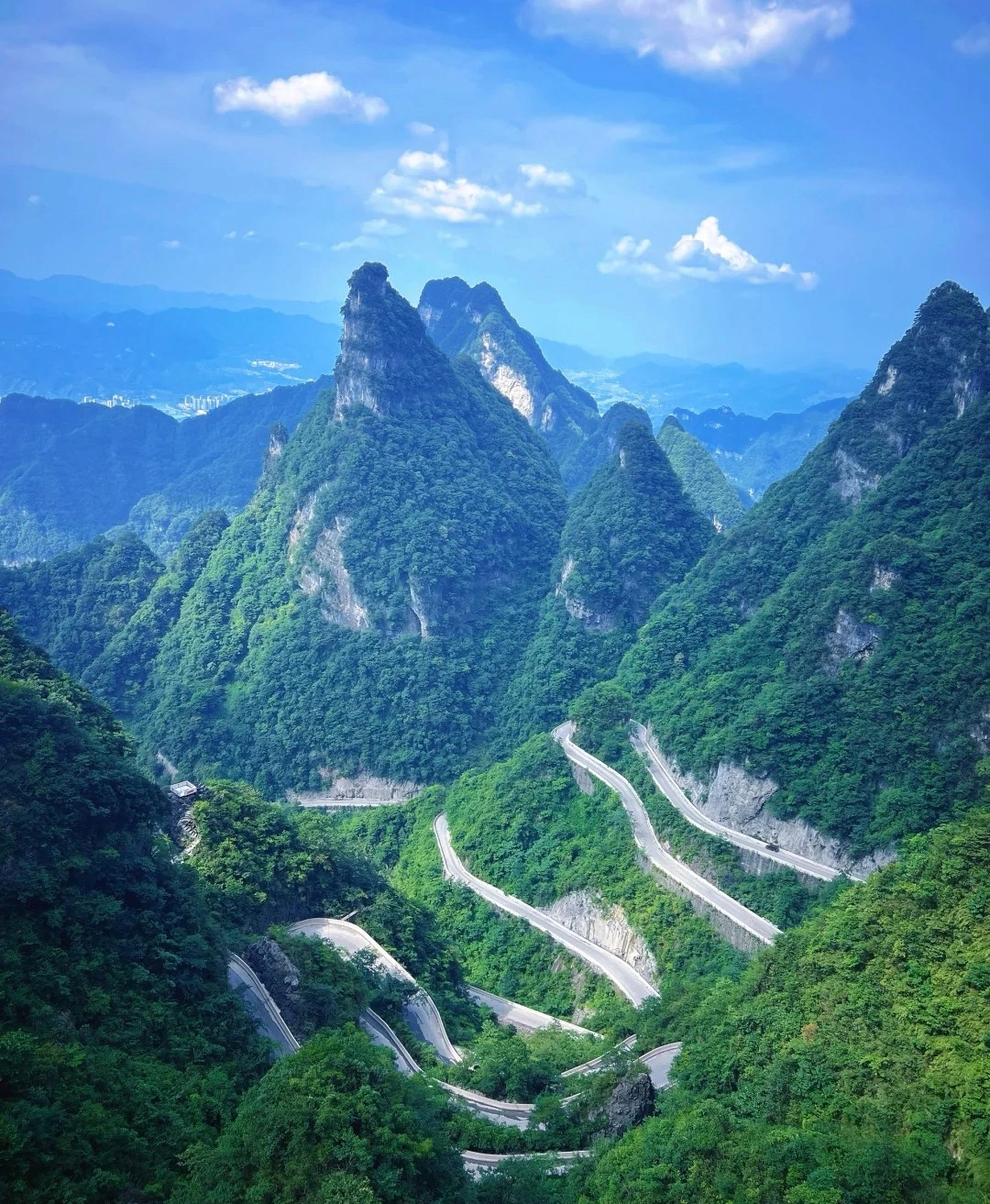
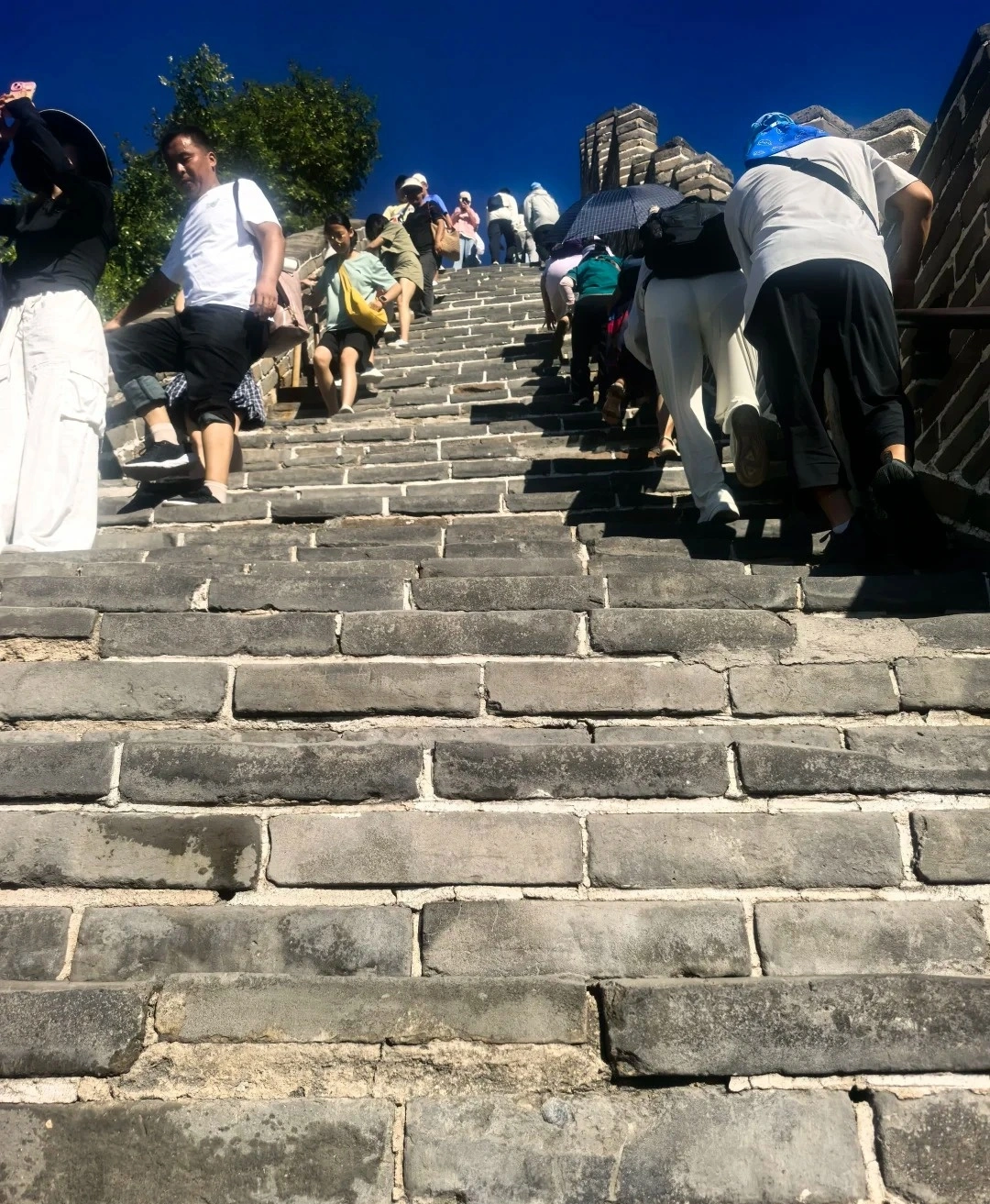
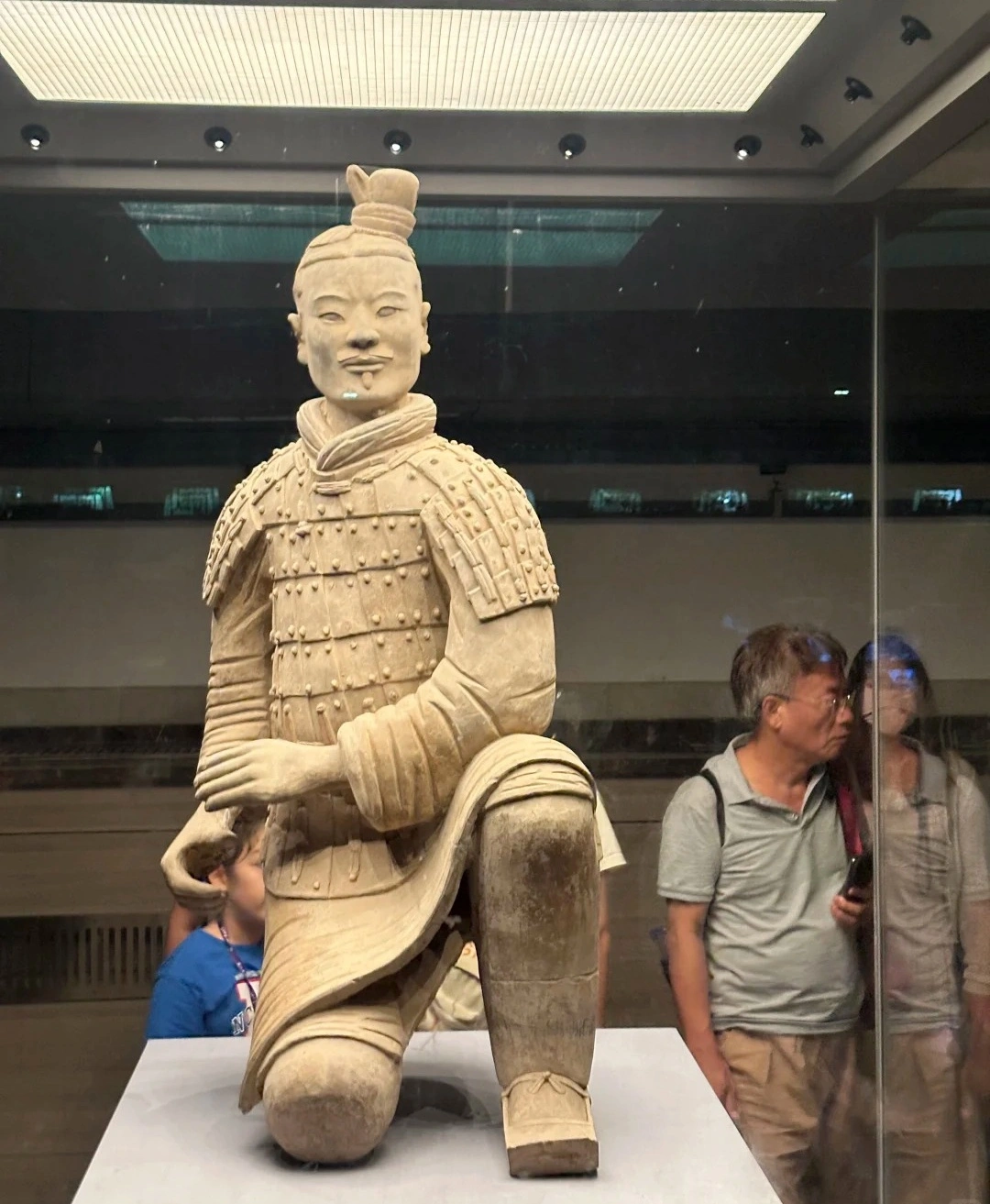
As a solo traveler from Canada, I was nervous about navigating China alone—but this 11-day tour was PERFECT! From hiking the Great Wall at sunrise (Day 3) to gasping at the Terracotta Army (Day 5), every day delivered ‘pinch-me’ moments. The real showstopper? Zhangjiajie’s Avatar Mountains (Day 7)! Our guide made the stone pillars come alive with stories.
Massive thanks for handling all logistics—bullet train tickets, entry passes, car! And the 4-star hotels surprised me.
Destination(s):
Beijing Xian Zhangjiajie Shanghai
Date of
Experience:
June 02,2025

Simon
America
Reviewed on May 29,2025
Our 2-day Zhangjiajie tour was beyond spectacular! As someone who’s visited Beijing and Shanghai for work, this trip revealed China’s wild, magical heart. Day 1 in Zhangjiajie National Forest Park felt like stepping onto Pandora—I’m a huge Avatar fan, and Yuanjiajie’s floating peaks left me breathless. The misty pillars and lush valleys like pure movie magic!
Then came Fenghuang Ancient Town, we eat dinner beside the thundering waterfall. It seems Unreal! The night views of stilt houses glowing over the river were straight from a fairy tale.
For fellow Avatar lovers and adventure seekers: Don’t miss this bucket-list experience! 10/10 would return.
A Well-Traveled Film Buff, May 2025
Destination(s):
Zhangjiajie
Date of
Experience:
May 08,2025


Ask us before you decide.
Unsure about a route, departure date or room option? Tell us what is holding up your plans. You will get a clear answer from our China-based travel team—no booking required.


















Real people, practical answers.A travel advisor replies within 24 hours.

