
Popular Beijing Street Food: A Culinary Journey Through China's Capital
Beijing’s street food scene is a vibrant microcosm of Chinese culinary culture, blending centuries-old traditions with modern innovations. From bustling morning markets to midnight snack stalls, the city’s streets offer a sensory feast for food enthusiasts. This 1,500+ word guide explores the most iconic and emerging popular Beijing street food, detailing their origins, preparation methods, and where to find the most authentic versions.
1. Breakfast Staples: Morning Rituals on the Streets
Jianbing (Chinese Crepes)
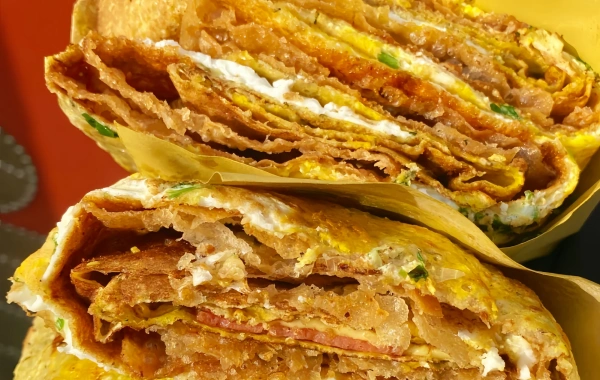
The undisputed star of Beijing’s breakfast scene, Jianbing is a savory-sweet crepe made from a batter of mung bean and wheat flour, spread thin on a hot griddle. Cracked eggs, crispy wonton skins, chopped scallions, cilantro, and a blend of savory bean paste and chili sauce are folded inside. This portable meal, dating back to the Shandong Peninsula, was perfected in Beijing’s hutongs. A typical Jianbing costs 8–15 CNY and is best enjoyed at dawn at spots like Dahua Jianbing near Yonghegong Lama Temple or mobile carts in Dongcheng’s alleys.
You Tiao & Dou Jiang (Fried Dough Sticks & Soy Milk)
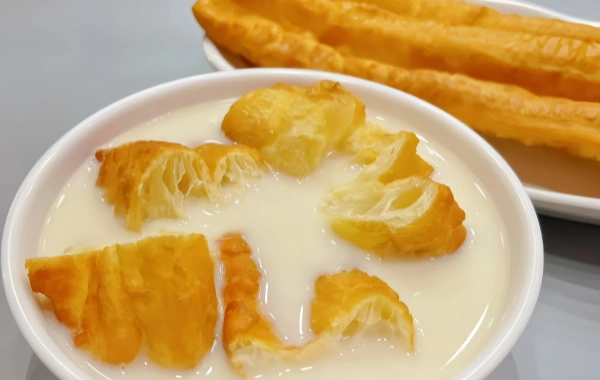
A Song Dynasty classic, You Tiao—golden, airy fried dough sticks—are dunked into warm, silky soy milk for a satisfying breakfast duo. Local chains like Yonghe Soy Milk offer standardized versions, but the most authentic experiences are found at neighborhood breakfast stalls in Xizhimen or Dongzhimen, where vendors hand-pull the dough and fry it to order.
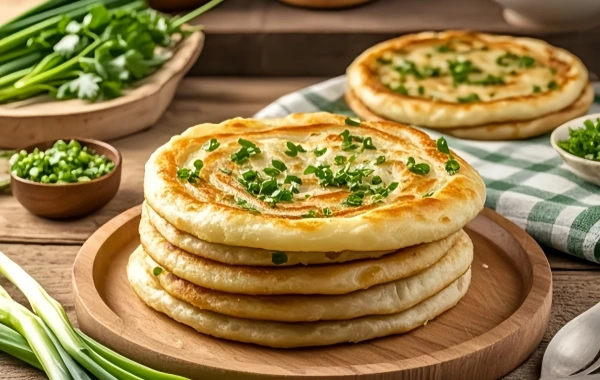
Cong You Bing (Scallion Pancakes)
Flaky, layered flatbreads brushed with scallion-infused oil and sprinkled with sesame seeds, Cong You Bing are crispy outside and tender inside. These are often sold alongside steamed buns (baozi) and tofu pudding (doufunao) at morning markets. For a premium version, visit Jian Guo Men Yi Hao in Chaoyang District.
2. Savory Midday Delights: Noodles, Skewers, and More
zhajiangmian (Noodles with Fried Sauce)
A comfort food staple since the Qing Dynasty, Zhajiangmian features thick, hand-pulled wheat noodles topped with zhajiang—a thick sauce of minced pork or beef simmered in fermented soybean paste, onions, and garlic. The dish varies by region; Beijing-style Zhajiangmian is milder and sweeter. Siji Minfu in Xicheng District has served its signature recipe since 1928, using locally sourced noodles and a family-secret sauce blend.
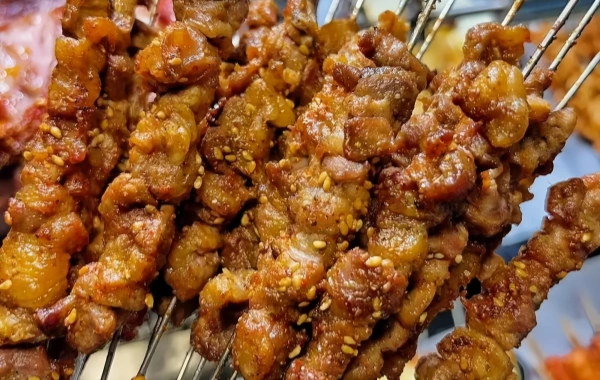
Yangrou Chuan’r (Lamb Skewers)
Charcoal-grilled lamb skewers seasoned with cumin, chili flakes, and salt are a nightlife staple but also popular for lunch. Sourced from Inner Mongolia’s grass-fed sheep, the meat is skewered, marinated, and grilled over smoky coals. Tan Hua Shaokao near Houhai Lake offers juicy, tender skewers from 3 CNY per stick, while upscale versions at Da Dong Roast Duck incorporate premium cuts.
Baodu (Quick-Fried Lamb Tripe)
A Hui Muslim specialty, Baodu consists of thinly sliced lamb tripe flash-fried in a wok with garlic, ginger, and chili oil. The dish requires precise timing to achieve a tender yet crisp texture. Baodu Wang in Niujie Street, Beijing’s Muslim Quarter, serves a 50-year-old family recipe alongside hand-pulled noodles.
3. Sweet Endings: Desserts with a Twist
Tanghulu (Candied Fruit Skewers)
Traditionally hawthorn berries skewered on bamboo sticks and dipped in hardened sugar syrup, Tanghulu has evolved to include strawberries, grapes, and even unconventional options like scorpions or chrysanthemum petals. Wangfujing Snack Street offers colorful stalls with prices starting at 5 CNY, while artisanal shops in Nanluoguxiang experiment with chocolate and yogurt coatings.
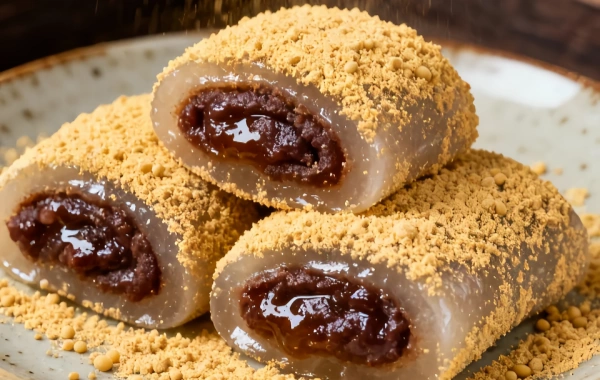
Lvdagun (Rolling Donkey)
This glutinous rice cake, rolled in soybean flour to resemble a dusty donkey rolling on the ground, has a chewy texture and mild sweetness. Originating from the Qing Dynasty imperial kitchen, it’s now a beloved snack at Nanluoguxiang alley for 10 CNY. Modern twists include matcha or purple sweet potato fillings.
Douzhi (Fermented Mung Bean Juice)
A polarizing yet culturally significant drink, Douzhi is a fermented mung bean juice with a tangy, slightly sour flavor. Served ice-cold with chili oil, pickled vegetables, and crispy Jianbing crumbs, it’s a summer staple at Huguosi Snack Bar for 5 CNY. First-time tasters often describe it as an acquired taste, but locals swear by its digestive benefits.
4. Night Market Adventures: Exotic and Innovative Treats
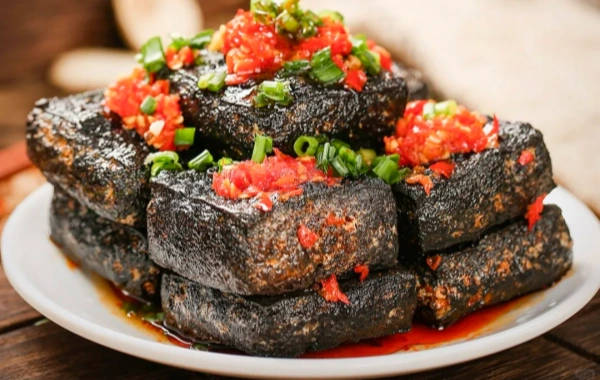
Chongchong (Stinky Tofu)
Deep-fried fermented tofu with a pungent aroma but a crispy exterior and creamy interior, Stinky Tofu is a love-it-or-hate-it delicacy. Donghuamen Night Market offers it with a side of pickled cabbage and chili sauce for 10 CNY. Recent innovations include “stinky tofu burgers” at food trucks in 798 Art District.
Fried Insects and Exotic Proteins
For the adventurous, Wangfujing Night Market’s fried scorpions, silkworm pupae, and grasshoppers (15–30 CNY per stick) offer a crunchy, protein-rich snack. These are seasoned with salt, pepper, and five-spice powder, reflecting Beijing’s history as a hub for exotic trade goods.
Modern Fusion Creations
Beijing’s street food scene embraces innovation. Jianbing now comes with Nutella, cheese, or bacon at trendy spots like Mr. Jianbing in Sanlitun. Meanwhile, Ice Monster in Xintiandi serves artisanal shaved ice with Beijing-inspired flavors like green tea, red bean, and osmanthus.
5. Cultural and Historical Context
Imperial Influences
Many street foods trace their roots to imperial cuisine. For example, Peking Duck—now a sit-down meal—was originally sold as a street snack wrapped in thin pancakes. Similarly, Lvdagun was a favorite of Empress Dowager Cixi.
hutong culture and Community
The hutongs—narrow alleyways of traditional courtyard homes—are the heart of Beijing’s street food culture. Vendors often operate from family-run stalls passed down through generations, preserving recipes and techniques. The Hutong Food Tour offers guided walks to sample these hidden gems while learning about local history.
Sustainability and Locavorism
Increasingly, vendors emphasize locally sourced ingredients. For instance, Baodu Wang uses grass-fed lamb from Inner Mongolia, while Jianbing Guo sources organic mung beans from Hebei Province. This trend aligns with broader movements toward sustainable eating in urban China.
6. Top Locations to Explore
- Wangfujing Snack Street: Iconic night market with over 100 stalls offering everything from Tanghulu to fried insects.
- Nanluoguxiang: Trendy hutong alley blending traditional snack shops with modern cafes and boutiques.
- Niujie Muslim District: Authentic Hui cuisine, including lamb skewers, Baodu, and hand-pulled noodles.
- Ghost Streets (Gui Jie): Late-night eateries in Dongzhimen serving hotpot, grilled meats, and street-style snacks.
- 798 Art District: Food trucks and pop-ups offering fusion street food with artistic presentations.
Conclusion
Popular Beijing street food is more than just sustenance—it’s a living archive of the city’s history, culture, and creativity. From the imperial kitchens of the Qing Dynasty to the modern food trucks of 798 Art District, each bite tells a story of migration, trade, and innovation. For travelers and locals alike, exploring these flavors offers a deeper connection to Beijing’s soul. Whether savoring a crispy Jianbing at dawn or sampling fried scorpions under neon lights, the experience is a testament to the city’s ability to honor tradition while embracing the future. As Beijing continues to evolve, its street food remains a timeless bridge between past and present, inviting all to taste the authentic spirit of China’s capital.
Related itinerary





Contact Us
What Our Clients Say?






Ask us before you decide.
Unsure about a route, departure date or room option? Tell us what is holding up your plans. You will get a clear answer from our China-based travel team—no booking required.