
A Pilgrim's Journey: Discovering Confucius' Wisdom at Nanjing's Confucius Temple
1. A First Glimpse: Entering the Sacred Grounds
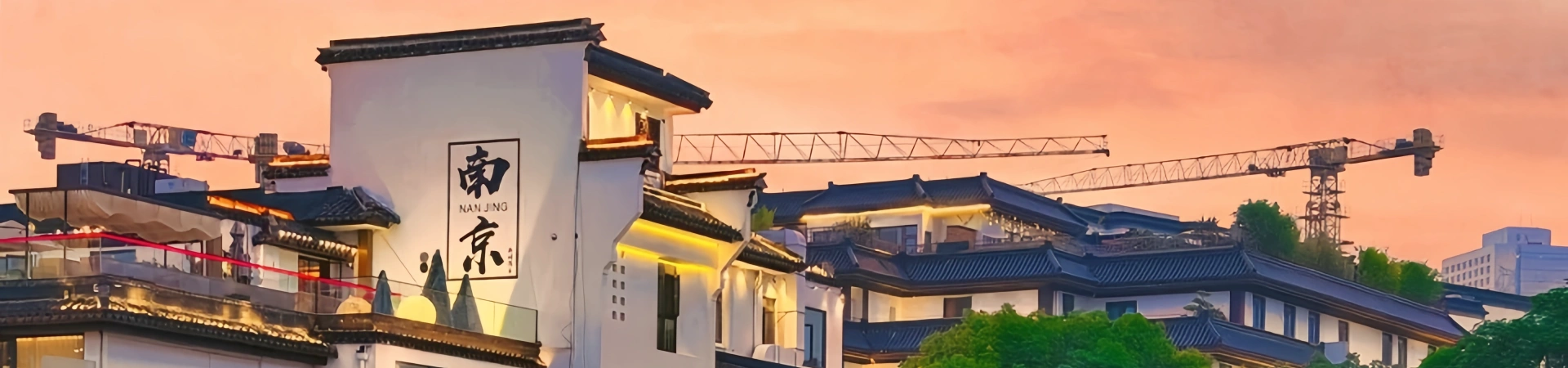
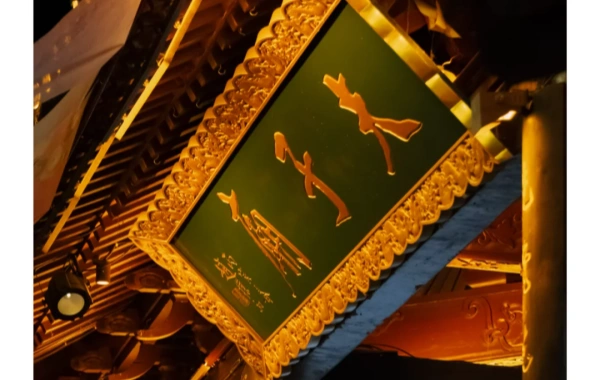
Stepping through the ornate archway of Nanjing’s Confucius Temple, I felt an immediate sense of reverence. The air hummed with whispers of history, and the scent of incense mingled with the gentle rustle of bamboo leaves. As a young traveler seeking wisdom, I had journeyed here to pay homage to Confucius, the philosopher whose teachings shaped Chinese culture for millennia. The temple’s grandeur—its red walls, golden roofs, and serene courtyards—felt like a bridge between the past and the present.
2. Walking in the Footsteps of Sages
The path to the Dacheng Hall, the temple’s main sanctuary, was lined with stone tablets inscribed with Confucian classics. I paused to read fragments of the Analects, imagining scholars centuries ago debating ethics and governance under these same trees. Nearby, a group of students in traditional robes practiced calligraphy, their brushes dancing across paper with quotes like “Do not do to others what you do not want done to yourself.” This living tradition made Confucius’s philosophy feel not just ancient, but alive.
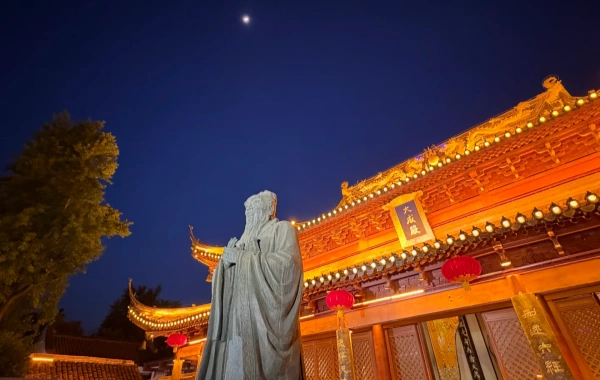
3. The Heart of the Temple: Confucius’s Legacy
In the Dacheng Hall, I stood before a towering statue of Confucius, his expression both kind and stern. Bowing deeply, I offered incense and a silent prayer for guidance. The hall’s quietude was profound, broken only by the distant chatter of visitors. A local guide explained how emperors once visited to seek blessings for their reigns, while modern students come to pray for academic success. “Confucius teaches balance,” he said. “Between tradition and progress, between self and society.”
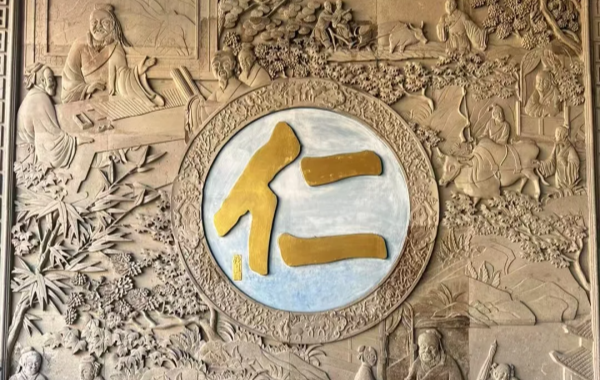
4. Beyond the Temple: A Cultural Tapestry
After paying respects, I wandered into the surrounding streets, where the temple’s influence lingered. Stalls sold handmade brushes, scrolls, and miniature statues of Confucius. I sipped jasmine tea at a centuries-old teahouse, listening to a storyteller recount tales of Confucian scholars. Even the local cuisine—steamed buns shaped like ancient coins, sweet “eight-treasure” rice pudding—felt like a nod to history. Here, every detail seemed to whisper, “This is where wisdom endures.”
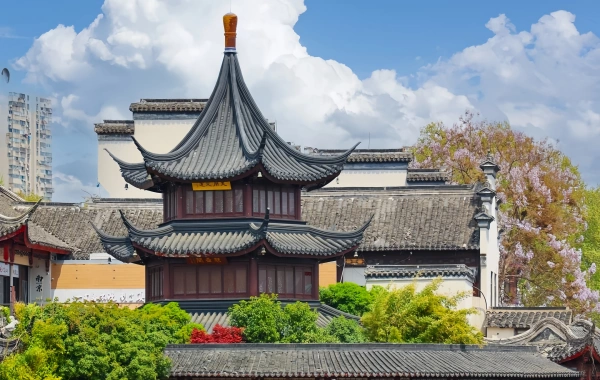
5. Why You Should Visit: A Call to Curious Souls
Nanjing’s Confucius Temple is more than a monument; it’s a sensory journey into the soul of Chinese philosophy. Whether you’re a history buff, a spiritual seeker, or simply a traveler craving authenticity, this place offers a rare chance to connect with ideas that have shaped civilizations. Come to marvel at its architecture, to reflect in its halls, or to join the students writing their futures with ink and intention.
As I left, I carried a quote from Confucius in my heart: “Wherever you go, go with all your heart.” Nanjing’s temple had given me that gift—a reminder that wisdom isn’t just found in books, but in the places where history breathes.


Contact Us
What Our Clients Say?
Based on 10,000+ traveler reviews

Daniel Dorothea
Canada
Reviewed on April 29,2025
Shopping on Nanjing Road in Shanghai was just amazing! It's truly the "First Commercial Street of China", where tradition and modernity blend perfectly. You can find awesome souvenirs and experience the trendy vibes in cool stores. The neon lights at night are just spectacular, shining bright like Times Square in New York. The food here is incredible too. I had a feast for my taste buds. Shanghai, I'll definitely be back!
Destination(s):
Shanghai
Date of
Experience:
May 08,2024


Elvis Eva
Canada
Reviewed on June 20,2025
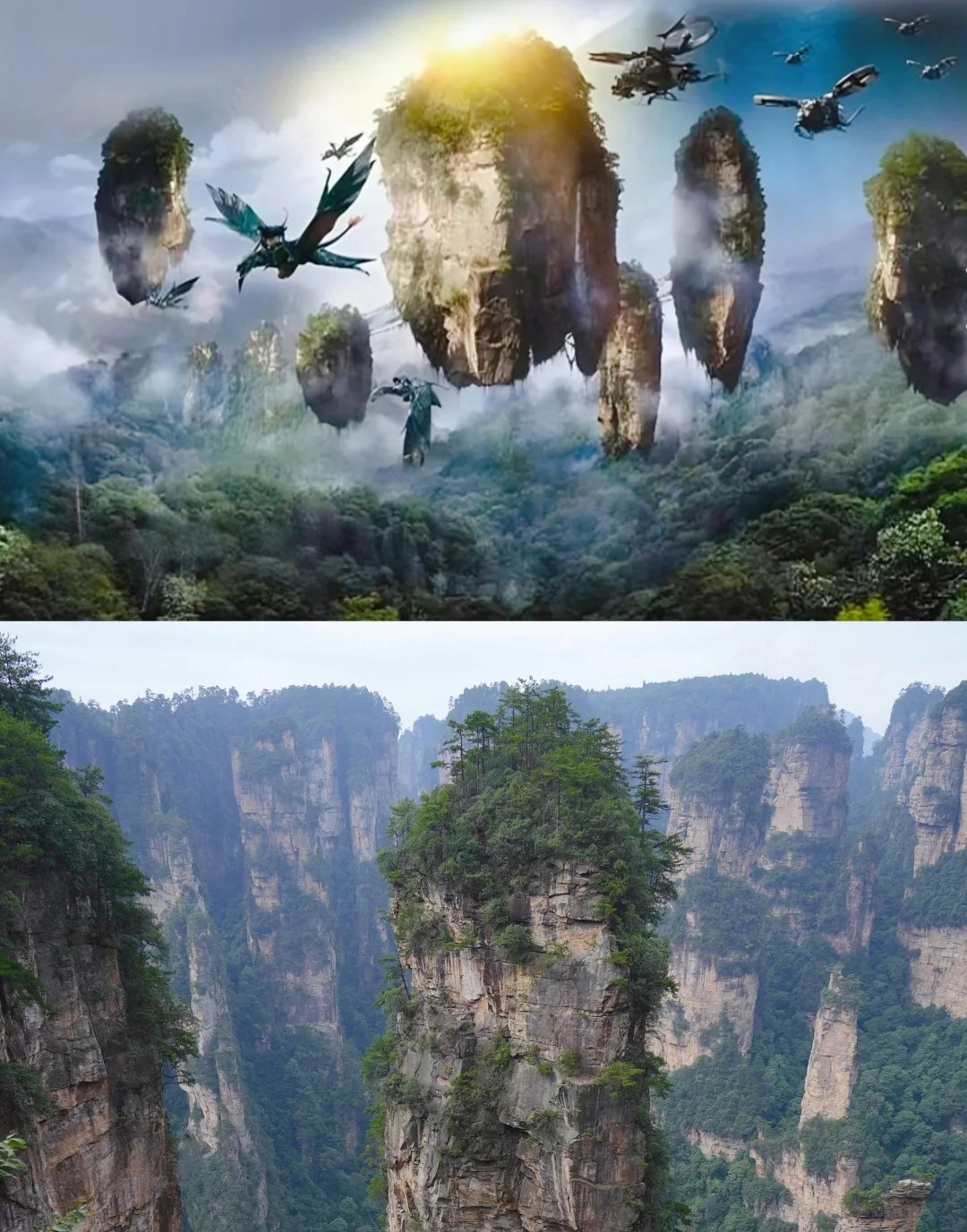
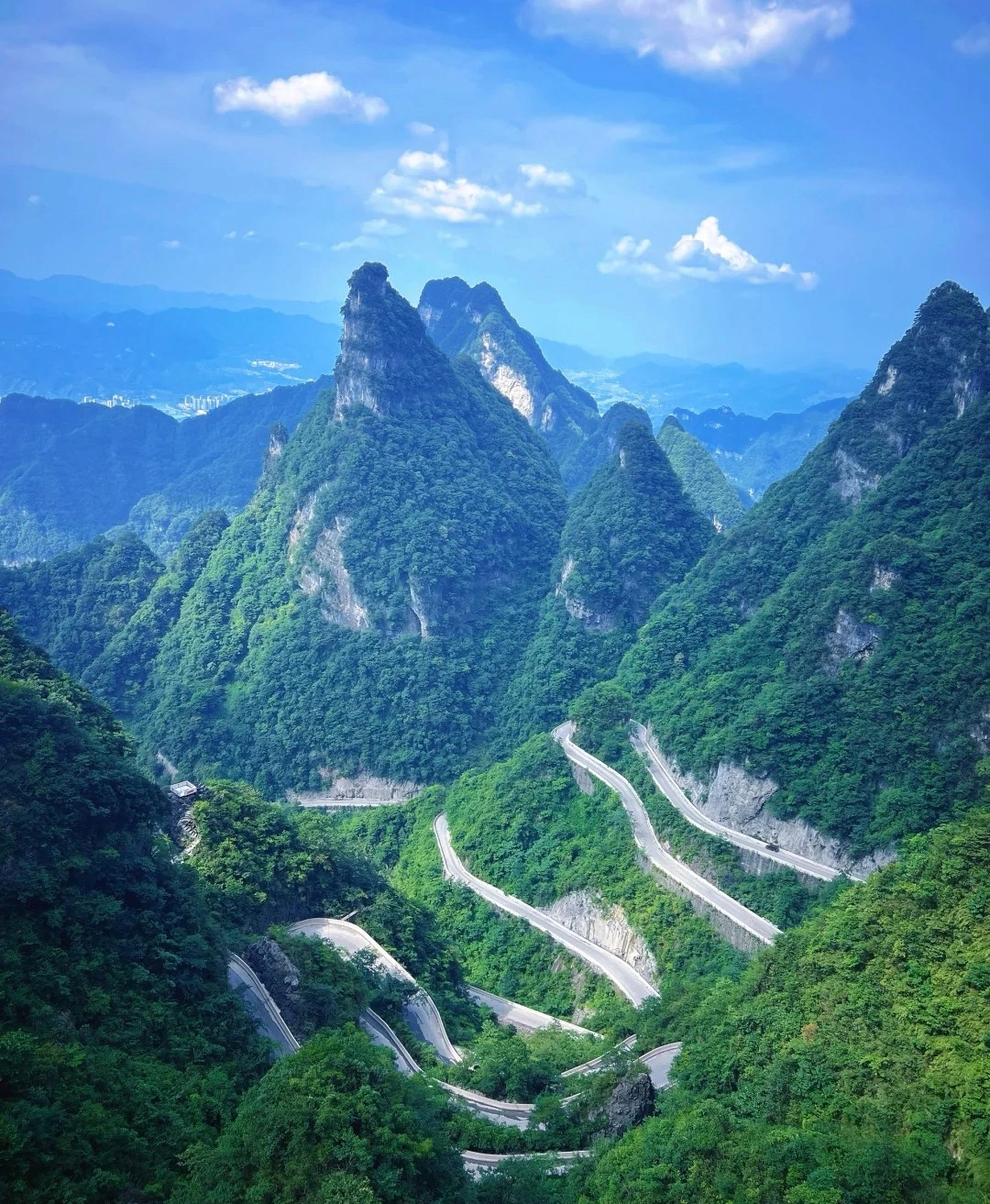
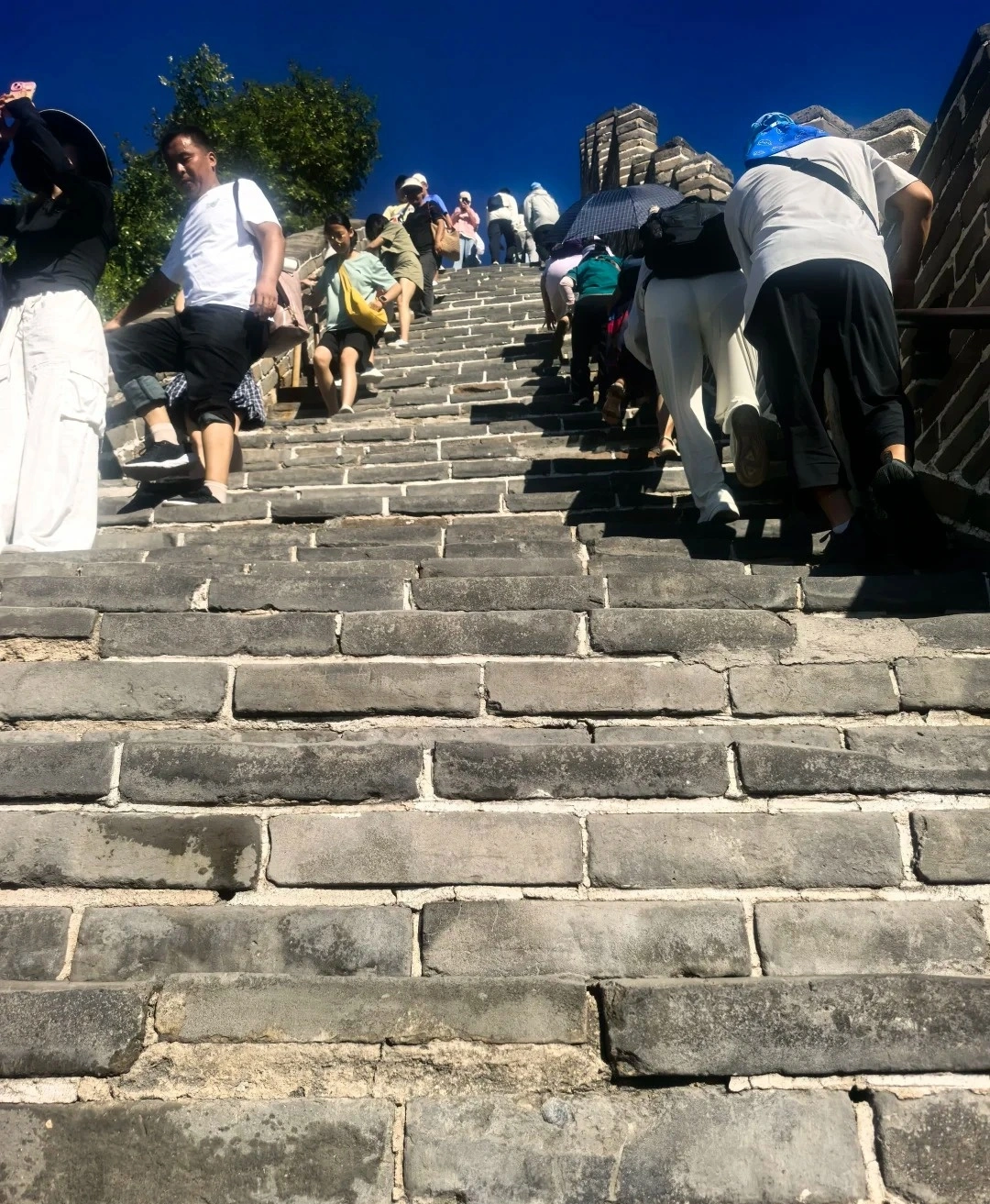
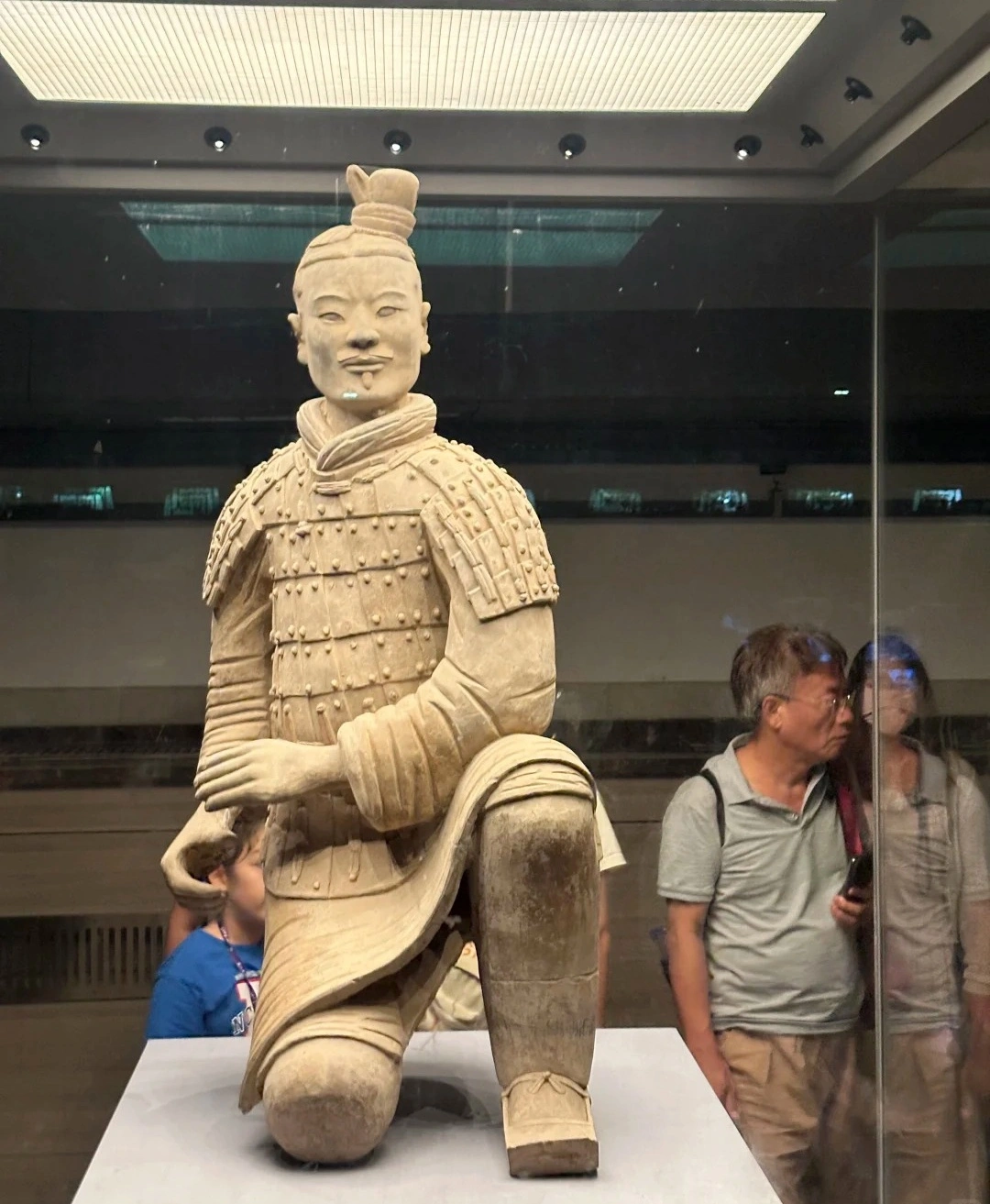
As a solo traveler from Canada, I was nervous about navigating China alone—but this 11-day tour was PERFECT! From hiking the Great Wall at sunrise (Day 3) to gasping at the Terracotta Army (Day 5), every day delivered ‘pinch-me’ moments. The real showstopper? Zhangjiajie’s Avatar Mountains (Day 7)! Our guide made the stone pillars come alive with stories.
Massive thanks for handling all logistics—bullet train tickets, entry passes, car! And the 4-star hotels surprised me.
Destination(s):
Beijing Xian Zhangjiajie Shanghai
Date of
Experience:
June 02,2025

Simon
America
Reviewed on May 29,2025
Our 2-day Zhangjiajie tour was beyond spectacular! As someone who’s visited Beijing and Shanghai for work, this trip revealed China’s wild, magical heart. Day 1 in Zhangjiajie National Forest Park felt like stepping onto Pandora—I’m a huge Avatar fan, and Yuanjiajie’s floating peaks left me breathless. The misty pillars and lush valleys like pure movie magic!
Then came Fenghuang Ancient Town, we eat dinner beside the thundering waterfall. It seems Unreal! The night views of stilt houses glowing over the river were straight from a fairy tale.
For fellow Avatar lovers and adventure seekers: Don’t miss this bucket-list experience! 10/10 would return.
A Well-Traveled Film Buff, May 2025
Destination(s):
Zhangjiajie
Date of
Experience:
May 08,2025