Haba Snow Mountain: A Sacred Peak of Glacial Grandeur and Cultural Harmony in Yunnan

Haba Snow Mountain: A Sacred Peak of Glacial Grandeur and Cultural Harmony in Yunnan

Overview: A UNESCO Sanctuary Where Earth Meets Sky

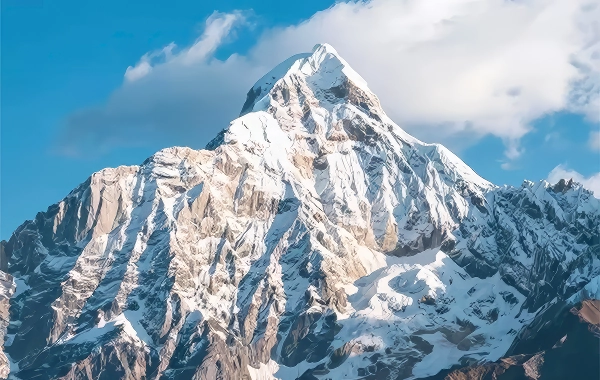
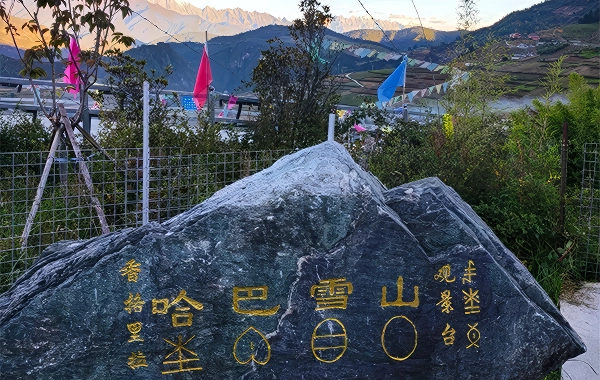
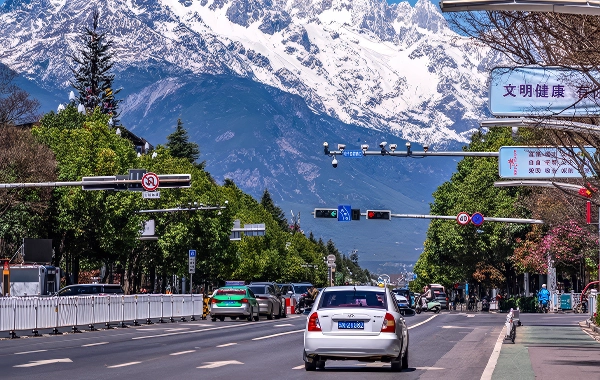
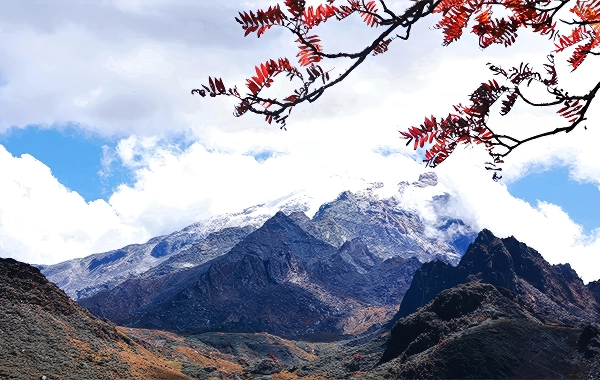
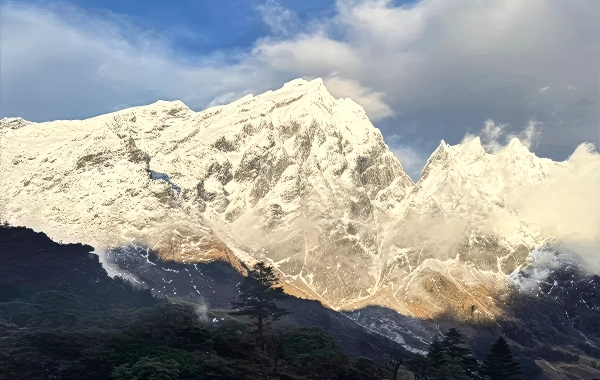
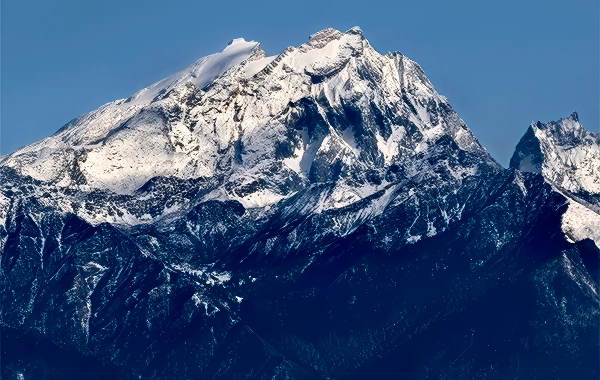
Haba Snow Mountain (5,396m) in Shangri-La, Yunnan, is a UNESCO World Heritage Site. Its Tibetan name, "Haba" (Golden Flower), marks its sacred status. Facing Jade Dragon Snow Mountain across Tiger Leaping Gorge, it has long been a spiritual beacon for Tibetan Buddhists, Naxi Dongba, and local herders—embodying human-nature harmony through glaciers, alpine lakes, and rich biodiversity.

Key Highlights at a Glance

Identity Tags: UNESCO World Heritage / Sacred Tibetan Peak / Glacial Landforms

Core Experiences: 26 hanging glaciers, 30+ alpine lakes, rhododendron forests, Tibetan-Naxi culture

Visit Duration: 2–5 days; combine with Tiger Leaping Gorge or Shangri-La

Address: Shangri-La, Diqing, Yunnan, China

  • Haba Snow Mountain: A Sacred Peak of Glacial Grandeur and Cultural Harmony in Yunnan-1
  • Haba Snow Mountain: A Sacred Peak of Glacial Grandeur and Cultural Harmony in Yunnan-2
  • Haba Snow Mountain: A Sacred Peak of Glacial Grandeur and Cultural Harmony in Yunnan-3
  • Haba Snow Mountain: A Sacred Peak of Glacial Grandeur and Cultural Harmony in Yunnan-4

Origins: From Ancient Glaciers to Sacred Sanctuary — A Tale of Earth and Spirit

Furong Ancient Town

The Name "Haba" — A Golden Flower in Tibetan Lore

The mountain's name Haba (Golden Flower) was bestowed by Tibetan communities who have revered it for centuries. According to local tradition, the peak is not merely a geological formation but a living deity — a protector of the valleys and herders below. The name has endured through generations, symbolizing the timeless bond between the mountain's glaciers, its people, and their spiritual practices.

A Natural Cathedral — From Glacial Carving to Human Devotion

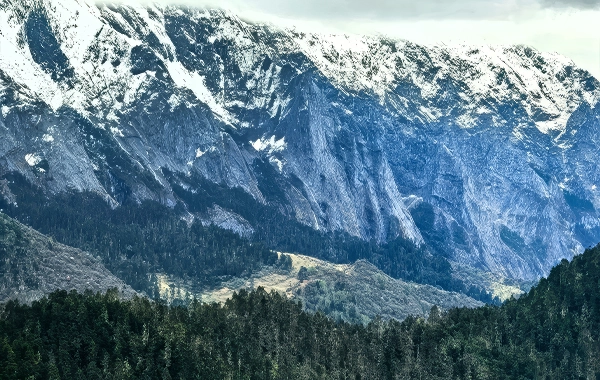
Formed over millions of years by tectonic uplift and glacial erosion, Haba Snow Mountain's 2,200km² massif integrates raw natural grandeur with minimal human intervention. Its 26 hanging glaciers — including the 8km-long Haba Glacier — sculpt U-shaped valleys, cirques, and moraines. Ancient Tibetan prayer flag galleries, stone cairns, and the reconstructed Haba Temple at its base mark centuries of pilgrimage and weather rituals, blending nature's architecture with human reverence.

> Dive Deeper: Explore more UNESCO wonders in Yunnan's Three Parallel Rivers region >> [Shangri-La Ancient Town]

Must-See Wonders: Glacial Majesty and Sacred Alpine Lakes

Furong Ancient Town Furong Ancient Town Furong Ancient Town Furong Ancient Town

Nature's Handiwork — The Haba Glacier

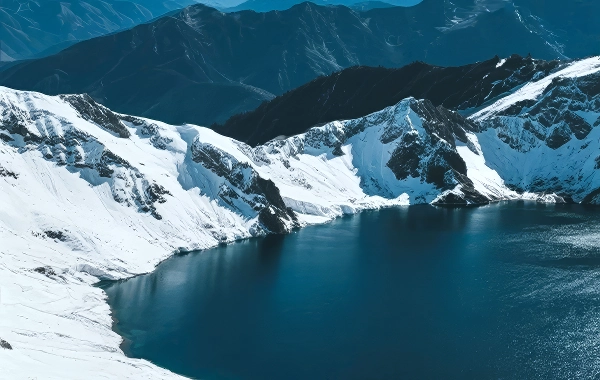
The heart of Haba Snow Mountain is the Haba Glacier, an 8km-long river of ice descending from the summit. This hanging glacier features dramatic ice caves, crevasses, and seasonal snowfields. The U-shaped valleys and moraines bear witness to millennia of glacial sculpting, offering trekkers an intimate encounter with Earth's ancient forces. Non-technical climbing routes make its 5,396m summit accessible to fit adventurers.

The Alpine Lakes — Jewels of the High Plateau

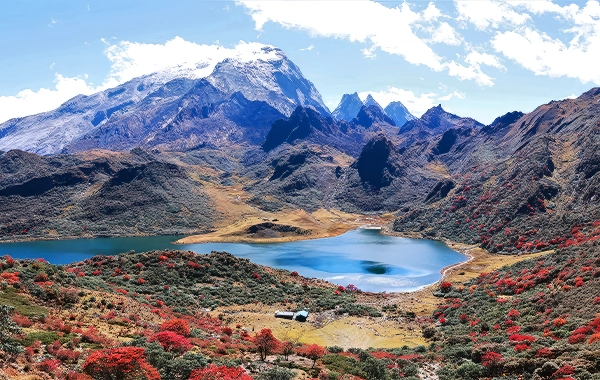
Nestled between 3,800 and 4,500 meters, over 30 glacial lakes dot the mountain's shoulders. Black Sea (4,100m), Yellow Sea (4,200m), and Bayan Sea (4,000m) are renowned for their crystal-clear waters reflecting the snow peaks above. Each lake holds sacred significance in Tibetan Buddhism, and their shores are often adorned with prayer flags. The mirror-like surfaces at dawn create ethereal reflections, a photographer's dream.

Vertical Ecosystems — A Living Museum of Biodiversity

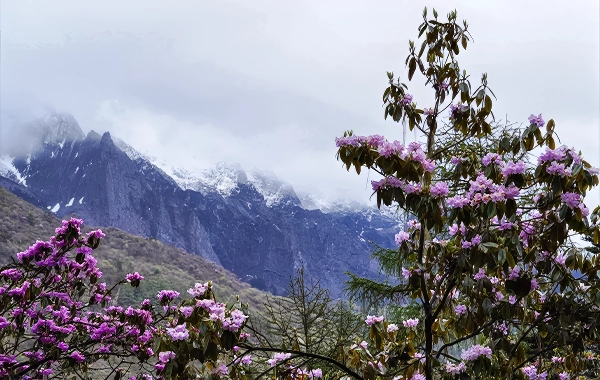
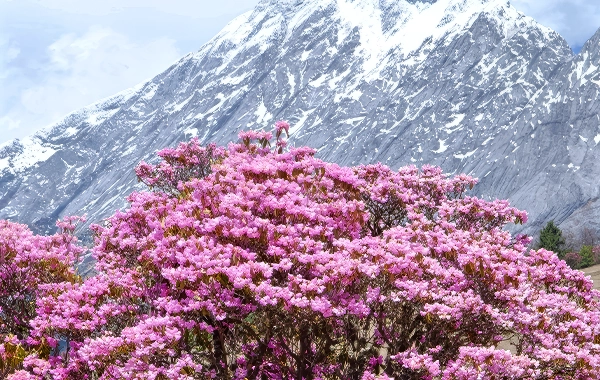
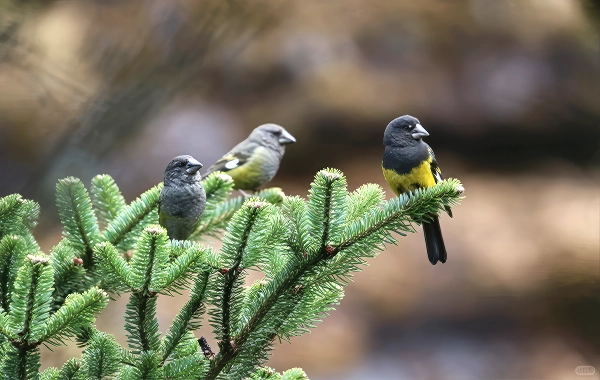
From subtropical forests at the base to alpine meadows, shrublands, and permanent ice fields, Haba Snow Mountain supports over 2,000 plant species, including endemic rhododendrons that transform valleys into pink-and-white carpets each spring. The mountain is also home to 150+ bird and animal species, including elusive snow leopards, Himalayan tahrs, blue sheep, and black-necked cranes — a testament to its status as a biodiversity hotspot.

Human Ingenuity — Eco-Friendly Infrastructure and Sacred Sites

Scattered across the massif are ancient Tibetan prayer flag galleries, stone cairns used as trail markers and offerings, and the reconstructed Haba Temple at the mountain's base — still used for pilgrimages and weather rituals by local communities. Modern interventions remain deliberately minimal: wooden boardwalks, solar-powered ranger stations, and geothermal-heated lodges minimize ecological impact while providing safe access.

> Photography Tips:

The best lighting for photographing the alpine lakes is at dawn, when waters are still and mist rises from the valleys.

For summit panoramas of Jade Dragon Snow Mountain and Tiger Leaping Gorge, aim for the golden hour before sunset.

A telephoto lens is essential for wildlife photography (snow leopards, blue sheep, black-necked cranes).

Rhododendron forests peak in color during May; autumn foliage transforms slopes in October.

Core Experience: An Immersive Journey into Glacial and Cultural Heritage

Furong Ancient Town Furong Ancient Town Furong Ancient Town Furong Ancient Town Furong Ancient Town

Five Must-Do Activities to Unlock the Complete Haba Snow Mountain Experience

1. Summit the 5,396m Peak

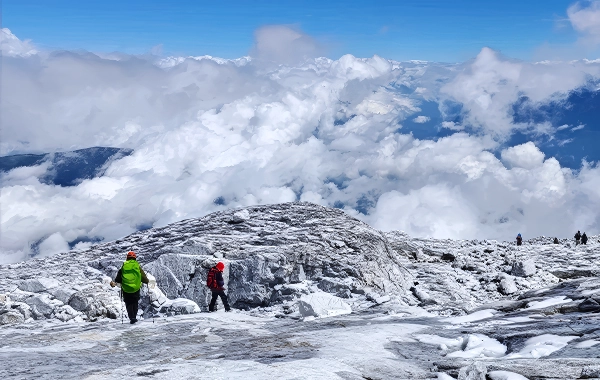
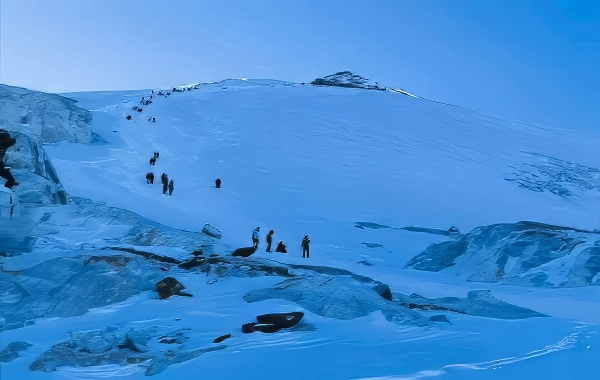
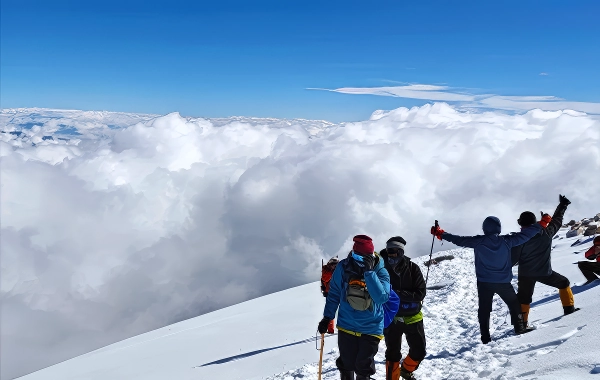
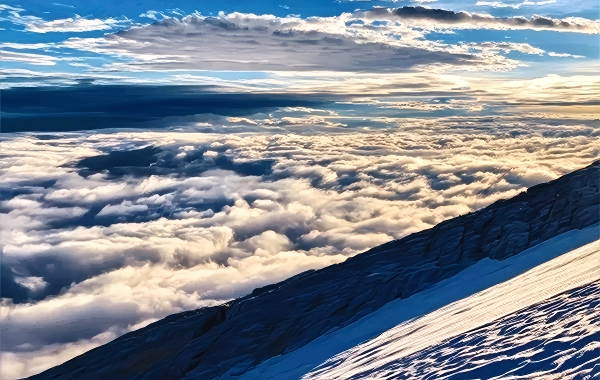
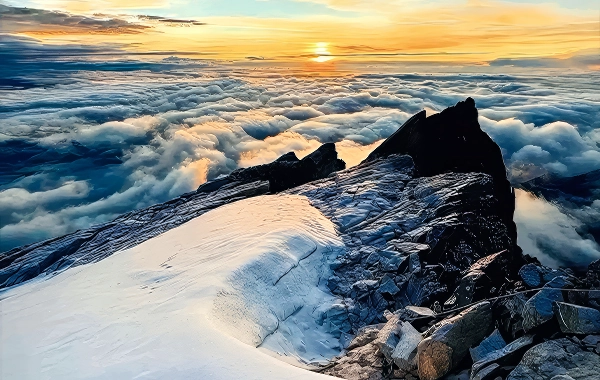
How to Experience: The 3-day trek from base camp (3,200m) to the summit is non-technical but physically demanding. Day 1: Hike to base camp. Day 2: Acclimatize and practice ice techniques. Day 3: Pre-dawn summit push for panoramic views of Jade Dragon Snow Mountain, Tiger Leaping Gorge, and the Yangtze River. Local Tibetan guides lead all expeditions.

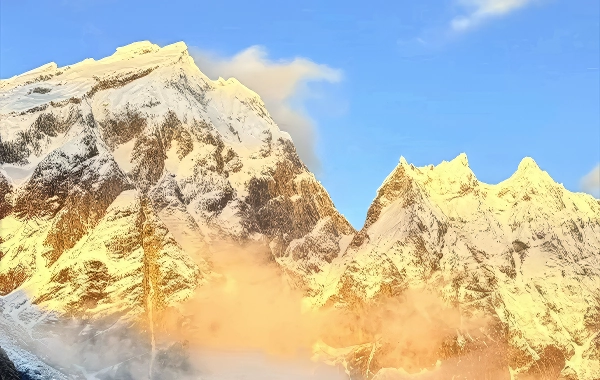
The Secret: Start your summit push at 3:00 AM to reach the peak by sunrise. The alpenglow on the surrounding Hengduan range is unforgettable.

2. Explore the Glacial Valleys

The Experience: Hike through U-shaped valleys carved by ancient ice, venture into seasonal ice caves, and traverse snowfields. For the adventurous, ice climbing and snowshoeing opportunities abound on the lower Haba Glacier. The trail from Haba Village to base camp offers a moderate 2-day trek through diverse ecosystems.

The Secret: The ice caves are most accessible in April–May and October–November, when temperatures are stable but snow cover is sufficient.

3. Witness the Rhododendron Bloom

The Experience: From April to June, entire valleys erupt in pink and white as endemic rhododendrons bloom. The contrast between delicate flowers and stark glacial peaks creates one of Yunnan's most photogenic landscapes. In autumn (September–October), the same slopes turn gold, offering a different but equally stunning palette.

The Secret: The best rhododendron displays are in the valleys between 3,500–4,000m. Combine a morning bloom walk with an afternoon visit to a Tibetan village for yak-butter tea.

4. Embark on a Wildlife Safari

The Experience: Haba Snow Mountain is a biodiversity hotspot. Join guided dawn patrols to spot blue sheep on rocky outcrops, black-necked cranes in alpine wetlands, and — with immense luck — the elusive snow leopard. Birdwatching tours operate year-round, with migratory species peaking in spring and autumn.

The Secret: Hire a local Tibetan ranger as your guide. Their generational knowledge of animal migration patterns dramatically increases sighting chances.

5. Immerse in Tibetan-Naxi Village Culture

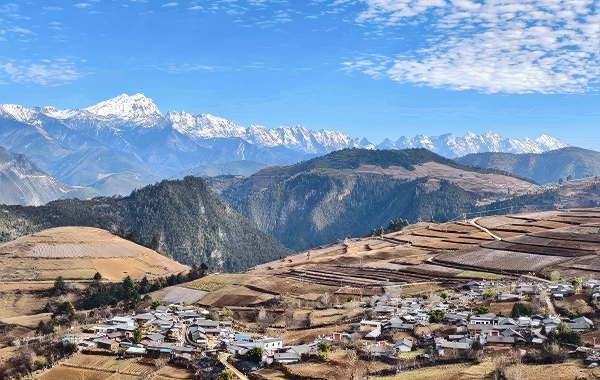
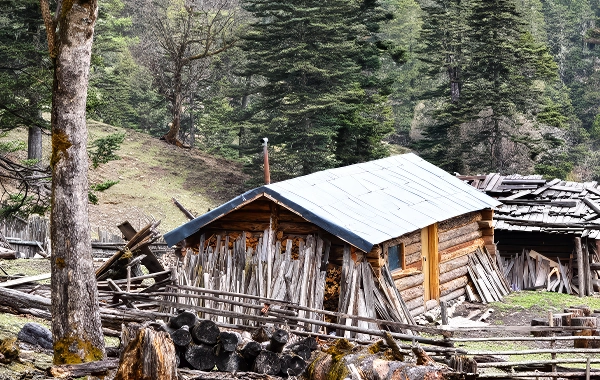
The Experience: Stay overnight in Haba Village, a traditional Tibetan settlement at the mountain's base. Participate in yak-butter tea ceremonies, learn traditional weaving techniques from local artisans, and witness morning prayer rituals at Haba Temple. The village offers homestays that blend cultural authenticity with simple comfort.

The Secret: Ask your host about weather rituals — some families still perform ancient ceremonies to ensure safe passage on the mountain.

Suggested Itineraries

3-Day "Summit & Glaciers" Highlights Tour (Ideal for fit adventurers):

Day 1: Arrive at Haba Village (2-hour drive from Shangri-La) → Acclimatize with a short hike through rhododendron forests → Overnight homestay with yak-butter tea ceremony.

Day 2: Trek from Haba Village to base camp (3,200m) via glacial valleys → Afternoon ice technique practice → Evening prayer flag ceremony at base camp.

Day 3: Pre-dawn summit push (5,396m) → Descend to Haba Village → Return to Shangri-La for celebratory dinner.

IntoTravelChina Tip: This itinerary is physically demanding; we recommend 1–2 days of acclimatization in Lijiang or Shangri-La beforehand and hiring a certified Tibetan guide (¥300–500/day).

5-Day "Hengduan Culture & Nature" In-Depth Tour (Highly Recommended):

Day 1: Arrive Shangri-La → Visit Songzanlin Monastery (Tibetan Buddhist) → Acclimatize.

Day 2: Drive to Haba Village → Afternoon rhododendron or autumn foliage hike → Homestay.

Day 3: Full-day glacial valley exploration, ice caves, and wildlife safari → Evening Tibetan weaving workshop.

Day 4: Summit day or base camp photography → Afternoon descent → Transfer to Tiger Leaping Gorge.

Day 5: Morning trek along Tiger Leaping Gorge (15km) for Yangtze River views → Afternoon visit to Jade Dragon Snow Mountain → Return to Lijiang for "Impression Lijiang" outdoor show.

IntoTravelChina Advantage: We can arrange a private car for the 5-day loop (Shangri-La — Haba — Tiger Leaping Gorge — Lijiang), a bilingual guide specialized in Tibetan-Naxi culture, and skip-the-line tickets for all scenic areas.

>> [Consult for Customization Now]

Comprehensive Travel Guide: Transportation, Tickets, and Best Seasons

Furong Ancient Town Furong Ancient Town Furong Ancient Town Furong Ancient Town Furong Ancient Town Furong Ancient Town Furong Ancient Town Furong Ancient Town

How to Get There: A Seamless Connection Guide

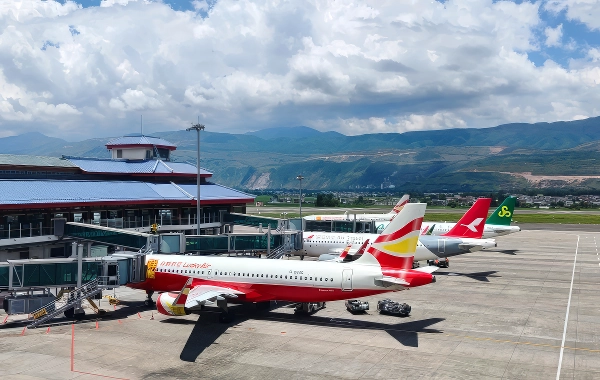
Haba Snow Mountain is located in Shangri-La City, about 120 km from Lijiang and 80 km from Diqing (Shangri-La) Airport.

From Lijiang (self-drive): Take the G214/G353 highways north toward Shangri-La. Turn off at Haba Village, following tourist signs. The journey takes approximately 2 hours. Parking is available at Haba Village and base camp (¥10/day).

From Shangri-La (public transit): Buses depart regularly from Shangri-La Bus Station to Haba Village (¥60, approximately 2.5 hours). Shuttle services also connect from Tiger Leaping Gorge (¥30, 40 minutes).

From Lijiang Airport / Diqing Airport: Direct shuttle buses run from Lijiang Airport (¥100, 3 hours) and Diqing Airport (¥120, 2 hours) to Haba Village. Taxis and ride-hailing services are available for ¥200–300 from either airport.

Local Access: Hiking is the primary mode of transport once on the mountain. Wooden boardwalks connect key viewpoints. Horses and mules can be hired for carrying equipment to base camp (¥200–400/day).

Important Return Travel Reminder: Guided tours operate 07:00–17:00 daily. Summit treks require pre-dawn starts (typically 3:00 AM). If descending late, ensure you have pre-arranged transportation back to your accommodation — buses from Haba Village to Shangri-La depart until 17:00; after that, private vehicle rental is the only option.

Ticket Information

General Admission: Access to most areas of the mountain is free. Specialized tours, including glacier hikes and summit expeditions, require certified guides (¥200–500/day depending on group size and route).

Permits: Climbing permits for high-altitude treks are ¥300–600 per person. Park entry fees (¥50–100) apply for designated scenic zones. Basic day hikes in the lower valleys do not require permits.

Guided Tours: Available for ¥300–500 per group (Chinese and limited English). A knowledgeable local Tibetan guide will unlock hidden stories of glacial formations, wildlife habitats, and sacred sites. Travel Tip: Request a guide through Haba Village's community tourism office for the most authentic experience.

Free Access: The mountain's lower valleys, Haba Village, and exterior temple grounds are open without tickets. Only high-altitude zones and specialized activities require permits.

Best Time to Visit

Haba Snow Mountain offers a different beauty each season, though the optimal windows are spring (April–June) and autumn (September–November).

Spring (April–June): Mild weather (5–15°C at base), blooming rhododendrons transforming valleys into pink-and-white carpets, and stable trekking conditions. The soft spring light enhances photographs of wildflowers against snow peaks. Ideal for photography.

Autumn (September–November): Clear skies, crisp air, and golden foliage painting slopes. The best season for summit climbs, with stable weather windows and excellent visibility of Jade Dragon Snow Mountain and Tiger Leaping Gorge.

Summer (July–August): Warmer (10–20°C) but monsoon rains create muddy trails and limited visibility. Landslides occasionally affect access roads. Not recommended for summit attempts.

Winter (December–March): Cold (as low as -20°C at altitude) with heavy snowfall. Glacier access is restricted, and most summit expeditions pause. However, the lower valleys offer serene, crowd-free winter landscapes for hardy travelers.

What to Pack & Cultural Etiquette

Clothing: Wear layered, moisture-wicking clothing; temperatures range from -20°C (summit) to 20°C (base). Sturdy hiking boots are essential. Sunscreen and UV-protective sunglasses are mandatory at altitude. Bring thermal layers, a hat, and insulated gloves.

Altitude Preparation: Acclimatize in Lijiang (2,400m) or Shangri-La (3,200m) for 1–2 days before ascending. Carry anti-altitude sickness medication (e.g., acetazolamide). Oxygen canisters are available for purchase at base camp (¥50–100). Stay hydrated and ascend gradually.

Cultural Etiquette: Remove shoes before entering Haba Temple. Respect quiet zones during prayer rituals. Always ask permission before photographing Tibetan villagers or Naxi Dongba priests. Do not step over prayer flags or stone cairns — walk around them clockwise.

Local Customs: During Tibetan festivals (particularly Losar, the Tibetan New Year), locals conduct pilgrimage circuits around the mountain. Visitors are welcome to observe respectfully; participate only if explicitly invited.

Accommodation Options

Within Haba Village (Recommended):

1. Haba Village Homestays (Authentic Experience): Traditional Tibetan homes offering warm hospitality and home-cooked meals. Rooms are simple but comfortable (¥100–200/night including meals). Best for cultural immersion.

2. Haba Base Camp Lodge (3,200m): Basic dormitory-style accommodation used by summit climbers. Geothermal heating and solar power minimize environmental impact. Rates: ¥80–150/night. Advance booking essential during peak seasons.

In Shangri-La City (More Choices):

1. International Hotels (e.g., Songtsam Retreat, Shangri-La Resort): Starting from ¥800/night. Ideal for travelers preferring luxury amenities and traditional Tibetan architecture.

2. Boutique Inns in Shangri-La Old Town: Prices range from ¥300–600/night. Many offer rooftop views and Tibetan-style courtyards.

IntoTravelChina Accommodation Booking Tip: We recommend booking at least three weeks in advance for spring and autumn peak seasons. Through us, you can bundle your climbing permit, guided expedition, and accommodation for a package discount. Let us know your budget — we'll find your perfect mountain sanctuary. >> [Consult for Customization Now]

Extend Your Journey: A Cultural & Natural Loop Through Northwest Yunnan

Furong Ancient Town

Haba Snow Mountain is not an isolated stop — it's the perfect gateway to explore the UNESCO wonders of Yunnan's Three Parallel Rivers region.

Classic 1-Day Lijiang Heritage Immersion:Day 1: Lijiang Ancient Town – Dayan Flower Alley – Mufu Museum – Lion Observation Deck.
This route combines UNESCO old-town charm, Naxi royal history, and panoramic views over the ancient city from Lion Hill>> [Consult for Customization Now]

Yunnan Tour (1 days): Begin your journey in Lijiang with the magnificent Yulong Snow Mountain. Take the cableway up to Spruce Meadow, a hidden alpine pasture surrounded by ancient forests with stunning views of the snow-capped peak. Then descend to the breathtaking Blue Moon Valley, where the glacier-fed lakes shimmer in vivid turquoise hues against the dramatic mountain backdrop. Experience the raw, pristine beauty of Jade Dragon Snow Mountain’s foothills and sacred landscapes. >> [Consult for Customization Now]
Partner with IntoTravelChina to Embark on Your Cultural Journey

Furong Ancient Town

The story of Haba Snow Mountain is one of geological majesty, spiritual devotion, and ecological resilience. IntoTravelChina specializes in crafting in-depth, personalized, and hassle-free travel experiences across China.

Our travel experts can assist you by:

Tailoring Your Itinerary: Designing the perfect route — including Haba Snow Mountain, Tiger Leaping Gorge, and Shangri-La — based on your fitness level, interests, and available time.

Providing One-Stop Service: Handling all arrangements, including climbing permits, skip-the-line tickets, unique accommodation (village homestays or luxury retreats), transportation transfers, local Tibetan guides, and even photography or weaving workshops.

Exclusive Experiences: We arrange expert-led wildlife safaris, sunrise photography sessions at alpine lakes, after-hours temple visits (upon request), and private Tibetan cultural dinners that most tourists miss.

Transform your visit to Haba Snow Mountain from a simple sightseeing trip into a truly immersive journey through northwest Yunnan's glacial, cultural, and spiritual heritage.

> Start Planning Your Journey Now

We invite you to contact our professional travel consultants; we will provide you with a personalized itinerary proposal and price quote within 24 hours. >> [Consult for Customization Now]
What Our Clients Say?

Based on 10,000+ traveler reviews

...
Daniel Dorothea
Canada
Reviewed on April 29,2025
Shopping on Nanjing Road in Shanghai was just amazing! It's truly the "First Commercial Street of China", where tradition and modernity blend perfectly. You can find awesome souvenirs and experience the trendy vibes in cool stores. The neon lights at night are just spectacular, shining bright like Times Square in New York. The food here is incredible too. I had a feast for my taste buds. Shanghai, I'll definitely be back!
Destination(s): Shanghai
Date of Experience: May 08,2024
...
...
Elvis Eva
Canada
Reviewed on June 20,2025
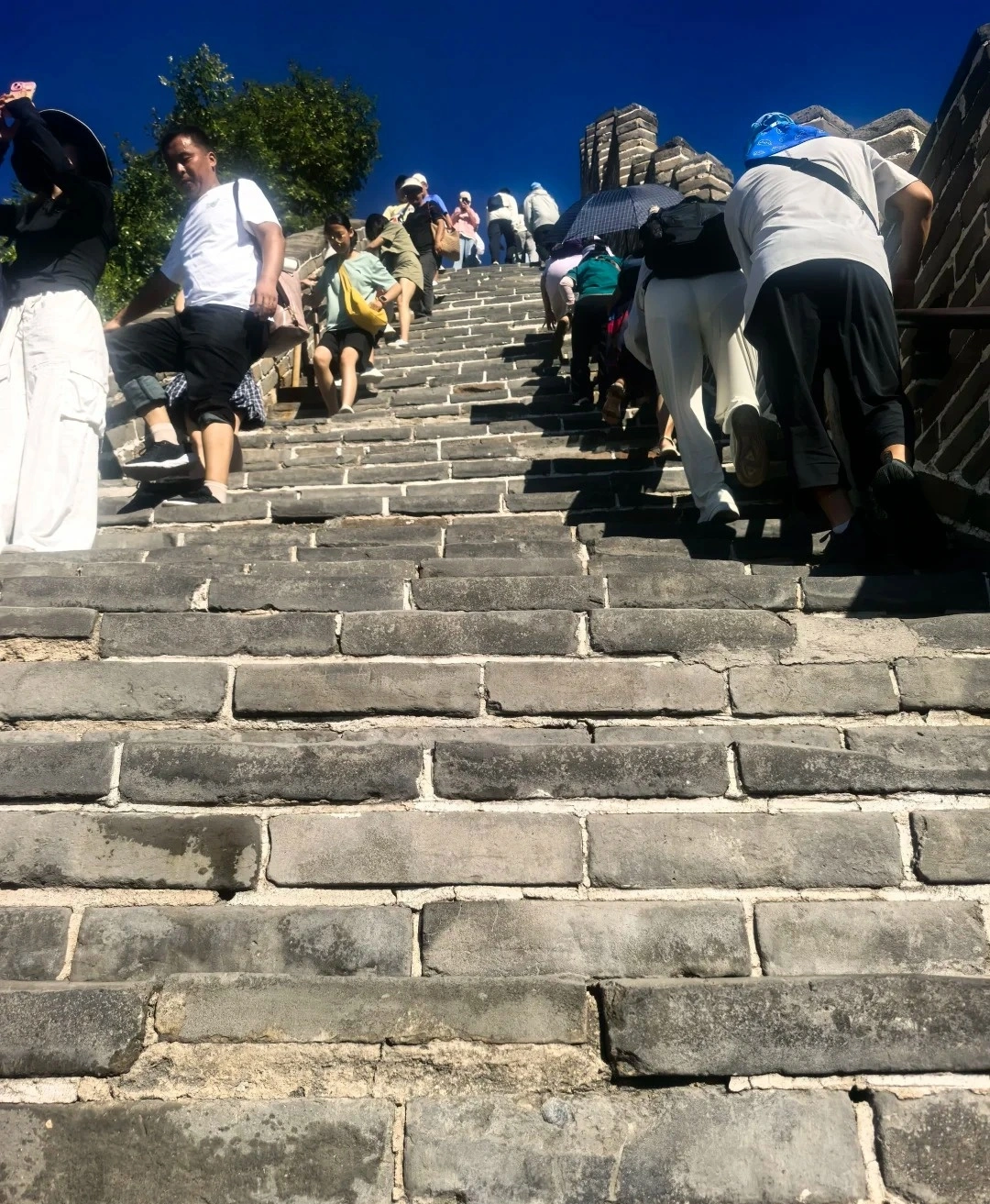
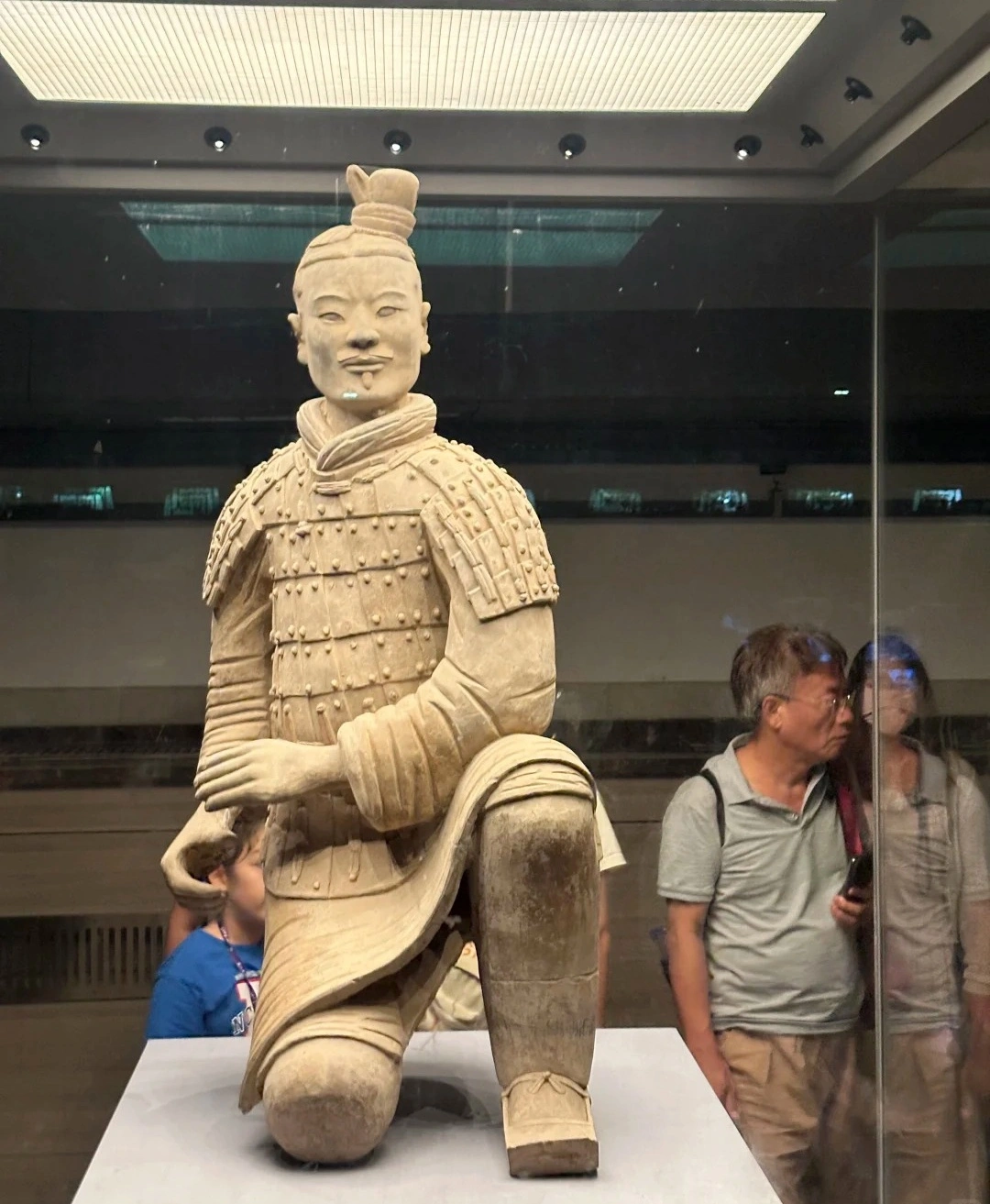
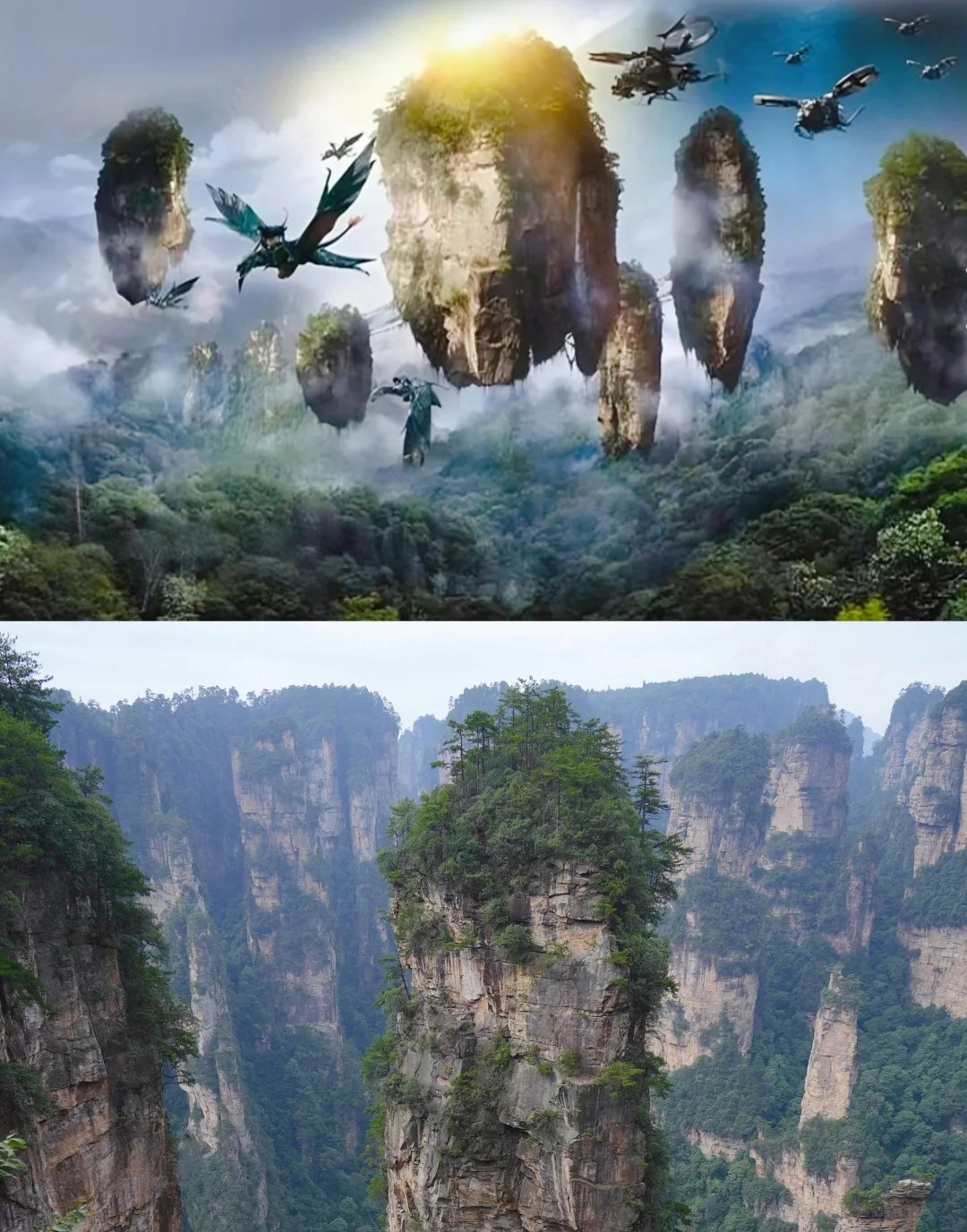
As a solo traveler from Canada, I was nervous about navigating China alone—but this 11-day tour was PERFECT! From hiking the Great Wall at sunrise (Day 3) to gasping at the Terracotta Army (Day 5), every day delivered ‘pinch-me’ moments. The real showstopper? Zhangjiajie’s Avatar Mountains (Day 7)! Our guide made the stone pillars come alive with stories. Massive thanks for handling all logistics—bullet train tickets, entry passes, car! And the 4-star hotels surprised me.
Destination(s): Beijing Xian Zhangjiajie Shanghai
Date of Experience: June 02,2025
... ... ...
...
Simon
America
Reviewed on May 29,2025
Our 2-day Zhangjiajie tour was beyond spectacular! As someone who’s visited Beijing and Shanghai for work, this trip revealed China’s wild, magical heart. Day 1 in Zhangjiajie National Forest Park felt like stepping onto Pandora—I’m a huge Avatar fan, and Yuanjiajie’s floating peaks left me breathless. The misty pillars and lush valleys like pure movie magic! Then came Fenghuang Ancient Town, we eat dinner beside the thundering waterfall. It seems Unreal! The night views of stilt houses glowing over the river were straight from a fairy tale. For fellow Avatar lovers and adventure seekers: Don’t miss this bucket-list experience! 10/10 would return. A Well-Traveled Film Buff, May 2025
Destination(s): Zhangjiajie
Date of Experience: May 08,2025
... ...

Ask a Question

Question Summary (100 characters)
Details (optional) (2,000 characters)
Name
Country
Phone
Email