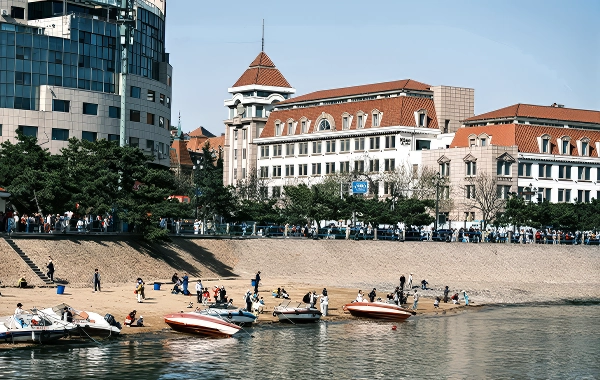
Zhanqiao Pier: Qingdao's Century-Old Maritime Icon and Cultural Landmark

Zhanqiao Pier: Qingdao's Century-Old Maritime Icon and Cultural Landmark

Overview: A Living Chronicle of Qingdao's Coastal Soul

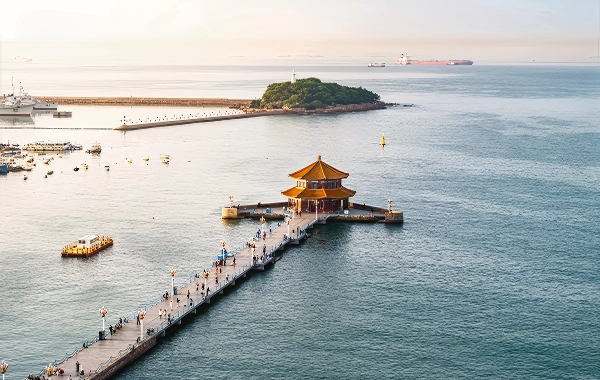
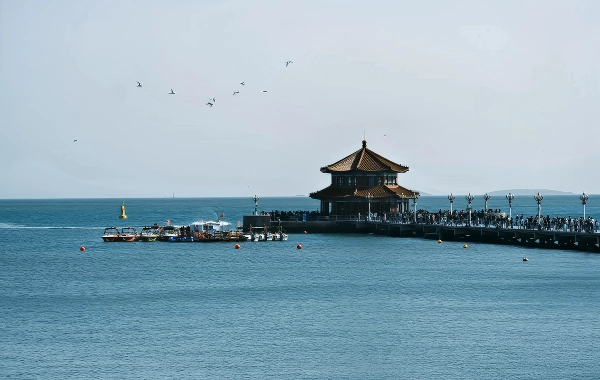
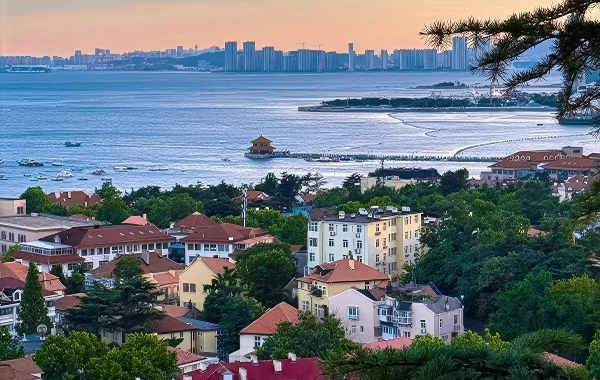
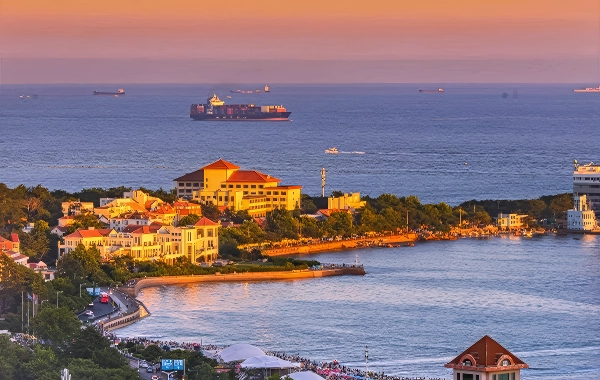
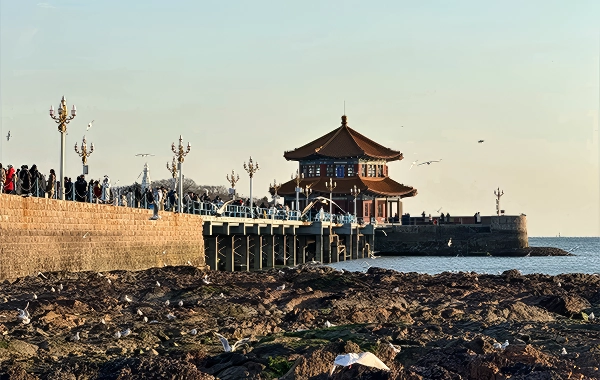
Zhanqiao Pier, a 440-meter symbol of Qingdao, was built in 1892 as a military dock. Surviving colonial occupations, typhoons, and modernization, it has become the city’s most beloved landmark. Crowned by the octagonal Huilan Pavilion, the pier reflects Qingdao‘s layered history — from Qing navy to colonial rule to contemporary seaside leisure — in one unforgettable promenade.

Key Highlights at a Glance

Identity Tags: Qingdao Icon / Century-Old Pier / “Ten Scenic Spots” Site / Colonial Heritage

Core Experiences: Huilan Pavilion panoramic views / Seasonal seagulls / Night illumination / Sunrise tai chi / Seafood dining

Visit Duration: 1–2 hours; combine with Badaguan or Little Qingdao Isle for a half-day seaside tour

Address: 12 Taiping Road, Shinan District, Qingdao, Shandong, China

  • Zhanqiao Pier: Qingdao's Century-Old Maritime Icon and Cultural Landmark-1
  • Zhanqiao Pier: Qingdao's Century-Old Maritime Icon and Cultural Landmark-2
  • Zhanqiao Pier: Qingdao's Century-Old Maritime Icon and Cultural Landmark-3
  • Zhanqiao Pier: Qingdao's Century-Old Maritime Icon and Cultural Landmark-4

Origins: From Military Outpost to Public Treasure — A Tale of Resilience

Furong Ancient Town

The 1892 Beginning — General Zhang Gaoyuan's(章) Strategic Vision

Zhanqiao Pier was born not of leisure but of national defense. In 1892, Qing Dynasty general Zhang Gaoyuan(章) ordered the construction of a 200-meter wooden dock designed to transport military supplies and anchor warships. Its strategic position on the southern coast of the Shandong Peninsula made it a critical node in China's northern coastal defense network. In 1894, the influential Qing official Li Hongzhang personally praised the pier's utility, cementing its reputation as a symbol of national resilience at a time when foreign powers increasingly threatened China's maritime sovereignty.

A Pier Occupied — From German Freight Hub to Japanese Ritual

The pier's strategic value did not go unnoticed by foreign powers:

1897: German forces landed directly at Zhanqiao Pier during their occupation of Qingdao, transforming the military dock into a colonial freight hub and a stark emblem of foreign encroachment.

1901: A devastating typhoon damaged the original structure. The German colonial administration led a reconstruction, extending the pier to 350 meters and adding rail tracks for cargo transport — a physical manifestation of their economic ambitions.

1914: In a bitter echo of history, Japanese troops replicated the German invasion ritual, marching across the same pier to claim sovereignty over Qingdao. The pier thus bore witness to not one but two foreign occupations.

The 1931 Renaissance — Huilan Pavilion and a New Identity

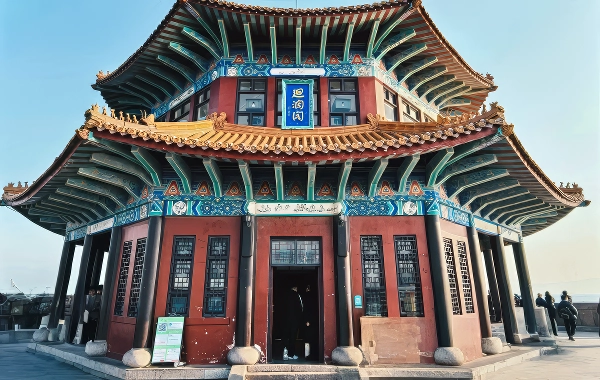
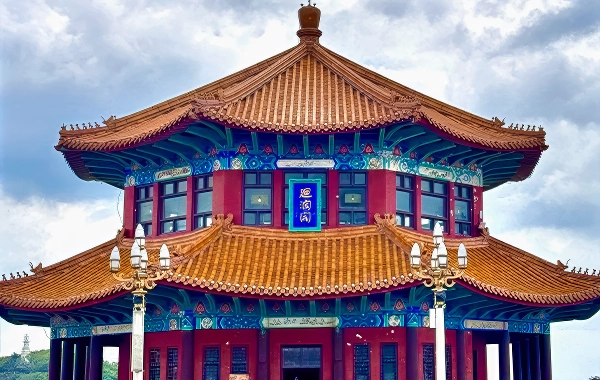
After World War I, as Qingdao returned to Chinese sovereignty, the pier began its transformation from military installation to public treasure. In 1931, the Nationalist government undertook a comprehensive expansion, extending the structure to its current 440 meters. Wooden sections were replaced with reinforced concrete, and — most significantly — the iconic Huilan Pavilion (回澜阁) was erected at the pier's terminus. This two-story octagonal pavilion, crowned with yellow glazed tiles and framed by striking red pillars, became the centerpiece of Qingdao's official "Ten Scenic Spots" in the 1930s, and the pier's identity was forever changed.

Dive Deeper: Explore more of Qingdao's colonial architectural heritage along the coastline >> [Badaguan Scenic Area]

Must-See Wonders: Architecture, Nature, and Nighttime Magic

Furong Ancient Town Furong Ancient Town Furong Ancient Town Furong Ancient Town

Huilan Pavilion — A Fusion of Tradition and Engineering

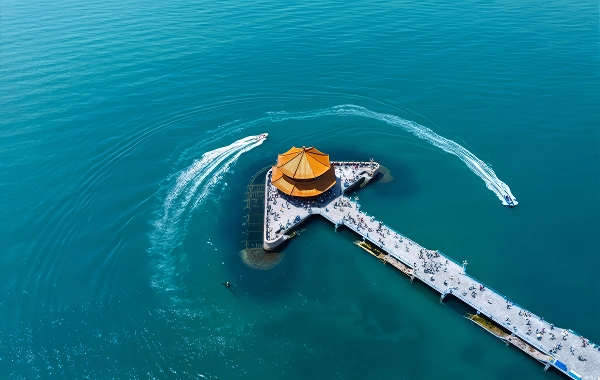
At the southernmost tip of the pier stands Huilan Pavilion, the undisputed visual and symbolic heart of Zhanqiao. Its design marries traditional Chinese architectural grammar — yellow glazed tiles, 24 red lacquered pillars, and a graceful double-eave octagonal form — with modern reinforced-concrete engineering capable of withstanding punishing tidal forces. Inside, a spiral staircase leads visitors to panoramic windows offering unobstructed 360° views of Qingdao Bay, the modern skyline, and Little Qingdao Isle. The pavilion's name, "Returning Waves" (回澜), is at once a poetic description of waves crashing against the breakwater and a metaphor for Qingdao's enduring spirit in the face of historical turbulence.

The Pier Structure — 440 Meters of Engineering Resilience

The pier itself is a study in functional elegance:

Dimensions: 440 meters in length, 8 meters in width, terminating in a semi-circular breakwater at the southern end — a design that dissipates wave energy and protects the pavilion.

Materials: Reinforced concrete piers atop granite steps, engineered to withstand 50-year storm surges. The transition from the original wooden piles to modern materials tells the story of the pier's evolution across three centuries.

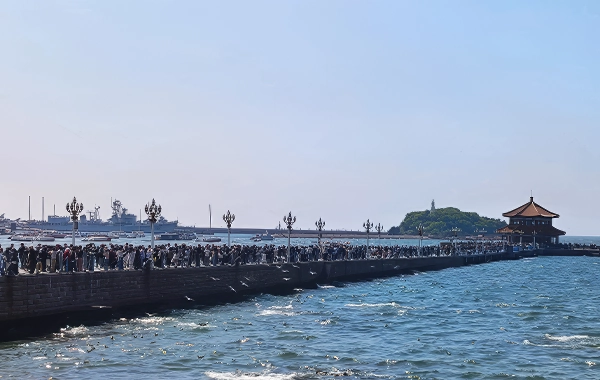
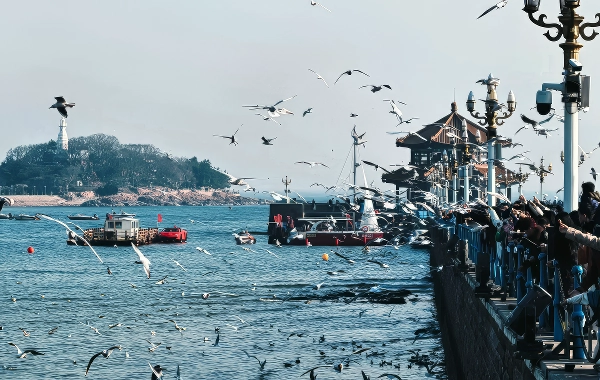
The Walk: The promenade itself is the experience — each step takes the visitor farther from shore, surrounded on both sides by the sea, with the pavilion growing steadily larger on the horizon.

Zhanqiao Park — The Green Gateway

At the pier's northern entrance, Zhanqiao Park offers a tranquil prelude to the maritime journey ahead. Pine trees, weathered stone benches, and meandering pathways invite leisurely strolls. This modest green space serves as the threshold between Qingdao's bustling urban fabric and the open expanse of the bay — a place where locals gather for morning exercises, where couples pause for photographs, and where the pier begins its quiet conversation with the sea.

Photography Tips:

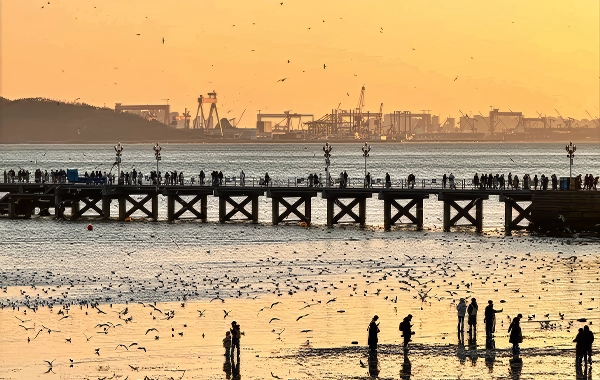
The best lighting for photographing Huilan Pavilion is during the golden hour just before sunset, when warm light illuminates the yellow glazed tiles and red pillars, and the pavilion's reflection shimmers on the water.

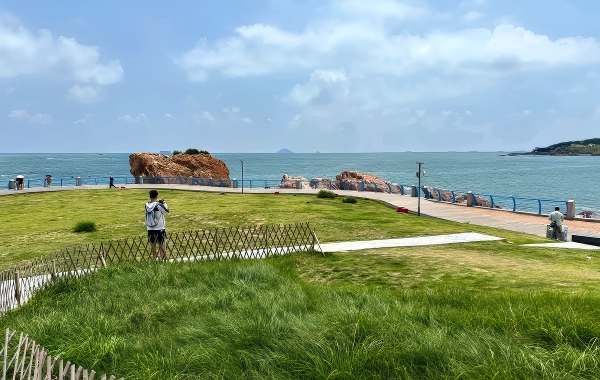
For the classic Zhanqiao Pier silhouette shot, position yourself on the rocky shore to the east at sunrise — the pavilion will appear as a dark, elegant outline against a rose-gold sky.

A wide-angle lens (16–35mm) is essential for capturing the full stretch of the pier from the shore; a telephoto lens (70–200mm) will allow you to compress the pavilion against Qingdao's modern skyline for a striking juxtaposition of old and new.

During the seagull season (October–April), use a fast shutter speed (1/1000s or above) to freeze birds in mid-flight against the pavilion backdrop.

Night shots of the illuminated pier require a tripod; aim for a 10–30 second exposure to capture the ribbon of light reflecting across the water — the scene locals call "Magical Night on the Pier."

From inside Huilan Pavilion, shoot through the panoramic windows using a polarizing filter to reduce glare and capture the bay's turquoise hues.

Core Experience: An Immersive Journey into Qingdao's Maritime Soul

Furong Ancient Town Furong Ancient Town Furong Ancient Town Furong Ancient Town Furong Ancient Town

Five Must-Do Activities to Unlock the Complete Zhanqiao Pier Experience

1. Walk the Full 440 Meters — A Journey Across the Sea

How to Experience: Begin at Zhanqiao Park and walk the pier's entire length at a leisurely pace. Pause at the midway point: turn around and absorb the juxtaposition of the historic pavilion behind you and Qingdao's modern skyscrapers ahead. Continue to the semi-circular breakwater at the terminus and circle Huilan Pavilion, watching waves crash against the granite steps from every angle.

The Secret: Most visitors rush straight to the pavilion. Instead, stop at the 200-meter mark — roughly where the original 1892 wooden dock ended — and imagine standing at the edge of a Qing Dynasty military installation, warships anchored where tourists now pose for selfies. This mid-pier perspective, where history and modernity converge, is the most contemplative spot.

2. Ascend Huilan Pavilion — 360° of Qingdao Bay

How to Experience: Pay the modest ¥4 admission and climb the spiral staircase to the pavilion's upper level. Circle the interior, pausing at each of the eight windows to compose a different view: to the north, the red-tiled roofs of Qingdao's old town; to the east, the rocky headland and signal tower of Little Qingdao Isle; to the south, the open Yellow Sea stretching toward the horizon; to the west, the modern high-rises of the western district.

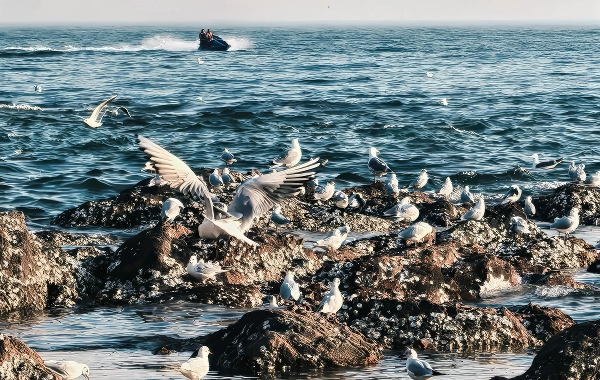
The Secret: Visit precisely at low tide (check local tide tables). From the pavilion's southern windows, you'll see tidal pools emerge among the exposed rocks below, teeming with crabs, small fish, and sea anemones — a miniature marine ecosystem that most visitors, fixated on the distant views, entirely overlook.

3. Witness the Seagull Spectacle — A Seasonal Dance of Wings and Waves

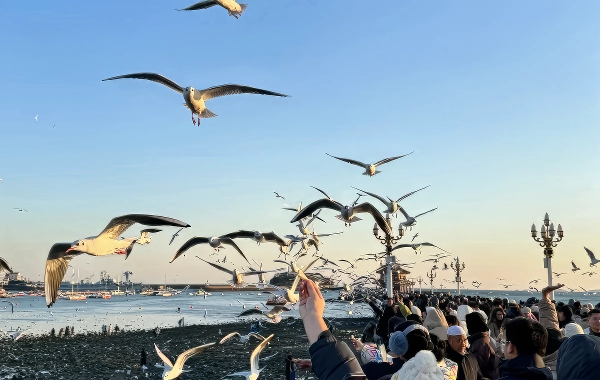
How to Experience: Between October and April, thousands of seagulls — primarily black-headed gulls migrating from Siberia — flock to Qingdao Bay. Bring small pieces of bread or purchase feed from vendors near the pier entrance. Hold the food aloft, and the gulls will swoop down with astonishing precision, hovering inches from your hand. This seasonal interaction between humans and wildlife has become one of Qingdao's most cherished urban rituals.

The Secret: The gulls are most active and numerous on cold, clear days with a light onshore breeze (northwest wind), which helps them glide effortlessly. Arrive between 9:00–11:00 AM, when the birds are hungriest, and position yourself on the western side of the pier for the best backlighting — the sun will illuminate the birds' white plumage against a deep blue sky.

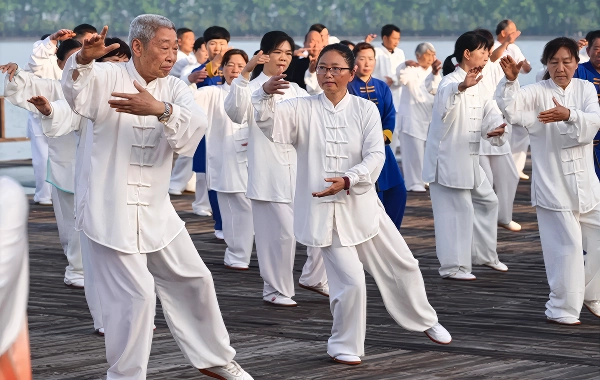
4. Join the Sunrise Tai Chi — Qingdao's Morning Ritual

How to Experience: Rise early and head to Zhanqiao Park around 6:00 AM. Here, local residents — many in their sixties and seventies — gather for daily tai chi practice. The slow, graceful movements against the backdrop of the dawn-lit pier and the waking bay are mesmerizing. While some groups welcome curious visitors to join, even watching from a respectful distance is a deeply meditative experience.

The Secret: On weekend mornings, a master named Lao Wang (look for the man in the indigo silk uniform) leads the most beautiful group. He has practiced on this spot for over 30 years and, if approached politely after the session, sometimes shares stories about how the pier has changed since his childhood in the 1960s.

5. Savor the Coastal Flavors — From Street Snacks to Seafood Feasts

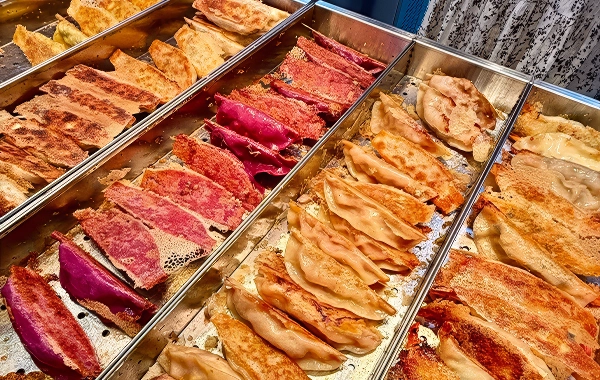
How to Experience: Near the pier entrance, street vendors sell local Qingdao snacks — grilled squid skewers, sweet potato fries, and the city's famous Tsingtao beer, often served in plastic bags with a straw (a quirky local tradition). For a more substantial meal, walk 10 minutes to a restaurant like Lao Qingdao Chuo Zi Rou, where the seafood is sourced from the very waters you've been admiring.

The Secret: The best-kept food secret near the pier is a small, unmarked stall on Taiping Road run by an elderly couple who make jiānbǐng (savory crepes) with a local twist — they add dried shrimp and seaweed harvested from Qingdao Bay. It's open only from 7:00–10:00 AM and sells out quickly. Follow the queue of locals.

Suggested Itineraries

Half-Day "Pier & Peninsula Highlights" Tour (Ideal for Those on a Tight Schedule)

8:00 AM: Arrive at Zhanqiao Park → Enjoy the morning atmosphere and observe tai chi practitioners (20 min) → Walk the full length of the pier, pausing for photographs (30 min) → Ascend Huilan Pavilion for panoramic bay views (30 min) → Descend and observe tidal pools along the breakwater (15 min) → Return to shore, stopping for a morning snack from a street vendor (20 min) → Walk 15 minutes east to Little Qingdao Isle for a complementary perspective of the pier from across the water (45 min) → Depart by noon.

IntoTravelChina Tip: This itinerary works best on weekdays when crowds are thinner. If visiting during seagull season (October–April), extend your pier time by 20 minutes for bird-watching and photography.

Full-Day "Qingdao's Maritime Heritage" In-Depth Tour (Highly Recommended)

Morning: Arrive at Zhanqiao Pier → Walk the pier and ascend Huilan Pavilion at leisure (1.5 hours) → Explore Zhanqiao Park and the surrounding waterfront esplanade → Stroll west along the coast to the Qingdao Naval Museum to contextualize Zhanqiao's military origins (1 hour).

Noon: Lunch at a seafood restaurant near the pier — try Qingdao-style clams steamed with garlic and vermicelli, paired with freshly brewed Tsingtao beer.

Afternoon: Choose Option A (For Architecture Enthusiasts): Take a 15-minute taxi to Badaguan Scenic Area, a neighborhood of colonial-era villas blending German, British, French, and Russian architectural styles, set among tree-lined streets and coastal promenades. Choose Option B (For Nature Lovers): Head to Laoshan Mountain (40-minute drive), a sacred Taoist site with coastal hiking trails offering sweeping views of the Yellow Sea.

Evening: Return to Zhanqiao Pier at dusk to witness the "Magical Night on the Pier" illumination. The lantern-lit pavilion and its shimmering reflection transform the bay into a scene of quiet enchantment. Conclude with dinner and a stroll along Zhongshan Road, Qingdao's historic commercial street.

IntoTravelChina Advantage: We can arrange a private car for the day (Zhanqiao — Badaguan — Laoshan — return), a bilingual guide specializing in Qingdao's colonial and maritime history, and skip-the-line access to Huilan Pavilion during peak season. >> [Consult for Customization Now]

Comprehensive Travel Guide: Transportation, Tickets, and Best Seasons

Furong Ancient Town Furong Ancient Town Furong Ancient Town Furong Ancient Town Furong Ancient Town Furong Ancient Town Furong Ancient Town Furong Ancient Town Furong Ancient Town Furong Ancient Town

How to Get There: A Seamless Connection Guide

Zhanqiao Pier is located at 12 Taiping Road in Shinan District, the historic heart of Qingdao — one of the most accessible landmarks in the city.

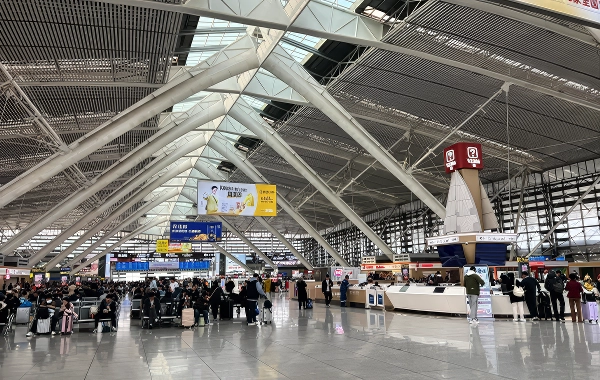
From Qingdao Railway Station (self-guided): The pier is a leisurely 10-minute walk from the station. Exit the station to the south, cross Taiping Road, and you will see the pier stretching into the bay directly ahead. This is the most convenient route and the recommended approach.

From Qingdao Jiaodong International Airport (public transit): Take the Metro Line 8 to Qingdao North Railway Station, then transfer to Metro Line 3 and alight at Qingdao Railway Station. From there, walk south for 10 minutes. Total journey: approximately 1 hour 20 minutes.

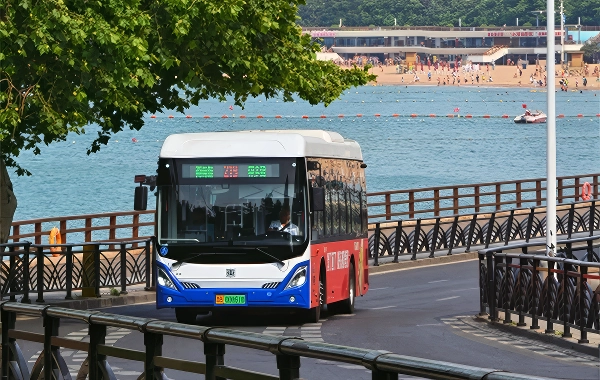
By Bus: Multiple bus lines serve the Zhanqiao area — routes 2, 5, 6, 25, 26, and 304 all stop within a 5-minute walk of the pier entrance.

By Taxi/Ride-Hailing: From anywhere in central Qingdao, a Didi or taxi to "Zhanqiao" (栈桥) should cost ¥15–40. Show the driver the characters "栈桥" or say "Zhanqiao" — it is one of the most recognized destinations in the city.

Local Access: The pier and surrounding waterfront are extremely pedestrian-friendly. Shared bicycles (Meituan, Hellobike) are available throughout the area, and the scenic seaside promenade connects Zhanqiao to Little Qingdao Isle and beyond for those who prefer to explore on foot.

Ticket Information

Pier Access: Free and open to the public 24 hours a day, 7 days a week. No ticket required.

Huilan Pavilion: ¥4 per person. Opening hours vary by season — 7:00–19:00 during peak season (April–October) and 8:00–17:30 during off-peak season (November–March). Last entry 15 minutes before closing.

Guided Tours: Official guides are not available on-site at the pier itself, but IntoTravelChina can arrange a private bilingual guide (¥200–400 per half-day) who will illuminate the pier's layered history, from the 1892 military origins through the German and Japanese occupations to the 1931 transformation.

Best Time to Visit

Zhanqiao Pier offers a distinct character in every season, though the optimal windows are spring (April–June) and autumn (September–October).

Spring (April–June): Mild temperatures (15–22°C), blossoming cherry trees in nearby Zhongshan Park, and the tail end of the seagull season through April. The soft spring light and manageable crowds make this ideal for photography and leisurely exploration.

Autumn (September–October): Crystal-clear skies, crisp sea air, and golden afternoon light. This is the most photogenic season, and the Qingdao International Beer Festival (late July–August) crowds have dissipated. October marks the return of migrating seagulls.

Summer (July–August): Warm and humid (25–32°C), with peak tourist crowds drawn by the swimming season and the Beer Festival. The pier can be congested, but early mornings (before 8:00 AM) remain serene. Sea breezes keep the pier walkway relatively cool.

Winter (November–March): Cold (0–10°C) with biting sea winds — but this is the prime seagull season, with thousands of gulls providing a spectacular wildlife display. The low-angle winter sun creates dramatic long shadows, and the pier is blissfully uncrowded. Dress warmly in layers, with a windproof outer jacket.

What to Pack & Cultural Etiquette

Clothing: Comfortable walking shoes are essential — the pier's granite surface can be uneven in places. In spring and autumn, a light jacket or windbreaker suffices; in winter, bring thermal layers, gloves, and a hat (the sea wind is penetrating). Summer visitors should pack sunscreen, sunglasses, and a hat.

Cultural Etiquette: Huilan Pavilion is treated with reverence by locals — speak in soft voices inside the pavilion. Do not lean over the railings of the upper level. The pier itself is a beloved public space; avoid littering, and be mindful of tai chi practitioners in Zhanqiao Park by not walking through their formations.

Local Customs: Feeding the seagulls is an accepted and cherished local tradition — small pieces of bread or unsalted crackers are fine. Do not throw plastic wrappers or harmful items. During the Lantern Festival, locals sometimes release floating lanterns from the shore near the pier — observe respectfully.

Accommodation Options

Near the Pier (Shinan District — Recommended for Convenience):

Qingdao Zhanqiao Hotel (Three-star): A historic hotel located within a 3-minute walk of the pier entrance. Rooms from ¥250/night. The rooftop terrace offers partial pier and bay views. Best for budget-conscious travelers who prioritize location.

Hai Tian Hotel (Four-star): A 10-minute walk along the waterfront, offering modern rooms with sea-view balconies. Rates: ¥500–800/night. Excellent breakfast buffet with local Qingdao specialties.

In Qingdao Old Town (Character & Charm):

Boutique Courtyard Inns near Zhongshan Road: Renovated German-era courtyard houses, many dating to the early 1900s. Rates from ¥400–700/night. These offer an immersive historical atmosphere and are a 15-minute walk from the pier.

International Chains (e.g., Shangri-La, InterContinental): Located in the eastern business district (20-minute taxi from the pier). Rates from ¥800/night. Ideal for travelers preferring consistent luxury standards and full amenity suites.

IntoTravelChina Accommodation Booking Tip: During the Qingdao International Beer Festival (late July–August) and national holidays (May Day, National Day Golden Week), hotels near the pier book out weeks in advance. Through us, you can bundle your accommodation, guided tour, and regional excursions for a package discount. Let us know your preferences — we'll find your perfect base on the Yellow Sea. >> [Consult for Customization Now]
Extend Your Journey: A Coastal & Cultural Loop Through Qingdao

Furong Ancient Town

Zhanqiao Pier is the ideal starting point for a deeper exploration of Qingdao's maritime, colonial, and natural treasures.

Classic 2-Day Qingdao Heritage & Culture Loop: Day 1: The Former Governor's Residence (morning) → Badaguan Scenic Area (afternoon) → Dinner and night illumination in Qingdao Old Town (evening). Day 2: Xiaoyushan Park (morning) → Tsingtao Beer Museum (afternoon) → Return to Qingdao Old Town for a farewell seafood dinner.
This route blends colonial architecture, seaside park views, and the city's iconic beer culture.

>> [Consult for Customization Now]
Qingdao & Yantai Coastal Heritage Tour (4 days): Begin in Qingdao with visits to the Former Governor's Residence and Badaguan's scenic coastal villas, then ascend Xiaoyushan Park for panoramic views before exploring the Tsingtao Beer Museum. Continue to Yantai to discover Penglai Pavilion, a legendary Taoist landmark, and immerse yourself in local history at Suochengli. Experience the maritime charm at Fisherman's Wharf, relax at Golden Beach Park, and stroll along Tianma Pier. Capture the essence of Shandong's coastal history, colonial architecture, beer culture, and seaside leisure.

>> [Consult for Customization Now]
Partner with IntoTravelChina to Embark on Your Qingdao Journey

Furong Ancient Town

The story of Zhanqiao Pier is one of resilience, transformation, and enduring beauty — a single structure that has witnessed gunboats and seagulls, colonial flags and sunrise tai chi, typhoons and golden-hour photographers. IntoTravelChina specializes in crafting in-depth, personalized, and hassle-free travel experiences across China.

Our travel experts can assist you by:

Tailoring Your Itinerary: Designing the perfect route — including Zhanqiao Pier, Badaguan, Laoshan Mountain, and beyond — based on your specific interests, whether architectural history, marine wildlife, gastronomy, or photography.

Providing One-Stop Service: Handling all arrangements, including skip-the-line Huilan Pavilion access, unique accommodations (from historic courtyard inns to luxury sea-view hotels), private transportation, bilingual guides, and curated dining experiences.

Exclusive Experiences: We arrange sunrise photography sessions with a local expert, private tai chi introductions in Zhanqiao Park, seafood market tours with a chef, and after-hours pier access (upon special request) — experiences that transform a simple visit into an immersive cultural encounter.

Transform your visit to Zhanqiao Pier from a quick photo stop into a deeply enriching journey through Qingdao's maritime soul.

Start Planning Your Journey Now

We invite you to contact our professional travel consultants; we will provide you with a personalized itinerary proposal and price quote within 24 hours. 

The story of Zhanqiao Pier is one of resilience, transformation, and enduring beauty — a single structure that has witnessed gunboats and seagulls, colonial flags and sunrise tai chi, typhoons and golden-hour photographers. IntoTravelChina specializes in crafting in-depth, personalized, and hassle-free travel experiences across China.

Our travel experts can assist you by:

Tailoring Your Itinerary: Designing the perfect route — including Zhanqiao Pier, Badaguan, Laoshan Mountain, and beyond — based on your specific interests, whether architectural history, marine wildlife, gastronomy, or photography.

Providing One-Stop Service: Handling all arrangements, including skip-the-line Huilan Pavilion access, unique accommodations (from historic courtyard inns to luxury sea-view hotels), private transportation, bilingual guides, and curated dining experiences.

Exclusive Experiences: We arrange sunrise photography sessions with a local expert, private tai chi introductions in Zhanqiao Park, seafood market tours with a chef, and after-hours pier access (upon special request) — experiences that transform a simple visit into an immersive cultural encounter.

Transform your visit to Zhanqiao Pier from a quick photo stop into a deeply enriching journey through Qingdao's maritime soul.

Start Planning Your Journey Now

We invite you to contact our professional travel consultants; we will provide you with a personalized itinerary proposal and price quote within 24 hours. >> [Consult for Customization Now]
What Our Clients Say?

Based on 10,000+ traveler reviews

...
Daniel Dorothea
Canada
Reviewed on April 29,2025
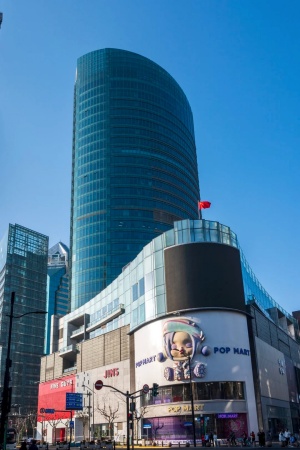
Shopping on Nanjing Road in Shanghai was just amazing! It's truly the "First Commercial Street of China", where tradition and modernity blend perfectly. You can find awesome souvenirs and experience the trendy vibes in cool stores. The neon lights at night are just spectacular, shining bright like Times Square in New York. The food here is incredible too. I had a feast for my taste buds. Shanghai, I'll definitely be back!
Destination(s): Shanghai
Date of Experience: May 08,2024
...
...
Elvis Eva
Canada
Reviewed on June 20,2025
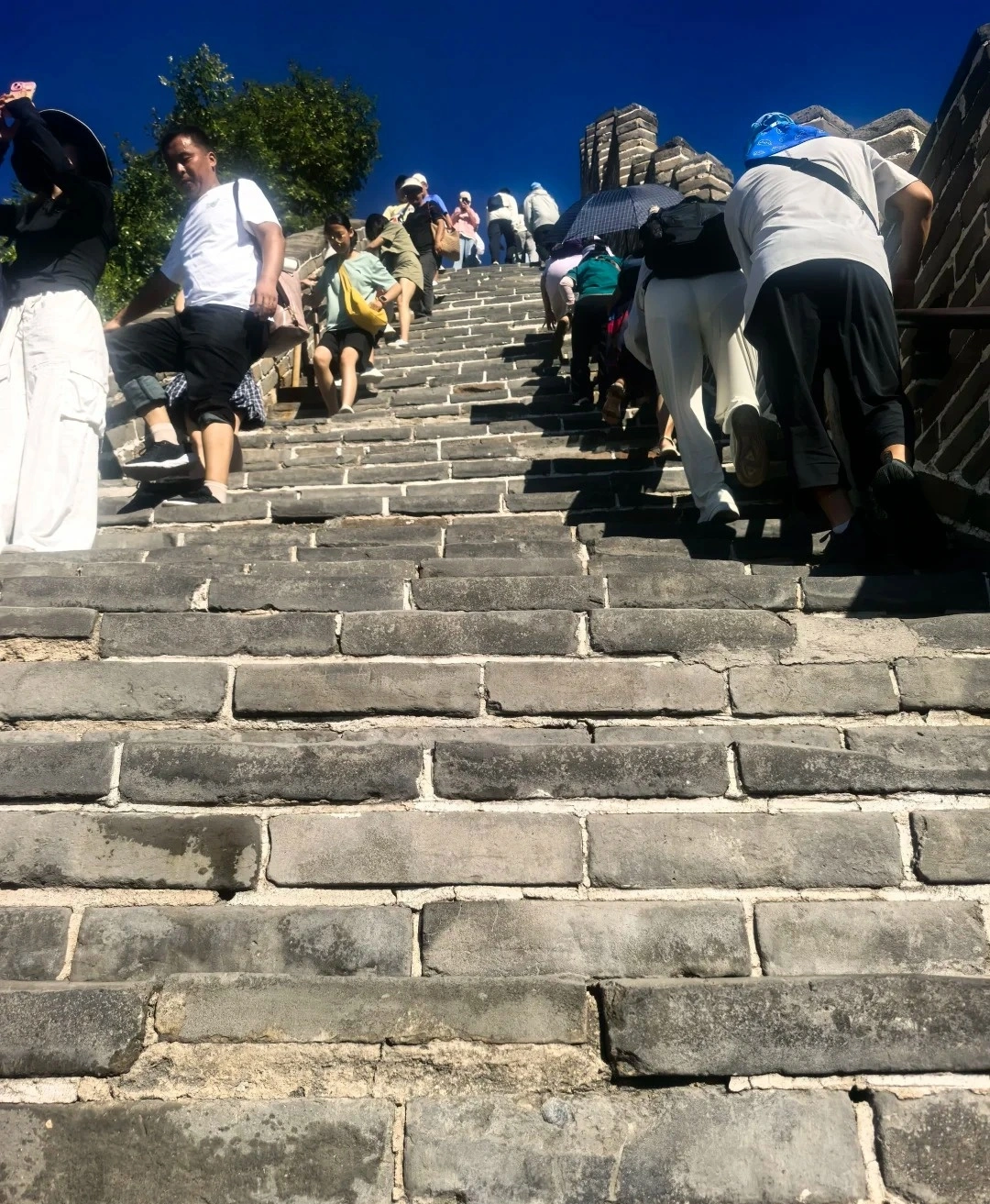
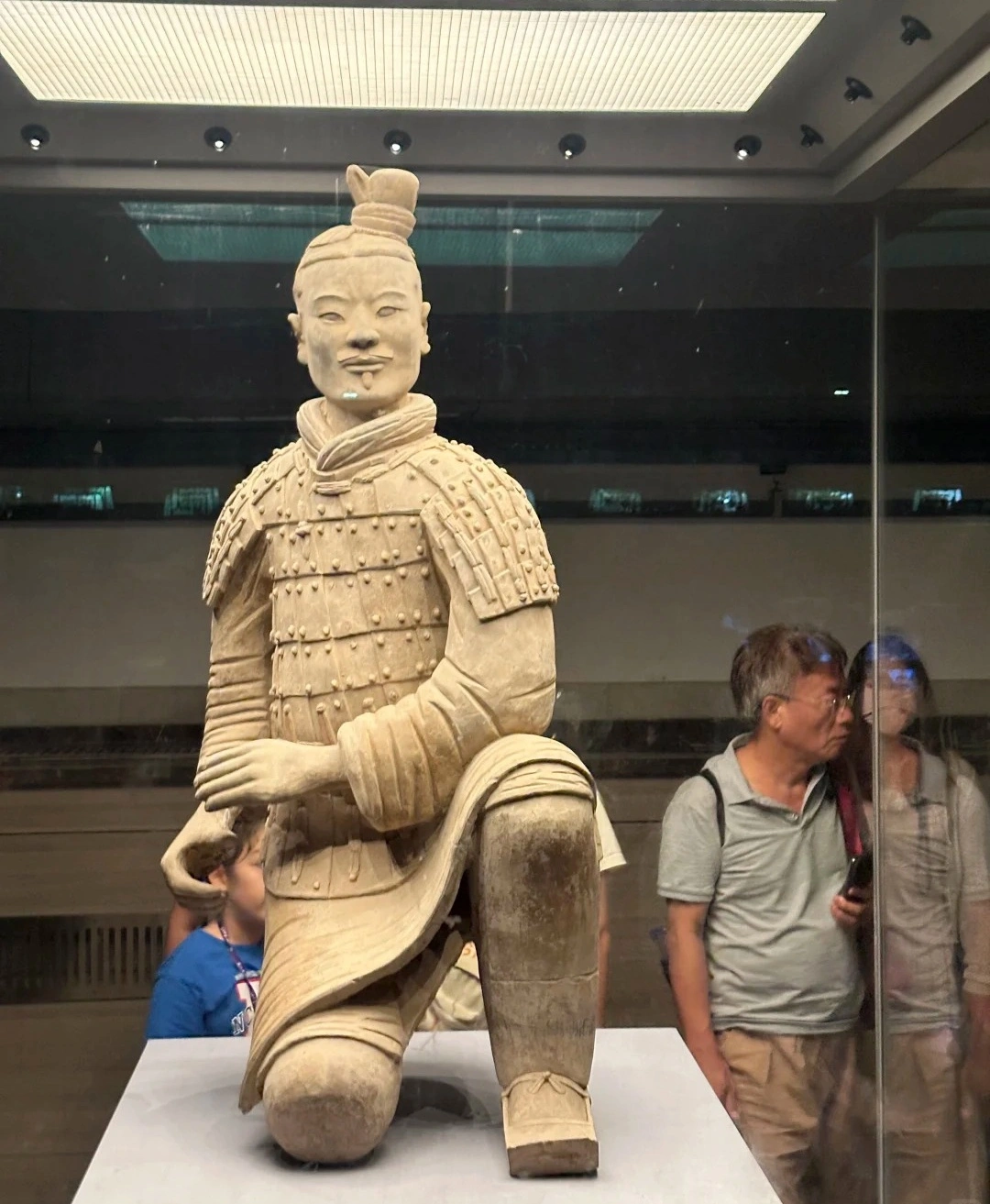
As a solo traveler from Canada, I was nervous about navigating China alone—but this 11-day tour was PERFECT! From hiking the Great Wall at sunrise (Day 3) to gasping at the Terracotta Army (Day 5), every day delivered ‘pinch-me’ moments. The real showstopper? Zhangjiajie’s Avatar Mountains (Day 7)! Our guide made the stone pillars come alive with stories. Massive thanks for handling all logistics—bullet train tickets, entry passes, car! And the 4-star hotels surprised me.
Destination(s): Beijing Xian Zhangjiajie Shanghai
Date of Experience: June 02,2025
... ... ...
...
Simon
America
Reviewed on May 29,2025
Our 2-day Zhangjiajie tour was beyond spectacular! As someone who’s visited Beijing and Shanghai for work, this trip revealed China’s wild, magical heart. Day 1 in Zhangjiajie National Forest Park felt like stepping onto Pandora—I’m a huge Avatar fan, and Yuanjiajie’s floating peaks left me breathless. The misty pillars and lush valleys like pure movie magic! Then came Fenghuang Ancient Town, we eat dinner beside the thundering waterfall. It seems Unreal! The night views of stilt houses glowing over the river were straight from a fairy tale. For fellow Avatar lovers and adventure seekers: Don’t miss this bucket-list experience! 10/10 would return. A Well-Traveled Film Buff, May 2025
Destination(s): Zhangjiajie
Date of Experience: May 08,2025
... ...

Ask a Question

Question Summary (100 characters)
Details (optional) (2,000 characters)
Name
Country
Phone
Email