
Capital Museum
The Capital Museum, established in 1981 and relocated to a modern complex in 2006, is Beijing’s premier institution showcasing the city’s 3,000-year history and cultural heritage. Designed as a fusion of traditional Chinese architecture and contemporary design, its 63,000-square-meter space houses over 200,000 artifacts, including rare relics from the Zhou Dynasty to the Qing Dynasty. The museum’s iconic bronze-domed structure and interactive exhibits make it a vital hub for understanding Beijing’s evolution from an ancient capital to a modern metropolis. Designated a national first-grade museum, it offers immersive displays on urban development, folk customs, and artistic achievements.
Historical Overview
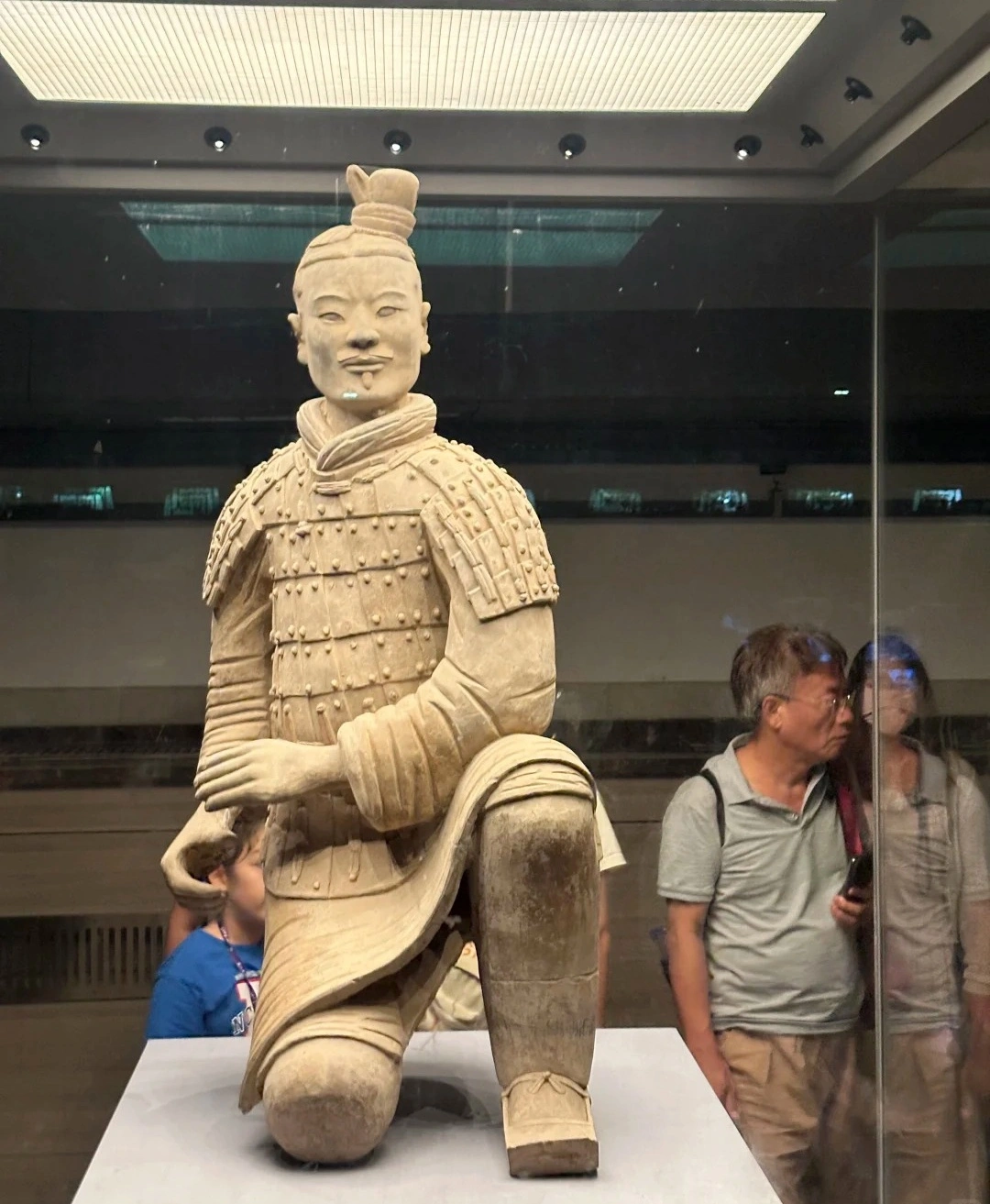
Founded during the early 1980s to preserve Beijing’s cultural legacy, the museum expanded significantly after 2000 with the construction of its current site in Xicheng District. Key milestones include the 2005 completion of the main building, inspired by ancient Chinese astronomical instruments, and the 2014 addition of the "Old Beijing" folk culture exhibition hall. The museum has hosted international collaborations, such as the 2018 "Terracotta Warriors of the First Emperor" exhibition, and played a pivotal role in digitizing over 50,000 cultural relics for global access.
Architectural Design
The museum’s structure combines symbolic elements:
- Bronze Dome: Represents the "Round Heaven" concept, with 36 ribs symbolizing Beijing’s 36 historic gates.
- Stone Facade: Etched with patterns from the Liao Dynasty’s Yunjie Temple, reflecting the city’s layered history.
- Central Atrium: A soaring glass-roofed space connecting exhibition floors, designed to mimic a traditional siheyuan courtyard.
Key areas include the Basic Exhibition Hall (chronological history), Dedicated Exhibition Halls (thematic displays), and a Children’s Learning Center.
Major Attractions
"Ancient Capital Beijing" Exhibition: Traces urban development from the Western Zhou Dynasty to the Qing Dynasty through artifacts like Jade Burial Suits and Ming Dynasty city models.
"Old Beijing Folk Culture" Hall: Recreates Hutong life with street scenes, rickshaws, and shops selling traditional snacks.
Bronze Gallery: Features ritual vessels from the Shang and Zhou dynasties, including the 1.2-ton Fangzun wine container.
Jade Ware Gallery: Displays exquisite jade artifacts, including a 5,000-year-old Cong tube from the Liangzhu Culture.
Buddhist Art Hall: Showcases Tang Dynasty statues and Tibetan Buddhist thangkas.
Temporary Exhibition Space: Hosts rotating international exhibits, such as Egyptian mummies and Renaissance paintings.
Suggested Itineraries
- Classic Route (1.5–2 hours):
Entrance → Ancient Capital Beijing Exhibition (Floors 4–5) → Bronze Gallery (Floor 3) → Jade Ware Gallery (Floor 2) → Exit.
Highlights: Core history and ancient artifacts.
- Cultural Immersion Route (3–4 hours):
Entrance → Old Beijing Folk Culture Hall (Floor 6) → Buddhist Art Hall (Floor 3) → Temporary Exhibition (Floor 2) → Children’s Learning Center (Floor 1) → Exit.
Highlights: Folk traditions and interactive learning.
- Comprehensive Route (Full Day):
Entrance → Ancient Capital Beijing (Floors 4–5) → Bronze/Jade Galleries (Floor 3) → Buddhist Art (Floor 2) → Temporary Exhibition (Floor 2) → Folk Culture (Floor 6) → Exit.
Highlights: All major collections and special exhibits.
Ticket Purchase
Online: Book via the official website (capitalmuseum.org.cn) or WeChat up to 7 days in advance.
On-Site: Tickets available at the entrance, but queues peak on weekends.
Prices: Free entry (basic exhibitions), but temporary exhibits may charge ¥20–50. Special galleries require timed tickets.
Transportation
Subway: Line 1 to Muxidi Station (Exit C), 10-minute walk.
Bus: Routes 1, 4, 52, 728, or 337 to Muxidi Bridge East Stop.
Taxi: Direct to "Shoudu Bowuguan" (Capital Museum).
Parking: Limited on-site parking; public transport recommended.
Best Time & Tips
Avoid Crowds: Visit weekdays before 10 AM or after 2 PM.
Peak Seasons: spring (April–May) and autumn (September–October) are ideal.
- Essentials:
Wear comfortable shoes (museum spans 6 floors).
Bring ID for ticket collection.
Photography allowed (no flash in artifact galleries).
Prohibited: Food, large bags, and selfie sticks.
Free lockers available.
Contact Us
What Our Clients Say?
Based on 10,000+ traveler reviews

Daniel Dorothea
Canada
Reviewed on April 29,2025
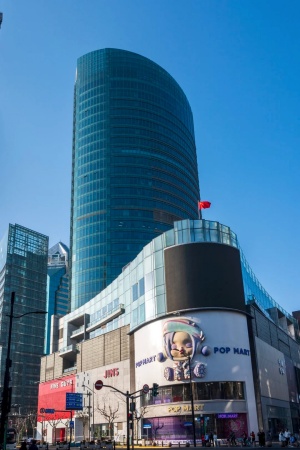
Shopping on Nanjing Road in Shanghai was just amazing! It's truly the "First Commercial Street of China", where tradition and modernity blend perfectly. You can find awesome souvenirs and experience the trendy vibes in cool stores. The neon lights at night are just spectacular, shining bright like Times Square in New York. The food here is incredible too. I had a feast for my taste buds. Shanghai, I'll definitely be back!
Destination(s):
Shanghai
Date of
Experience:
May 08,2024

Elvis Eva
Canada
Reviewed on June 20,2025
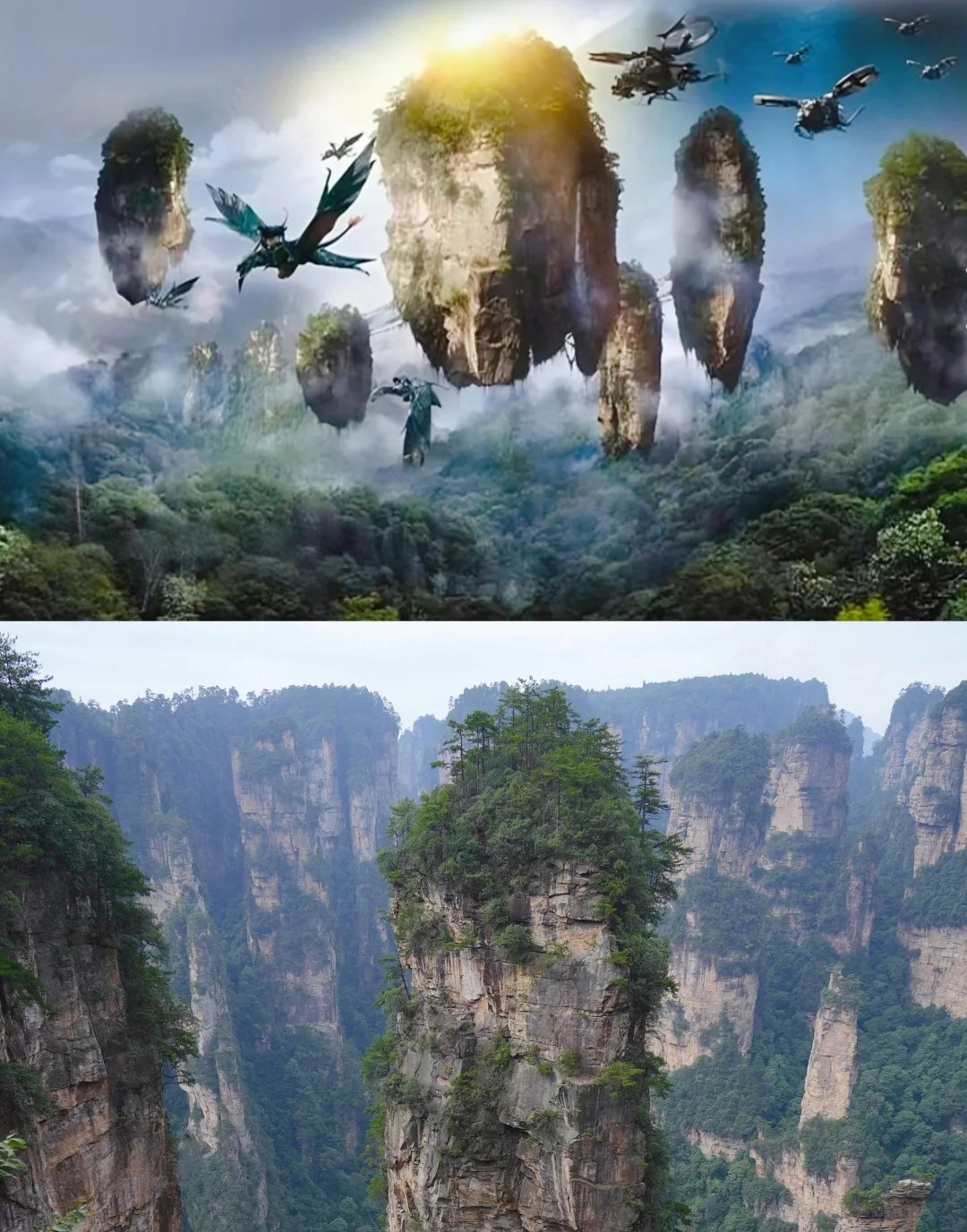
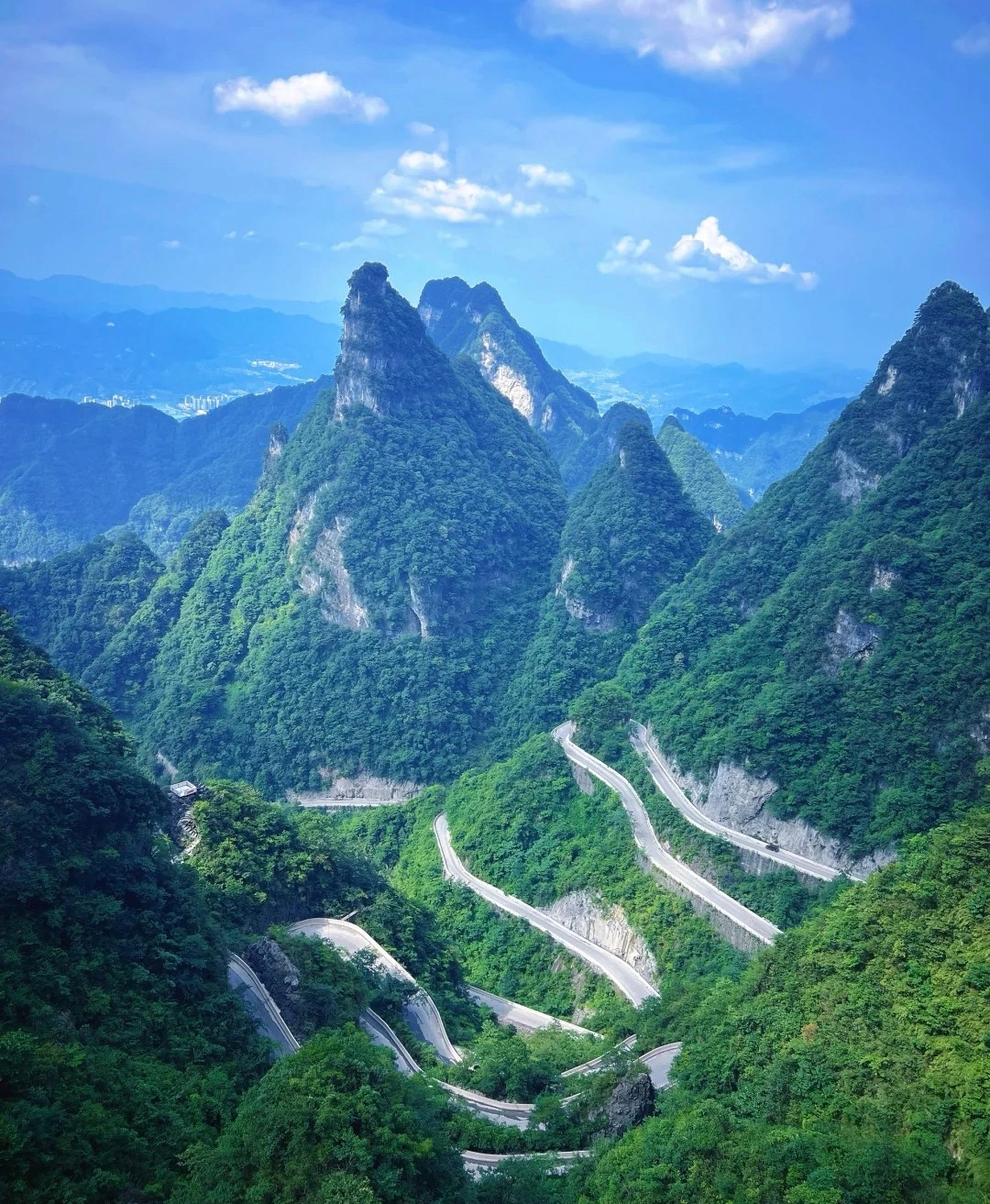
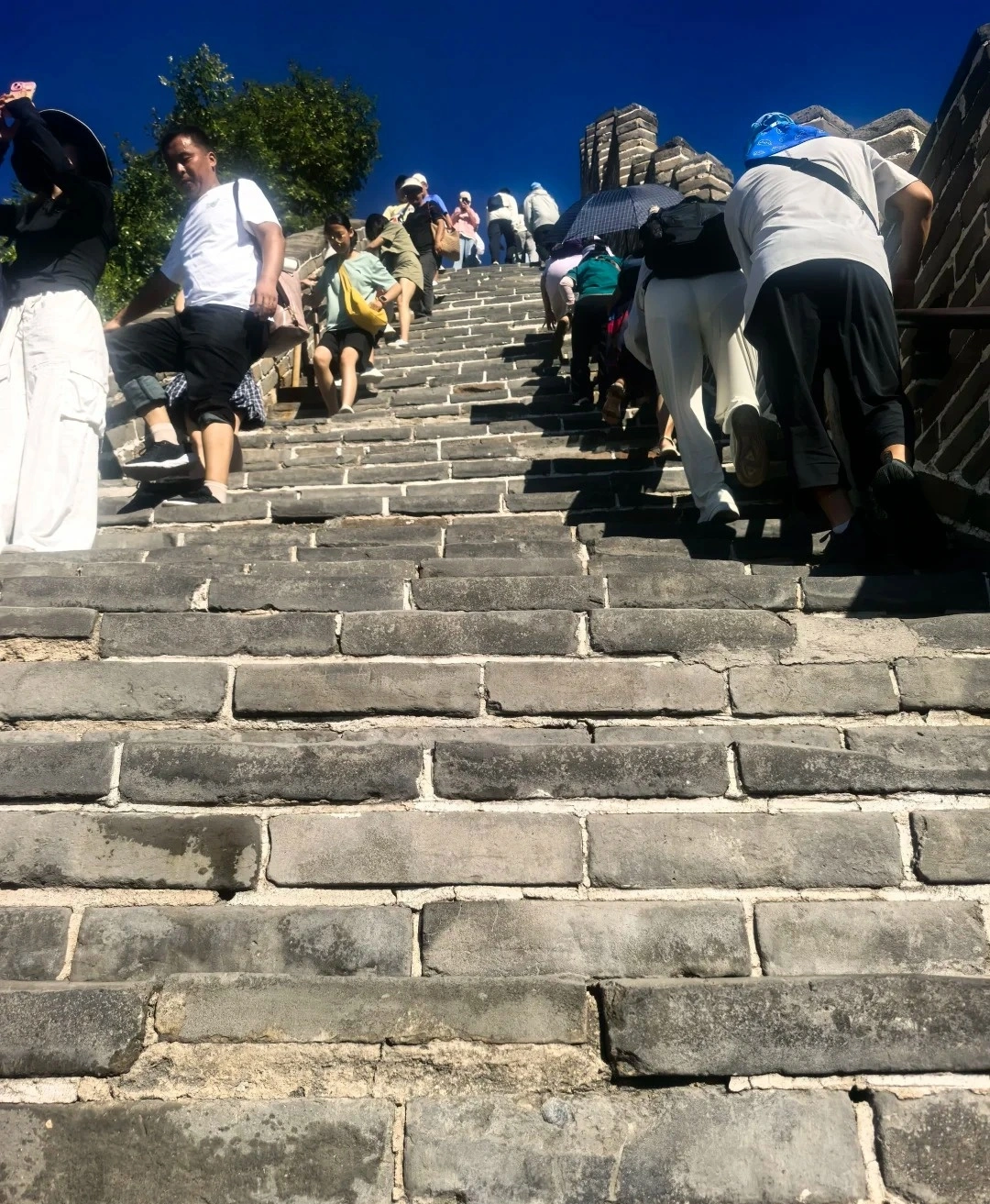
As a solo traveler from Canada, I was nervous about navigating China alone—but this 11-day tour was PERFECT! From hiking the Great Wall at sunrise (Day 3) to gasping at the Terracotta Army (Day 5), every day delivered ‘pinch-me’ moments. The real showstopper? Zhangjiajie’s Avatar Mountains (Day 7)! Our guide made the stone pillars come alive with stories.
Massive thanks for handling all logistics—bullet train tickets, entry passes, car! And the 4-star hotels surprised me.
Destination(s):
Beijing Xian Zhangjiajie Shanghai
Date of
Experience:
June 02,2025

Simon
America
Reviewed on May 29,2025
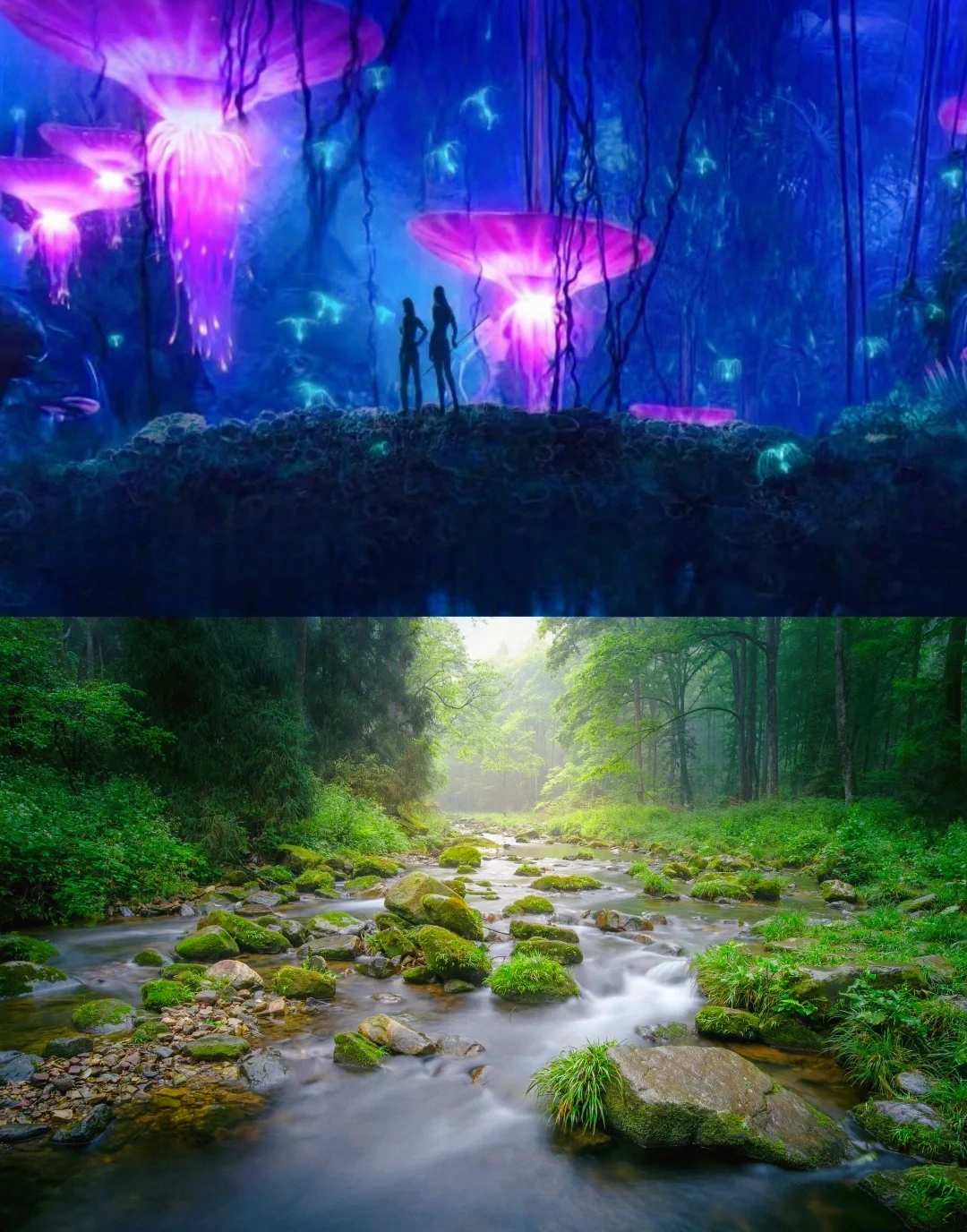
Our 2-day Zhangjiajie tour was beyond spectacular! As someone who’s visited Beijing and Shanghai for work, this trip revealed China’s wild, magical heart. Day 1 in Zhangjiajie National Forest Park felt like stepping onto Pandora—I’m a huge Avatar fan, and Yuanjiajie’s floating peaks left me breathless. The misty pillars and lush valleys like pure movie magic!
Then came Fenghuang Ancient Town, we eat dinner beside the thundering waterfall. It seems Unreal! The night views of stilt houses glowing over the river were straight from a fairy tale.
For fellow Avatar lovers and adventure seekers: Don’t miss this bucket-list experience! 10/10 would return.
A Well-Traveled Film Buff, May 2025
Destination(s):
Zhangjiajie
Date of
Experience:
May 08,2025