
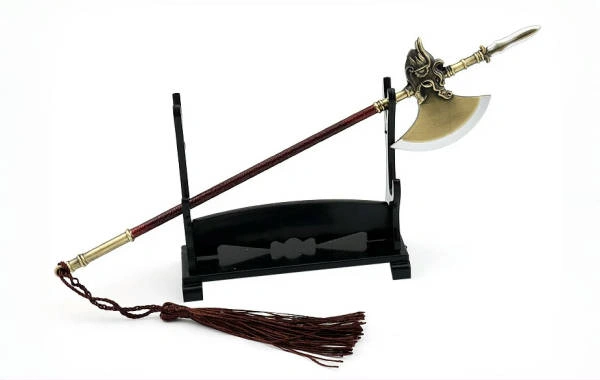
Chinese Cold Weapons - Falchion
Falchion (钺,Yue)
Why the Yue Was More Than a Weapon
The yue (钺) isn’t just a heavy blade—it’s a status symbol, a ritual object, and a battlefield beast rolled into one. Unlike the utilitarian axe (fǔ), the yue flaunted grandeur with ornate designs, elongated blades, and symbolic carvings. Ancient texts like the Zuo Zhuan describe it as a “royal axe,” granted by kings to generals to legitimize military campaigns. Fun fact: In the Shang Dynasty, yue blades were buried with nobles to signify their power in the afterlife!
 Historical Evolution: From Ritual to Warzone
- Shang & Zhou Dynasties (1600–256 BCE): The yue peaked as a ceremonial weapon. Bronze yue axes adorned with beast motifs (like tigers or dragons) symbolized divine authority. Warriors like Fu Hao (a legendary female general) wielded decorated yue in battles, blending practicality with political symbolism.
- Han Dynasty (206 BCE–220 CE): Iron yue became lighter for cavalry use. The mao (矛) and yue combo dominated infantry tactics, while the ge (戟) hybrid axe-spear stole the spotlight.
- Tang & Song Dynasties (618–1279 CE): The yue evolved into dual-purpose tools: siege warfare axes and ceremonial regalia. Song Dynasty manuals like Wu Bei Zhi detailed yue variants like the feng yue (Phoenix Yue) for imperial processions.
- Ming & Qing Dynasties (1368–1912): The yue faded from battlefields but thrived in folk art and martial arts. Qing-era shuang yue (Double Yue) became a staple in Kung Fu films, while the jin zhan yue (Gold-Dipped Yue) of General Yue Fei (Song Dynasty) cemented its mythic status.
Yue Varieties: Not All Axes Are Created Equal
China’s yue came in flavors more varied than ice cream:
- Ceremonial Yue:
- Gui Yue (鬼钺): A ghostly blade with intricate beast carvings, used in rituals to “summon ancestral spirits” for victory.
- Feng Yue (凤钺): Phoenix-patterned blades for imperial parades, symbolizing harmony and power.
- Battlefield Yue:
- Kai Shan Yue (开山钺): The “Mountain-Opening Yue”—a colossal axe for smashing siege towers and cavalry.
- Chu Cai Yue (楚材钺): Named after Chu State craftsmanship, this axe balanced weight and precision for infantry.
- Folk Hero Yue:
- Shuang Ban Yue (双板钺): Twin axes favored by outlaws like Song Jiang’s crew in Water Margin, perfect for ambushing troops.
- E Mei Yue (峨眉钺): Compact axes from Mount Emei, used for digging tunnels during sieges and close combat.
Top 10 Legendary Chinese Yue (No Swords or Spears Allowed!)
- Tai Bo Yue (太伯钺): Legend says this bronze yue was gifted by King Tai Bo of Zhou to mark his abdication—proof that power > violence.
- Xuan Yuan Yue (轩辕钺): The “Yellow Emperor’s Axe,” mythically forged to unify tribes and defeat warlords.
- Jin Zhan Yue (金蘸钺): General Yue Fei’s golden-handled yue, used to rally troops during the Jin-Song wars.
- Feng Qi Yue (凤翅钺): Phoenix-winged blades wielded by Ming-era generals in epic naval battles.
- Long Wen Yue (龙纹钺): Dragon-embossed yue from the Shang Dynasty, unearthed in tombs to guard the deceased’s power.
- Shuang Long Yue (双龙钺): Twin-dragon yue used by Tang Dynasty bodyguards in imperial courts.
- Yu Wei Yue (鱼尾钺): Fish-tail shaped for slicing through armor, popular in Song-era naval skirmishes.
- Che Shou Yue (剉手钺): A gruesome siege weapon designed to sever enemy hands—effective but brutally efficient.
- E Mei Zi Zhi Yue (峨眉紫芝钺): Purple-lacquered yue from Emei Mountain, used by martial artists for both combat and meditation.
- Di Zui Yue (地锥钺): A short, sturdy yue favored by frontier warriors for its portability and shock value.
Why the Yue? (A Foreigner’s Crash Course)
Forget swords—yue were the original “shock and awe” weapons. Their size and symbolism made them ideal for intimidating foes, smashing siege engines, and doubling as royal regalia. Unlike axes, yue were never about subtlety; they screamed “I’m here to conquer!” Plus, their blend of art and utility made them perfect for both battle and burial.
Modern Twist: Today, yue inspire everything from Kung Fu movies to museum exhibits. If you ever see a warrior in a Chinese period drama wielding a giant, ornate axe—chances are it’s a yue! And if you’re ever in a debate about ancient power symbols, just remember: the yue was the OG “power move” in Chinese history.
Got a hankering for more cold weapon chaos? Let’s chop through another topic—this axe expert’s got the royal scoop!






What Our Clients Say?
Based on 10,000+ traveler reviews

Daniel Dorothea
Canada
Reviewed on April 29,2025
Shopping on Nanjing Road in Shanghai was just amazing! It's truly the "First Commercial Street of China", where tradition and modernity blend perfectly. You can find awesome souvenirs and experience the trendy vibes in cool stores. The neon lights at night are just spectacular, shining bright like Times Square in New York. The food here is incredible too. I had a feast for my taste buds. Shanghai, I'll definitely be back!
Destination(s):
Shanghai
Date of
Experience:
May 08,2024


Elvis Eva
Canada
Reviewed on June 20,2025
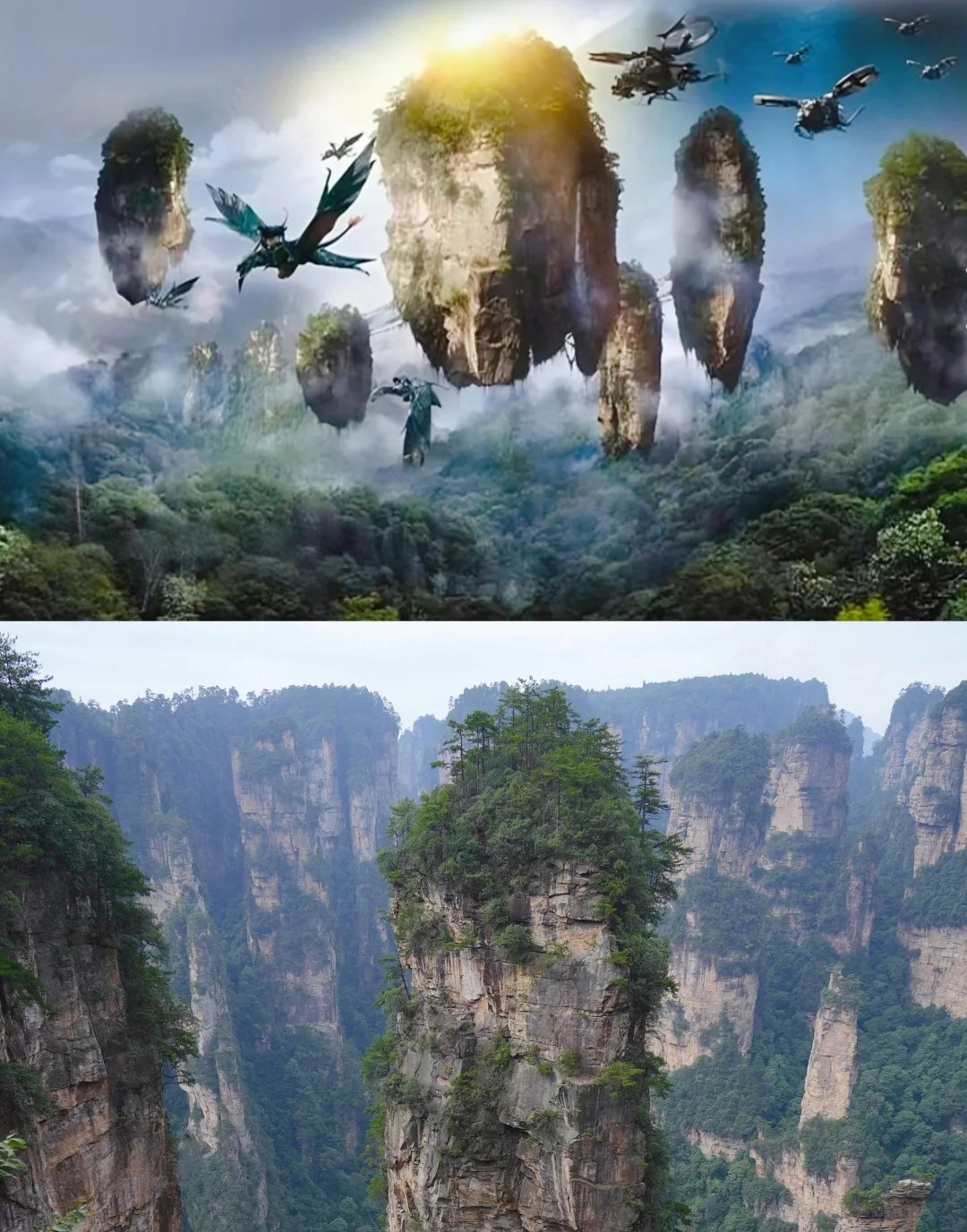
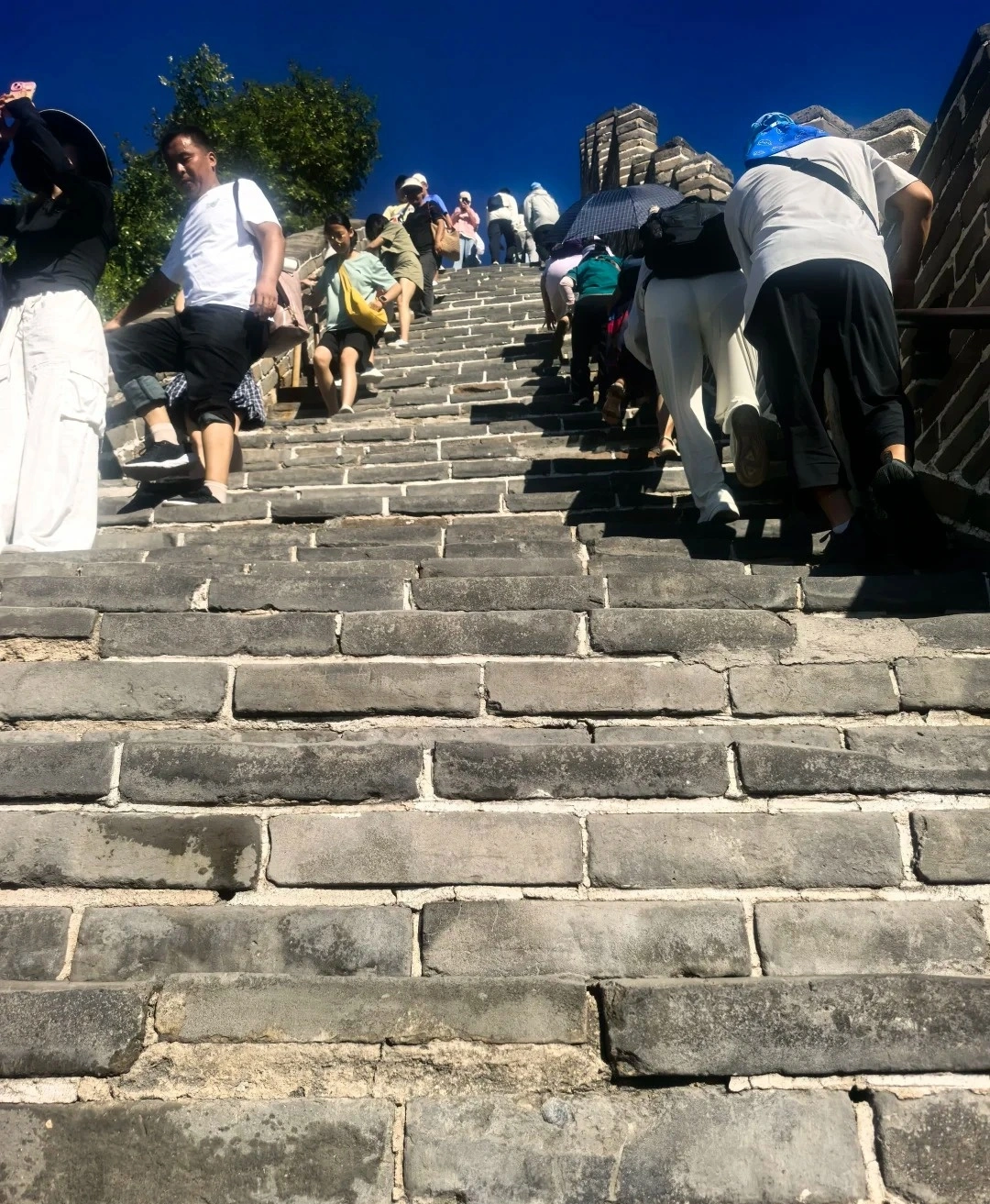
As a solo traveler from Canada, I was nervous about navigating China alone—but this 11-day tour was PERFECT! From hiking the Great Wall at sunrise (Day 3) to gasping at the Terracotta Army (Day 5), every day delivered ‘pinch-me’ moments. The real showstopper? Zhangjiajie’s Avatar Mountains (Day 7)! Our guide made the stone pillars come alive with stories.
Massive thanks for handling all logistics—bullet train tickets, entry passes, car! And the 4-star hotels surprised me.
Destination(s):
Beijing Xian Zhangjiajie Shanghai
Date of
Experience:
June 02,2025

Simon
America
Reviewed on May 29,2025
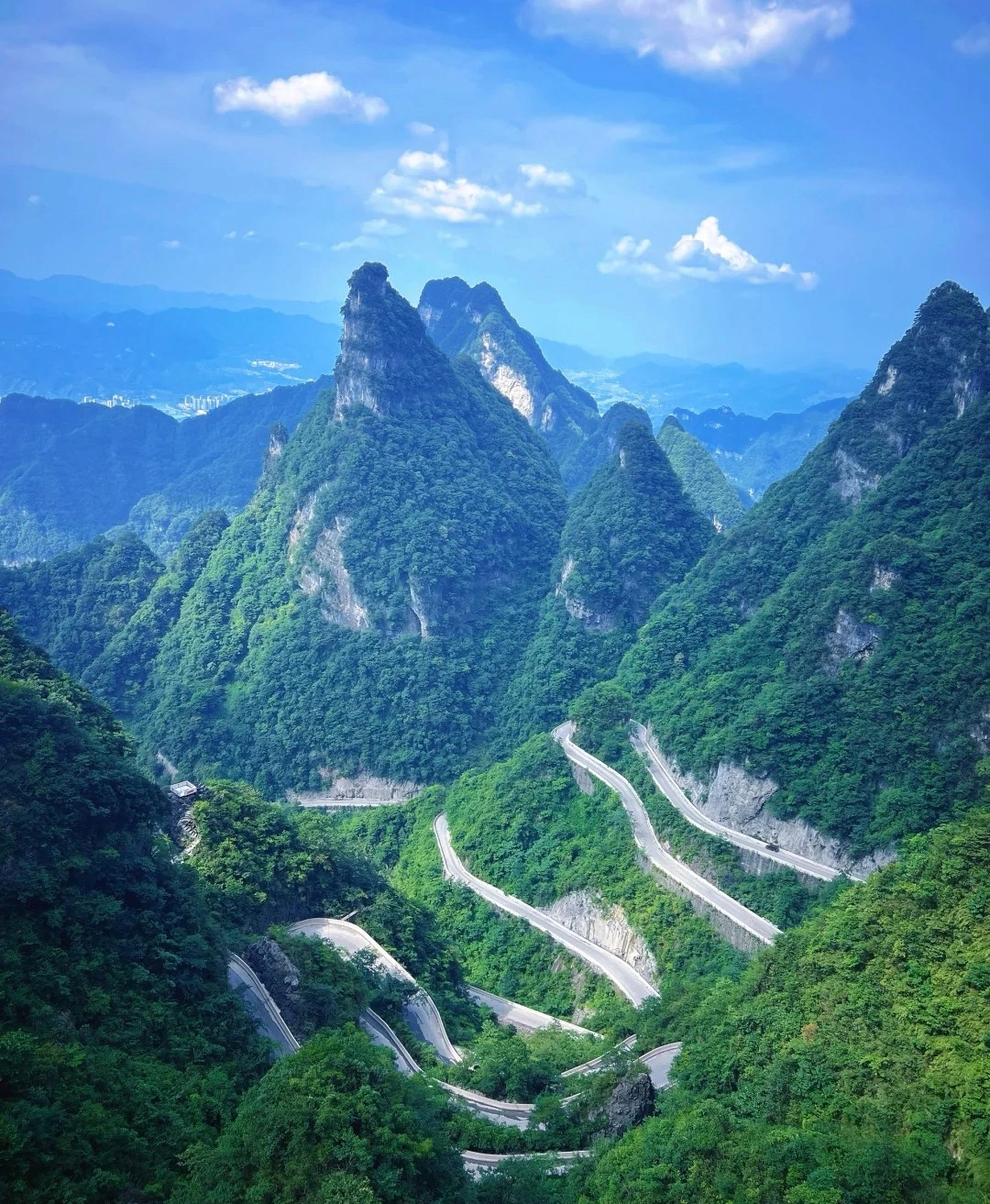
Our 2-day Zhangjiajie tour was beyond spectacular! As someone who’s visited Beijing and Shanghai for work, this trip revealed China’s wild, magical heart. Day 1 in Zhangjiajie National Forest Park felt like stepping onto Pandora—I’m a huge Avatar fan, and Yuanjiajie’s floating peaks left me breathless. The misty pillars and lush valleys like pure movie magic!
Then came Fenghuang Ancient Town, we eat dinner beside the thundering waterfall. It seems Unreal! The night views of stilt houses glowing over the river were straight from a fairy tale.
For fellow Avatar lovers and adventure seekers: Don’t miss this bucket-list experience! 10/10 would return.
A Well-Traveled Film Buff, May 2025
Destination(s):
Zhangjiajie
Date of
Experience:
May 08,2025