
Diancang KungFu
Diancang: The Melting Pot of Martial Arts
This saying emphasizes Diancang's special position as a place where diverse martial arts elements converge. Unlike some highly specialized martial arts schools, Diancang martial arts are known for their openness and inclusivity. They draw inspiration from the local ethnic fighting customs, ancient hunting skills, and even elements from well - known northern and southern martial arts traditions. This blend results in a comprehensive system that highlights adaptability, innovation, and the ability to handle different combat scenarios. Diancang's approach of "integrating various skills seamlessly" (融会贯通无拘束 / Rónghuì Guàntōng Wú Jūshù) has made it a valuable resource for martial artists seeking a rich and dynamic practice.
Name:
Diancang Martial Arts (点苍功夫 / Diǎncāng Gōngfū)
Origin:
Diancang Mountain, Yunnan Province, China (dating back to ancient times, with further development during the Tang and Song dynasties)
Founder:
The origin lacks a single, clearly - defined founder. It is believed to have evolved from the local fighting skills and hunting techniques of the ethnic groups living around Diancang Mountain over centuries.
Style:
Eclectic (综合派 / Zōnghé Pài) - Incorporating elements from both northern and southern Chinese martial arts, as well as local ethnic martial traditions, featuring a mix of hard and soft techniques, and long - and short - range combat.
Core Philosophy:
"Harmony with Nature, Self - Discipline, and Inner Strength" - Focusing on achieving a balance between the individual and the natural environment, cultivating self - control, and developing inner power for both martial and personal growth.
Famous For:
Diancang Sword (点苍剑 / Diǎncāng Jiàn), Diancang Staff (点苍棍 / Diǎncāng Gùn), Cloud - Walking Step (云步功 / Yúnbù Gōng), Mountain - Wind Fist (山风拳 / Shānfēng Quán)
Global Influence:
Has gradually gained recognition in the global martial arts community, attracting international learners and contributing to cross - cultural exchanges in areas such as fitness, self - defense, and cultural understanding.
 The Origin of Diancang Martial Arts
The roots of Diancang Martial Arts can be traced back to ancient times when Diancang Mountain was a hub of interaction among different ethnic groups. The local people, in order to survive in the mountainous environment and defend against wild animals and external threats, developed a set of unique fighting techniques. Over time, these techniques were influenced by various factors:
· Ethnic Cultural Exchange: Yunnan Province is home to multiple ethnic groups, each with its own distinct martial traditions. Through long - term cultural exchange and interaction, Diancang martial arts absorbed elements from ethnic martial arts such as the Bai, Yi, and Naxi, enriching its techniques and styles.
· Military Influence: During the Tang and Song dynasties, the strategic location of Diancang Mountain made it an important military stronghold. Military combat skills and strategies used in battles were gradually incorporated into the local fighting techniques, adding a more systematic and strategic aspect to Diancang martial arts.
· Natural Environment: The unique geographical features of Diancang Mountain, including its steep cliffs, dense forests, and changing weather conditions, also shaped the development of Diancang martial arts. Martial artists had to adapt their techniques to suit the mountainous terrain, leading to the creation of agile and flexible movement patterns.
By the Ming and Qing dynasties, Diancang martial arts had begun to take shape as a distinct martial arts tradition, attracting attention from martial arts enthusiasts across the region.
Diancang - Related Mountains, Sites & Architecture
Primary Location: Diancang Mountain (点苍山 / Diǎncāng Shān)
· Jade Cloud Temple (玉云寺 / Yùyún Sì): A significant architectural complex on Diancang Mountain, serving as a center for martial arts training and spiritual practice. It features traditional Chinese architectural styles with elegant pavilions and serene courtyards, providing an ideal environment for practitioners to focus on their training.
· Mystic Cave (玄洞 / Xuándòng): A mysterious cave believed to be a place where ancient martial arts masters meditated and practiced. Martial artists often visit this cave to seek inspiration and enhance their inner energy.
· Azure Peak Pavilion (青峰阁 / Qīngfēng Gé): Located on a high peak of Diancang Mountain, it offers panoramic views of the surrounding landscape. The pavilion is a popular spot for martial artists to meditate and practice soft martial arts forms, drawing energy from the natural beauty of the mountains and clouds.
Other Sacred Sites
· Dragon - Phoenix Valley (龙凤谷 / Lóngfèng Gǔ): A valley said to be the dwelling place of dragons and phoenixes in legend. Martial artists believe that training in this area can bring them good luck and enhance their agility and speed.
· Pearl spring (珍珠泉 / Zhēnzhū Quán): A clear spring surrounded by lush vegetation. According to local folklore, the water of the spring has special properties that can improve a martial artist's physical strength and endurance. Martial artists often train near the spring, using the sound of the flowing water and the serene atmosphere to improve their concentration and internal energy flow.
The Legendary Diancang Martial Arts
Diancang is renowned for its diverse range of martial arts techniques, which combine the power of external styles with the subtlety of internal styles. Some of the most famous include:
|
Category |
Skills |
|
Swordsmanship |
Diancang Sword (点苍剑 / Diǎncāng Jiàn), Moon - Light Sword (月影剑 / Yuèyǐng Jiàn) |
|
Staff Techniques |
Diancang Staff (点苍棍 / Diǎncāng Gùn), Double - Staff Dance (双棍舞 / Shuānggùn Wǔ) |
|
Empty - Hand |
Cloud - Walking Step (云步功 / Yúnbù Gōng), Mountain - Wind Fist (山风拳 / Shānfēng Quán), Eagle - Soaring Kick (鹰翔腿 / Yīngxiáng Tuǐ) |
|
Energy Cultivation |
Diancang Qi Gong (点苍气功 / Diǎncāng Qìgōng), Five - Element Harmony Breathing (五行和气呼吸 / Wǔxíng Héqì Hūxī) |
|
Throwing Techniques |
Flying Stone Techniques (飞石术 / Fēishí Shù), Mountain - Leaf Throwing Skills (山叶投术 / Shānyè Tóu Shù) |
Training Methods & Progression Levels
Training Regimen
· Basic Physical Training (基础体能训练 / Jīchǔ Tǐnéng Xùnliàn): Building a strong foundation through exercises such as mountain climbing, rope - climbing, push - ups, and sit - ups to enhance strength, endurance, and agility, especially suitable for the mountainous environment.
· Form Practice (套路训练 / Tàolù Xùnliàn): Learning and mastering a series of pre - arranged movements, such as the Diancang Sword form or Mountain - Wind Fist sequence, to develop muscle memory, coordination, and rhythm.
· Sparring Practice (实战对练 / Shízhàn Duìliàn): Engaging in simulated combat situations with partners in different terrains, such as on slopes or in forests, to improve timing, distance control, and the ability to apply martial arts skills effectively in real - life scenarios.
· Weapon Specialization (兵器专精 / Bīngqì Zhuānjīng): Focusing on specific weapons, such as swords, staffs, or daggers, to understand their unique characteristics, combat applications, and maintenance in the mountainous context.
· Meditation and Inner Cultivation (冥想与内功修炼 / Míngxiǎng Yǔ Nèigōng Xiūliàn): Cultivating mental focus, emotional balance, and internal energy (Qi) through meditation, breath control, and specific Qi Gong exercises, often performed in natural settings like caves or by springs.
Progression Levels
· Beginner (入门 / Rùmén): Learning the basic stances, simple forms, and fundamental techniques. This stage typically lasts 6 months - 1 year, with a focus on adapting to the mountainous training environment.
· Intermediate (进阶 / Jìnjiē): Mastering more complex forms, sparring techniques, and beginning weapon specialization. It usually takes 1 - 3 years to reach this level, and practitioners start to understand how to use the terrain to their advantage.
· Advanced (高级 / Gāojí): Specializing in a particular style or weapon, developing a deep understanding of martial arts principles, and demonstrating proficiency in real - world application in the mountainous environment and teaching basics to beginners. This stage can take 3 - 7 years or more.
· Master (大师 / Dàshī): A highly respected level, achieved after many years of dedicated practice, research, and contribution to the Diancang martial arts community. Masters are experts in multiple styles and are often sought after for their guidance and leadership, especially in preserving and promoting Diancang martial arts in the face of modern challenges.
Diancang in Martial Arts Fiction & Pop Culture
Diancang has made a significant impact on the world of martial arts fiction and pop culture, often depicted as a mysterious and powerful martial arts school with a unique connection to nature. Notable examples include:
· Martial Arts Novels: In some popular martial arts novels, Diancang is featured as a hidden martial arts sect with formidable skills. Its practitioners are often portrayed as having a deep understanding of nature and using the environment to their advantage in battles, adding a dramatic and thrilling element to the plot.
· Martial Arts - themed Video Games: In some well - known martial arts video games, Diancang is included as a playable faction. Players can choose Diancang characters and learn its unique martial arts skills, experiencing the diversity and charm of Diancang martial arts firsthand, especially its adaptation to the mountainous terrain.
· Martial Arts Movies and TV Series: Although not always the main focus, Diancang martial arts techniques are sometimes showcased in martial arts movies and TV series. The beautiful scenery of Diancang Mountain often serves as the backdrop, highlighting the school's reputation for powerful and distinctive fighting styles that are in harmony with nature.
Diancang Diet & Traditional Arts
Dietary Principles
· Mountain - Specific Nutrition (山野营养 / Shānyě Yíngyǎng): Emphasizing a diet that includes local mountain products such as wild mushrooms, mountain vegetables, and game meats (in a sustainable and legal way). These foods are rich in nutrients and provide the energy needed for martial arts training in the mountainous environment.
· Herbal Tonic Foods (药膳滋补 / Yàoshàn Zībǔ): Utilizing local herbs and medicinal ingredients unique to the Diancang Mountain area to prepare tonic foods and soups. For example, some rare herbs are believed to enhance physical strength, boost immunity, and improve overall well - being, helping martial artists cope with the physical demands of training.
· Moderate Eating (适量饮食 / Shìliàng Yǐnshí): Encouraging practitioners to eat in moderation, avoiding overeating or undereating. This helps maintain a healthy digestive system and optimal energy levels for training, especially considering the strenuous nature of mountain - based martial arts activities.
Traditional Arts
· Diancang Painting (点苍绘画 / Diǎncāng Huìhuà): Combining the aesthetic principles of martial arts with traditional Chinese painting techniques. Diancang paintings often depict martial arts scenes set against the backdrop of Diancang Mountain, as well as local ethnic cultures and mythical creatures, reflecting the unique cultural heritage of the region.
· Diancang Folk Dance (点苍民间舞 / Diǎncāng Mínjiān Wǔ): Influenced by martial arts movements and the natural environment of Diancang Mountain, Diancang folk dances feature agile postures, rhythmic steps, and expressive gestures. These dances are not only a form of entertainment but also a way to pass down the local culture and martial arts spirit.
Legendary Diancang Masters
· Yun Xiaozi (云霄子 / Yúnxiāo Zǐ): A legendary Diancang master from ancient times, said to have possessed supernatural martial arts skills and a deep understanding of nature. He is credited with developing many of the unique Diancang martial arts techniques and establishing the foundation of the Diancang martial arts tradition, emphasizing the harmony between humans and nature.
· Li Mingfeng (李明风 / Lǐ Míngfēng): A renowned master during the Ming Dynasty (1368 - 1644 CE) who systematized and refined the Diancang martial arts curriculum. He traveled extensively in the mountainous regions, exchanging ideas with other martial arts masters and incorporating useful elements into Diancang martial arts, making it more comprehensive and influential.
· Zhang Yuhua (张玉华 / Zhāng Yùhuá): A modern - day Diancang grandmaster known for her exceptional skill in Diancang Sword and her efforts to promote Diancang martial arts globally. She has trained numerous students and participated in international martial arts exchanges, raising the profile of Diancang martial arts on the world stage and ensuring its传承 (chuánchéng, passing down) to future generations.
Conclusion
Diancang Martial Arts represent a unique blend of ancient fighting skills, spiritual practices, and local cultural elements, deeply rooted in the natural environment of Diancang Mountain. Unlike some more specialized martial arts schools, Diancang offers a diverse and inclusive approach to martial arts training, emphasizing adaptability, creativity, and the harmonious development of body, mind, and spirit in harmony with nature. From its sacred mountain home to its influence in the global martial arts community, Diancang continues to inspire martial artists and cultural enthusiasts alike, providing a path to physical fitness, mental clarity, and spiritual enrichment.
"Diancang is not just a mountain - it is a living testament to the power of cultural integration with nature and a beacon of inspiration for those seeking self - improvement and a deeper connection with the ancient martial arts traditions."


What Our Clients Say?
Based on 10,000+ traveler reviews

Daniel Dorothea
Canada
Reviewed on April 29,2025
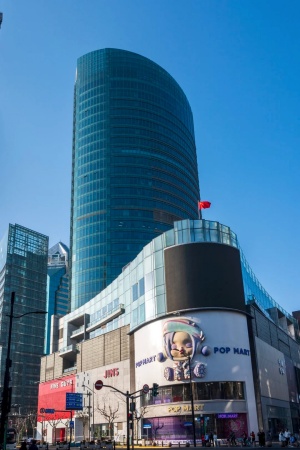
Shopping on Nanjing Road in Shanghai was just amazing! It's truly the "First Commercial Street of China", where tradition and modernity blend perfectly. You can find awesome souvenirs and experience the trendy vibes in cool stores. The neon lights at night are just spectacular, shining bright like Times Square in New York. The food here is incredible too. I had a feast for my taste buds. Shanghai, I'll definitely be back!
Destination(s):
Shanghai
Date of
Experience:
May 08,2024

Elvis Eva
Canada
Reviewed on June 20,2025
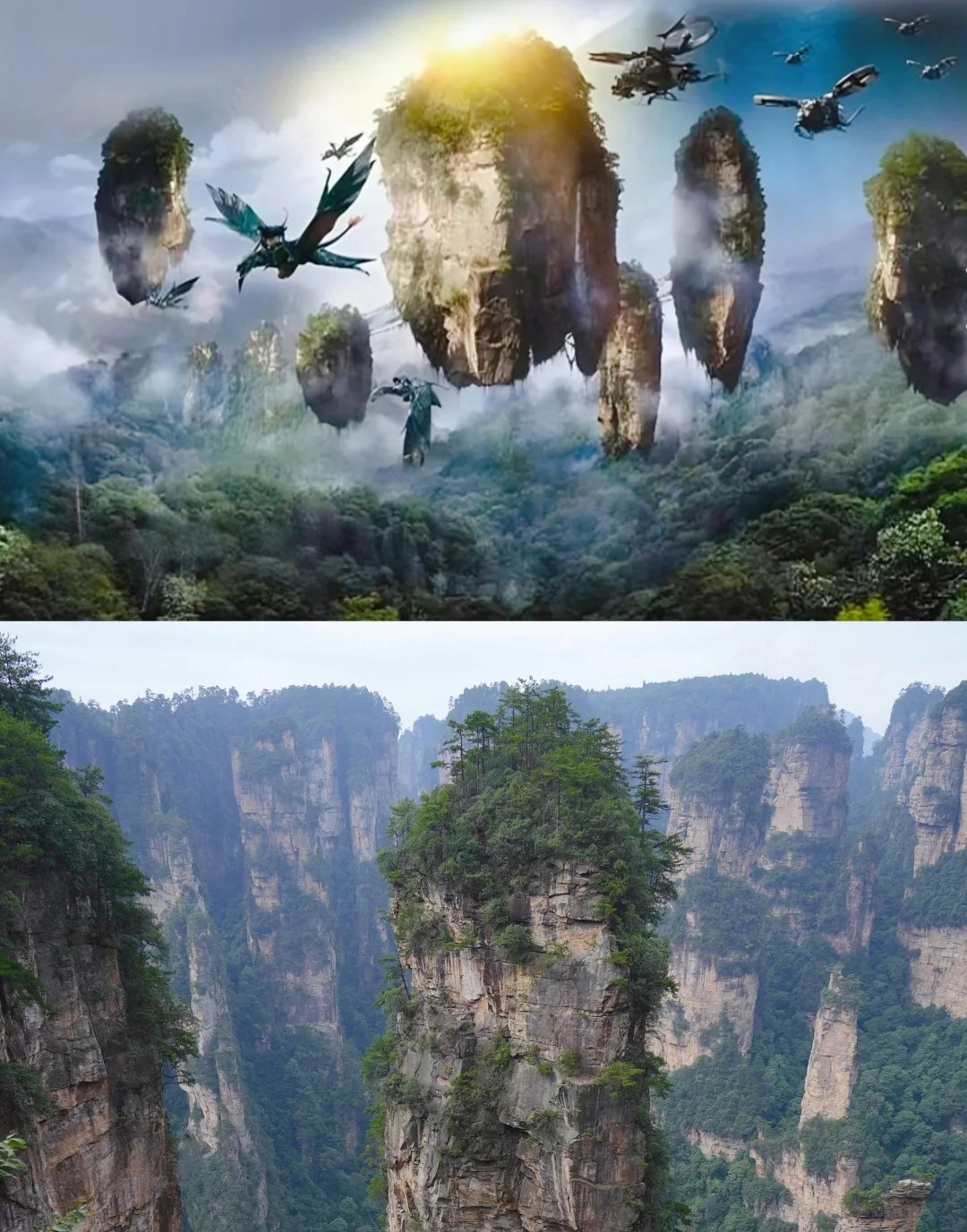
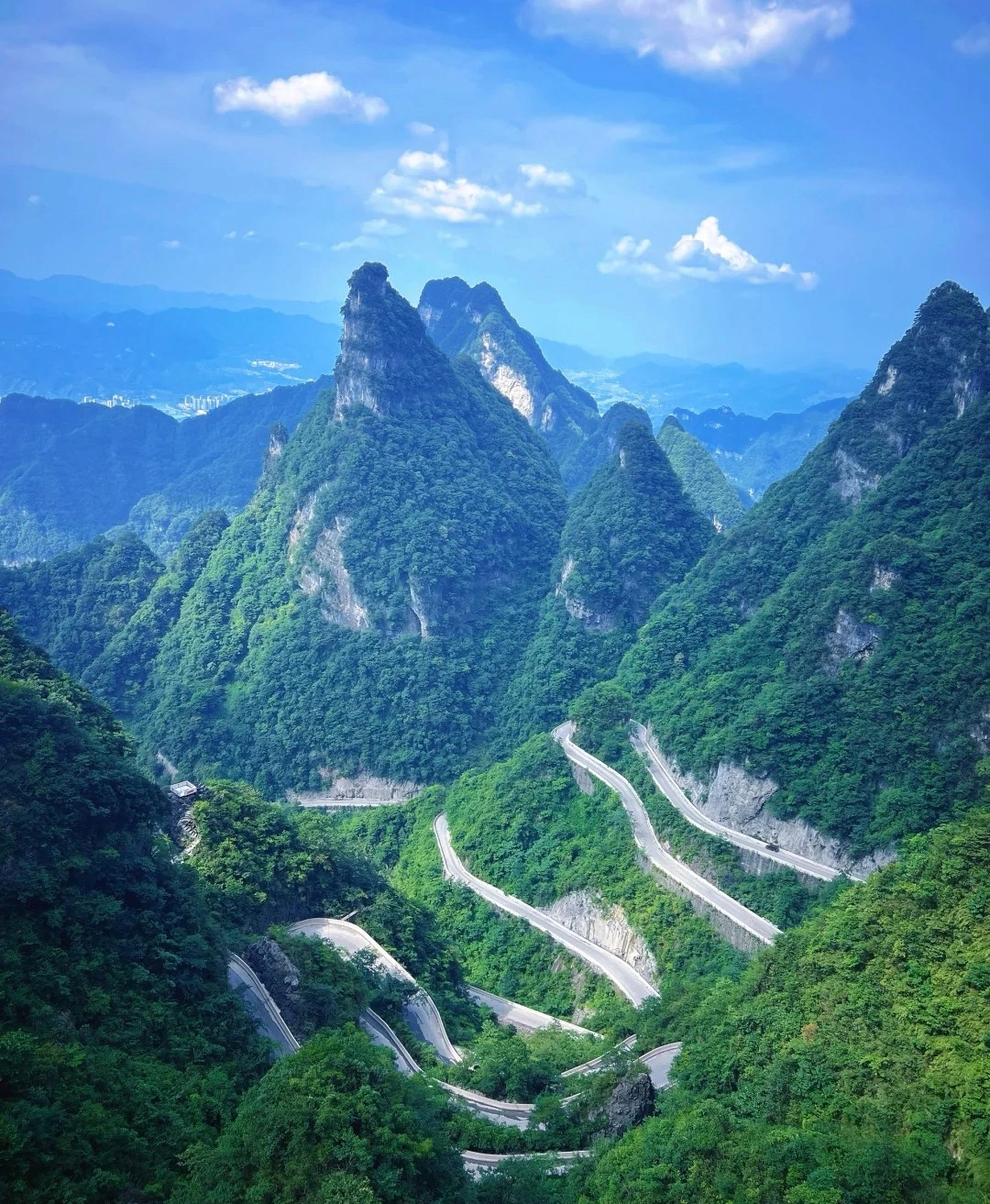
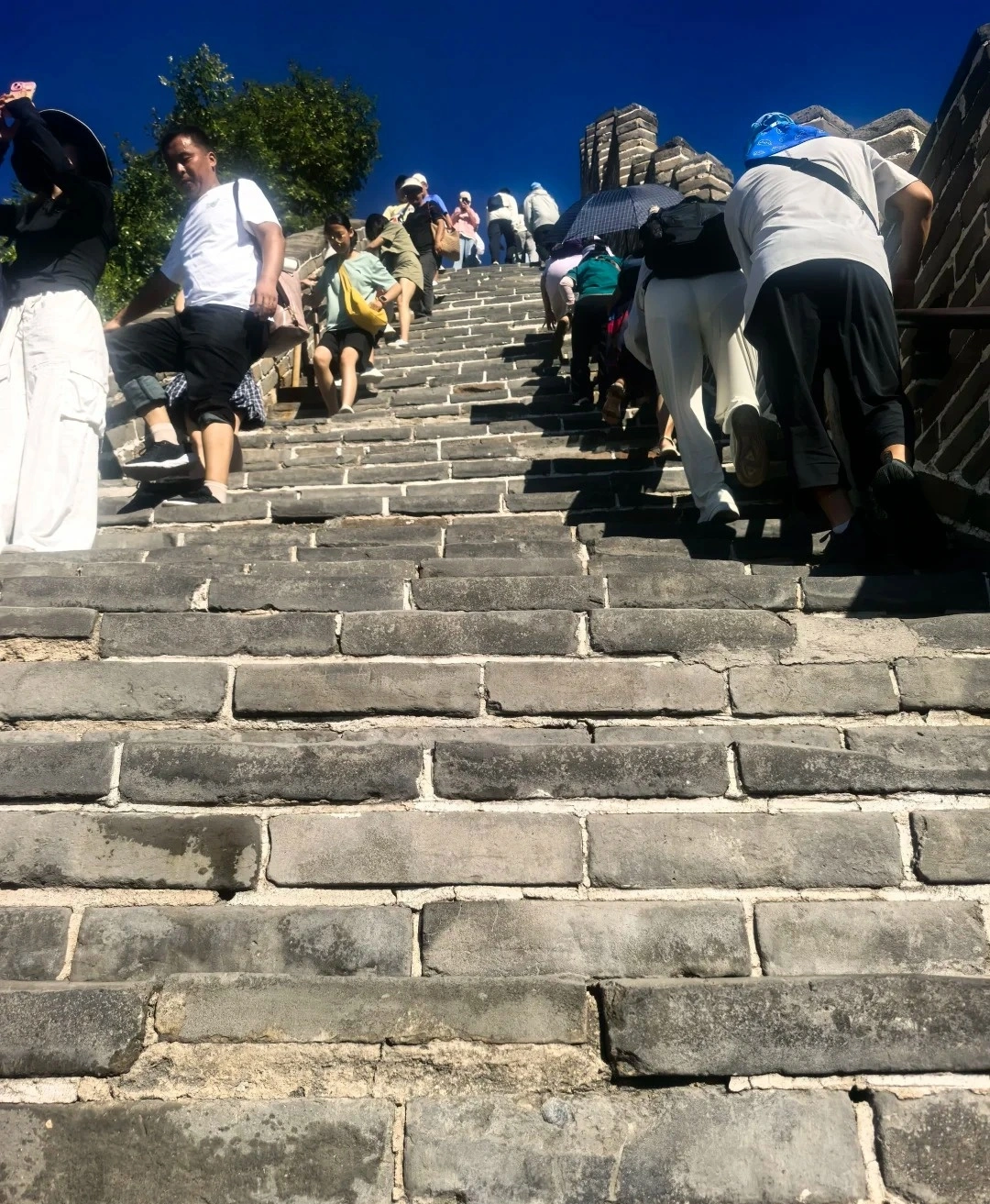
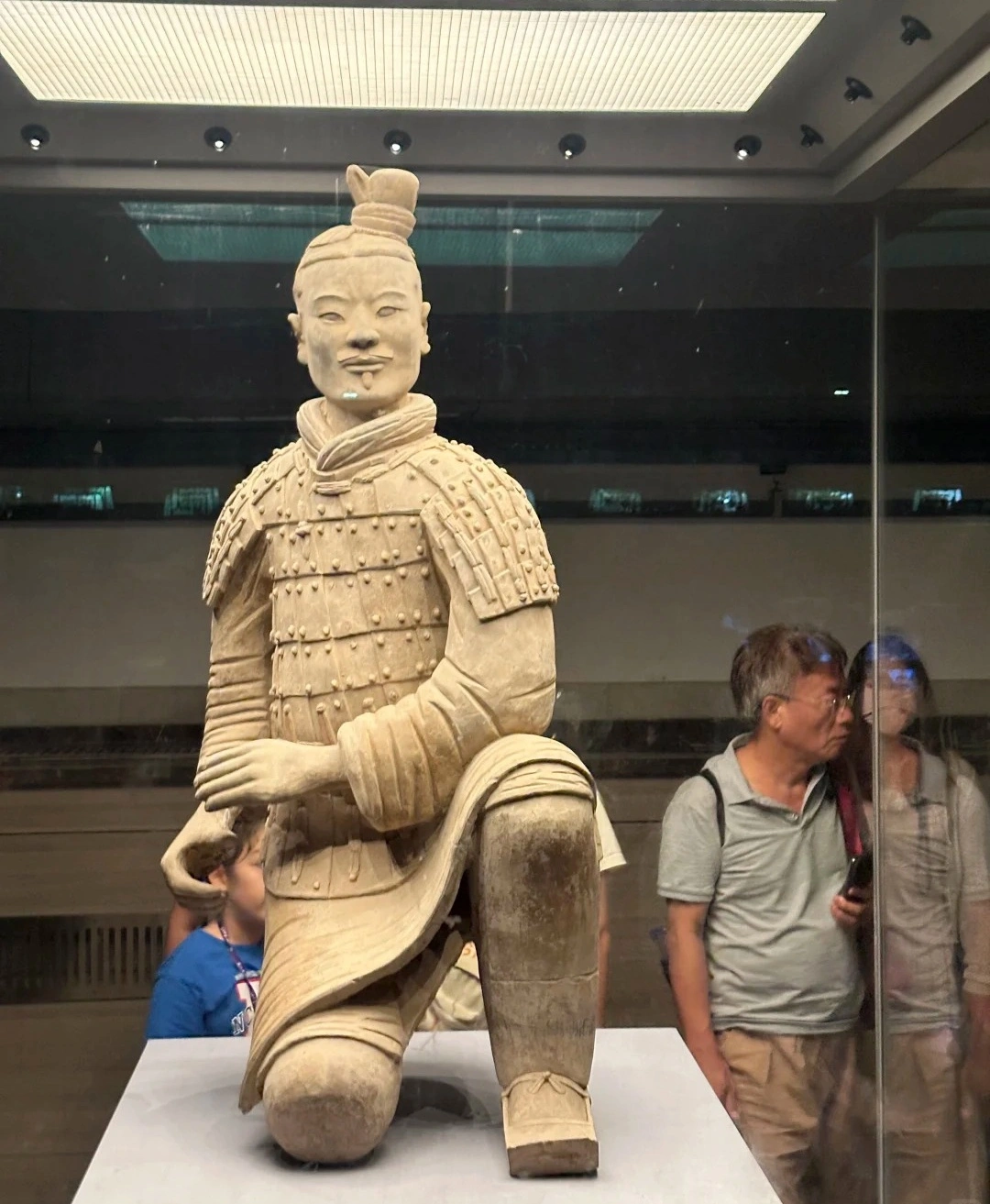
As a solo traveler from Canada, I was nervous about navigating China alone—but this 11-day tour was PERFECT! From hiking the Great Wall at sunrise (Day 3) to gasping at the Terracotta Army (Day 5), every day delivered ‘pinch-me’ moments. The real showstopper? Zhangjiajie’s Avatar Mountains (Day 7)! Our guide made the stone pillars come alive with stories.
Massive thanks for handling all logistics—bullet train tickets, entry passes, car! And the 4-star hotels surprised me.
Destination(s):
Beijing Xian Zhangjiajie Shanghai
Date of
Experience:
June 02,2025

Simon
America
Reviewed on May 29,2025
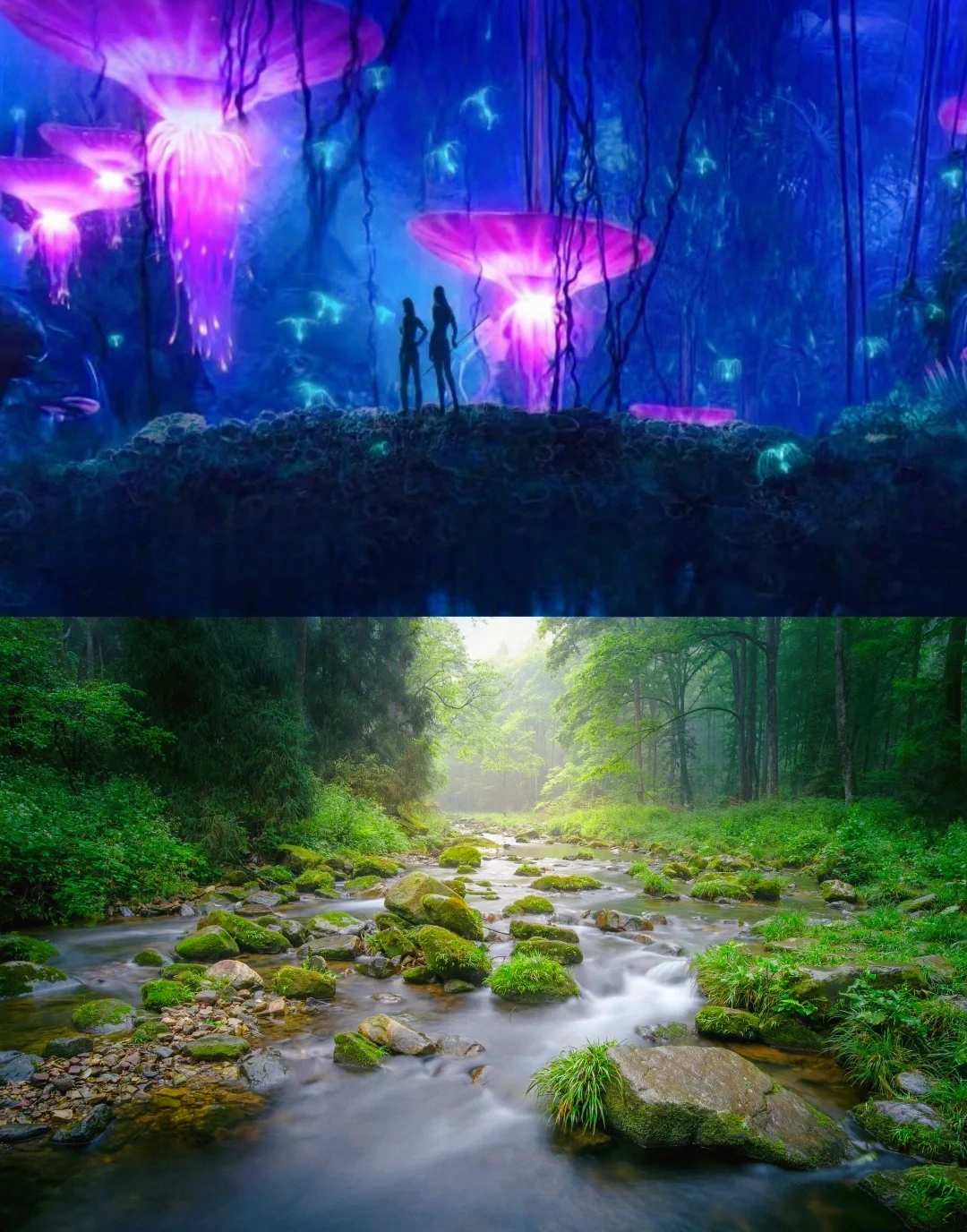
Our 2-day Zhangjiajie tour was beyond spectacular! As someone who’s visited Beijing and Shanghai for work, this trip revealed China’s wild, magical heart. Day 1 in Zhangjiajie National Forest Park felt like stepping onto Pandora—I’m a huge Avatar fan, and Yuanjiajie’s floating peaks left me breathless. The misty pillars and lush valleys like pure movie magic!
Then came Fenghuang Ancient Town, we eat dinner beside the thundering waterfall. It seems Unreal! The night views of stilt houses glowing over the river were straight from a fairy tale.
For fellow Avatar lovers and adventure seekers: Don’t miss this bucket-list experience! 10/10 would return.
A Well-Traveled Film Buff, May 2025
Destination(s):
Zhangjiajie
Date of
Experience:
May 08,2025