
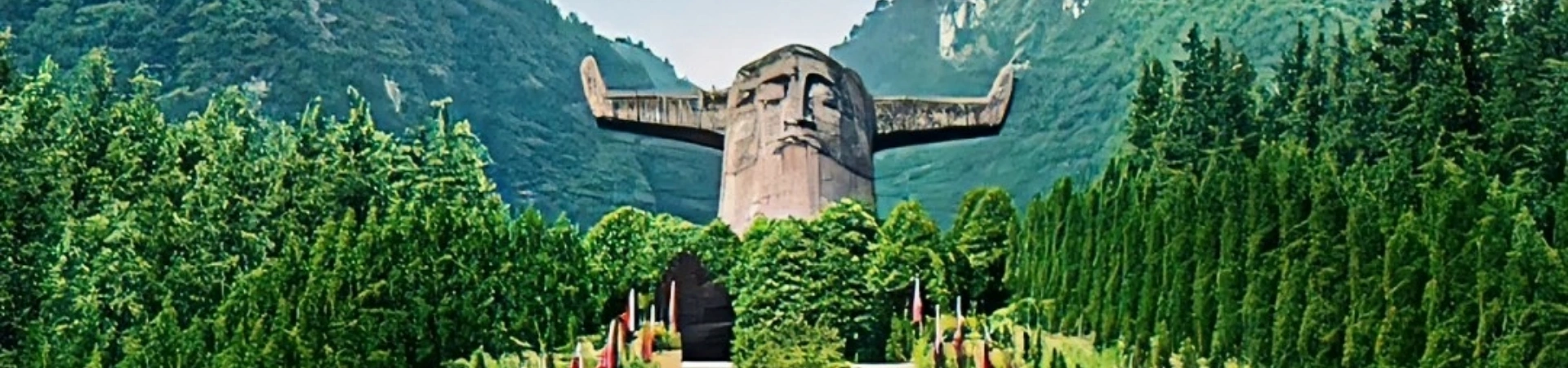
Shennongjia National Park
Please note: This attraction prohibits foreign nationals from entering
Historical Overview
- Establishment (1970): Founded as the Shennongjia Forestry District to protect its unique ecosystems.
- UNESCO Recognition (2016): Inscribed as a World Natural Heritage Site for its exceptional biodiversity and geological significance.
- 2025 Conservation Initiatives: Strengthened ecological monitoring through partnerships with universities and implementation of a "ecological red line" policy to limit tourist impact.
- Cultural Heritage: Linked to the legendary figure Shennong (Divine Farmer), credited with introducing agriculture to ancient China.
Structural Layout
The park comprises two core zones:
- Western Shennongding-Badong Area: Dominated by Shennongding Peak (3,106 meters), the highest point in central China, featuring primeval forests and alpine meadows.
- Eastern Laojunshan Area: Known for its karst landscapes, including the Dajiuhu Wetland, a Ramsar-listed peat bog with 9 wetland types.
Key ecological features:
- Subtropical Forests: Home to 1,300 golden monkeys, the world’s largest population under Class I protection.
- Geological Marvels: Exposes nearly all Phanerozoic strata, with fossil sites dating to the Cambrian Period.
Major Attractions
- Shennongding Peak: Hike through ancient forests to reach China’s "Roof of Central China," offering panoramic views of cloud seas.
- Dajiuhu Wetland: A 9-square-kilometer high-altitude marshland hosting migratory birds like white-naped cranes and far eastern curlews.
- Golden Monkey Reserve: Observe wild golden monkeys in their natural habitat (best viewed morning/late afternoon).
- Shennongtan (Shennong Altar): A cultural complex blending Tujia ethnic architecture with exhibits on the park’s ecological significance.
- Guangmu Valley: A 15-km-long canyon with waterfalls, limestone caves, and rare plants like the Shennongjia clematis.
Suggested Itineraries
-
Classic Half-Day Route:
Muyu Town → Shennongtan → Dajiuhu Wetland → Return to Muyu
Highlights: Wetland ecology, cultural exhibits, and moderate hiking. -
Full-Day Adventure Route:
Muyu Town → Shennongding Peak Base → 2-hour hike to Shennongding Observatory → Descend via Guangmu Valley → Dajiuhu Wetland → Exit
Highlights: Summit views, ancient forests, and valley exploration. -
Two-Day Eco-Tour:
Day 1: Arrive in Muyu → Shennongtan → Night stay in eco-lodge.
Day 2: Early hike to Shennongding Peak → Visit Golden Monkey Reserve → Dajiuhu Wetland sunset tour.
Highlights: Immersive wildlife encounters and stargazing.
Ticket Purchase
- Entrance Fees (2025):
- Peak Season (Apr–Oct): ¥130 (adults), ¥65 (students/seniors).
- Off-Season (Nov–Mar): ¥110 (adults), ¥55 (students/seniors).
- Free entry for Hubei college students (Dec 20, 2024–Mar 1, 2025, excluding Spring Festival).
- Online Booking: Available via WeChat mini-program “神农架国家公园” (up to 7 days in advance).
- On-Site Tickets: Limited availability; queues average 30 minutes during holidays.
Transportation
- From Wuhan:
- Flight: Wuhan Tianhe Airport → Shennongjia Hongping Airport (1.5 hours), then taxi to Muyu Town (40 mins).
- High-Speed Rail: Wuhan → Xiangyang (2 hours), transfer to bus to Muyu (3 hours).
- From Yichang:
- Bus: Yichang Long-Distance Bus Station → Muyu Town (4 hours, ¥120).
- Self-Drive: Wuhan → Shennongjia via G42 Expressway (5 hours).
Best Time & Tips
- Optimal Seasons: April–June (wildflower blooms), September–October (autumn foliage).
- Winter Special (2024–2025): Free student entry; “buy 3, get 1 free” ski passes at Shennongjia International Ski Resort.
- Essentials:
- Waterproof hiking boots (trails can be muddy).
- Insect repellent (mosquitoes prevalent in wetlands).
- Binoculars for wildlife spotting.
- Prohibited Items: Drones, loudspeakers, and picking plants.
- Eco-Tip: Participate in the park’s “Leave No Trace” campaign by carrying reusable water bottles.


Contact Us
What Our Clients Say?




Ask us before you decide.
Unsure about a route, departure date or room option? Tell us what is holding up your plans. You will get a clear answer from our China-based travel team—no booking required.