Chongqing People's Auditorium: A Monumental Fusion of Ming-Qing Grandeur and Modern Civic Spirit

Chongqing People's Auditorium: A Monumental Fusion of Ming-Qing Grandeur and Modern Civic Spirit

Overview: A 20th-Century Architectural Icon

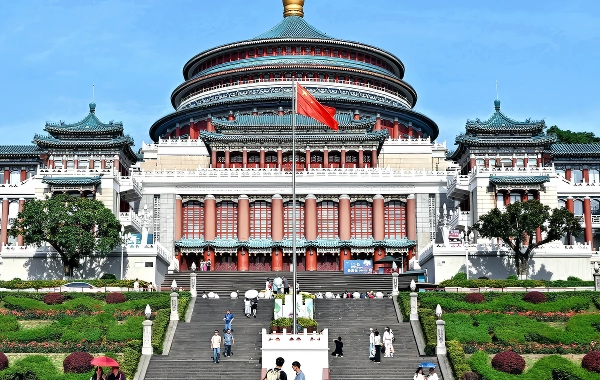
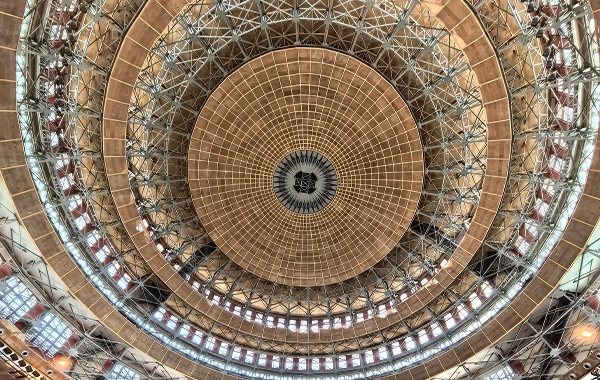
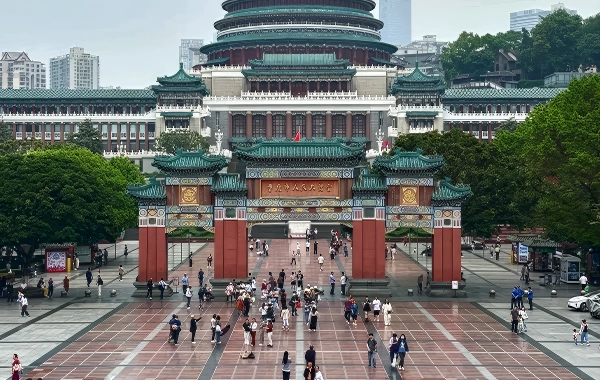
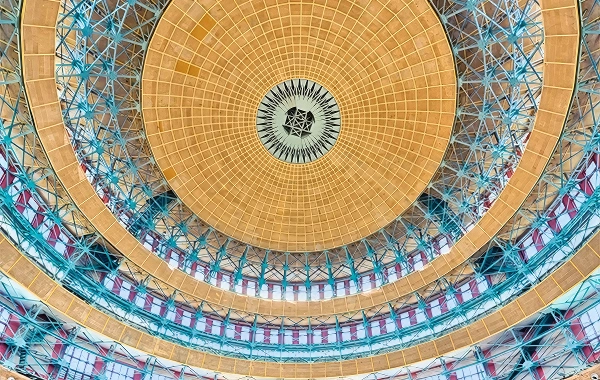
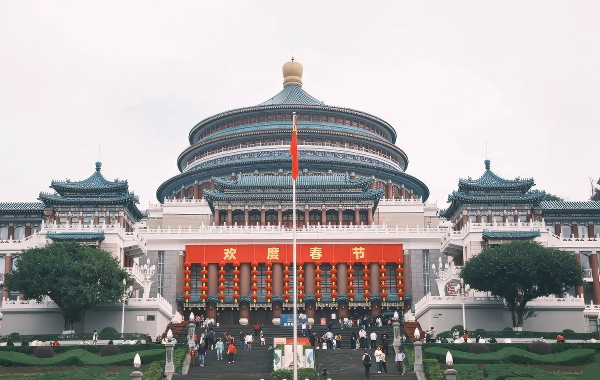
Chongqing People's Auditorium, in Yuzhong District, is a national 20th-Century Architectural Heritage site (listed 2016). Completed in 1954, it blends Ming-Qing palace style with modern engineering — featuring a column-free circular hall crowned by a 280-ton steel lattice dome. Set within the 42,000 m² People's Square, it remains a living civic stage for ceremonies and daily Tai Chi.

Key Highlights at a Glance

Identity Tags: National 20th-Century Heritage / Ming-Qing Revival / Civic Landmark

Core Experiences: 3,388-seat domed auditorium, double-eave rooflines, People's Square, adjacent Three Gorges Museum

Visit Duration: Half day; full day with Three Gorges Museum + Hongya Cave

Address: 173 Renmin Road, Yuzhong District, Chongqing, China

  • Chongqing People's Auditorium: A Monumental Fusion of Ming-Qing Grandeur and Modern Civic Spirit-1
  • Chongqing People's Auditorium: A Monumental Fusion of Ming-Qing Grandeur and Modern Civic Spirit-2
  • Chongqing People's Auditorium: A Monumental Fusion of Ming-Qing Grandeur and Modern Civic Spirit-3
  • Chongqing People's Auditorium: A Monumental Fusion of Ming-Qing Grandeur and Modern Civic Spirit-4

Origins: From Southwest Administration to People's Icon — A Monument Born of a New China

Furong Ancient Town

The Auditorium's Name — A Reflection of a City's Evolving Identity

The building initially opened as the Southwest Administrative Committee Auditorium in 1954, serving as the political and cultural heart of postwar southwestern China. In 1956, it was renamed Chongqing People's Auditorium, signaling its transformation from a government hall into a shared civic monument. The name "People's" endures as a testament to the building's democratic spirit — a place where citizens gather for national celebrations, performances, and everyday leisure on the adjacent square.

A Feat of Ambition — From Blueprint to Skyline in Three Years

Construction began in June 1951, mobilizing over 1,000 workers in a remarkable display of postwar determination. Inspired by the Temple of Heaven in Beijing and traditional Ming-Qing palatial architecture, the design adapted imperial grandeur to a modern, multipurpose civic venue. The centerpiece — a 55-meter-high, 46-meter-diameter circular hall without a single central pillar — was an engineering marvel of its era, achieved through a pioneering steel net ceiling structure. The complex was completed in 1954, comprising four interconnected sections: the main auditorium, east wing, south wing, and north wing.

Dive Deeper: Explore more 20th-Century Architectural Heritage sites in Chongqing >> [Dongshuimen City Wall Ruins]

Must-See Wonders: Monumental Architecture and Living Culture

Furong Ancient Town Furong Ancient Town Furong Ancient Town Furong Ancient Town

Nature's Handiwork — The Main Auditorium

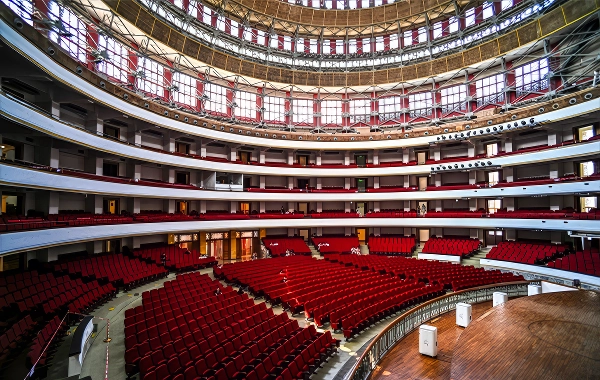
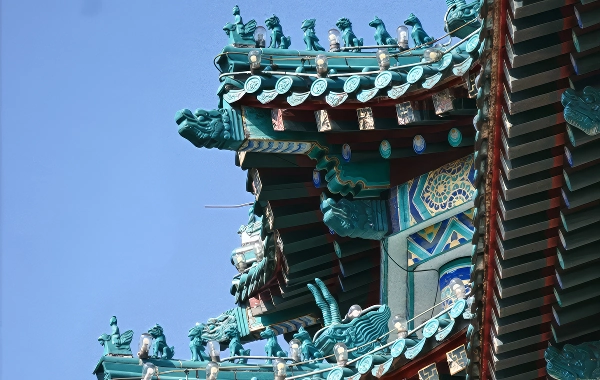
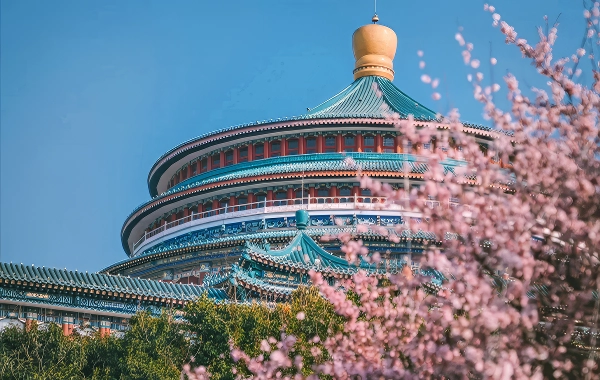
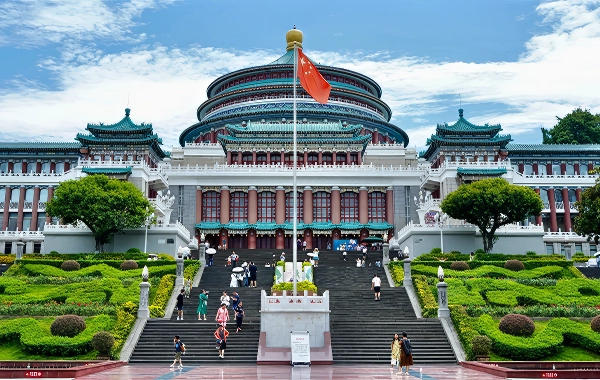
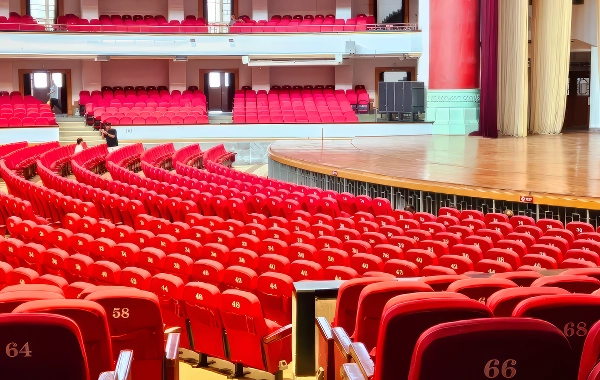
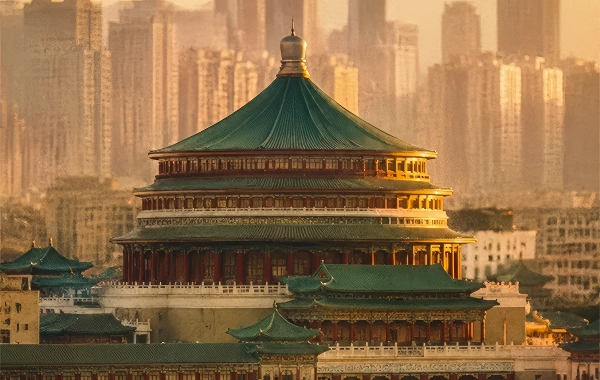
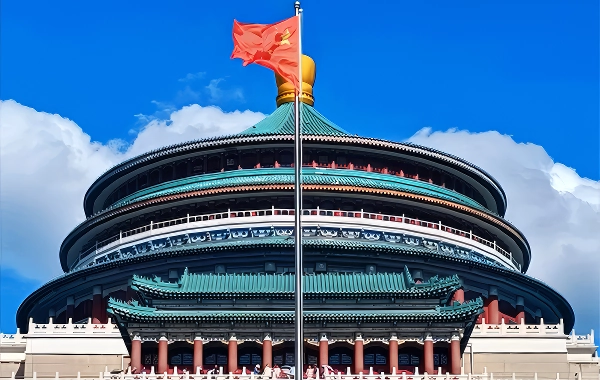
The heart of the complex is the main auditorium, soaring 55 meters high with a vast 46-meter-diameter interior hall. Its most breathtaking feature is the absence of central pillars — a column-free space supported entirely by a steel net ceiling, accommodating 3,388 seats arranged in three circular tiers. The hall features a rotating stage and luxury seating, blending classical elegance with performance functionality. The exterior is crowned by a monumental double-eave roof in the Ming-Qing imperial style, its green glazed tiles shimmering against Chongqing's skyline.

The Steel Lattice Dome — 280 Tons Suspended in Air

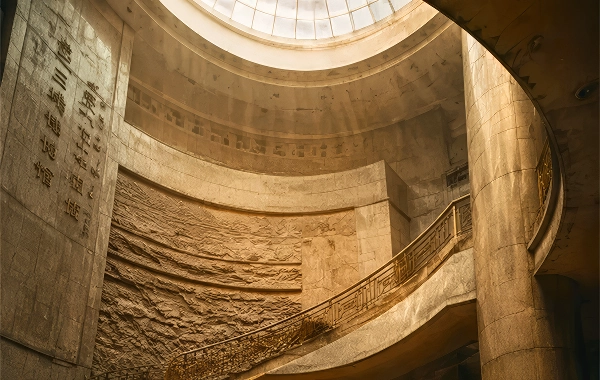
Arguably the auditorium's greatest engineering achievement is its enormous steel lattice framework dome, weighing approximately 280 tons. This intricate web of steel — inspired by the ribbed domes of classical Chinese architecture — appears to float above the hall without visible support, creating an awe-inspiring sense of openness. Phoenix carvings, lotus motifs, and other decorative elements adorn the dome's interior, merging structural necessity with artistic expression.

People's Square — The Beating Heart of Civic Life

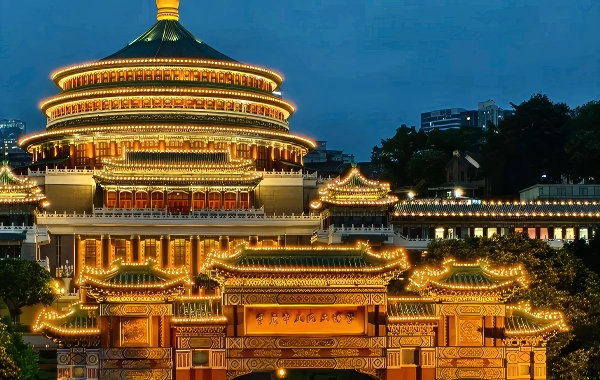
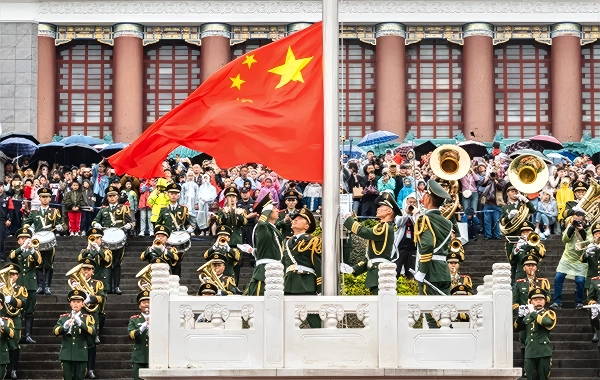
Surrounding the auditorium, the 42,000-square-meter People's Square is a cultural universe in its own right. By day, it hosts Tai Chi practitioners, dancers, and families; by night, fountains and lighting displays transform it into a luminous urban stage. White marble railings, carved beams, and ornamental gardens frame the square, echoing the Ming-Qing aesthetic of the main building. The square has witnessed history — from the 1997 ceremony celebrating Chongqing's elevation to a direct-controlled municipality to countless National Day flag-raising ceremonies.

Three Gorges Museum — Archaeology and Art Across the Plaza

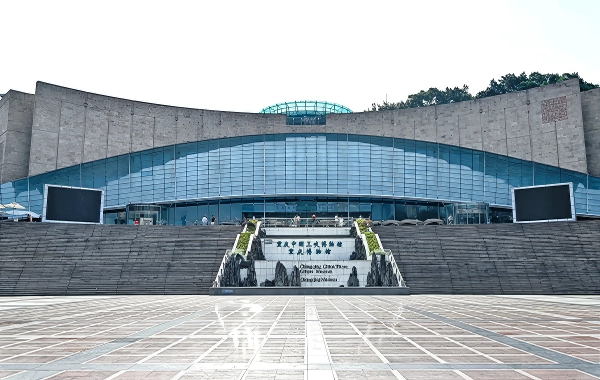
Directly facing the auditorium across People's Square, the Three Gorges Museum offers a complementary cultural journey. Its collections showcase archaeological finds from the Yangtze River region, including artifacts rescued during the Three Gorges Dam project. The museum's architecture echoes the auditorium's grandeur, creating a harmonious cultural axis that anchors the entire district.

Photography Tips:

The best exterior shots of the auditorium can be captured from the far end of People's Square during golden hour (one hour before sunset), when the green glazed roof glows against the warm sky.

For the dome interior, use a wide-angle lens and position yourself in the center of the auditorium floor — look straight up to capture the full radial symmetry of the steel lattice.

Night photography yields spectacular results: the square's fountain lighting displays illuminate the auditorium's facade dramatically. Bring a tripod for long exposures.

Flash photography is not permitted inside the auditorium to preserve the atmosphere of performances and protect interior finishes.

Core Experience: An Immersive Journey into Civic and Architectural Heritage

Furong Ancient Town Furong Ancient Town Furong Ancient Town Furong Ancient Town Furong Ancient Town

Five Must-Do Activities to Unlock the Complete Chongqing People's Auditorium Experience

1. Stand in the Center of the Column-Free Dome

How to Experience: Walk to the exact center of the main auditorium floor and look directly upward. The absence of supporting columns means the entire 46-meter dome — all 280 tons of steel — appears to hover above you. Circle slowly to appreciate how the three seating tiers recede in concentric rings. On performance days, arrive early to experience the dome's extraordinary acoustics, enhanced during the 2007 renovations.

The Secret: The acoustics are best tested with a soft clap — the sound reverberates evenly in all directions thanks to the circular geometry. The 2007 upgrade introduced modern sound-dampening materials subtly integrated behind the traditional finishes.

2. Trace History Through Key Ceremonial Dates

The Experience: Find the commemorative plaques near the main entrance that mark milestone events: the 1949 founding ceremony of Chongqing Municipality, the 1997 celebration of Chongqing's designation as a direct-controlled municipality, and the annual National Day flag-raising ceremonies. Each date represents a chapter in the city's transformation from wartime capital to global megacity. Join the flag-raising ceremony on October 1st if your visit coincides — it is Chongqing's most patriotic civic ritual.

The Secret: Visit on a Monday? The auditorium is closed for maintenance, but People's Square remains open and uncrowded — perfect for unobstructed exterior photography.

3. Join the Morning Rhythms of People's Square

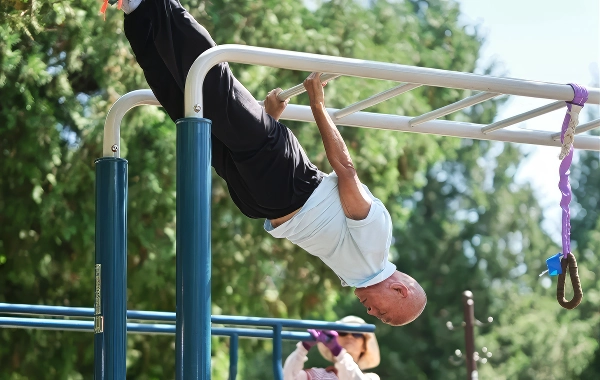
The Experience: Arrive before 9:00 AM, when local residents gather on the square for Tai Chi, fan dancing, and morning exercises. This is not a performance for tourists — it is authentic, unscripted Chongqing life. Find a spot on the white marble railings, observe the fluid motions against the monumental backdrop of the auditorium, and feel the pulse of the city. If you're bold, join a Tai Chi group — locals are often welcoming to curious visitors.

The Secret: The best Tai Chi groups gather on the eastern side of the square, where the morning light filters through the gardens. Bring comfortable shoes and loose clothing if you plan to participate.

4. Decode the Ming-Qing Architectural Language

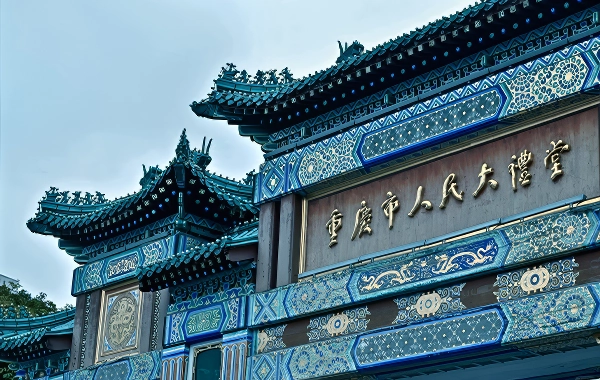
The Experience: Walk the perimeter of the auditorium and identify the key elements of Ming-Qing palatial design: the double-eave roof (a mark of high status), the white marble balustrades (symbolizing purity and permanence), the carved beams and brackets (dougong), and the axial symmetry that aligns the auditorium with the museum and square. These elements were deliberately chosen to evoke China's imperial architectural golden age while serving a modern, democratic function.

The Secret: Look for the subtle differences in roof ornamentation between the main hall and the side wings — the main hall's ridge features more elaborate beast finials, indicating its ceremonial primacy.

5. Cross the Plaza to the Three Gorges Museum

The Experience: After the auditorium, walk directly across People's Square to the Three Gorges Museum. The museum's Phoenix carvings and lotus motifs echo the decorative vocabulary of the auditorium's dome. Inside, trace the 5,000-year history of the Yangtze River basin, from Neolithic artifacts to the monumental engineering of the Three Gorges Dam. The museum provides the deeper historical context that makes the auditorium's story — a symbol of modern Chongqing — even more resonant.

The Secret: The museum offers free admission. The best gallery for connecting to the auditorium experience is the "Urban Development of Chongqing" hall on the third floor, which features historical photographs of the auditorium's construction.

Suggested Itineraries

Half-Day "Architecture & Civic Life" Tour (Ideal for those on a tight schedule):

8:30 AM: Arrive at People's Square → Observe morning Tai Chi and dancing on the square, photograph the auditorium's exterior in soft morning light (30 min) → Enter the Main Auditorium: stand beneath the dome, explore the three-tiered seating, and visit the rotating stage area (45 min) → Walk the exterior colonnades to appreciate Ming-Qing roof details and carvings (20 min) → Cross to the Three Gorges Museum for a quick tour of highlights (45 min) → Depart by 11:00 AM.

IntoTravelChina Tip: This itinerary moves quickly; we recommend purchasing tickets online via the Chongqing People's Auditorium WeChat mini-program in advance to skip the queue, especially on weekends.

Full-Day "Monuments & Mountain City Magic" In-Depth Tour (Highly Recommended):

Morning: Arrive at People's Square. Begin with the Main Auditorium — take your time exploring the dome interior, the east and south wings converted into exhibition spaces and hotels, and the north wing's historical displays (1.5 hours) → Cross to the Three Gorges Museum for an in-depth visit, focusing on the archaeology and urban development galleries (2 hours).

Noon: Enjoy a classic Chongqing lunch near the square — try spicy Chongqing noodles (xiaomian) or hot pot at one of the local restaurants along Renmin Road.

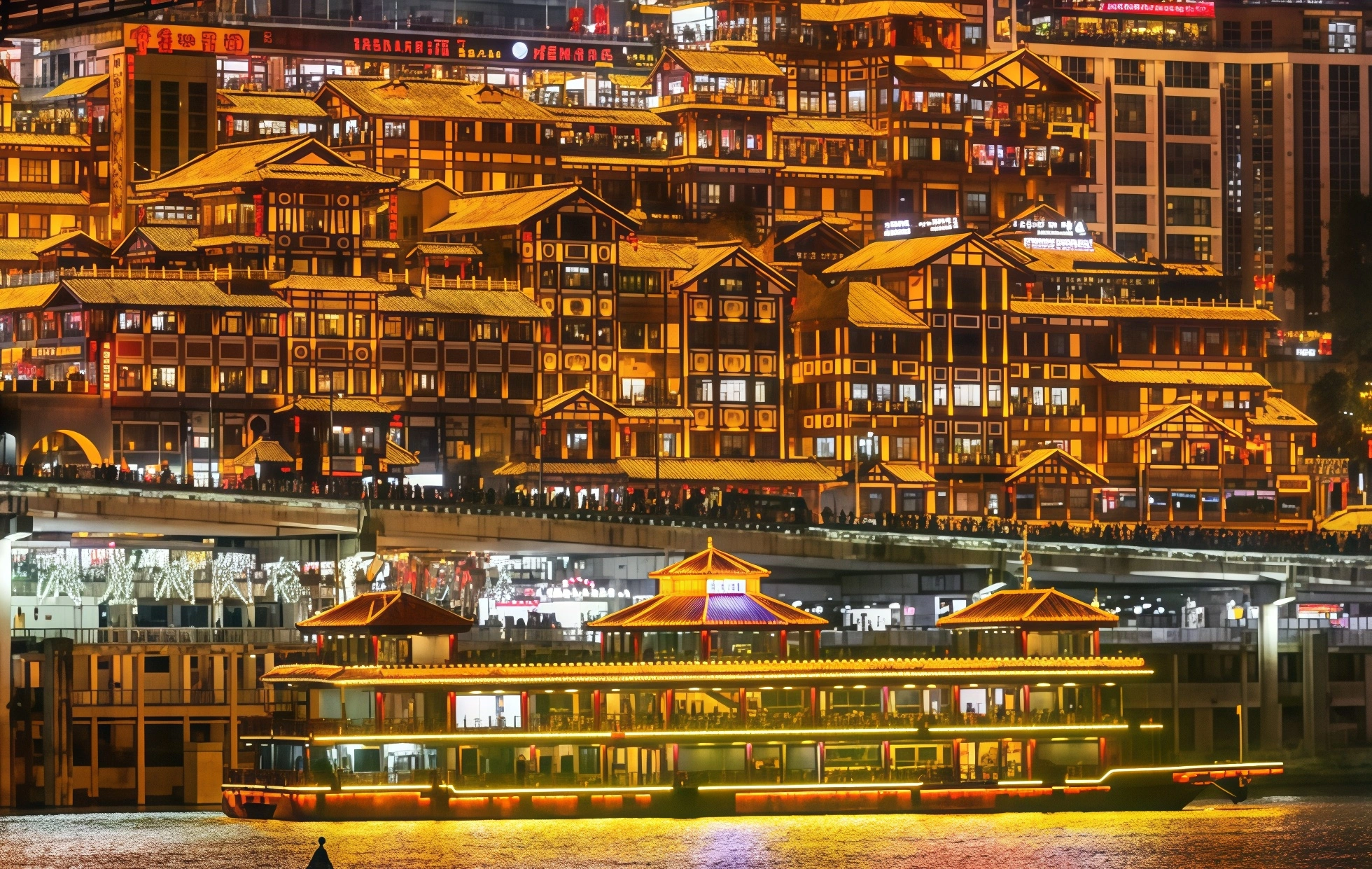
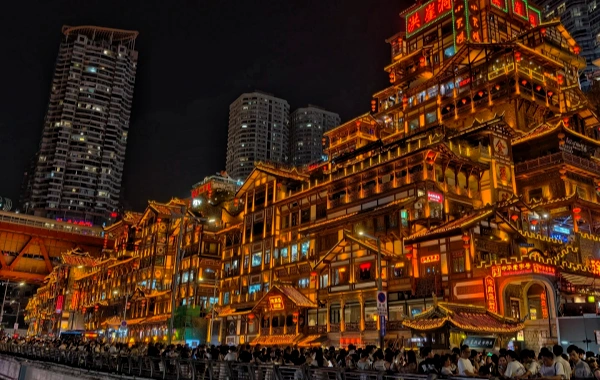
Afternoon: Walk or take a short taxi to Hongya Cave (15 minutes), the iconic stilted-house complex overlooking the Jialing River, for panoramic city views and souvenir shopping (1.5 hours) → Continue to the Jiefangbei CBD for a glimpse of Chongqing's modern skyline (30 min).

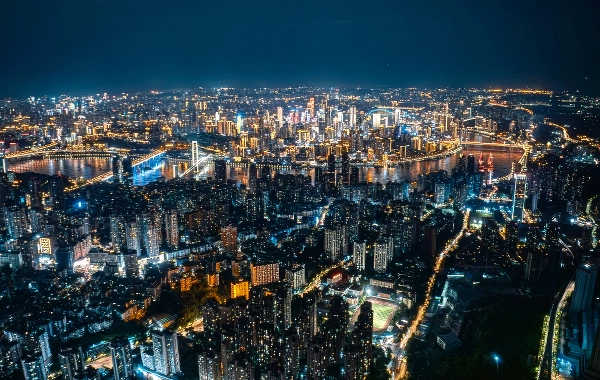
Evening: Return to People's Square for the spectacular nighttime fountain and lighting display. The illuminated auditorium dome against the dark sky is the quintessential Chongqing photo opportunity. Dinner at a nearby restaurant with views of the square.

IntoTravelChina Advantage: We can arrange a private car and bilingual guide for the full day, plus skip-the-line access for the Three Gorges Museum's special exhibitions. >> [Consult for Customization Now]

Comprehensive Travel Guide: Transportation, Tickets, and Best Seasons

Furong Ancient Town Furong Ancient Town Furong Ancient Town Furong Ancient Town Furong Ancient Town Furong Ancient Town Furong Ancient Town Furong Ancient Town

How to Get There: A Seamless Connection Guide

Chongqing People's Auditorium is located at 173 Renmin Road in the Yuzhong District, Chongqing's central urban core.

By Subway (Recommended): Take Line 10 to Dali Tang Station (大礼堂站), use Exit 4 — the auditorium is directly ahead. Alternatively, take Line 2 to Daxi Gou Station (大溪沟站), Exit A, and walk approximately 10 minutes through the pleasant tree-lined streets of Yuzhong District.

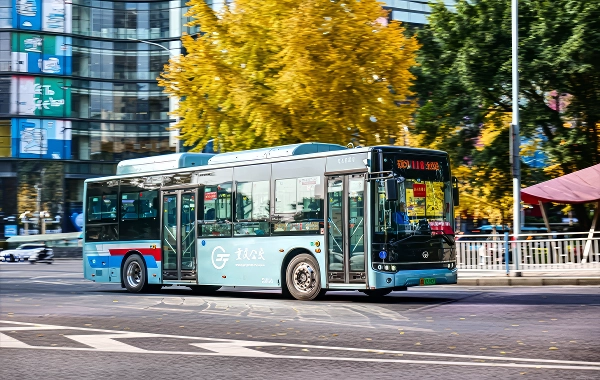
By Bus: Routes 145, 181, 262, and 322 all stop at Dali Tang Station, within a short walk of the auditorium entrance. Buses run frequently from 6:00 AM to 10:00 PM.

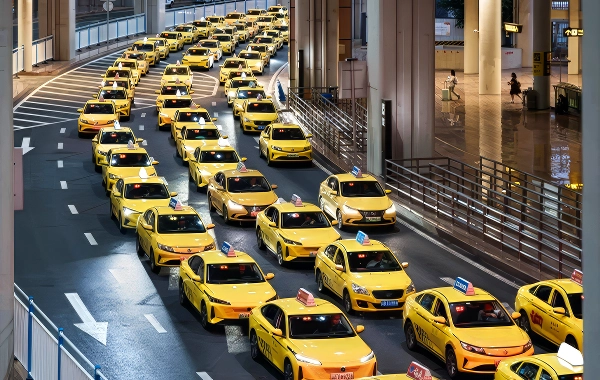
By Car / Taxi: From any point in central Chongqing, a taxi to the People's Auditorium costs approximately ¥15–35. Parking is available at People's Square Garage, but spaces fill quickly during peak hours (10:00–16:00). Ride-hailing services (Didi) are widely available and often more convenient than finding parking.

Local Access: Chongqing's unique topography means walking distances can be deceptive — what looks like a short stroll on the map may involve steep staircases. The area around the auditorium is relatively flat by Chongqing standards, making it one of the city's most walkable cultural zones.

Important Return Travel Reminder: The auditorium's opening hours are 8:00 AM – 6:00 PM (last entry at 5:30 PM). The venue is closed on Mondays for maintenance. People's Square remains open to the public at all hours and is particularly atmospheric in the evening. Subway Line 10 runs until approximately 11:00 PM; taxis are readily available throughout the evening.

Ticket Information

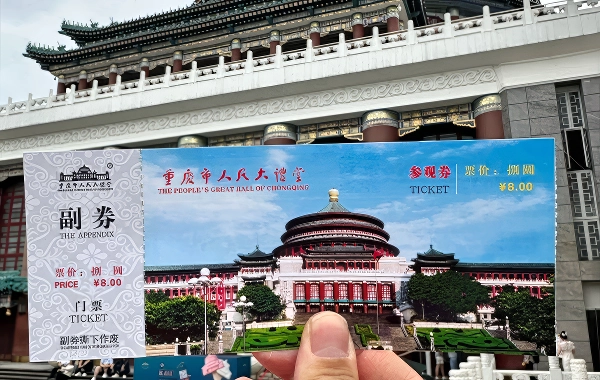
Admission: Adult tickets cost ¥8; students and seniors (over 60) pay ¥4. Entry is free for children under 1.2 meters, visitors with disabilities, and active military personnel. Advance booking is recommended via the Chongqing People's Auditorium WeChat mini-program, especially during national holidays (May Day, National Day, Spring Festival).

On-Site Purchase: Tickets can be purchased at the entrance gate, but queues may be long during peak seasons. The WeChat mini-program allows for instant digital tickets.

Guided Tours: Audio guides are available for rent at the information desk (approximately ¥20). For a more in-depth experience, IntoTravelChina can arrange a bilingual guide specializing in 20th-century Chinese architecture and Chongqing's urban history — request this when booking.

Free Access: People's Square, the exterior grounds, and the surrounding gardens are entirely free and open to the public. Only entry into the main auditorium hall requires a ticket. The Three Gorges Museum across the square is also free of charge.

Best Time to Visit

Chongqing People's Auditorium offers distinct experiences in each season, though the most pleasant visiting windows are spring and autumn.

Spring (April–May): Mild temperatures (18–28°C) and blooming gardens around People's Square. The soft, diffused spring light is ideal for photographing the green glazed roof. This is the peak domestic tourism season — book tickets in advance for May Day holiday (May 1–5).

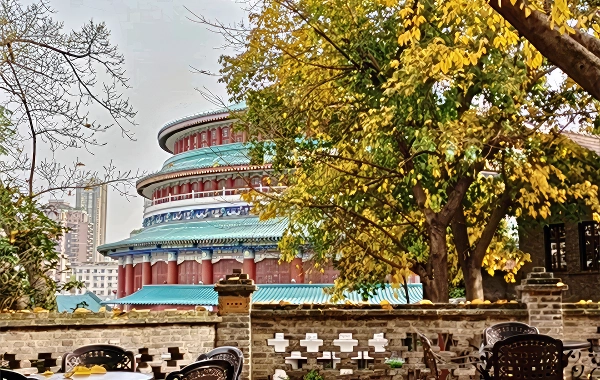
Autumn (September–October): Clear skies, crisp air, and comfortable temperatures (16–26°C). The National Day flag-raising ceremony on October 1st is the year's most spectacular event at the auditorium. Autumn foliage in the surrounding gardens adds warm colors to exterior photographs.

Summer (June–August): Hot and humid (up to 38°C), characteristic of Chongqing's famous "furnace" climate. Visit in the early morning (before 10:00 AM) or late afternoon (after 4:00 PM) to avoid peak heat. The auditorium interior is air-conditioned, providing a welcome respite.

Winter (November–March): Cool and often overcast (8–14°C), with fewer tourists. The auditorium is quiet and contemplative during these months. If you are lucky enough to catch Chongqing's rare clear winter days, the contrast of the green roof against a blue sky is stunning. The square remains lively with local activities regardless of the weather.

What to Pack & Cultural Etiquette

Clothing: Comfortable walking shoes are essential — Chongqing's hilly terrain means even a "short walk" can involve significant elevation changes. A full day exploring the auditorium, museum, and nearby attractions can easily exceed 20,000 steps. In spring and autumn, a light jacket is sufficient. In summer, bring sun protection (hat, sunscreen) and stay hydrated — water vendors are available on the square. In winter, a warm coat is recommended, as the open square can feel chilly.

Cultural Etiquette: Photography is permitted throughout the auditorium and square, but flash photography is prohibited inside the main hall to protect interior finishes and avoid disturbing other visitors. Drones and large bags are not permitted inside the auditorium complex — there are storage lockers near the entrance. Maintain a respectful volume inside the auditorium, especially if a rehearsal or performance is underway. When joining morning activities on People's Square, observe briefly before participating to understand local customs.

Local Customs: The National Day flag-raising ceremony (October 1st) is a deeply meaningful civic event — arrive by 6:30 AM to secure a good viewing spot. If visiting during the Lantern Festival (15th day of the first lunar month), the square often hosts special cultural performances and lantern displays.

Accommodation Options

In Yuzhong District (Near the Auditorium, Recommended):

Chongqing Guesthouse (Three-star standard): A comfortable option located within a 15-minute walk of the auditorium, with views of the Jialing River. Rooms start at ¥280/night. Ideal for travelers prioritizing proximity to the People's Auditorium and Three Gorges Museum.

Boutique Hotels near Jiefangbei: The Jiefangbei CBD area, a 10-minute taxi ride from the auditorium, offers numerous boutique hotels with Chongqing's distinctive mountain-city character. Rates range from ¥400–700/night. Many feature rooftop terraces with skyline views.

In the Broader Chongqing Metropolitan Area (More Choices):

International Chain Hotels (e.g., JW Marriott, InterContinental, Hyatt Regency): Starting from ¥600/night. Located in the Jiefangbei and Jiangbeizui business districts, these offer Western amenities, consistent service, and easy access to the auditorium via subway or taxi.

Riverside Hotels in Nanbin Road: Across the Yangtze River in Nan'an District, these hotels offer spectacular nighttime views of the Chongqing skyline. Rates: ¥500–1,200/night. The auditorium is approximately 20 minutes by taxi.

IntoTravelChina Accommodation Booking Tip: We recommend booking at least two weeks in advance during the National Day Golden Week (October 1–7) and Spring Festival. Through us, you can bundle your auditorium ticket, guided tour, and hotel for a package discount. Let us know your preferences — we will find your perfect "home in the Mountain City."

>> [Consult for Customization Now]

Extend Your Journey: A Cultural & Urban Loop Through Chongqing

Furong Ancient Town

Chongqing People's Auditorium is not an isolated landmark — it is the perfect starting point to explore the layered history and dynamic urban culture of China's largest megacity.

Classic 2-Day Chongqing Heritage Loop: Day 1: Shancheng Lane → White Elephant Street → Sutra Pavilion → White Elephant House → Huguang Guild Hall → Dongshuimen City Wall Ruins → Luohan Temple → Hongyadong Day 2: Yangtze River Ropeway → Eighteen Stairs → Jiefangbei → Eling No. 2 Factory → Liziba (light rail through the building) → Ciqikou

This route combines historic alleyways, riverside stilt houses, ancient guild halls, Buddhist temples, and modern marvels like the light-rail crossing a residential building and the Yangtze River cableway. >> [Consult for Customization Now]
Chongqing Urban Exploration Tour (3 days): Discover the city’s unique mountainous landscape and rich history—from the ancient alleys and stilt houses of Shancheng Alley and Baixiangju to the bustling Hongyadong at night. Ride the Yangtze River Ropeway, witness the iconic light rail passing through a residential building at Liziba, and explore cultural landmarks like Huguang Guild Hall, Luohan Temple, and the Eighteen Stairs. Experience the full spectrum of Chongqing’s blend of old-world charm, modern engineering marvels, and riverside city life. >> [Consult for Customization Now]
Partner with IntoTravelChina to Embark on Your Cultural Journey

Furong Ancient Town

The story of Chongqing People's Auditorium is one of architectural ambition, civic pride, and the enduring spirit of a city that has risen from wartime resilience to global prominence. IntoTravelChina specializes in crafting in-depth, personalized, and hassle-free travel experiences across China.

Our travel experts can assist you by:

Tailoring Your Itinerary: Designing the perfect route — including the People's Auditorium, Three Gorges Museum, Hongya Cave, and beyond — based on your specific interests and available time.

Providing One-Stop Service: Handling all arrangements, including skip-the-line tickets, unique accommodations, transportation transfers, local guides, and even Chongqing hot pot dining experiences or river cruise bookings.

Exclusive Experiences: We arrange expert-led architectural tours of the auditorium, after-hours photography access (upon request), and visits to nearby hidden gems — such as the historic streets of the old diplomatic quarter — that most tourists miss.

Transform your visit to Chongqing People's Auditorium from a simple sightseeing stop into a truly immersive journey through one of China's most fascinating and fastest-changing cities.

Start Planning Your Journey Now

We invite you to contact our professional travel consultants; we will provide you with a personalized itinerary proposal and price quote within 24 hours. >> [Consult for Customization Now]
What Our Clients Say?

Based on 10,000+ traveler reviews

...
Daniel Dorothea
Canada
Reviewed on April 29,2025
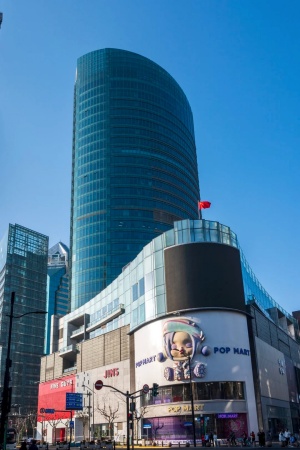
Shopping on Nanjing Road in Shanghai was just amazing! It's truly the "First Commercial Street of China", where tradition and modernity blend perfectly. You can find awesome souvenirs and experience the trendy vibes in cool stores. The neon lights at night are just spectacular, shining bright like Times Square in New York. The food here is incredible too. I had a feast for my taste buds. Shanghai, I'll definitely be back!
Destination(s): Shanghai
Date of Experience: May 08,2024
...
...
Elvis Eva
Canada
Reviewed on June 20,2025
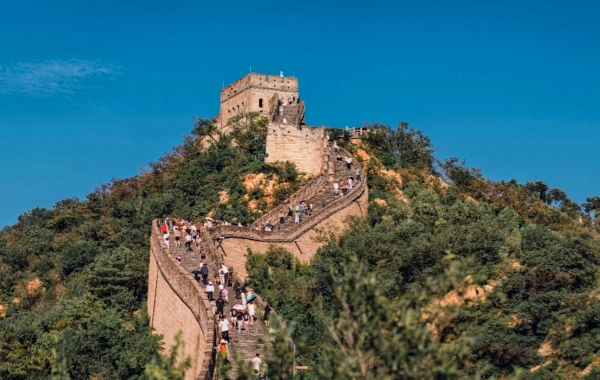
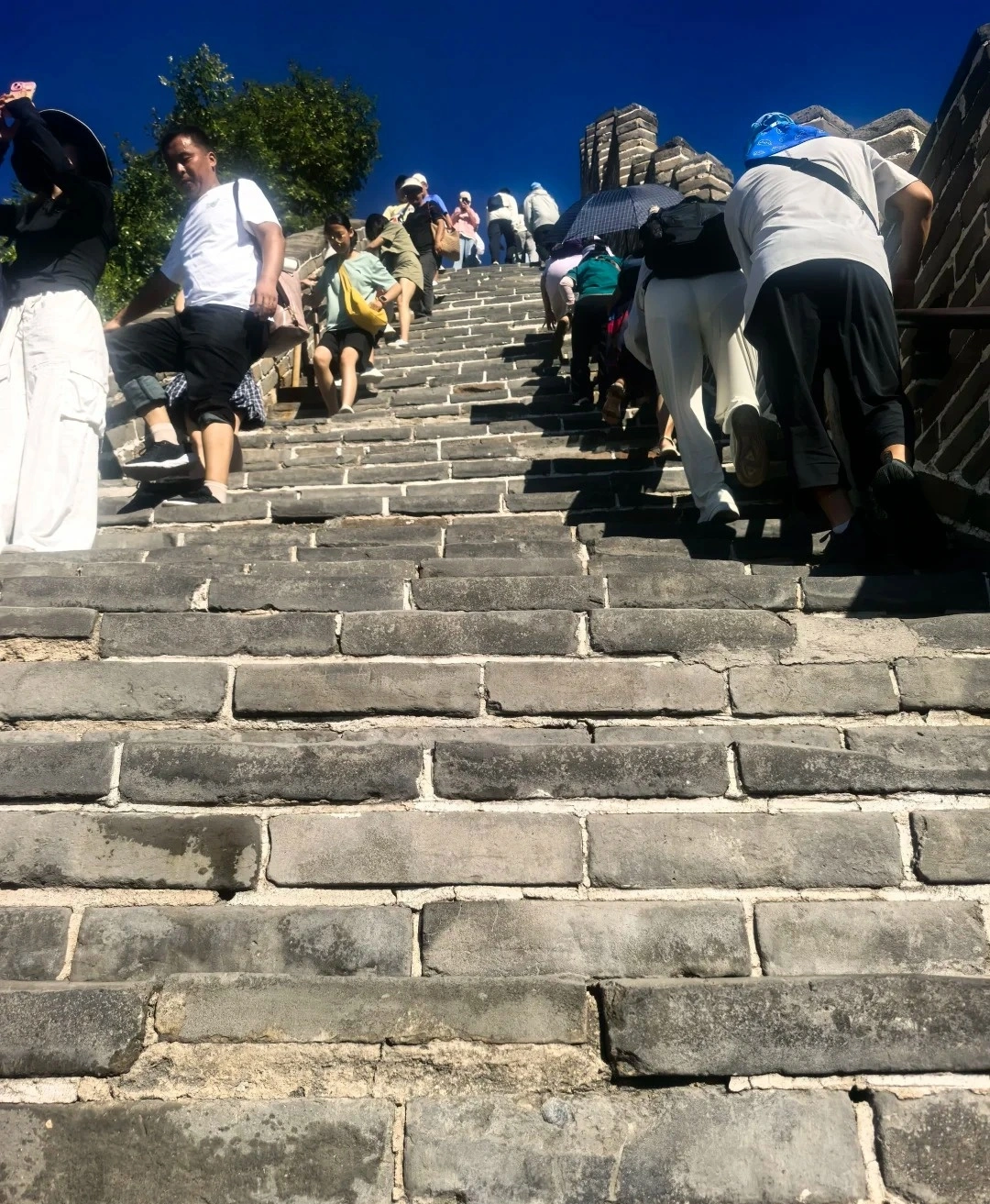
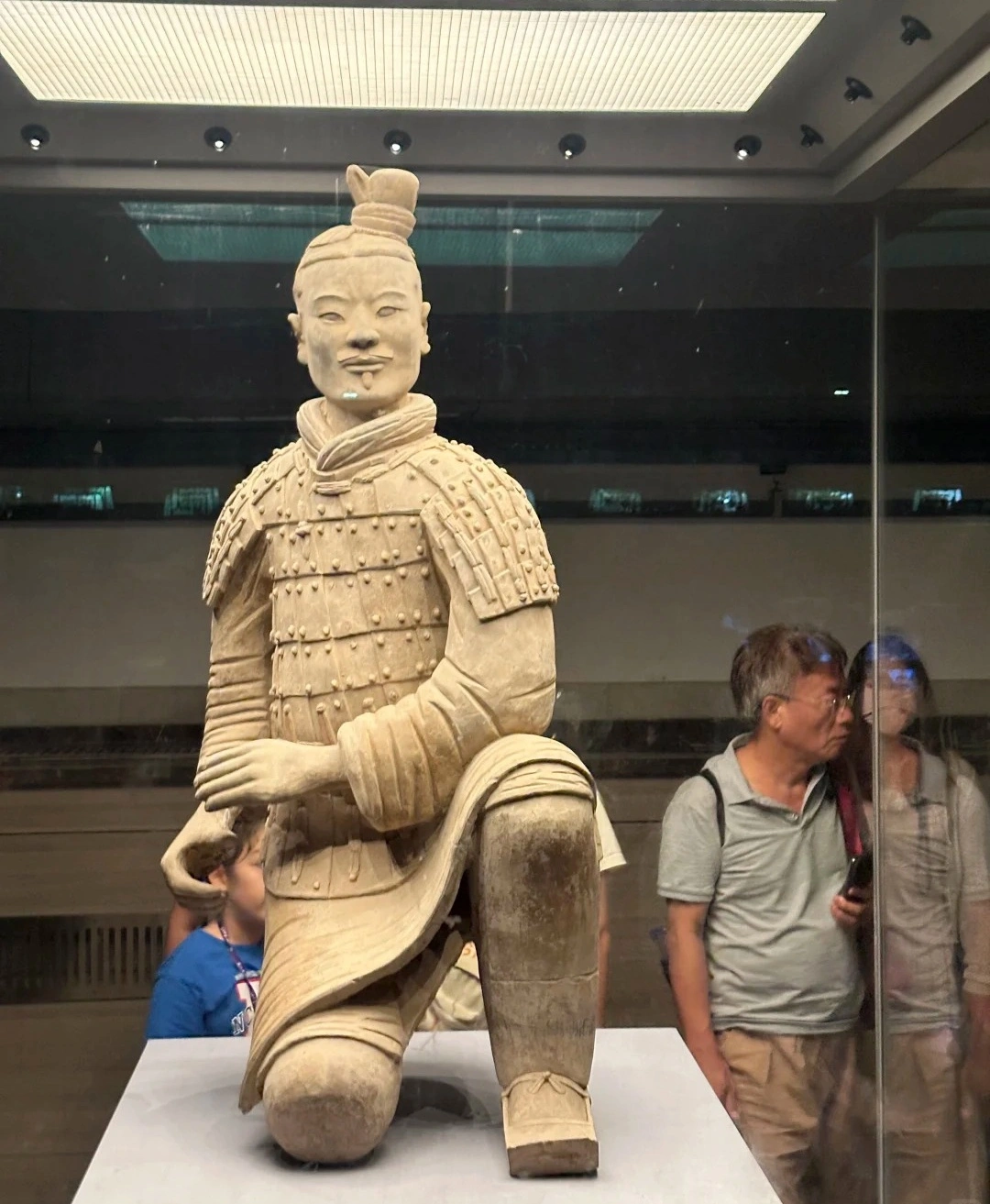
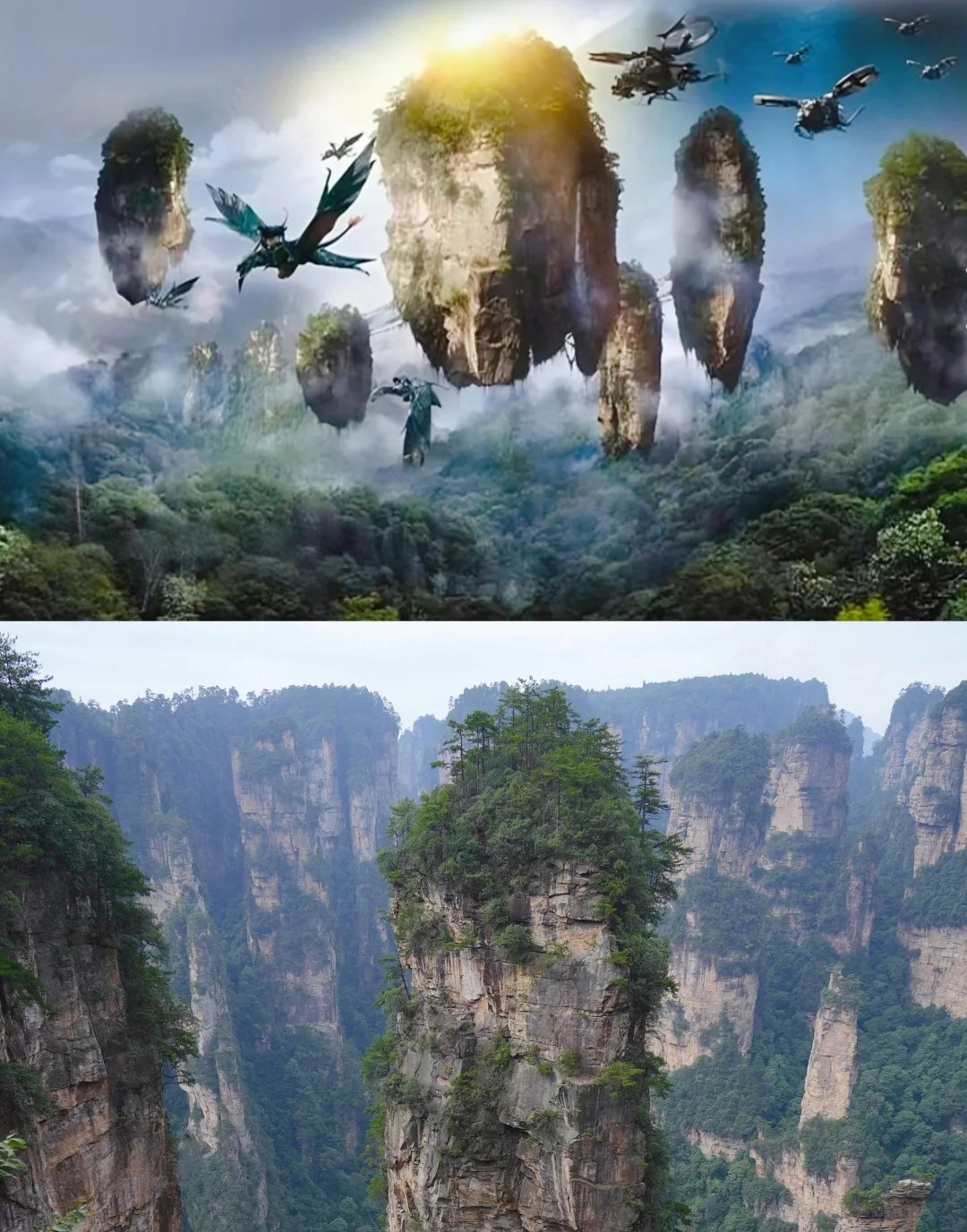
As a solo traveler from Canada, I was nervous about navigating China alone—but this 11-day tour was PERFECT! From hiking the Great Wall at sunrise (Day 3) to gasping at the Terracotta Army (Day 5), every day delivered ‘pinch-me’ moments. The real showstopper? Zhangjiajie’s Avatar Mountains (Day 7)! Our guide made the stone pillars come alive with stories. Massive thanks for handling all logistics—bullet train tickets, entry passes, car! And the 4-star hotels surprised me.
Destination(s): Beijing Xian Zhangjiajie Shanghai
Date of Experience: June 02,2025
... ... ...
...
Simon
America
Reviewed on May 29,2025
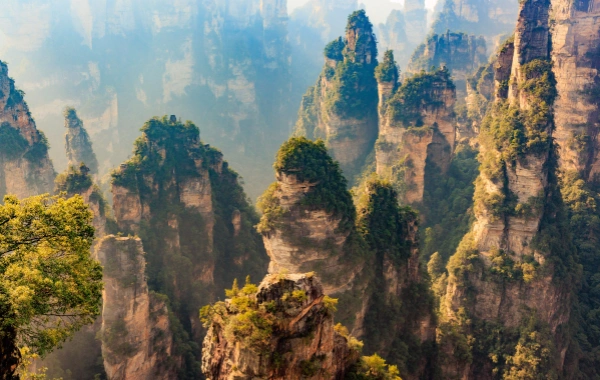
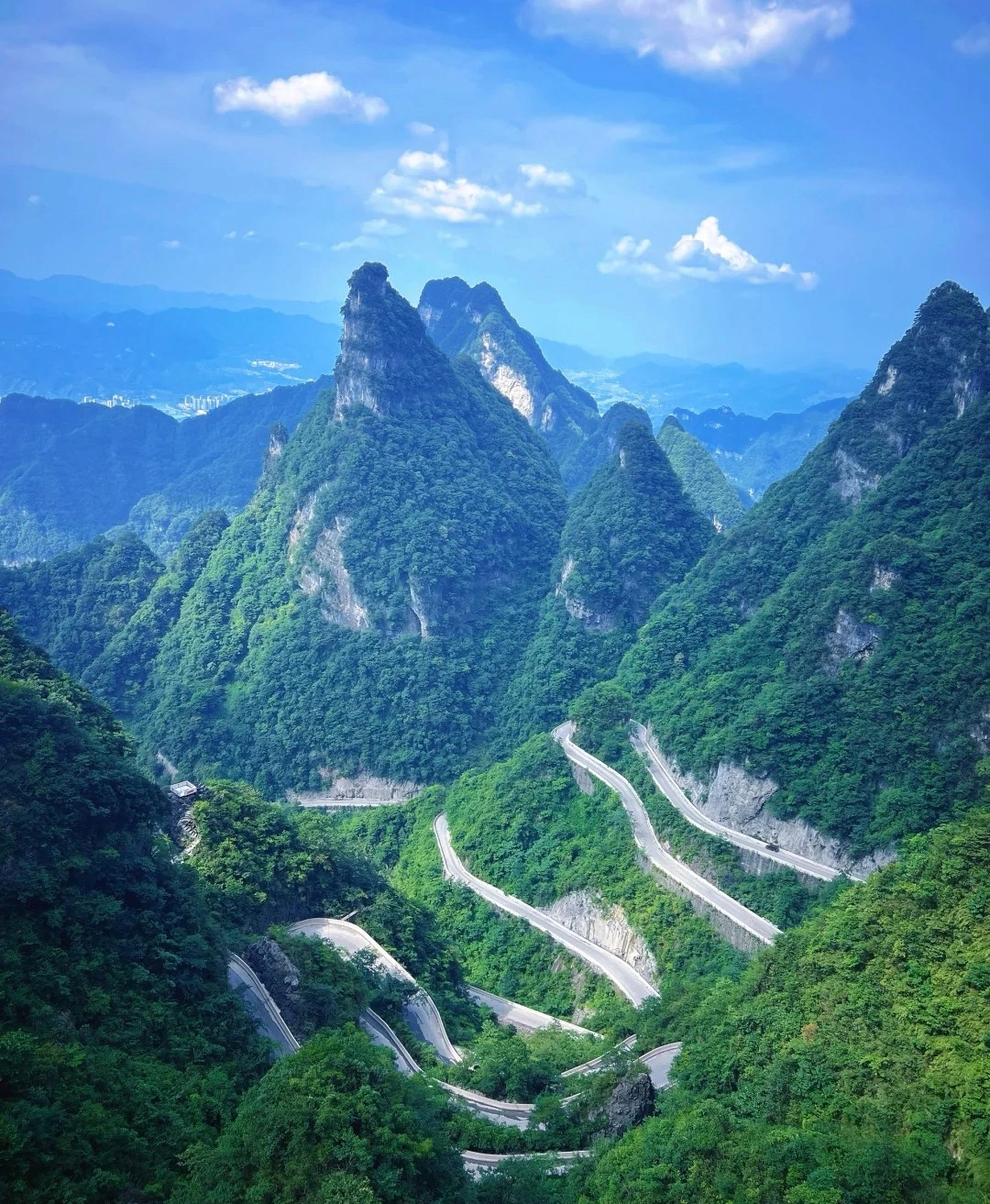
Our 2-day Zhangjiajie tour was beyond spectacular! As someone who’s visited Beijing and Shanghai for work, this trip revealed China’s wild, magical heart. Day 1 in Zhangjiajie National Forest Park felt like stepping onto Pandora—I’m a huge Avatar fan, and Yuanjiajie’s floating peaks left me breathless. The misty pillars and lush valleys like pure movie magic! Then came Fenghuang Ancient Town, we eat dinner beside the thundering waterfall. It seems Unreal! The night views of stilt houses glowing over the river were straight from a fairy tale. For fellow Avatar lovers and adventure seekers: Don’t miss this bucket-list experience! 10/10 would return. A Well-Traveled Film Buff, May 2025
Destination(s): Zhangjiajie
Date of Experience: May 08,2025
... ...

Ask a Question

Question Summary (100 characters)
Details (optional) (2,000 characters)
Name
Country
Phone
Email