
Chongqing Hongya Cave: A Magical Realism Adventure Dancing with Spirited Away, A Captivating Journey Begins
First Encounter - A Dive into Magical Realism
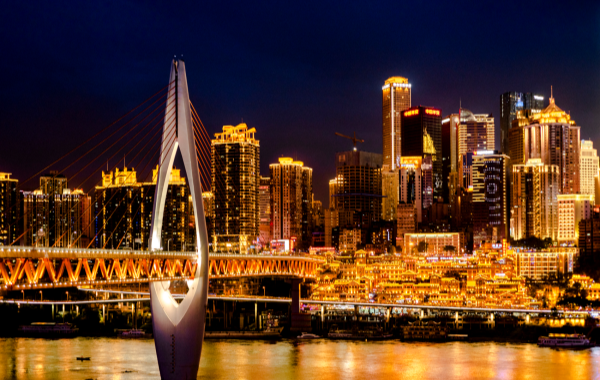
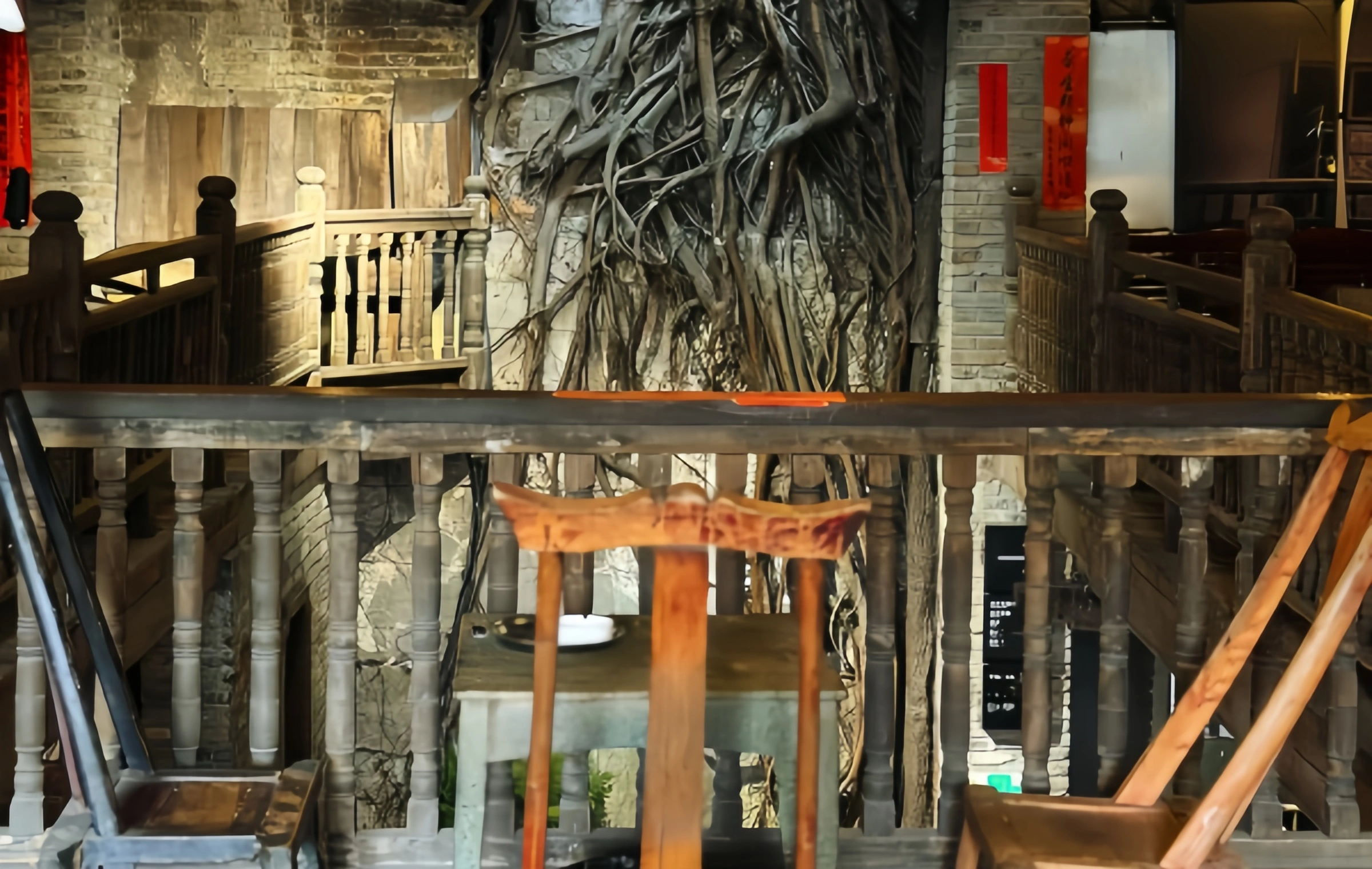
As dusk blankets the Jialing River, standing on the Qiansimen Bridge and gazing towards Chongqing's Hongya Cave, one might feel as though they've tumbled into a parallel dimension reminiscent of "Spirited Away." This 11-story cluster of stilted buildings radiates a warm yellow and golden glow under the night lights. The vermilion corridors and blue-tiled eaves flutter gently in the river breeze, while the cries of street vendors and the enticing aroma of hotpot mingle in the air. As a traveler, I often declare that visiting Hongya Cave is an absolute must in Chongqing. Yet, only by truly immersing oneself in its streets can one grasp why it serves as the meeting point for the fantastical dreams of the anime realm and the vibrant pulse of real life.
I. The Symbiosis of Fantasy and Reality: The Enchanting Resonance Between Hongya Cave and Spirited Away
Hongya Cave has never had a direct connection to the "Bathhouse" in "Spirited Away." Hayao Miyazaki has never cited it as an inspiration, and the cave wasn't even constructed when the film was released. However, this sense of temporal and spatial disjunction is precisely what lends it its unique allure. The three-dimensional architecture of Hongya Cave, built against the mountain, mirrors the cliff-side structure of the "Bathhouse" in the film. As night descends, the illuminated stilted buildings and their reflections on the river merge into a shimmering constellation, reminiscent of the dreamy luminescence of the bathhouse. Meanwhile, the fleeting glimpses of Sichuan Opera face-changing artists in the winding alleys, the boisterous calls of Hotpot restaurant owners, and the lively banter of old tea drinkers in teahouses echo the vibrant chaos of the divine world in the film. This seamless blend of reality and fantasy compels every visitor to Chongqing to reach for their phone, eager to capture their own "Chihiro moment."
II. A Gastronomic Odyssey: Unveiling the Culinary Secrets of Hongya Cave
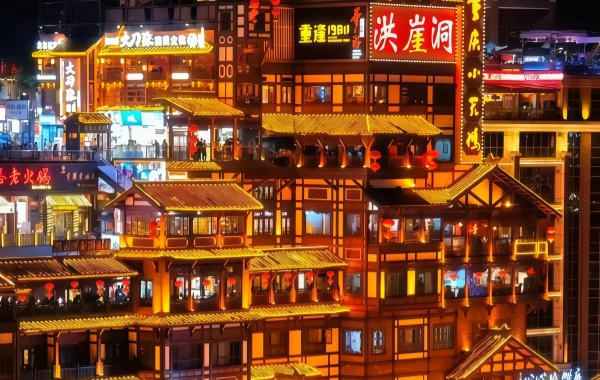
The charm of Hongya Cave is woven into the very fabric of its food and drink. Beginning at the top floor and descending, the first stop must be the "Zui Baxian" old hotpot restaurant. The tantalizing aroma of beef tallow mingling with the sizzling sounds of the nine-compartment hotpot is the most primal allure of the mountain city. On the fourth floor, the "Wu Chaoshou" shop serves red oil wontons with skin as thin as silk, revealing a filling of bamboo shoot and fresh meat. The spiciness leaves one gasping for breath yet unable to resist another bite. For a more authentic "strolling food adventure," take a leisurely walk along Binjiang Road, where a street vendor with a shoulder pole will offer you a bowl of cold rice cake, topped with soybean powder and brown sugar syrup. Its sweetness and stickiness are enhanced by the cool river breeze, creating a culinary memory that surpasses any travel guide's recommendations.
III. Hidden Treasures Nearby: A Deep Dive from Hongya Cave
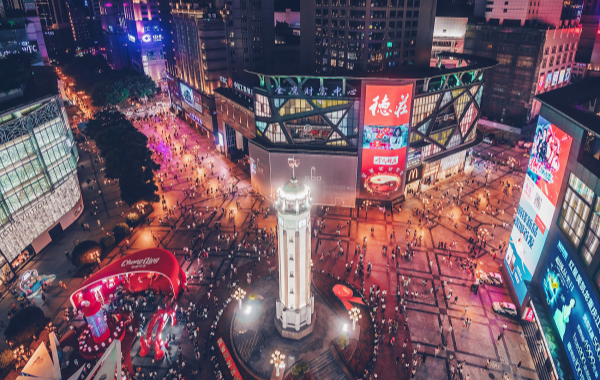
The allure of Hongya Cave lies in its ability to be both an isolated enclave and a gateway to a wider world. A ten-minute stroll south brings you to Chongqing's iconic Jiefangbei, where a bustling commercial district coexists harmoniously with historical landmarks. Venturing east through the Dongshuimen City Wall, you'll discover the Huguang Guild Hall nestled among the urban landscape. Its yellow walls and black tiles hold the secrets of the Ming and Qing dynasties' migration. More notably, a night cruise on the Yangtze River is highly recommended. Boarding from the dock beside Hongya Cave, as the river breeze caresses your face, the lights on both banks gradually illuminate. Hongya Cave recedes into the distance, while the silhouette of the Qiansimen Bridge becomes clearer in the night, as if the bathhouse from the film is slowly sinking into the river, only to be reborn the next morning.
IV. Heartwarming Moments: What Moves Us More Than Scenery Is Humanity
What truly elevates Hongya Cave to a symbol of "Chongqing's charm" are the people who populate its corridors. In a teahouse on the third floor, old tea drinkers engage in lively banter in the local dialect, the clinking of tea bowl lids against table edges blending with the rhythmic beats of the neighboring Sichuan opera troupe. The landlady of a guesthouse on the eighth floor draws a hand-drawn map for lost travelers, adding a final touch: "Chongqing's roads are a labyrinth of ups and downs, but you'll grow to love this 'three-dimensional' warmth once you're accustomed to it." These fragments of kindness and warmth resonate more deeply than any travel promotion, inspiring people to pack their bags and embark on a journey to Chongqing without hesitation.
An Unfinished Wanderlust
On the day I bid farewell to Hongya Cave, I looked back from the Qiansimen Bridge. Under the night sky, Hongya Cave shone like a luminous pearl embedded in the mountain city, both timeless and vibrant. It's not merely a "tourist attraction in Chongqing" but a bridge spanning the past and present, animation and reality. Next time I visit Chongqing, I long to return to Hongya Cave during the rainy season. I've heard that then, the river mist will envelop the stilted buildings, transforming the entire cave into the elusive bathhouse from "Spirited Away." How about you? Are you ready to embark on your own "Chihiro journey" to Chongqing?
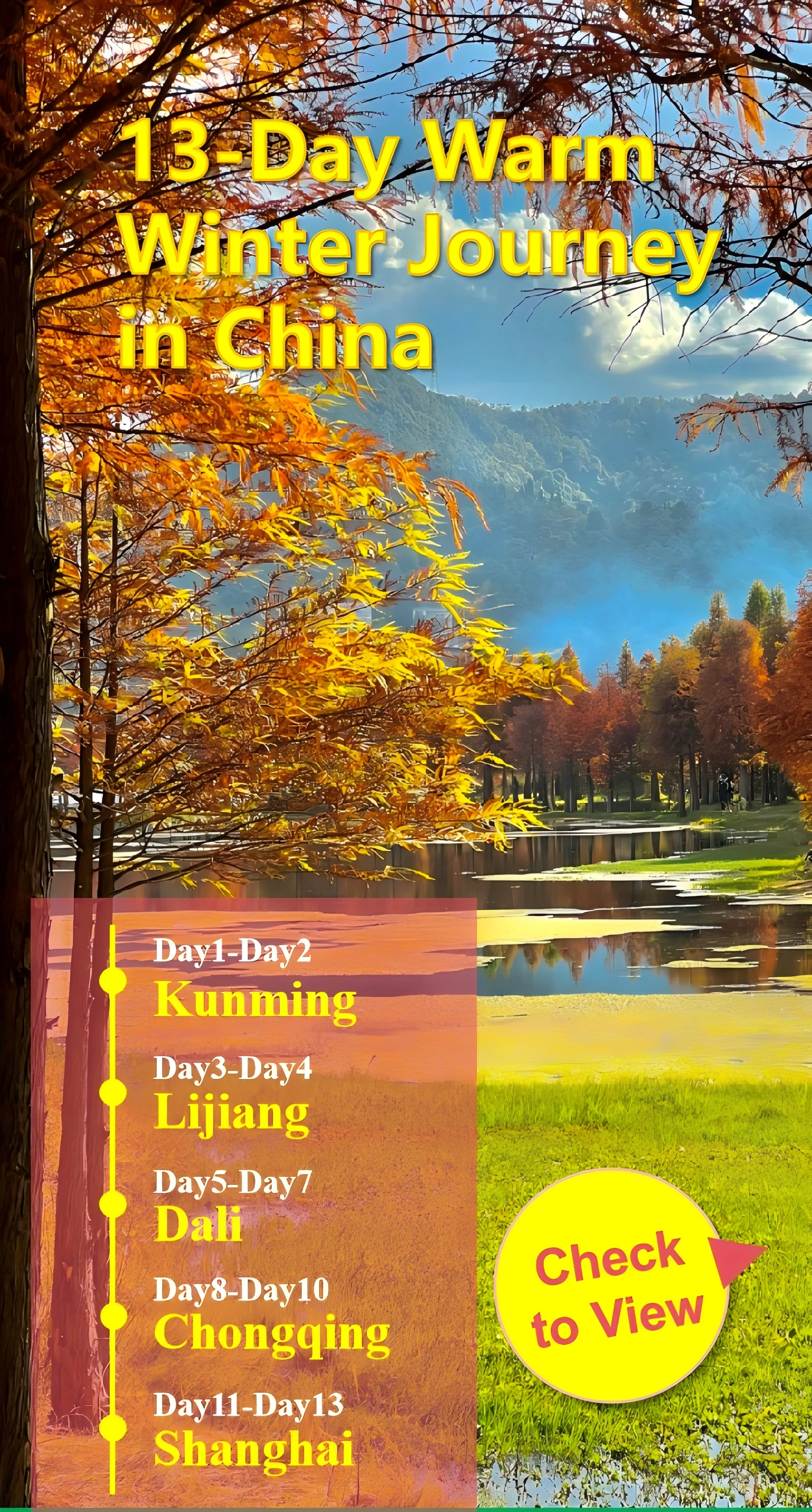
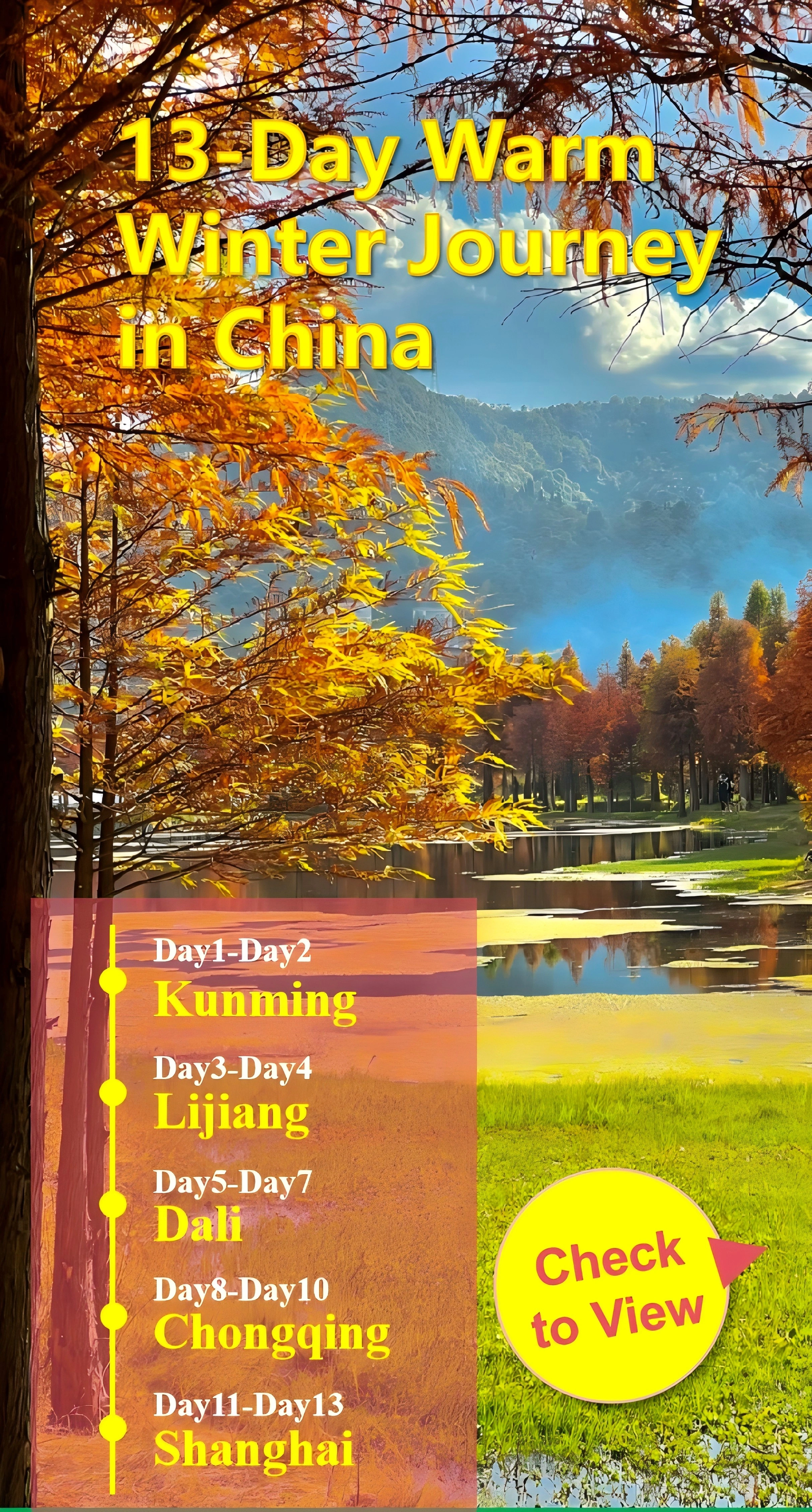
Recommended itinerary


Contact Us
What Our Clients Say?



Ask us before you decide.
Unsure about a route, departure date or room option? Tell us what is holding up your plans. You will get a clear answer from our China-based travel team—no booking required.