
Huangcangyu
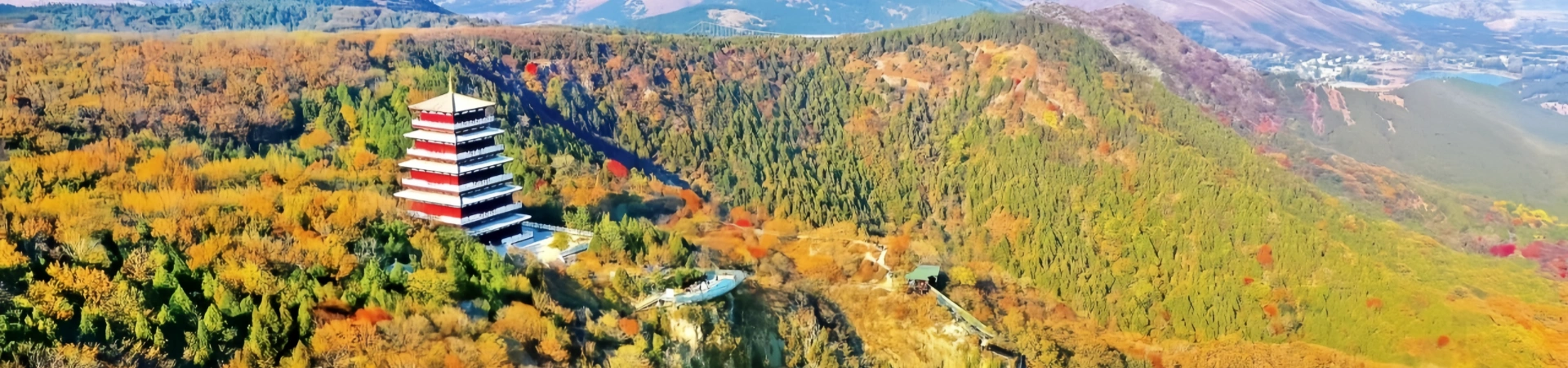
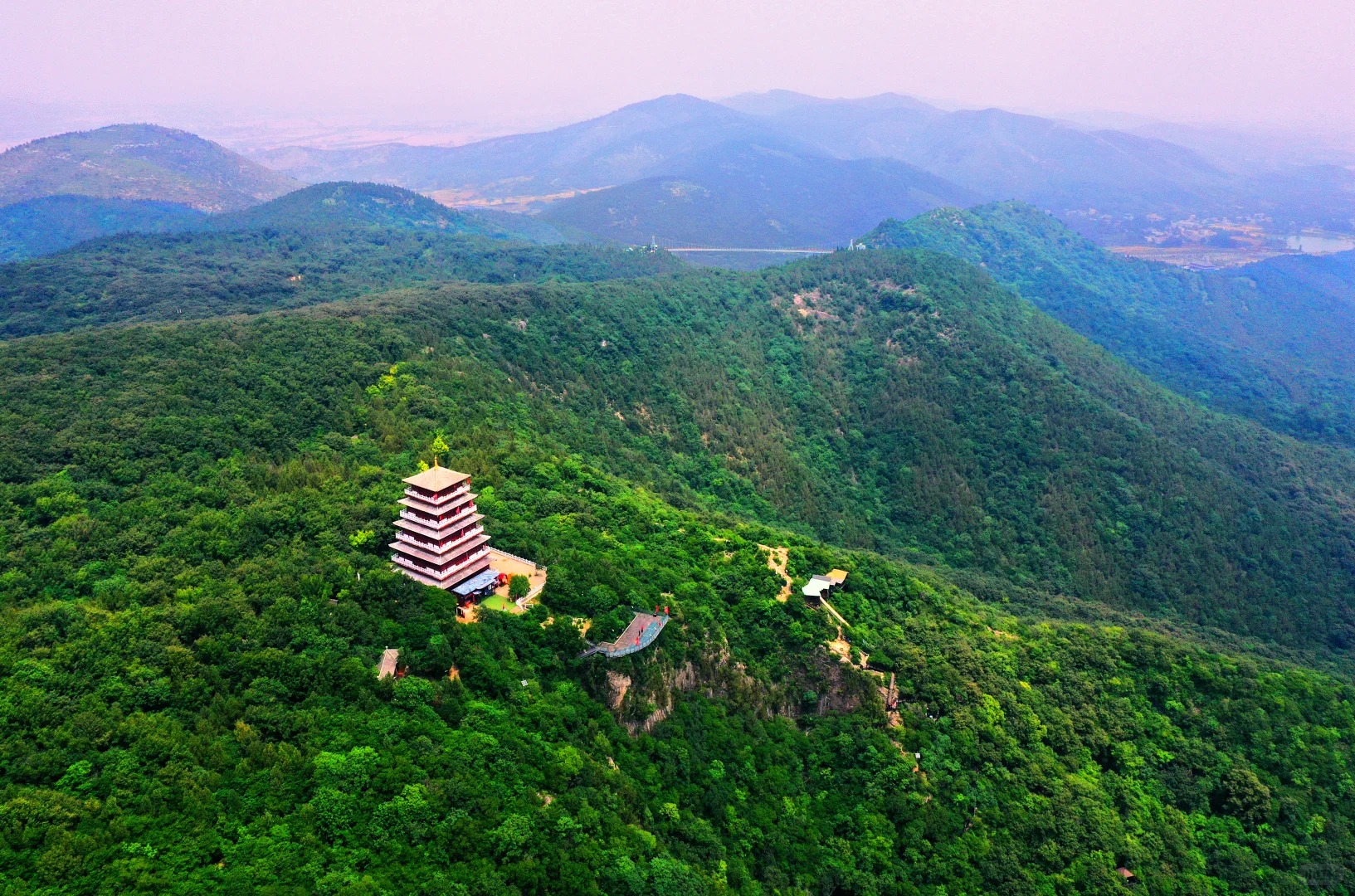
Huangcangyu National Forest Park, located in Suzhou City, Anhui Province, is a renowned natural and cultural destination in eastern China. Spanning 26.5 square kilometers, it is celebrated for its lush forests, rugged hills, and rich historical heritage tied to the legendary Han Dynasty emperor Liu Bang. The park’s unique blend of scenic beauty and historical significance makes it a must-visit for nature lovers and history enthusiasts alike. Designated a national forest park in 1992, it offers hiking trails, ancient temples, and panoramic views, earning its reputation as a "natural oxygen bar" and "living museum of history."
Historical Overview
Huangcangyu’s history dates back over 2,000 years to the Chu-Han Contention (206–202 BCE), when Liu Bang, the founder of the Han Dynasty, sought refuge in its caves while fleeing from his rival, Xiang Yu. The park’s name, "Huangcangyu," translates to "Emperor’s Hidden Valley," reflecting this legendary escape. Over centuries, the site became a place of worship and pilgrimage, with temples and shrines dedicated to Liu Bang and other historical figures. During the Tang and Ming dynasties, it flourished as a cultural hub, attracting poets, scholars, and monks. Today, remnants of ancient pathways, stone carvings, and religious structures dot the landscape, offering a window into China’s imperial and spiritual past.
Structural Layout
The park is divided into five main zones, each with distinct features:
- Entrance Area: Includes visitor centers, exhibition halls, and the iconic "Emperor’s Cave" entrance archway.
- Historical & Cultural Zone: Home to the Liu Bang Memorial Temple, ancient stone inscriptions, and the "Hiding Cave" where the emperor allegedly took shelter.
- Natural Scenic Zone: Features the "Three Peaks" (Phoenix, Tiger, and Lion Peaks), waterfalls, and dense pine forests.
- Ecological Conservation Zone: Protects rare flora and fauna, including ginkgo trees and red-bellied squirrels.
- Recreational Zone: Offers hiking trails, picnic areas, and a glass-bottomed skywalk for panoramic views.
Key landmarks include the Heavenly Bridge, a suspension bridge spanning a deep valley, and the 1,000-step staircase leading to the summit of Phoenix Peak.
Major Attractions
- Liu Bang Memorial Temple: A Ming-dynasty temple dedicated to Emperor Gaozu of Han, featuring statues, historical exhibits, and traditional architecture.
- Emperor’s Hiding Cave: A natural limestone cave where Liu Bang is said to have evaded capture, with carved inscriptions dating back to the Tang Dynasty.
- Phoenix Peak: The highest point in the park, offering 360-degree views of the surrounding mountains and forests.
- Heavenly Bridge: A 160-meter-long glass suspension bridge suspended 100 meters above the valley floor, perfect for thrill-seekers.
- Ancient Pine Valley: A serene area dotted with centuries-old pine trees, ideal for meditation and nature walks.
- Red Stone Gorge: A narrow canyon with towering cliffs, seasonal waterfalls, and vibrant mineral deposits.
- Skywalk Observation Deck: A modern glass platform extending over a cliff edge, providing breathtaking vistas.
Suggested Itineraries
-
Half-Day Classic Route (3–4 hours):
Entrance → Liu Bang Memorial Temple → Emperor’s Hiding Cave → Ancient Pine Valley → Heavenly Bridge → Exit.
Highlights: Historical sites and moderate hiking. -
Full-Day Adventure Route (6–7 hours):
Entrance → Liu Bang Memorial Temple → Emperor’s Hiding Cave → Phoenix Peak Summit (via 1,000-step staircase) → Red Stone Gorge → Skywalk Observation Deck → Ancient Pine Valley → Exit.
Highlights: Strenuous hiking, panoramic views, and natural wonders. -
Family-Friendly Route (4–5 hours):
Entrance → Liu Bang Memorial Temple → Heavenly Bridge → Ecological Trail (easy walk) → Glass Skywalk → Picnic Area → Exit.
Highlights: Light hiking, kid-friendly activities, and scenic spots.
Ticket Purchase
- Online: Book tickets via the official park website or popular platforms like Ctrip or Meituan (up to 3 days in advance).
- On-Site: Tickets available at the entrance gate, but lines can be long during peak seasons.
- Prices:
- Peak Season (April–October): ¥80 (adults), ¥40 (students/seniors).
- Off-Season (November–March): ¥60 (adults), ¥30 (students/seniors).
- Free: Children under 1.2m, disabled visitors, and active military personnel.
- Additional Fees: Glass skywalk (¥30), shuttle bus (¥20 round-trip).
Transportation
- By Bus: From Suzhou City, take Bus Line 101 to Huangcangyu Station (1-hour ride, ¥10).
- By Taxi: Direct ride from Suzhou downtown (~40 minutes, ¥80–100).
- By Car: Self-drive via G30 Expressway to Suzhou East Exit, then follow signs to the park (20 km).
- Parking: Large lot near the entrance (¥10/day).
Best Time & Tips
- Peak Hours: Avoid 10 AM–2 PM; arrive early or after 3 PM.
- Crowds: Weekends and holidays are busiest; weekdays are quieter.
- Weather: spring (April–May) and autumn (September–October) offer mild temperatures and clear skies.
- Essentials:
- Wear sturdy shoes (trails can be steep and rocky).
- Bring sunscreen, hats, and insect repellent.
- Stay hydrated; carry snacks or purchase food at park vendors.
- Photography allowed everywhere except inside temples.
- Prohibited items: Drones, large backpacks, and open flames.
- Respect cultural sites; do not touch ancient carvings or relics.


Contact Us
What Our Clients Say?
Based on 10,000+ traveler reviews

Daniel Dorothea
Canada
Reviewed on April 29,2025
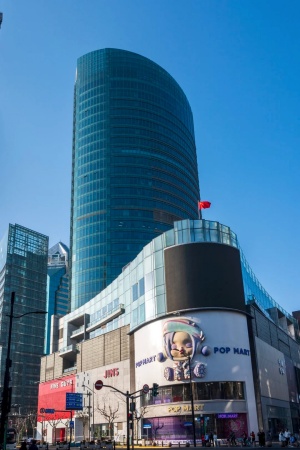
Shopping on Nanjing Road in Shanghai was just amazing! It's truly the "First Commercial Street of China", where tradition and modernity blend perfectly. You can find awesome souvenirs and experience the trendy vibes in cool stores. The neon lights at night are just spectacular, shining bright like Times Square in New York. The food here is incredible too. I had a feast for my taste buds. Shanghai, I'll definitely be back!
Destination(s):
Shanghai
Date of
Experience:
May 08,2024

Elvis Eva
Canada
Reviewed on June 20,2025
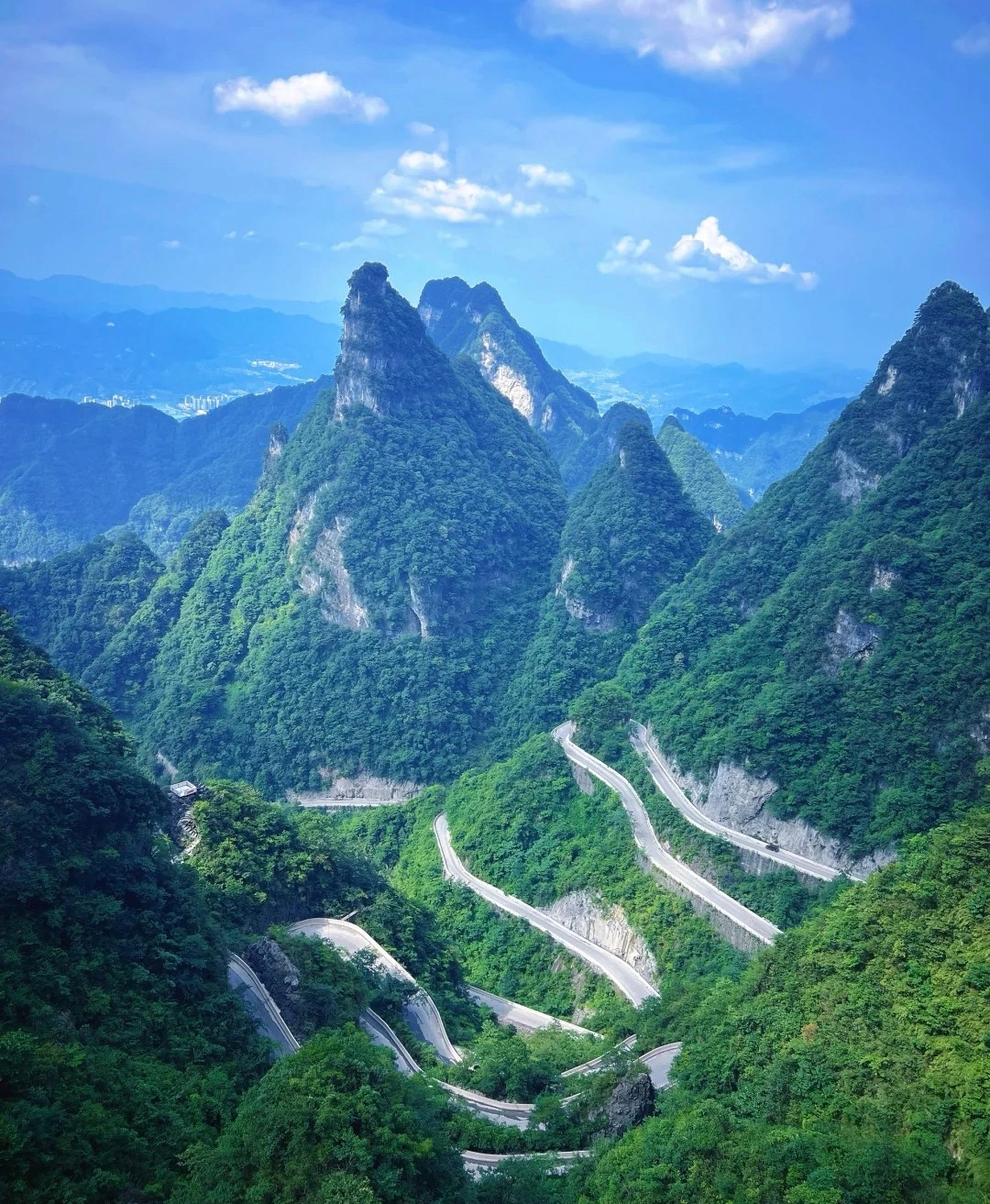
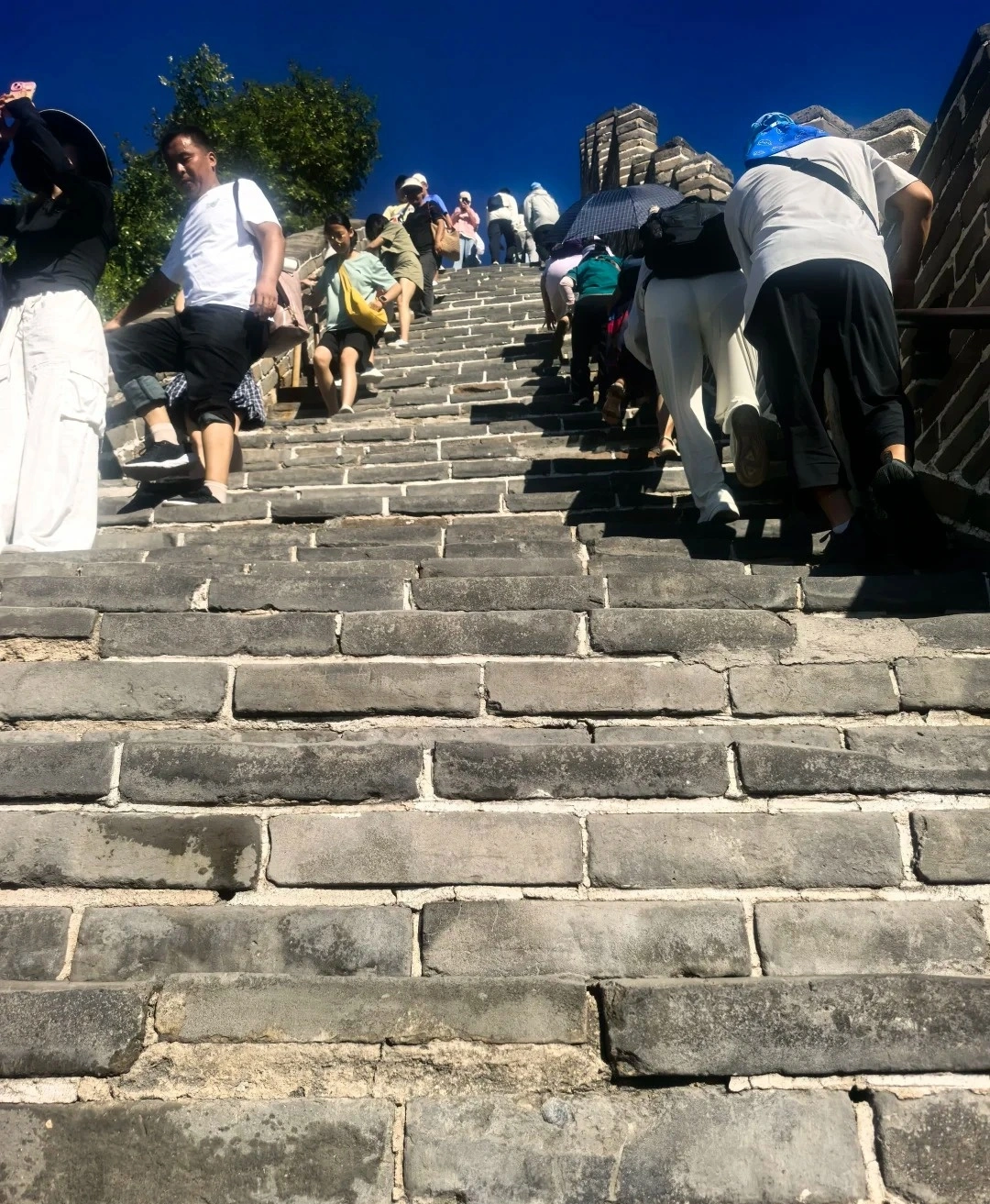
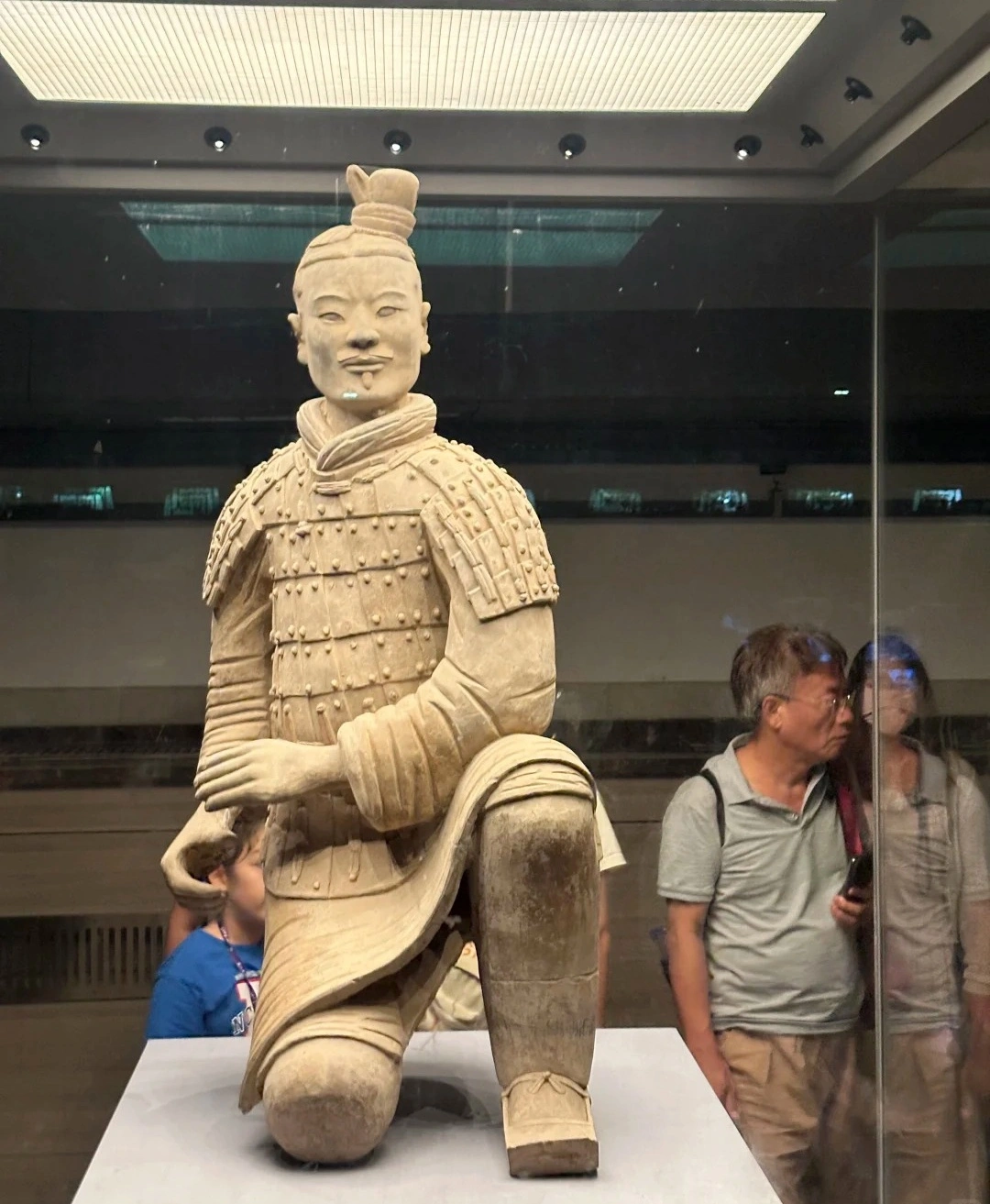
As a solo traveler from Canada, I was nervous about navigating China alone—but this 11-day tour was PERFECT! From hiking the Great Wall at sunrise (Day 3) to gasping at the Terracotta Army (Day 5), every day delivered ‘pinch-me’ moments. The real showstopper? Zhangjiajie’s Avatar Mountains (Day 7)! Our guide made the stone pillars come alive with stories.
Massive thanks for handling all logistics—bullet train tickets, entry passes, car! And the 4-star hotels surprised me.
Destination(s):
Beijing Xian Zhangjiajie Shanghai
Date of
Experience:
June 02,2025

Simon
America
Reviewed on May 29,2025
Our 2-day Zhangjiajie tour was beyond spectacular! As someone who’s visited Beijing and Shanghai for work, this trip revealed China’s wild, magical heart. Day 1 in Zhangjiajie National Forest Park felt like stepping onto Pandora—I’m a huge Avatar fan, and Yuanjiajie’s floating peaks left me breathless. The misty pillars and lush valleys like pure movie magic!
Then came Fenghuang Ancient Town, we eat dinner beside the thundering waterfall. It seems Unreal! The night views of stilt houses glowing over the river were straight from a fairy tale.
For fellow Avatar lovers and adventure seekers: Don’t miss this bucket-list experience! 10/10 would return.
A Well-Traveled Film Buff, May 2025
Destination(s):
Zhangjiajie
Date of
Experience:
May 08,2025