
Yuan Qu Poetry
Yuan Qu poetry, emerging during the Yuan Dynasty (1271-1368 AD), combines musicality, colloquial language, and diverse themes, with poets like Guan Hanqing, Ma Zhiyuan, and Bai Pu creating works that have shaped Chinese literary history and continue to resonate across time and culture.
The Melodic Mastery of Yuan Qu Poetry: An Exploration of Ancient China's Musical Literature
In the colorful history of Chinese Literature, Yuan Qu poetry stands as a dazzling chapter, embodying the musical genius and poetic prowess of the Yuan Dynasty (1271-1368 AD). This era, marked by its turbulent political landscape and cultural fusion, gave birth to a unique form of poetry that combined the beauty of words with the harmony of music in a way that captivated audiences and endures to this day. This essay delves into the enchanting world of Yuan Qu poetry, examining its origins, stylistic characteristics, notable composers, and lasting impact.
Origins and Context
The Yuan Dynasty, following the fall of the Song, ushered in a period of profound change and cultural rejuvenation. With the Mongolians at the helm, China experienced a fusion of cultures, resulting in a vibrant artistic renaissance. Yuan Qu poetry, or Qu for short, emerged as a direct response to this cultural melting pot, blending the traditional poetic traditions of China with the musical influences of the steppes. Qu poems were written to accompany specific musical tunes, often performed by itinerant actors and singers known as "zaju" troupes, who traveled from town to town entertaining the masses.
Stylistic Characteristics
Yuan Qu poetry is characterized by its lively musicality, colloquial language, and wide-ranging themes. Some key stylistic features include:
● Musicality and Verse Forms: At the core of Yuan Qu lies its intricate musicality. Qu poems were composed to fit specific musical tunes, each with its own unique rhythm, melody, and structure. The most common verse forms include "sanzhuan" (three-act plays) and "xiaoling" (short songs), with the latter often consisting of seven or more lines arranged in a specific rhyme scheme.
● Colloquial Language: In contrast to the more formal and elegant language of earlier poetic forms, Yuan Qu poetry embraced colloquialism, incorporating everyday speech and idiomatic expressions. This made the poetry more accessible and relatable to a broader audience, reflecting the vibrant street culture of the time.
● Diverse Themes: Yuan Qu poets delved into a wide array of themes, ranging from the mundane realities of daily life to the grand sweep of history and mythology. From love stories and social satire to historical dramas and philosophical reflections, their works offered a multifaceted portrait of Yuan society.
If you want to know more about Chinese literature and itineraries, please contact us. Popular Tour Packages:
China Cultural and Natural Tour
Notable Composers and Their Works
The world of Yuan Qu poetry is rich with talented composers whose works have stood the test of time. Notable figures include Guan Hanqing, Ma Zhiyuan, and Bai Pu.
● Guan Hanqing (c. 1234-1300): Considered one of the greatest Yuan Qu composers, Guan Hanqing's works are known for their depth of emotion and social commentary. His plays, such as "The Han Palace autumn Moon" and "The Injustice to Dou E", address issues of justice, morality, and the human condition with poignant insight and artistic flair.
● Ma Zhiyuan (1250-1321/1324): Ma Zhiyuan was a renowned poet and musician whose Qu poems are marked by their lyrical beauty and philosophical depth. His works, including "The Sky Sands" and "Autumn Thoughts", reflect his profound understanding of nature, human emotion, and the fleetingness of life.
● Bai Pu (1226-1306): Though better known for his prose, Bai Pu also composed notable Qu poems that showcase his mastery of the form. His works, characterized by their simplicity and directness, offer a glimpse into his profound reflections on life and the universe.
Lasting Impact
Yuan Qu poetry continues to captivate readers and scholars alike, its timeless appeal rooted in its ability to transcend historical and cultural boundaries. Its lively musicality, colloquial language, and diverse themes have inspired countless later writers and artists, fostering a rich tradition of literary creativity in China and beyond. Moreover, Yuan Qu poetry serves as a valuable historical document, providing insights into the social, cultural, and political landscape of the Yuan Dynasty and its people.
In conclusion, Yuan Qu poetry represents a pinnacle of Chinese literary achievement in the Yuan Dynasty, a radiant beacon that illuminates the vibrant cultural fusion and artistic rejuvenation of the era. Its enduring appeal lies in its ability to connect us with the thoughts, feelings, and experiences of poets who lived in a distant past, while simultaneously resonating with the human experiences that transcend time and space. As we explore the melodic mastery of Yuan Qu poetry, we are transported to a world of beauty, wisdom, and artistic innovation that remains as vibrant and relevant today as it was centuries ago.


Contact Us
What Our Clients Say?
Based on 10,000+ traveler reviews

Daniel Dorothea
Canada
Reviewed on April 29,2025
Shopping on Nanjing Road in Shanghai was just amazing! It's truly the "First Commercial Street of China", where tradition and modernity blend perfectly. You can find awesome souvenirs and experience the trendy vibes in cool stores. The neon lights at night are just spectacular, shining bright like Times Square in New York. The food here is incredible too. I had a feast for my taste buds. Shanghai, I'll definitely be back!
Destination(s):
Shanghai
Date of
Experience:
May 08,2024


Elvis Eva
Canada
Reviewed on June 20,2025
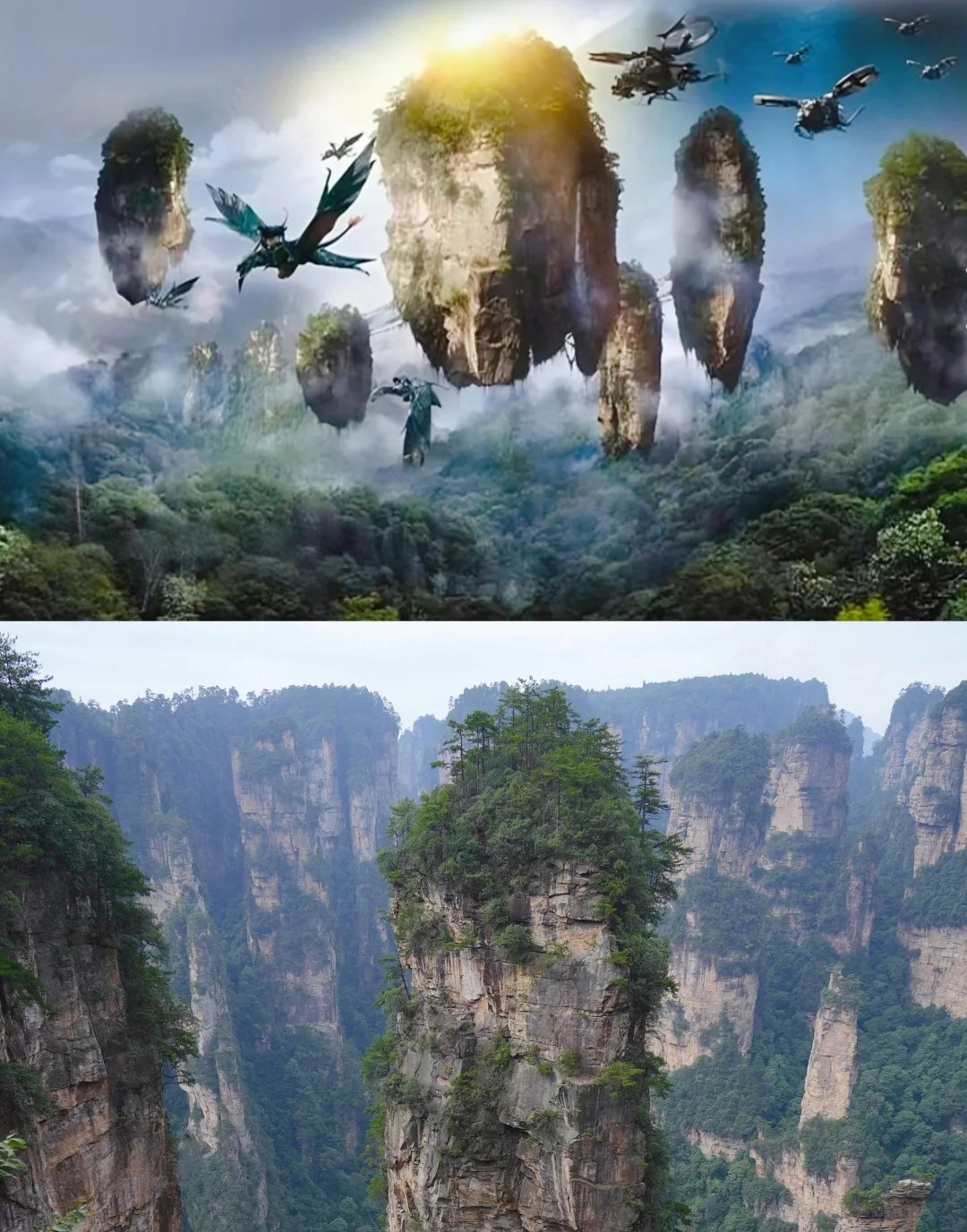
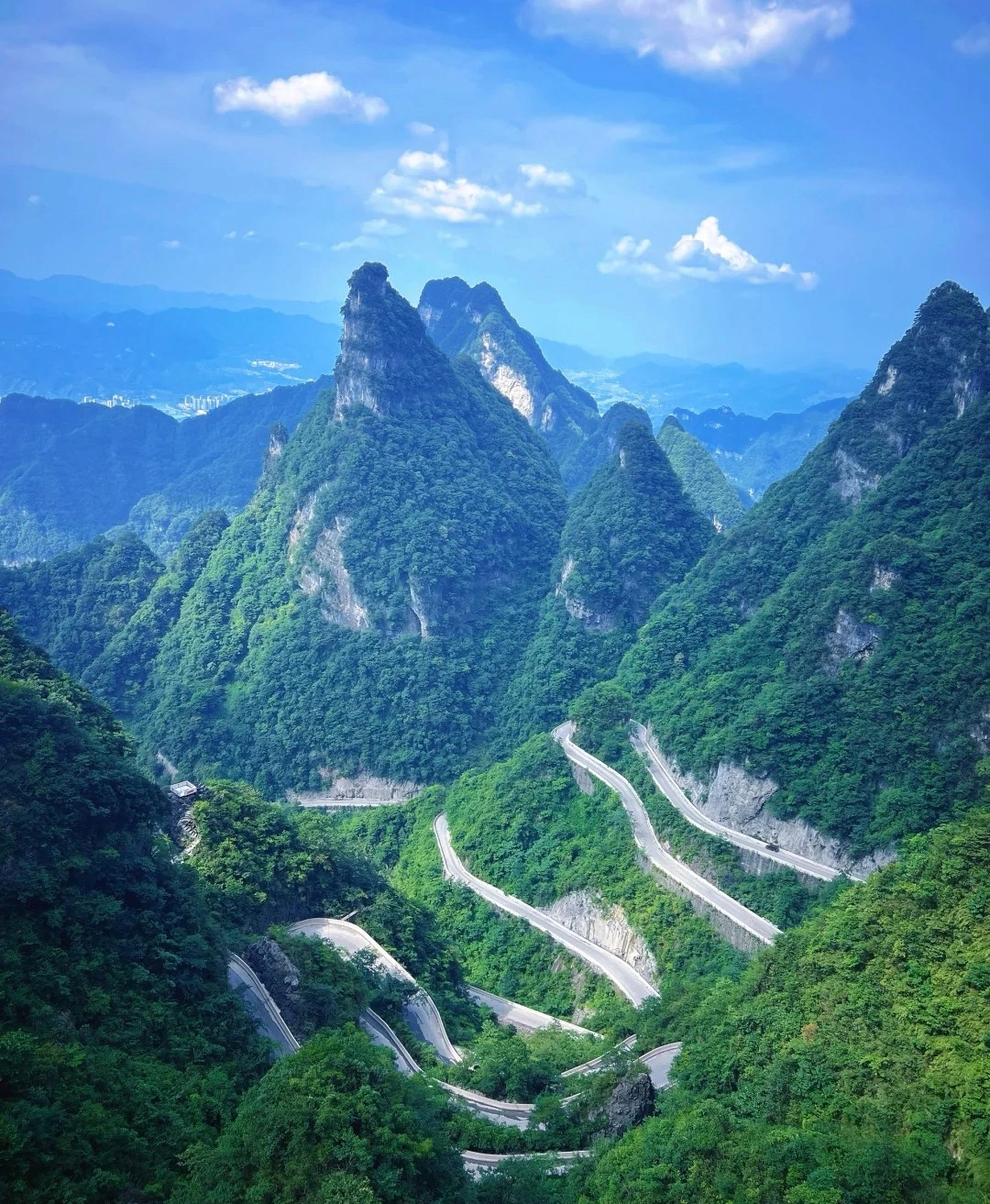
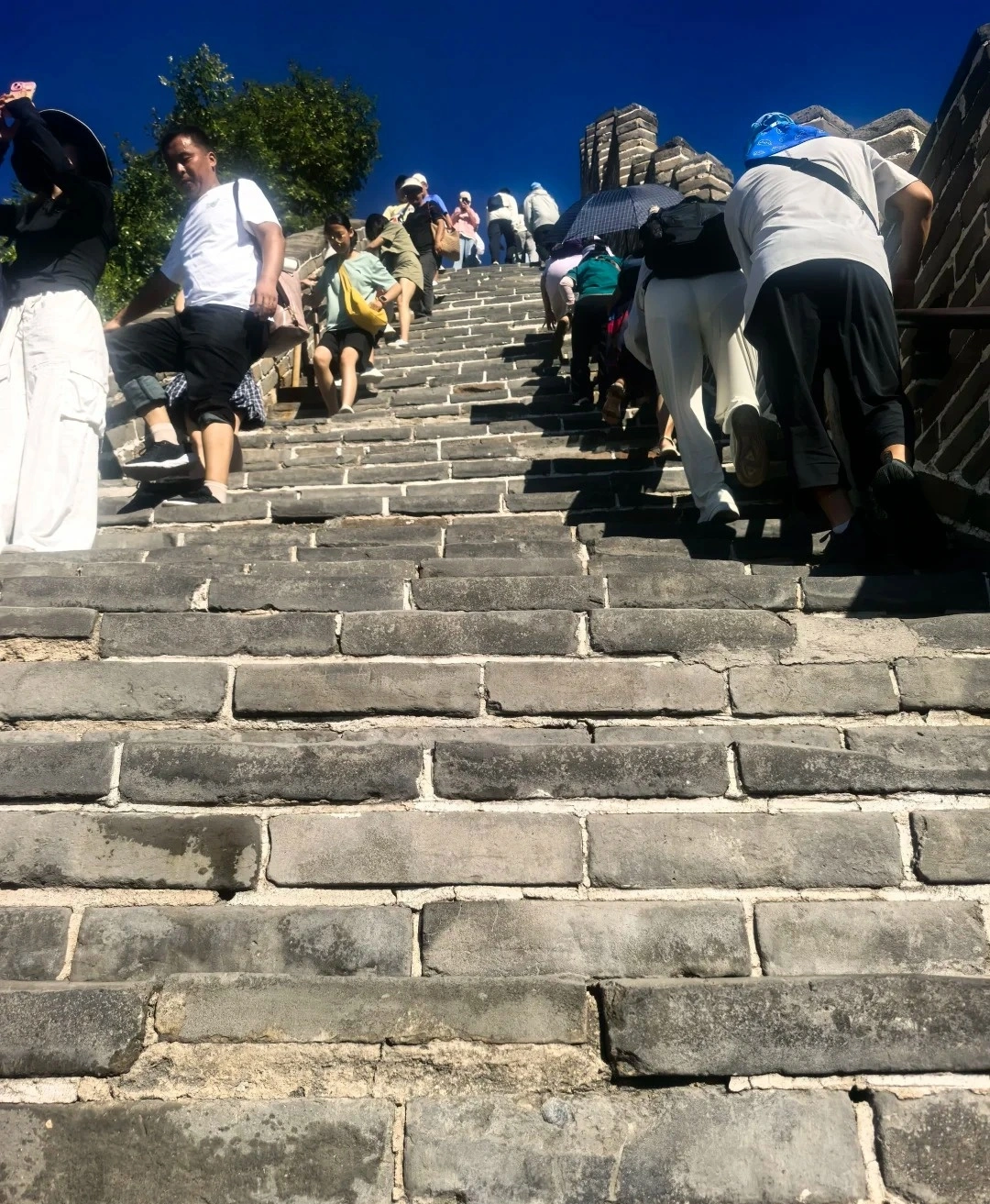
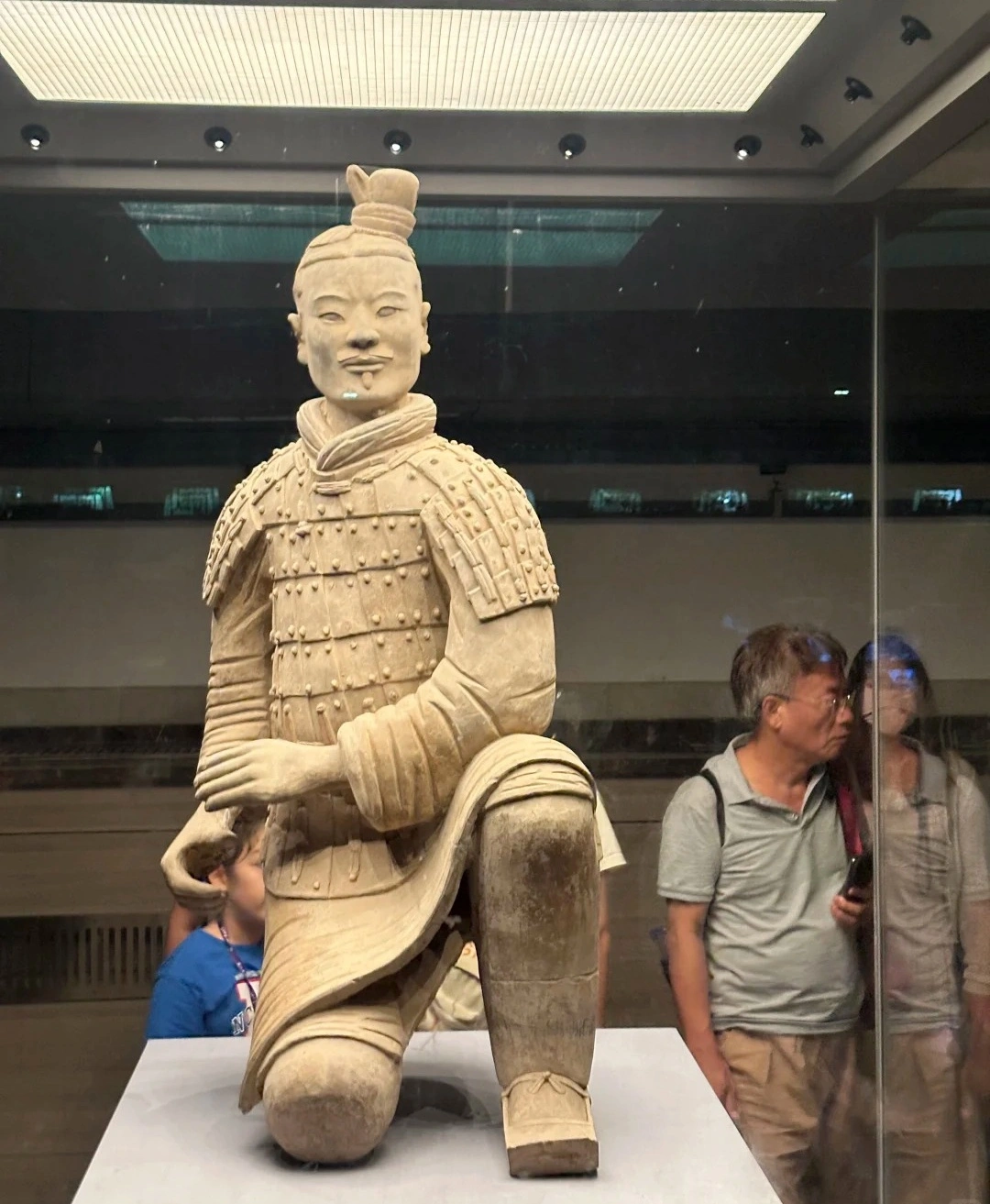
As a solo traveler from Canada, I was nervous about navigating China alone—but this 11-day tour was PERFECT! From hiking the Great Wall at sunrise (Day 3) to gasping at the Terracotta Army (Day 5), every day delivered ‘pinch-me’ moments. The real showstopper? Zhangjiajie’s Avatar Mountains (Day 7)! Our guide made the stone pillars come alive with stories.
Massive thanks for handling all logistics—bullet train tickets, entry passes, car! And the 4-star hotels surprised me.
Destination(s):
Beijing Xian Zhangjiajie Shanghai
Date of
Experience:
June 02,2025

Simon
America
Reviewed on May 29,2025
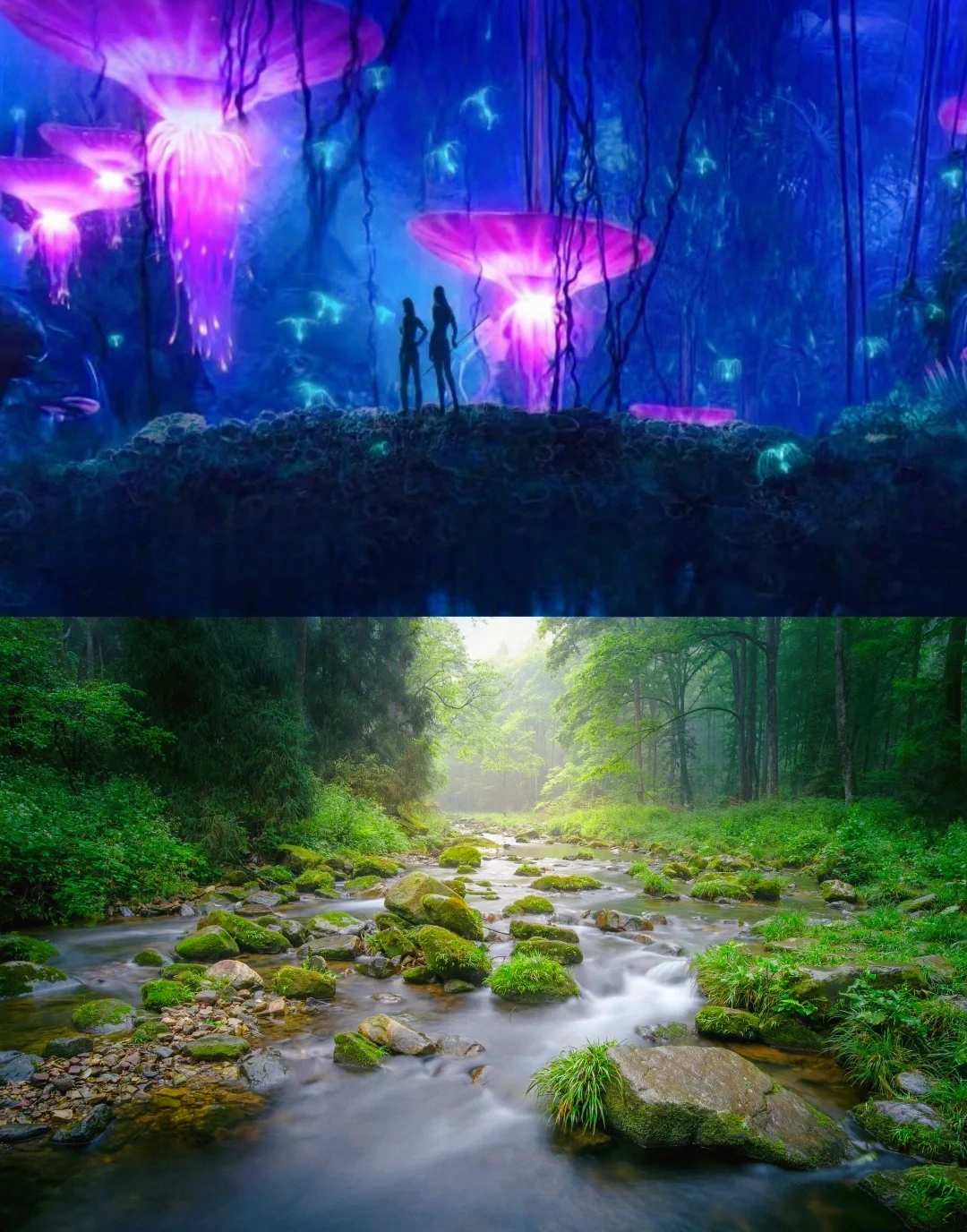
Our 2-day Zhangjiajie tour was beyond spectacular! As someone who’s visited Beijing and Shanghai for work, this trip revealed China’s wild, magical heart. Day 1 in Zhangjiajie National Forest Park felt like stepping onto Pandora—I’m a huge Avatar fan, and Yuanjiajie’s floating peaks left me breathless. The misty pillars and lush valleys like pure movie magic!
Then came Fenghuang Ancient Town, we eat dinner beside the thundering waterfall. It seems Unreal! The night views of stilt houses glowing over the river were straight from a fairy tale.
For fellow Avatar lovers and adventure seekers: Don’t miss this bucket-list experience! 10/10 would return.
A Well-Traveled Film Buff, May 2025
Destination(s):
Zhangjiajie
Date of
Experience:
May 08,2025