
Exploring the Wensu Grand Canyon in Xinjiang: A Geological Wonder in the Tianshan Mountains
1. Introduction: The Canyon King of Xinjiang
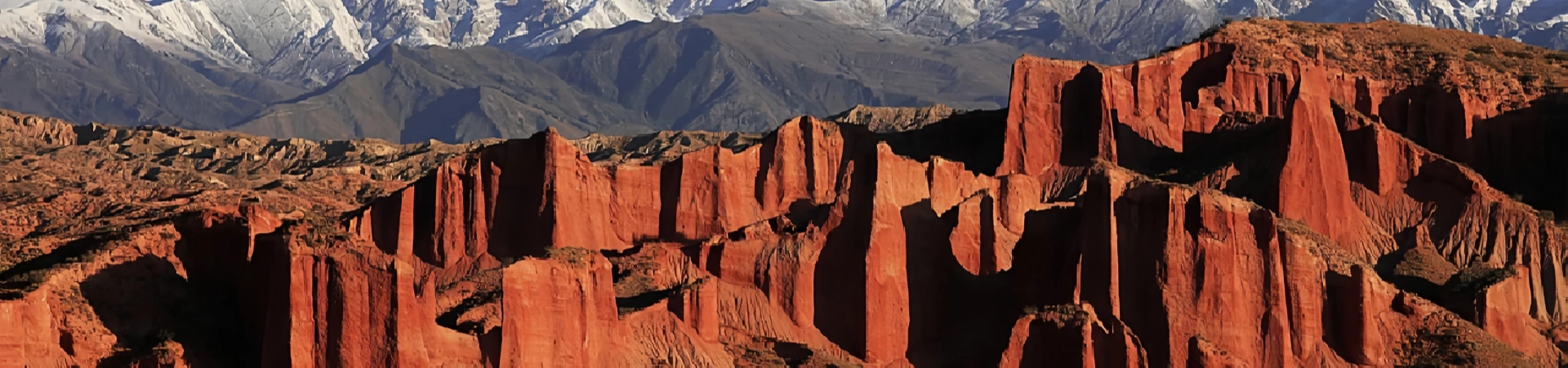
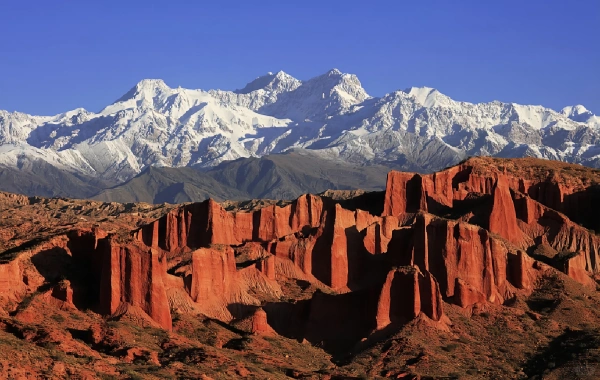
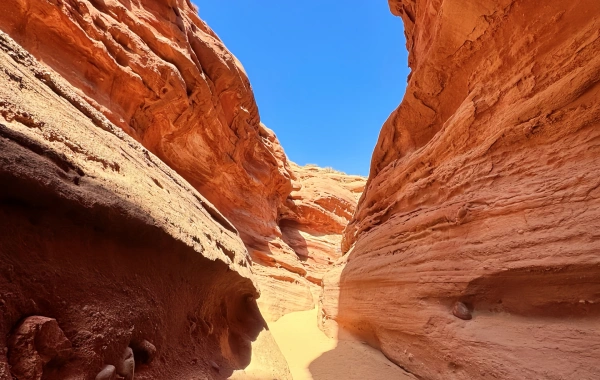
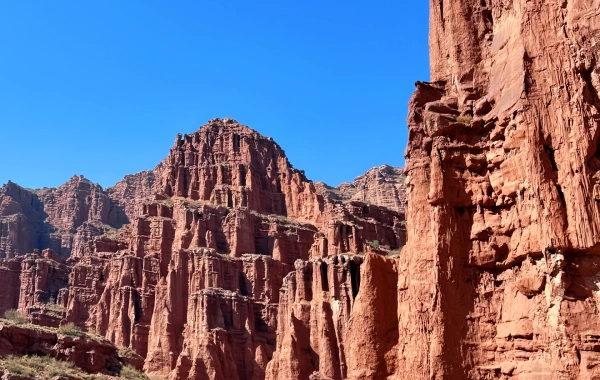
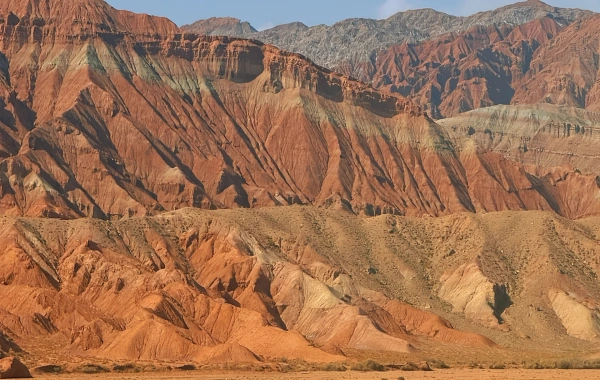
Nestled in the southern foothills of the Tian Shan Mountains, Xinjiang Wensu Grand Canyon (also known as Tomur Grand Canyon) is a 200-square-kilometer masterpiece of nature’s artistry. Located 80 km northeast of Wensu County in Aksu Prefecture, this AAAA-rated scenic area is a testament to 260 million years of geological evolution. The canyon’s vibrant red sandstone cliffs, salt karst formations, and wind-eroded Yadan landscapes have earned it the title of China’s “Canyon King” and a key stop on the ancient Silk Road’s Muzart Pass.
2. Geological Marvels: A Living Museum of Earth’s History
The canyon’s unique topography stems from its layered sedimentary rocks, shaped by ancient lakes, rivers, and tectonic forces. Key formations include:
- Rock Salt Karst Landscape: Crystallized salt deposits create otherworldly patterns, visible in the “Salt Crystal Palace” area.
- Danxia Landforms: Iron-rich red sandstone forms towering cliffs with vivid stripes, resembling a painter’s palette.
- Yadan Terrain: Wind erosion sculpts mushroom-shaped rocks and labyrinthine valleys, such as the iconic “Life Source” rock formation.
- Fossil Sites: Preserved marine fossils in the canyon walls hint at its prehistoric origins as an inland sea.
The canyon’s 12 main valleys and hundreds of smaller tributaries offer endless exploration. Highlights include the Hero Valley, Life Source Rock, Asking the Sky Valley, and the Ancient City of a Thousand Castles. Visitors can hike along wooden boardwalks, climb observation towers, or take 4x4 shuttle buses to navigate the rugged terrain.
3. Cultural and Historical Significance
Beyond its natural beauty, the canyon holds deep cultural resonance. It was a vital section of the Muzart Ancient Road, a Silk Road route connecting northern and southern Tian Shan. Legends say Tang Monk Xuanzang traversed this path during his journey to India. The canyon also served as a strategic military passage, with remnants of ancient beacon towers and caravan trails still visible.
Local folklore enriches the experience, with formations named after mythical figures—such as the “Great Wall of Thousand Castles” and “Phoenix Tail”—reflecting the Kyrgyz people’s storytelling traditions.
4. Transportation Guide: Getting There
Self-Driving Routes:
- From Aksu City: Take G3012 Highway east to Jia Mu Toll Station, then follow X307 County Road for 26 km to the canyon entrance.
- From Urumqi: Drive southwest via G314 National Road for 1,000 km, passing Turpan and Korla.
- Parking: Four main parking lots (P1-P4) near the entrance; electric shuttle buses run every 15 minutes to key viewpoints.
Public Transport:
- Bus: Daily tourist shuttles from Aksu City’s West Bus Station (2-hour ride, ¥30).
- Taxi/Didi: Approximately ¥200 from Aksu City; negotiate fares in advance.
Music Festival Routes: Special routes operate during the Aksu Canyon Music Festival (July-August), with traffic controls after 23:00 to manage crowds.
5. Ticket Information and Opening Hours
- Admission: ¥34/adult (basic ticket), ¥66/couple, or ¥94/adult with shuttle bus. Discounts available for students, seniors, and group bookings.
- Hours: 9:30 AM–8:00 PM (last entry 6:30 PM). Shuttle buses run from 10:00 AM–7:00 PM.
- Booking: Purchase online via Ctrip, Mafengwo, or at the on-site ticket office. QR code entry recommended.
6. Best Time to Visit: Seasonal Highlights
- spring (April–May): Mild temperatures (15–25°C), blooming wildflowers, and fewer crowds.
- Summer (June–August): Peak season with vibrant landscapes; avoid midday heat (35°C+) by visiting early morning or late afternoon.
- autumn (September–October): Golden poplar forests and crisp air; ideal for photography.
- Winter (November–March): Snow-dusted cliffs and fewer tourists; temperatures can drop below -10°C.
7. Safety and Travel Tips
- Gear: Wear sturdy hiking shoes, sun protection, and layers for temperature changes. Carry water and snacks.
- Safety: Stay on designated trails; avoid cliff edges. Monitor weather for flash floods.
- Sustainability: Pack out trash and respect wildlife habitats.
- Local Cuisine: Sample Kyrgyz specialties like naan, roasted lamb, and fermented mare’s milk at nearby villages.
8. Nearby Attractions: Extend Your Journey
- Tomur Peak: The highest summit in Tian Shan (7,443m), accessible via a 2-day trek from the canyon.
- Tarikchi Lake: A serene alpine lake 50 km west, perfect for camping.
- Kucha Ancient City: A UNESCO site showcasing Buddhist cave temples and Silk Road history.
9. Conclusion: A Timeless Adventure
Xinjiang Wensu Grand Canyon is more than a destination—it’s a journey through time. Whether marveling at geological wonders, tracing ancient trade routes, or simply soaking in the silence of the desert, this canyon offers an unforgettable experience. Plan your visit to coincide with spring blooms or autumn foliage, and let the canyon’s grandeur inspire awe and reflection. As the Kyrgyz proverb says, “The mountains are not cruel; they only test the strength of those who climb them.”


Contact Us
What Our Clients Say?
Based on 10,000+ traveler reviews

Daniel Dorothea
Canada
Reviewed on April 29,2025
Shopping on Nanjing Road in Shanghai was just amazing! It's truly the "First Commercial Street of China", where tradition and modernity blend perfectly. You can find awesome souvenirs and experience the trendy vibes in cool stores. The neon lights at night are just spectacular, shining bright like Times Square in New York. The food here is incredible too. I had a feast for my taste buds. Shanghai, I'll definitely be back!
Destination(s):
Shanghai
Date of
Experience:
May 08,2024


Elvis Eva
Canada
Reviewed on June 20,2025
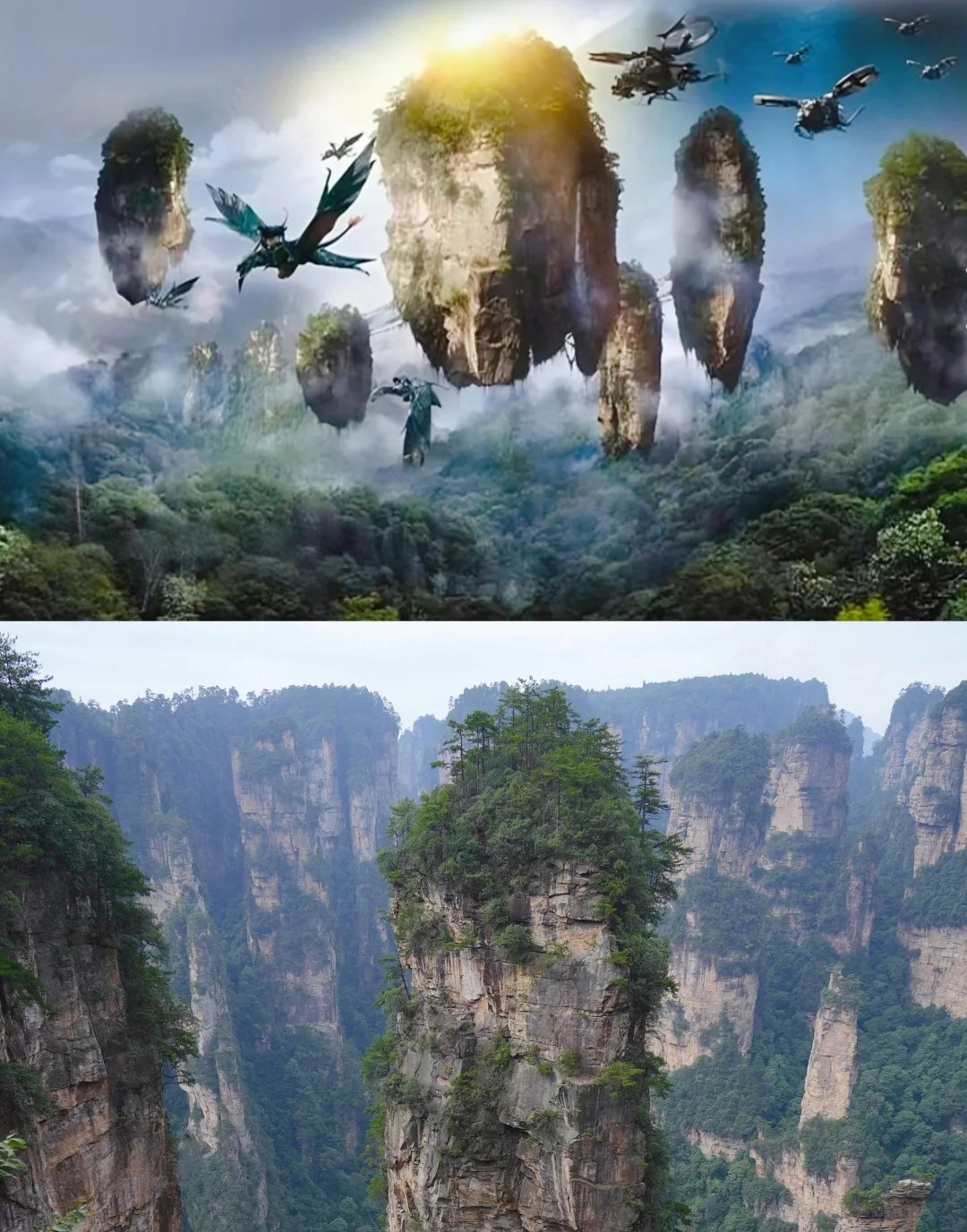
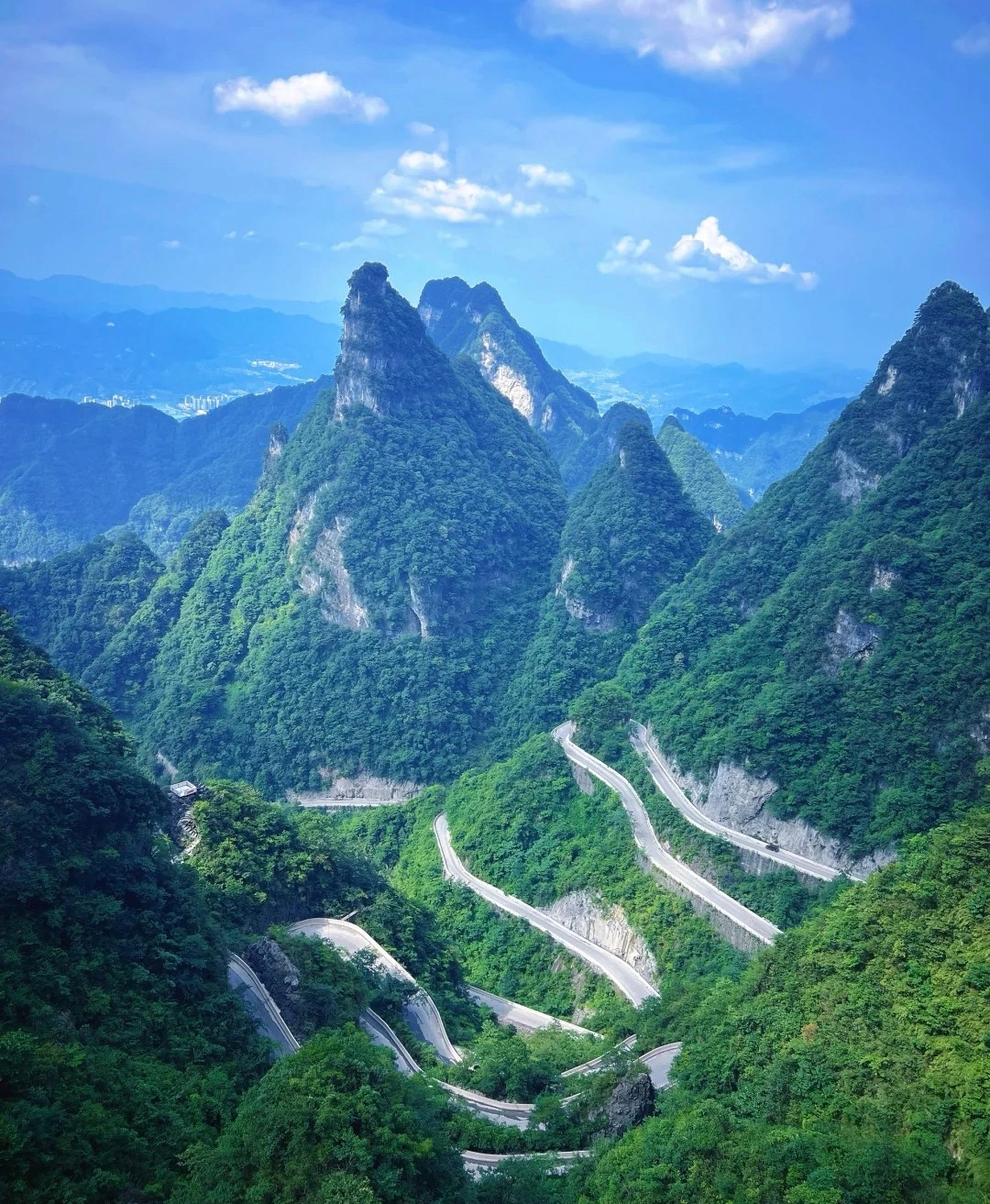
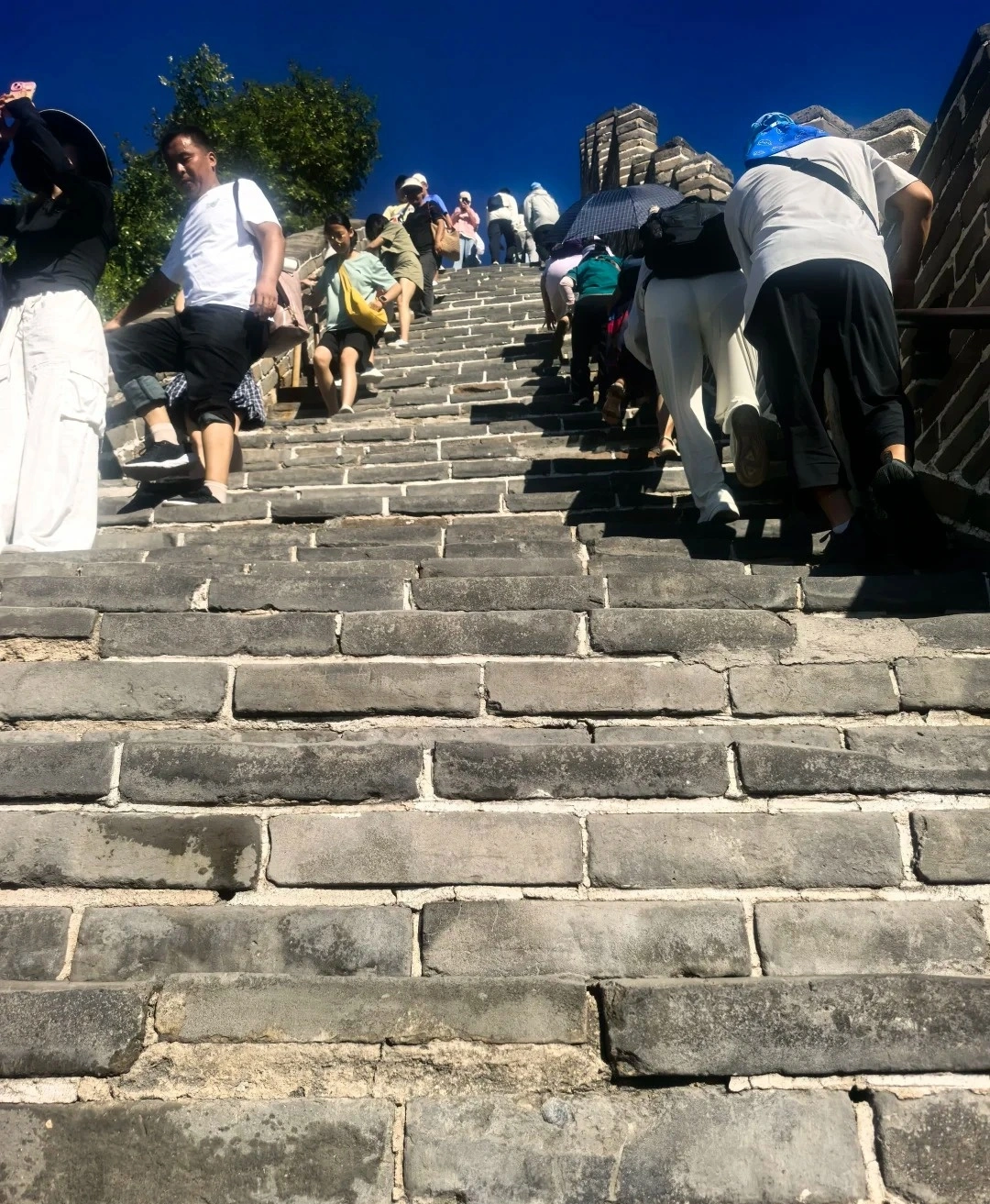
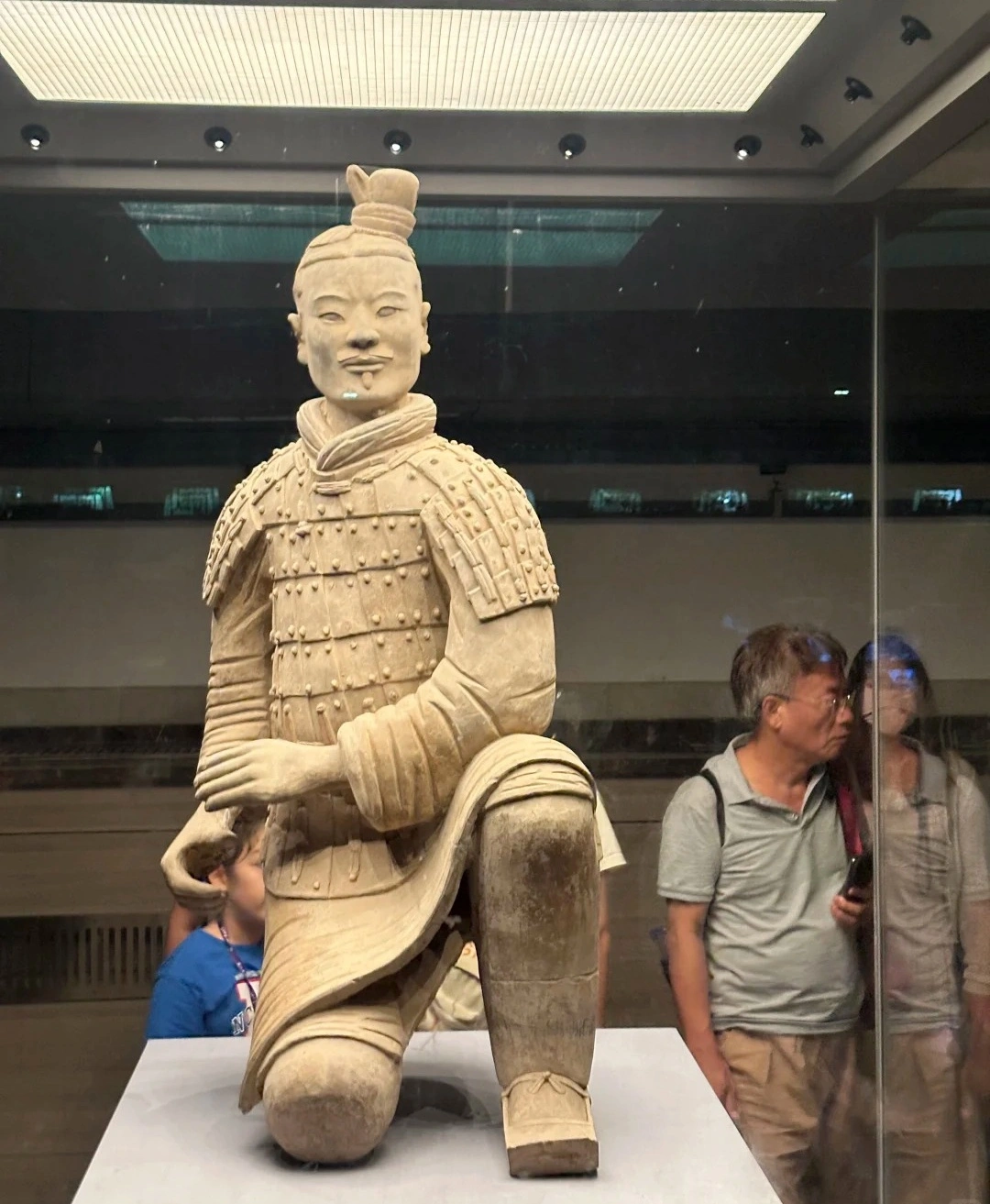
As a solo traveler from Canada, I was nervous about navigating China alone—but this 11-day tour was PERFECT! From hiking the Great Wall at sunrise (Day 3) to gasping at the Terracotta Army (Day 5), every day delivered ‘pinch-me’ moments. The real showstopper? Zhangjiajie’s Avatar Mountains (Day 7)! Our guide made the stone pillars come alive with stories.
Massive thanks for handling all logistics—bullet train tickets, entry passes, car! And the 4-star hotels surprised me.
Destination(s):
Beijing Xian Zhangjiajie Shanghai
Date of
Experience:
June 02,2025

Simon
America
Reviewed on May 29,2025
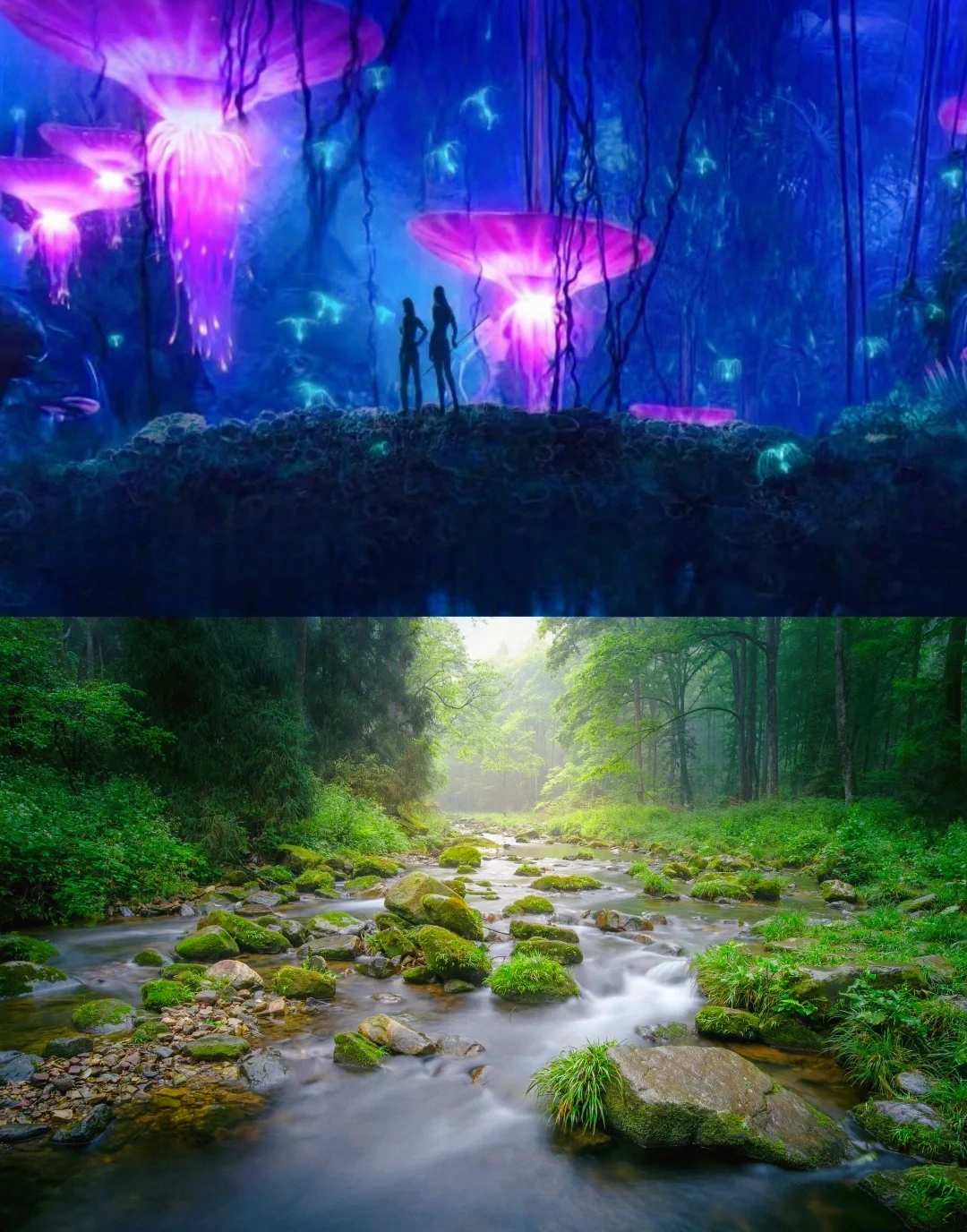
Our 2-day Zhangjiajie tour was beyond spectacular! As someone who’s visited Beijing and Shanghai for work, this trip revealed China’s wild, magical heart. Day 1 in Zhangjiajie National Forest Park felt like stepping onto Pandora—I’m a huge Avatar fan, and Yuanjiajie’s floating peaks left me breathless. The misty pillars and lush valleys like pure movie magic!
Then came Fenghuang Ancient Town, we eat dinner beside the thundering waterfall. It seems Unreal! The night views of stilt houses glowing over the river were straight from a fairy tale.
For fellow Avatar lovers and adventure seekers: Don’t miss this bucket-list experience! 10/10 would return.
A Well-Traveled Film Buff, May 2025
Destination(s):
Zhangjiajie
Date of
Experience:
May 08,2025