

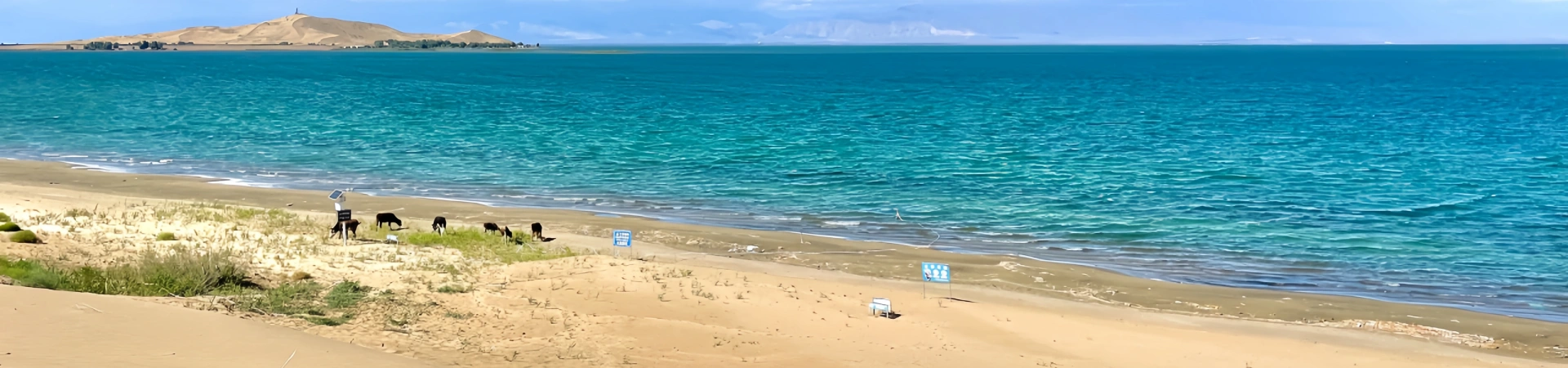
Explore Bosten Lake in Xinjiang—China's Largest Inland Freshwater Lake
Introduction
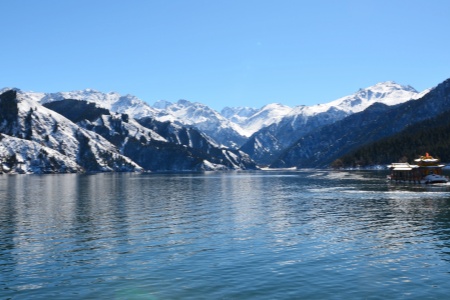
Bosten Lake, known as “Bosten Nao’er” in Mongolian (meaning “standing lake”), is China’s largest inland freshwater lake and a crown jewel of Xinjiang’s tourism landscape. Nestled in the southeastern Yanqi Basin of Bayingolin Mongol Autonomous Prefecture, this 1,646-square-kilometer oasis spans coordinates between 86°40′–87°25′E and 41°56′–42°14′N, with an elevation of 1,048 meters. Designated a national 5A-level tourist attraction in 2014 and a nationally important wetland in 2021, the lake serves as both an ecological treasure and a cultural crossroads where desert, wetland, and mountain ecosystems converge.
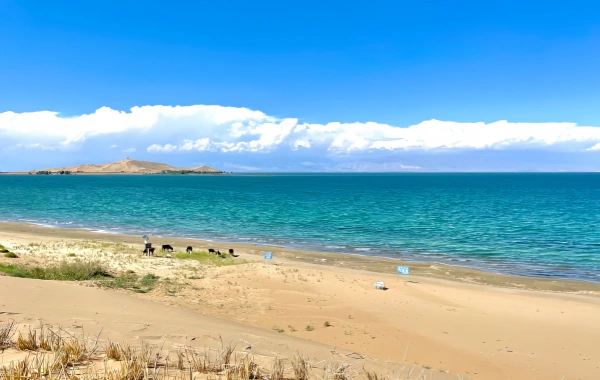
Geographical and Natural Features
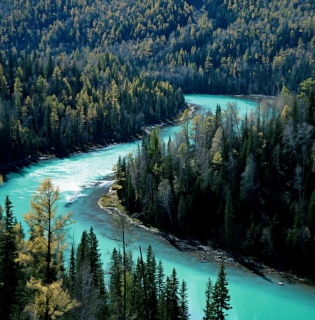
The lake is divided into two distinct zones: the vast Great Lake (covering nearly 1,000 km²) and the smaller Small Lake (100+ km²). Fed primarily by the Kaidu River and serving as the source of the Konqi River, it sustains a unique hydrological cycle in the heart of Eurasia’s arid zone. Its waters, averaging 9 meters deep with a maximum depth of 17 meters, support 600,000 acres of reed wetlands—ranking among China’s top four reed-producing regions. The lake’s ecosystem teems with biodiversity: 198 wildlife species, including endangered golden eagles and swan geese, thrive alongside 80,000 acres of wild lotus blooms that paint the surface in summer.
Cultural and Historical Significance
Historically referred to as the “Western Sea” in ancient texts like the Han Shu and Shui Jing Zhu, Bosten Lake has been a vital stop on the Silk Road for over two millennia. The area preserves rich Mongolian and Uyghur traditions, exemplified by the non-material cultural heritage “Sawur Dun” dance and annual Festivals like the Sawur Dun Cultural Arts Festival and the Lotus Bloom Tourism Festival. Archaeological sites, including ancient beacon towers and Buddhist temples, dot the shoreline, while local legends of dragon horses and desert caravans continue to inspire cultural tourism initiatives.
Tourism Activities and Attractions
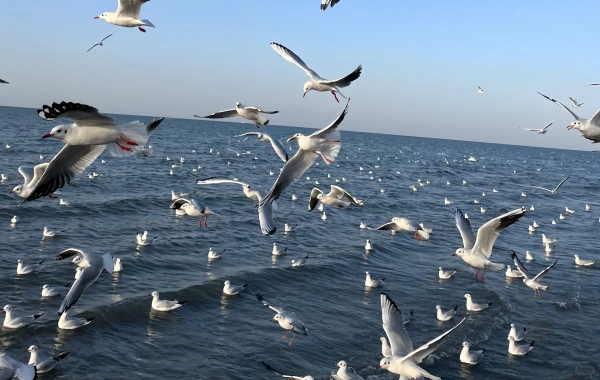
The lake’s tourism infrastructure caters to all seasons. Summer (June–August) offers water sports like motorboat cruises, fishing, and sandboarding on White Heron Island’s dunes. autumn transforms the landscape into a golden tapestry of reeds and migratory birds, ideal for photography and birdwatching. Winter (December–February) features ice-skating, snow sculpture festivals, and the iconic Polar Light Tourism Festival. Key attractions include:
- Great River Mouth Scenic Area: With crystal-clear waters and a 45-meter-high sand dune, this zone offers panoramic views and adrenaline-pumping activities like paragliding.
- Lotus World Scenic Area: Famous for its 80,000-acre lotus fields, it hosts the annual Lotus Bloom Festival with traditional boat races and lotus-themed cuisine.
- Desert Cultural Tourism Zone: Combines desert越野车 excursions with cultural exhibits on ancient caravan routes.
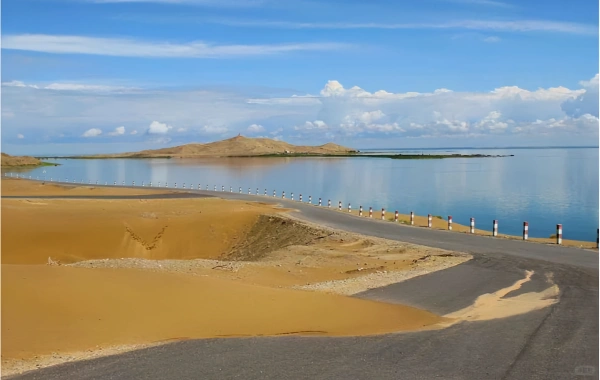
Ecological Conservation Efforts
Since the 2020 enactment of the Bosten Lake Water Ecological Protection Regulations, authorities have implemented cutting-edge conservation strategies. The lake’s water quality improved from Class IV to Class III (2020–2024), with inflowing rivers like the Huangshui and Kaidu maintaining Class II standards. Initiatives include agricultural runoff recycling projects, wetland restoration, and the establishment of a 157,371-hectare national wetland park. The “retreat water without discharge” policy has revitalized 7,000 acres of desert vegetation, while wastewater treatment plants in neighboring counties ensure 100% compliance with sensitive water standards.
Travel Tips and Practical Information
- Best Visiting Seasons: Peak experiences occur from June to October, though winter offers unique snow-based activities.
- Transportation: Fly to Korla Airport (60 km away) or take the high-speed railway to Korla Station. Self-driving enthusiasts can traverse the 239.2-km Ring Lake Highway, connecting major attractions.
- Accommodation: Options range from lakeside yurts and homestays to luxury hotels like Bosten Lake Grand Hotel and Eco-Resorts.
- Cuisine: Savor locally caught fish dishes prepared in 100+ styles at the Bosten Fish Banquet, paired with Uyghur pastries and Mongolian dairy products.
- Entry Fees: Main zones charge 40–45 CNY per person, with discounts for annual passes and group tours.
Sustainable Tourism and Future Development
As of 2025, Bosten Lake attracts over 5 million annual visitors, contributing 3.08 billion CNY to the local economy. Ongoing projects include expanding the Ring Lake Highway, developing eco-tourism corridors, and integrating digital tools like real-time water quality monitoring via mobile apps. The lake’s management emphasizes “ecology first” principles, balancing tourism growth with habitat protection—ensuring this ancient oasis remains a vibrant destination for generations to come.
Conclusion
Bosten Lake embodies the harmony of nature, culture, and human ingenuity. Whether seeking adventure on its waves, tranquility in its reed marshes, or cultural enrichment through local traditions, this Xinjiang gem offers unparalleled experiences. Plan your visit to witness the dance of lotus blooms, the call of migratory birds, and the timeless allure of the “Western Sea”—a true testament to sustainable tourism in the heart of Asia.


Contact Us
What Our Clients Say?



Ask us before you decide.
Unsure about a route, departure date or room option? Tell us what is holding up your plans. You will get a clear answer from our China-based travel team—no booking required.