

Exploring the Height of Longmen Grottoes: The Height and Artistic Beauty of a Thousand-Year-Old Buddhist Kingdom
Introduction: The Height of History at Longmen Grottoes
Nestled along the Yi River in Luoyang, Henan Province, Longmen Grottoes—a UNESCO World Heritage Site—boasts a history spanning over 1,500 years since its inception in 493 AD. This article delves into the awe-inspiring dimensions of Longmen Grottoes, focusing on its tallest Buddha statues, elevation details, and geographic grandeur, while providing practical travel insights. With over 110,000 Buddhist stone statues carved into limestone cliffs, the site’s vertical scale and artistic precision make it a cornerstone of ancient Chinese stone carving art. The keyword "longmen grottoes height" anchors this exploration of spiritual, historical, and natural heights.
Key Highlights: Vertical Marvels and Spatial Grandeur
1. The Tallest Buddha: Vairocana Buddha (17.14 Meters)
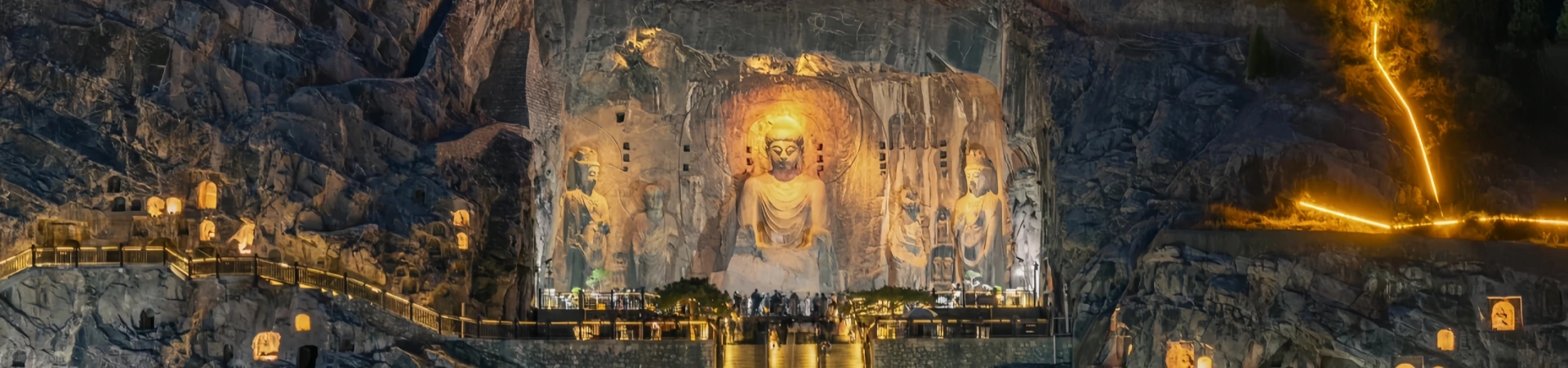
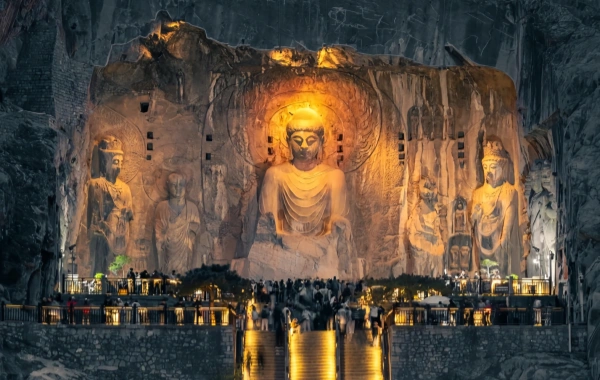
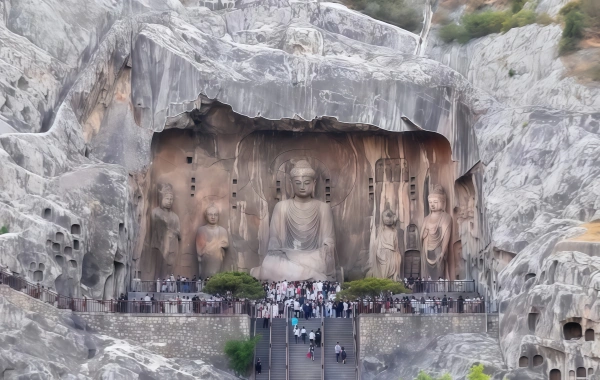
The crown jewel of Longmen is the 17.14-meter-tall Vairocana Buddha in Fengxian Temple, carved during the Tang Dynasty (672–675 AD). This colossal statue, seated on a lotus throne, features a 4-meter-high face and 1.9-meter-long ears, symbolizing enlightenment and cosmic order. Its serene expression, flowing robes, and intricate hand gestures exemplify Tang sculptural mastery. Flanked by disciples, bodhisattvas, and guardian figures, the grotto creates a harmonious spiritual tableau visible across the river.
2. Altitude and Geographic Layout
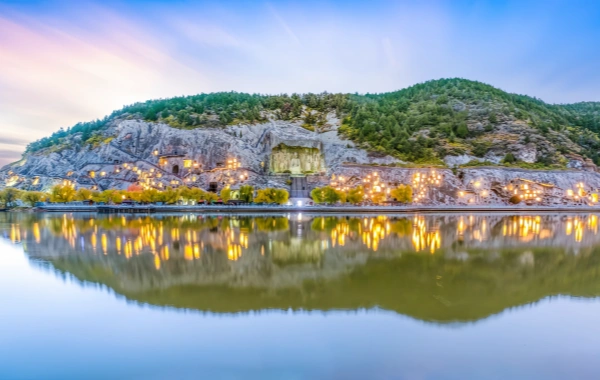
- West Hill (Longmen Mountain): Rising to 307.6 meters above sea level, this cliff hosts 70% of Longmen’s carvings, including Guyang Cave (oldest, dating to Northern Wei) and Lotus Cave.
- East Hill (Xiangshan): Peaking at 371.8 meters, it houses Tang-era sculptures and the Xiangshan Temple. The Yi River, flowing northward between the hills, forms a 120-meter-deep canyon, enhancing the site’s dramatic verticality.
- Micro and Macro Dimensions: From the 2-centimeter micro-statues in Lotus Cave to the 19-meter-high unfinished Buddha in Binyang Cave, the site’s scale ranges from intimate to monumental.
3. Architectural Height and Symbolism
The grottoes’ height reflects spiritual hierarchies—taller statues denote higher divine status. The 9.3-meter-tall Buddha in Qianxian Temple (Tang Dynasty) and the 7-meter-high Arhats in Wanfo Cave illustrate this tradition. The cliffs’ elevation also creates natural viewing galleries; from the opposite bank, visitors gain panoramic perspectives of the carved panoramas.
Transportation Guide: Reaching the Heights
From Luoyang City
- Public Transit:
- Buses 81, 53, 60, 71, 89, 99, 118: Connect Luoyang Railway Station to the grottoes in 1 hour (¥2 fare).
- Subway Line 1: From Wangcheng Park Station to Longmen Grottoes Station (40 mins, ¥3), followed by a 1km shuttle or taxi.
- Taxi/Didi: From downtown, a 30-minute ride costs ¥30–50. From Longmen High-Speed Railway Station (5km away), taxis take 10–15 mins (¥15–20).
- Self-Driving: Parking at West Hill Entrance costs ¥10/hour. GPS: 34.56°N, 112.48°E.
Regional Access
- Zhengzhou: High-speed train (1.5 hrs, ¥60–100) to Luoyang Longmen Station, then local transit.
- Shaolin Temple: Buses (2 hrs, ¥20) or taxis (90 mins, ¥200) cover the 60km route.
Ticket Information: Pricing and Access
- Admission Fees:
- Peak Season (Apr–Oct): ¥90/adult (8:30 AM–6:00 PM).
- Off-Season (Nov–Mar): ¥40/adult (8:00 AM–5:30 PM).
- Discounts: Students/seniors (60+) pay ¥45/¥20; children under 1.2m free.
- Optional Services:
- Electric shuttles (¥20 round-trip) connect gates.
- Guided tours (¥30) and free WeChat audio guides enhance visits.
- Booking: Reserve via the official website or WeChat to skip queues. Daily cap: 80,000 (peak), 40,000 (off-season).
Best Time to Visit: Seasonal Heights of Beauty
- spring (Mar–May): Mild temperatures (15–25°C) and cherry blossoms frame the cliffs. Avoid crowds by visiting weekdays or after 2 PM.
- autumn (Sep–Nov): Golden ginkgo leaves and cool weather (10–20°C) peak in October. Steer clear of National Day (Oct 1–7).
- Winter (Dec–Feb): Snow-dusted statues create a fairy-tale scene. Layer clothing for sub-zero temperatures; indoor pavilions offer warmth.
- Summer (Jun–Aug): Visit early (8:30 AM) or after 4 PM to avoid midday heat (30–35°C). Lotus blooms in July enhance photo ops.
Cultural and Historical Height: Beyond Dimensions
Longmen Grottoes’ height transcends physical measurements. The 1,500-year-old carvings narrate the evolution of Buddhist art—from Northern Wei’s austere linearity to Tang’s voluptuous realism. The site’s 3,600 inscriptions and pagodas reveal medieval calligraphy, music, and medicine. Designated a UNESCO site in 2000, it preserves a microcosm of dynastic China.
Practical Tips for Elevated Experiences
- Comfort First: Wear sturdy shoes for steep, uneven trails. Sunscreen, hats, and layers combat seasonal weather.
- Quiet Zones: Explore East Hill or Jingshan Park for panoramic views without crowds.
- Dining: Savor local dishes like Luoyang Water Banquet or snacks near the exit.
- Photography: Morning light (8:30–10 AM) illuminates the Vairocana Buddha; sunset (4–5 PM) casts golden hues on the Yi River.
Conclusion: A Monument to Human Aspiration
The "longmen grottoes height" encapsulates both physical grandeur and spiritual elevation. Standing before the 17.14-meter Vairocana Buddha or gazing across the 120-meter-deep canyon, visitors connect with millennia of artistic ambition and devotion. By aligning visits with off-peak seasons and leveraging public transit, travelers can fully appreciate this UNESCO masterpiece’s timeless allure. As a bridge between earthly and divine realms, Longmen Grottoes remains an unmissable pilgrimage for culture seekers and history enthusiasts.






Contact Us
What Our Clients Say?



Ask us before you decide.
Unsure about a route, departure date or room option? Tell us what is holding up your plans. You will get a clear answer from our China-based travel team—no booking required.