
A Journey to the Enchanted Earth Towers: Where 'Big Fish & Begonia' Comes to Life in Fujian’s Tulou
1. Arrival: Stepping into a Mythical Realm
As I stepped off the train in Fujian’s lush countryside, the air hummed with anticipation. The journey to the Hakka Tulou—ancient earthen fortresses scattered across the mountains—felt like a pilgrimage to a forgotten world. But it wasn’t just history that drew me here; it was the whispers of Big Fish & Begonia, the beloved animated film that immortalized these structures as mystical gateways to another realm. With every winding road and mist-clad peak, I wondered: Would these towers live up to their cinematic legend?
2. First Glance: Tulou as Time Capsules
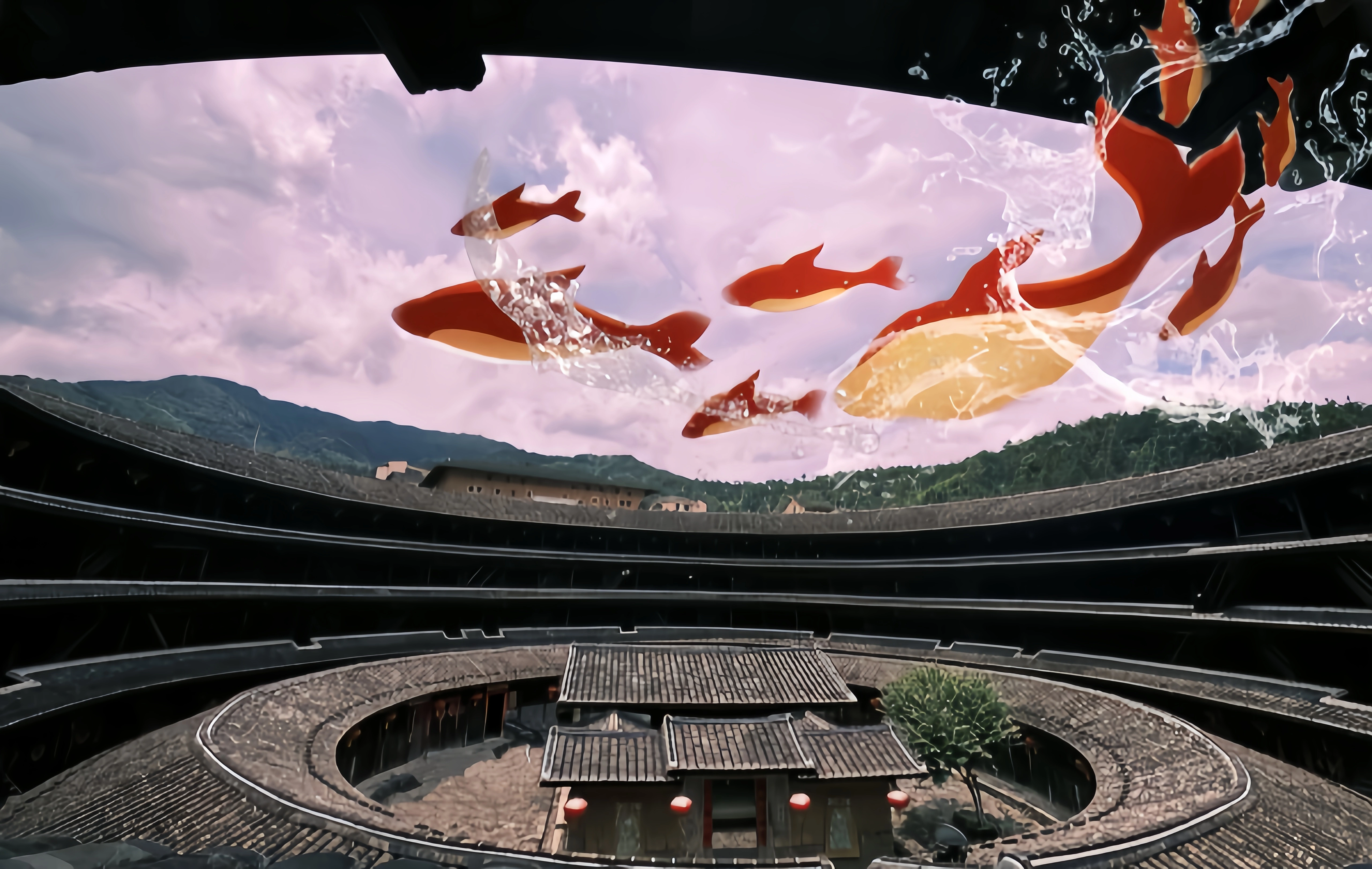
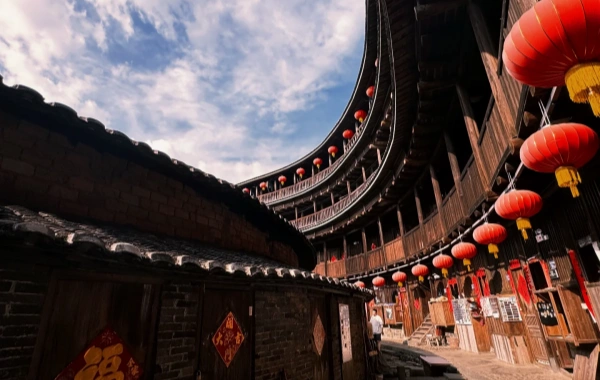
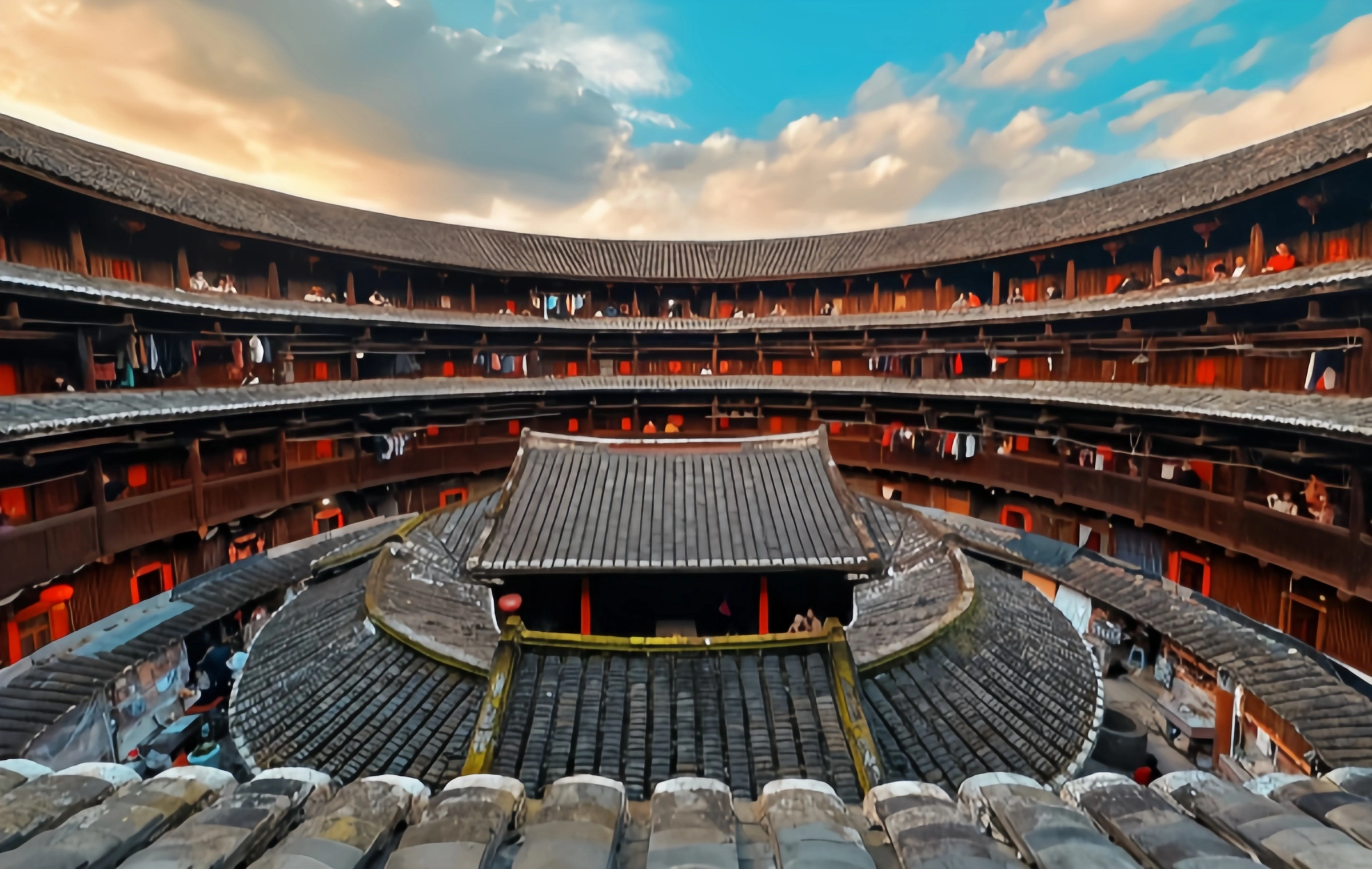
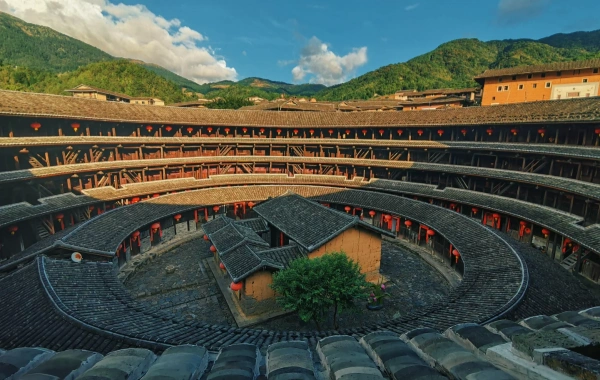
The first Tulou emerged from the fog like a scene from a fantasy novel. Circular, towering, and carved from earth and wood, these UNESCO-listed wonders defied modern logic. Locals called them “living museums,” and as I wandered through their massive arched gateways, I understood why. Inside, generations of families coexisted in tiny rooms lining the perimeter, while open courtyards buzzed with children playing and elders sharing stories. The symmetry, the scale, the sheer ingenuity—it was easy to see why Big Fish & Begonia chose these as backdrops for its otherworldly narrative. Here, reality and fantasy blurred.
3. The Film’s Echo: Where Animation Meets Architecture
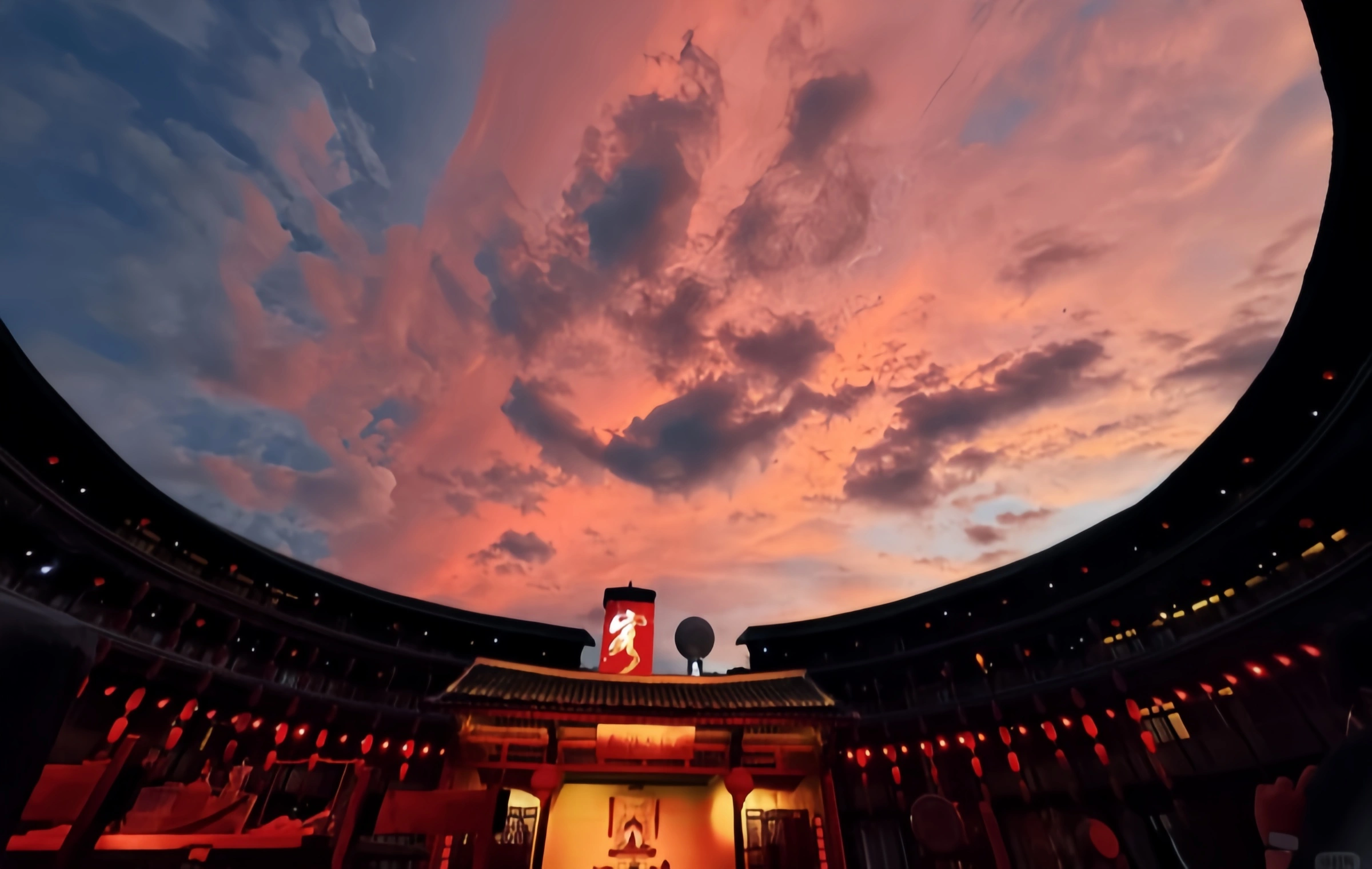
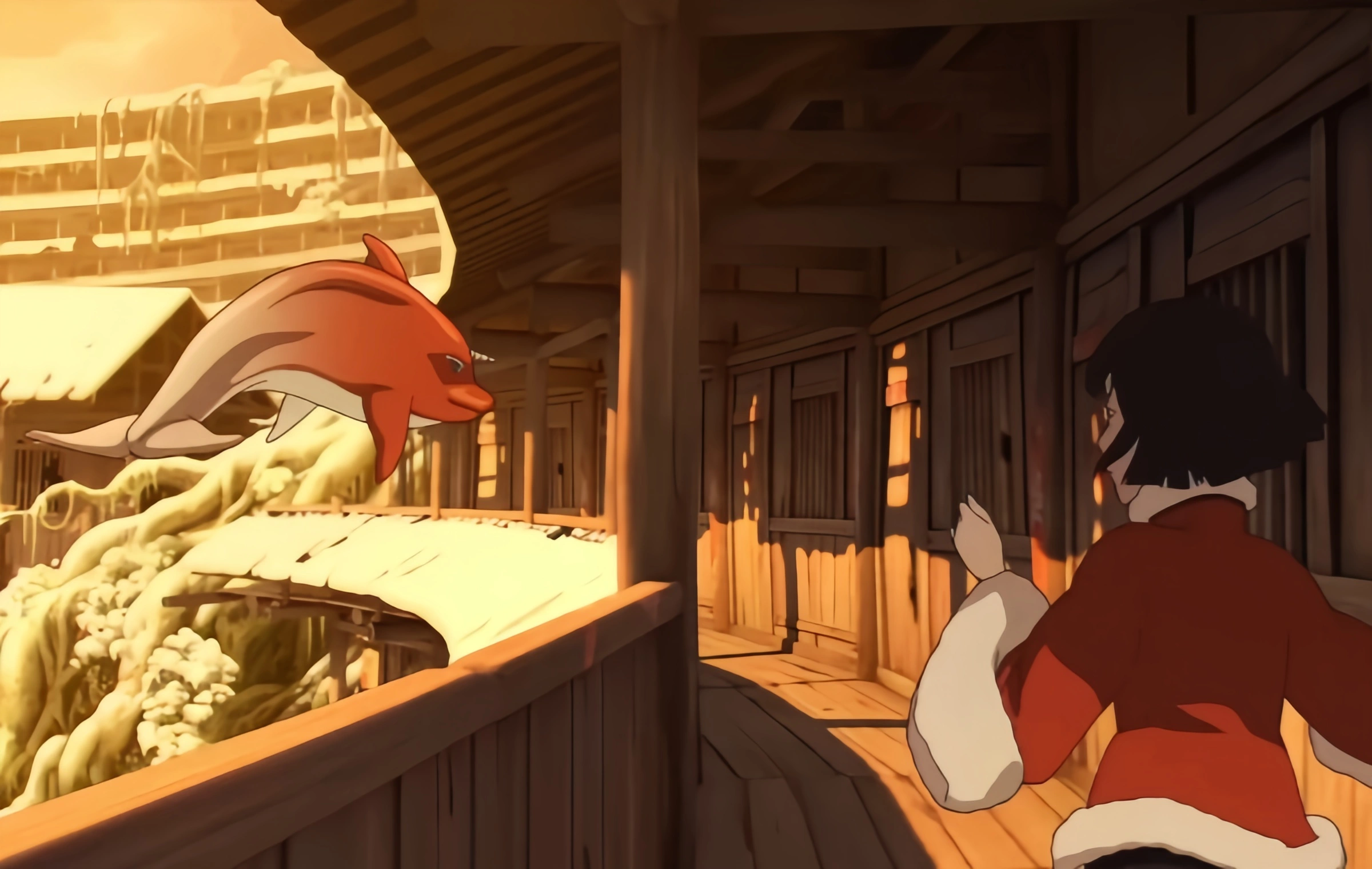
For fans of Big Fish & Begonia, the Tulou are more than buildings—they’re characters. The film’s protagonist, Chun, navigates a labyrinth of these towers, each frame dripping with symbolism. Standing in the shadow of Chengqi Lou—the largest circular Tulou, with 369 rooms—I couldn’t help but replay scenes in my mind. The way sunlight filtered through wooden lattices, the echo of footsteps on stone, the sense of being both protected and trapped… It was as if the film’s creators had bottled the essence of these structures and poured it onto the screen. “This is where magic happens,” I whispered, half-expecting Chun to round the corner.
4. Nightfall: Tulou Under a Starlit Spell
As dusk painted the sky in hues of amber and violet, the Tulou transformed. Lanterns flickered to life, casting a warm glow on weathered walls. Locals gathered in courtyards, sharing meals and laughter, while the towers stood sentinel—silent, stoic, and timeless. I climbed to the top of a nearby hill and gazed down at the cluster of earthen giants. In that moment, I understood the film’s deeper message: these weren’t just homes; they were sanctuaries of community, resilience, and connection to the land. Even without CGI, the scene felt cinematic.
5. Departure: Carrying a Piece of the Myth Home
Leaving the Tulou was bittersweet. I’d come seeking a connection to Big Fish & Begonia’s enchanted world but found something far richer: a living, breathing culture that had thrived for centuries. The Tulou weren’t relics—they were alive, pulsating with stories, laughter, and the quiet hum of everyday life. As my train pulled away, I clutched a handmade souvenir from a local artisan—a tiny wooden Tulou model, its doors open, inviting the world inside.
Final Call to Adventure
If you’ve ever dreamed of stepping into a fairy tale, Fujian’s Tulou await. Whether you’re a fan of Big Fish & Begonia or simply a traveler seeking the extraordinary, these earthen towers offer a journey unlike any other. Come for the architecture, stay for the magic, and leave with a story that transcends time.


Contact Us
What Our Clients Say?
Based on 10,000+ traveler reviews

Daniel Dorothea
Canada
Reviewed on April 29,2025
Shopping on Nanjing Road in Shanghai was just amazing! It's truly the "First Commercial Street of China", where tradition and modernity blend perfectly. You can find awesome souvenirs and experience the trendy vibes in cool stores. The neon lights at night are just spectacular, shining bright like Times Square in New York. The food here is incredible too. I had a feast for my taste buds. Shanghai, I'll definitely be back!
Destination(s):
Shanghai
Date of
Experience:
May 08,2024


Elvis Eva
Canada
Reviewed on June 20,2025
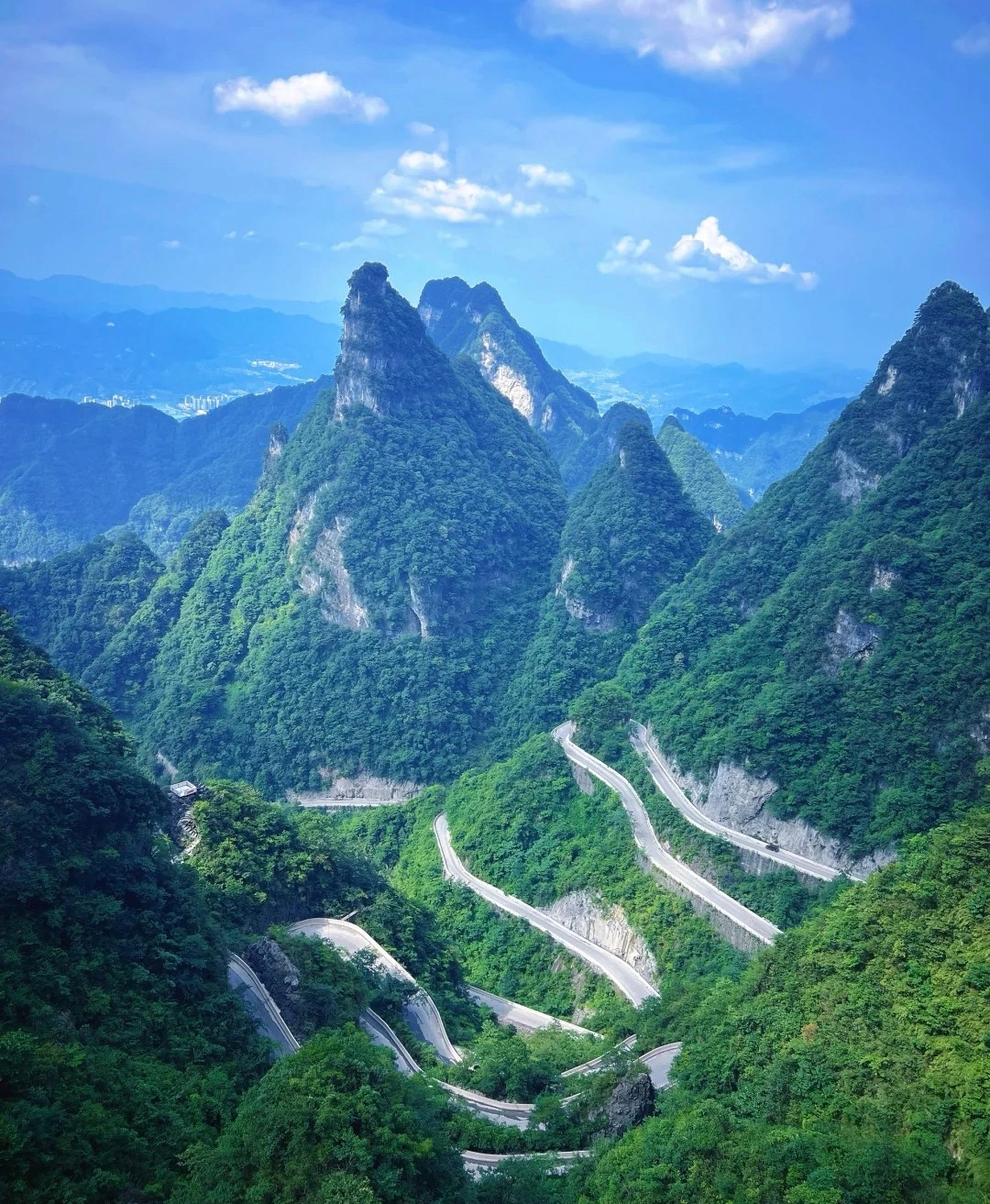
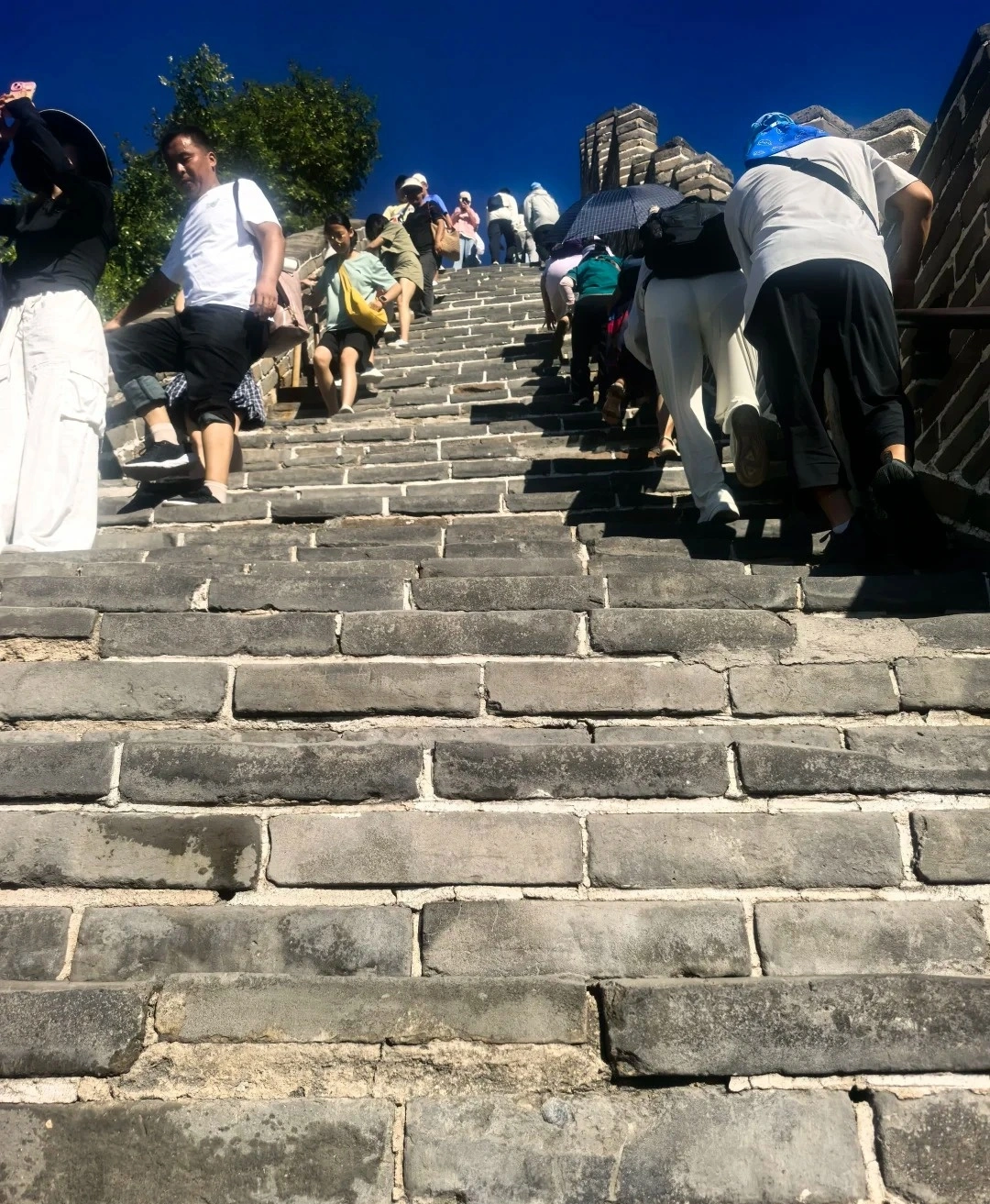
As a solo traveler from Canada, I was nervous about navigating China alone—but this 11-day tour was PERFECT! From hiking the Great Wall at sunrise (Day 3) to gasping at the Terracotta Army (Day 5), every day delivered ‘pinch-me’ moments. The real showstopper? Zhangjiajie’s Avatar Mountains (Day 7)! Our guide made the stone pillars come alive with stories.
Massive thanks for handling all logistics—bullet train tickets, entry passes, car! And the 4-star hotels surprised me.
Destination(s):
Beijing Xian Zhangjiajie Shanghai
Date of
Experience:
June 02,2025

Simon
America
Reviewed on May 29,2025
Our 2-day Zhangjiajie tour was beyond spectacular! As someone who’s visited Beijing and Shanghai for work, this trip revealed China’s wild, magical heart. Day 1 in Zhangjiajie National Forest Park felt like stepping onto Pandora—I’m a huge Avatar fan, and Yuanjiajie’s floating peaks left me breathless. The misty pillars and lush valleys like pure movie magic!
Then came Fenghuang Ancient Town, we eat dinner beside the thundering waterfall. It seems Unreal! The night views of stilt houses glowing over the river were straight from a fairy tale.
For fellow Avatar lovers and adventure seekers: Don’t miss this bucket-list experience! 10/10 would return.
A Well-Traveled Film Buff, May 2025
Destination(s):
Zhangjiajie
Date of
Experience:
May 08,2025