
Sichuan Opera (Chuan Ju): A Timeless Art Form Blending Music, Dance, and Mystique
Sichuan Opera, or Chuan Ju, is one of China’s most vibrant and distinctive traditional performing arts, originating in the Sichuan province of southwest China. With a history spanning over 300 years, it combines music, dance, acrobatics, and theatrical storytelling into a mesmerizing spectacle. Known for its bold facial expressions, rapid costume changes, and dramatic flair, Sichuan Opera continues to captivate audiences worldwide. Let’s delve into its origins, unique features, and enduring cultural significance.
1. The Origins and Historical Evolution of Sichuan Opera
Sichuan Opera emerged during the Ming Dynasty (1368–1644) and flourished in the Qing Dynasty (1644–1912), blending regional folk performances with influences from Kunqu Opera (southern China) and Han Opera (central China). Over centuries, it absorbed elements from Tibetan, Yi, and Miao ethnic cultures, creating a rich, multicultural art form.
By the mid-20th century, Sichuan Opera had solidified its reputation as a dynamic, audience-centric performance style, often performed in tea houses, temples, and Festivals. Today, it remains a symbol of Sichuan’s cultural identity and is recognized as a national Intangible Cultural Heritage by UNESCO.
2. The Five Unique Vocal Styles of Sichuan Opera
Sichuan Opera is distinguished by its five vocal categories, each representing different regional influences and emotional tones:
- Gaoqiang: A high-pitched, rhythmic style with strong percussion accompaniment, often used in heroic or tragic scenes.
- Kunqiang: Soft, melodic tunes derived from Kunqu Opera, ideal for romantic or lyrical passages.
- Huqin: A stringed-instrument-driven style featuring the erhu (two-stringed fiddle), adding emotional depth.
- Tanxi: Lively, percussion-heavy music performed with moon guitars, commonly used in comedic or fast-paced scenes.
- Dengdiao: Folk-inspired lamp-play music, often performed during festivals or celebratory occasions.
This blend of vocal techniques allows performers to convey a wide range of emotions, from joy and sorrow to anger and excitement.
3. The Iconic Performance Techniques of Sichuan Opera
Sichuan Opera is famous for its visual and physical spectacle, with several signature techniques that set it apart:
Face-Changing (Bian Lian)
The most renowned skill, face-changing involves actors rapidly swapping colored masks to reflect shifting emotions—anger, fear, joy, or sorrow—in seconds. Masks are often made of silk or paper and are changed through sleight of hand, head movements, or even blowing powder. This technique remains a closely guarded secret among performers.
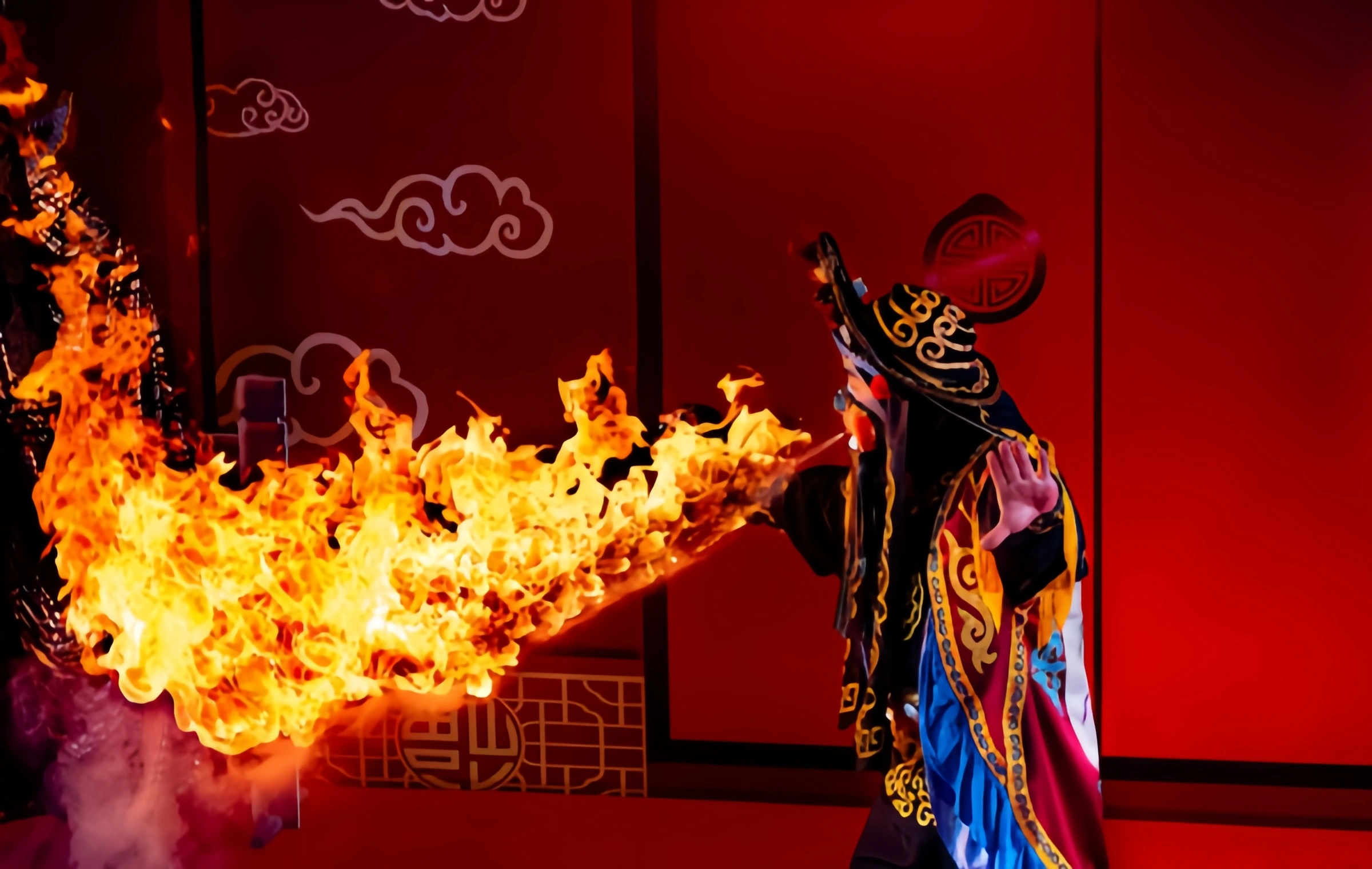
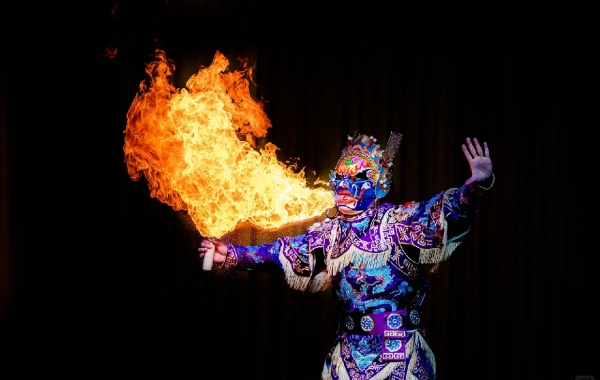
Fire-Spitting (Tu Huo)
In this dramatic act, actors blow flammable powder through their mouths, creating bursts of fire to symbolize divine power or supernatural events. The technique requires precise control of breath and timing, making it a thrilling highlight of many performances.
Rolling a Light (Gun Deng)
A comedic routine where performers balance a flaming oil lamp on their heads while executing acrobatic stunts like somersaults or cartwheels. This act combines humor, danger, and skill, often leaving audiences in stitches.
Water Sleeves (Shui Xiu)
Dancers use long, flowing silk sleeves to express grace, sorrow, or longing. The fluid movements of the sleeves mimic waves or wind, adding a poetic quality to the performance.
Puppetry & Shadow Play (Muxi & Piying)
Some Sichuan Opera productions incorporate string puppets or shadow plays, blending human and puppet performances for a surreal effect.
4. Themes and Storytelling in Sichuan Opera
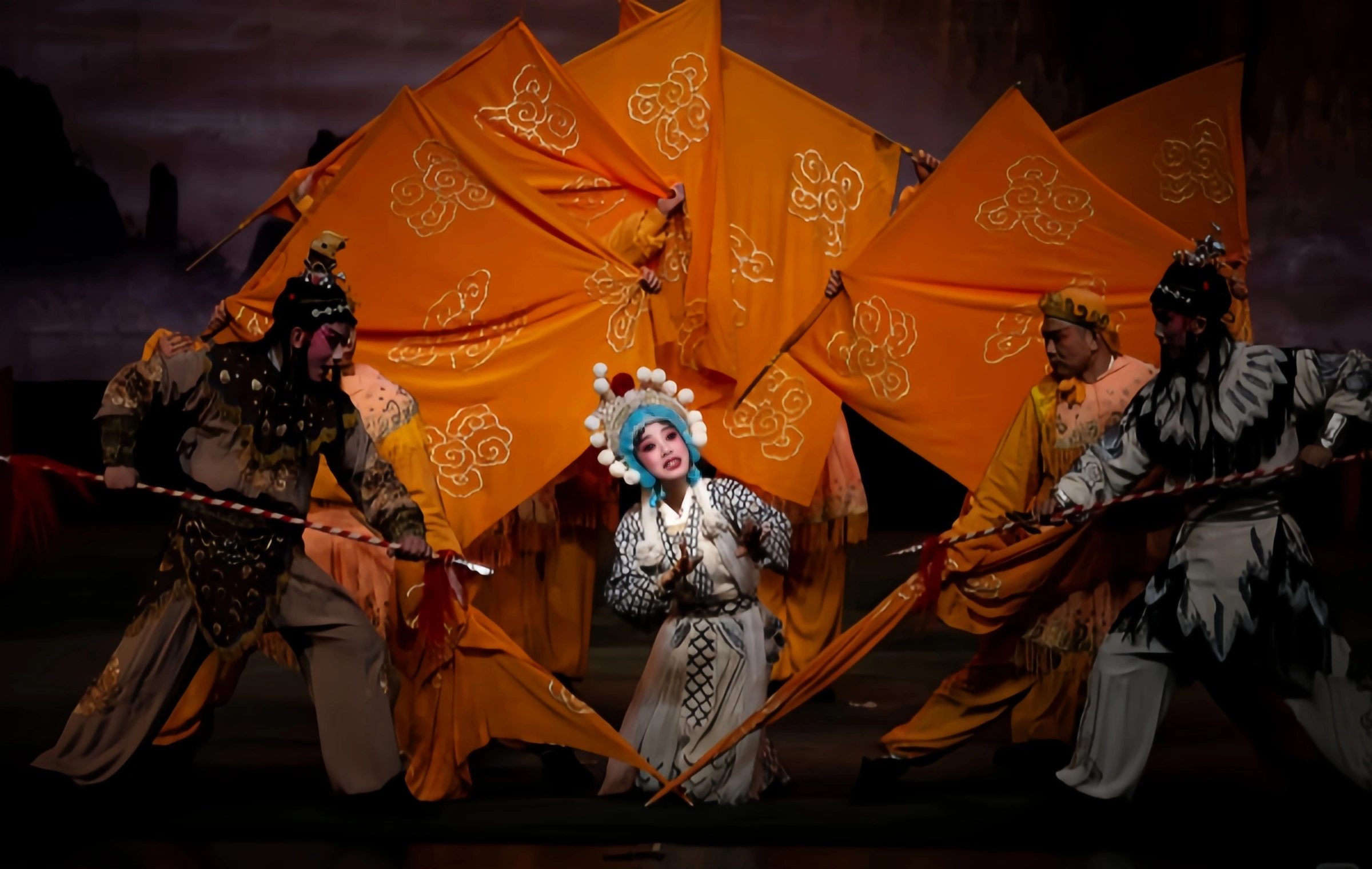
Sichuan Opera stories draw from Chinese mythology, historical legends, and moral fables, often emphasizing themes of loyalty, love, justice, and heroism. Common narratives include:
- Romantic tragedies (e.g., The Peony Pavilion)
- Historical epics (e.g., The Romance of the Three Kingdoms)
- Supernatural tales (e.g., Journey to the West)
- Comedic skits (e.g., The Drunken Concubine)
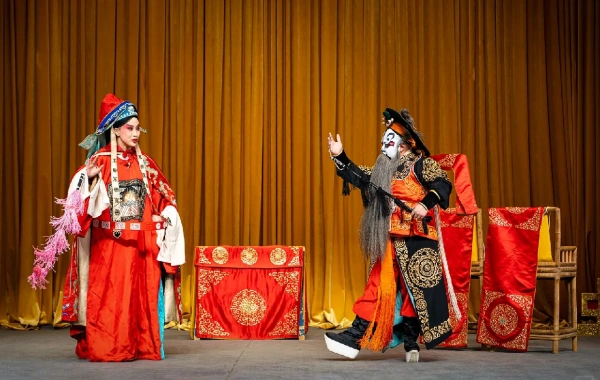
Performances are accompanied by live music, percussion, and occasional dialogue, with actors using exaggerated gestures and vocal inflections to engage audiences.
5. Where to Experience Sichuan Opera Today
While Sichuan Opera was traditionally performed in tea houses and rural festivals, modern theaters now host professional troupes. Key venues include:
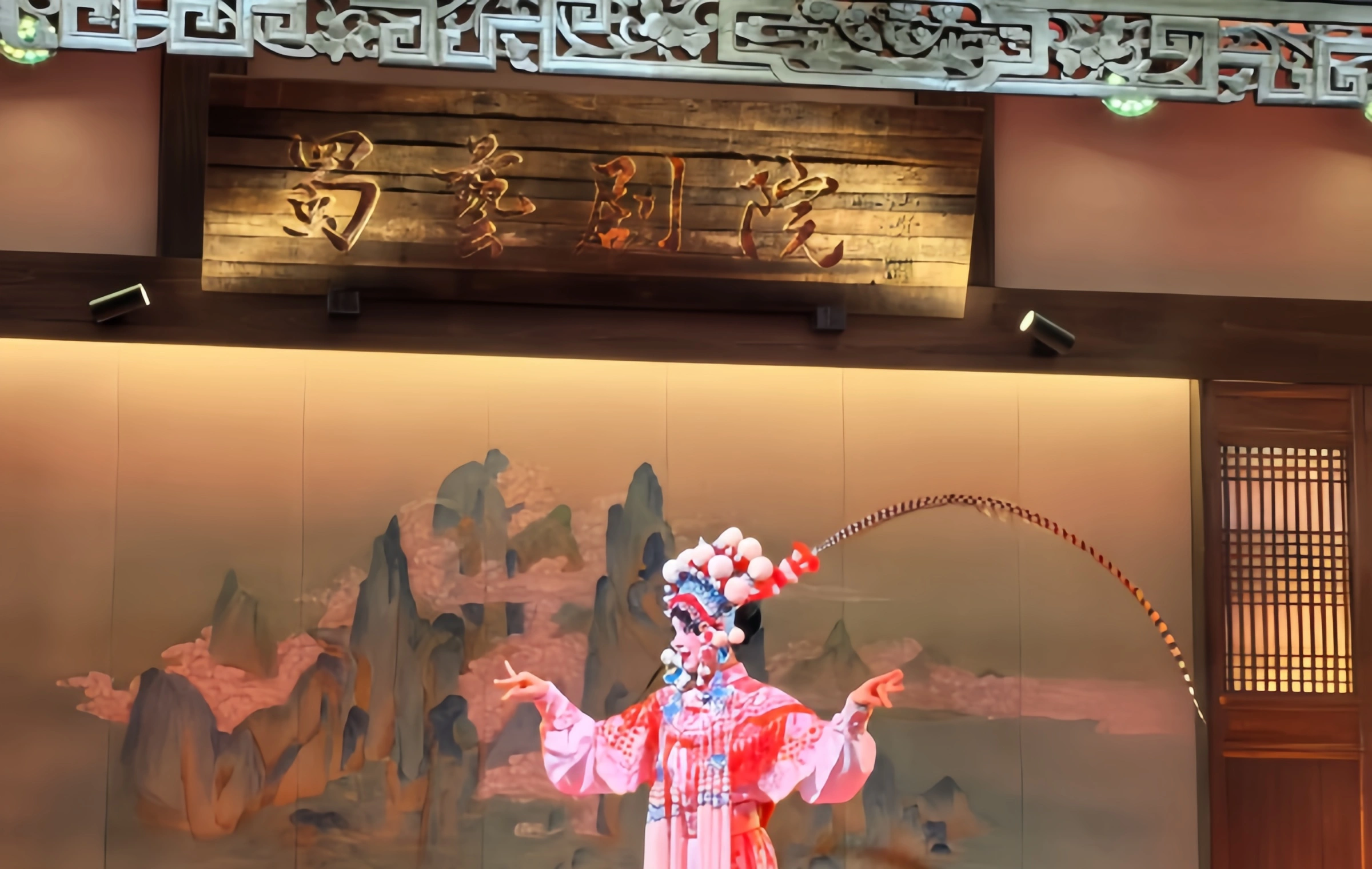
- Shu Feng Ya Yun Theater (Chengdu): A premier venue offering nightly shows with English subtitles.
- Sichuan Opera Museum (Chengdu): Interactive exhibits and live demonstrations of face-changing and fire-spitting.
- Local Tea Houses: Authentic, intimate performances in Chengdu’s Wide and Narrow Alleys district.
- Cultural Festivals: The Chengdu International Sichuan Opera Festival showcases top troupes from across China.
Conclusion: Sichuan Opera—A Living Cultural Treasure
Sichuan Opera is more than just entertainment—it’s a living archive of Chinese history, folklore, and artistic innovation. Its bold techniques, emotional storytelling, and vibrant energy continue to inspire audiences worldwide. Whether you’re a theater enthusiast, a culture lover, or simply curious about China’s artistic heritage, witnessing a Sichuan Opera performance is an unforgettable experience.


Contact Us
What Our Clients Say?
Based on 10,000+ traveler reviews

Daniel Dorothea
Canada
Reviewed on April 29,2025
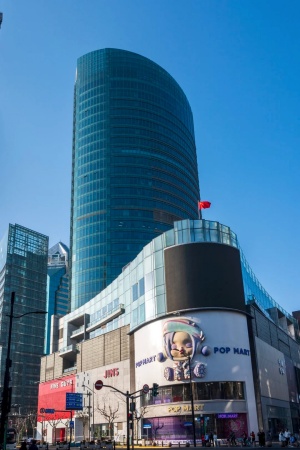
Shopping on Nanjing Road in Shanghai was just amazing! It's truly the "First Commercial Street of China", where tradition and modernity blend perfectly. You can find awesome souvenirs and experience the trendy vibes in cool stores. The neon lights at night are just spectacular, shining bright like Times Square in New York. The food here is incredible too. I had a feast for my taste buds. Shanghai, I'll definitely be back!
Destination(s):
Shanghai
Date of
Experience:
May 08,2024

Elvis Eva
Canada
Reviewed on June 20,2025
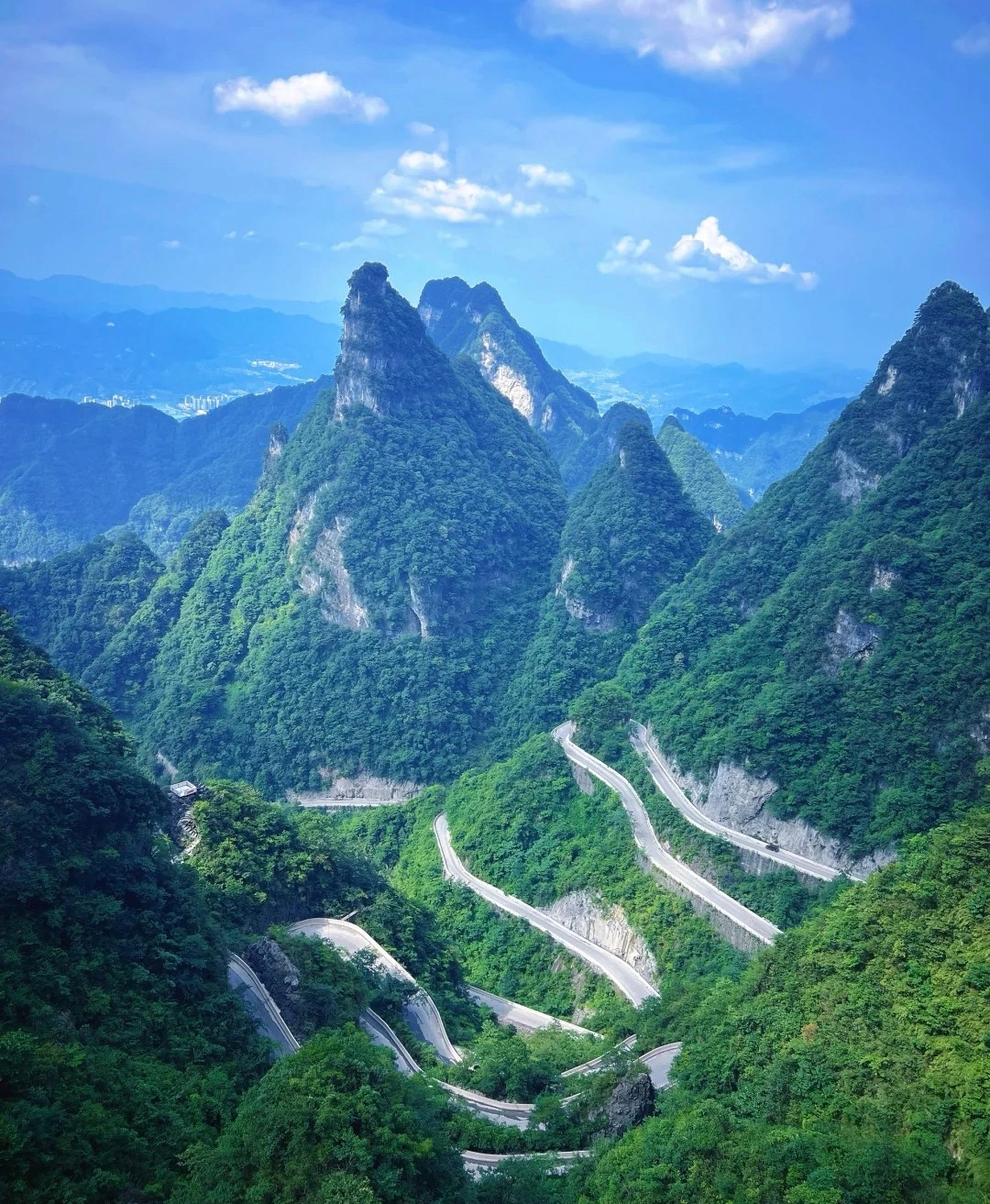
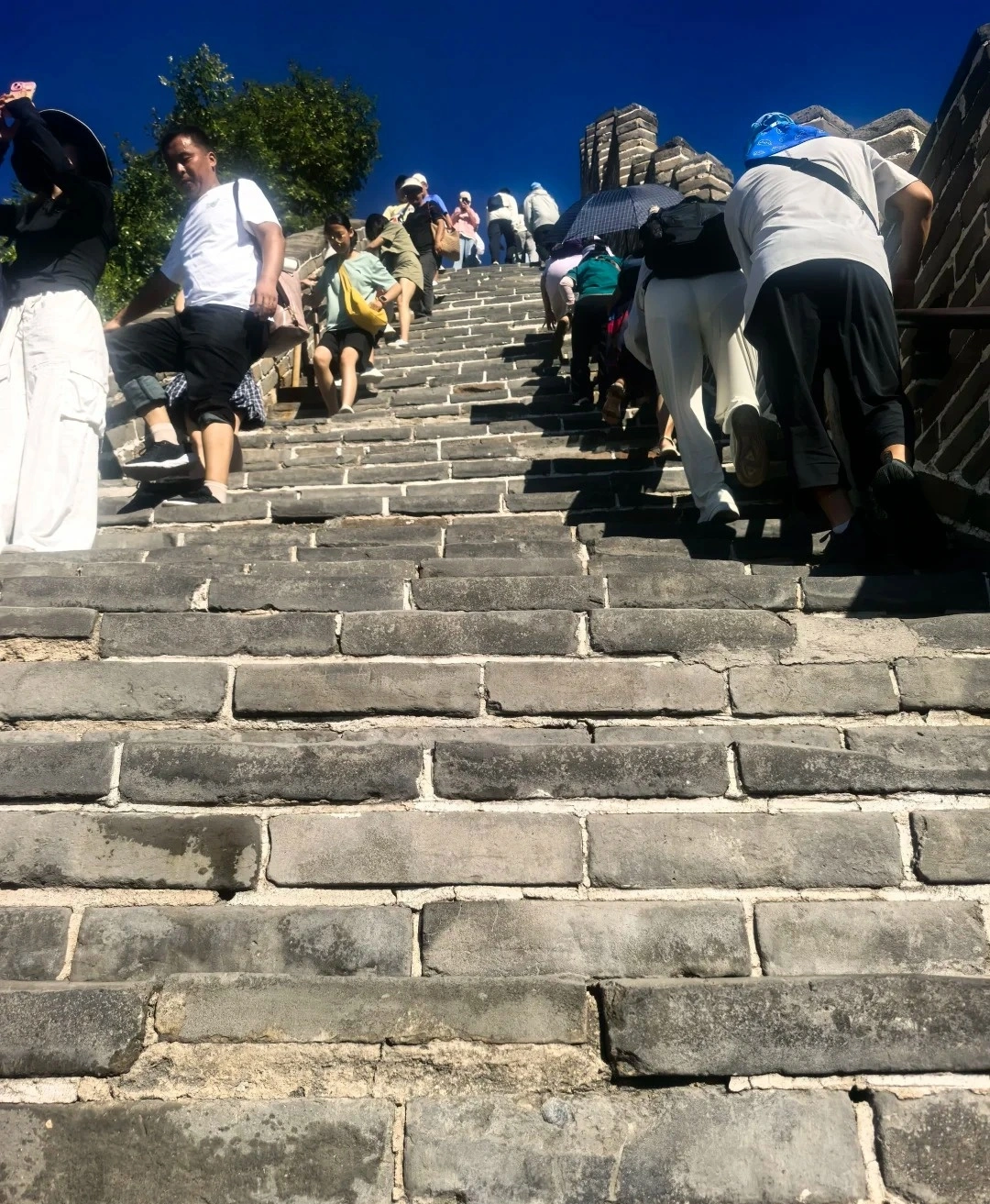
As a solo traveler from Canada, I was nervous about navigating China alone—but this 11-day tour was PERFECT! From hiking the Great Wall at sunrise (Day 3) to gasping at the Terracotta Army (Day 5), every day delivered ‘pinch-me’ moments. The real showstopper? Zhangjiajie’s Avatar Mountains (Day 7)! Our guide made the stone pillars come alive with stories.
Massive thanks for handling all logistics—bullet train tickets, entry passes, car! And the 4-star hotels surprised me.
Destination(s):
Beijing Xian Zhangjiajie Shanghai
Date of
Experience:
June 02,2025

Simon
America
Reviewed on May 29,2025
Our 2-day Zhangjiajie tour was beyond spectacular! As someone who’s visited Beijing and Shanghai for work, this trip revealed China’s wild, magical heart. Day 1 in Zhangjiajie National Forest Park felt like stepping onto Pandora—I’m a huge Avatar fan, and Yuanjiajie’s floating peaks left me breathless. The misty pillars and lush valleys like pure movie magic!
Then came Fenghuang Ancient Town, we eat dinner beside the thundering waterfall. It seems Unreal! The night views of stilt houses glowing over the river were straight from a fairy tale.
For fellow Avatar lovers and adventure seekers: Don’t miss this bucket-list experience! 10/10 would return.
A Well-Traveled Film Buff, May 2025
Destination(s):
Zhangjiajie
Date of
Experience:
May 08,2025