
Chilechuan Grassland: A Traveler’s Escape into Mongolia’s Endless Green Paradise
1. Arrival: Breathing in the Whispers of the Wind
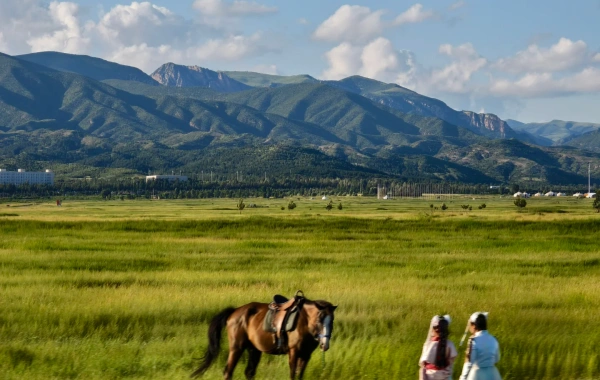
As my car crested the final hill, the vast expanse of Chilechuan Grassland unfolded like a living painting—a sea of emerald waves stretching to the horizon, dotted with grazing horses and yaks. The air, crisp and fragrant with wildflowers, carried the distant hum of a nomad’s flute. “This,” I thought, “is where the earth meets the sky.”
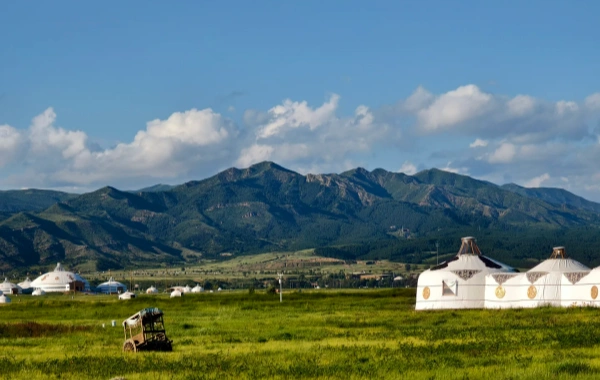
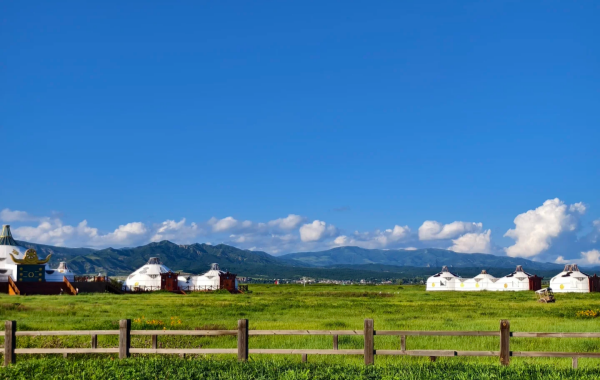
Unlike crowded tourist hotspots, Chilechuan feels untamed. There are no ticket booths or guided tours—just endless trails inviting you to wander. I kicked off my shoes, letting the soft grass tickle my toes as I walked toward a cluster of ger tents (yurts), their white canvas glowing under the golden sun. A nomad family greeted me with warm smiles and cups of fresh mare’s milk tea, their hospitality as boundless as the landscape itself.
2. Immersion: Riding the Wild Like a Local
The next morning, I joined a local herder named Batur for a horseback ride across the plains. His sturdy Mongolian horse, “Sükhbaatar” (Iron Hero), seemed to know the terrain better than I knew my own name. We galloped past crystal-clear streams and clusters of purple iris flowers, their petals dancing in the breeze.
Batur pointed to a distant hill. “That’s where my ancestors held naadam Festivals,” he said, referencing Mongolia’s traditional “Three Games of Men” (wrestling, archery, and horse racing). “Even today, we celebrate here under the open sky.” As we rode, a herd of sheep appeared like moving clouds, guided by a shepherd’s melodic call. For a moment, time stood still—no deadlines, no noise, just the rhythm of hooves and the heartbeat of the grassland.
3. Connection: Sunsets, Stars, and the Soul of the Steppe
As dusk painted the sky in hues of amber and violet, I climbed a nearby hill to watch the sunset. The grassland transformed into a molten sea of gold, while the silhouettes of wind turbines spun lazily on the horizon—a blend of ancient tradition and modern life. Below, nomad children laughed as they chased each other through the fields, their joy echoing across the plains.
Later, under a blanket of stars, I lay on my back, marveling at the Milky Way’s brilliance. “In the city,” I mused, “the night sky is just a black canvas. Here, it’s a storybook.” A nomad elder joined me, sharing tales of “Tengger” (the Sky God) and the grassland’s sacred spirits. His words, whispered like a secret, made me feel like part of something timeless.
4. Departure: Carrying the Grassland’s Spirit Home
On my final day, I hiked to “Blue Lake,” a hidden oasis nestled between rolling hills. The water, so clear it mirrored the clouds, reflected my own reflection—a traveler forever changed by this land. As I packed my bags, Batur handed me a small leather pouch filled with dried lavender. “For peace,” he said. “Whenever you miss the grassland, smell it.”
Driving away, I rolled down the window, letting the wind carry the scent of earth and freedom. Chilechuan wasn’t just a destination; it was a reminder that beauty thrives in simplicity, and that some places—like the steppe’s endless green—are meant to be felt, not just seen.


Contact Us
What Our Clients Say?
Based on 10,000+ traveler reviews

Daniel Dorothea
Canada
Reviewed on April 29,2025
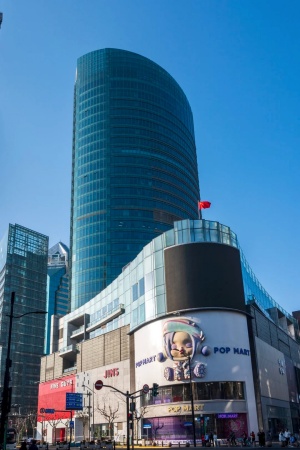
Shopping on Nanjing Road in Shanghai was just amazing! It's truly the "First Commercial Street of China", where tradition and modernity blend perfectly. You can find awesome souvenirs and experience the trendy vibes in cool stores. The neon lights at night are just spectacular, shining bright like Times Square in New York. The food here is incredible too. I had a feast for my taste buds. Shanghai, I'll definitely be back!
Destination(s):
Shanghai
Date of
Experience:
May 08,2024

Elvis Eva
Canada
Reviewed on June 20,2025
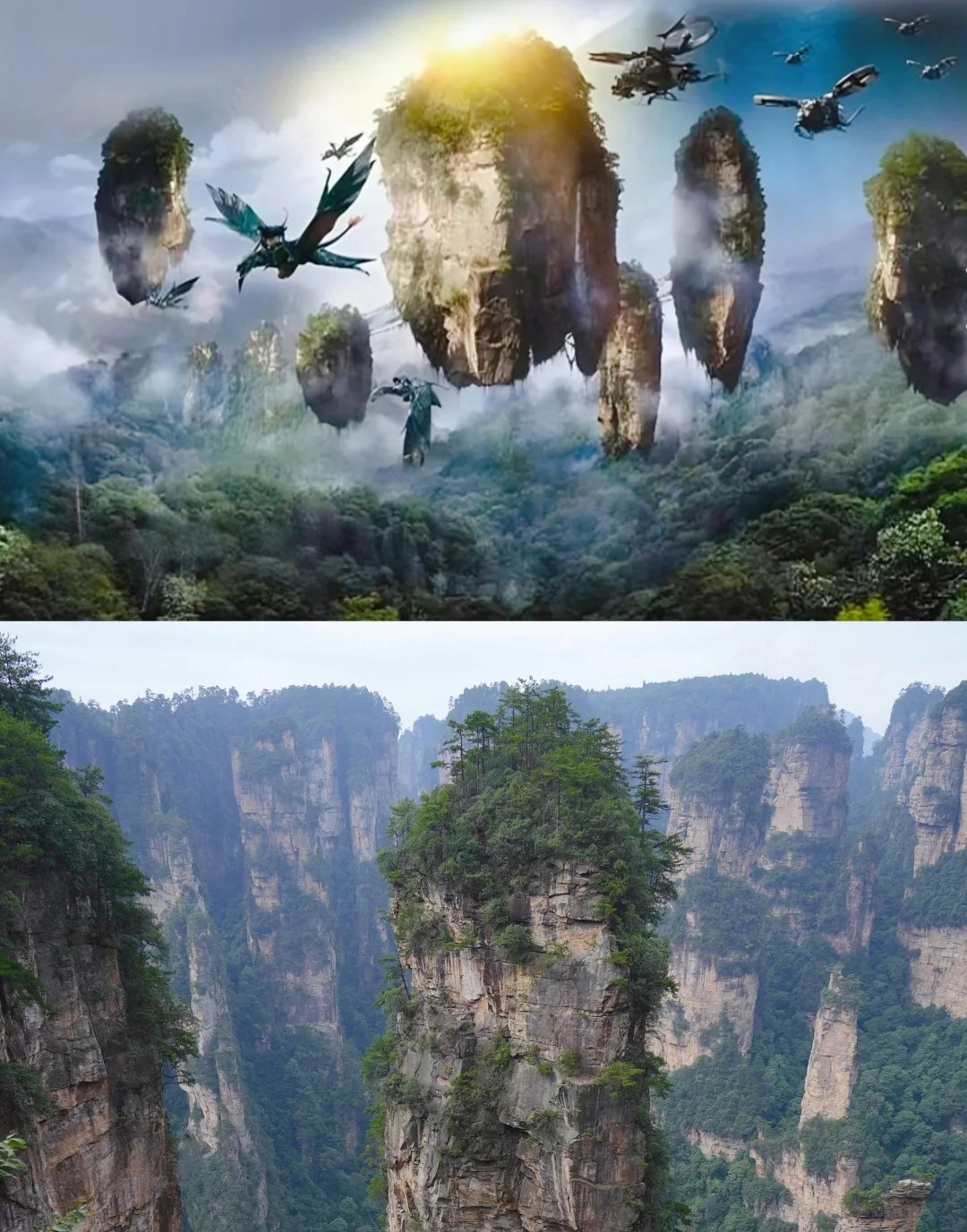
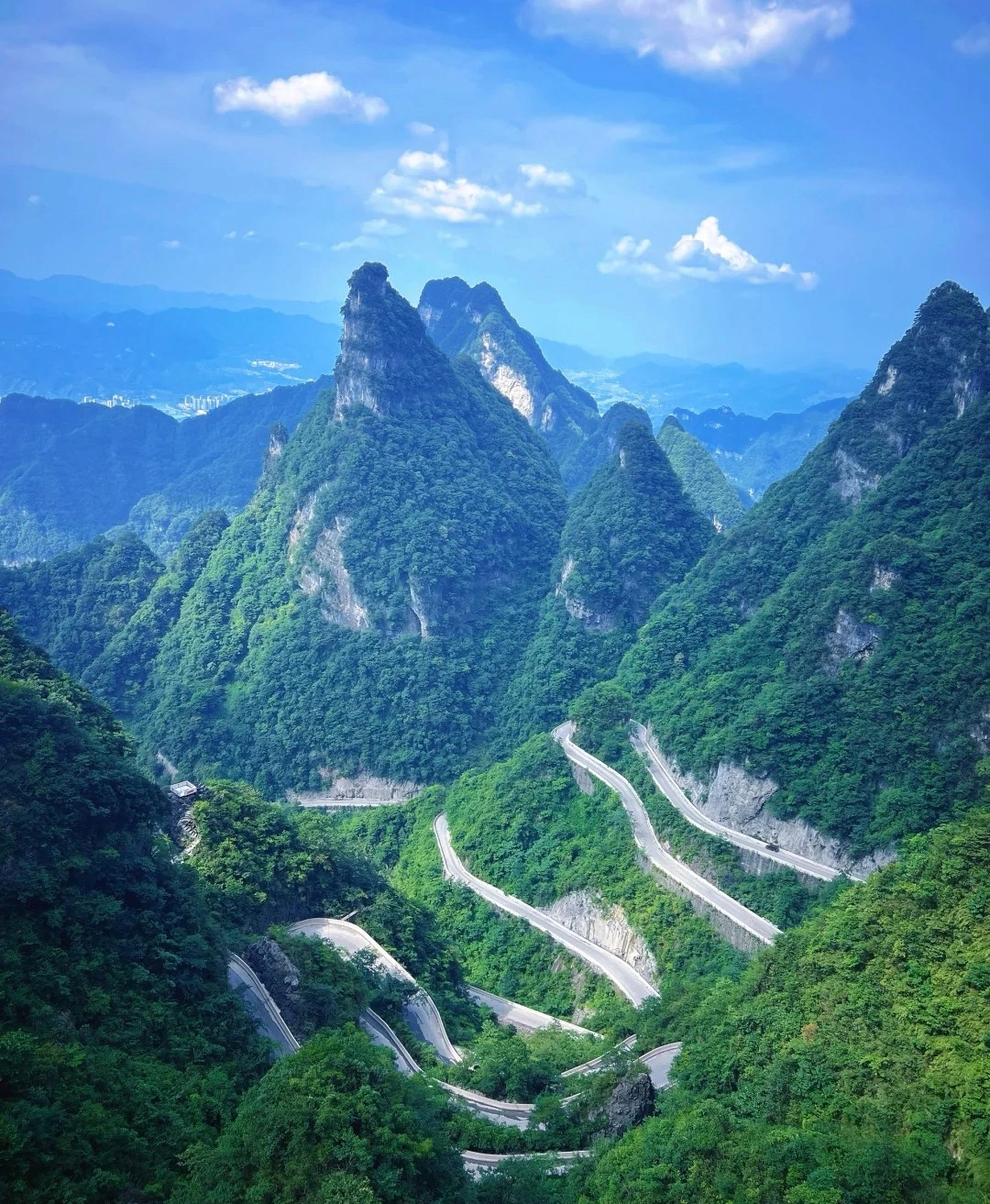
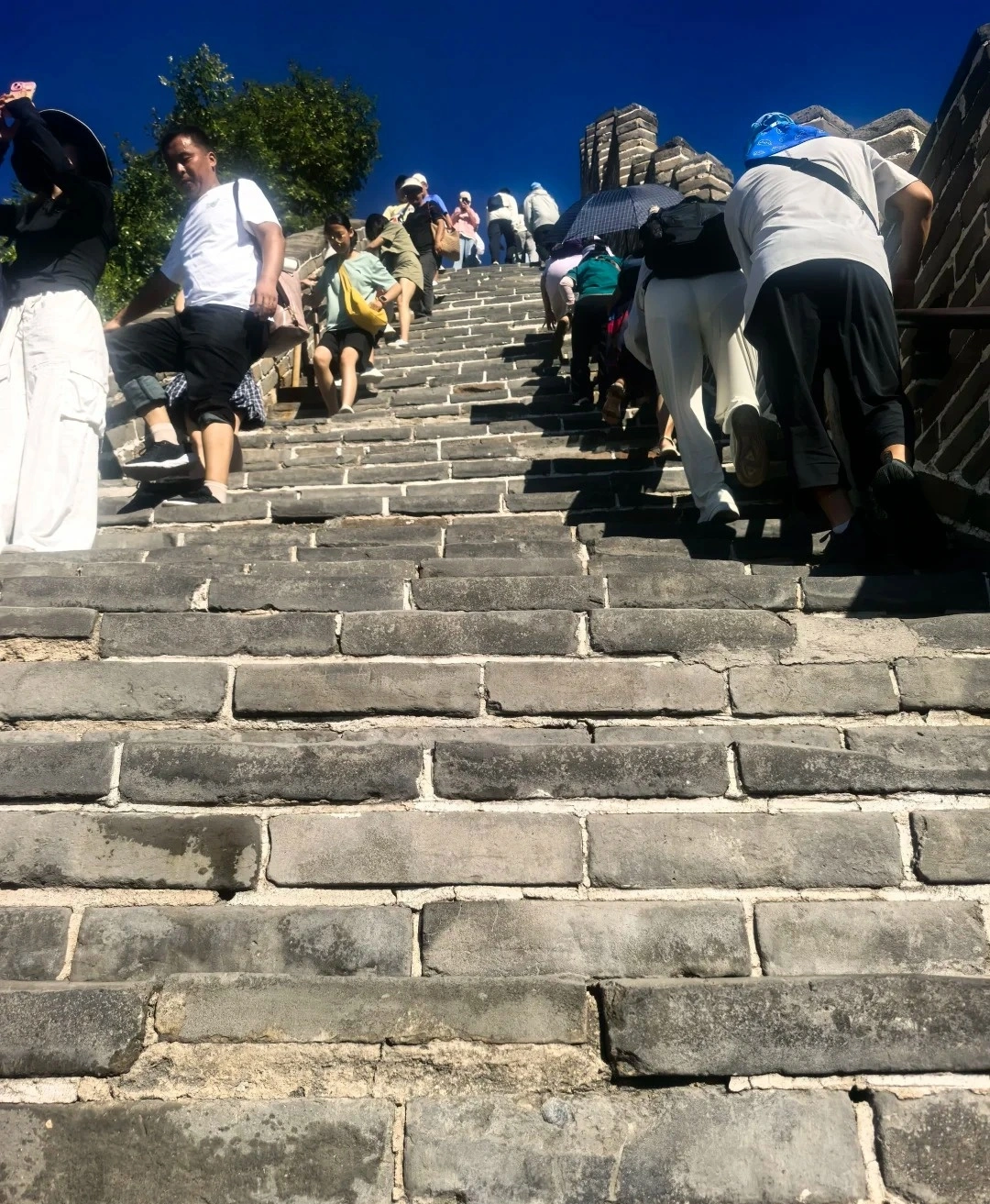
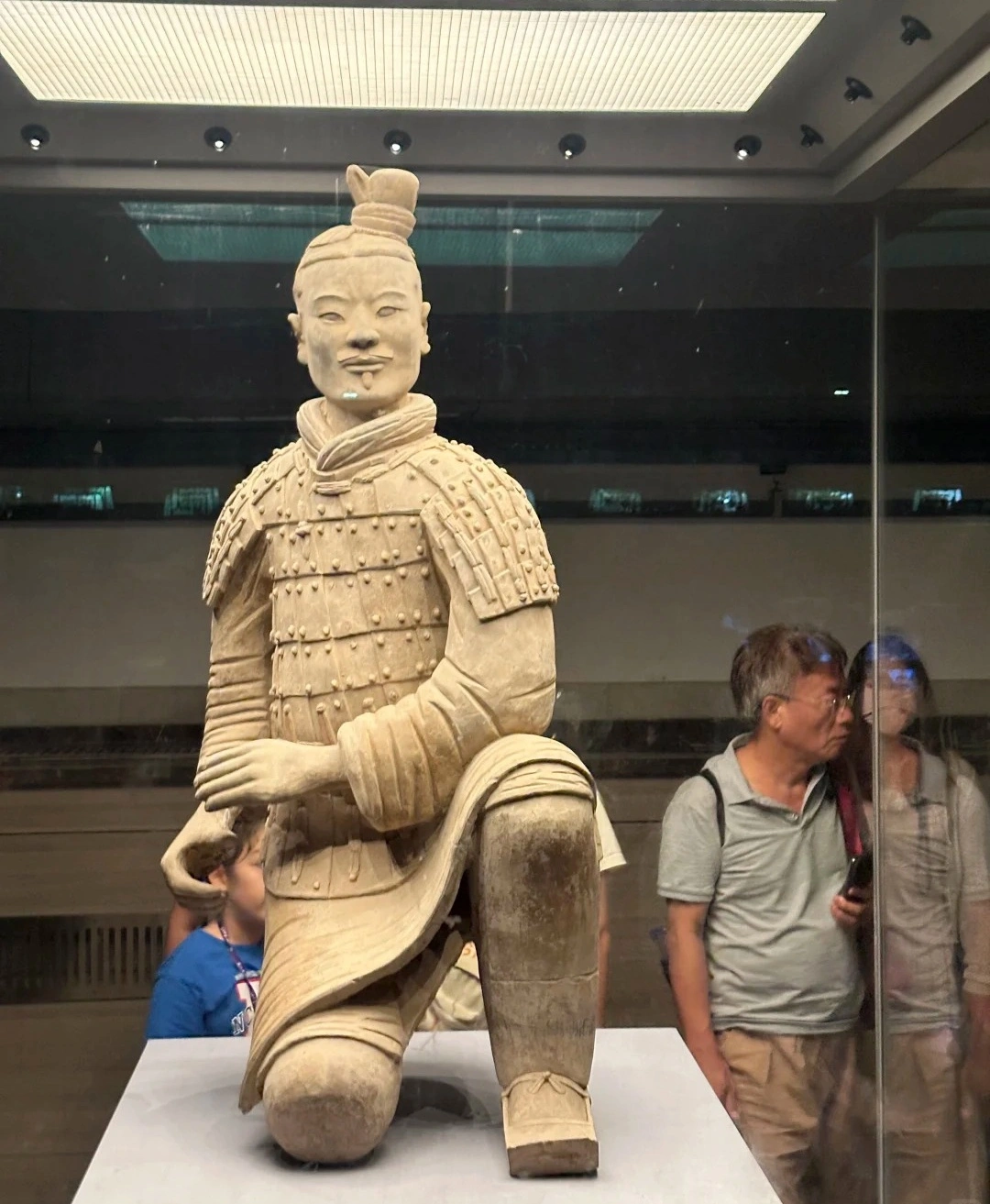
As a solo traveler from Canada, I was nervous about navigating China alone—but this 11-day tour was PERFECT! From hiking the Great Wall at sunrise (Day 3) to gasping at the Terracotta Army (Day 5), every day delivered ‘pinch-me’ moments. The real showstopper? Zhangjiajie’s Avatar Mountains (Day 7)! Our guide made the stone pillars come alive with stories.
Massive thanks for handling all logistics—bullet train tickets, entry passes, car! And the 4-star hotels surprised me.
Destination(s):
Beijing Xian Zhangjiajie Shanghai
Date of
Experience:
June 02,2025

Simon
America
Reviewed on May 29,2025
Our 2-day Zhangjiajie tour was beyond spectacular! As someone who’s visited Beijing and Shanghai for work, this trip revealed China’s wild, magical heart. Day 1 in Zhangjiajie National Forest Park felt like stepping onto Pandora—I’m a huge Avatar fan, and Yuanjiajie’s floating peaks left me breathless. The misty pillars and lush valleys like pure movie magic!
Then came Fenghuang Ancient Town, we eat dinner beside the thundering waterfall. It seems Unreal! The night views of stilt houses glowing over the river were straight from a fairy tale.
For fellow Avatar lovers and adventure seekers: Don’t miss this bucket-list experience! 10/10 would return.
A Well-Traveled Film Buff, May 2025
Destination(s):
Zhangjiajie
Date of
Experience:
May 08,2025