
Capturing the Fusion of Tradition and Modernity in China: A Photographer’s Guide
China’s cities beautifully blend ancient traditions with modern advancements, offering photographers unique opportunities. In places like Beijing, Shanghai, and Xi’an, historical landmarks coexist with skyscrapers, creating striking contrasts. Capturing this fusion of old and new, from temples to modern skylines, provides compelling photographic stories of China’s cultural evolution.
China is a country where ancient traditions seamlessly blend with modern advancements, creating a dynamic and diverse landscape for photographers. From the towering skyscrapers of Shanghai to the ancient structures of Xi’an and Beijing, the contrast between China’s historical legacy and its rapid modernization offers unique opportunities for compelling photographic storytelling. If you’re looking to capture this remarkable fusion of old and new, here’s a guide to some of the best locations and tips to help you photograph China’s cultural evolution.
Beijing: The Heart of Ancient and Modern Contrasts
As China’s capital, Beijing is the perfect place to experience the stunning juxtaposition of historical landmarks and modern architectural marvels. The city is home to some of China’s most iconic ancient structures, such as the forbidden city and The Temple of Heaven, yet its skyline is increasingly dotted with sleek skyscrapers, cutting-edge museums, and grand Olympic structures. These contrasts provide endless opportunities for photographers to capture the city’s rich history alongside its vibrant future.
Best Locations to Capture Beijing’s Cultural Fusion:
The Forbidden City and Modern Urban Landscape: The Forbidden City, with its majestic imperial palaces, courtyards, and temples, offers a glimpse into China’s ancient royal past. However, just outside the gates, Beijing’s modern urban landscape comes into view, with tall skyscrapers, such as the China Central Television Tower (CCTV Tower), that symbolize the city’s rapid development. A wide-angle shot can capture both the ancient and modern aspects of Beijing in one frame.
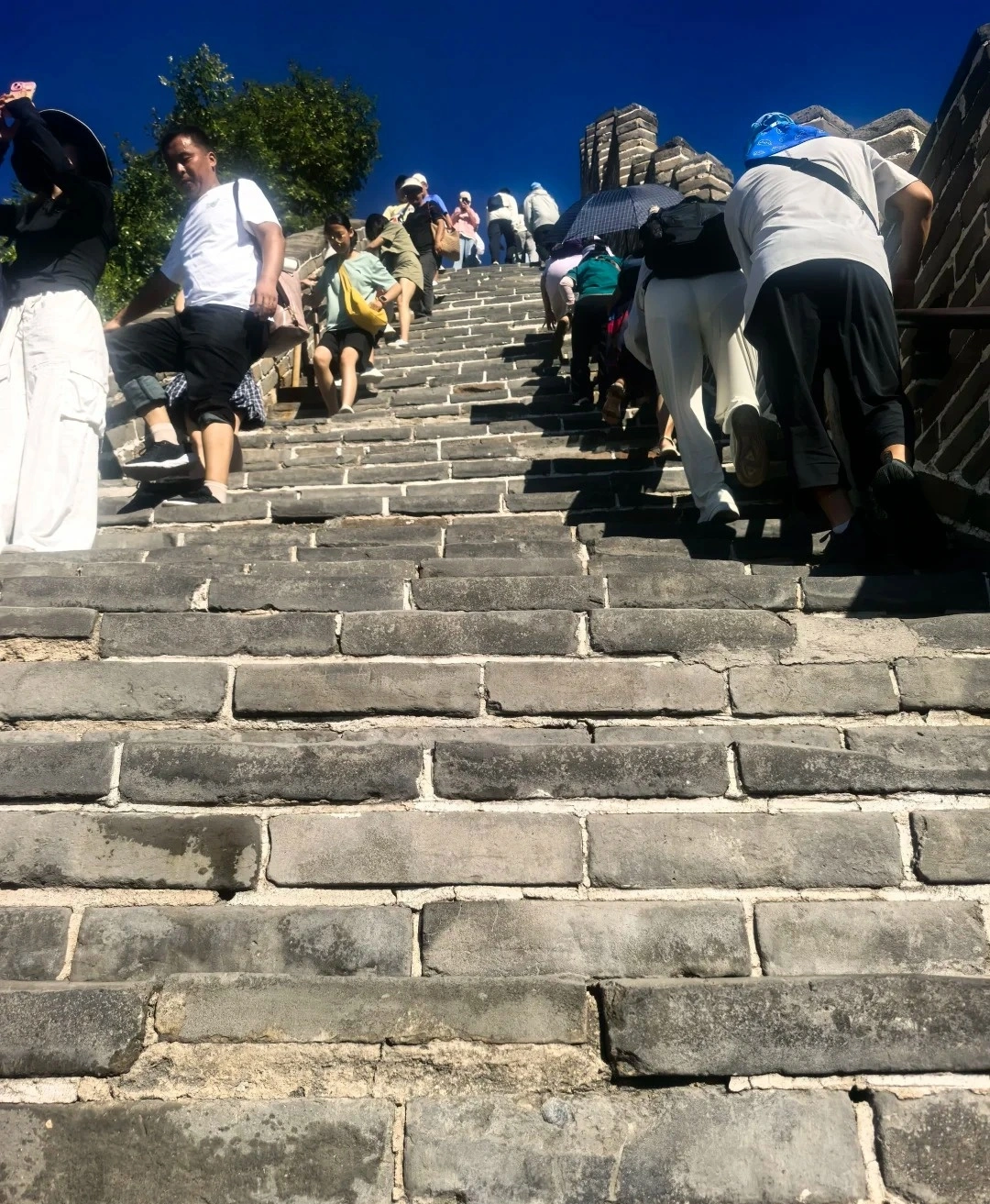
The Great Wall and Beijing’s Skyscrapers: The Great Wall of China, winding across the rugged mountain range, is a symbol of China’s rich history and defense strategies. In stark contrast, the bustling modern metropolis of Beijing is only a short distance away, and the city’s growing skyline of modern glass buildings creates a fascinating juxtaposition. Capture the Wall’s ancient beauty while framing the modern city in the distance.
Olympic Park and Ancient Temples: The Bird’s Nest (National Stadium) and Water Cube (National Aquatics Center), designed for the 2008 Beijing Olympics, are examples of modern architecture that stand in contrast to Beijing’s ancient temples, such as the Temple of Heaven. These contrasting landmarks offer a great opportunity to showcase Beijing’s blend of tradition and innovation.
Photography Tips:
Use contrast in your compositions to highlight the visual tension between ancient and modern elements in a single shot.
Consider shooting during golden hour to capture both the architectural details of ancient sites and the dramatic lighting of modern skyscrapers.
Shanghai: A City of Timeless Contrasts
Known for its dazzling skyline and bustling financial districts, Shanghai is one of the most cosmopolitan cities in the world. But it’s also a place where you can find glimpses of China’s rich heritage in the midst of its ultra-modern face. The city is a fascinating blend of old-world charm and cutting-edge architecture, offering photographers the opportunity to capture both traditional Chinese elements and the fast-paced, futuristic growth of the city.
Best Locations to Capture Shanghai’s Cultural Fusion:
The Bund and Pudong Skyline: The Bund is a waterfront area that showcases colonial-era architecture from Shanghai’s history as an international port. Just across the Huangpu River lies Pudong, home to some of the world’s tallest and most iconic skyscrapers, including the Shanghai Tower and Oriental Pearl Tower. This contrast between the colonial-era buildings and futuristic skyscrapers is one of Shanghai’s most striking features, and a perfect setting for photographers.
Yu Garden and the City’s Modern Streets: Yu Garden, a classical Chinese garden with traditional pavilions, rockeries, and koi ponds, offers a tranquil escape from the city’s bustling streets. Around the corner, you’ll find modern shopping malls and neon-lit streets, creating a fascinating blend of old-world beauty and modern consumerism. It’s an excellent place to shoot contrasts between traditional design and the modern cityscape.
Xintiandi and the Urban Revolution: Xintiandi, a renovated area featuring Shikumen houses (traditional Shanghai-style stone-gate buildings), is a beautiful fusion of Shanghai’s past and its contemporary urban transformation. This vibrant district blends traditional architecture with modern shops, restaurants, and art galleries, making it an ideal place for capturing the merging of Shanghai’s old and new.
Photography Tips:
Capture the contrast between modern and traditional architecture by framing them together in one shot, particularly from a high vantage point.
For street photography, look for juxtaposition—traditional elements like Shikumen houses or temples surrounded by modern, bustling shops and streets.
Xi’an: Bridging Ancient History and Modern Progress
Xi’an, once the capital of China’s ancient dynasties and the starting point of the Silk Road, is a city that has successfully preserved its ancient roots while embracing modernization. The Terracotta Army, Xi’an City Wall, and ancient pagodas stand as testaments to the city’s rich history, while modern architecture and growing infrastructure highlight its forward momentum. This combination provides photographers with a unique chance to capture the essence of both ancient culture and contemporary life.
Best Locations to Capture Xi’an’s Cultural Fusion:
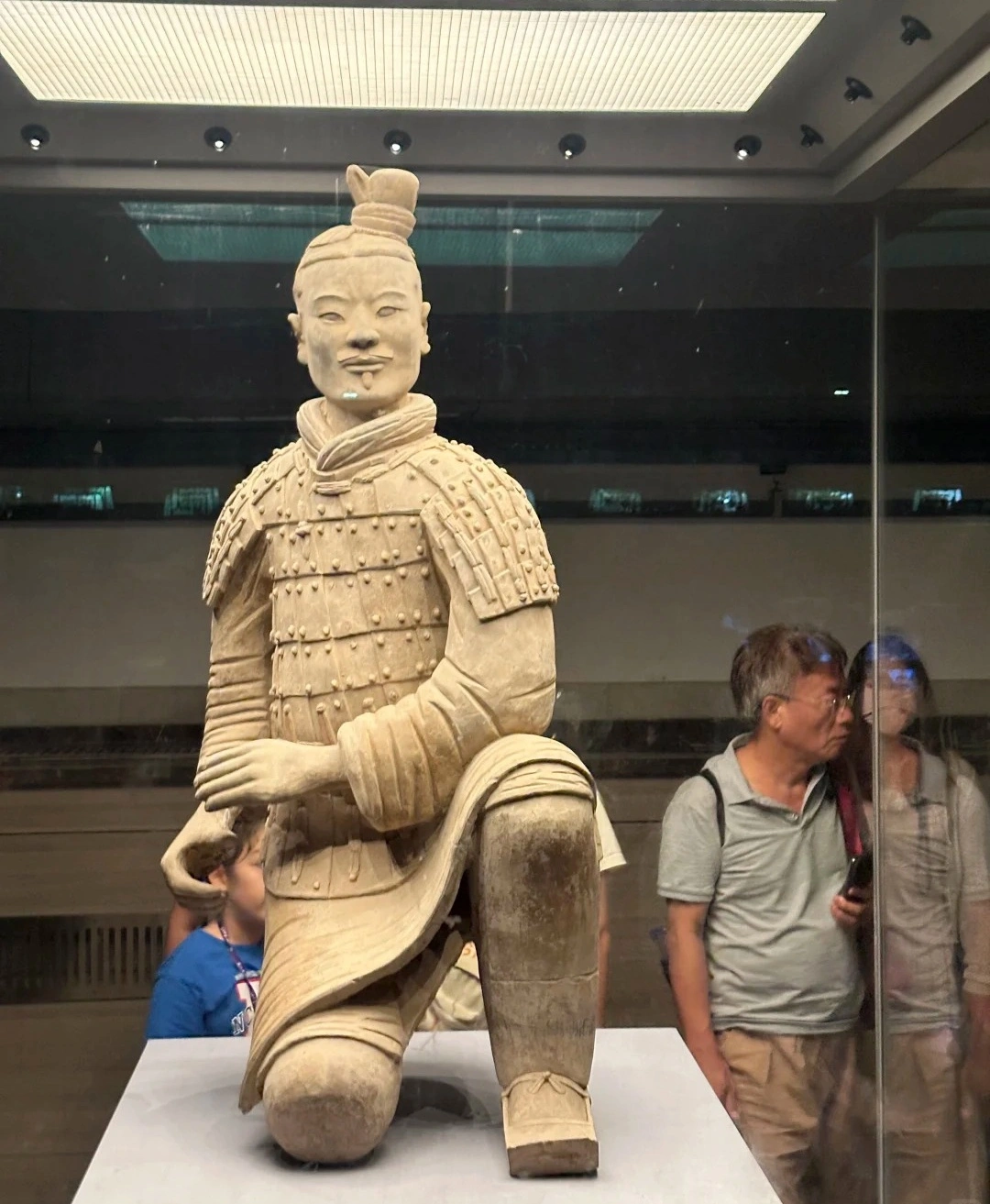
The Terracotta Army and Modern Xi’an: The Terracotta Warriors are one of the most iconic ancient wonders of China, with thousands of life-sized statues representing the military of China’s first emperor, Qin Shi Huang. In contrast, Xi’an’s skyline and urbanization showcase a different side of the city. Photographers can capture the Terracotta Army in the foreground with the city’s modern skyscrapers in the background.
Xi’an City Wall and Surrounding Modern Development: The ancient Xi’an City Wall, dating back to the Ming dynasty, provides a powerful representation of China’s past. Surrounding it, however, is a growing metropolis filled with modern shopping malls, office buildings, and residential complexes. A photograph capturing both The Ancient City Wall and modern life can tell a powerful story of China’s ongoing evolution.
Muslim Quarter and Modern Streets: The Muslim Quarter in Xi’an is known for its vibrant markets, traditional Chinese Muslim architecture, and food stalls offering local delicacies. It contrasts sharply with the modern shopping streets and developments in Xi’an, providing an interesting mix of old and new culture. The bustling atmosphere of the market and the traditional architecture make for excellent street photography subjects.
Photography Tips:
Take advantage of framing techniques that allow both ancient and modern elements to coexist in a single image.
When shooting markets or busy areas, use a fast shutter speed to capture the dynamic energy of the people and the blend of architectural styles.
If you want to know more about tradition and modernity in china, please contact us. Popular Tour Packages in China:
4-Day Shanghai and Nanjing Trip




Contact Us
What Our Clients Say?
Based on 10,000+ traveler reviews

Daniel Dorothea
Canada
Reviewed on April 29,2025
Shopping on Nanjing Road in Shanghai was just amazing! It's truly the "First Commercial Street of China", where tradition and modernity blend perfectly. You can find awesome souvenirs and experience the trendy vibes in cool stores. The neon lights at night are just spectacular, shining bright like Times Square in New York. The food here is incredible too. I had a feast for my taste buds. Shanghai, I'll definitely be back!
Destination(s):
Shanghai
Date of
Experience:
May 08,2024

Elvis Eva
Canada
Reviewed on June 20,2025
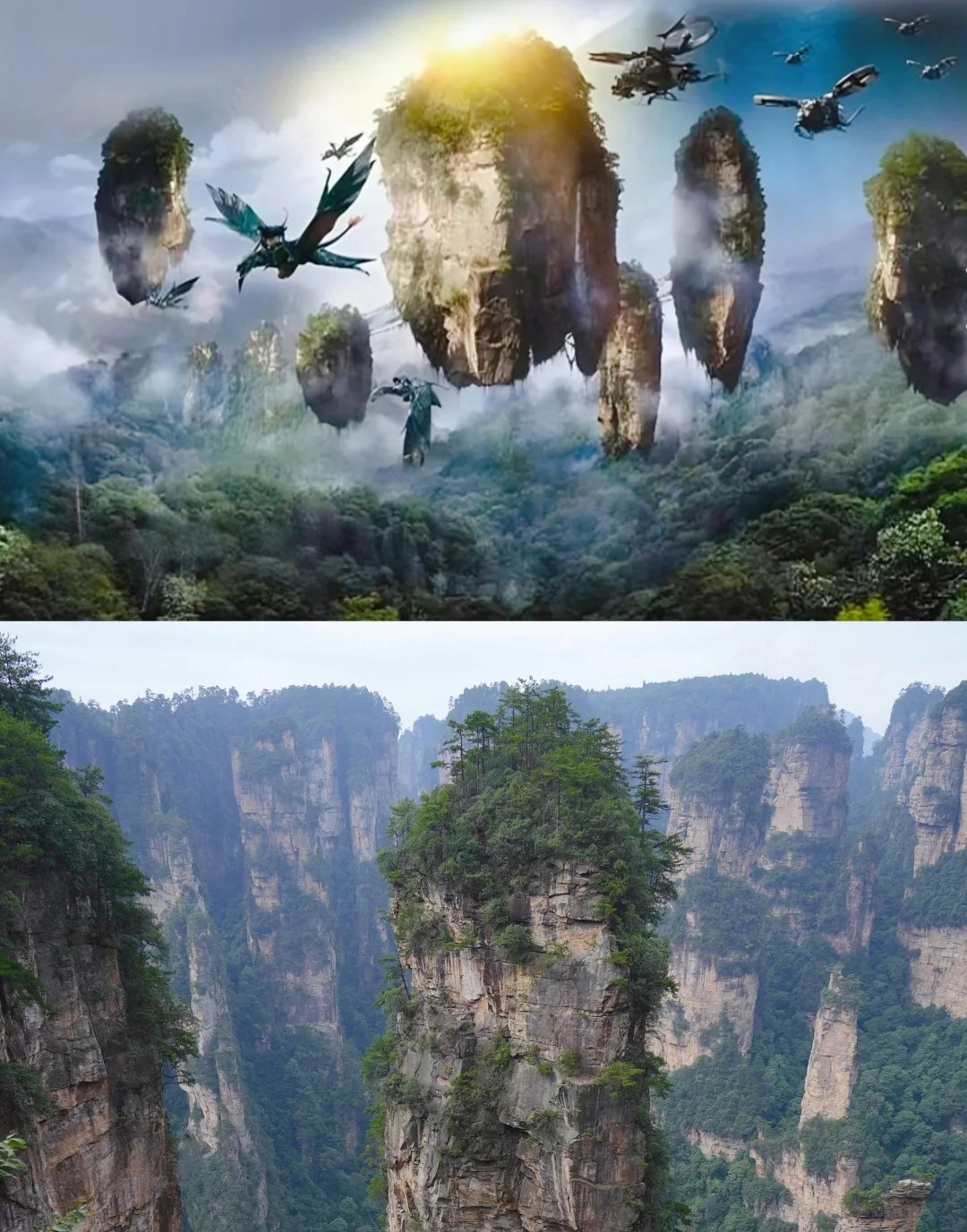
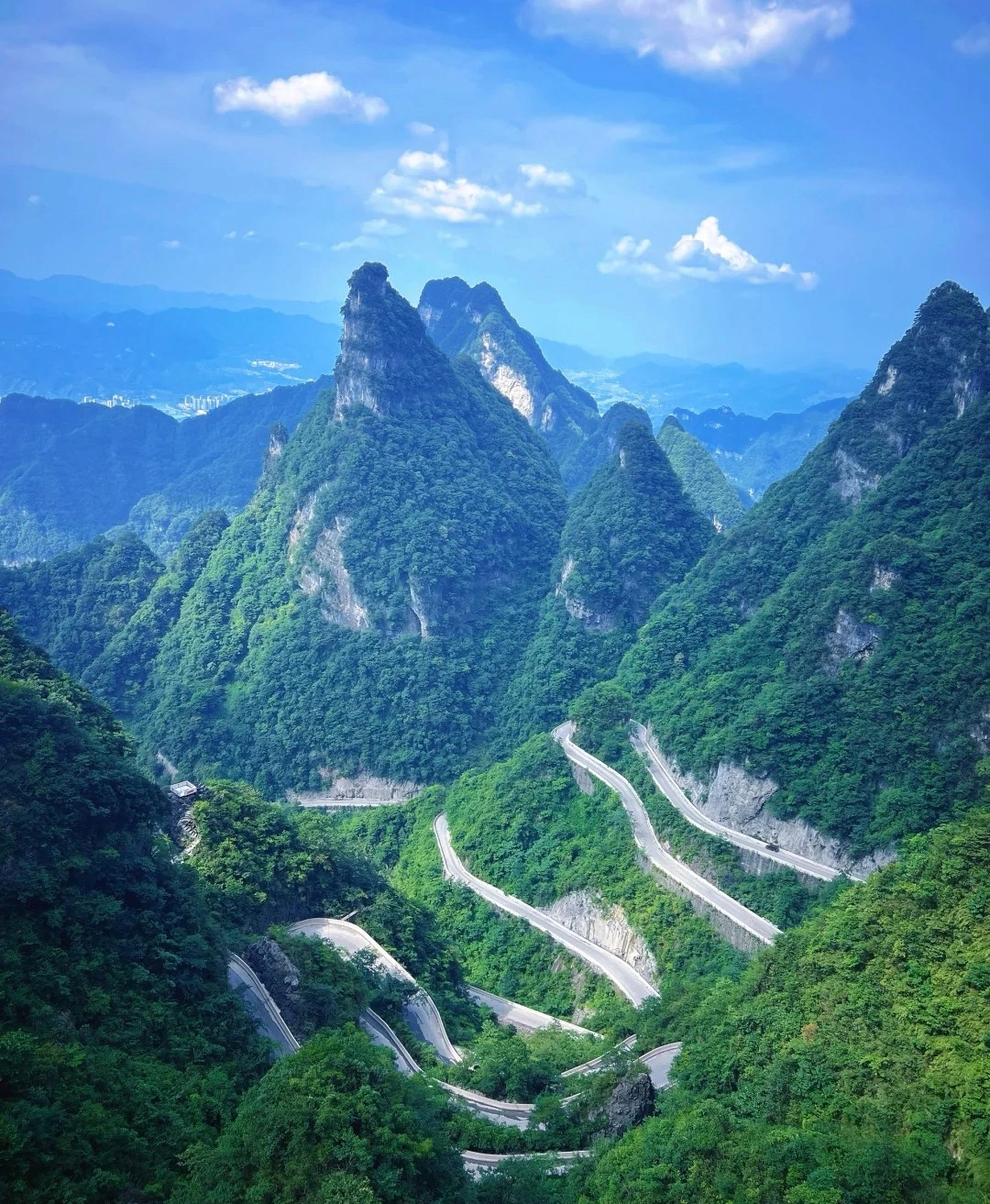
As a solo traveler from Canada, I was nervous about navigating China alone—but this 11-day tour was PERFECT! From hiking the Great Wall at sunrise (Day 3) to gasping at the Terracotta Army (Day 5), every day delivered ‘pinch-me’ moments. The real showstopper? Zhangjiajie’s Avatar Mountains (Day 7)! Our guide made the stone pillars come alive with stories.
Massive thanks for handling all logistics—bullet train tickets, entry passes, car! And the 4-star hotels surprised me.
Destination(s):
Beijing Xian Zhangjiajie Shanghai
Date of
Experience:
June 02,2025

Simon
America
Reviewed on May 29,2025
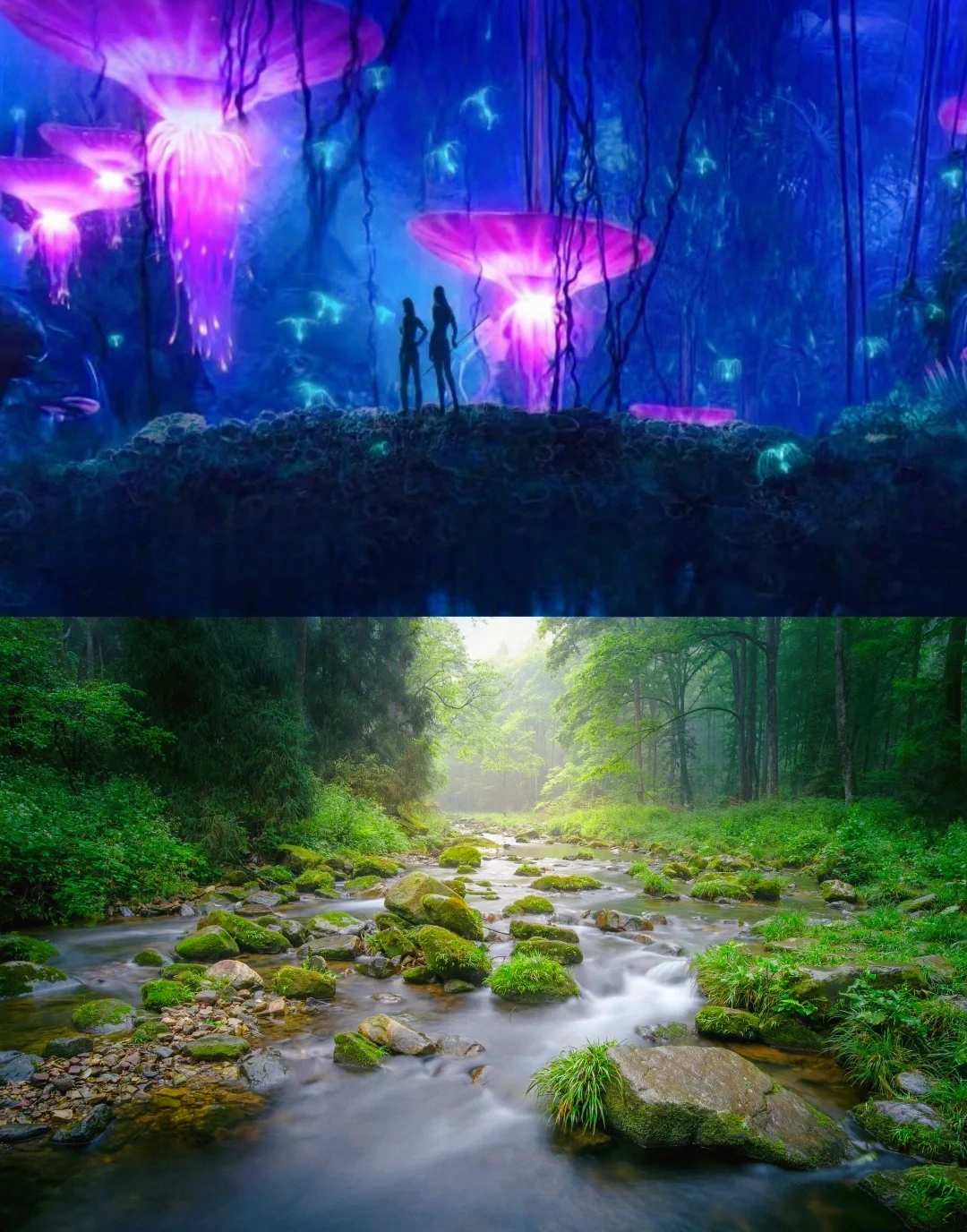
Our 2-day Zhangjiajie tour was beyond spectacular! As someone who’s visited Beijing and Shanghai for work, this trip revealed China’s wild, magical heart. Day 1 in Zhangjiajie National Forest Park felt like stepping onto Pandora—I’m a huge Avatar fan, and Yuanjiajie’s floating peaks left me breathless. The misty pillars and lush valleys like pure movie magic!
Then came Fenghuang Ancient Town, we eat dinner beside the thundering waterfall. It seems Unreal! The night views of stilt houses glowing over the river were straight from a fairy tale.
For fellow Avatar lovers and adventure seekers: Don’t miss this bucket-list experience! 10/10 would return.
A Well-Traveled Film Buff, May 2025
Destination(s):
Zhangjiajie
Date of
Experience:
May 08,2025