
Five Days of Exploring Beijing
5-day historical and cultural tour in Beijing
This carefully planned 5-day historical and cultural tour will take you to deeply appreciate the unique charm of Beijing. The itinerary covers world-renowned attractions such as the forbidden city, The Great Wall, The Temple of Heaven, and The Summer Palace. Special arrangements have also been made for experiencing hutong culture and tasting specialty foods, allowing you to fully experience Beijing's long history and rich culture.To learn more about Beijing tourism consultation, please contact us.
{tour-id-1811688473729916930,1813832251764862977}
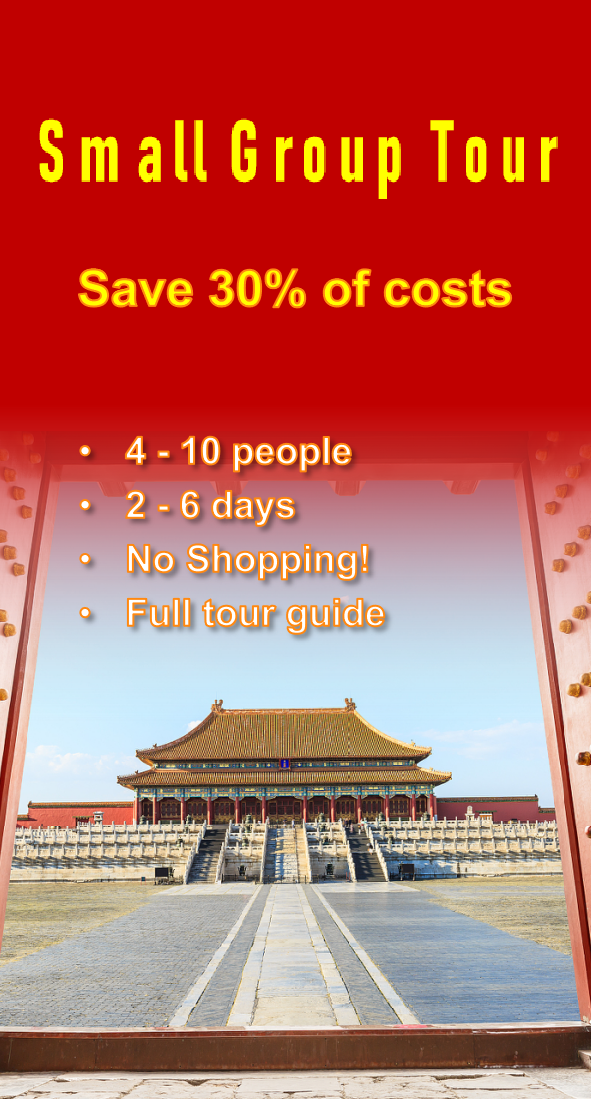
Day1.The Forbidden City: The Royal Palace of the Ming and Qing Dynasties
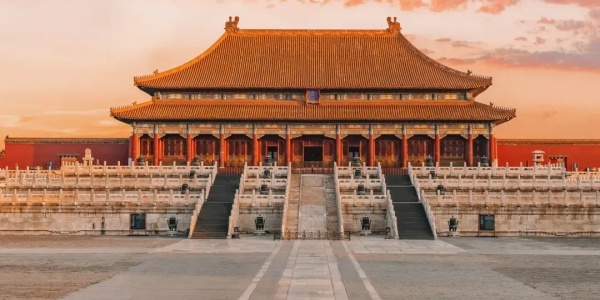
Imperial palace of Ming & Qing dynasties, world's largest ancient wooden architectural complex. Enter via Meridian Gate, explore Three Great Halls (Taihe, Zhonghe, Baohe), Inner Court palaces (Qianqing, Jiaotai, Kunning), and Eastern/Western Six Palaces, exiting through Shenwu Gate (4-6 hours). Book tickets via official website/WeChat platform; use audio guides or mobile apps for historical insights.
Constructed over 14 years under Ming Emperor Yongle (Zhu Di), its layout embodies feudal hierarchy: front court for governance, rear chambers for residence, with ancestral temples east and altars west. The Taihe Hall, apex of architectural hierarchy for grand ceremonies, showcases exquisite imperial decorations.
Day2.The Great Wall :a symbol of national spirit
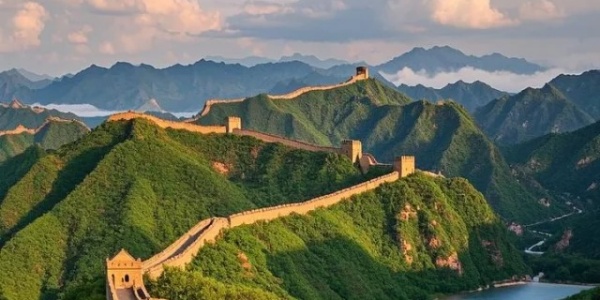
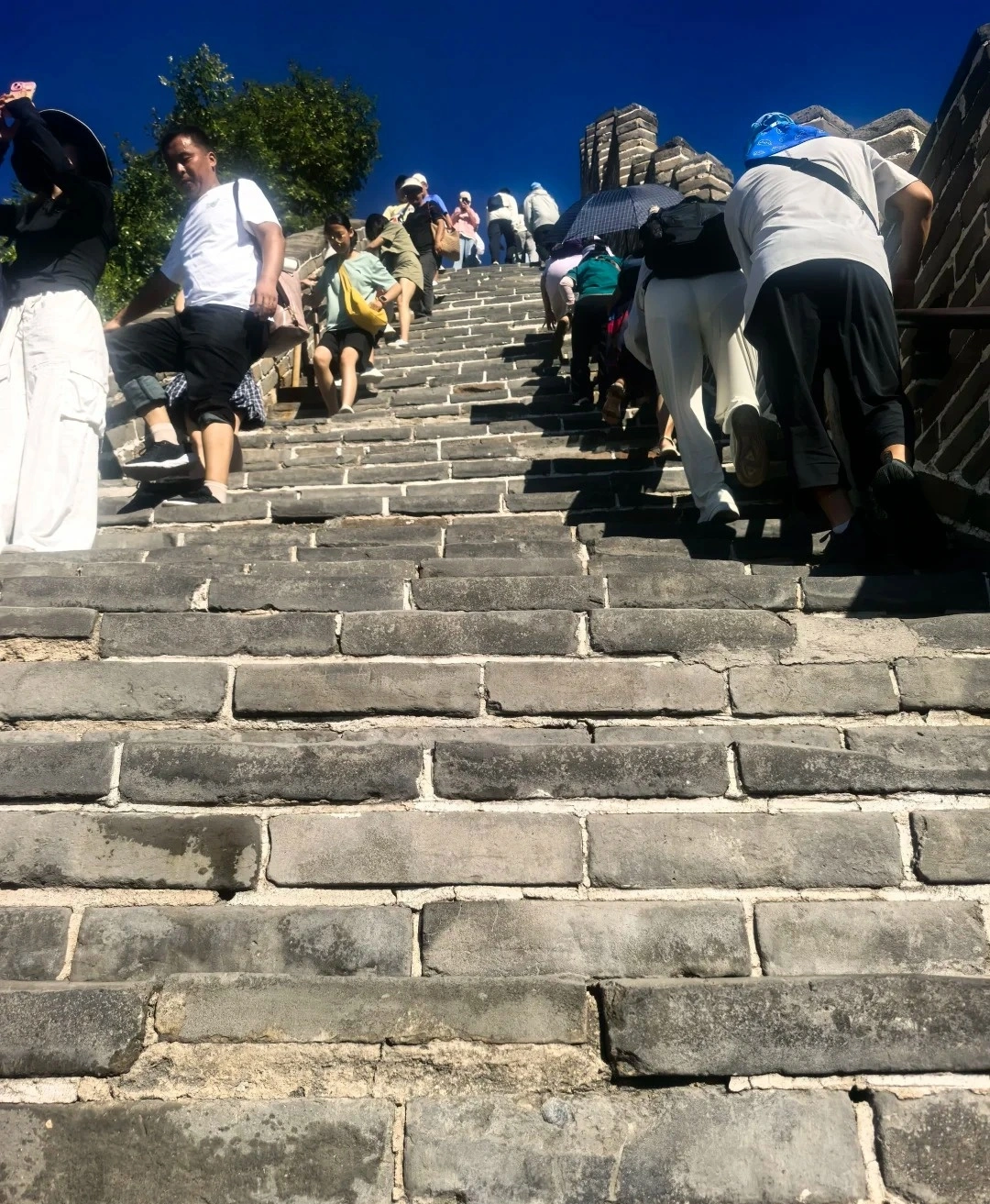
The Great Wall is a must visit destination, and we recommend the BaDaling Great Wall (with complete facilities and cable cars) and the Mutianyu Great Wall (with beautiful scenery and fewer tourists). You can take bus 877 to Badaling Great Wall, or take the tourist line at Dongzhimen to Mutianyu Great Wall. Wear comfortable shoes, bring some water and snacks while playing, and the tour time is about 4-5 hours.
The Great Wall was first built during the Spring and Autumn Period and the Warring States Period. It has been built and improved by multiple dynasties and stretches for thousands of miles. It is an ancient military defense project. The architectural structures such as city walls, beacon towers, and passes embody the wisdom of ancient people. Standing on the Great Wall, one can feel the vicissitudes of history.
Day3.Temple of Heaven: an ancient sacred site for sacrificial worship
The Temple of Heaven was a place where Ming and Qing emperors worshipped the heavens and prayed for valleys, and it is a model of architectural art for sacrificial worship. Enter from the south gate and visit the Round Hill Altar, the Imperial Vault of Heaven, and the Hall of Prayer for Good Harvests in sequence, with a total tour time of 2-3 hours. Pay attention to sun protection or keeping warm while playing, listen to explanations, and learn about ancient sacrificial rituals.
The Temple of Heaven was first built in the 18th year of the Yongle reign of the Ming Dynasty (1420), originally named "Temple of Heaven and Earth". In the 9th year of the Jiajing reign (1530), the functions of worshipping heaven and earth were separated and renamed. 22 emperors from the Ming and Qing dynasties held 654 grand ceremonies to worship the heavens here. Its architecture embodies the ancient people's reverence for the natural world.
Day4.Summer Palace: Masterpiece of Royal Gardens
The Summer Palace is a large imperial garden with mountains and waters. Entering from the east gate, you can visit Renshou Hall and Leshou Hall, stroll along the long corridor, admire the Seventeen Arch Bridge and Nanhu Island, and also climb Wanshou Mountain to overlook the entire park. The entire tour takes 4-5 hours. Suggest taking a boat tour of Kunming Lake to enjoy the garden scenery.
The predecessor of the Summer Palace was the Qingyi Garden, which was first built in the 15th year of the Qianlong reign (1750). It was later burned down by the British and French coalition forces and rebuilt and renamed during the Guangxu reign. It integrates traditional garden art, perfectly combining artificial landscapes with natural mountains and waters. Long corridor color paintings, seventeen span bridge shapes, and other garden art treasures are all included.
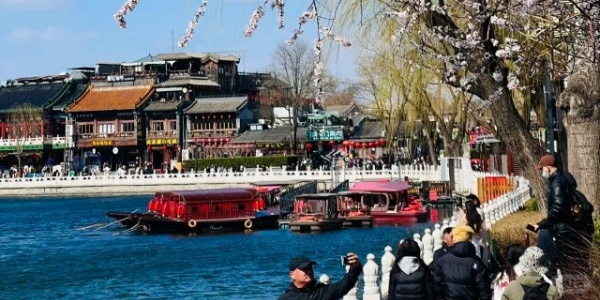
Day5.Hutong and Siheyuan: The Style of Old Beijing
The hutongs in the Shichahai area are well preserved and can be visited by walking or taking a tricycle, as well as visiting quadrangle courtyards. If taking a tricycle, negotiate the price with the driver in advance and respect the local residents' living habits.
Hutongs and quadrangle courtyards are important carriers of traditional culture in Beijing. Hutongs crisscross and connect quadrangle courtyards, which generally face north and south, with a central courtyard and surrounding houses, reflecting traditional Chinese family values and residential culture, allowing you to experience the smoke and fire of old Beijing.
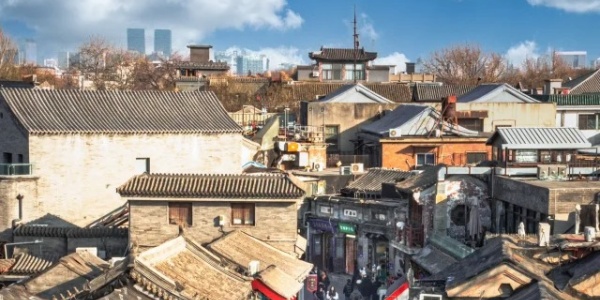
Every time you approach these historical sites, it is a dialogue that transcends time and space, allowing you to appreciate the profound heritage of this ancient capital. May you cherish the beautiful memories of Beijing and continue to write wonderful chapters with this city.
Contact Us
What Our Clients Say?
Based on 10,000+ traveler reviews

Daniel Dorothea
Canada
Reviewed on April 29,2025
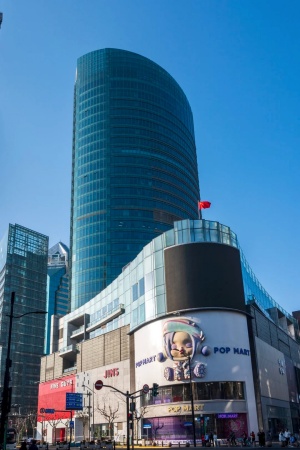
Shopping on Nanjing Road in Shanghai was just amazing! It's truly the "First Commercial Street of China", where tradition and modernity blend perfectly. You can find awesome souvenirs and experience the trendy vibes in cool stores. The neon lights at night are just spectacular, shining bright like Times Square in New York. The food here is incredible too. I had a feast for my taste buds. Shanghai, I'll definitely be back!
Destination(s):
Shanghai
Date of
Experience:
May 08,2024

Elvis Eva
Canada
Reviewed on June 20,2025
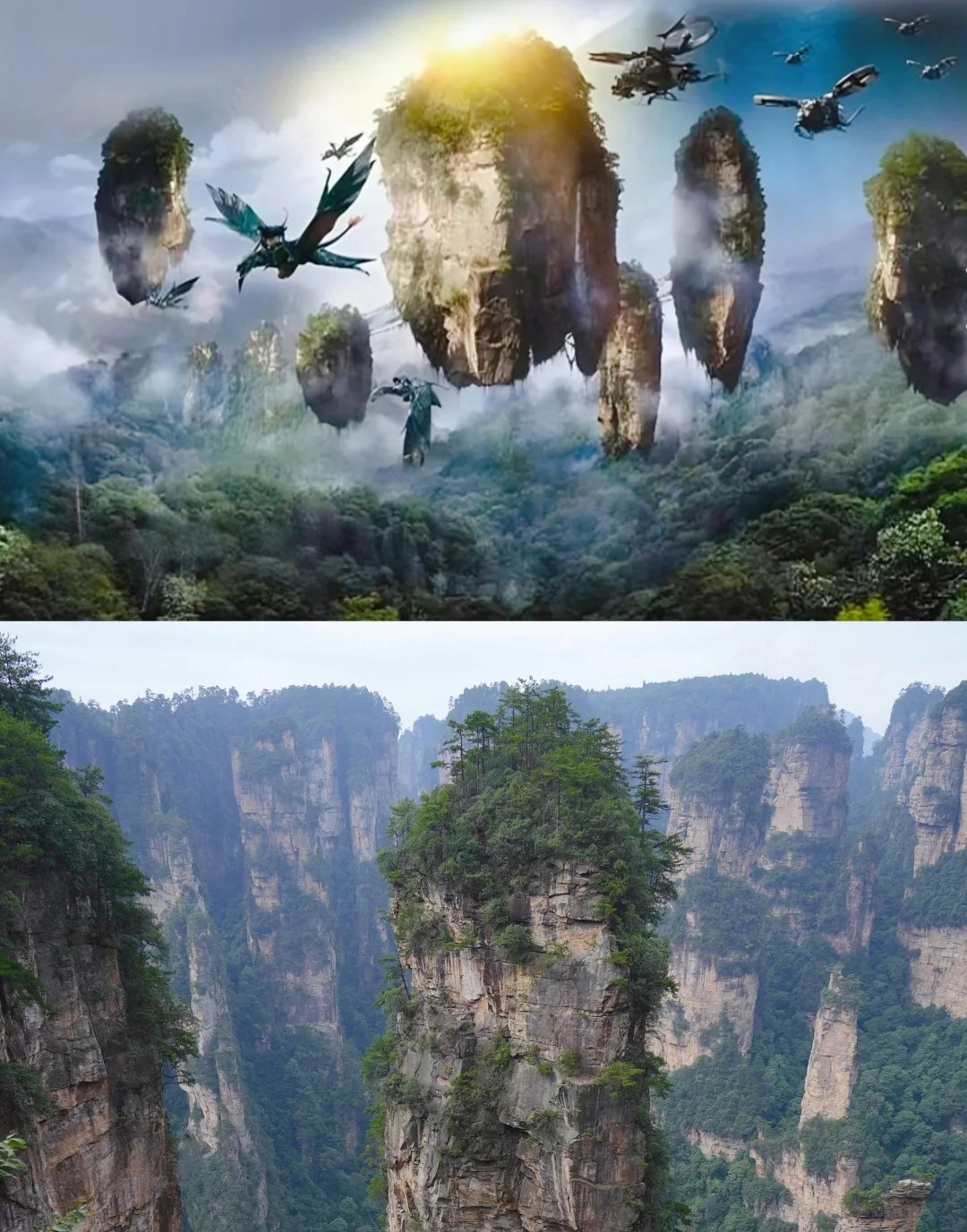
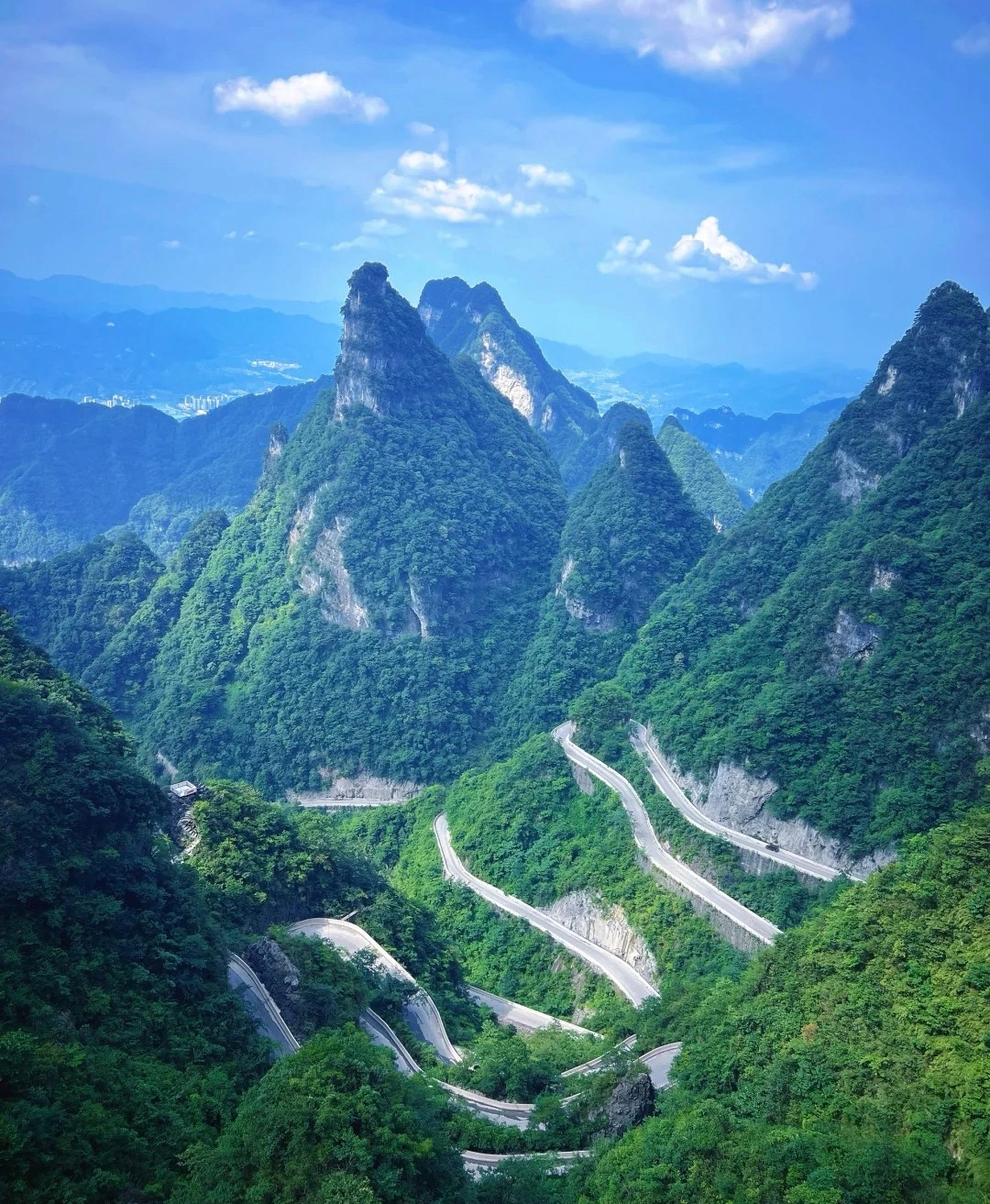
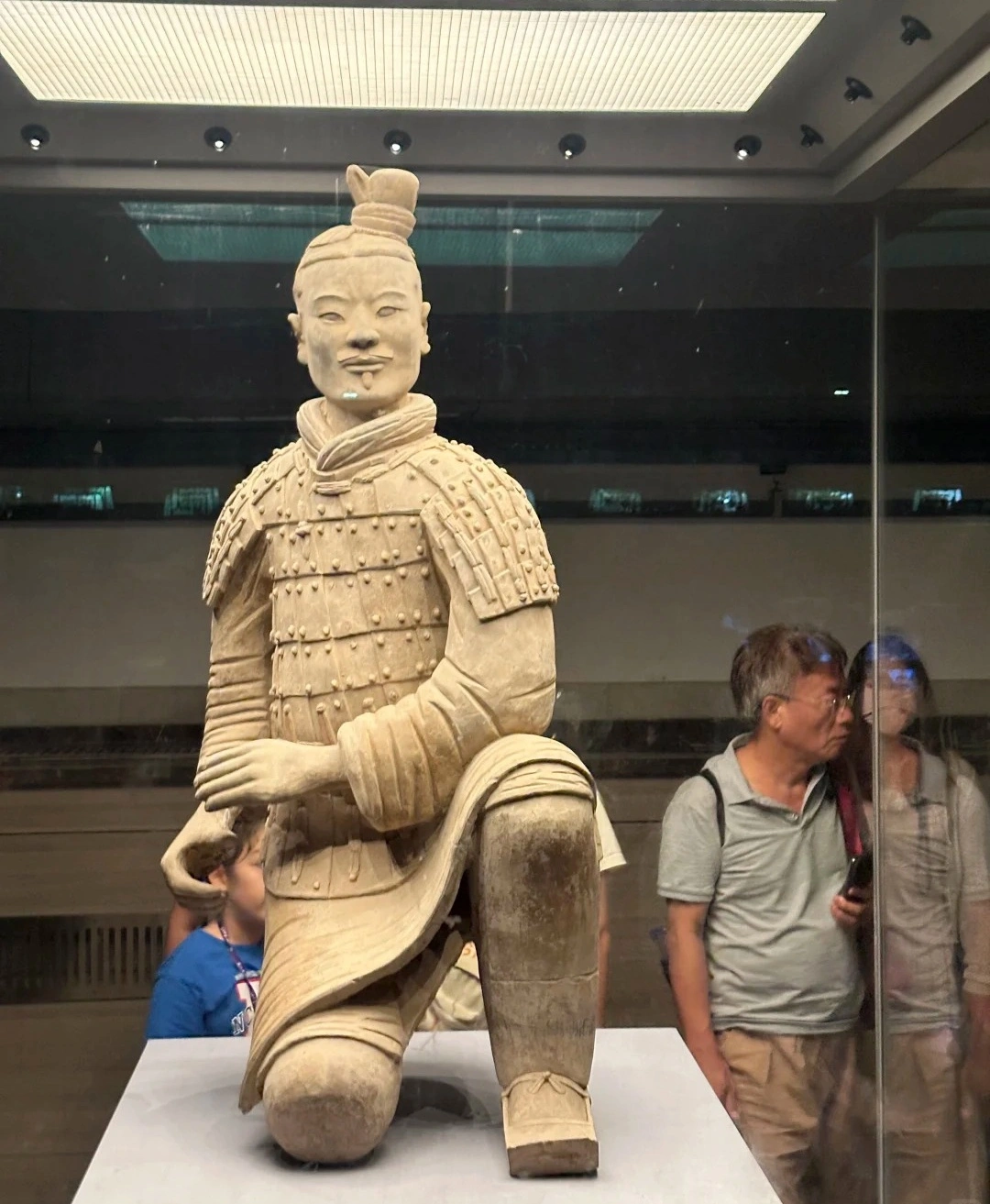
As a solo traveler from Canada, I was nervous about navigating China alone—but this 11-day tour was PERFECT! From hiking the Great Wall at sunrise (Day 3) to gasping at the Terracotta Army (Day 5), every day delivered ‘pinch-me’ moments. The real showstopper? Zhangjiajie’s Avatar Mountains (Day 7)! Our guide made the stone pillars come alive with stories.
Massive thanks for handling all logistics—bullet train tickets, entry passes, car! And the 4-star hotels surprised me.
Destination(s):
Beijing Xian Zhangjiajie Shanghai
Date of
Experience:
June 02,2025

Simon
America
Reviewed on May 29,2025
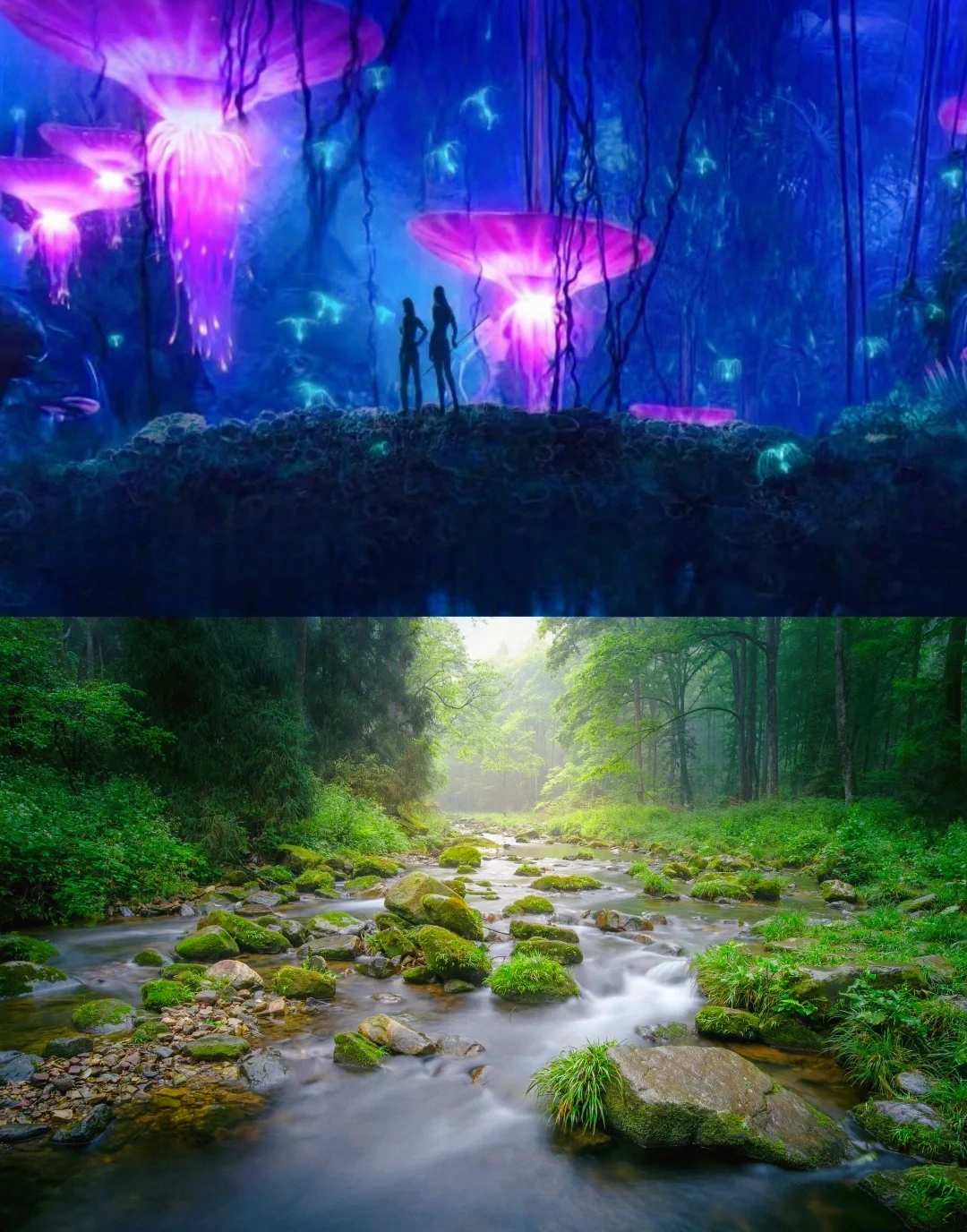
Our 2-day Zhangjiajie tour was beyond spectacular! As someone who’s visited Beijing and Shanghai for work, this trip revealed China’s wild, magical heart. Day 1 in Zhangjiajie National Forest Park felt like stepping onto Pandora—I’m a huge Avatar fan, and Yuanjiajie’s floating peaks left me breathless. The misty pillars and lush valleys like pure movie magic!
Then came Fenghuang Ancient Town, we eat dinner beside the thundering waterfall. It seems Unreal! The night views of stilt houses glowing over the river were straight from a fairy tale.
For fellow Avatar lovers and adventure seekers: Don’t miss this bucket-list experience! 10/10 would return.
A Well-Traveled Film Buff, May 2025
Destination(s):
Zhangjiajie
Date of
Experience:
May 08,2025