
The Forbidden City: China's Imperial Historical Landmark
Introduction to the forbidden city
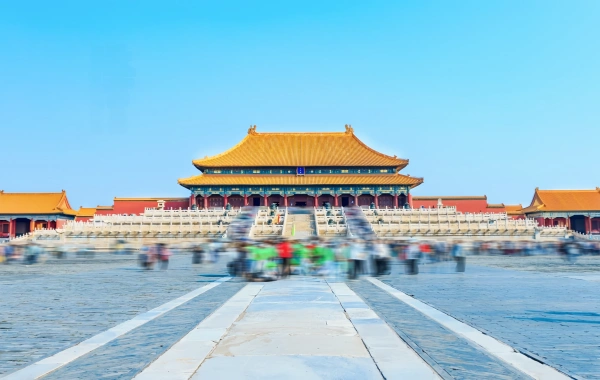
The Forbidden City (紫禁城, Zǐjìnchéng), Beijing’s iconic UNESCO World Heritage Site, served as the imperial palace for 24 emperors across the Ming (1368–1644) and Qing (1644–1912) dynasties. Constructed between 1406 and 1420 under Emperor Yongle, this 72-hectare complex symbolizes China’s political, cultural, and architectural zenith. Its 980 surviving buildings, including the grand Hall of Supreme Harmony (太和殿) and the serene Imperial Garden (御花园), showcase exquisite craftsmanship with yellow-glazed roof tiles, red-lacquered walls, and intricate dragon motifs. As the centerpiece of Beijing’s 7.8km-long Central Axis, it embodies the ancient Chinese principle of "zhongzhou" (择中立宫)—placing the palace at the heart of the empire to signify cosmic order.
Key Highlights & Architectural Marvels
-
Outer Court: The Halls of Supreme Harmony, Central Harmony, and Preserving Harmony
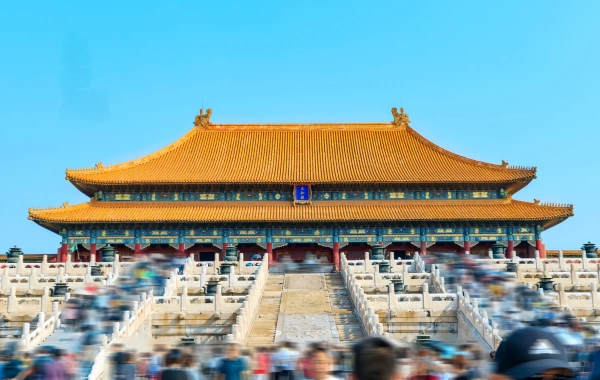
The three main halls dominate the southern courtyard, where coronations, weddings, and diplomatic ceremonies unfolded. The Hall of Supreme Harmony, the largest surviving wooden structure in China, rises on a three-tiered marble terrace adorned with 18 bronze cranes and incense burners. Its nine-beam roof and 10 mythical beast-adorned ridges reflect imperial hierarchy. -
Inner Court: Palaces of Dynastic Life
The private quarters include the Palace of Heavenly Purity (乾清宫) for emperors, the Palace of Earthly Tranquility (坤宁宫) for empresses, and the connecting Hall of Union (交泰殿) symbolizing yin-yang balance. The Six Eastern Palaces and Six Western Palaces housed consorts and concubines, each with courtyards featuring rockeries, ponds, and cherry blossoms in spring. -
Defensive & Decorative Features
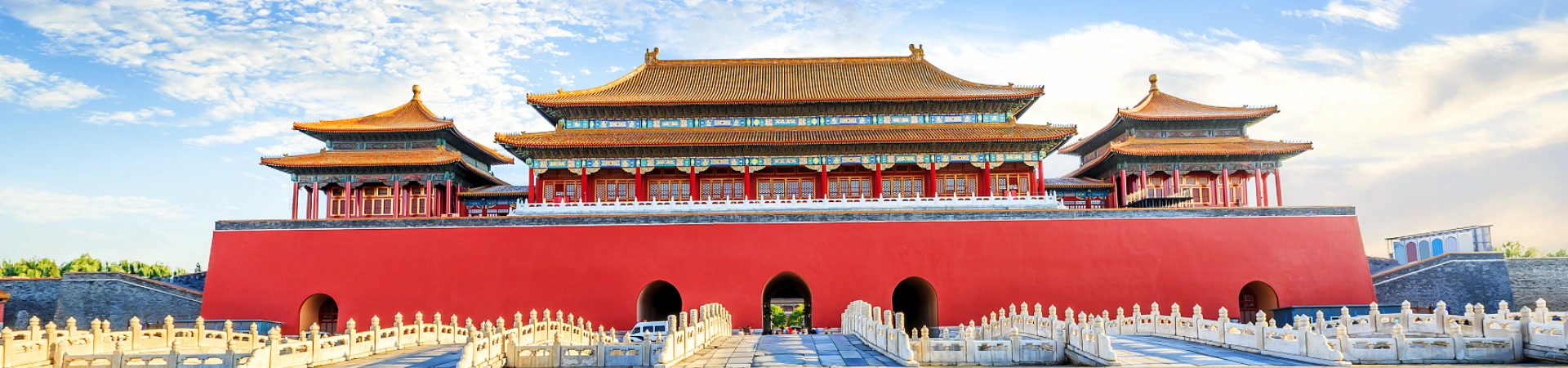
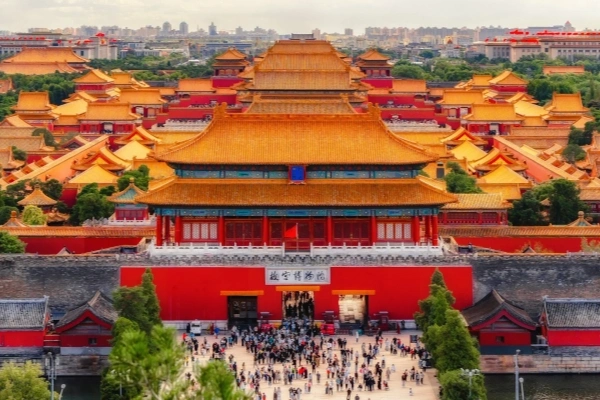
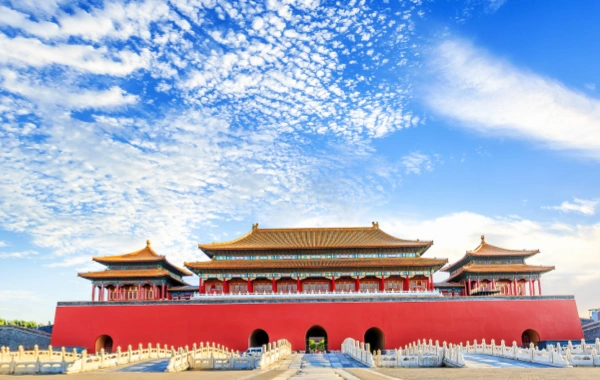
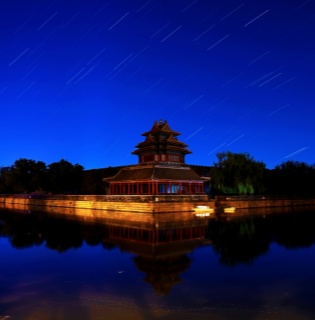
The 10-meter-high walls, 52-meter-wide moat, and four corner towers with nine-beam roofs and 72 ridges exemplify defensive ingenuity. The Meridian Gate (午门), the southern entrance, features a "U"-shaped design with five arches, historically reserved for emperors and grand processions. -
Cultural Treasures
The Palace Museum houses over 1.86 million artifacts, including imperial jade, porcelain, calligraphy, and silk garments. Special galleries like the Hall of Clocks and the Treasure Gallery display Qing-era timepieces and gem-encrusted crowns (additional ¥10 entry).
Transportation Guide
Public Transit
- Subway: Line 1 (Tian’anmen East or West Station) connects directly to the South Gate (Meridian Gate). From Beijing Capital Airport, take Airport Express to Dongzhimen Station, transfer to Line 2 to Jianguomen, then Line 1 to Tian’anmen East (40 mins).
- Bus: Routes 1, 2, 52, 82, 120, or 126 stop at Tian’anmen East Station. Bus 5 runs from Beijing West Railway Station.
- Airport Shuttle: Private transfers from Beijing Capital Airport take 40 mins via expressway; shared shuttles cost ¥50–¥100.
Self-Driving/Taxi
Taxis from downtown Beijing cost ¥30–¥50 (20–30 mins). Parking at the East Gate parking lot costs ¥10/hour. Note: Traffic congestion peaks during mornings (7–10 AM) and evenings (5–8 PM).
Walking Access
From Tian’anmen Square, a 10-min walk north reaches the Meridian Gate. The Central Axis pedestrian path connects key landmarks like the Monument to the People’s Heroes and The National Museum.
Ticket Information
- Admission Fees
- Peak Season (April 1–October 31): ¥60/adult; Off-Season (November 1–March 31): ¥40/adult. Students, seniors (60+), and disabled visitors enjoy 50% discounts; children under 1.2m free.
- Optional Tickets: ¥10 each for the Treasure Gallery and Clock Gallery.
- Booking Tips
Official website (dpm.org.cn) accepts reservations up to 7 days in advance. ID/passport required for entry. Daily visitor cap: 80,000 (peak season), 40,000 (off-season). - Hours
Open Tuesday–Sunday, 8:30 AM–4:30 PM (last entry 3:30 PM). Closed Mondays (except public holidays). Extended hours during festivals (e.g., Lantern Festival).
Best Time to Visit
- Spring (March–May): Blossoming crabapple, cherry, and peach trees frame the red walls. April–May offers mild weather (15–25°C) and fewer crowds.
- Autumn (September–November): Golden ginkgo leaves in the Imperial Garden and cool temperatures (10–20°C) make October–November ideal. Avoid National Day (October 1–7) for lighter crowds.
- Winter (December–February): Snow-dusted rooftops create a fairy-tale scene. Fewer tourists, but temperatures drop below freezing (-5°C to 5°C). Indoor heating in pavilions provides respite.
- Summer (June–August): Early morning visits (8:30 AM) avoid midday heat (30–35°C) and crowds. Lotus blooms in the Imperial Garden and occasional thunderstorms enhance the drama.
Seasonal Crowd Avoidance
- Weekdays vs. Weekends: Weekdays see 30% fewer visitors. Arrive at opening time or after 2 PM.
- Public Holidays: Avoid Spring Festival (January–February), Labor Day (May 1–5), and National Day (October 1–7).
- Quiet Zones: Explore the eastern Six Palaces or Jingshan Park (across the street) for panoramic views.
- Attire: Wear comfortable shoes for 2–4 hours of walking. Sunscreen, hats, and sunglasses recommended for summer.
- Dining: Try imperial-style dishes at Jingshan Park’s teahouse or local snacks (e.g., roasted chestnuts, sugar-coated hawthorn) near the East Gate.
- Accessibility: Wheelchair rentals available at the Meridian Gate. Audio guides (¥40) and guided tours (¥200–¥500) in English/Spanish/French offered.
- Photography: Morning light (8:30–10 AM) illuminates the Hall of Supreme Harmony; sunset (4–5 PM) casts golden hues on the moat.
Conclusion
The Forbidden City transcends time as a living museum of imperial grandeur. With its architectural symphony of wood-and-tile structures, seasonal transformations, and cultural treasures, it offers a journey through 600 years of dynastic history. By aligning visits with optimal seasons and leveraging public transit, travelers can immerse in the palace’s timeless beauty while respecting its conservation needs. Whether marveling at dragon-carved ceilings or tracing the Central Axis’s philosophical layout, the Forbidden City remains an unparalleled testament to China’s historical and cultural legacy.
Related Itinerary
4 Days
|
Beijing
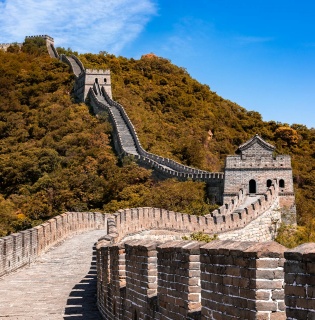
Tian'anmen Square | Forbidden City | Jingshan Park | Summer Palace | Great Wall | Bird Nest | The Ming Tombs | Temple of Heaven | Hutongs | Yonghegong Temple
3 Days
|
Beijing
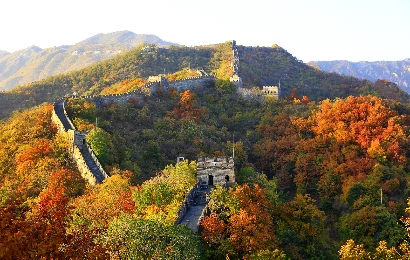
Tian'anmen Square | Forbidden City | Jingshan Park | Summer Palace | Great Wall | Bird Nest | Temple of Heaven | Hutongs
2 Days
|
Beijing
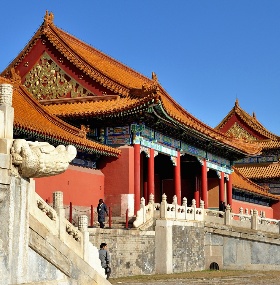
Tian'anmen Square | Forbidden City | Jingshan Park | Great Wall | Bird Nest | Temple of Heaven | Hutongs
1 Day
|
Beijing
Tian'anmen Square | Forbidden City | Temple of Heaven | Jingshan Park | Hutongs
Contact Us
What Our Clients Say?
Based on 10,000+ traveler reviews

Daniel Dorothea
Canada
Reviewed on April 29,2025
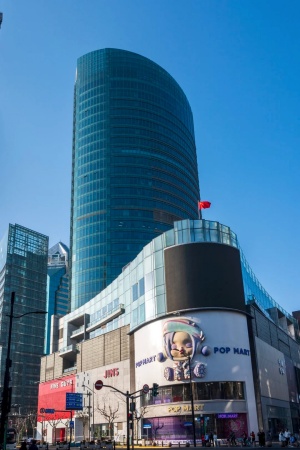
Shopping on Nanjing Road in Shanghai was just amazing! It's truly the "First Commercial Street of China", where tradition and modernity blend perfectly. You can find awesome souvenirs and experience the trendy vibes in cool stores. The neon lights at night are just spectacular, shining bright like Times Square in New York. The food here is incredible too. I had a feast for my taste buds. Shanghai, I'll definitely be back!
Destination(s):
Shanghai
Date of
Experience:
May 08,2024

Elvis Eva
Canada
Reviewed on June 20,2025
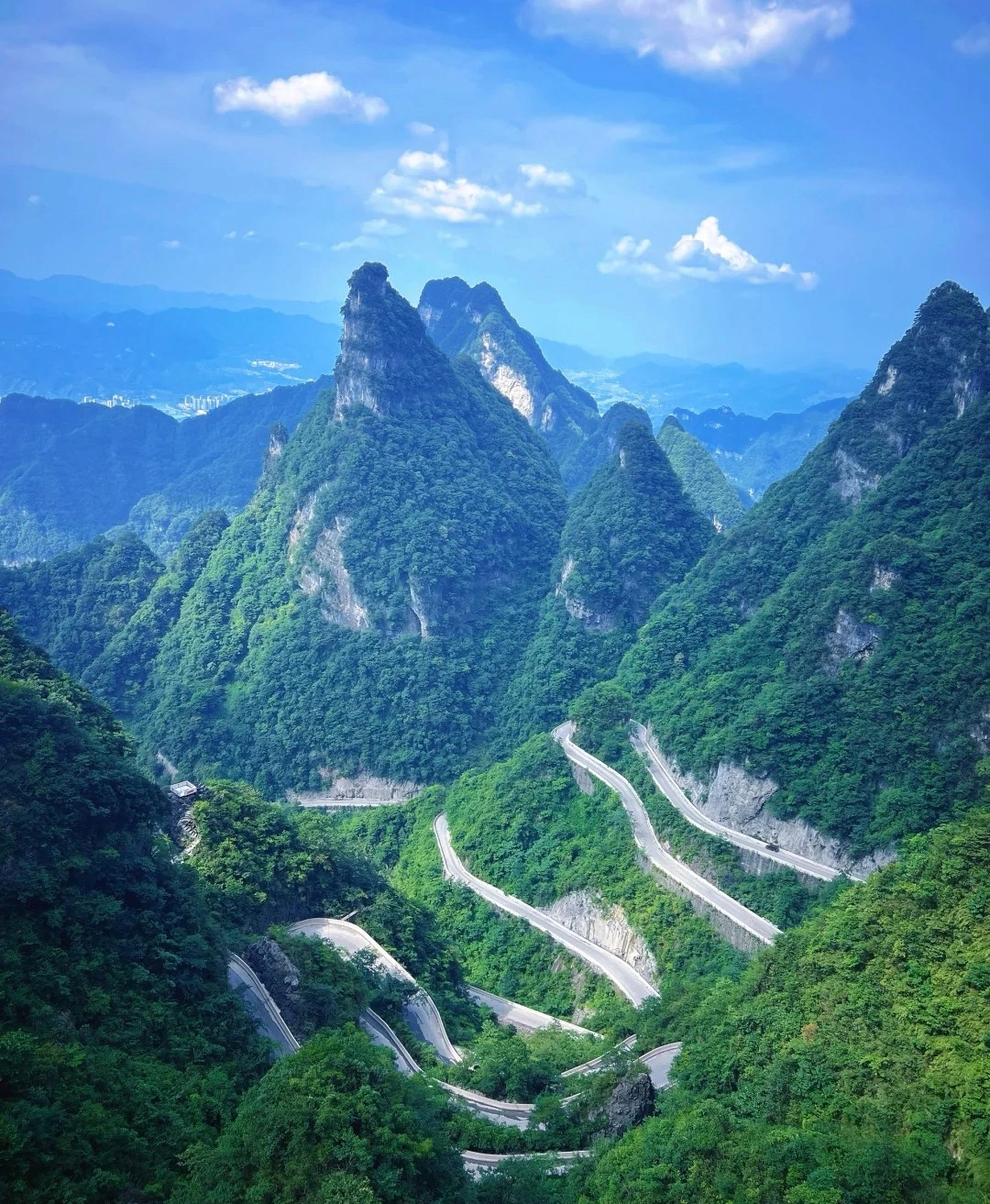
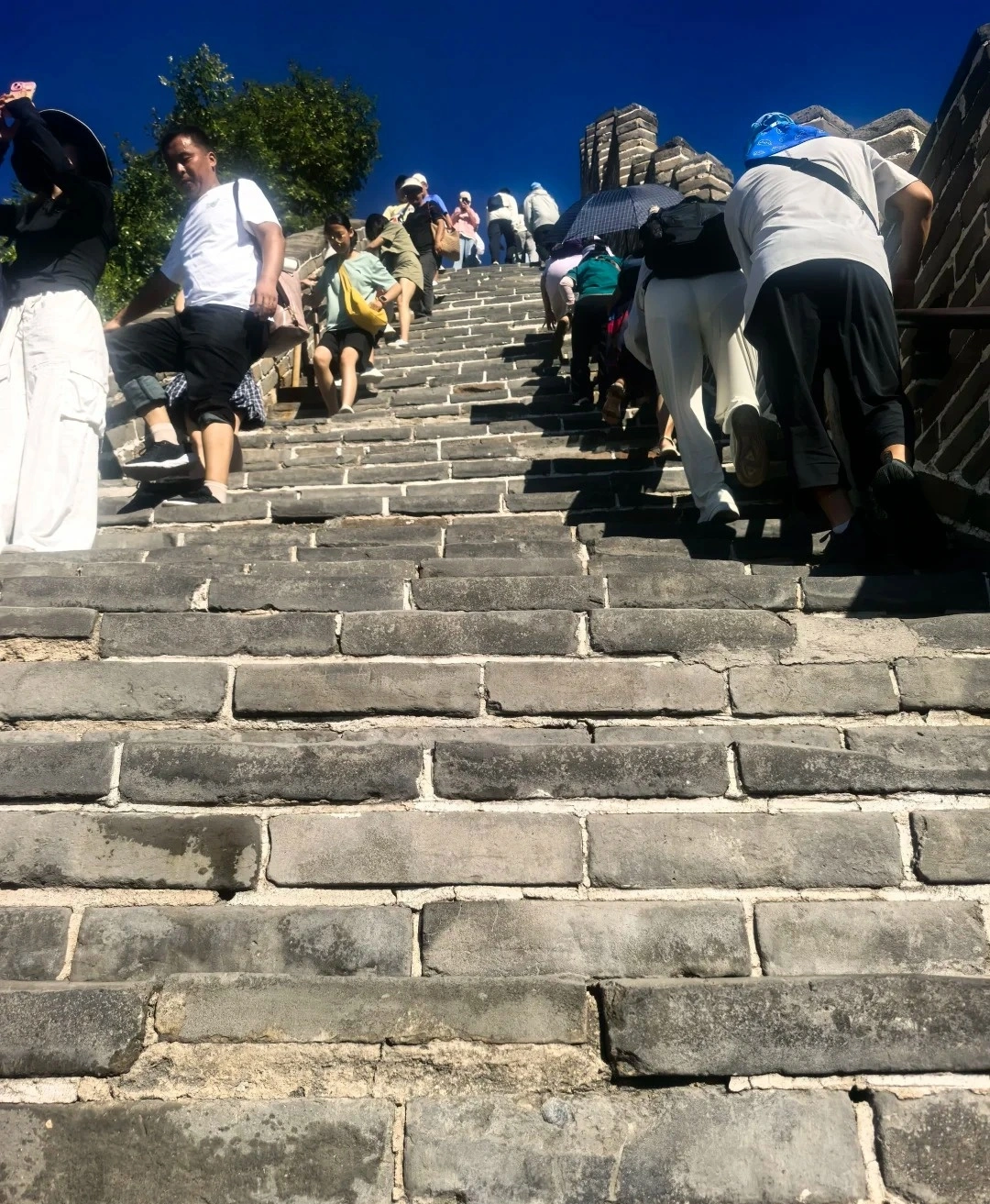
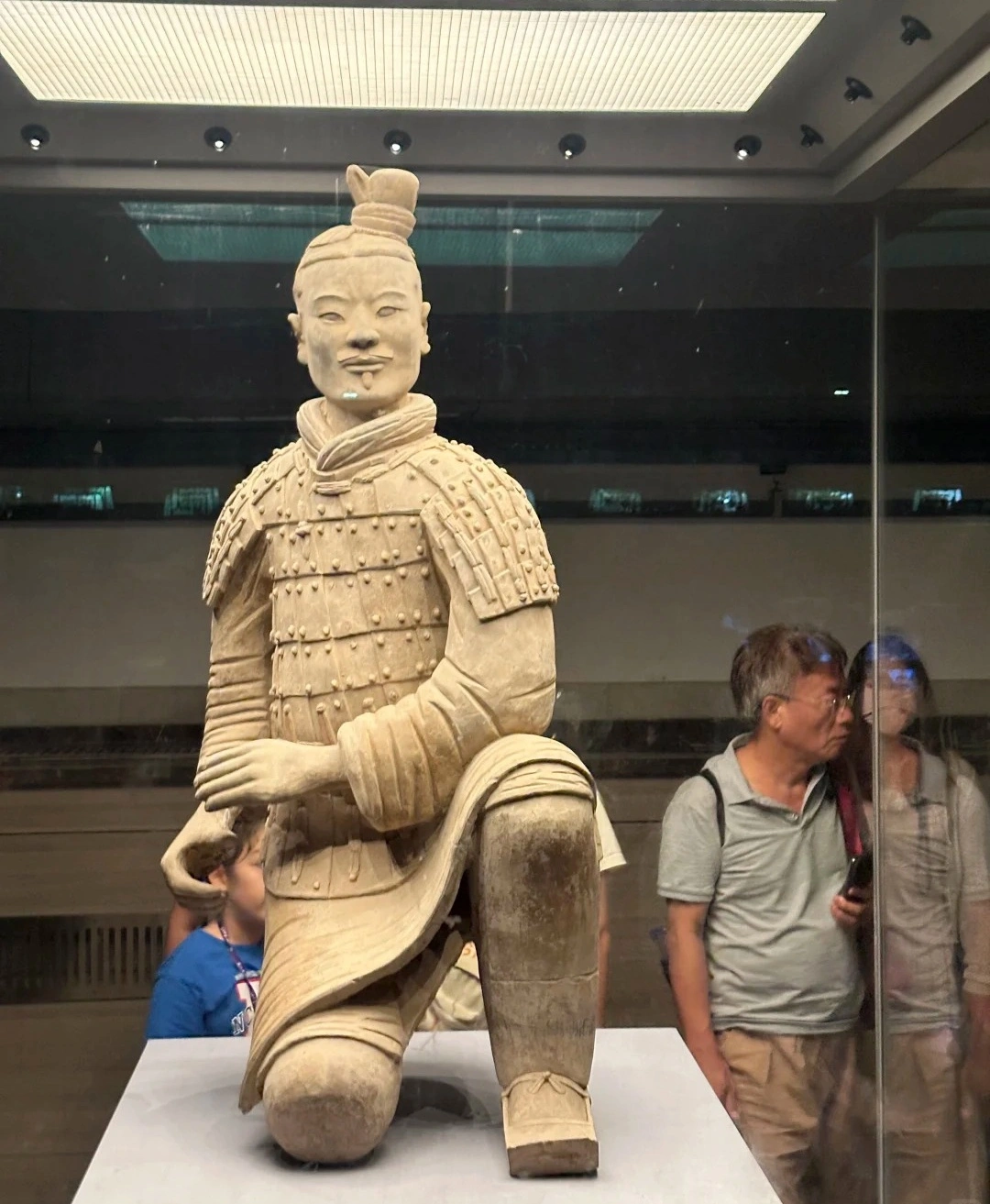
As a solo traveler from Canada, I was nervous about navigating China alone—but this 11-day tour was PERFECT! From hiking the Great Wall at sunrise (Day 3) to gasping at the Terracotta Army (Day 5), every day delivered ‘pinch-me’ moments. The real showstopper? Zhangjiajie’s Avatar Mountains (Day 7)! Our guide made the stone pillars come alive with stories.
Massive thanks for handling all logistics—bullet train tickets, entry passes, car! And the 4-star hotels surprised me.
Destination(s):
Beijing Xian Zhangjiajie Shanghai
Date of
Experience:
June 02,2025

Simon
America
Reviewed on May 29,2025
Our 2-day Zhangjiajie tour was beyond spectacular! As someone who’s visited Beijing and Shanghai for work, this trip revealed China’s wild, magical heart. Day 1 in Zhangjiajie National Forest Park felt like stepping onto Pandora—I’m a huge Avatar fan, and Yuanjiajie’s floating peaks left me breathless. The misty pillars and lush valleys like pure movie magic!
Then came Fenghuang Ancient Town, we eat dinner beside the thundering waterfall. It seems Unreal! The night views of stilt houses glowing over the river were straight from a fairy tale.
For fellow Avatar lovers and adventure seekers: Don’t miss this bucket-list experience! 10/10 would return.
A Well-Traveled Film Buff, May 2025
Destination(s):
Zhangjiajie
Date of
Experience:
May 08,2025