
China Painting
Chinese painting, a deeply philosophical and spiritual art form, combines beauty, symbolism, and technique to reflect the harmony between humanity and nature, with key genres including landscape, bird-and-flower, and figure painting, all infused with cultural and moral meanings.
Chinese painting, one of the most esteemed and ancient art forms, embodies the fusion of beauty, philosophy, and technique. It is a unique artistic expression that stretches over thousands of years, reflecting the cultural heritage and spiritual depth of China. From intricate depictions of nature to symbolic representations of philosophical ideals, Chinese painting captures more than just visual beauty—it connects the artist with the natural world, conveying a deep sense of harmony, tranquility, and wisdom. In this article, we will delve into the history, styles, techniques, and significance of Chinese painting.
If you want to know more about Chinese arts and crafts, please contact us. Popular Tour Packages in China:
The Origins of Chinese Painting
Chinese painting has its roots in the Shang Dynasty (1600–1046 BCE), with the earliest examples of painted works found on oracle bones and pottery. As the centuries progressed, painting evolved from simple depictions of daily life to more sophisticated and symbolic representations. By the Tang Dynasty (618–907), painting became an important means of artistic and intellectual expression, and by the Song Dynasty (960–1279), Chinese painting reached its golden age.
Early Beginnings: Early Chinese paintings were often symbolic and focused on depicting themes like nature, animals, and deities. The goal was not just to represent the physical world, but to express the spiritual essence behind it.
Tang and Song Dynasties: The Tang Dynasty was known for its Figure Painting, which portrayed historical figures and religious subjects. The Song Dynasty, on the other hand, saw the flourishing of Landscape Painting, where artists sought to capture the harmony between nature and humanity.
Yuan and Ming Dynasties: In these periods, Chinese painting became more individualistic, with artists developing unique styles that emphasized personal expression.
Qing Dynasty: The Qing Dynasty saw both the preservation of traditional techniques and the introduction of new ideas. Although the era was marked by a combination of innovation and tradition, the roots of classical Chinese painting remained strong.
The Key Genres of Chinese Painting
Chinese painting spans a variety of genres, each offering unique insights into the cultural and philosophical worldview of the artist. Some of the most prominent genres include:
Landscape Painting
Theme: The natural world—mountains, rivers, trees, and skies—forms the core of landscape painting. It symbolizes the profound connection between humans and nature, a central theme in both Daoism and Confucianism.
Technique: Landscape artists focus on creating depth and perspective, using ink washes and careful brushwork to capture the expansive beauty of nature. The painting often reflects the artist’s inner emotions and relationship with the natural environment.
Philosophy: Landscape paintings often carry symbolic meanings and reflect the artist’s spiritual journey, a representation of the connection between the human spirit and the world around them.
Theme: This genre focuses on flora and fauna, with birds, flowers, and plants often symbolizing various moral and philosophical ideas. For example, the peony represents wealth, while the orchid symbolizes purity and elegance.
Technique: Bird-and-flower paintings require delicate brushwork and close attention to detail. The artist must master the art of rendering intricate textures such as the softness of a petal or the sheen of a bird’s feathers.
Symbolism: These paintings often carry deeper meanings, with different species of birds or flowers representing virtues such as love, wealth, or perseverance.
Figure Painting
Theme: This genre includes depictions of historical figures, mythological characters, and scenes from daily life. The human figure is painted with attention to posture, facial expression, and emotional depth.
Technique: Figure painting relies on fine line work to portray the contours of the body and the nuances of emotion. The brushstrokes used here convey not only the outer appearance but also the inner character of the subject.
Expression: Figure paintings are often used to express philosophical and moral themes, with the figures often representing virtues or ideas important to Chinese society.
Theme: In this combined genre, Chinese painting is integrated with calligraphy, another revered art form in China. The combination of visual elements and written words enriches the meaning and adds layers of depth to the artwork.
Technique: The fluidity of brushstrokes in both the painting and calligraphy are closely connected, reflecting the artist’s skill and creativity. The harmonious integration of the two elements creates a balanced, unified composition.
The Techniques of Chinese Painting
Chinese painting is defined by its use of brushwork and ink, two elements that differentiate it from many other painting traditions. Key techniques in Chinese painting include:
Brushwork
The brush is the core tool in Chinese painting. The quality of the brushstroke is crucial to the overall effect of the painting. Each stroke conveys the artist's mood, and the fluidity and pressure applied to the brush can change the line's texture and thickness.
Different types of brushes are used for various effects, with larger brushes employed for broad strokes and smaller brushes for detailed work. The brush’s versatility allows artists to express a wide range of emotions and effects.
Ink Wash
Ink wash is a traditional method of applying ink diluted with water to create various shades of gray, ranging from dark to light. This technique is commonly used in landscape painting to create the illusion of depth, distance, and atmosphere.
The gradation of ink creates a dynamic contrast, giving the artwork a sense of motion and life. This technique reflects the belief that true beauty lies in simplicity and the harmonious interaction of ink and water.
Composition
In Chinese painting, composition is vital to creating a balanced and harmonious work. Artists often use the principle of "empty space" or "negative space," where blank areas of the paper are intentionally left unpainted. This technique helps emphasize the subject of the painting and allows the viewer to focus on the key elements.
The use of space not only affects the visual balance of the artwork but also carries symbolic meaning. For example, a landscape painting might include large areas of empty space to evoke a sense of vastness and the infinite nature of the universe.
Symbolism
Symbolism is an essential element of Chinese painting. Each element in a painting, whether it is a bird, flower, or mountain, has specific cultural and philosophical meanings. Understanding these symbols provides insight into the deeper layers of the painting.
For example, bamboo often represents strength and resilience, while chrysanthemums are a symbol of longevity. Each symbol reflects key aspects of Chinese philosophy, such as the Daoist emphasis on balance and harmony.
The Cultural Significance of Chinese Painting
Chinese painting is deeply tied to the philosophical and spiritual traditions of China. It is not simply about creating beautiful images, but about conveying deeper truths and expressing the artist’s inner world. The practice of painting is considered a way to cultivate oneself spiritually, aligning the body and mind with nature and the cosmos.
Philosophy and Spirit: The connection between painting and Chinese philosophy is profound. Many artists believe that through the act of painting, they can achieve a state of harmony with nature, a principle rooted in Daoism and Confucianism.
Intellectual Pursuit: Painting was traditionally seen as an intellectual pursuit, practiced by scholars and educated elites who viewed it as an extension of their personal cultivation. It is closely associated with poetry, music, and calligraphy, and these elements were often intertwined in classical Chinese art.
Chinese painting is a timeless and multifaceted art form that continues to captivate audiences around the world. It is a powerful medium for expressing not only the beauty of the natural world but also deeper spiritual and philosophical truths. Whether through the serene beauty of landscapes, the delicate details of flowers, or the expressive depiction of figures, Chinese painting offers an invaluable window into the rich cultural history and artistic heritage of China. As you explore this unique art form, you’ll discover not only its visual allure but also the profound wisdom it conveys about nature, humanity, and the universe.


Contact Us
What Our Clients Say?
Based on 10,000+ traveler reviews

Daniel Dorothea
Canada
Reviewed on April 29,2025
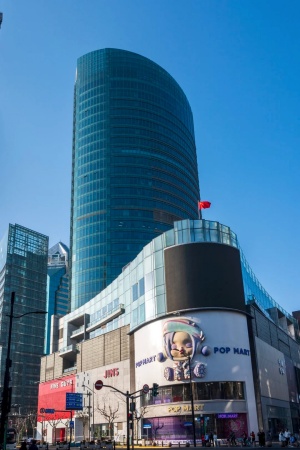
Shopping on Nanjing Road in Shanghai was just amazing! It's truly the "First Commercial Street of China", where tradition and modernity blend perfectly. You can find awesome souvenirs and experience the trendy vibes in cool stores. The neon lights at night are just spectacular, shining bright like Times Square in New York. The food here is incredible too. I had a feast for my taste buds. Shanghai, I'll definitely be back!
Destination(s):
Shanghai
Date of
Experience:
May 08,2024

Elvis Eva
Canada
Reviewed on June 20,2025
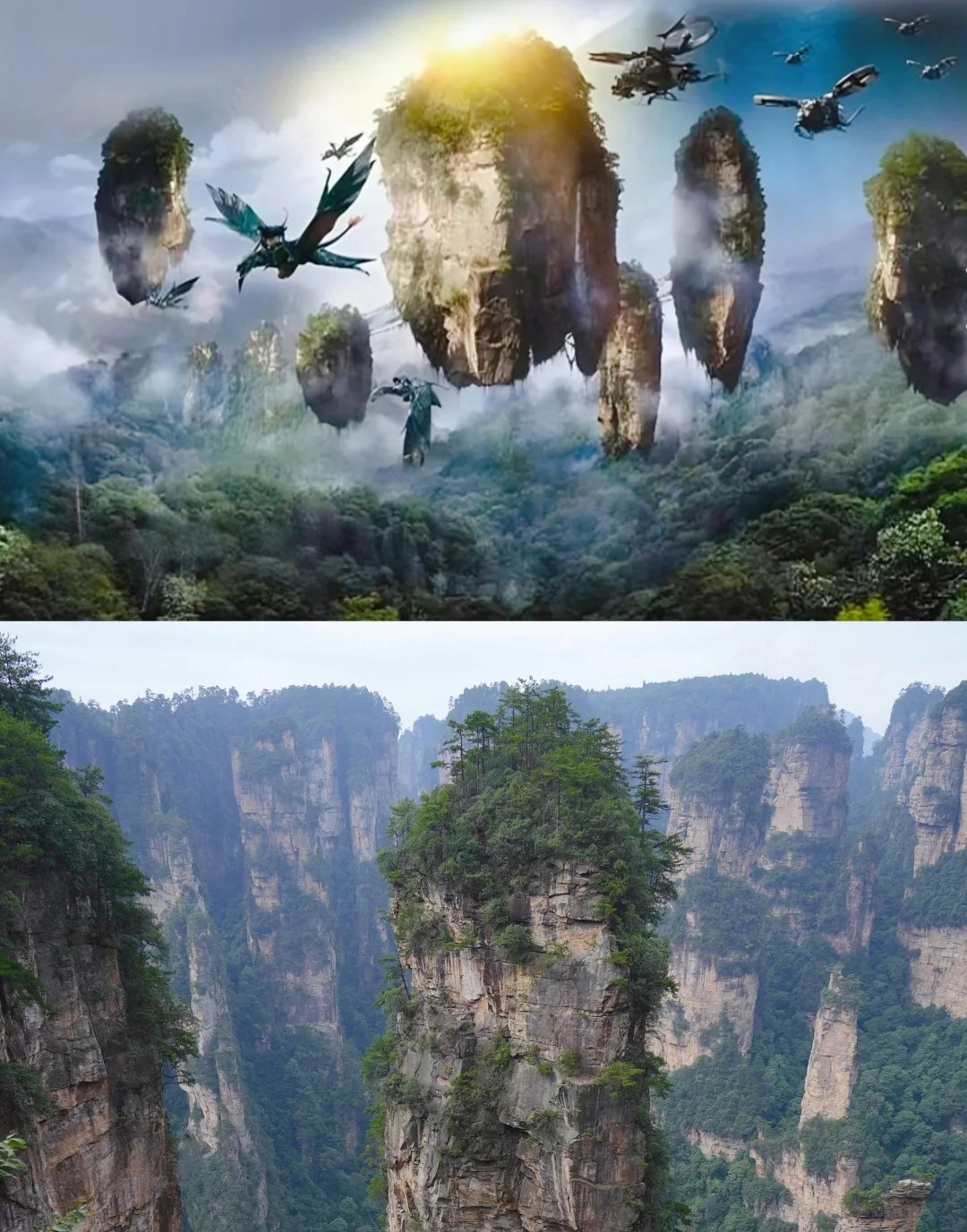
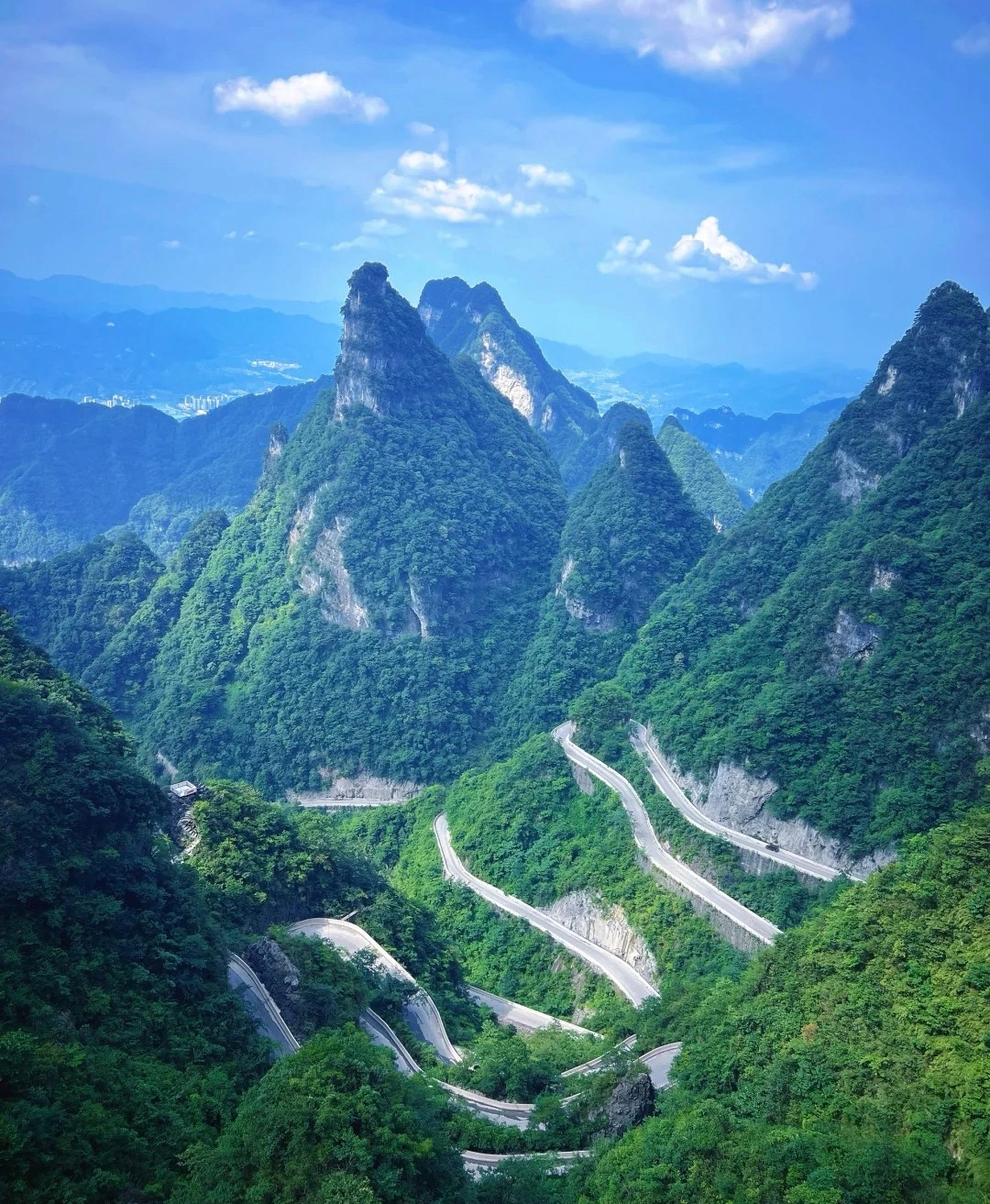
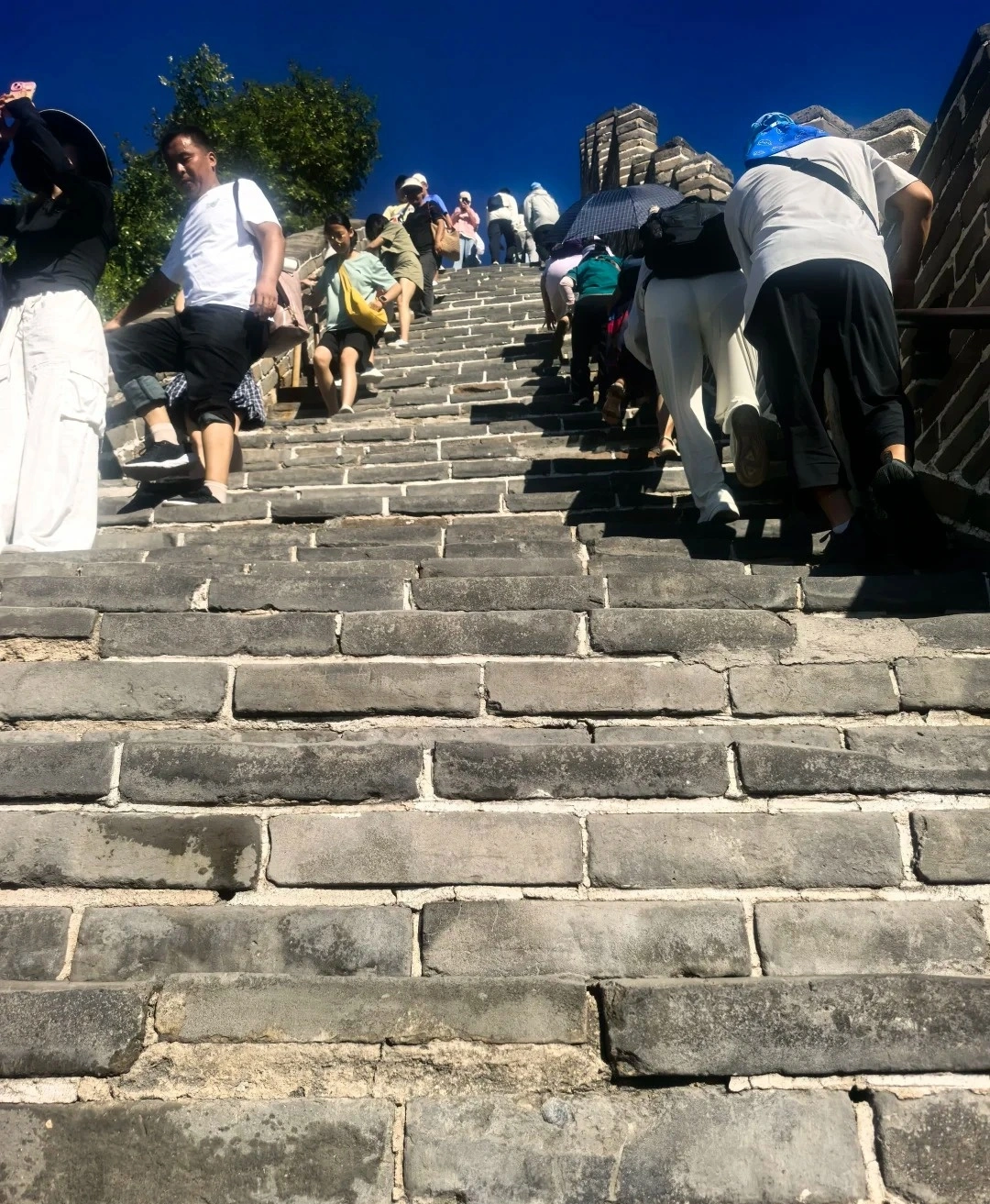
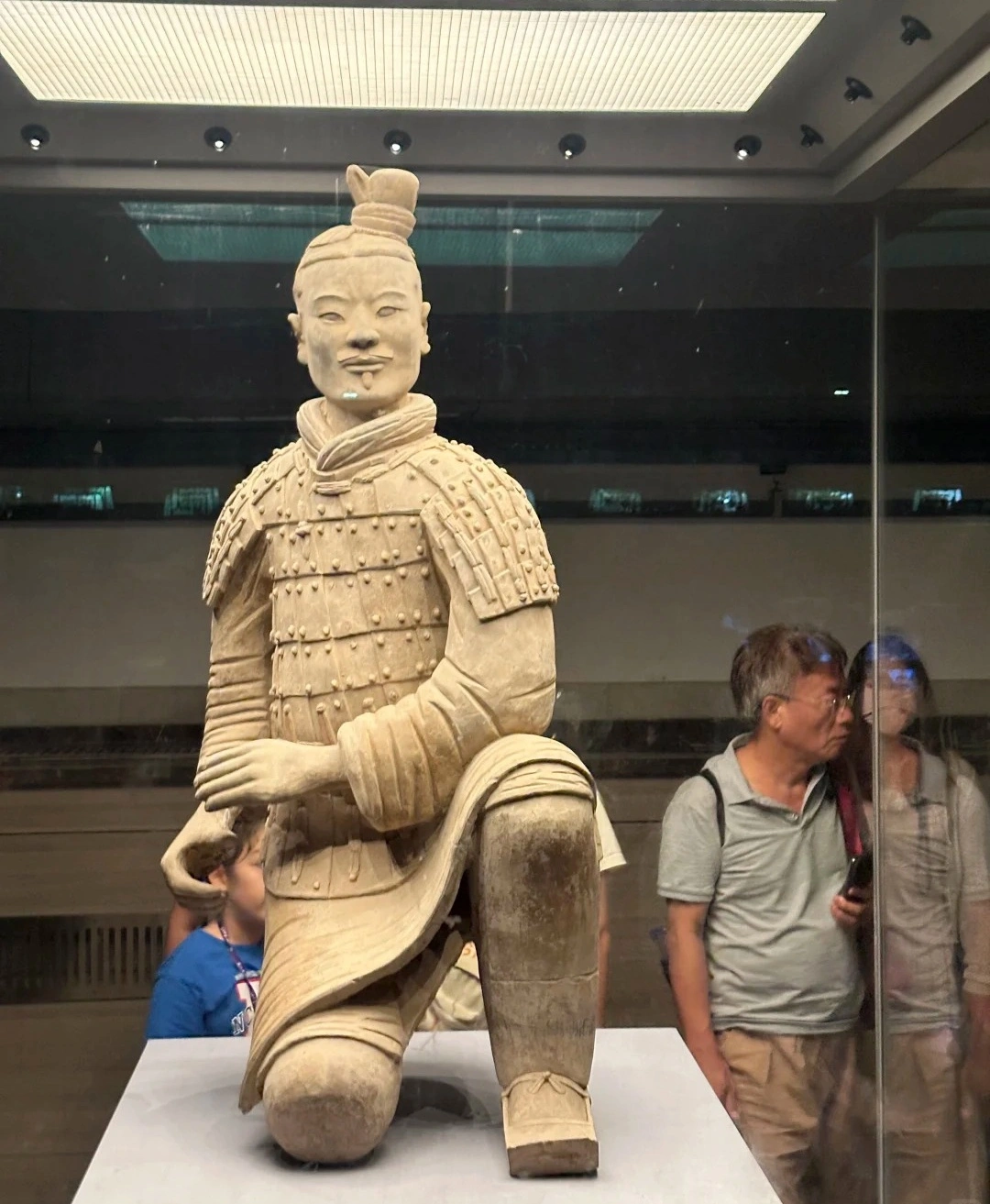
As a solo traveler from Canada, I was nervous about navigating China alone—but this 11-day tour was PERFECT! From hiking the Great Wall at sunrise (Day 3) to gasping at the Terracotta Army (Day 5), every day delivered ‘pinch-me’ moments. The real showstopper? Zhangjiajie’s Avatar Mountains (Day 7)! Our guide made the stone pillars come alive with stories.
Massive thanks for handling all logistics—bullet train tickets, entry passes, car! And the 4-star hotels surprised me.
Destination(s):
Beijing Xian Zhangjiajie Shanghai
Date of
Experience:
June 02,2025

Simon
America
Reviewed on May 29,2025
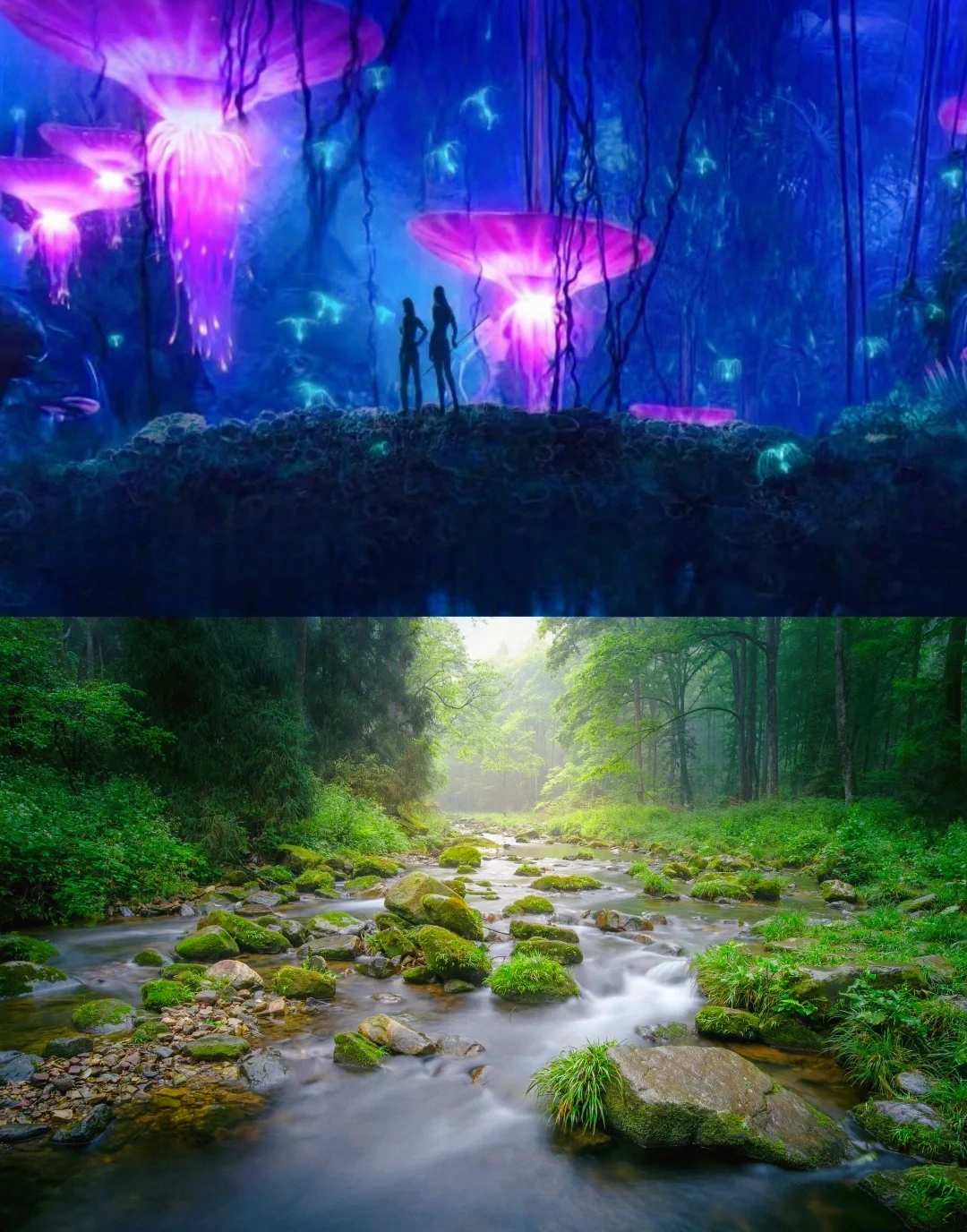
Our 2-day Zhangjiajie tour was beyond spectacular! As someone who’s visited Beijing and Shanghai for work, this trip revealed China’s wild, magical heart. Day 1 in Zhangjiajie National Forest Park felt like stepping onto Pandora—I’m a huge Avatar fan, and Yuanjiajie’s floating peaks left me breathless. The misty pillars and lush valleys like pure movie magic!
Then came Fenghuang Ancient Town, we eat dinner beside the thundering waterfall. It seems Unreal! The night views of stilt houses glowing over the river were straight from a fairy tale.
For fellow Avatar lovers and adventure seekers: Don’t miss this bucket-list experience! 10/10 would return.
A Well-Traveled Film Buff, May 2025
Destination(s):
Zhangjiajie
Date of
Experience:
May 08,2025